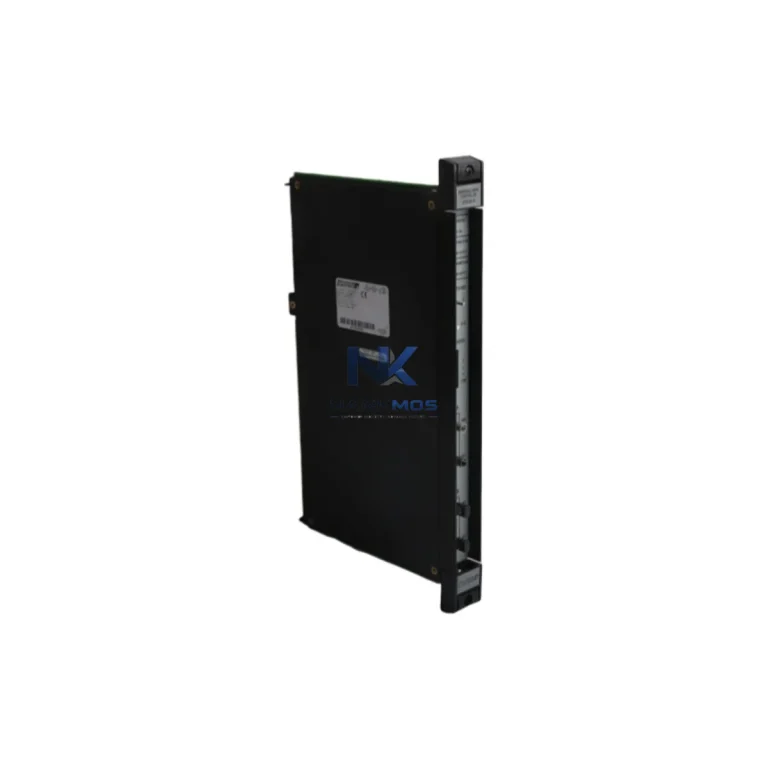
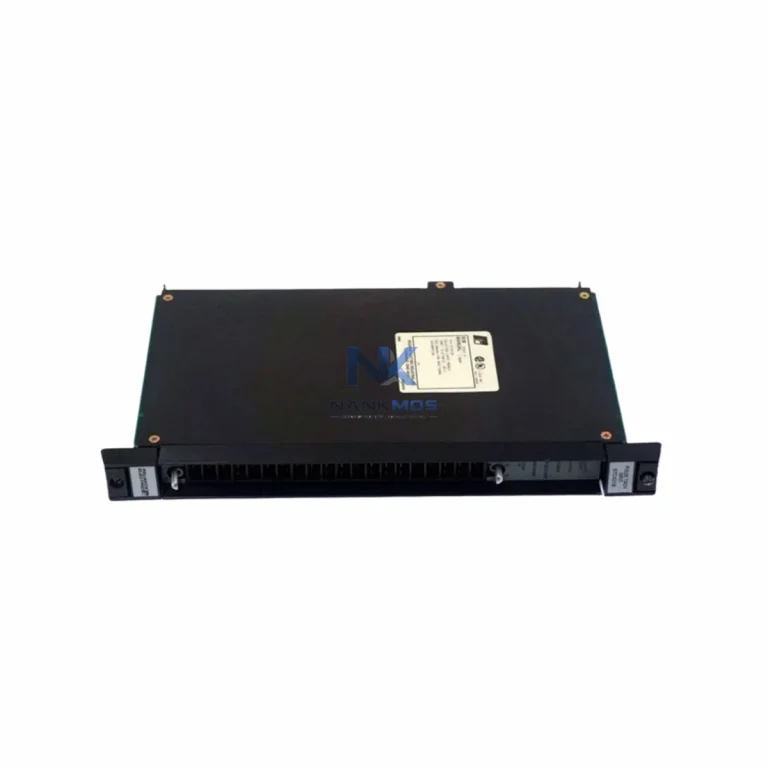
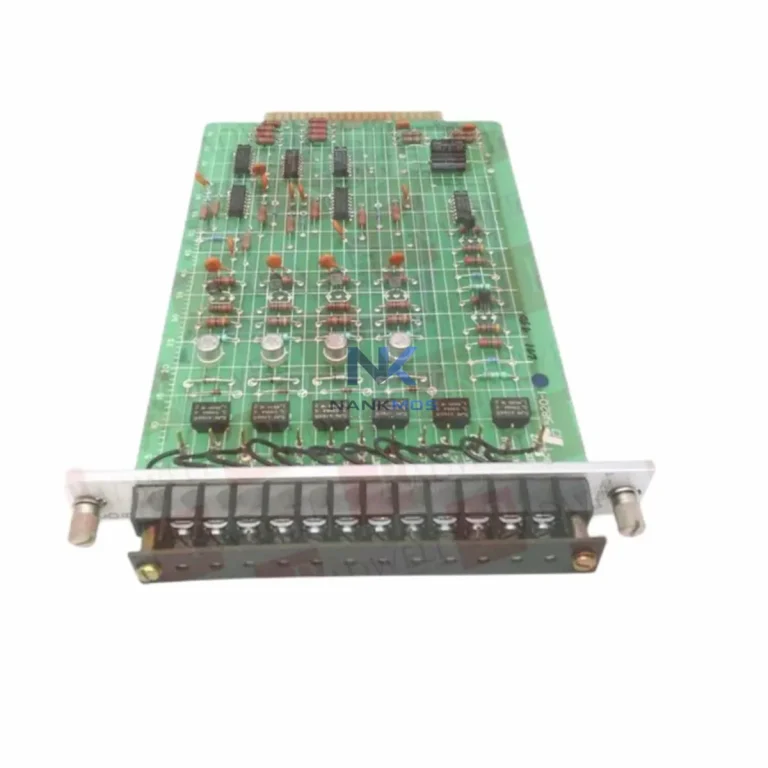
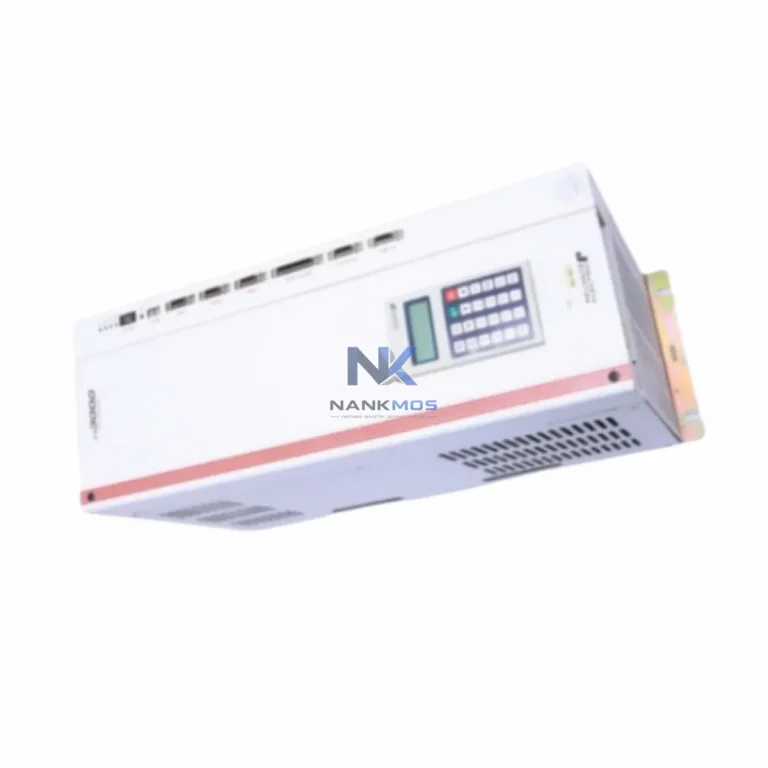
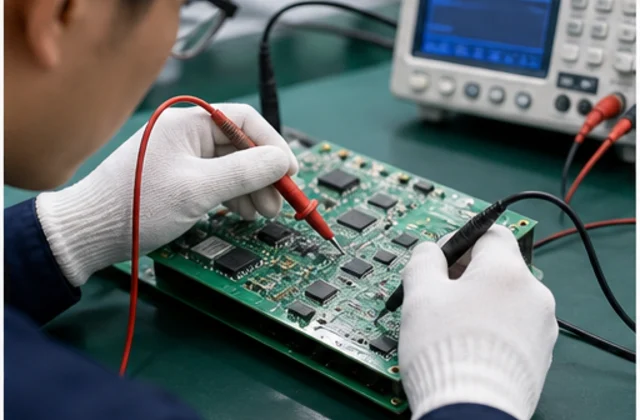
 Functional Inspection
100% tested on professional platforms to ensure stable performance.
Reliance Electric 018-001770 is a NANKMOS industrial automation product record Listed under Other series series and Drives. Confirm condition, availability, lead time, compatibility and documentation by email inquiry.
Brand names are used for identification only.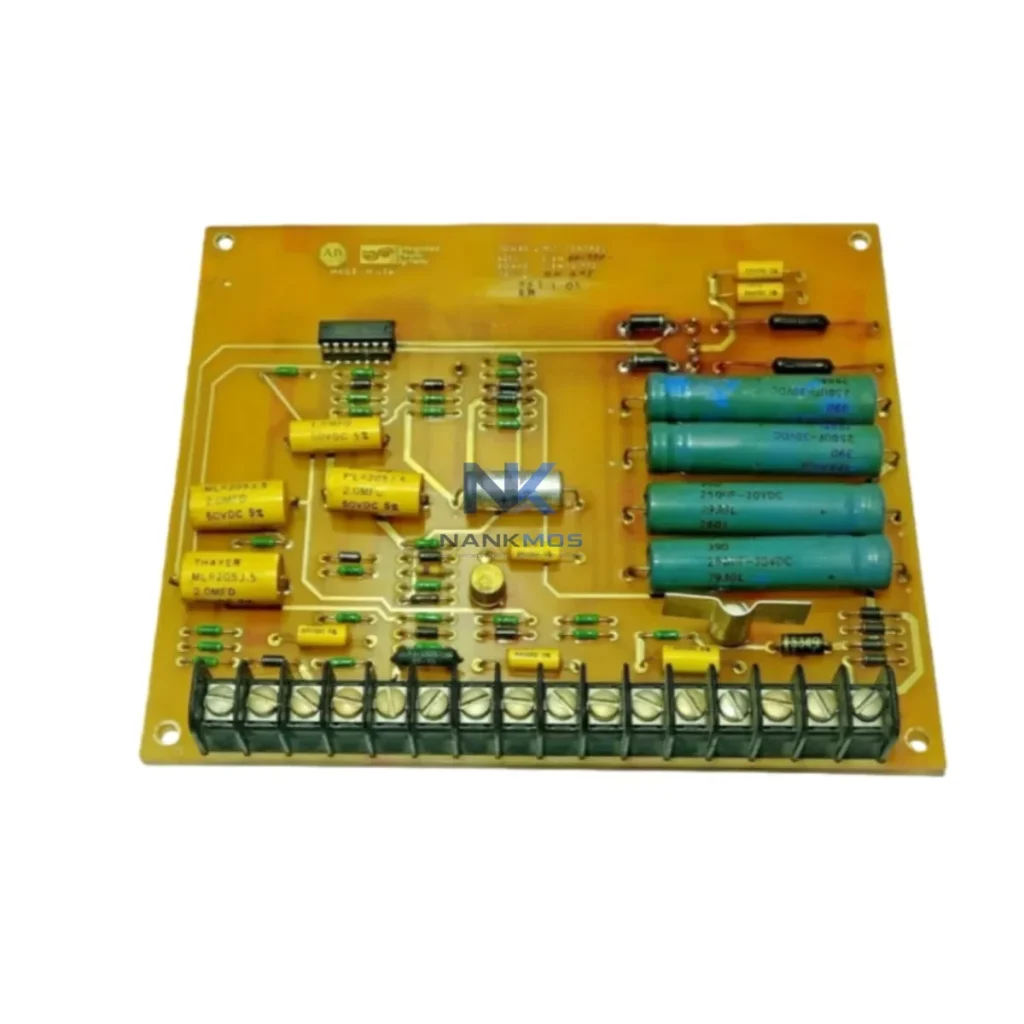
Reliance Electric 018-001770 is a NANKMOS industrial automation product record Listed under Other series series and Drives. Confirm condition, availability, lead time, compatibility and documentation by email inquiry.
| Manufacturer | Reliance Electric |
|---|---|
| Application | Control System Power Support |
| Part Number / Model | 018-001770 |
| Compatible System | Confirmed by inquiry |
| Condition Options | To Confirm |
| Module Type | Power Supply Module |
| Warranty | 12 Months |
| Packaging | Anti-static Bag / Secure Box |
| Shipping Methods | DHL / FedEx / UPS / Air / Sea |
| Availability | To Confirm |
| Lead Time | To Confirm |
| Documentation | Part number and revision checked before quote |
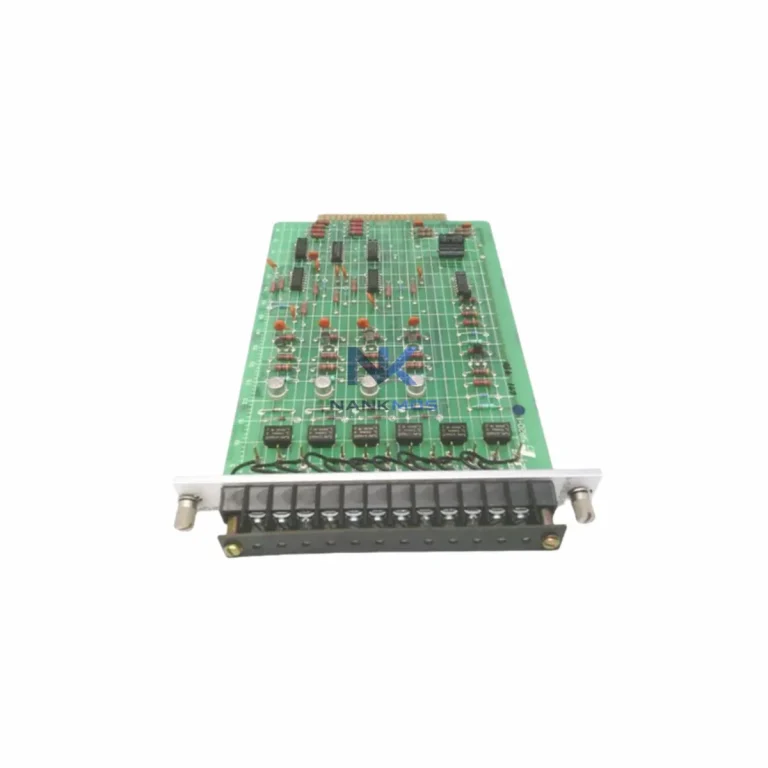
The Reliance Electric 018-001770 Energy-Control Power Limit Board is a purpose-built control module engineered for DC drive systems operating in energy-intensive industrial environments. Designed to integrate seamlessly within the FlexPak 3000 and compatible FlexPak DC drive platforms, this board governs armature current limits and power thresholds with high-resolution accuracy — directly reducing unnecessary energy draw during motor acceleration, deceleration, and steady-state operation. For plant engineers and automation managers focused on reducing kilowatt-hour consumption per production cycle, the 018-001770 delivers measurable efficiency gains without compromising throughput or drive responsiveness.
In modern smart production lines, energy waste most commonly occurs at the drive level — during uncontrolled current surges, inefficient torque transitions, and thermal overload events that force protective shutdowns. The 018-001770 addresses these failure modes directly by enforcing programmable power limits that keep the drive operating within its optimal efficiency band. When paired with a Reliance Electric FlexPak 3000 Regulator Board and a Speed Reference Interface Module, the system achieves tightly coordinated motor control that eliminates the energy spikes associated with manual speed adjustments or unmanaged load transitions.
Effective energy management in a production facility is never the result of a single component — it is the outcome of a well-integrated control architecture. The Reliance Electric 018-001770 sits at the heart of this architecture by governing how much power the DC drive can draw at any given moment. When the board is correctly configured within a FlexPak 3000 drive system, it communicates power limit parameters to the drive's inner current loop, preventing the motor from drawing excess current during load changes or startup sequences.
This board works in close coordination with several other system components to deliver a complete power-aware automation strategy. The Reliance Electric Firing Circuit Board (part of the same FlexPak drive stack) controls SCR gate timing, and when the 018-001770 enforces a power ceiling, the firing circuit adjusts phase angle accordingly — reducing reactive power and improving the drive's overall power factor. Upstream, a Reliance Electric Power Interface Board conditions incoming AC supply voltage and feeds clean DC bus power to the drive, ensuring that the power limit board operates with stable reference signals.
For facilities running Allen-Bradley PLC platforms such as the ControlLogix or CompactLogix series, the FlexPak drive system — including the 018-001770 — can be integrated via DeviceNet or Profibus DP communication modules, allowing the PLC to dynamically adjust power limit setpoints based on real-time production demand. This closed-loop energy strategy means that during low-demand periods — shift changes, idle conveyor segments, or reduced-speed machining passes — the drive automatically operates at lower power limits, cutting energy consumption without operator intervention.
On the monitoring side, pairing the FlexPak system with a power quality monitoring module or an energy metering device connected to the facility's SCADA platform enables continuous tracking of kilowatt-hour consumption per drive axis. When the 018-001770 is functioning correctly, energy monitoring dashboards will show smooth, bounded current profiles rather than the jagged spikes that indicate uncontrolled load transitions. This data feeds directly into predictive maintenance workflows — abnormal power draw patterns detected by the SCADA system can trigger maintenance alerts before a drive fault occurs, reducing unplanned downtime.
In multi-axis production lines where several DC motors drive conveyors, winders, or extruders simultaneously, coordinating power limits across all drives prevents simultaneous peak demand events that inflate utility demand charges. A Reliance Electric Voltage Regulator Board installed in each drive cabinet, combined with the 018-001770 power limit board, ensures that each motor axis contributes to a balanced, predictable load profile across the facility's electrical infrastructure. HMI panels — whether standalone PanelView units or SCADA-connected operator stations — can display real-time power limit status and allow authorized operators to adjust setpoints without accessing the drive cabinet directly.
The most significant source of energy waste in DC drive applications is uncontrolled current during transient events: motor starts, load impacts, speed reversals, and emergency stops. Each of these events, if unmanaged, draws far more current than the process actually requires — generating excess heat in the motor windings, the drive's power semiconductors, and the facility's distribution transformers. Over thousands of production cycles per shift, this cumulative waste adds up to measurable increases in energy cost and accelerated component wear.
The Reliance Electric 018-001770 Power Limit Control Board directly addresses this by clamping the drive's current reference signal at a programmable maximum. The result is a controlled, ramp-shaped current profile during transients rather than an uncontrolled spike. Motors reach their target speed more smoothly, mechanical stress on couplings and gearboxes is reduced, and the thermal load on the drive's heat sink and cooling system decreases — extending the service life of the entire drive assembly.
From a production line rhythm perspective, smooth motor control translates directly into consistent cycle times. When a conveyor or winder drive operates with stable, bounded power draw, the mechanical system behaves predictably — reducing the micro-variations in line speed that cause product defects, registration errors, or tension fluctuations in web-handling applications. Plant managers focused on OEE (Overall Equipment Effectiveness) will find that replacing a failed or degraded power limit board with a tested 018-001770 restores the drive's ability to maintain tight speed regulation, directly improving line efficiency metrics.
Thermal management is another critical dimension of energy optimization. Drives that operate without effective power limiting run hotter, require more cooling airflow, and are more likely to trigger thermal protection shutdowns during peak production periods. By keeping the drive within its rated power envelope, the 018-001770 reduces the frequency of thermal derating events — keeping the production line running at full speed during critical production windows and reducing the energy consumed by drive cooling systems.
All units supplied by NANKMOS are tested prior to shipment and backed by a 12-month warranty, ensuring that the energy efficiency gains delivered by the 018-001770 are supported by reliable, verified hardware. In-stock availability means minimal lead time — critical for facilities where a drive fault has already caused production downtime.
Q1: How does the 018-001770 reduce energy consumption in a FlexPak DC drive system? The board enforces a programmable armature current limit that prevents the drive from drawing excess power during motor starts, load changes, and speed transitions. By clamping peak current draw, it reduces resistive losses in the motor and drive components, lowers thermal load on the cooling system, and improves the drive's effective power factor — all of which contribute to lower energy consumption per production cycle.
Q2: Is the 018-001770 compatible with PLC and SCADA integration for real-time energy monitoring? Yes. The FlexPak 3000 drive system, which the 018-001770 is designed for, supports integration with PLC platforms via DeviceNet, Profibus DP, and analog I/O interfaces. Power limit setpoints can be adjusted dynamically by the PLC based on production demand signals, and drive status data — including current limit status — can be transmitted to SCADA systems for real-time energy monitoring and predictive maintenance analysis.
Q3: Can this board replace a failed power limit board in an existing FlexPak installation without reconfiguring the entire drive? In most cases, yes. The 018-001770 is a direct replacement for the original Reliance Electric power limit control board used in compatible FlexPak 3000 and FlexPak Plus drive systems. Replacement typically requires board swap and parameter verification rather than full drive reconfiguration. NANKMOS recommends verifying the drive's firmware version and existing parameter settings before installation to ensure seamless compatibility.
Q4: What does the 12-month warranty cover, and how quickly can the board be shipped? The 12-month warranty covers defects in materials and workmanship under normal operating conditions. Every unit is functionally tested before shipment to verify correct operation. NANKMOS maintains in-stock inventory of the 018-001770, enabling same-day or next-business-day dispatch for most orders — minimizing production downtime for facilities requiring urgent drive repair.
Functional Inspection100% tested on professional platforms to ensure stable performance.
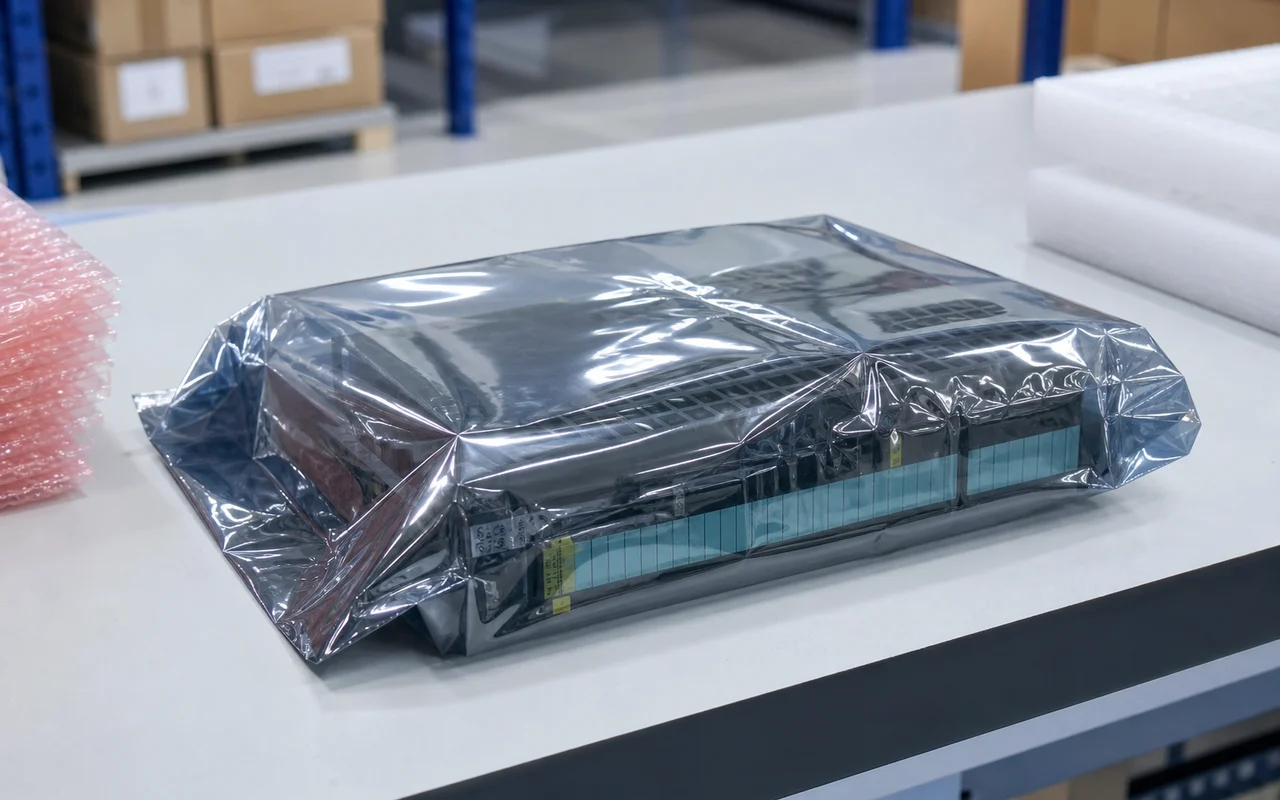 Anti-static Packaging
Modules are packed in anti-static bags to prevent electrostatic damage.
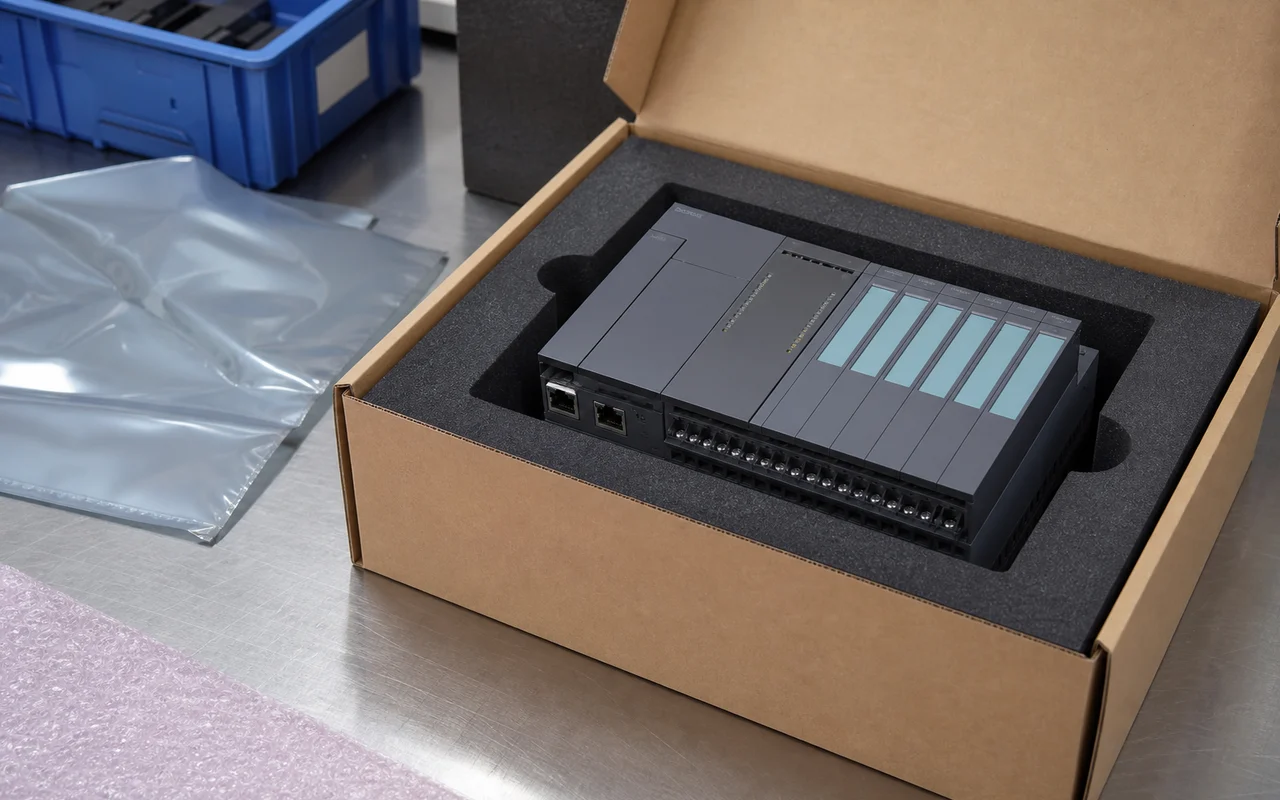 Secure Export Packing
Cushion protection and strong cartons ensure safe transportation.
 Worldwide Shipping
Global logistics network supports air, sea and express delivery.
 Documentation Check
Part number, revision and compatibility verified before shipment.
 After-sales Support
Professional technical support to help resolve your issues.