Functional Inspection
100% tested on professional platforms to ensure stable performance.
Hitachi 2B021918-1 is a NANKMOS industrial automation product record Listed under Other series series and Drives. Confirm condition, availability, lead time, compatibility and documentation by email inquiry.
Brand names are used for identification only.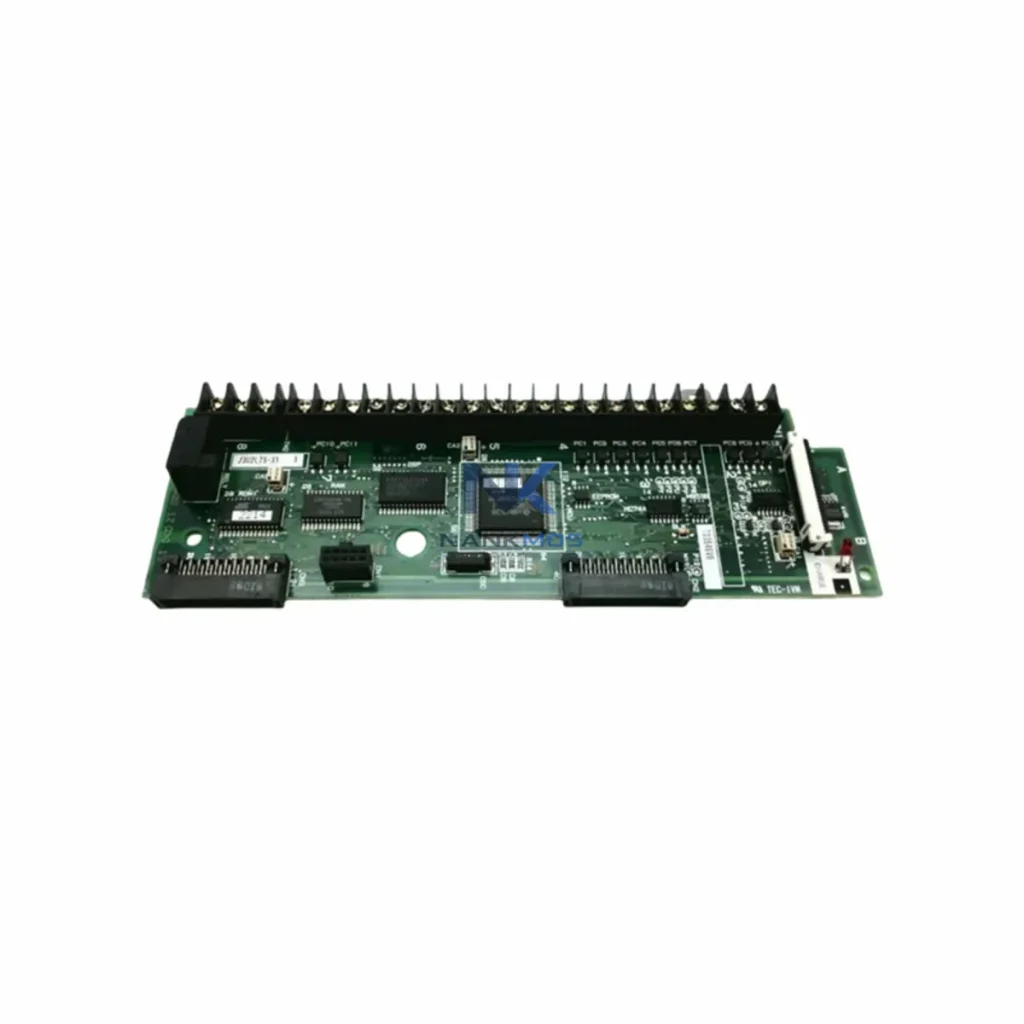
Hitachi 2B021918-1 is a NANKMOS industrial automation product record Listed under Other series series and Drives. Confirm condition, availability, lead time, compatibility and documentation by email inquiry.
| Manufacturer | Hitachi |
|---|---|
| Application | Motion Control & Drive System |
| Part Number / Model | 2B021918-1 |
| Compatible System | Confirmed by inquiry |
| Condition Options | To Confirm |
| Module Type | Servo / Drive Module |
| Warranty | 12 Months |
| Packaging | Anti-static Bag / Secure Box |
| Shipping Methods | DHL / FedEx / UPS / Air / Sea |
| Availability | To Confirm |
| Lead Time | To Confirm |
| Documentation | Part number and revision checked before quote |
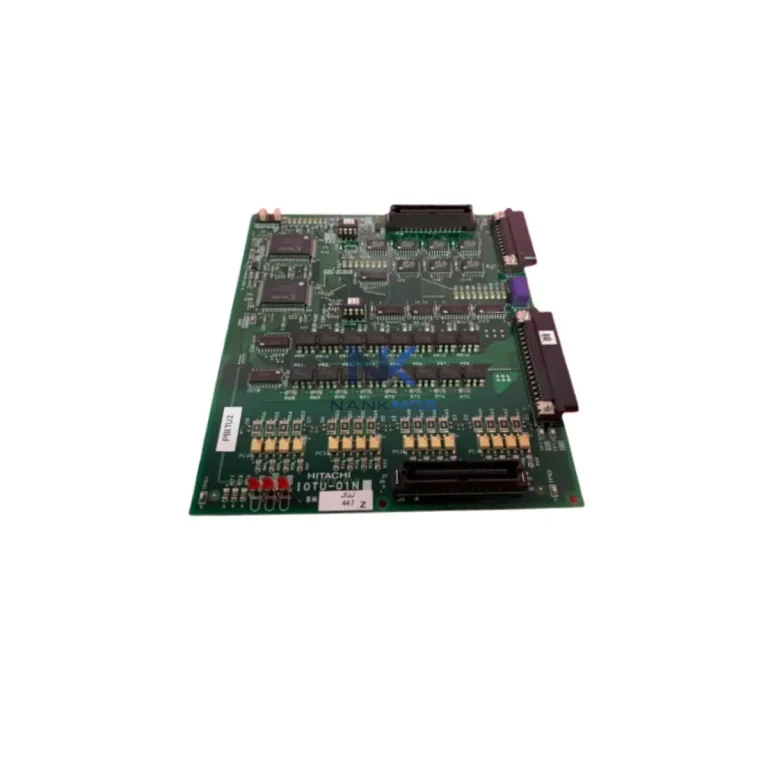
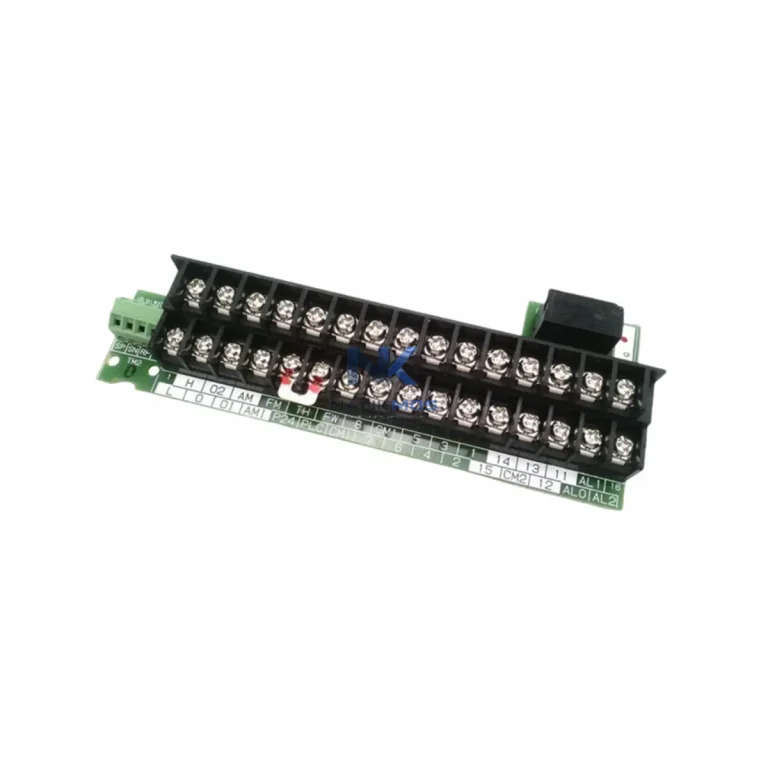
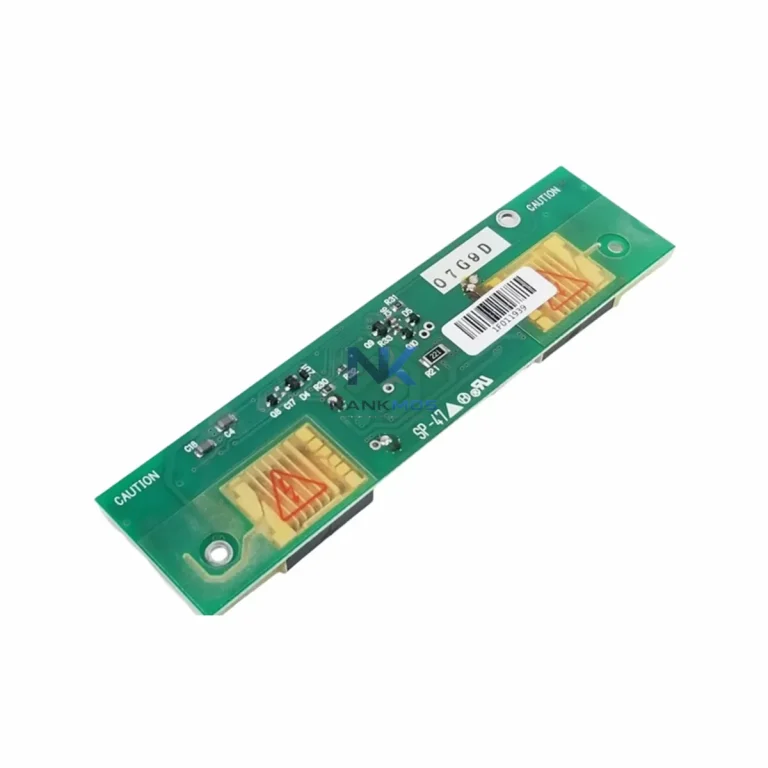
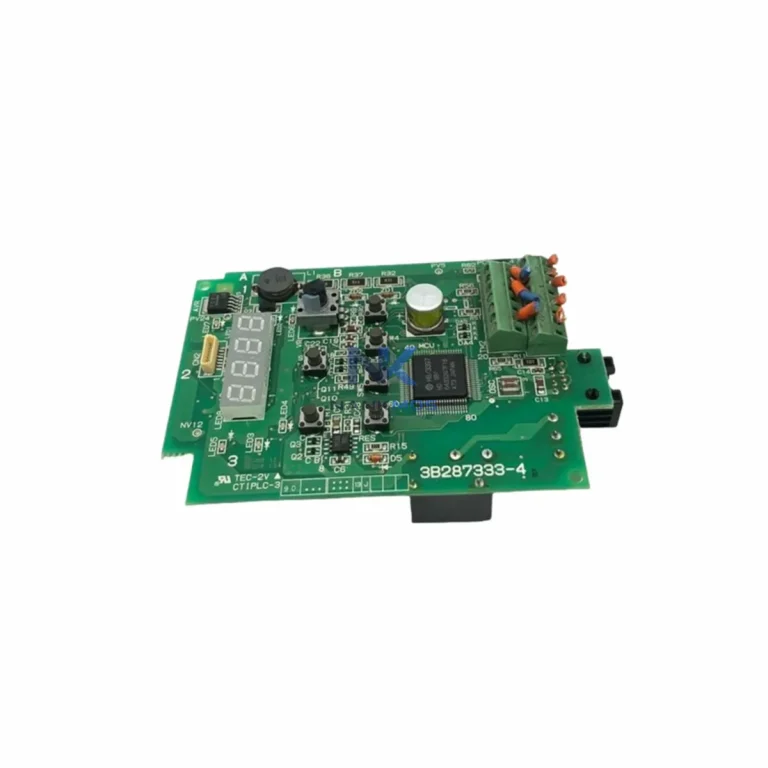
The Hitachi 2B021918-1 is a precision-engineered inverter control board designed for the SJ series variable frequency drives (VFDs), delivering reliable motor speed regulation, energy-efficient load management, and stable drive output across demanding industrial environments. As a core component of the Hitachi SJ series drive platform, this board governs the pulse-width modulation (PWM) logic, gate drive signals, and closed-loop feedback processing that determine how efficiently a VFD converts incoming AC power into precisely controlled motor torque and speed. In smart production lines where energy costs and equipment uptime are critical KPIs, the 2B021918-1 plays a central role in reducing unnecessary power draw, minimizing thermal stress on drive hardware, and maintaining consistent production throughput.
Industrial facilities operating continuous-duty motors — including conveyor systems, pump stations, compressor banks, and HVAC units — depend on inverter control boards like the 2B021918-1 to eliminate the energy waste associated with across-the-line motor starting and fixed-speed operation. By enabling smooth acceleration ramps, deceleration control, and dynamic speed adjustment in response to load demand signals from a PLC or SCADA system, this board directly reduces peak current draw and lowers average energy consumption per production cycle. The result is measurable improvement in energy efficiency ratings, reduced utility costs, and extended motor winding life due to lower thermal cycling.
The Hitachi 2B021918-1 control board operates at the intersection of drive intelligence and plant-level energy management. In a typical smart production line, this board receives speed reference signals from a Mitsubishi MELSEC Q-series or Siemens S7-1200 PLC via RS-485 Modbus RTU, translating digital setpoints into precise PWM gate signals that regulate IGBT switching within the SJ series drive chassis. This closed-loop architecture allows the PLC to dynamically adjust motor speed in real time based on process feedback — eliminating the fixed-speed energy waste that accounts for a significant share of industrial electricity consumption.
When integrated with a Yokogawa or Schneider Electric power monitoring module installed on the same MCC panel, the 2B021918-1-equipped drive provides granular per-motor energy consumption data that feeds directly into a plant SCADA system or energy management platform. Operators can correlate motor load curves with production throughput data, identifying idle-running periods where speed reduction commands can be issued automatically to cut energy draw without affecting line output. This strategy is particularly effective in multi-zone conveyor systems where zone-by-zone speed profiling — coordinated through an Omron NX-series safety PLC and distributed I/O modules — allows each segment to run at the minimum speed required to maintain product flow.
On the HMI side, a Weintek or Proface touchscreen panel connected to the SJ series drive via RS-485 gives maintenance engineers real-time visibility into drive output frequency, motor current, DC bus voltage, and fault history — all parameters governed by the logic on the 2B021918-1 board. This visibility supports predictive maintenance workflows: trending motor current draw over time allows engineers to detect bearing wear or load imbalance before a fault trip occurs, reducing unplanned downtime and the associated energy and production losses. For facilities using EtherNet/IP or PROFIBUS networks, a Hitachi-compatible communication gateway module bridges the SJ series drive to the plant backbone, enabling the 2B021918-1's operational data to be aggregated alongside data from servo drives, safety relays, and remote I/O nodes in a unified energy dashboard.
In pump and fan applications — among the highest-energy consumers in industrial facilities — the 2B021918-1 enables affinity-law-based speed reduction that delivers cubic energy savings relative to speed reduction. A 20% reduction in pump speed, commanded by a pressure sensor signal processed through the PLC and relayed to the SJ series drive, yields approximately 49% reduction in pump power consumption. This level of energy optimization is only achievable with a fully functional, accurately calibrated inverter control board maintaining stable PWM output and reliable feedback processing across the full speed range.
Factory energy optimization programs increasingly target variable-speed drive systems as the highest-ROI intervention point, and the Hitachi 2B021918-1 is the component that makes SJ series drives capable of delivering that optimization. When a drive's control board degrades — exhibiting symptoms such as erratic speed response, overcurrent faults at low loads, or unstable DC bus regulation — the drive loses its ability to maintain efficient motor control, and energy consumption rises as the motor operates outside its optimal efficiency band. Replacing a faulty control board with a verified 2B021918-1 restores the drive's full energy management capability without the capital cost of a complete drive replacement.
From a production line stability perspective, the 2B021918-1 supports consistent line takt time by ensuring that motor acceleration and deceleration profiles remain within programmed parameters. Inconsistent ramp times — caused by a degraded control board — introduce timing variability that disrupts downstream process synchronization, forces buffer inventory increases, and reduces overall equipment effectiveness (OEE). A properly functioning control board maintains the deterministic drive behavior that production engineers rely on when setting line speed targets and inter-station transfer timing.
Thermal load management is another area where the 2B021918-1 contributes directly to energy efficiency. By maintaining accurate IGBT gate timing and preventing shoot-through conditions, the board minimizes switching losses within the drive's power stage, reducing the heat that must be dissipated by the drive's cooling system. In high-ambient-temperature environments — common in foundries, cement plants, and food processing facilities — lower drive heat generation reduces the load on panel air conditioning systems, creating a secondary energy saving that compounds the primary motor efficiency gain.
All units supplied by NANKMOS undergo pre-shipment functional testing to verify control board output signal integrity, communication port operation, and fault detection logic before dispatch. This testing protocol ensures that replacement boards perform to Hitachi SJ series specifications from the first power-on, eliminating the commissioning delays and re-testing cycles that can occur with untested aftermarket components. Combined with a 12-Month Warranty covering manufacturing defects under normal operating conditions, the 2B021918-1 represents a low-risk, high-value solution for facilities managing SJ series drive fleets across multiple production lines.
Q1: How much energy can I save by replacing a degraded inverter control board with the Hitachi 2B021918-1? A degraded control board causes the drive to operate outside its optimal PWM parameters, increasing motor slip, raising current draw, and generating excess heat. Restoring the drive to factory-specification control performance with a verified 2B021918-1 typically recovers the full energy efficiency of the SJ series platform — which can deliver 20–50% energy savings compared to fixed-speed motor operation, depending on the application load profile. Actual savings depend on motor size, duty cycle, and the severity of the previous board degradation.
Q2: Is the 2B021918-1 compatible with all Hitachi SJ series VFD models, and can it interface with my existing PLC and SCADA system? The 2B021918-1 is designed for specific models within the Hitachi SJ series drive family. Before ordering, confirm compatibility with your exact drive model number. For control system integration, the SJ series drives support Modbus RTU over RS-485 as standard, enabling direct communication with most industrial PLCs and SCADA platforms. Optional communication gateway modules extend compatibility to EtherNet/IP, PROFIBUS, and DeviceNet networks. Contact NANKMOS with your drive model and control system details for a compatibility confirmation.
Q3: What is the pre-shipment testing process, and how does it ensure the board will perform correctly in my application? Each Hitachi 2B021918-1 unit supplied by NANKMOS undergoes functional verification testing prior to dispatch. This includes signal output integrity checks, communication port validation, and fault detection logic verification. Testing is performed against Hitachi SJ series drive specifications to confirm the board meets OEM performance standards. A test report is available upon request. This process eliminates the risk of receiving a non-functional board and reduces commissioning time at the installation site.
Q4: What does the 12-Month Warranty cover, and what is the process if a board fails within the warranty period? The 12-Month Warranty covers manufacturing defects and component failures occurring under normal operating conditions within 12 months of the shipment date. It does not cover damage caused by incorrect installation, overvoltage events, environmental contamination, or operation outside the drive's rated parameters. If a warranty claim is required, contact NANKMOS at [email protected] with the order details and a description of the fault. NANKMOS will assess the claim and arrange replacement or repair as appropriate. Warranty support is available for all units shipped from NANKMOS inventory.
Functional Inspection100% tested on professional platforms to ensure stable performance.
 Anti-static Packaging
Modules are packed in anti-static bags to prevent electrostatic damage.
 Secure Export Packing
Cushion protection and strong cartons ensure safe transportation.
 Worldwide Shipping
Global logistics network supports air, sea and express delivery.
 Documentation Check
Part number, revision and compatibility verified before shipment.
 After-sales Support
Professional technical support to help resolve your issues.