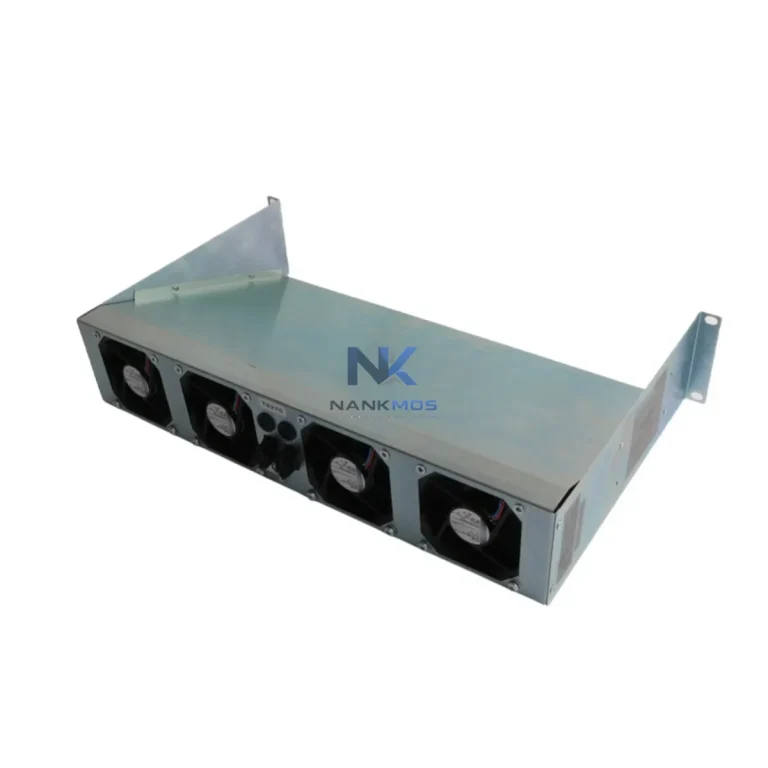
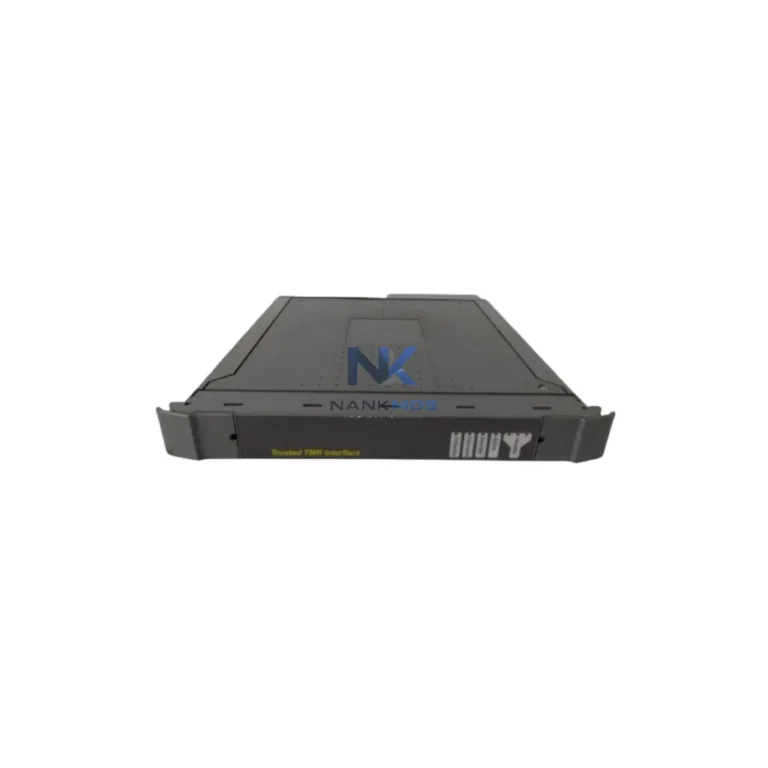
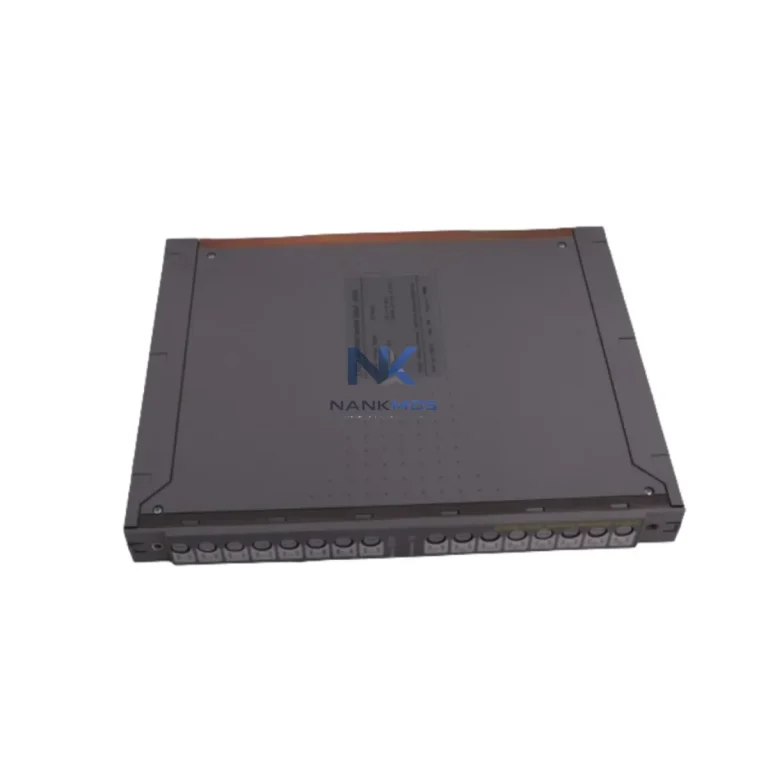
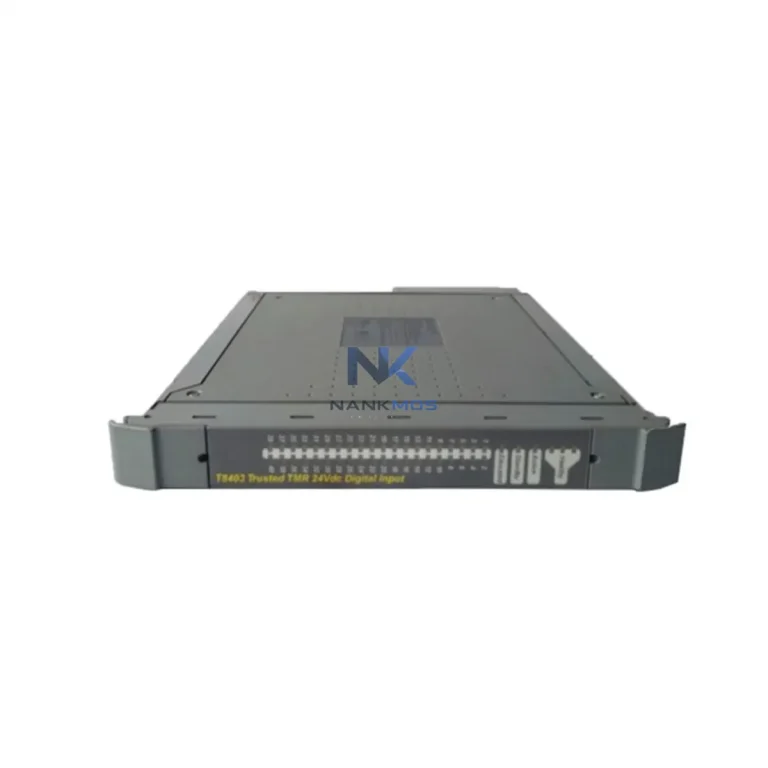
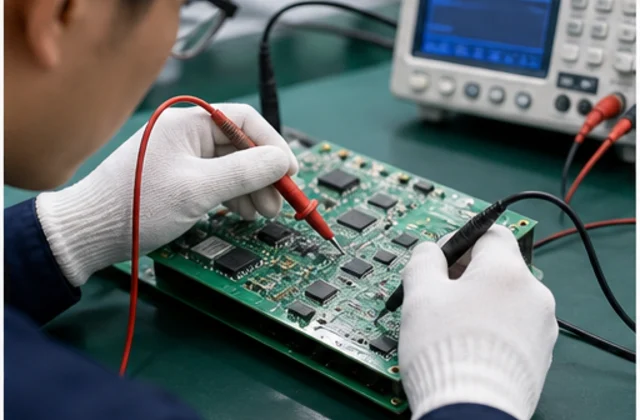
 Functional Inspection
100% tested on professional platforms to ensure stable performance.
ICS Triplex T9191 is a NANKMOS industrial automation product record Listed under Other series series and Business & Industrial > Automation, Control & Flow Devices > Programmable Logic Controllers. Confirm condition, availability, lead time, compatibility and documentation by email inquiry.
Brand names are used for identification only.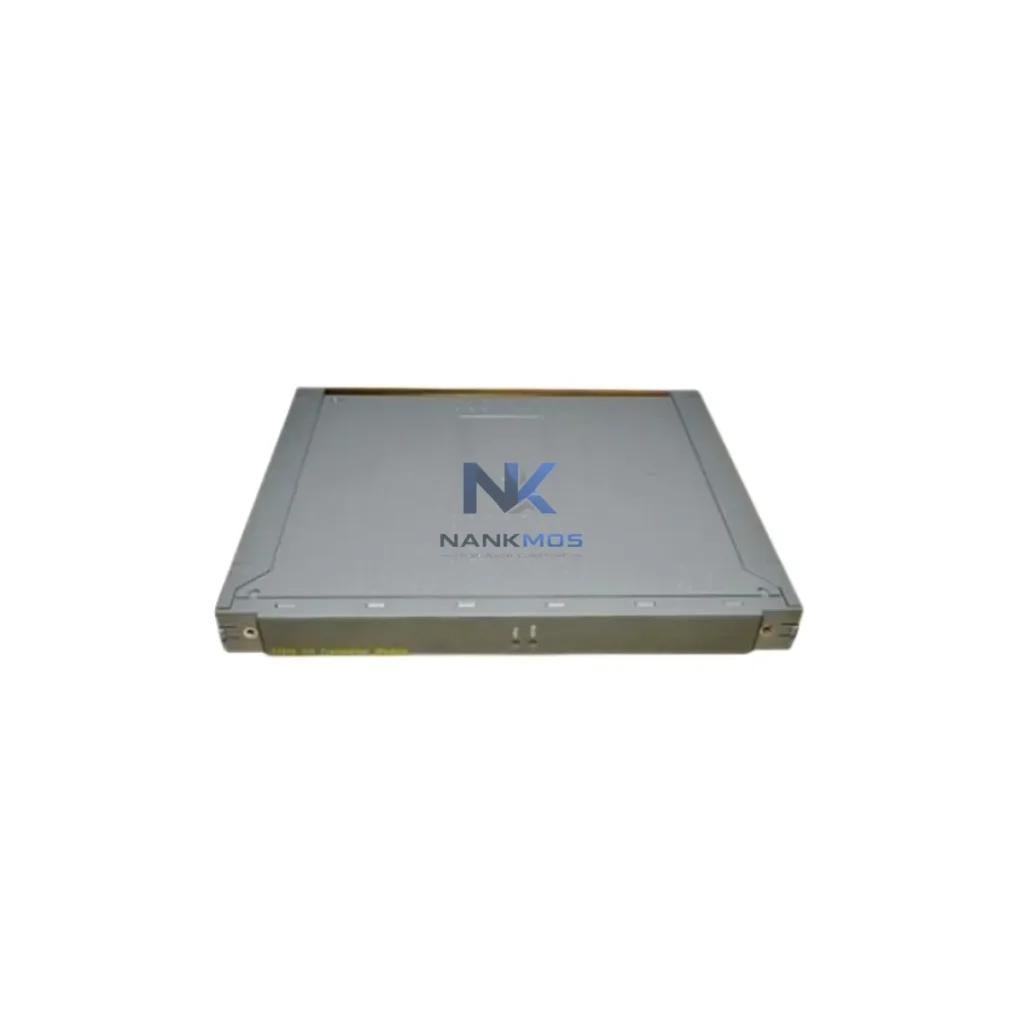
ICS Triplex T9191 is a NANKMOS industrial automation product record Listed under Other series series and Business & Industrial > Automation, Control & Flow Devices > Programmable Logic Controllers. Confirm condition, availability, lead time, compatibility and documentation by email inquiry.
| Manufacturer | ICS Triplex |
|---|---|
| Application | Controller Processing & System Control |
| Part Number / Model | T9191 |
| Compatible System | Confirmed by inquiry |
| Condition Options | To Confirm |
| Module Type | Controller / CPU Module |
| Warranty | 12 Months |
| Packaging | Anti-static Bag / Secure Box |
| Shipping Methods | DHL / FedEx / UPS / Air / Sea |
| Availability | To Confirm |
| Lead Time | To Confirm |
| Documentation | Part number and revision checked before quote |
The ICS Triplex T9191 is a Triple Modular Redundancy (TMR) safety control module from the Trusted Series, engineered to serve as the backbone of safety-critical data links in modern smart factories. Rated to SIL3 under IEC 61508 and IEC 61511, the T9191 does far more than execute safety logic — it acts as a high-integrity network node that bridges field-level devices, PLC controllers, remote I/O subsystems, and supervisory systems into a unified, transparent automation architecture. In process plants, oil and gas facilities, power generation sites, and advanced manufacturing lines, the T9191 ensures that every data packet traversing the safety network is validated, timestamped, and delivered with deterministic reliability.
At the signal acquisition layer, the T9191 interfaces directly with field instruments — pressure transmitters, temperature sensors, flow meters, and vibration probes — collecting real-time process values and feeding them into the TMR voting logic. Its redundant communication backplane supports seamless data exchange with ICS Triplex T9110 Trusted TMR Processor modules, ensuring that safety decisions are made on verified, triple-checked data. The module's architecture eliminates single points of failure not only in logic execution but also in the data path itself, making it a natural fit for IEC 62443-compliant industrial cybersecurity frameworks.
Moving up the data chain, the T9191 integrates with plant-wide SCADA platforms via standard industrial protocols. Modbus TCP/IP and OPC-UA connectivity allow historians, DCS gateways, and HMI workstations to poll live safety status, acknowledge alarms, and retrieve diagnostic counters without interrupting the safety execution cycle. Engineers using Wonderware, Ignition SCADA, or Siemens WinCC can map T9191 health registers directly into their process displays, enabling real-time visualization of TMR channel status, fault codes, and module diagnostics from the control room. This tight SCADA integration transforms the T9191 from a standalone safety device into a fully networked safety intelligence node.
For remote I/O expansion, the T9191 coordinates with ICS Triplex T9431 and T9451 Trusted I/O modules distributed across marshalling cabinets and remote junction boxes. Data from these I/O nodes travels over the Trusted communication bus to the T9191, where it is processed and forwarded upstream to the DCS or safety PLC layer. In large-scale installations, this architecture supports hundreds of I/O points while maintaining sub-100ms scan cycle times — a critical requirement for emergency shutdown (ESD) and fire and gas (F&G) applications where response latency directly impacts process safety integrity.
The T9191's diagnostic transparency is one of its most valuable attributes in smart factory deployments. Each module continuously self-tests its internal logic, memory, and communication paths, reporting health metrics to the Trusted System Manager software. Maintenance teams can access live fault diagnostics, channel comparison data, and historical event logs through the engineering workstation without taking the system offline. When integrated with edge gateway devices or industrial IoT platforms, these diagnostics can be forwarded to cloud-based asset management systems, enabling predictive maintenance workflows and reducing unplanned downtime across the facility.
In hybrid automation environments where safety systems must coexist with standard control infrastructure, the T9191 supports gateway-level protocol bridging. Paired with Moxa NPort industrial serial servers or Advantech EKI edge gateways, the T9191's diagnostic and status data can be translated into MQTT or REST API formats for consumption by MES platforms, ERP systems, or digital twin engines. This connectivity layer is essential for Industry 4.0 initiatives where safety system transparency is a prerequisite for production optimization and regulatory compliance reporting.
Power supply integrity is maintained through redundant 24VDC feeds compatible with Phoenix Contact QUINT or Siemens SITOP power supply modules, ensuring that the T9191 remains operational even during primary power disturbances. The module's hot-swap capability allows field engineers to replace individual TMR channels during live operation, eliminating the need for planned shutdowns during routine maintenance — a significant operational advantage in continuous process industries.
Every ICS Triplex T9191 unit shipped by NANKMOS undergoes pre-delivery functional verification, including communication loop testing, TMR voting validation, and protocol handshake confirmation. Units are supplied with full traceability documentation and are backed by a 12-month warranty covering hardware defects and communication interface failures. In-stock availability supports rapid deployment for both greenfield projects and brownfield system upgrades.
A typical smart factory safety data flow built around the T9191 begins at the field instrument layer, where SIL-rated pressure and temperature transmitters feed analog signals into ICS Triplex T9451 Trusted Analog Input modules. These I/O modules digitize and validate the signals before passing them across the Trusted communication bus to the T9191 TMR processor. The T9191 executes the safety logic, compares results across all three redundant channels, and generates a voted output — either a safe state command or a process continuation signal — within the configured scan cycle.
Upstream, the T9191 communicates with the plant DCS via OPC-UA, publishing live safety status tags to the historian and SCADA server. HMI panels running on Siemens WinCC or Rockwell FactoryTalk display real-time TMR channel health, active alarms, and process variable trends. Alarm events are time-stamped at the T9191 level and forwarded to the SCADA alarm management system, where they are logged, escalated, and archived for regulatory audit trails.
For remote diagnostics, the T9191's health data is routed through an industrial Ethernet switch — such as a Moxa EDS-400 series managed switch — to an edge gateway running IIoT middleware. From there, diagnostic payloads are published via MQTT to a cloud asset management platform, enabling remote engineering teams to monitor TMR channel divergence, communication error rates, and module temperature without physical site access. This remote visibility is particularly valuable for offshore platforms, remote pipeline stations, and geographically distributed process facilities.
When the safety system requires expansion, additional ICS Triplex T9431 Digital I/O modules can be added to the Trusted chassis without interrupting the running system. The T9191 automatically recognizes new I/O modules during the next scan cycle and incorporates their data into the safety logic execution — a plug-and-play expansion model that supports phased project rollouts and future capacity growth.
Many industrial sites operate with fragmented safety and control architectures where safety PLCs, standard PLCs, and legacy DCS systems use incompatible protocols, creating data silos that obscure plant-wide visibility. The ICS Triplex T9191 addresses this directly through its multi-protocol communication capability. By supporting both Modbus TCP/IP for legacy system integration and OPC-UA for modern SCADA and MES connectivity, the T9191 eliminates the need for intermediate protocol converters in most deployment scenarios, reducing network complexity and potential failure points.
Remote monitoring gaps are closed through the T9191's structured diagnostic output, which provides granular channel-level health data accessible to any OPC-UA client. Sites that previously relied on manual inspection rounds to verify safety system health can now implement continuous remote monitoring, with automated alerts triggered by channel divergence thresholds or communication timeout events. This shift from reactive to proactive maintenance significantly reduces the risk of undetected safety system degradation.
Production line transparency is enhanced by integrating T9191 safety status data into MES dashboards alongside standard production KPIs. When a safety interlock activates, the event is immediately visible in the production management system with full context — which instrument triggered the shutdown, which safety function responded, and what the process conditions were at the time. This level of transparency accelerates root cause analysis and reduces mean time to recovery (MTTR) after safety-related production interruptions.
System scalability is built into the Trusted Series architecture. As production lines expand or process complexity increases, additional T9191 modules and associated I/O can be integrated into the existing safety network without redesigning the communication infrastructure. The modular chassis design and standardized Trusted bus protocol ensure that new modules are recognized and commissioned rapidly, supporting agile factory expansion strategies.
Q1: What communication protocols does the ICS Triplex T9191 support for SCADA integration?The T9191 supports Modbus TCP/IP and OPC-UA as primary SCADA communication protocols, enabling direct integration with leading platforms including Wonderware, Ignition, and Siemens WinCC. The Trusted Bus protocol handles internal chassis communication between the T9191 and associated I/O modules, ensuring deterministic data exchange within the safety system.
Q2: Can the T9191 be monitored remotely without interrupting safety execution?Yes. The T9191's diagnostic registers are accessible via OPC-UA read operations that run independently of the safety execution cycle. Remote engineering teams can poll module health, channel comparison data, and fault logs in real time without affecting scan cycle timing or safety function integrity. This non-intrusive remote access is a key advantage for facilities with distributed or hard-to-access safety system installations.
Q3: How does the TMR architecture improve network reliability compared to simplex or duplex safety controllers?TMR architecture uses three independent processing channels that each execute the same safety logic simultaneously. The T9191 compares outputs across all three channels using a 2-out-of-3 voting mechanism. If one channel develops a fault or communication error, the remaining two channels maintain safe operation and the fault is flagged for maintenance action — without triggering a spurious shutdown. This fault-tolerant design delivers higher availability than simplex or duplex architectures, making it the preferred choice for high-demand SIL3 applications.
Q4: What warranty and pre-shipment testing does NANKMOS provide for the T9191?Every T9191 unit supplied by NANKMOS is covered by a 12-month warranty against hardware defects and communication interface failures. Prior to shipment, each unit undergoes functional verification including TMR voting validation, Modbus TCP/IP and OPC-UA communication testing, and power supply redundancy checks. Full traceability documentation is included with each shipment, supporting installation audit requirements and regulatory compliance records.
Functional Inspection100% tested on professional platforms to ensure stable performance.
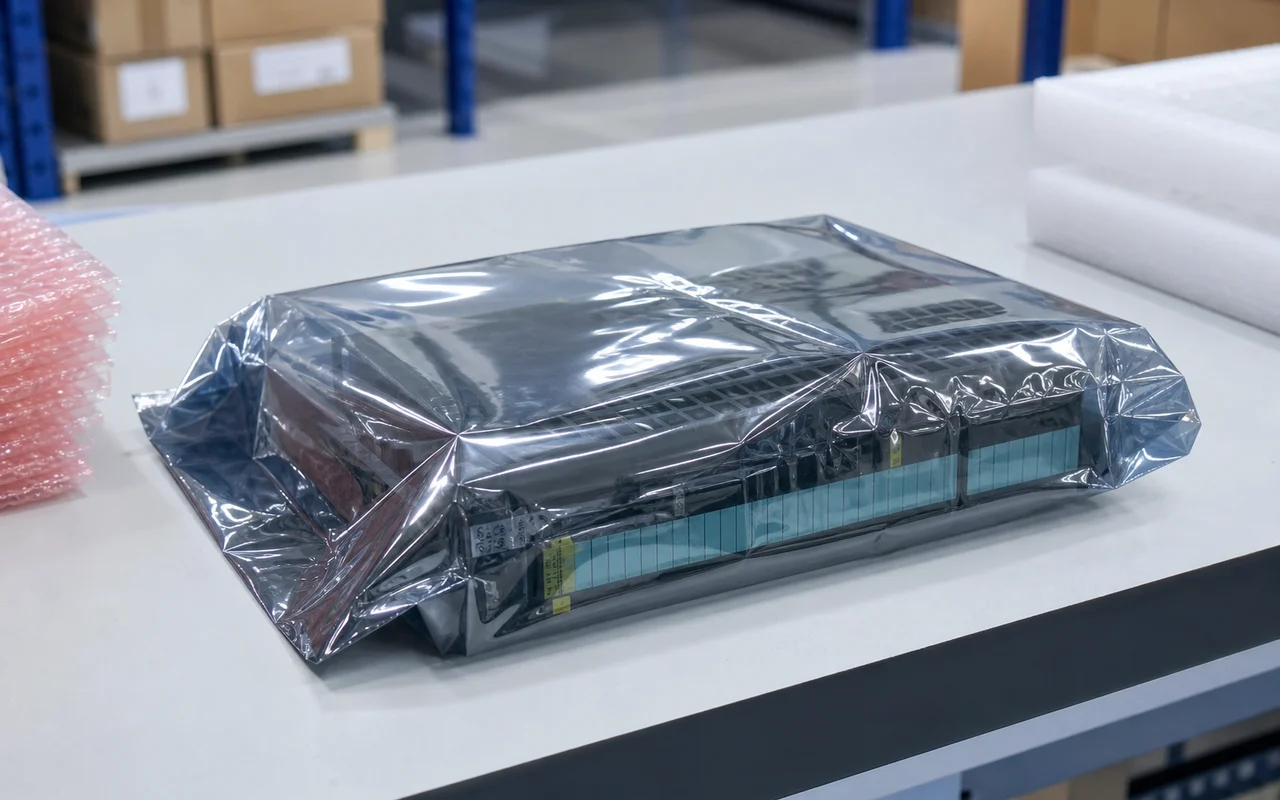 Anti-static Packaging
Modules are packed in anti-static bags to prevent electrostatic damage.
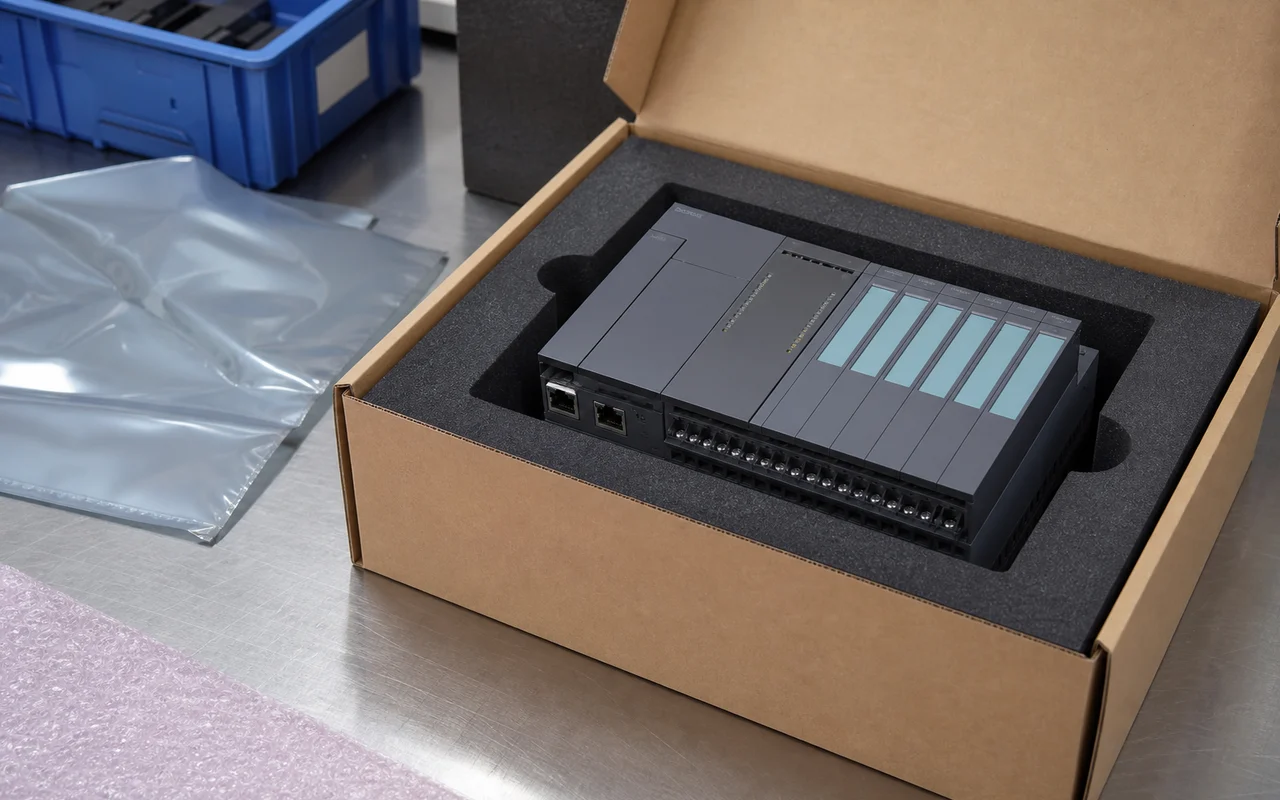 Secure Export Packing
Cushion protection and strong cartons ensure safe transportation.
 Worldwide Shipping
Global logistics network supports air, sea and express delivery.
 Documentation Check
Part number, revision and compatibility verified before shipment.
 After-sales Support
Professional technical support to help resolve your issues.