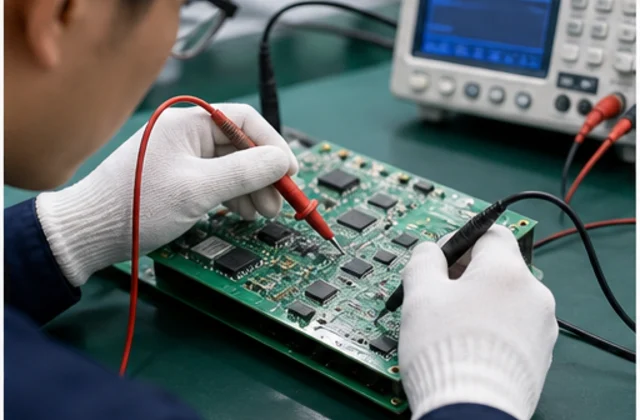
 Functional Inspection
100% tested on professional platforms to ensure stable performance.
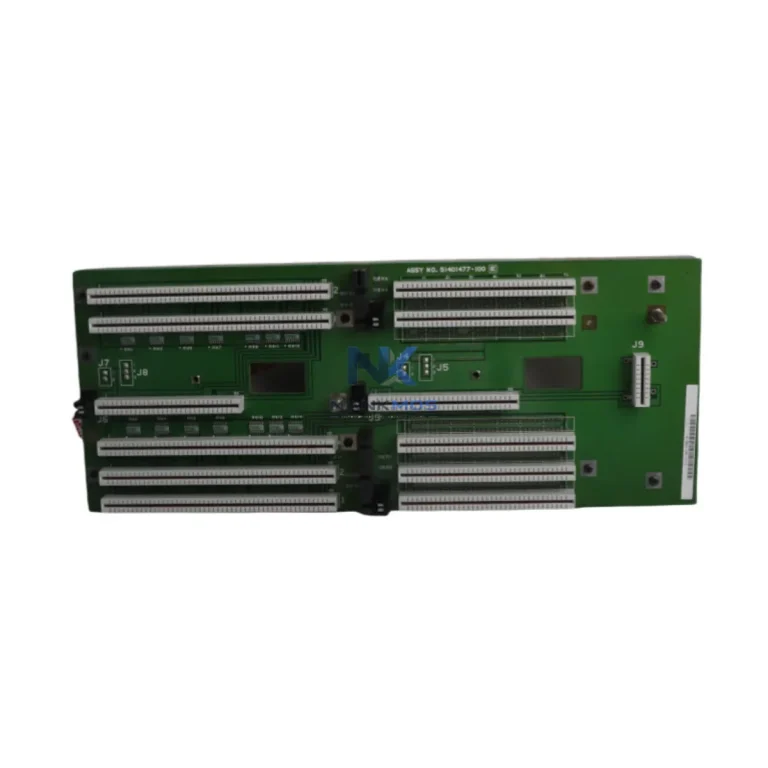
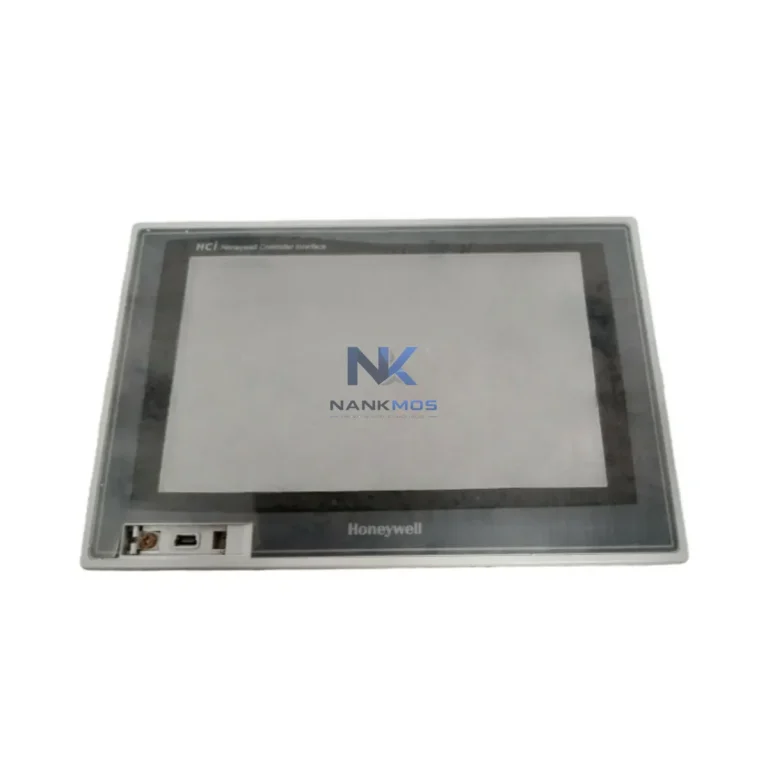
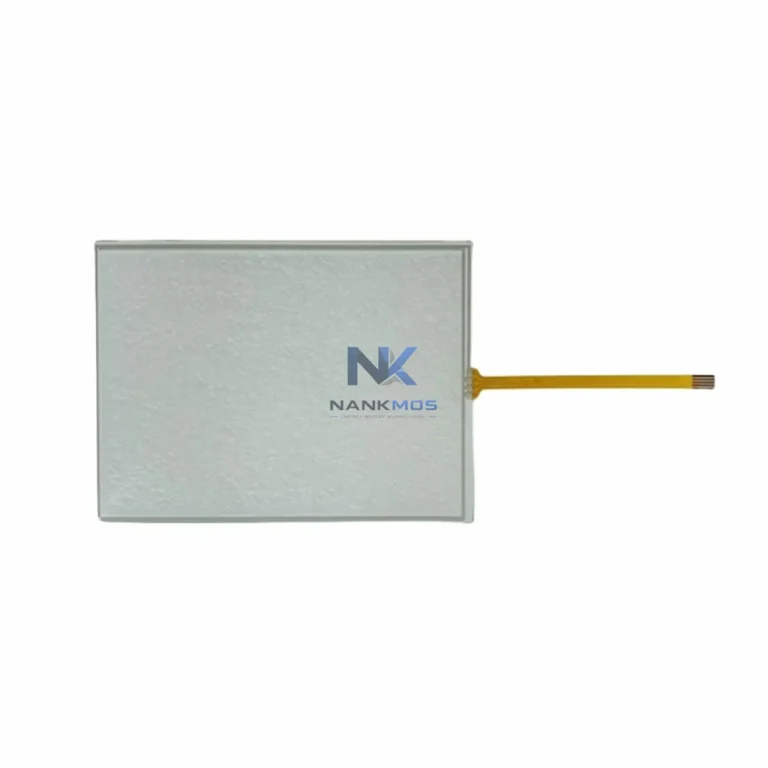
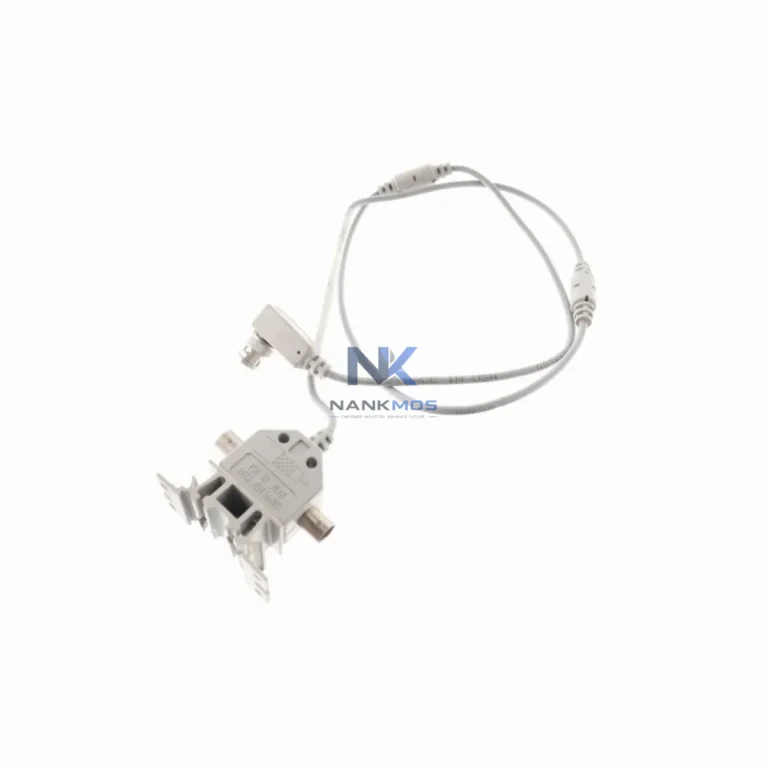
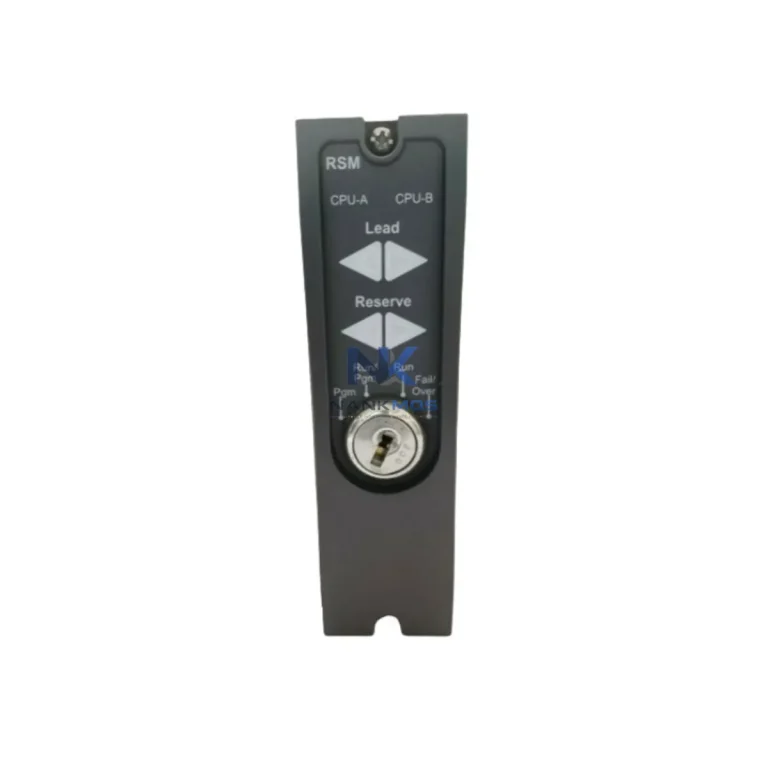
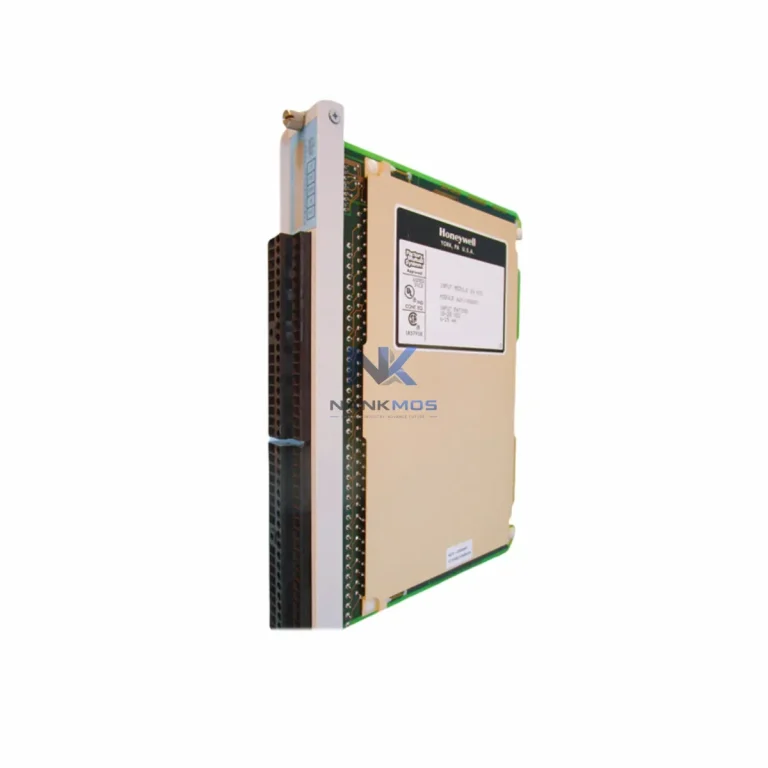
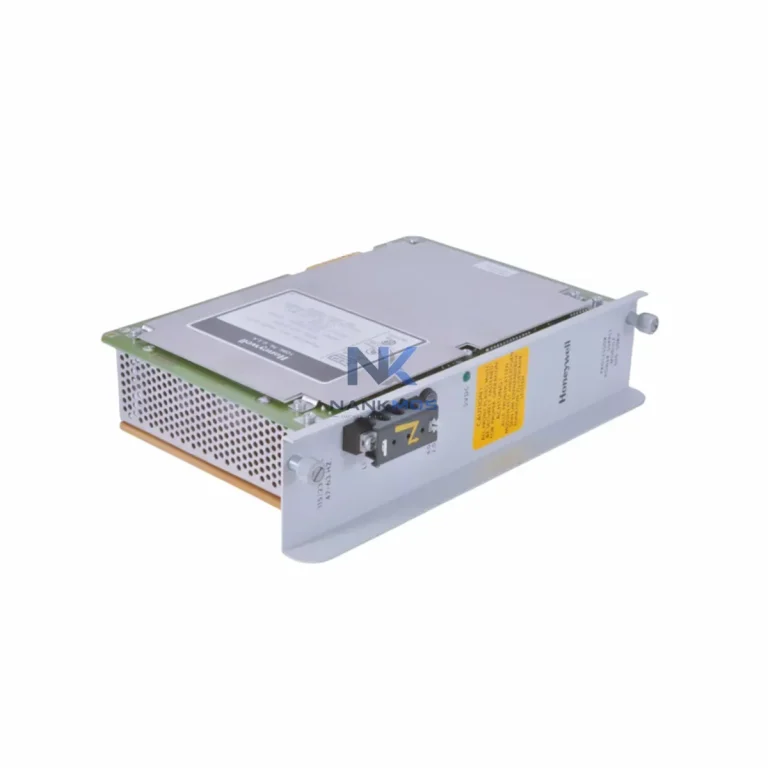
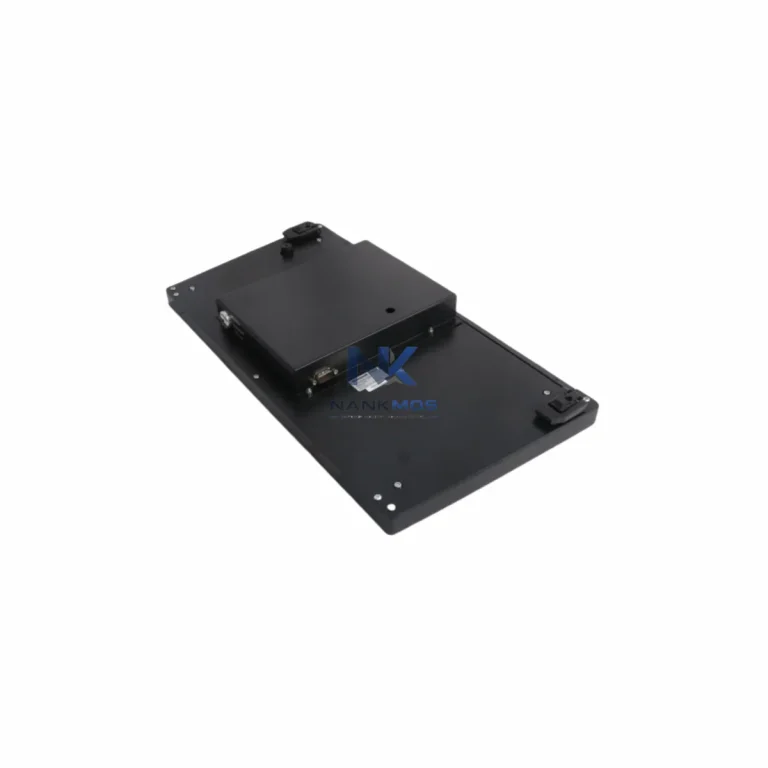
Honeywell TG7-1H40S is a NANKMOS industrial automation product record Listed under Other series series and HMI Panels. Confirm condition, availability, lead time, compatibility and documentation by email inquiry.
Brand names are used for identification only.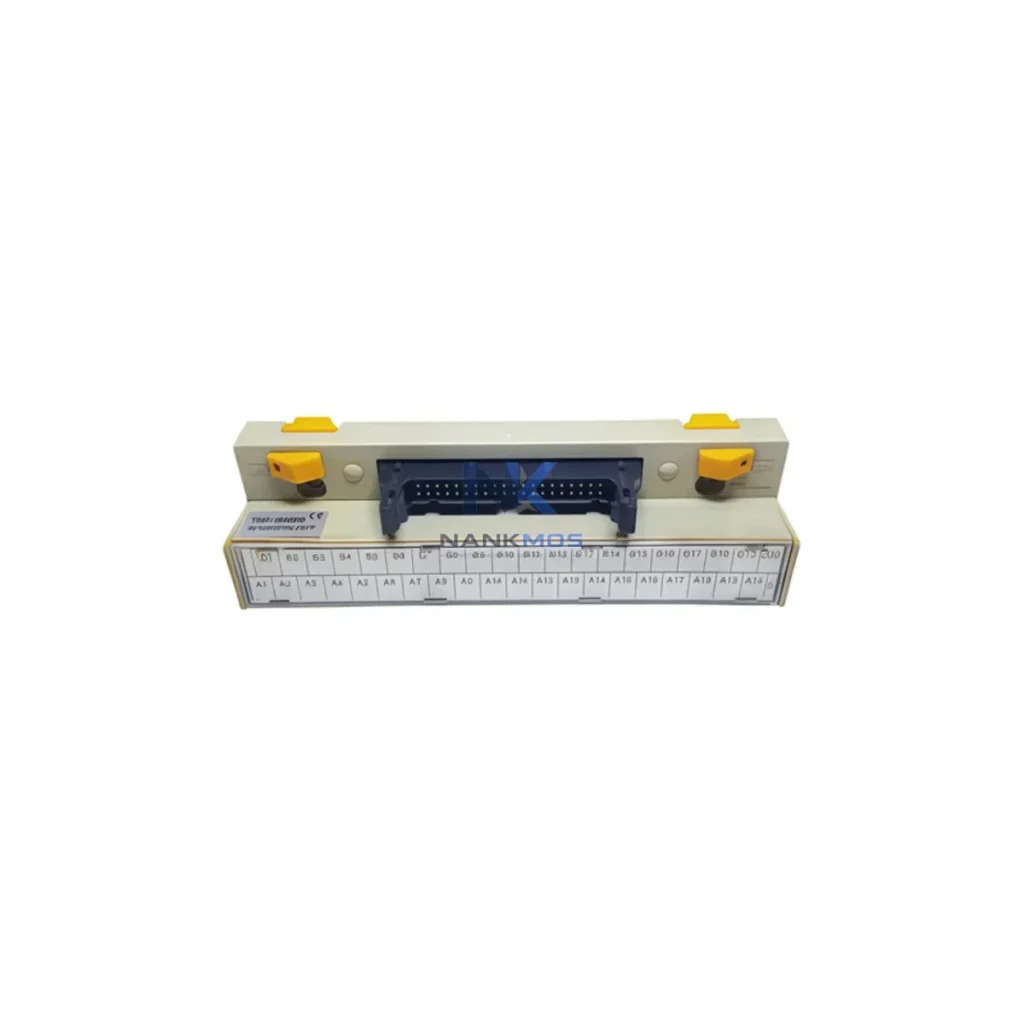
Honeywell TG7-1H40S is a NANKMOS industrial automation product record Listed under Other series series and HMI Panels. Confirm condition, availability, lead time, compatibility and documentation by email inquiry.
| Manufacturer | Honeywell |
|---|---|
| Application | DCS / Control Board Replacement |
| Part Number / Model | TG7-1H40S |
| Compatible System | Confirmed by inquiry |
| Condition Options | To Confirm |
| Module Type | Control Board / Card |
| Warranty | 12 Months |
| Packaging | Anti-static Bag / Secure Box |
| Shipping Methods | DHL / FedEx / UPS / Air / Sea |
| Availability | To Confirm |
| Lead Time | To Confirm |
| Documentation | Part number and revision checked before quote |
The Honeywell TG7-1H40S is a high-performance terminal board engineered for seamless integration within modern industrial automation architectures. Designed as a core component of Honeywell's Smart Link series, the TG7-1H40S serves as a critical junction point in the data flow between field-level devices and upper-layer control systems — enabling reliable signal acquisition, protocol bridging, and real-time data transmission across complex plant networks.
In today's smart factory environments, the ability to connect disparate devices — from legacy PLCs and remote I/O modules to advanced SCADA platforms and edge gateways — is no longer optional. The TG7-1H40S addresses this challenge directly, providing a structured, high-density terminal interface that supports multi-channel signal routing, reduces wiring complexity, and ensures data integrity from the sensor layer all the way to the enterprise dashboard.
The TG7-1H40S occupies a pivotal role in the industrial data chain. At the field level, sensors — including pressure transmitters, temperature sensors, and flow meters — feed analog and digital signals into the terminal board's 40-channel interface. These signals are then routed through Honeywell's Smart Link marshalling architecture to the corresponding DCS I/O cards, such as those found in the Honeywell HC900 Hybrid Controller series or the Experion PKS C300 Controller, where they are processed and made available to the control logic.
For sites running mixed-protocol environments, the TG7-1H40S works in conjunction with protocol gateways — such as the Honeywell FSC Safety Controller modules or third-party Modbus-to-PROFIBUS converters — to normalize data streams before they reach the SCADA layer. This ensures that legacy field devices communicating over HART or Modbus RTU can be seamlessly integrated alongside newer Foundation Fieldbus instruments without requiring full system replacement.
At the network layer, industrial Ethernet switches — including managed switches supporting PROFINET or EtherNet/IP — aggregate data from multiple TG7-1H40S terminal boards and forward it upstream to HMI workstations and SCADA servers. Operators monitoring the Honeywell Experion Station or third-party SCADA platforms receive real-time process data, enabling immediate response to alarm conditions and process deviations.
Remote I/O expansion is another key application. When field devices are located far from the main control cabinet, the TG7-1H40S can be deployed in remote marshalling panels, with data transmitted back to the main DCS via fiber-optic or industrial Ethernet links. This architecture is commonly paired with Honeywell Remote I/O (RIO) modules and edge gateways that perform local data buffering and protocol conversion before forwarding structured data packets to the cloud or on-premise historian systems.
Variable frequency drives (VFDs) and motor control centers connected to the automation network also benefit from the TG7-1H40S's structured signal distribution. By providing clean, organized terminal connections for analog speed references and digital run/stop commands, the board reduces noise interference and simplifies commissioning of drive systems integrated with Honeywell SmartLine transmitters and associated control loops.
For data visualization and reporting, the TG7-1H40S-enabled data chain feeds into historian platforms and MES systems, where production KPIs, energy consumption, and equipment health metrics are tracked over time. This end-to-end connectivity — from the TG7-1H40S terminal board through the DCS, SCADA, and up to the enterprise ERP — forms the backbone of a fully transparent, data-driven smart factory.
Many industrial facilities face persistent challenges: protocol fragmentation, data silos between OT and IT layers, limited remote visibility, and difficulty scaling existing infrastructure. The Honeywell TG7-1H40S directly addresses these pain points within the Honeywell Smart Link ecosystem.
Protocol Inconsistency: Sites running a mix of HART, Modbus, PROFIBUS, and Foundation Fieldbus devices often struggle to consolidate data into a unified control view. The TG7-1H40S, as part of a structured marshalling solution, provides the physical interface layer that allows protocol gateways and DCS I/O cards to normalize these signals, eliminating the need for custom wiring workarounds.
Data Silos: When field data cannot reach SCADA or historian systems reliably, operators lose visibility into critical process parameters. The TG7-1H40S ensures that every connected channel delivers clean, organized signals to the DCS, which then propagates data upstream to SCADA, HMI, and reporting platforms without gaps or dropouts.
Remote Monitoring Limitations: For unmanned substations or remote process units, the TG7-1H40S supports deployment in distributed marshalling panels connected via industrial communication links. Combined with edge gateways and remote diagnostic tools, maintenance teams can monitor signal integrity, identify wiring faults, and perform virtual commissioning without on-site visits.
Production Line Transparency: By providing a high-density, organized terminal interface, the TG7-1H40S reduces the risk of signal cross-wiring and simplifies loop checking during commissioning and maintenance shutdowns. This directly improves production line transparency and reduces mean time to repair (MTTR) when faults occur.
Alarm Tracking and System Expansion: As plants expand, adding new I/O points to an existing DCS can be disruptive. The TG7-1H40S's modular design allows additional terminal boards to be integrated into the marshalling cabinet with minimal reconfiguration, supporting phased capacity expansion without system downtime.
Q1: What communication protocols does the Honeywell TG7-1H40S support?The TG7-1H40S is designed for use within Honeywell's Smart Link DCS marshalling architecture and supports field instrument signals transmitted over HART, Modbus RTU, Foundation Fieldbus (FF), and PROFIBUS DP, depending on the paired I/O cards and protocol gateways in the system. It provides the physical terminal interface layer that connects field wiring to the DCS I/O subsystem.
Q2: Is the TG7-1H40S compatible with third-party SCADA and HMI systems?Yes. While the TG7-1H40S is optimized for Honeywell Experion PKS, TDC 3000, and PlantScape DCS platforms, the data it routes through the DCS can be made available to third-party SCADA and HMI systems via OPC DA/UA servers, Modbus TCP gateways, or standard industrial Ethernet interfaces. This makes it suitable for hybrid automation environments where multiple control platforms coexist.
Q3: How does NANKMOS ensure the TG7-1H40S is functional before shipment?Every Honeywell TG7-1H40S unit supplied by NANKMOS undergoes pre-shipment functional testing to verify terminal integrity, signal continuity, and physical condition. All units are covered by a 12-month warranty from the date of delivery. In the event of a verified defect, NANKMOS provides replacement or repair support within the warranty period.
Q4: Can the TG7-1H40S be used in remote or distributed marshalling applications?Yes. The TG7-1H40S is well-suited for remote marshalling panel installations where field devices are located at a distance from the main control room. When paired with remote I/O modules, industrial Ethernet switches, and edge gateways, it enables distributed I/O architectures that maintain full data visibility and alarm management capabilities from a central SCADA or DCS workstation.
Functional Inspection100% tested on professional platforms to ensure stable performance.
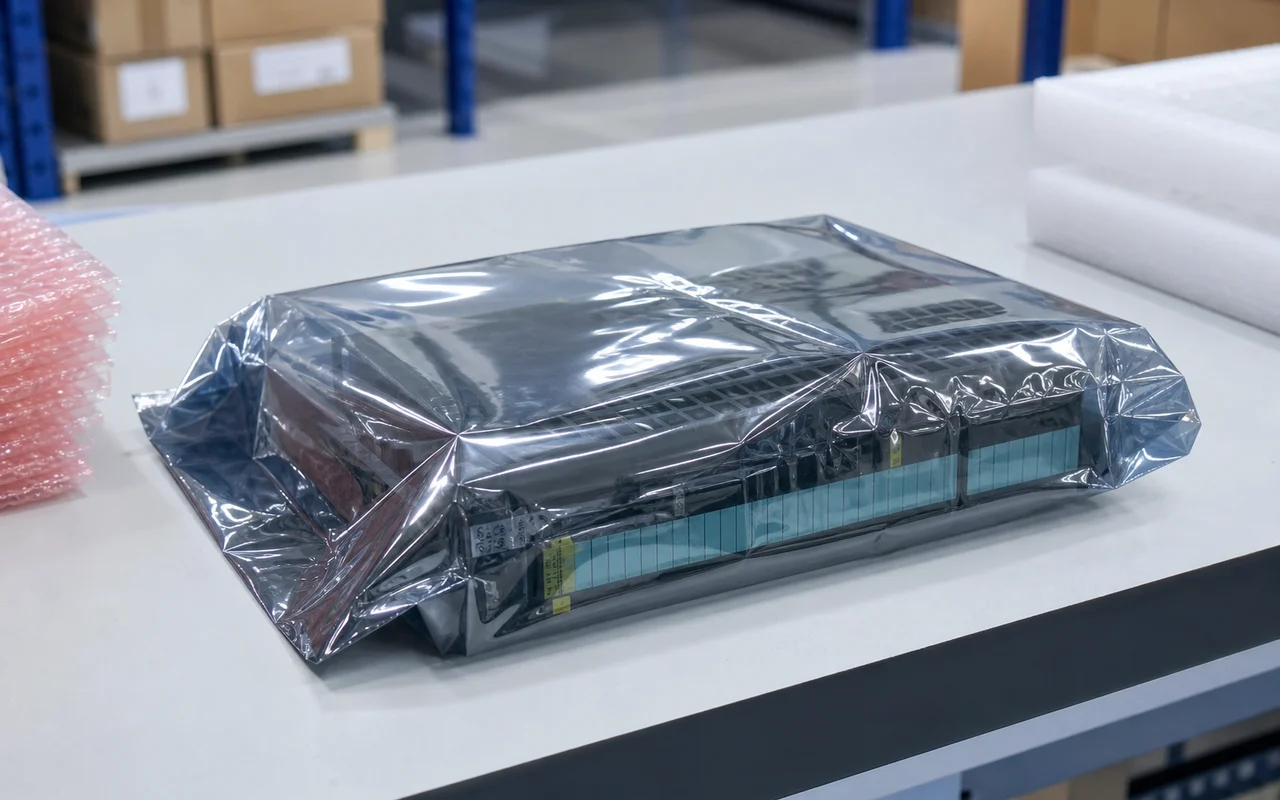 Anti-static Packaging
Modules are packed in anti-static bags to prevent electrostatic damage.
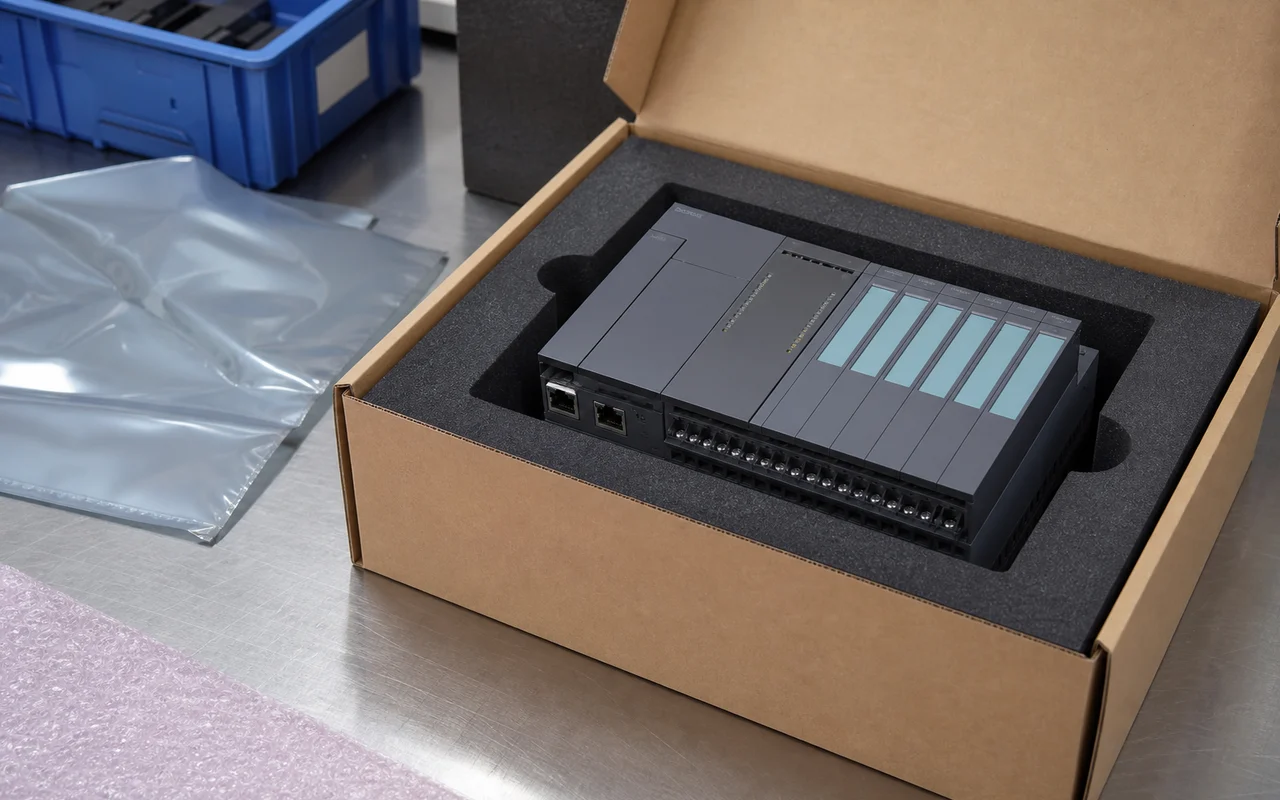 Secure Export Packing
Cushion protection and strong cartons ensure safe transportation.
 Worldwide Shipping
Global logistics network supports air, sea and express delivery.
 Documentation Check
Part number, revision and compatibility verified before shipment.
 After-sales Support
Professional technical support to help resolve your issues.