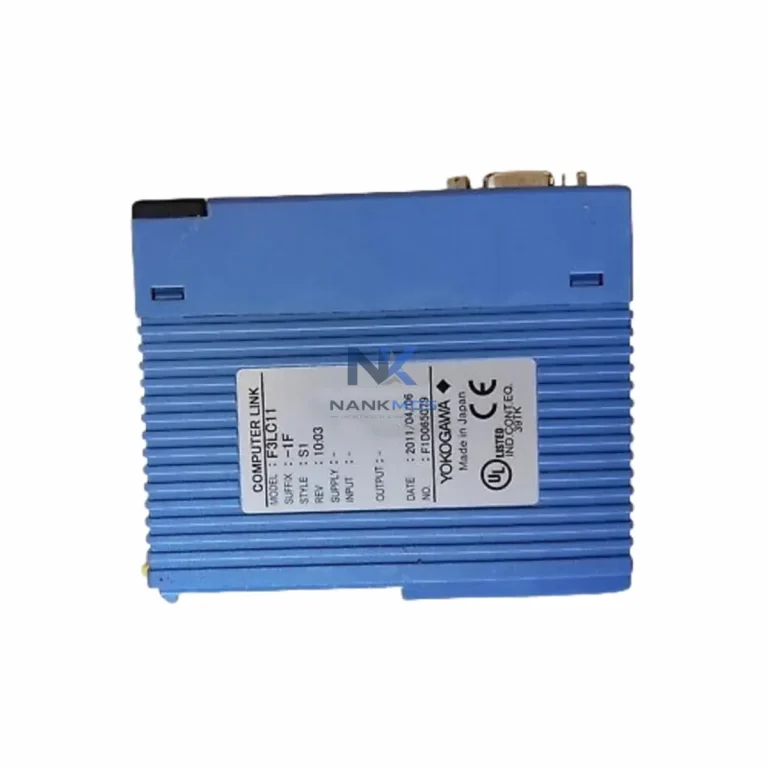
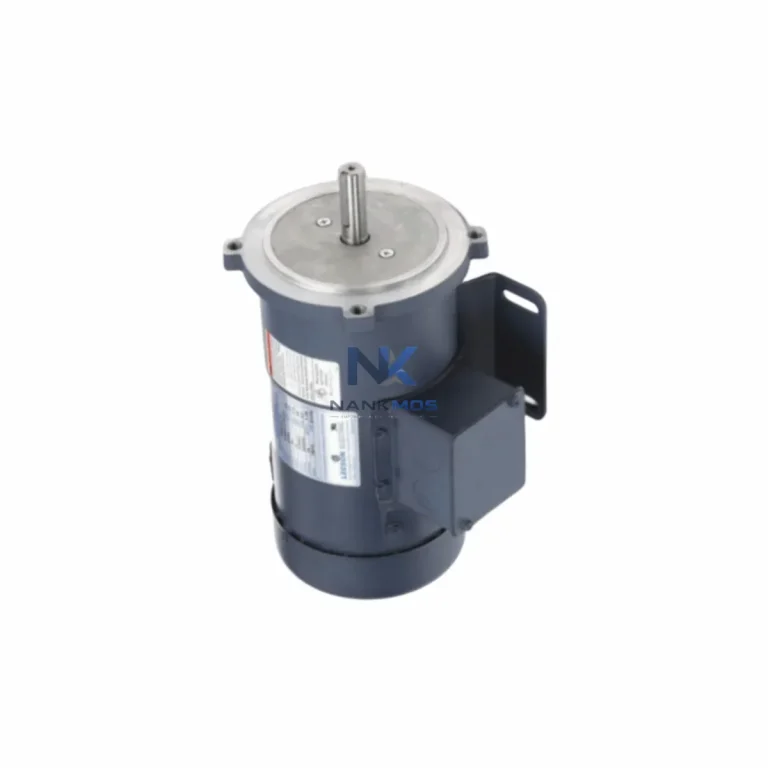
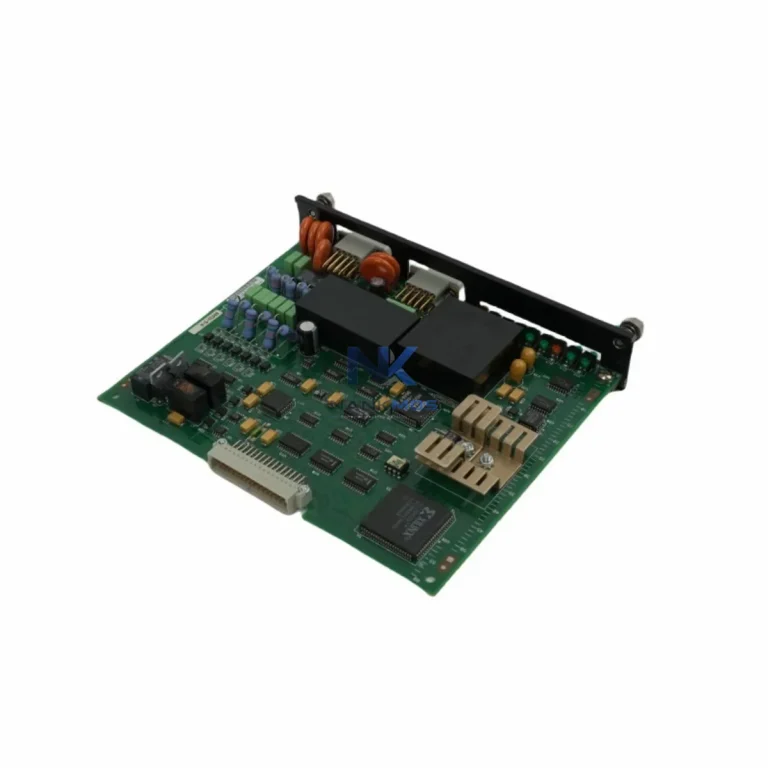
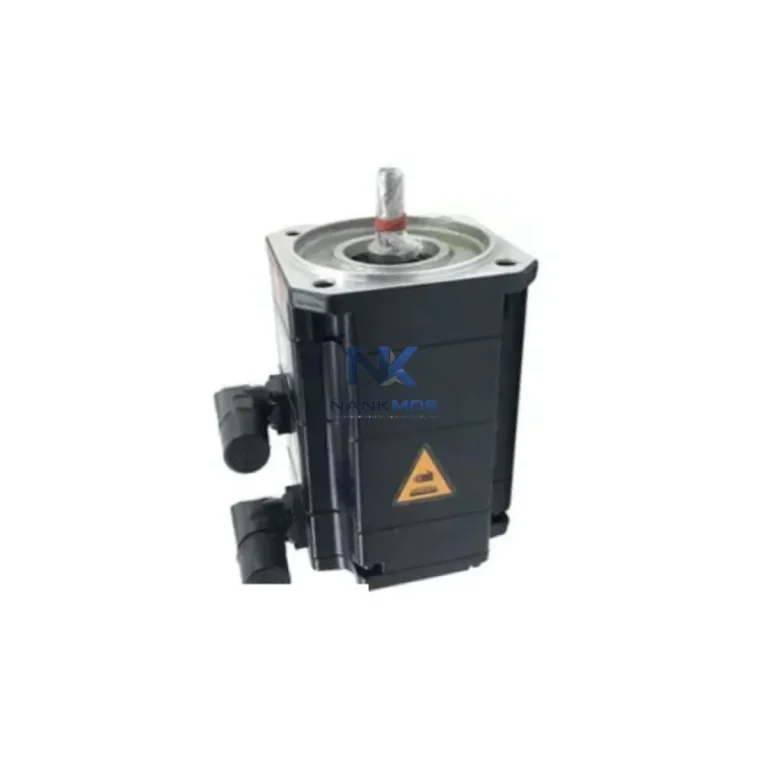
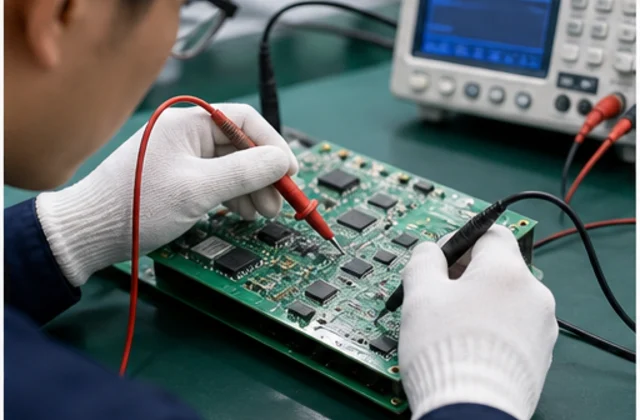
 Functional Inspection
100% tested on professional platforms to ensure stable performance.
Baldor Electric (ABB) E300 is a NANKMOS industrial automation product record Listed under Other series series and Drives. Confirm condition, availability, lead time, compatibility and documentation by email inquiry.
Brand names are used for identification only.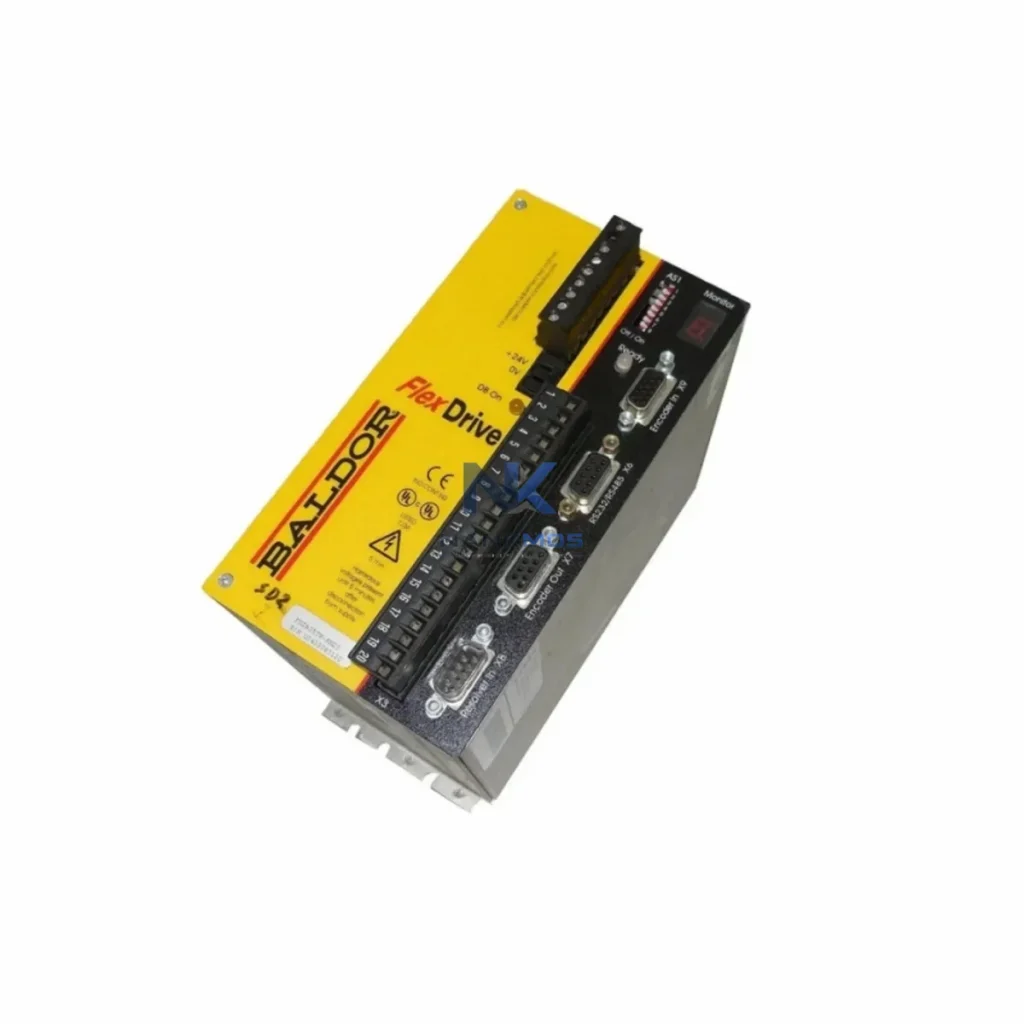
Baldor Electric (ABB) E300 is a NANKMOS industrial automation product record Listed under Other series series and Drives. Confirm condition, availability, lead time, compatibility and documentation by email inquiry.
| Manufacturer | Baldor Electric (ABB) |
|---|---|
| Application | Motion Control & Drive System |
| Part Number / Model | E300 |
| Compatible System | Confirmed by inquiry |
| Condition Options | To Confirm |
| Module Type | Servo / Drive Module |
| Warranty | 12 Months |
| Packaging | Anti-static Bag / Secure Box |
| Shipping Methods | DHL / FedEx / UPS / Air / Sea |
| Availability | To Confirm |
| Lead Time | To Confirm |
| Documentation | Part number and revision checked before quote |
The Baldor E300 is a high-performance servo drive engineered by Baldor Electric (an ABB Group company) to deliver precise energy control, dynamic load management, and optimized motor efficiency across demanding industrial production environments. Designed for integration into smart factory architectures, the E300 reduces unnecessary energy consumption, minimizes thermal load on drive cabinets, and stabilizes production line throughput — making it a cornerstone component for energy-aware automation strategies.
Built on the proven NextMove motion control platform, the Baldor E300 supports multi-axis coordination and closed-loop servo feedback, enabling manufacturers to achieve consistent cycle times while actively managing power draw at the drive level. Whether deployed in continuous process lines, discrete assembly cells, or hybrid manufacturing environments, the E300 delivers measurable reductions in idle-state energy consumption and reactive power losses.
The Baldor E300 servo drive is designed to operate as an active participant in a plant-wide power-aware automation strategy rather than a passive motion component. In a typical smart factory deployment, the E300 interfaces directly with a NextMove BX II motion controller or an ABB AC500 PLC to receive real-time velocity and torque profiles, allowing the drive to modulate power draw in response to actual load demand rather than running at fixed output levels.
On the power monitoring side, the E300 integrates cleanly with ABB B23 power measurement units and compatible Modbus TCP energy meters, enabling SCADA systems to log per-drive energy consumption at the machine level. This granular data feeds directly into energy management dashboards, allowing plant engineers to identify high-consumption cycles, benchmark drive efficiency across shifts, and implement demand-response strategies during peak tariff windows.
For I/O coordination, the E300 works alongside ABB CI504 PROFIBUS adapter modules and standard 24 VDC digital I/O expansion blocks to synchronize drive enable/disable signals with upstream conveyor sensors and downstream assembly station triggers. This tight I/O coupling eliminates unnecessary run-time during inter-station gaps — a common source of avoidable energy waste in paced production lines.
The drive also pairs effectively with Baldor BSM series servo motors, which are matched to the E300's current loop bandwidth and encoder feedback resolution. This motor-drive pairing ensures that the control loop operates at maximum efficiency, reducing the reactive current component and lowering the apparent power demand on the facility's distribution panel. When combined with an ABB ACS880 variable frequency drive on auxiliary fan or pump loads in the same production cell, the overall energy profile of the cell can be actively shaped to flatten demand peaks.
HMI integration is supported via ABB CP600 operator panels or third-party Weintek MT8000 HMI terminals connected over Modbus RTU, giving operators real-time visibility into drive status, output frequency, motor temperature, and cumulative energy consumption — all from the machine front panel without requiring SCADA access.
One of the most significant contributors to energy waste in industrial production lines is the mismatch between installed motor capacity and actual load requirements. The Baldor E300 addresses this directly through its adaptive torque control algorithm, which continuously adjusts output voltage and frequency to match the instantaneous mechanical load. In applications such as precision assembly, label application, or web tension control, this means the drive never delivers more power than the process requires — reducing both energy consumption and motor heating simultaneously.
Thermal load reduction is a secondary but equally important benefit. By operating at high switching efficiency and supporting dynamic braking resistor configurations, the E300 minimizes heat dissipation within the control cabinet. Lower cabinet temperatures translate directly into extended component lifespans for neighboring devices — including contactors, terminal blocks, and communication modules — reducing unplanned downtime caused by heat-related failures.
Production line throughput stability is another area where the E300 delivers measurable value. Its high-bandwidth current loop and low-latency position feedback processing allow the drive to respond to load disturbances within microseconds, preventing the speed droop and cycle time variation that can cascade into downstream bottlenecks. In multi-axis systems coordinated by a NextMove motion controller, the E300's deterministic response ensures that all axes maintain synchronized timing — a critical requirement for maintaining line takt and minimizing work-in-progress accumulation between stations.
For predictive maintenance programs, the E300's built-in diagnostic registers expose motor load factor, drive temperature, cumulative run hours, and fault history over the fieldbus interface. Maintenance teams can poll these registers via SCADA or a dedicated condition monitoring gateway to establish baseline performance signatures and detect early indicators of mechanical wear — such as rising load factor on a ball screw axis or increasing motor temperature on a conveyor drive — before they escalate into unplanned stops.
Inventory availability and supply chain reliability are also part of the energy optimization equation. Unplanned drive failures that cannot be resolved quickly due to parts unavailability result in extended line stoppages, idle auxiliary systems, and wasted energy from restart heating cycles. NANKMOS maintains verified in-stock inventory of the Baldor E300, with pre-shipment functional testing performed on every unit before dispatch. Each drive ships with a 12-month warranty, providing procurement teams with the confidence to standardize on the E300 across multiple production cells without carrying excessive spare inventory.
Q1: What energy savings can I expect from deploying the Baldor E300 compared to a fixed-speed motor starter? In variable-load applications such as conveyor drives, positioning tables, and winding systems, the E300's closed-loop torque control typically reduces motor energy consumption by 20–40% compared to direct-on-line or star-delta starters. Actual savings depend on load profile, duty cycle, and the degree of speed variation in the application. Integration with a power monitoring module allows you to measure and verify savings at the drive level.
Q2: Is the Baldor E300 compatible with existing ABB and NextMove control infrastructure? Yes. The E300 is natively compatible with the NextMove BX II and MicroFlex e150 motion controllers and supports standard fieldbus protocols including CANopen, Modbus RTU, and EtherCAT (adapter-dependent). It can also be integrated into ABB AC500 PLC systems via standard analog or digital I/O. For legacy installations, the drive's parameter structure is consistent with earlier Baldor servo drive generations, simplifying migration.
Q3: What is the pre-shipment testing process for the E300? Every Baldor E300 unit supplied by NANKMOS undergoes functional verification prior to dispatch. Testing includes power-on self-test, parameter integrity check, and output stage verification. Units that do not pass testing are not shipped. This process ensures that the drive arrives ready for installation and commissioning, reducing the risk of field failures during initial startup.
Q4: What does the 12-month warranty cover, and how is it supported? The 12-month warranty covers manufacturing defects and functional failures under normal operating conditions. Warranty claims are supported directly through NANKMOS. In the event of a confirmed warranty fault, a replacement unit is dispatched from in-stock inventory to minimize production downtime. Warranty support is available via [email protected] or +86 18359268345.
Functional Inspection100% tested on professional platforms to ensure stable performance.
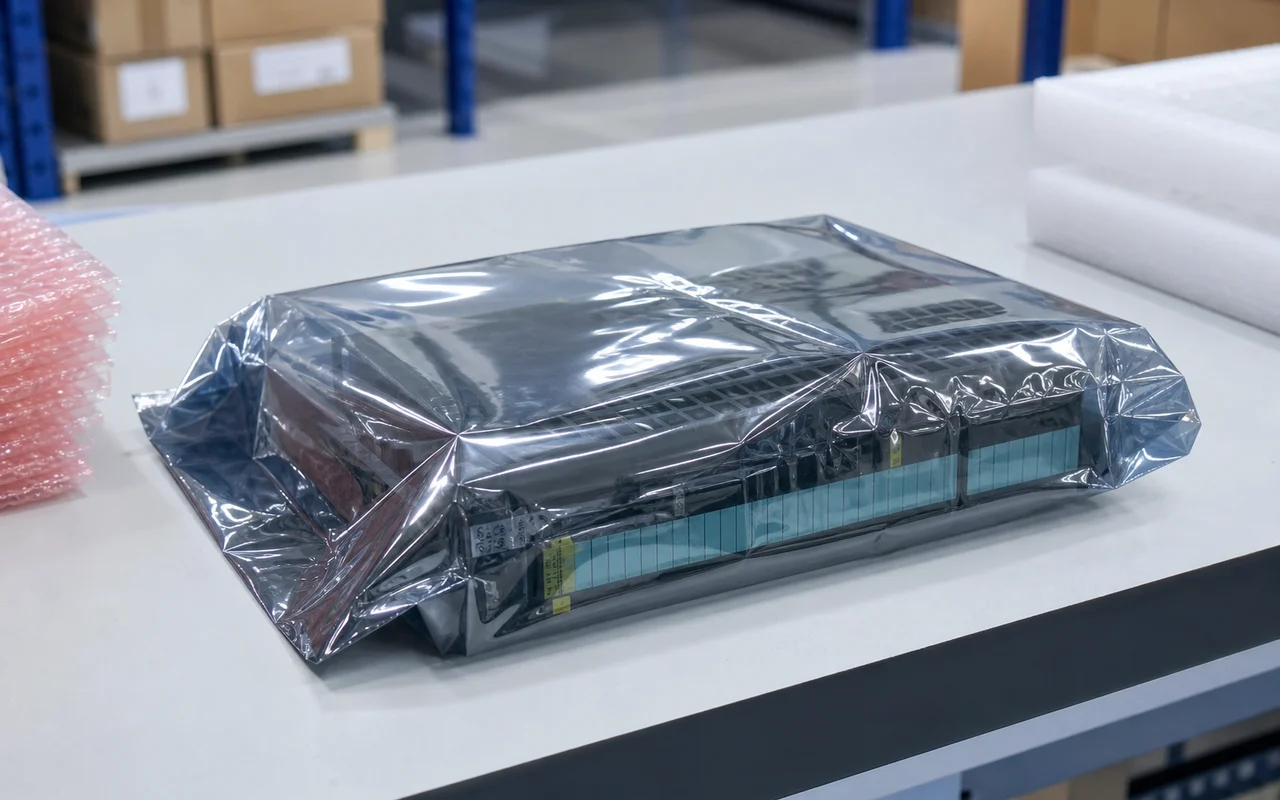 Anti-static Packaging
Modules are packed in anti-static bags to prevent electrostatic damage.
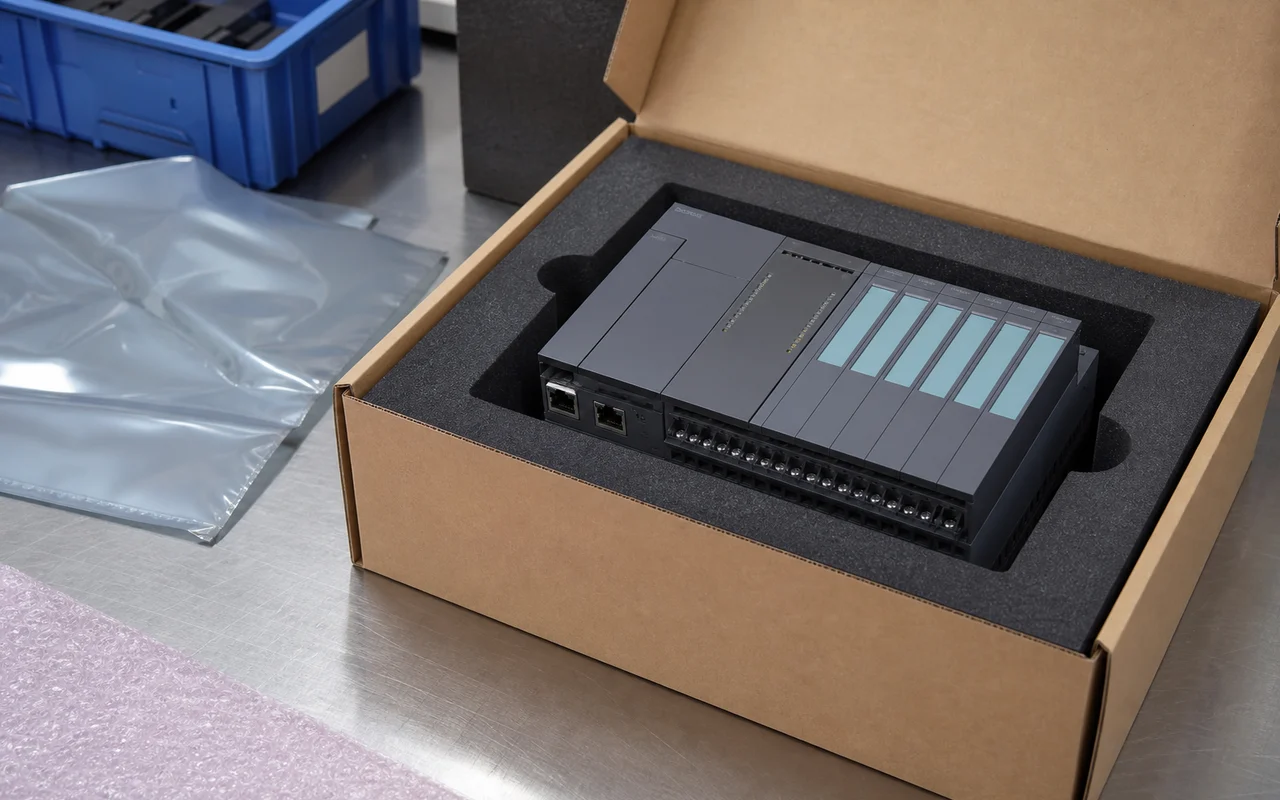 Secure Export Packing
Cushion protection and strong cartons ensure safe transportation.
 Worldwide Shipping
Global logistics network supports air, sea and express delivery.
 Documentation Check
Part number, revision and compatibility verified before shipment.
 After-sales Support
Professional technical support to help resolve your issues.