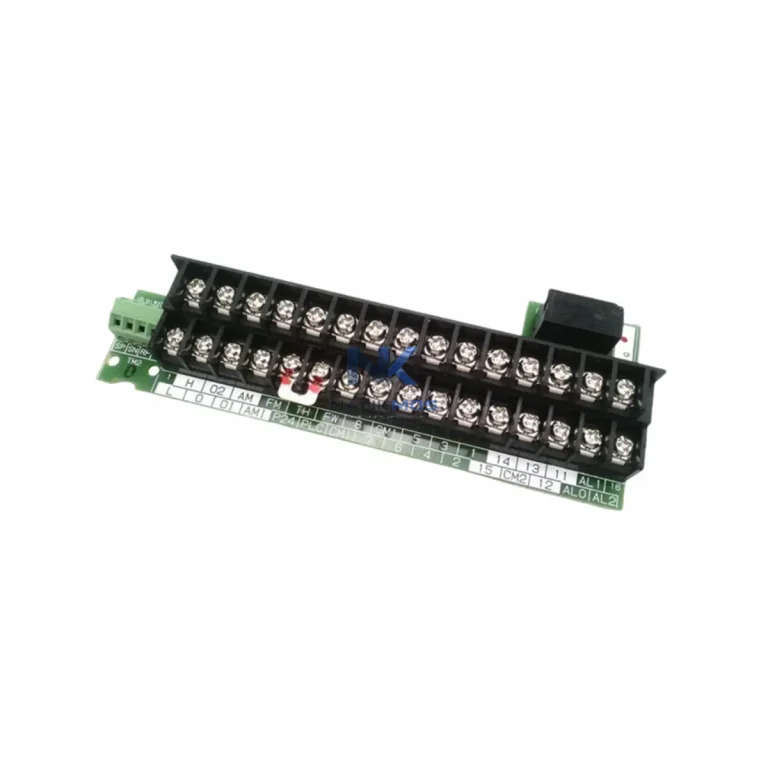
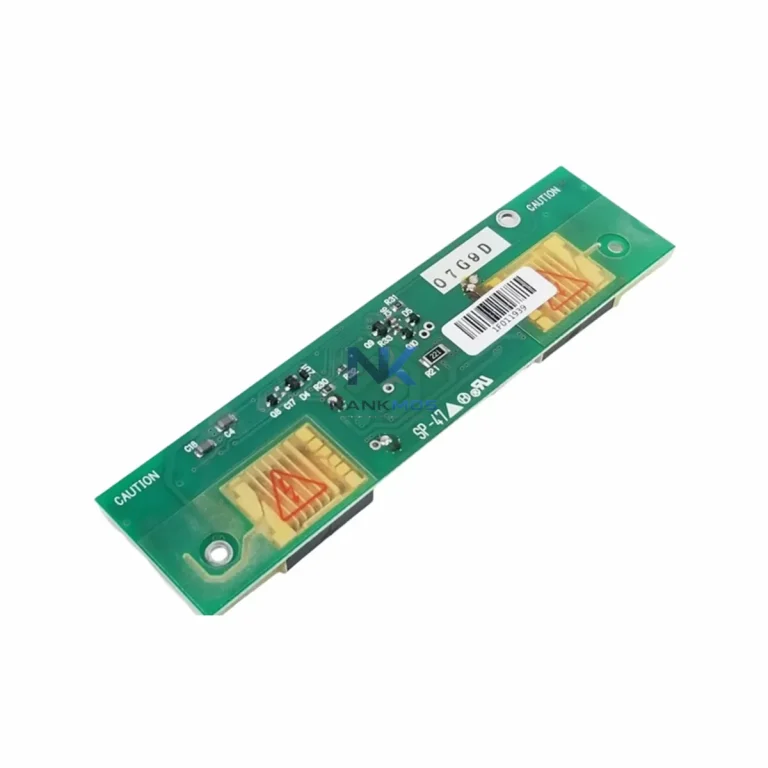
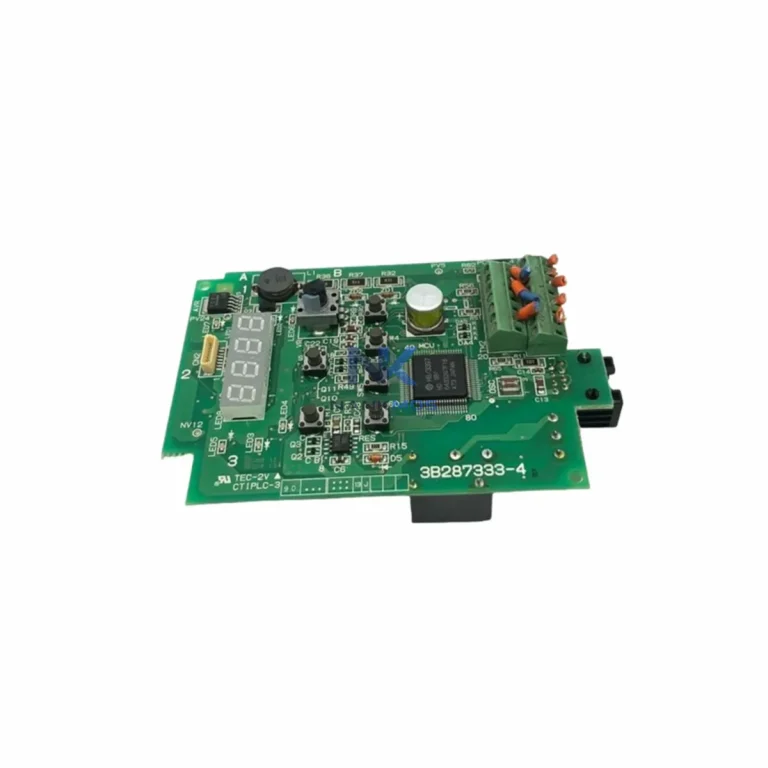
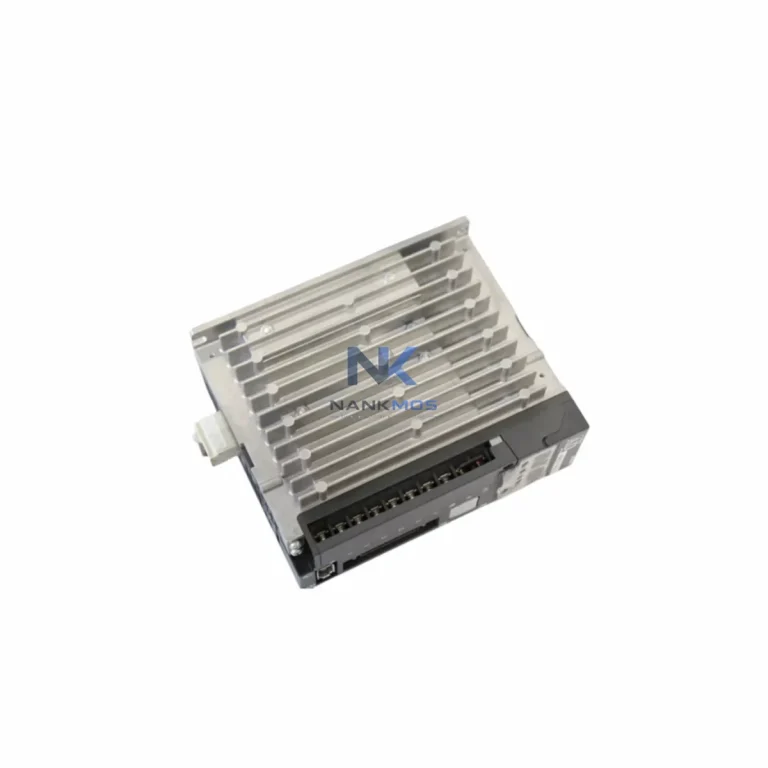
Functional Inspection
100% tested on professional platforms to ensure stable performance.
Hitachi LPA250A is a NANKMOS industrial automation product record Listed under Other series series and Drives. Confirm condition, availability, lead time, compatibility and documentation by email inquiry.
Brand names are used for identification only.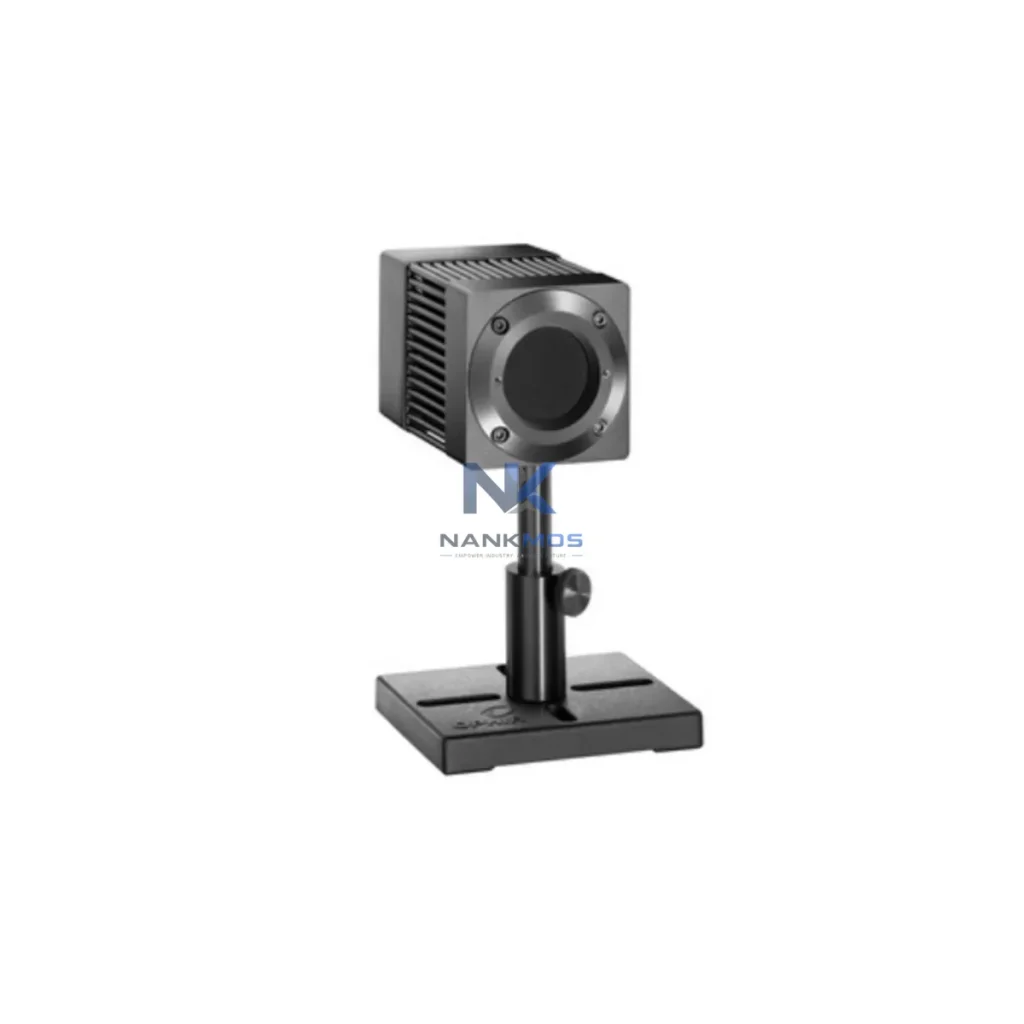
Hitachi LPA250A is a NANKMOS industrial automation product record Listed under Other series series and Drives. Confirm condition, availability, lead time, compatibility and documentation by email inquiry.
| Manufacturer | Hitachi |
|---|---|
| Application | Motion Control & Drive System |
| Part Number / Model | LPA250A |
| Compatible System | Confirmed by inquiry |
| Condition Options | To Confirm |
| Module Type | Servo / Drive Module |
| Warranty | 12 Months |
| Packaging | Anti-static Bag / Secure Box |
| Shipping Methods | DHL / FedEx / UPS / Air / Sea |
| Availability | To Confirm |
| Lead Time | To Confirm |
| Documentation | Part number and revision checked before quote |
The Hitachi LPA250A is a precision low pass filter board engineered for industrial drive control environments where signal integrity, protocol compatibility, and uninterrupted data flow are non-negotiable. Designed to integrate seamlessly within Hitachi's SJ and WJ series variable frequency drive (VFD) platforms, the LPA250A serves as a critical hardware node in the data chain that connects field-level devices to supervisory control and monitoring systems. In smart factory deployments where every millisecond of signal latency and every byte of process data matters, the LPA250A delivers the electrical filtering and interface stability that underpins reliable automation communication.
Modern industrial facilities demand more than mechanical reliability from their drive components. They require components that actively support the data architecture of the plant — from sensor-level signal acquisition through PLC logic execution, remote I/O polling, HMI visualization, SCADA trending, and edge gateway aggregation. The LPA250A is purpose-built to meet this demand, providing clean, filtered analog and digital signal paths that reduce electromagnetic interference (EMI) and harmonic distortion across the drive's communication interface layer.
In a fully connected smart factory, the Hitachi LPA250A occupies a foundational position in the signal and data flow architecture. The journey begins at the field level, where process sensors — pressure transmitters, flow meters, temperature probes, and vibration sensors — generate analog signals that feed into the drive's control board. The LPA250A filters these incoming signals, eliminating high-frequency noise and harmonic interference before they reach the drive's internal logic, ensuring that the Hitachi SJ700 or WJ200 series VFD receives clean, accurate command inputs.
From the drive, filtered process data is transmitted upstream via the RS-485 serial interface to a Modbus RTU gateway or a dedicated PROFIBUS DP communication module — such as the Hitachi SJ-PB or compatible third-party adapters — which bridges the drive network to the plant's fieldbus backbone. This gateway layer is where protocol conversion occurs: raw drive status registers, speed references, torque feedback, and fault codes are translated into structured data packets readable by the plant's Siemens S7-1200 or Mitsubishi FX5U PLC controllers.
The PLC then forwards aggregated process variables to the remote I/O rack — typically a distributed I/O system such as a Wago 750 series or Phoenix Contact Axioline module — which extends the control network to outlying field panels without requiring additional dedicated wiring runs. Simultaneously, the PLC communicates with the plant's Weintek or Proface HMI terminal, rendering real-time drive speed, current draw, output frequency, and alarm status on the operator interface. Operators on the floor can monitor the LPA250A-equipped drive's performance at a glance, with trend graphs and setpoint adjustment capabilities built directly into the HMI screen.
At the supervisory level, a SCADA platform — such as Ignition by Inductive Automation or Wonderware System Platform — polls the PLC via OPC-UA or Modbus TCP over the plant's Industrial Ethernet network, collecting time-stamped process data for historian logging, KPI dashboards, and alarm management. The LPA250A's role in maintaining signal fidelity at the drive level directly impacts the quality of data that reaches the SCADA historian: clean signals mean accurate trend data, reliable alarm thresholds, and trustworthy production reports.
For facilities deploying edge computing infrastructure, an edge gateway device — such as a Moxa UC-8112 or Advantech WISE-5000 series — can be positioned between the fieldbus network and the cloud or enterprise MES layer. The edge gateway pre-processes drive data locally, applying analytics algorithms to detect anomalies in motor current signatures or speed deviations before forwarding summarized insights to the cloud. The LPA250A's filtered output ensures that the edge gateway receives high-quality input data, reducing false positives in anomaly detection models.
Power quality at the drive level is maintained by pairing the LPA250A with an appropriate industrial power supply — such as a Meanwell SDR-120 or Phoenix Contact QUINT series — which provides stable 24VDC control voltage to the drive's auxiliary circuits. Stable power supply voltage is essential for consistent filter board performance, particularly in environments with significant load switching or utility voltage fluctuations.
One of the most persistent challenges in industrial automation is the fragmentation of communication protocols across different generations of equipment. A plant may operate legacy drives using proprietary serial protocols alongside newer devices running PROFINET or EtherNet/IP, creating data silos that prevent unified monitoring and control. The Hitachi LPA250A, when deployed within a Hitachi drive equipped with a compatible communication option board, enables the drive to participate in a standardized Modbus RTU or RS-485 network, which can then be bridged to modern Industrial Ethernet protocols via a protocol gateway — eliminating the data island and bringing the drive into the plant's unified data architecture.
Remote monitoring and diagnostics represent another critical gap in many automation sites. Without reliable drive-level data reaching the SCADA or remote operations center, maintenance teams must physically inspect drives to diagnose faults — a time-consuming and costly process. The LPA250A's signal conditioning capability ensures that drive fault codes, current overload events, and speed deviation alarms are transmitted accurately and without corruption to the upstream monitoring system, enabling remote diagnostics and predictive maintenance scheduling. Maintenance engineers can identify a developing bearing fault or cooling fan degradation from the control room before it causes an unplanned shutdown.
Production line transparency — the ability to see real-time throughput, cycle times, and equipment utilization across the entire line — depends on every drive and motor in the system reporting accurate data. The LPA250A contributes to this transparency by ensuring that the Hitachi drive's process data is clean and reliable at the source. When integrated with a plant-wide data visualization platform, operators and plant managers gain a live view of production performance, energy consumption per drive, and equipment health scores — all derived from the accurate, filtered data that the LPA250A helps deliver.
System scalability is addressed through the LPA250A's compatibility with Hitachi's modular drive option architecture. As production requirements grow and new drives are added to the network, each new unit equipped with an LPA250A and a compatible communication module can be integrated into the existing SCADA and PLC infrastructure without redesigning the network topology. This plug-and-extend approach reduces commissioning time and engineering costs for plant expansions.
Q1: Does the Hitachi LPA250A support direct connection to PROFIBUS or PROFINET networks?The LPA250A is a low pass filter board that conditions signals within the drive's control interface. Direct PROFIBUS or PROFINET connectivity requires a dedicated communication option board (e.g., Hitachi SJ-PB for PROFIBUS DP) installed in the drive alongside the LPA250A. Together, they enable the drive to participate in PROFIBUS or, via an appropriate gateway, PROFINET networks with full process data exchange.
Q2: What is the communication latency when using the LPA250A-equipped drive in a Modbus RTU network?Modbus RTU polling latency depends on baud rate, network length, and the number of nodes. In typical industrial configurations with RS-485 at 19200 baud and up to 32 nodes, cycle times of 10–50ms per device are achievable. The LPA250A's filtering function does not introduce additional communication latency; it operates on the analog and digital signal conditioning layer, not the serial communication stack.
Q3: Can the LPA250A be used in multi-drive systems with centralized SCADA monitoring?Yes. Multiple Hitachi drives equipped with LPA250A boards and RS-485 communication modules can be daisy-chained on a single Modbus RTU network segment (up to 32 nodes per segment, extendable with repeaters). Each drive is assigned a unique Modbus node address, allowing the SCADA system to poll all drives individually for speed, current, fault status, and energy data — enabling centralized monitoring and alarm management across the entire drive fleet.
Q4: What does the 12-month warranty cover, and how is pre-shipment testing conducted?Every Hitachi LPA250A supplied by NANKMOS is covered by a 12-month warranty against manufacturing defects and functional failures under normal operating conditions. Prior to shipment, each unit undergoes functional verification testing to confirm signal filtering performance and interface integrity. Units are shipped in anti-static protective packaging with full traceability documentation. Warranty claims are processed through NANKMOS's technical support team at [email protected].
Functional Inspection100% tested on professional platforms to ensure stable performance.
 Anti-static Packaging
Modules are packed in anti-static bags to prevent electrostatic damage.
 Secure Export Packing
Cushion protection and strong cartons ensure safe transportation.
 Worldwide Shipping
Global logistics network supports air, sea and express delivery.
 Documentation Check
Part number, revision and compatibility verified before shipment.
 After-sales Support
Professional technical support to help resolve your issues.