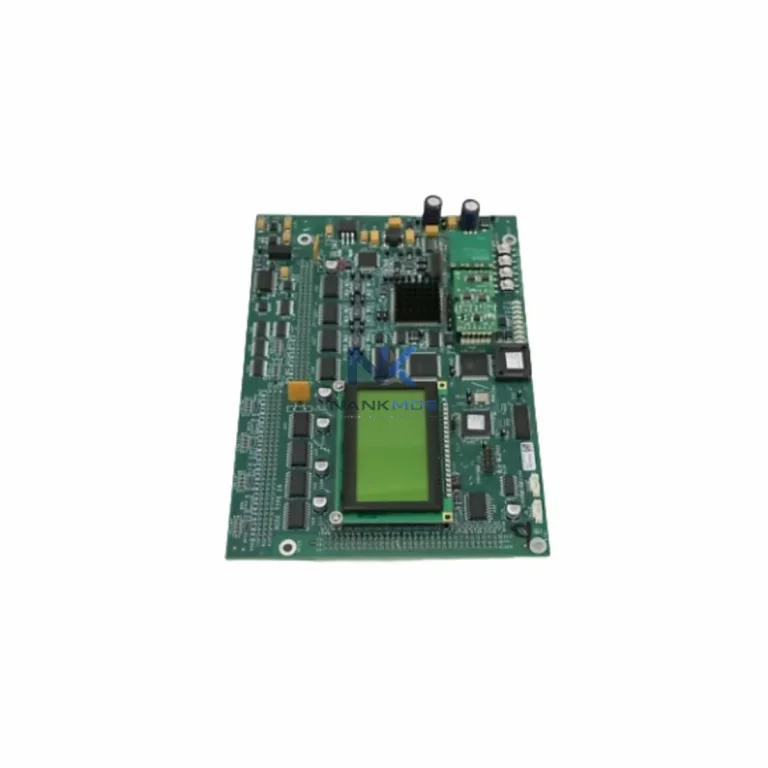
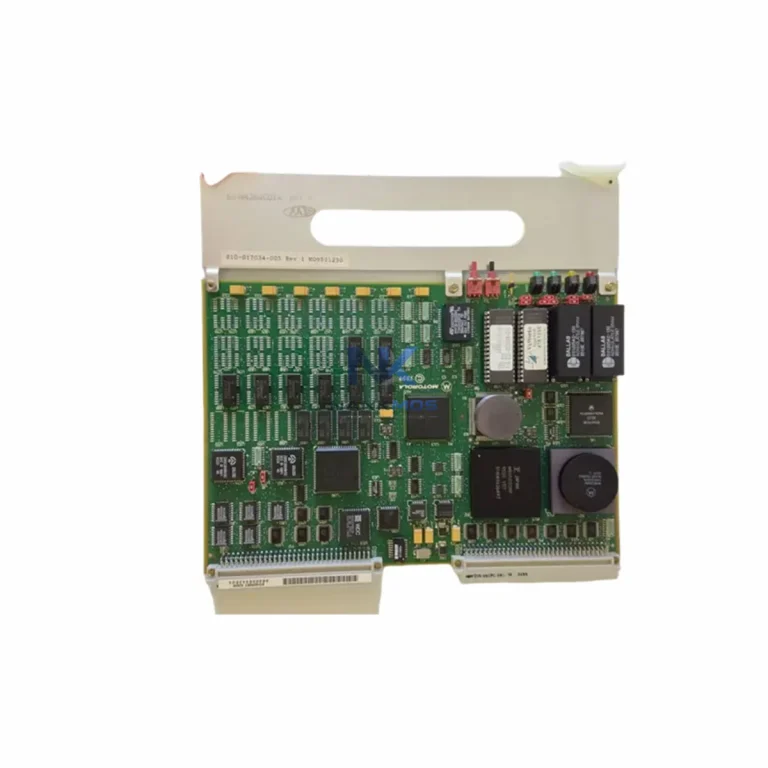
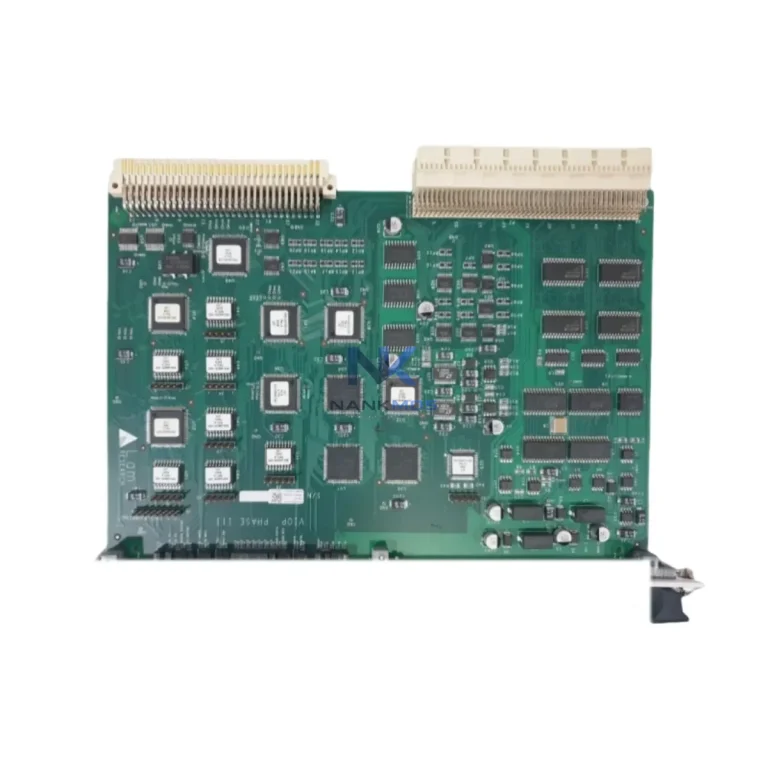
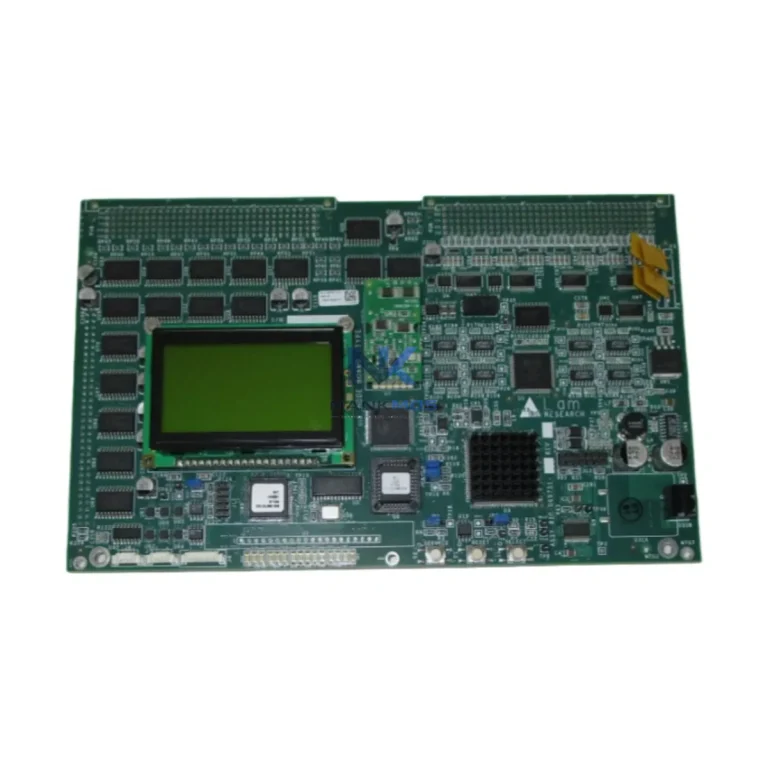
Functional Inspection
100% tested on professional platforms to ensure stable performance.
Lam Research 18-22-30- A1 1613166 is a NANKMOS industrial automation product record Listed under Other series series and Business & Industrial > Automation, Control & Flow Devices > Programmable Logic Controllers. Confirm condition, availability, lead time, compatibility and documentation by email inquiry.
Brand names are used for identification only.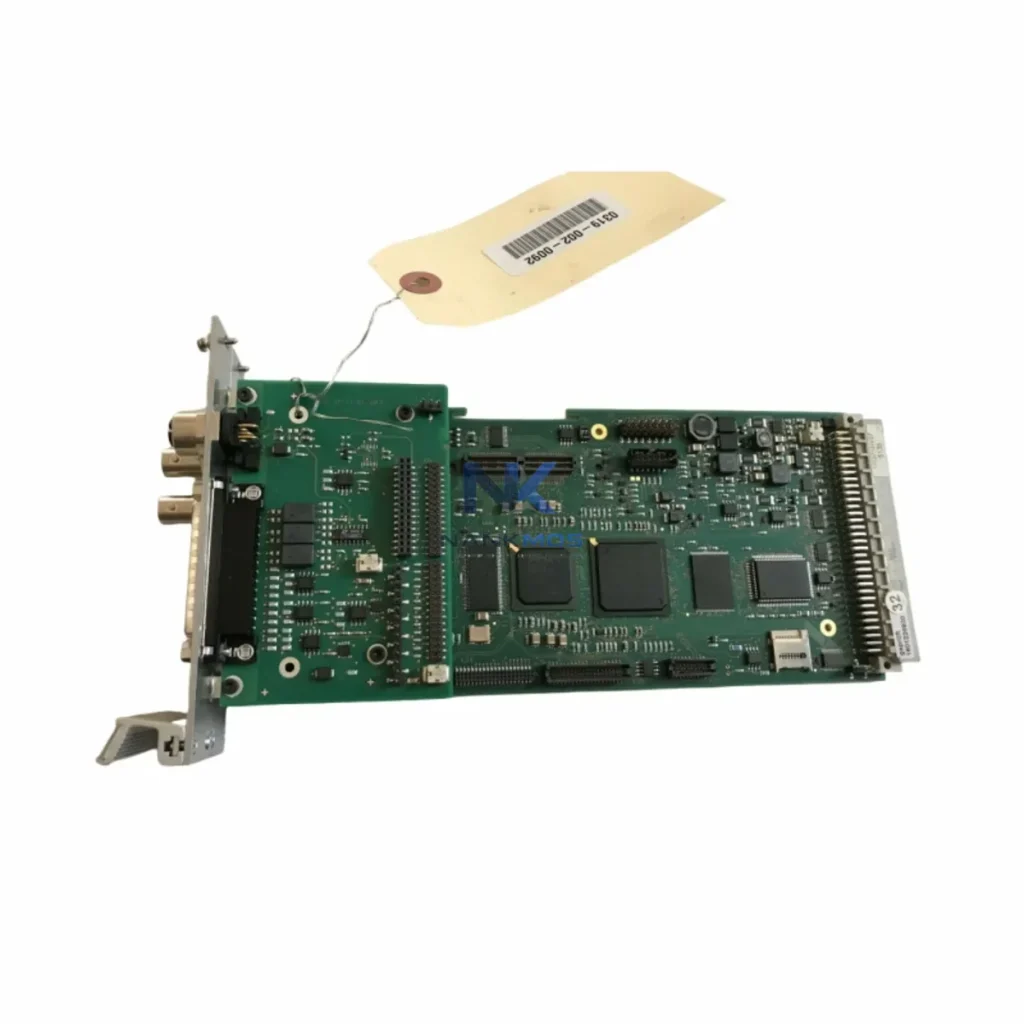
Lam Research 18-22-30- A1 1613166 is a NANKMOS industrial automation product record Listed under Other series series and Business & Industrial > Automation, Control & Flow Devices > Programmable Logic Controllers. Confirm condition, availability, lead time, compatibility and documentation by email inquiry.
| Manufacturer | Lam Research |
|---|---|
| Application | Controller Processing & System Control |
| Part Number / Model | 18-22-30- A1 1613166 |
| Compatible System | Confirmed by inquiry |
| Condition Options | To Confirm |
| Module Type | Controller / CPU Module |
| Warranty | 12 Months |
| Packaging | Anti-static Bag / Secure Box |
| Shipping Methods | DHL / FedEx / UPS / Air / Sea |
| Availability | To Confirm |
| Lead Time | To Confirm |
| Documentation | Part number and revision checked before quote |
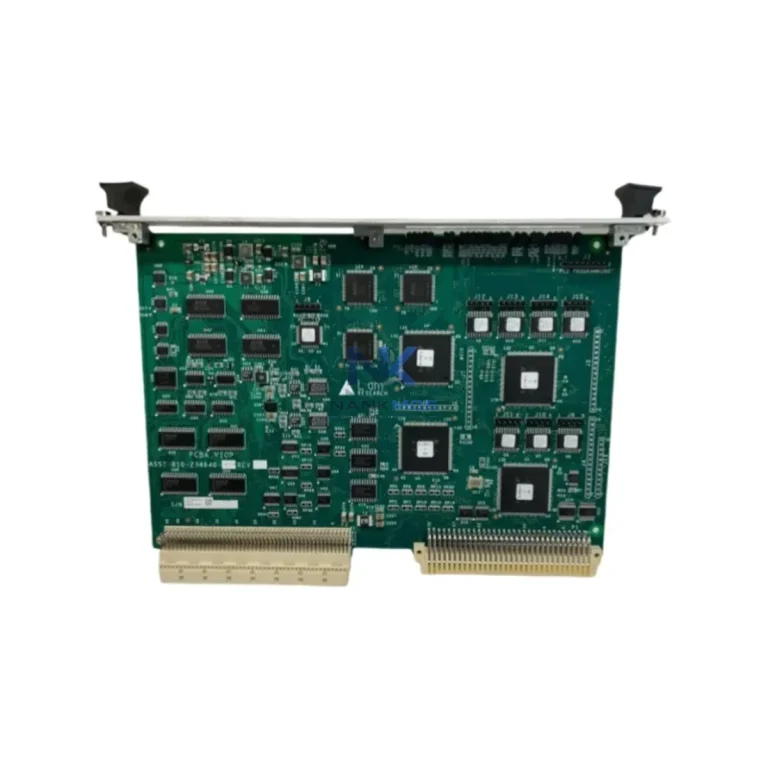
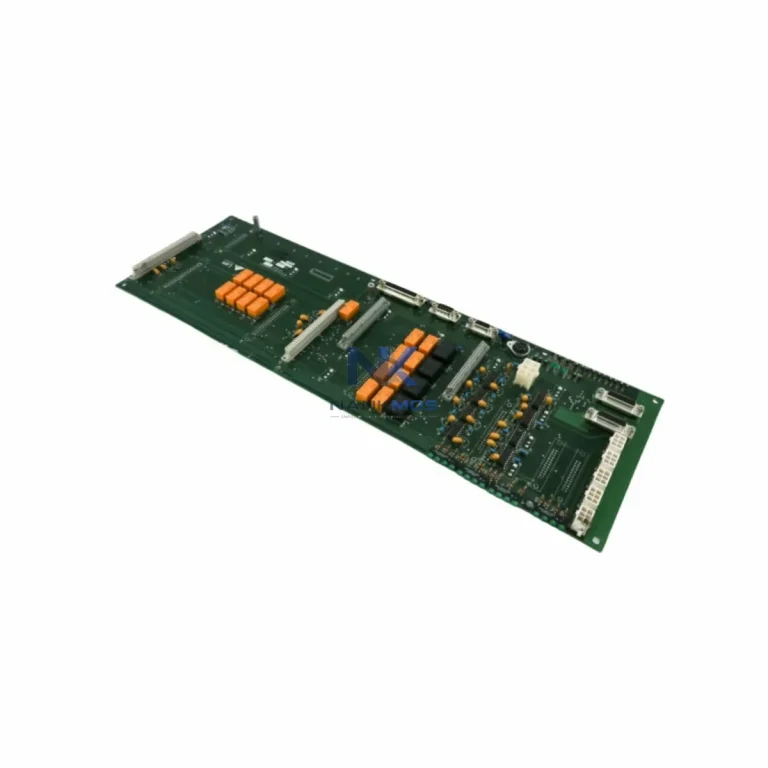
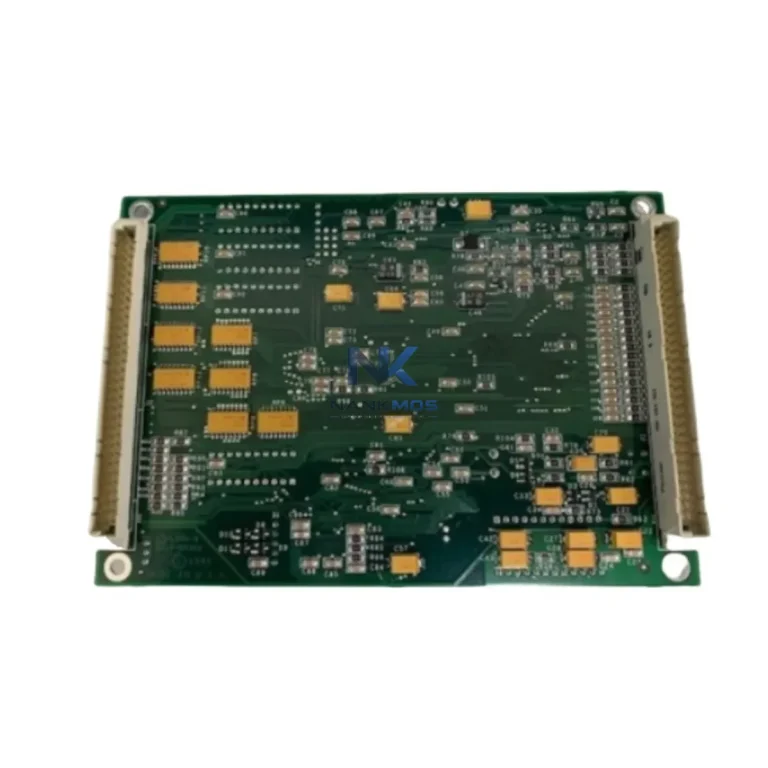
The LAM Research 18-22-30-A1 1613166 is a precision-engineered Ethernet Controller PCB designed for the Kiyo Series semiconductor and advanced process equipment platform. As a core network interface module, it bridges field-level device communication with upper-layer control and monitoring systems, enabling seamless data flow across the full automation stack — from signal acquisition at the process chamber level through to SCADA dashboards, MES platforms, and enterprise data historians.
In modern smart factory environments, the integrity and continuity of the data chain is non-negotiable. The 18-22-30-A1 1613166 serves as the network backbone for Kiyo Series systems, ensuring that real-time process parameters — chamber pressure, RF power delivery, gas flow rates, endpoint detection signals, and thermal profiles — are continuously transmitted, logged, and made available for remote diagnostics and predictive maintenance workflows. Its Ethernet-based architecture supports high-throughput, low-latency communication between the tool controller and facility-level networks, making it a critical enabler of connected factory operations.
The 18-22-30-A1 1613166 Ethernet Controller PCB sits at the intersection of process equipment and plant-wide connectivity. In a typical Kiyo Series deployment, the data chain begins at the chamber level, where sensors monitoring etch uniformity, plasma density, and endpoint detection feed raw signals into the tool's embedded control architecture. The 18-22-30-A1 1613166 aggregates these signals and transmits structured data packets over the facility Ethernet backbone to the host controller — typically a LAM Research system controller or an equivalent industrial PC running the tool's recipe management software.
From the host controller, data flows upstream to SCADA platforms such as Ignition, Wonderware, or FactoryTalk, where operators gain real-time visibility into process status, alarm states, and equipment health. The Ethernet controller's role in this chain is to ensure that data integrity is maintained across every hop — from the tool's internal bus to the plant network switch, through to the SCADA server and ultimately to the MES or ERP layer where production records are consolidated.
In multi-tool fab environments, the 18-22-30-A1 1613166 enables coordinated operation across multiple Kiyo etch chambers. When paired with LAM Research's chamber match modules and RF generator control boards, the Ethernet controller facilitates synchronized recipe execution and cross-chamber process comparison — a capability that is essential for yield optimization and process of record (POR) compliance. Remote I/O modules connected via the facility network can relay auxiliary sensor data — coolant flow, exhaust pressure, and chiller status — back through the same Ethernet path, consolidating all process-relevant data into a single, unified data stream.
Edge gateway devices installed at the equipment level can further extend the data chain by pre-processing high-frequency sensor data before forwarding summarized metrics to the SCADA layer. This edge-to-cloud architecture reduces network load while preserving the granularity needed for advanced process control (APC) and fault detection and classification (FDC) systems. The 18-22-30-A1 1613166 is fully compatible with this layered network topology, supporting both direct SCADA polling and edge-mediated data aggregation workflows.
For facilities running mixed equipment fleets — combining Kiyo Series etch tools with Versys plasma systems, Flex series deposition chambers, or third-party metrology equipment — the Ethernet controller's standard TCP/IP stack ensures interoperability with plant-wide network infrastructure, including managed industrial Ethernet switches, fiber optic backbone segments, and VLAN-segmented process networks.
One of the most persistent challenges in semiconductor and advanced process manufacturing is the fragmentation of process data across equipment generations and vendor platforms. Older tools may rely on proprietary serial communication protocols — RS-232, RS-485, or GPIB — that cannot natively interface with modern Ethernet-based SCADA and MES systems. The 18-22-30-A1 1613166, as the network interface layer of the Kiyo Series platform, addresses this challenge by providing a standardized Ethernet communication path that can be integrated with protocol conversion gateways to bridge legacy and modern network segments.
Data silos — where process data is trapped within individual tools or subsystems and never reaches the plant-level monitoring infrastructure — are a direct consequence of inadequate network connectivity. By ensuring that the Kiyo Series tool's internal data bus is reliably connected to the facility network, the 18-22-30-A1 1613166 eliminates the data isolation that prevents operators from achieving full production line transparency. Real-time alarm propagation, process deviation alerts, and equipment health notifications can all be routed through the Ethernet controller to centralized alarm management systems, enabling faster response times and reducing unplanned downtime.
Remote diagnostics capabilities are significantly enhanced when the Ethernet controller is functioning correctly. Field service engineers can access tool status, error logs, and process data remotely — without requiring physical presence at the equipment — reducing mean time to repair (MTTR) and minimizing production impact. For facilities with distributed fab sites or remote support agreements, this remote access capability is a direct operational cost reduction.
System scalability is another area where the 18-22-30-A1 1613166 delivers long-term value. As production capacity expands and additional Kiyo Series tools are brought online, the Ethernet controller's standard network interface ensures that new tools can be integrated into the existing SCADA and MES infrastructure without requiring custom communication solutions. This plug-and-play network compatibility reduces commissioning time and lowers the total cost of ownership for fab expansion projects.
Q1: What communication protocol does the LAM 18-22-30-A1 1613166 support, and is it compatible with standard industrial SCADA systems?The 18-22-30-A1 1613166 operates on an industrial Ethernet (TCP/IP) architecture, making it natively compatible with standard SCADA platforms including Ignition, Wonderware, FactoryTalk, and similar systems that support Ethernet-based device communication. Protocol conversion gateways can be used to bridge the Kiyo Series tool network to OPC-UA or Modbus TCP environments if required by the facility's integration architecture.
Q2: How does this Ethernet controller handle network stability in high-EMI semiconductor fab environments?The 18-22-30-A1 1613166 is designed to operate within the demanding electrical environment of semiconductor process equipment, where RF generators, plasma sources, and high-current power supplies generate significant electromagnetic interference. The PCB's design incorporates shielding and signal conditioning appropriate for the Kiyo Series platform's internal EMI profile. For facility network segments, managed industrial Ethernet switches with EMI-hardened enclosures are recommended to maintain link stability.
Q3: Can the 18-22-30-A1 1613166 support remote diagnostics and what data is accessible remotely?Yes. When the Ethernet controller is operational and connected to the facility network, remote access to the Kiyo Series tool's process data, alarm logs, recipe status, and equipment health metrics is supported through the tool's host controller interface. Remote diagnostic sessions can be conducted by LAM Research field service or authorized third-party support teams, enabling rapid fault isolation without on-site intervention.
Q4: What warranty and pre-shipment testing does NANKMOS provide for the 18-22-30-A1 1613166?All 18-22-30-A1 1613166 units supplied by NANKMOS are covered by a 12-month warranty from the date of shipment. Each unit undergoes pre-shipment functional verification to confirm network interface integrity and board-level operation prior to dispatch. In-stock units are available for immediate shipment, with expedited logistics options available for urgent fab requirements.
Functional Inspection100% tested on professional platforms to ensure stable performance.
 Anti-static Packaging
Modules are packed in anti-static bags to prevent electrostatic damage.
 Secure Export Packing
Cushion protection and strong cartons ensure safe transportation.
 Worldwide Shipping
Global logistics network supports air, sea and express delivery.
 Documentation Check
Part number, revision and compatibility verified before shipment.
 After-sales Support
Professional technical support to help resolve your issues.