Functional Inspection
100% tested on professional platforms to ensure stable performance.
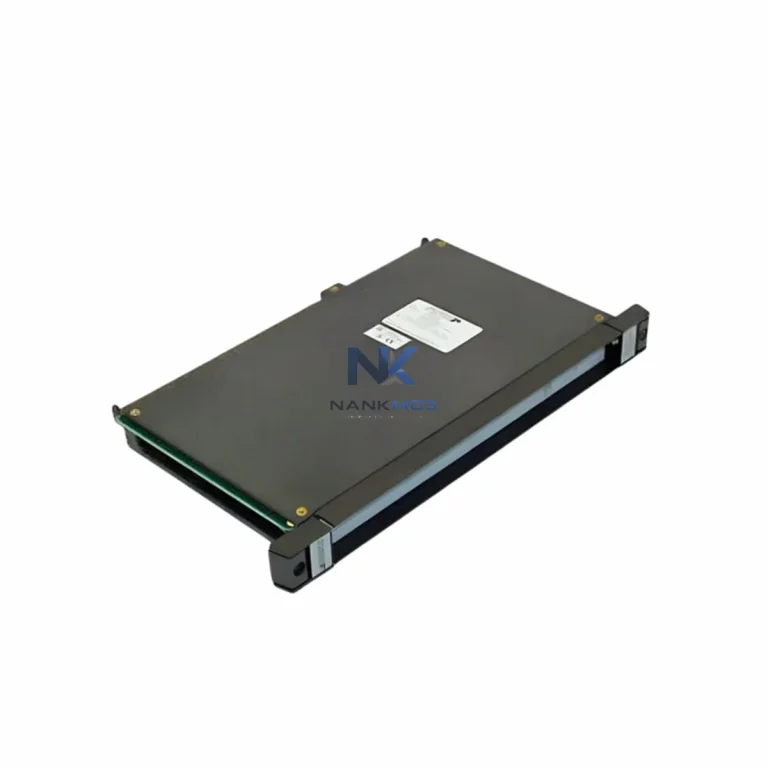
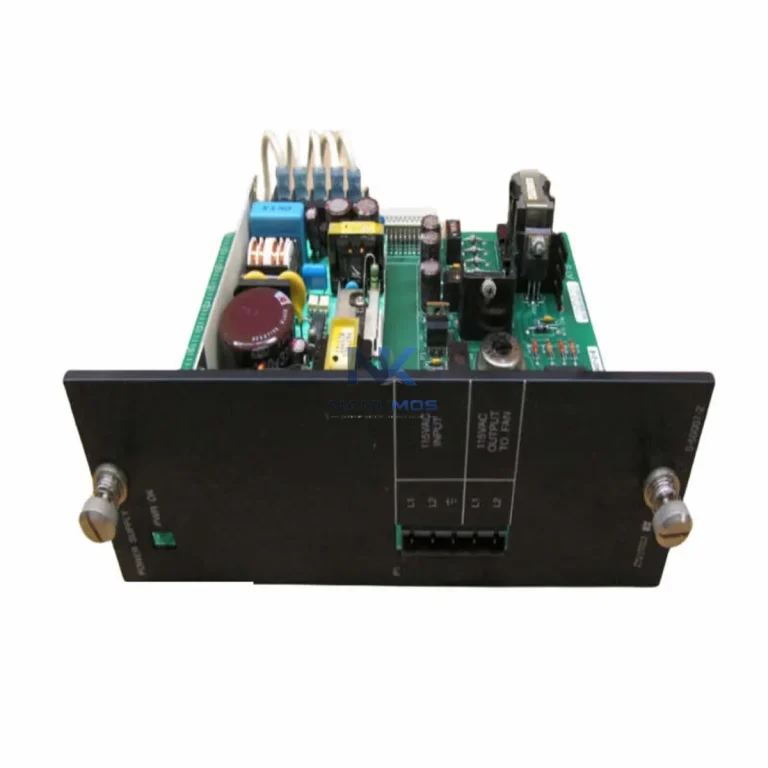
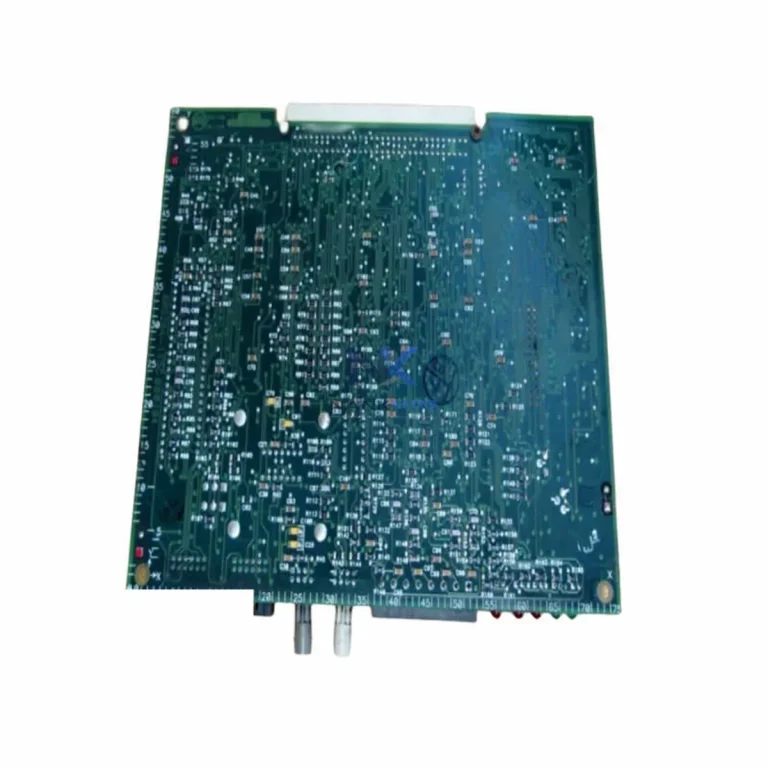
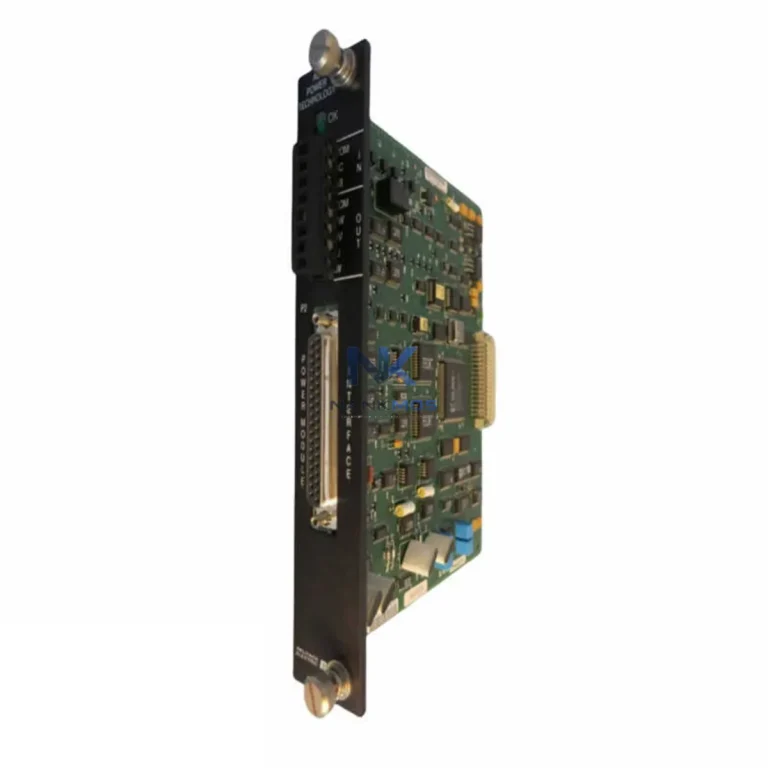
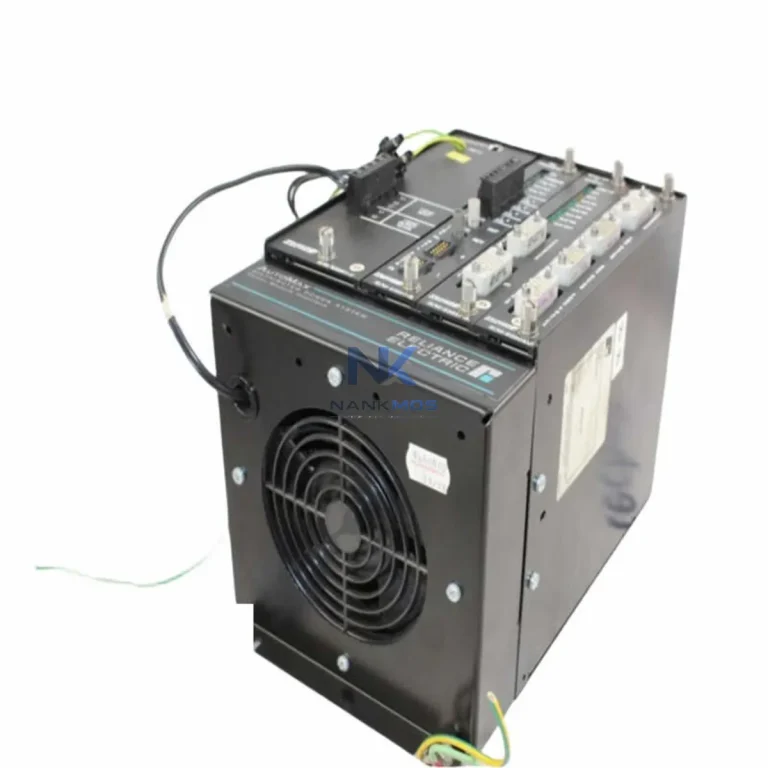
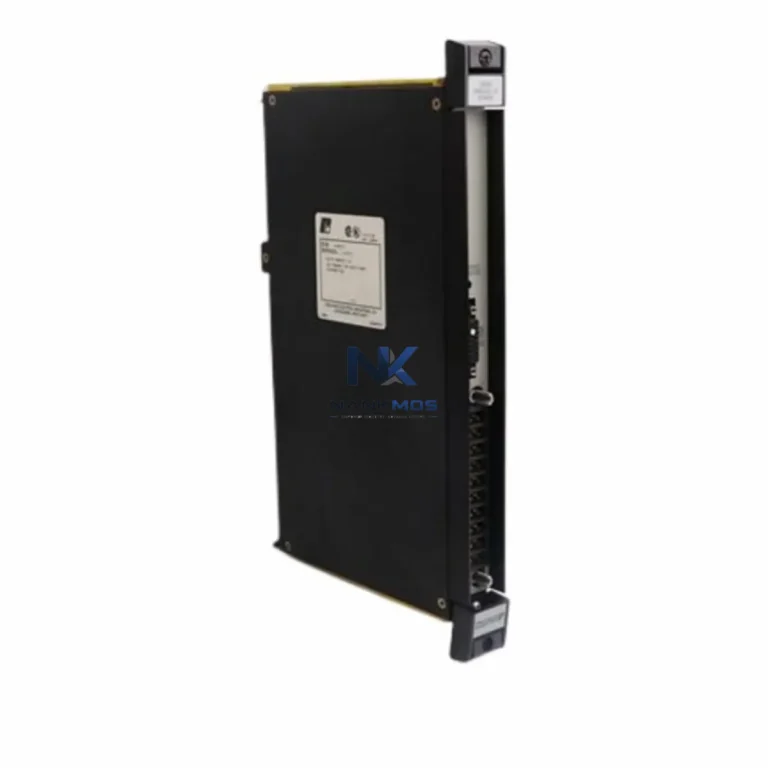
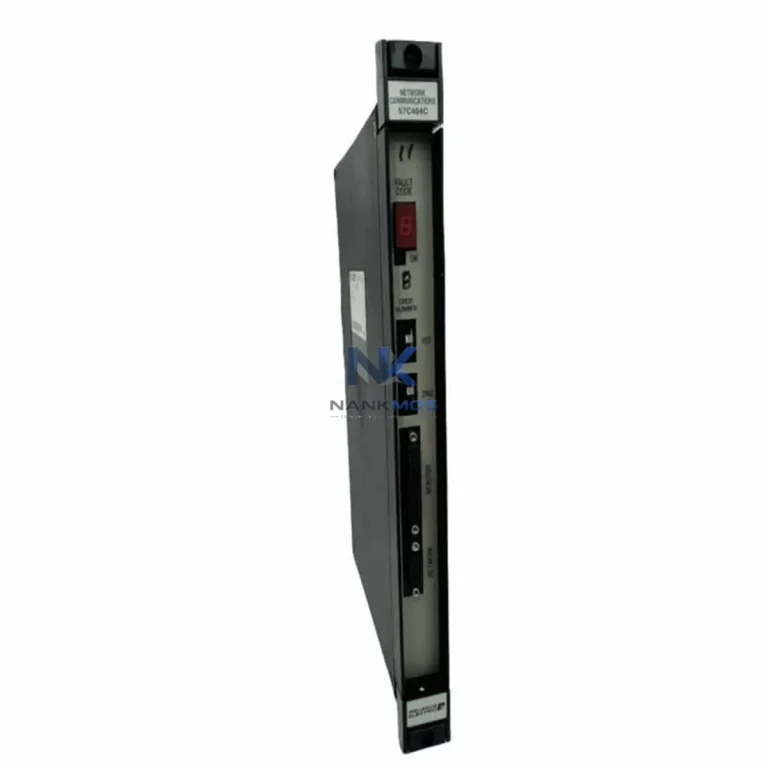
Reliance Electric 57C413B is a NANKMOS industrial automation product record Listed under Other series series and Business & Industrial > Automation, Control & Flow Devices > Programmable Logic Controllers. Confirm condition, availability, lead time, compatibility and documentation by email inquiry.
Brand names are used for identification only.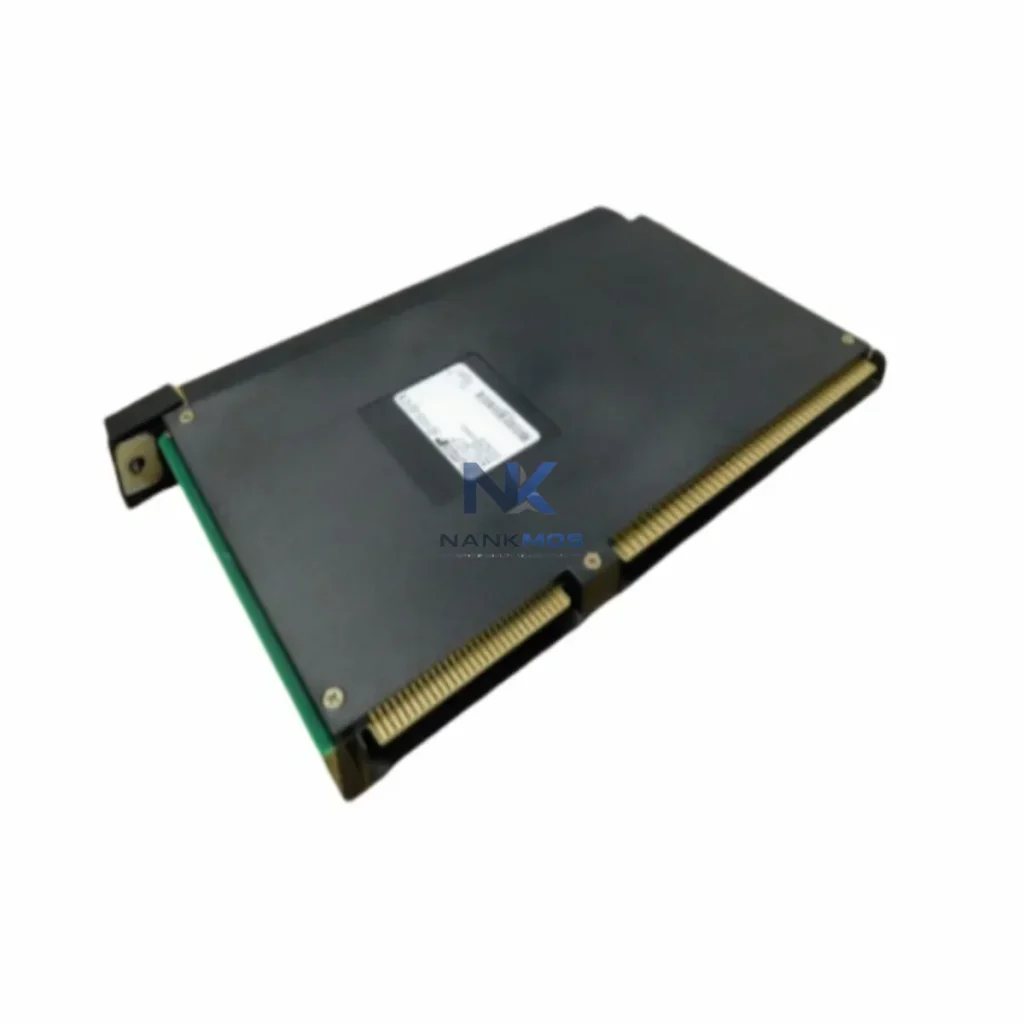
Reliance Electric 57C413B is a NANKMOS industrial automation product record Listed under Other series series and Business & Industrial > Automation, Control & Flow Devices > Programmable Logic Controllers. Confirm condition, availability, lead time, compatibility and documentation by email inquiry.
| Manufacturer | Reliance Electric |
|---|---|
| Application | Controller Processing & System Control |
| Part Number / Model | 57C413B |
| Compatible System | Confirmed by inquiry |
| Condition Options | To Confirm |
| Module Type | Controller / CPU Module |
| Warranty | 12 Months |
| Packaging | Anti-static Bag / Secure Box |
| Shipping Methods | DHL / FedEx / UPS / Air / Sea |
| Availability | To Confirm |
| Lead Time | To Confirm |
| Documentation | Part number and revision checked before quote |
The Reliance Electric 57C413B is a system-matched memory module engineered for deployment within the AutoMax Distributed Control System (DCS) platform. Designed to extend the data retention and program storage capacity of AutoMax CPU nodes, the 57C413B plays a foundational role in maintaining control program integrity, configuration persistence, and real-time execution reliability across multi-rack industrial automation architectures. Its integration into the AutoMax control hierarchy ensures that process logic, parameter tables, and diagnostic records remain accessible across power cycles, controller resets, and scheduled maintenance windows — a critical requirement in continuous-process industries where unplanned downtime carries significant operational cost.
Within the AutoMax architecture, the 57C413B interfaces directly with the AutoMax CPU module — such as the 57C321 or 57C322 processor cards — to provide non-volatile storage for ladder logic programs, function block configurations, and system-level parameters. This tight coupling between the memory module and the CPU layer eliminates the need for external programming devices during runtime, reducing the risk of configuration drift and ensuring that the control system can recover autonomously from transient faults. When paired with the AutoMax backplane and rack assembly, the 57C413B contributes to a modular, scalable architecture that supports incremental expansion without requiring full system reconfiguration.
The 57C413B also supports contextual integration across the broader AutoMax I/O subsystem. In applications where the AutoMax platform manages analog input modules (such as the 57C374 or 57C375), digital output modules, and remote I/O adapters, the memory module ensures that I/O mapping tables and scan-cycle parameters are preserved with full fidelity. This is particularly important in architectures where the AutoMax system communicates with upstream SCADA platforms or downstream field devices via the AutoMax Data Highway or third-party communication gateways, as any inconsistency in stored configuration data can propagate errors across the entire signal chain.
From a power architecture perspective, the 57C413B is designed to operate within the electrical envelope defined by the AutoMax power supply modules, including the 57C400 series power units that provide regulated DC rails to the backplane. The memory module's low-power retention circuitry ensures that stored data is maintained even during brief power interruptions, complementing the redundancy capabilities of dual-supply configurations used in high-availability process control environments. This characteristic makes the 57C413B particularly well-suited for applications in the petrochemical, power generation, and water treatment sectors, where control system continuity is a regulatory and operational imperative.
For engineering teams responsible for long-term maintenance and lifecycle management of AutoMax-based control systems, the 57C413B represents a critical spare component. Its availability as a tested, ready-to-ship unit with a verified 12-Month Warranty ensures that maintenance planners can execute scheduled replacements or emergency swaps without extended lead times. Each unit undergoes functional verification prior to shipment, confirming memory read/write integrity, backplane connector condition, and compatibility with the AutoMax firmware revision in use at the target installation.
The 57C413B achieves its full operational value when deployed as part of a cohesive AutoMax automation platform. At the control layer, the module works in direct coordination with the 57C321 and 57C322 AutoMax CPU cards, which execute the ladder logic and function block programs stored within the 57C413B's memory array. The CPU's scan cycle reads configuration parameters from the memory module at startup and during online program transfers, making the integrity of the 57C413B's stored data a prerequisite for deterministic control execution.
At the power layer, the 57C400 series AutoMax power supply modules provide the regulated 5 VDC and 24 VDC rails that sustain both the CPU and memory module during normal operation and controlled shutdown sequences. In redundant power configurations, dual 57C400 units ensure that the memory module's retention circuitry remains energized even during primary supply failures, protecting stored program data from corruption.
The I/O layer of the AutoMax architecture typically includes analog input modules such as the 57C374 (4-channel analog input) and 57C375 (8-channel analog input), as well as digital I/O modules that interface with field sensors, actuators, and protective relays. The I/O configuration tables stored in the 57C413B define the scaling, filtering, and alarm parameters for each I/O channel, ensuring that the control system interprets field signals consistently across maintenance cycles and module replacements.
At the communication layer, the AutoMax platform supports connectivity via the AutoMax Data Highway adapter modules, which enable peer-to-peer communication between AutoMax controllers and integration with upstream DCS or SCADA systems. Communication gateway modules — including third-party Modbus RTU or PROFIBUS adapters — rely on the memory module's stored network configuration tables to maintain consistent node addressing and protocol parameters across controller restarts.
For HMI integration, the AutoMax architecture supports connection to operator interface terminals and SCADA workstations via the Data Highway network. The memory module's role in preserving tag databases and display configuration parameters ensures that HMI screens reflect accurate process data without requiring manual reconfiguration after a controller replacement. Complementary components such as AutoMax rack assemblies, backplane interconnect cables, and termination panel modules complete the physical infrastructure that supports the 57C413B's deployment in multi-rack control cabinets.
Petrochemical & Refinery Process Control: In continuous-process petrochemical plants, the AutoMax DCS platform manages critical process variables including temperature, pressure, flow, and level across distillation columns, heat exchangers, and reactor vessels. The 57C413B's non-volatile memory ensures that PID tuning parameters, alarm setpoints, and interlock logic are preserved across planned shutdowns and emergency trips, reducing recommissioning time and minimizing the risk of process upsets during restart sequences.
Power Generation & Utilities: AutoMax-based control systems are widely deployed in power generation facilities for turbine governor control, boiler management, and auxiliary system automation. The memory module's role in storing governor response curves, load-shedding logic, and protective relay coordination parameters makes it a critical component in maintaining grid stability and equipment protection during load transients and fault conditions.
Water & Wastewater Treatment: Municipal water treatment facilities rely on AutoMax controllers for pump sequencing, chemical dosing, and filtration process management. The 57C413B preserves the sequential function chart (SFC) programs and recipe parameters that govern treatment cycles, ensuring regulatory compliance and consistent effluent quality across operator shifts and seasonal demand variations.
Mining & Mineral Processing: In mining applications, AutoMax systems control conveyor drives, crusher circuits, and flotation cell processes. The memory module's ability to retain drive configuration parameters — including speed references, torque limits, and fault response profiles — ensures that production resumes quickly after maintenance interventions, minimizing the impact of planned and unplanned downtime on throughput targets.
Packaging & Discrete Manufacturing: High-speed packaging lines and discrete manufacturing cells use AutoMax controllers for motion sequencing, vision system integration, and quality inspection logic. The 57C413B stores the motion profiles, cam tables, and inspection thresholds that define product-specific production recipes, enabling rapid changeover between product variants without manual parameter re-entry.
Q1: Is the 57C413B compatible with all AutoMax CPU revisions, and how do I verify firmware compatibility before installation?The 57C413B is designed for use with the AutoMax DCS platform and is compatible with the primary AutoMax CPU modules including the 57C321 and 57C322 processor cards. Firmware compatibility should be verified by comparing the firmware revision label on the existing CPU module with the memory module's hardware revision marking. In most AutoMax installations, the memory module is firmware-agnostic at the hardware level, but program files stored on the module must be compiled against the firmware version running on the target CPU. It is recommended to perform a full program backup before replacing the memory module and to verify program execution in a controlled test mode prior to returning the system to automatic operation.
Q2: What is the recommended procedure for replacing the 57C413B in a live AutoMax system, and how does the 12-Month Warranty apply to field-installed units?Memory module replacement in a live AutoMax system should be performed during a scheduled maintenance window with the controller placed in manual or safe-state mode. The replacement procedure involves backing up the current program to an external programming device, removing the existing 57C413B from the backplane, installing the replacement unit, and downloading the verified program file to the new module. The 12-Month Warranty covers manufacturing defects and functional failures under normal operating conditions from the date of shipment. Warranty claims are processed through our technical support team, and replacement units are dispatched from in-stock inventory to minimize system downtime.
Q3: Can the 57C413B be used as a long-term spare in an AutoMax system that is being maintained beyond its original design life, and what inventory support is available?Yes. The 57C413B is specifically stocked to support AutoMax systems operating in extended lifecycle environments where OEM support may be limited or discontinued. Each unit in our inventory has been functionally tested to verify memory integrity, backplane connector condition, and compatibility with AutoMax system firmware. For facilities managing multiple AutoMax controllers across a plant-wide DCS network, we recommend maintaining at least one 57C413B spare per controller rack to ensure rapid response to unplanned failures. Our inventory is maintained on a continuous basis, and units are available for immediate shipment with full 12-Month Warranty coverage and pre-shipment functional test documentation available upon request.
Functional Inspection100% tested on professional platforms to ensure stable performance.
 Anti-static Packaging
Modules are packed in anti-static bags to prevent electrostatic damage.
 Secure Export Packing
Cushion protection and strong cartons ensure safe transportation.
 Worldwide Shipping
Global logistics network supports air, sea and express delivery.
 Documentation Check
Part number, revision and compatibility verified before shipment.
 After-sales Support
Professional technical support to help resolve your issues.