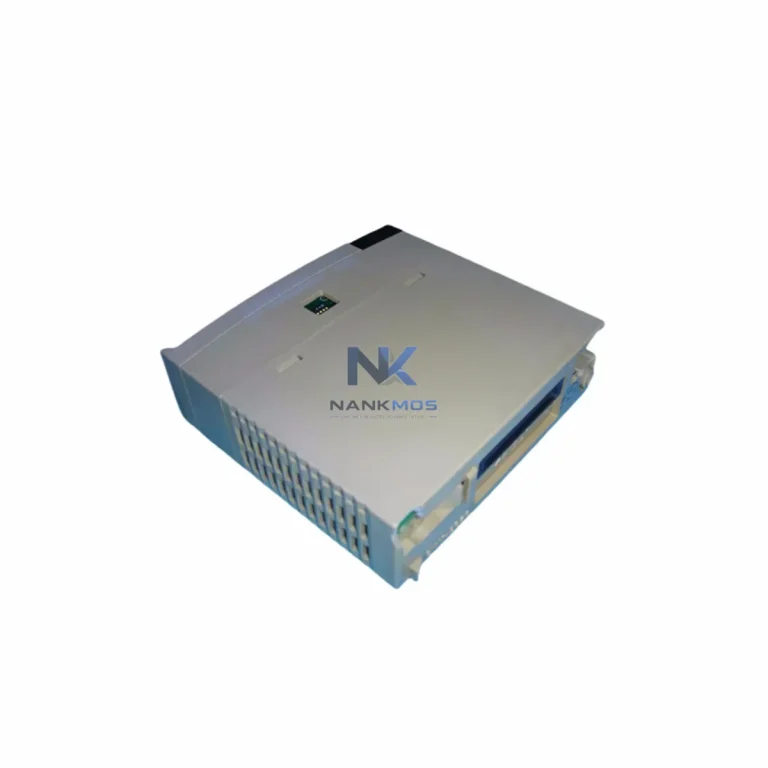
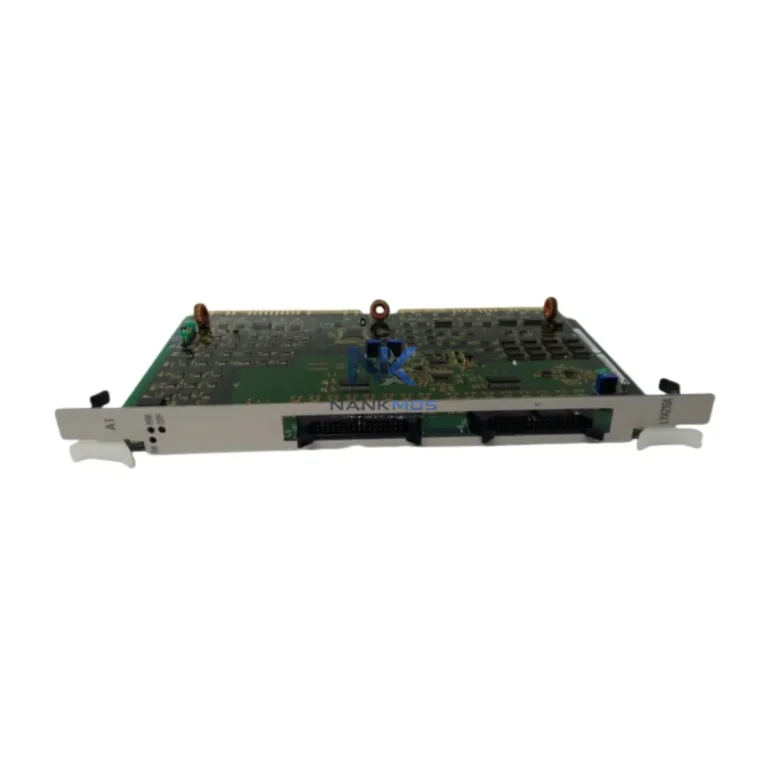
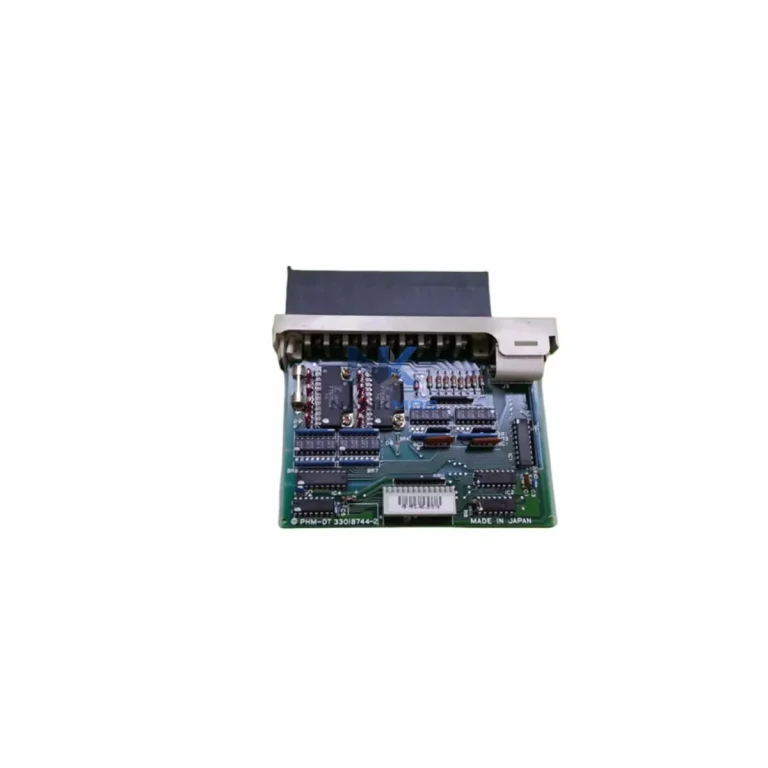
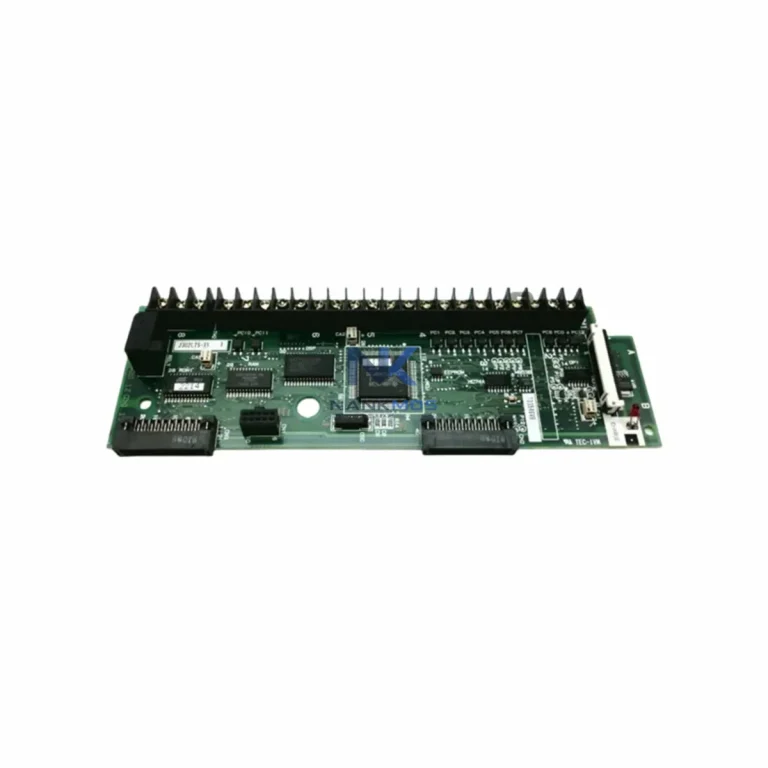
Functional Inspection
100% tested on professional platforms to ensure stable performance.
Hitachi LCE250B is a NANKMOS industrial automation product record Listed under Other series series and Business & Industrial > Automation, Control & Flow Devices. Confirm condition, availability, lead time, compatibility and documentation by email inquiry.
Brand names are used for identification only.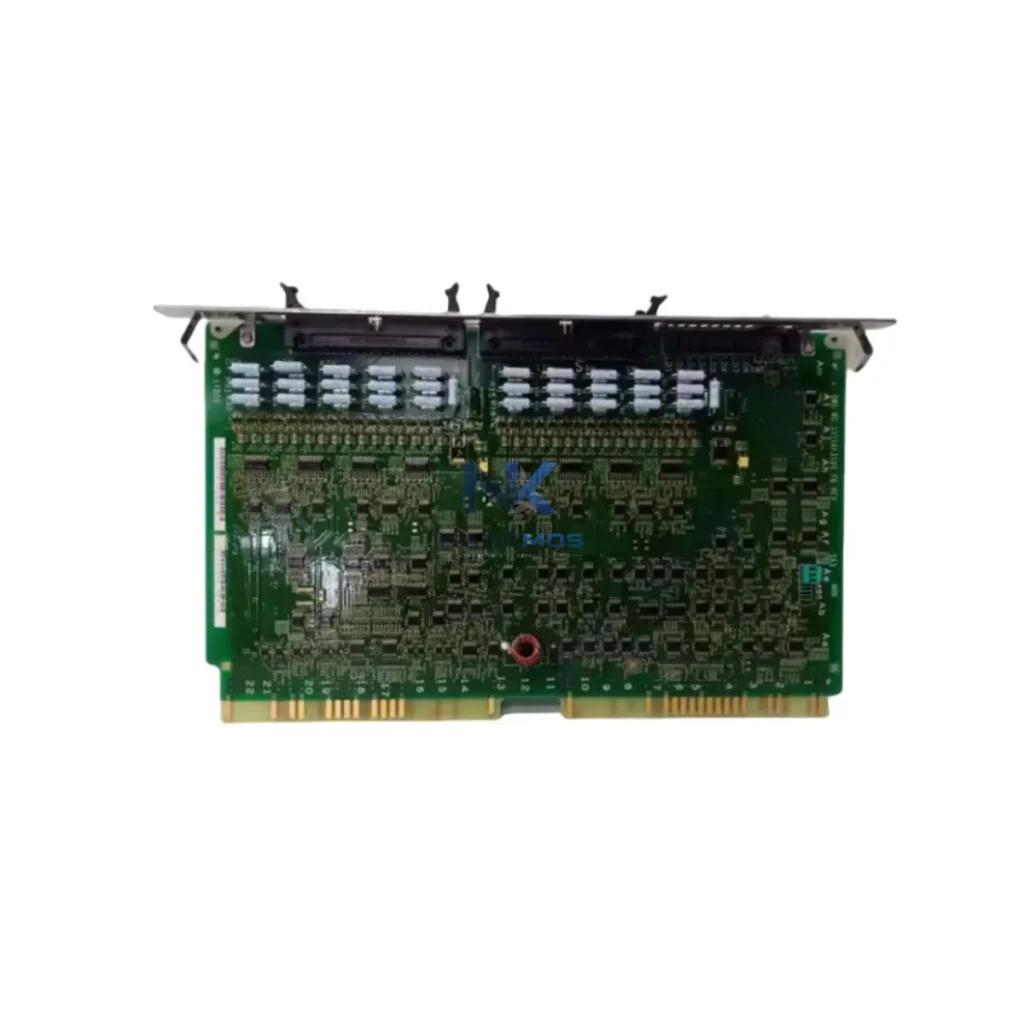
Hitachi LCE250B is a NANKMOS industrial automation product record Listed under Other series series and Business & Industrial > Automation, Control & Flow Devices. Confirm condition, availability, lead time, compatibility and documentation by email inquiry.
| Manufacturer | Hitachi |
|---|---|
| Application | Industrial Network Communication |
| Part Number / Model | LCE250B |
| Compatible System | Confirmed by inquiry |
| Condition Options | To Confirm |
| Module Type | Communication Module |
| Warranty | 12 Months |
| Packaging | Anti-static Bag / Secure Box |
| Shipping Methods | DHL / FedEx / UPS / Air / Sea |
| Availability | To Confirm |
| Lead Time | To Confirm |
| Documentation | Part number and revision checked before quote |
The Hitachi LCE250B is a high-performance communication board from Hitachi's LCE Series, engineered to deliver precise energy control and real-time data exchange within elevator drive systems and industrial automation environments. Designed for integration into smart production lines and building automation infrastructure, the LCE250B serves as the critical communication bridge between the elevator controller, drive unit, and supervisory systems — enabling continuous energy monitoring, load-adaptive drive control, and system-level efficiency optimization.
In modern industrial and commercial facilities where energy costs and uptime are primary operational KPIs, the LCE250B provides the data backbone that allows facility engineers to move from reactive maintenance to predictive, data-driven energy management. Its robust communication architecture supports seamless interfacing with Hitachi's LCE Series variable frequency drives (VFDs), enabling the drive system to dynamically adjust motor output based on real-time load feedback — directly reducing unnecessary power draw during partial-load cycles.
The LCE250B operates at the intersection of drive control and energy intelligence. In a fully integrated elevator automation system, it communicates directly with the Hitachi LCE Series main control board and the LCE Series inverter drive unit, transmitting real-time motor load data, speed references, and fault status signals. This closed-loop communication allows the drive to continuously optimize its PWM output, reducing switching losses and minimizing reactive power — a measurable contribution to facility-wide energy efficiency.
When paired with a Hitachi SJ700 or SJ-P1 Series variable frequency drive in adjacent machine room or MRL (machine-room-less) configurations, the LCE250B's communication data can be used to synchronize motor acceleration and deceleration profiles, cutting peak demand charges during high-traffic periods. Integration with power monitoring modules — such as those from the Hioki PW series or equivalent industrial power analyzers — allows facility engineers to log kWh consumption per elevator cycle, establishing baseline energy benchmarks and identifying optimization opportunities.
For facilities running Mitsubishi MELSEC Q-Series or Siemens S7-1200/1500 PLCs as the central automation controller, the LCE250B's status outputs can be mapped through I/O expansion modules or gateway communication adapters to feed elevator operational data into the PLC's energy management logic. This enables coordinated load shedding strategies — for example, automatically reducing elevator speed during peak grid demand periods as signaled by the facility's energy management system (EMS) or SCADA platform.
HMI integration is equally straightforward: operators using Proface GP4000 Series or Weintek cMT Series HMI panels can display real-time elevator drive status, energy consumption trends, and fault diagnostics sourced from the LCE250B's communication output. This visibility reduces mean time to repair (MTTR) and supports proactive maintenance scheduling — both of which directly improve equipment utilization rates and reduce unplanned downtime costs.
In multi-elevator installations, the LCE250B enables group control coordination by providing the communication layer through which the elevator group controller allocates car assignments based on current load and floor demand — minimizing unnecessary motor starts and reducing aggregate energy consumption across the elevator bank.
Beyond elevator-specific applications, the LCE250B's role as a precision communication interface reflects a broader principle in industrial energy optimization: accurate, real-time data exchange between drive systems and control platforms is the foundation of any effective energy reduction strategy. Facilities that deploy communication boards like the LCE250B as part of a structured energy management architecture consistently report measurable reductions in motor-related energy waste — typically through elimination of fixed-speed operation, reduction of reactive power penalties, and improved alignment between motor output and actual mechanical load demand.
The LCE250B supports this strategy by ensuring that the drive system always operates with accurate load feedback. Without reliable communication between the controller and the drive, energy-saving features such as sleep mode, flux optimization, and dynamic braking energy recovery cannot function correctly. The LCE250B eliminates this communication gap, allowing the full energy-saving capability of the Hitachi LCE drive platform to be realized in service.
From a thermal management perspective, optimized drive modulation enabled by accurate communication data directly reduces heat generation in the drive cabinet. Lower thermal loads extend the service life of capacitors, IGBTs, and cooling fans — reducing both maintenance frequency and the energy consumed by cabinet cooling systems. This cascading efficiency benefit is often overlooked in energy audits but represents a meaningful contribution to total cost of ownership reduction over a 5–10 year asset lifecycle.
Production line rhythm stability is another key benefit. In facilities where elevator systems serve as material handling infrastructure — moving components between production floors — consistent, energy-efficient elevator operation directly supports production line takt time. Unplanned elevator downtime caused by drive communication faults disrupts material flow and forces manual workarounds that reduce overall equipment effectiveness (OEE). The LCE250B, as a tested and verified replacement component, restores this communication integrity and returns the system to full operational efficiency.
All units supplied by NANKMOS undergo functional testing and communication verification prior to shipment, ensuring that the LCE250B arrives ready for installation without the commissioning delays associated with untested surplus components. Each unit is covered by a 12-month warranty, providing procurement teams with the confidence to plan maintenance budgets and spare parts inventory without exposure to early-failure risk.
Q1: What energy-saving benefits does the Hitachi LCE250B communication board provide? The LCE250B enables real-time load data exchange between the elevator controller and the LCE Series drive unit, allowing the drive to dynamically adjust motor output and reduce unnecessary power consumption during partial-load and idle conditions. This supports measurable reductions in per-cycle energy consumption and contributes to facility-wide energy efficiency targets.
Q2: Is the LCE250B compatible with third-party PLCs and SCADA systems? The LCE250B is designed as a native communication board for Hitachi LCE Series drive systems. Its status and data outputs can be interfaced with third-party PLCs and SCADA platforms through appropriate I/O modules or communication gateway adapters, enabling integration into broader facility energy management and automation architectures.
Q3: What is the recommended replacement and testing process for the LCE250B? Replacement should follow standard Hitachi LCE Series maintenance procedures: power down the drive system, discharge bus capacitors per safety protocol, swap the communication board, and perform a communication verification test before returning the system to service. All NANKMOS-supplied LCE250B units are pre-tested and verified, reducing commissioning time and the risk of installation-related faults.
Q4: What warranty and supply availability does NANKMOS offer for the LCE250B? NANKMOS maintains stock of the Hitachi LCE250B and offers worldwide shipping with a 12-month warranty on all supplied units. Procurement teams can confirm current inventory availability and lead times by contacting our team directly. Bulk and project-quantity inquiries are welcome.
Functional Inspection100% tested on professional platforms to ensure stable performance.
 Anti-static Packaging
Modules are packed in anti-static bags to prevent electrostatic damage.
 Secure Export Packing
Cushion protection and strong cartons ensure safe transportation.
 Worldwide Shipping
Global logistics network supports air, sea and express delivery.
 Documentation Check
Part number, revision and compatibility verified before shipment.
 After-sales Support
Professional technical support to help resolve your issues.