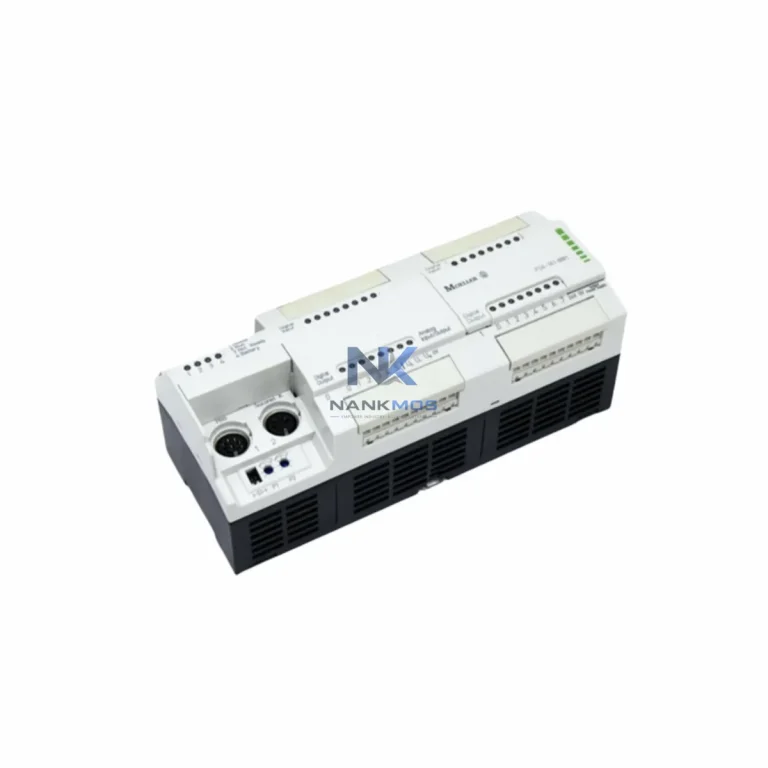
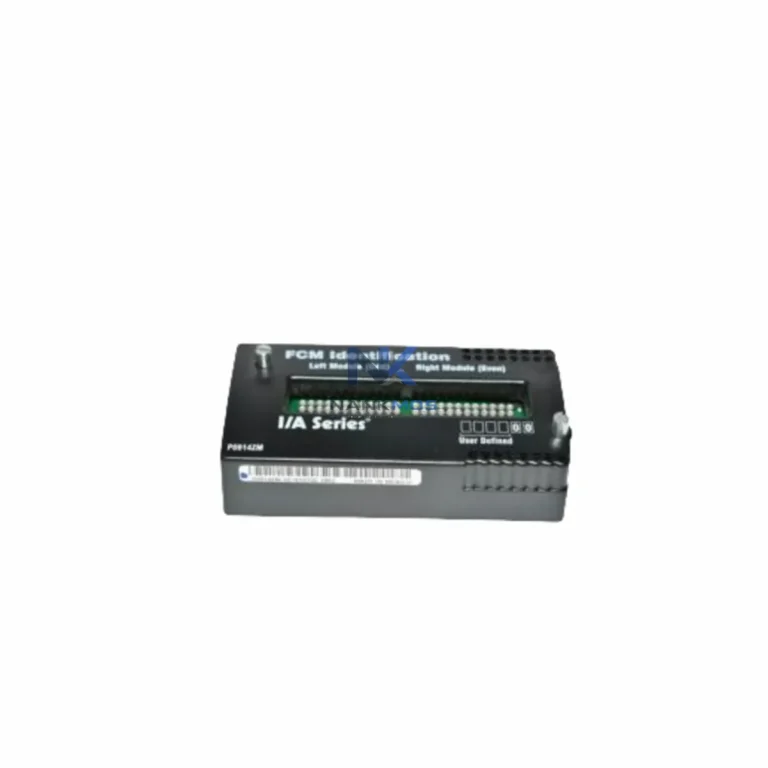
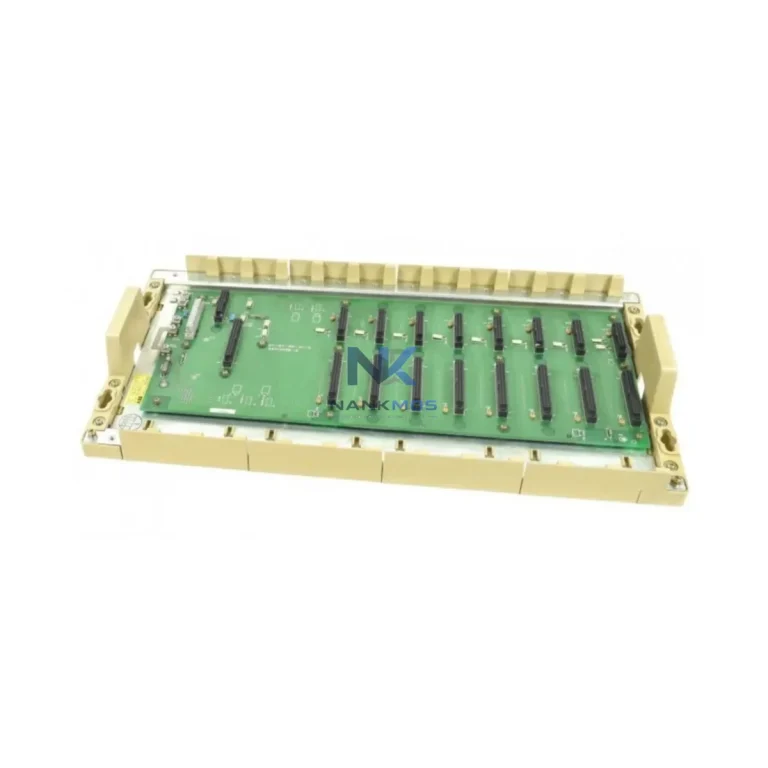
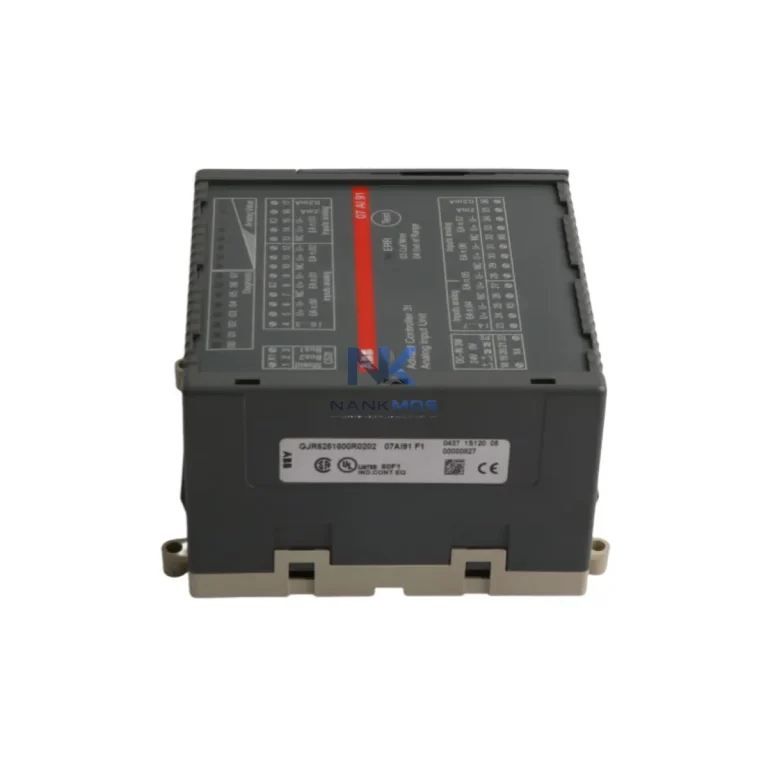
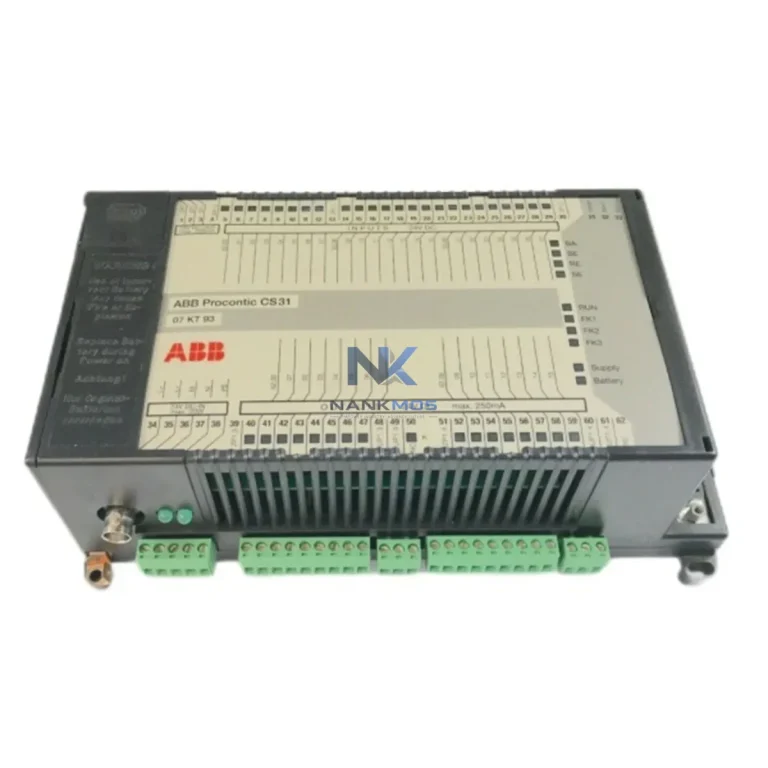
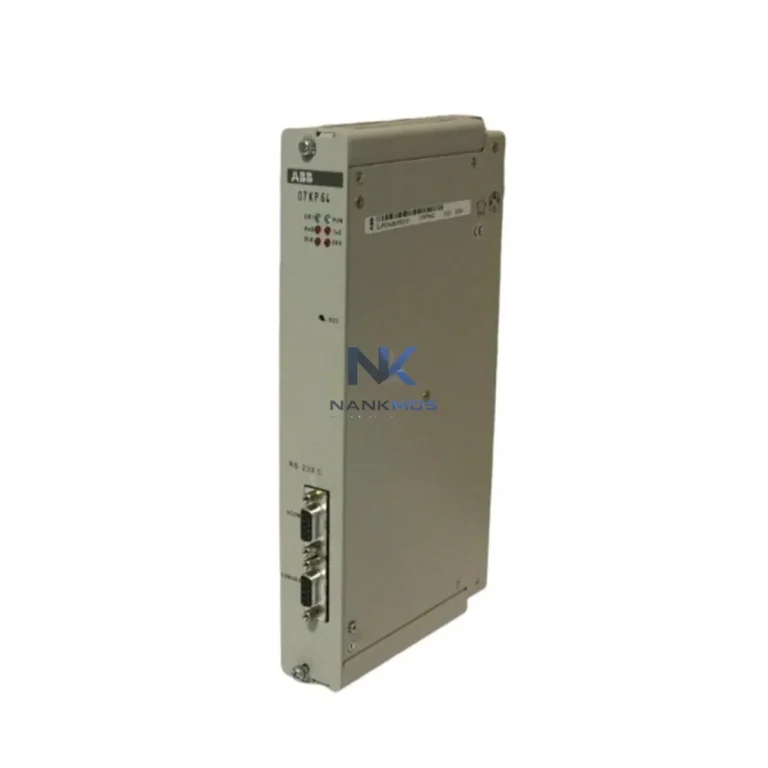
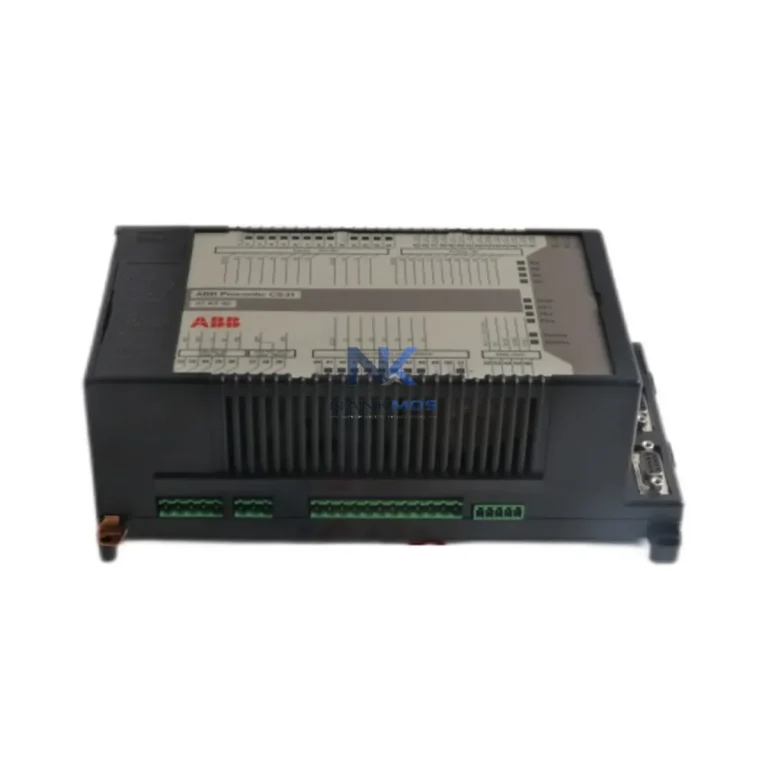
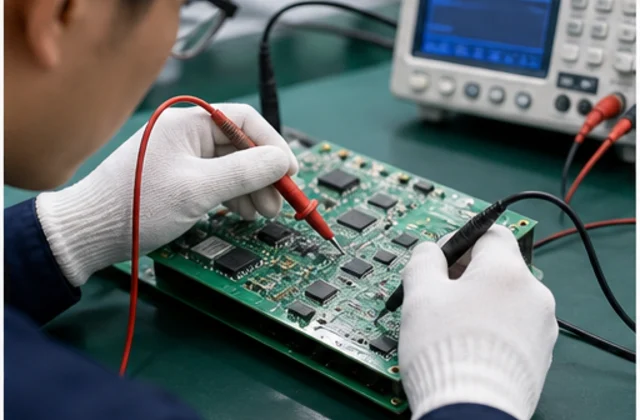
 Functional Inspection
100% tested on professional platforms to ensure stable performance.
Klöckner Moeller PS3-AC-EE is a NANKMOS industrial automation product record Listed under Other series series and Business & Industrial > Automation, Control & Flow Devices > Programmable Logic Controllers. Confirm condition, availability, lead time, compatibility and documentation by email inquiry.
Brand names are used for identification only.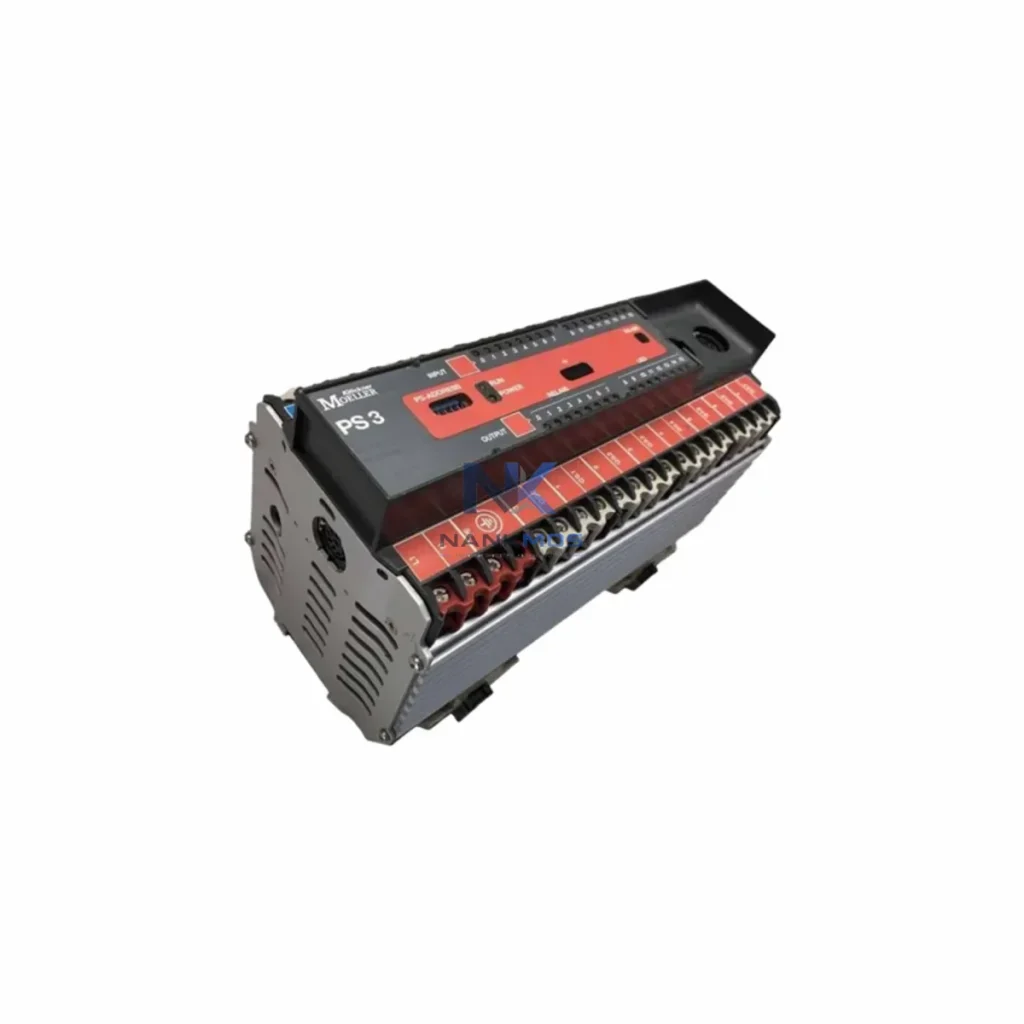
Klöckner Moeller PS3-AC-EE is a NANKMOS industrial automation product record Listed under Other series series and Business & Industrial > Automation, Control & Flow Devices > Programmable Logic Controllers. Confirm condition, availability, lead time, compatibility and documentation by email inquiry.
| Manufacturer | Klöckner Moeller |
|---|---|
| Application | Controller Processing & System Control |
| Part Number / Model | PS3-AC-EE |
| Compatible System | Confirmed by inquiry |
| Condition Options | To Confirm |
| Module Type | Controller / CPU Module |
| Warranty | 12 Months |
| Packaging | Anti-static Bag / Secure Box |
| Shipping Methods | DHL / FedEx / UPS / Air / Sea |
| Availability | To Confirm |
| Lead Time | To Confirm |
| Documentation | Part number and revision checked before quote |
The Klöckner Moeller PS3-AC-EE is an AC-powered expansion module engineered for the PS3 programmable logic controller platform — one of Klöckner Moeller's most robust and field-proven PLC families deployed across European and global industrial automation sites. Designed to extend the PS3 rack's I/O capacity and sustain reliable backplane communication, the PS3-AC-EE plays a foundational role in the data chain that connects field-level sensors and actuators to supervisory control systems, enabling the kind of real-time visibility that modern smart factories demand.
In a typical smart factory deployment, the PS3-AC-EE sits at the heart of the control cabinet, interfacing directly with the PS3 CPU module via the internal Suconet K backplane bus. This high-speed, deterministic bus architecture ensures that I/O signals — whether sourced from proximity sensors, pressure transmitters, motor feedback encoders, or safety interlocks — are scanned and transmitted to the controller with minimal latency. The result is a tightly coupled data loop that supports millisecond-level response times critical for servo positioning, conveyor synchronisation, and process interlocking.
The PS3-AC-EE's role in a connected factory data flow begins at the field device layer. Sensors — including inductive proximity switches, photoelectric barriers, and analogue pressure transmitters — feed signals into PS3-DI (digital input) and PS3-AI (analogue input) modules mounted in the same PS3 rack. The PS3-AC-EE provides the AC power backbone that keeps these modules energised and communicating reliably across the Suconet K bus, even under the electrical noise conditions common in heavy industrial environments.
From the PS3 rack, the PS3-CPU processes all gathered I/O data and executes the ladder logic or function block programs that govern machine behaviour. For sites requiring network-level integration, a PS3-GWAY or compatible PROFIBUS DP gateway module bridges the PS3 system bus to plant-wide PROFIBUS DP networks, enabling the PS3 controller to exchange data with upstream SCADA platforms such as Wonderware InTouch, Siemens WinCC, or Ignition by Inductive Automation. This gateway layer is where the PS3-AC-EE's stable power delivery becomes especially critical — any power interruption at the rack level would disrupt the entire data chain from field device to SCADA dashboard.
At the drive and motion layer, Klöckner Moeller DF6 series variable frequency drives receive speed and torque commands from the PS3 CPU via hardwired I/O or serial communication links. The PS3-AC-EE's expansion capability allows additional PS3-DO (digital output) modules to be added to the rack, providing the discrete control signals needed to command contactors, solenoid valves, and motor starters across the production line. Meanwhile, PS3-AO analogue output modules — also powered through the PS3-AC-EE's backplane — deliver 4–20 mA or 0–10 V signals to proportional control valves and variable speed drives, closing the loop between digital control logic and physical process variables.
For remote I/O architectures, the PS3 system can be extended using Suconet K remote I/O stations, where distributed I/O racks located near field devices communicate back to the central PS3 CPU over the Suconet K fieldbus. The PS3-AC-EE's AC power input design makes it well-suited for installation in control panels fed directly from the facility's AC distribution board, eliminating the need for an additional DC power supply in many configurations. This simplifies panel design and reduces component count — a meaningful advantage in retrofit and upgrade projects where cabinet space is at a premium.
At the HMI layer, operator panels such as the Klöckner Moeller XV series or third-party HMI terminals connect to the PS3 CPU's serial communication port, providing operators with real-time process visualisation, alarm acknowledgement, and parameter adjustment capabilities. The data flowing through the PS3-AC-EE-powered rack is ultimately what populates these HMI screens — from motor run status and conveyor speed to tank levels and temperature readings — giving operators the situational awareness needed to maintain production efficiency and respond rapidly to fault conditions.
Edge computing and IIoT integration are increasingly relevant for PS3-based systems. Industrial edge gateways — such as those supporting OPC-UA or MQTT protocols — can be connected to the PS3 CPU's serial or Ethernet port (via an appropriate communication module) to extract real-time process data and forward it to cloud-based analytics platforms or MES systems. This data pathway enables predictive maintenance algorithms to monitor motor current trends, cycle time deviations, and alarm frequency patterns, flagging potential equipment failures before they cause unplanned downtime. The PS3-AC-EE, as the power and expansion backbone of the PS3 rack, is an indispensable enabler of this end-to-end data visibility.
Protocol Fragmentation: Many legacy PS3 installations operate in isolation from modern plant networks because the PS3's native Suconet K bus is not directly compatible with Ethernet-based protocols such as PROFINET or EtherNet/IP. The PS3-AC-EE, by enabling rack expansion, allows the addition of communication gateway modules that bridge Suconet K to PROFIBUS DP or Modbus RTU — protocols that are widely supported by modern SCADA systems and industrial routers. This eliminates the protocol barrier that would otherwise force a full controller replacement.
Data Silos and Production Transparency: Without proper I/O expansion, PS3 systems may lack the point count to monitor all relevant process variables, creating data blind spots on the production floor. The PS3-AC-EE's expansion capability directly addresses this by allowing additional analogue and digital I/O modules to be added to the rack, ensuring that every critical signal — from motor overload status to tank level — is captured, processed, and made available to SCADA and MES systems for production reporting and OEE calculation.
Remote Monitoring and Alarm Tracking: In distributed manufacturing sites, engineers often cannot be physically present at every control panel. By integrating the PS3 system with a remote monitoring gateway — enabled by the expanded I/O capacity that the PS3-AC-EE provides — maintenance teams can receive real-time alarm notifications via email or SMS, review historical fault logs, and perform remote diagnostics without travelling to site. This capability is particularly valuable for reducing mean time to repair (MTTR) and minimising production losses from equipment faults.
System Scalability: As production requirements evolve, automation systems must scale to accommodate new process steps, additional machine axes, or expanded sensor networks. The PS3-AC-EE's role as an AC expansion module means that scaling the PS3 system's I/O capacity is straightforward — additional modules can be added to the rack without replacing the CPU or rewiring the entire control panel. This modularity protects the capital investment in existing PS3 infrastructure while providing a clear upgrade path aligned with smart factory digitalisation roadmaps.
Q1: What communication protocols does the PS3-AC-EE support?The PS3-AC-EE operates on the Suconet K internal backplane bus native to the Klöckner Moeller PS3 PLC platform. For integration with plant-wide networks, the PS3 system supports PROFIBUS DP and Modbus RTU via compatible gateway modules. SCADA and HMI connectivity is achieved through the PS3 CPU's serial communication port or via an Ethernet gateway module, enabling data exchange with systems such as Wonderware, WinCC, and Ignition.
Q2: How does the PS3-AC-EE contribute to network stability in industrial environments?The PS3-AC-EE is designed to operate reliably in electrically noisy industrial environments, providing stable AC power to all modules in the PS3 rack. Its robust backplane connection ensures uninterrupted Suconet K bus communication between I/O modules and the PS3 CPU, minimising the risk of data loss or communication timeouts that could trigger spurious alarms or cause unplanned machine stops.
Q3: Can the PS3-AC-EE be integrated with modern SCADA and remote diagnostic systems?Yes. While the PS3-AC-EE itself is a power and expansion module, it enables the PS3 rack to accommodate additional communication modules that interface with SCADA platforms and remote monitoring systems. Combined with an appropriate gateway, the PS3 system can transmit real-time process data to cloud-based analytics platforms, support remote fault diagnosis, and integrate with MES systems for production reporting — all without replacing the existing PS3 controller infrastructure.
Q4: What warranty and quality assurance does NANKMOS provide for the PS3-AC-EE?Every PS3-AC-EE unit supplied by NANKMOS is covered by a 12-Month Warranty from the date of shipment. Prior to dispatch, each unit undergoes functional testing to verify communication integrity, power output stability, and backplane connector condition. Units are sourced from verified supply channels and shipped with appropriate anti-static and moisture protection packaging to ensure they arrive in full working order. For RFQ, lead time enquiries, or technical support, contact [email protected] or call +86 18359268345.
Functional Inspection100% tested on professional platforms to ensure stable performance.
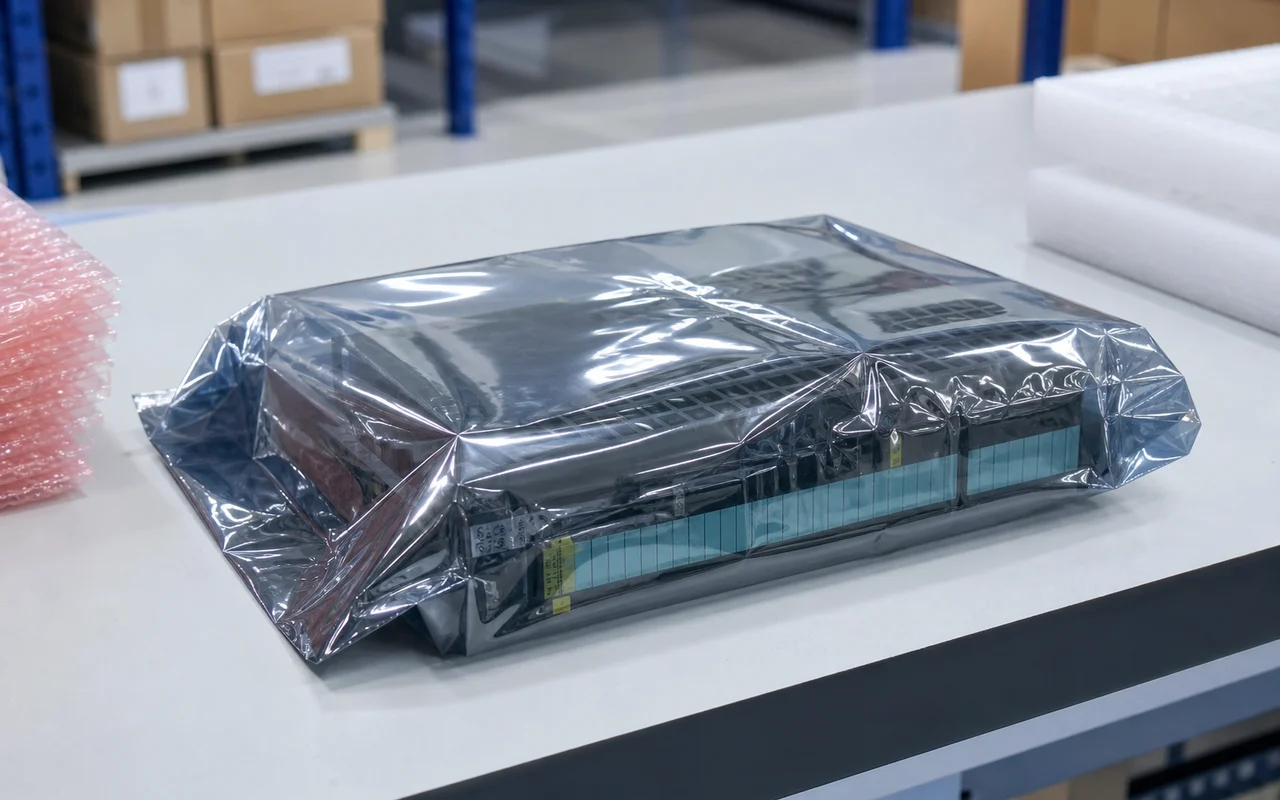 Anti-static Packaging
Modules are packed in anti-static bags to prevent electrostatic damage.
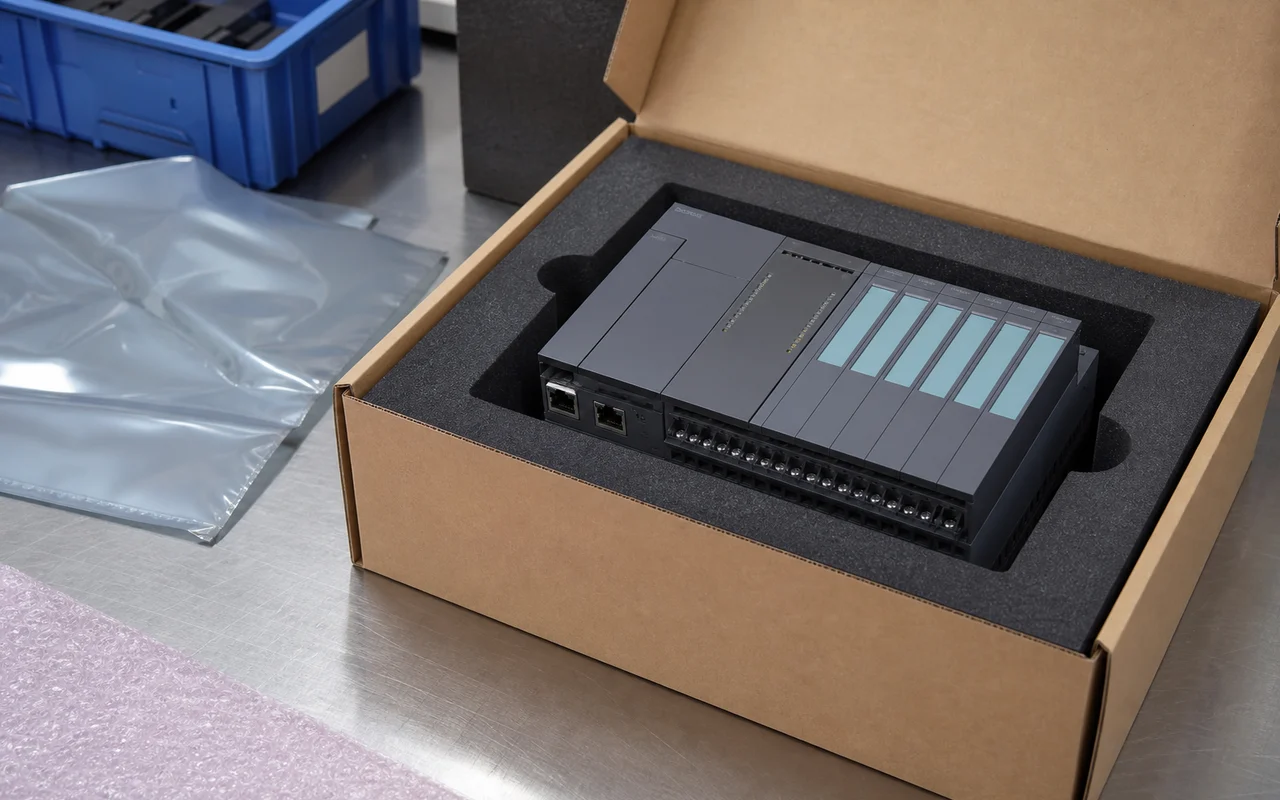 Secure Export Packing
Cushion protection and strong cartons ensure safe transportation.
 Worldwide Shipping
Global logistics network supports air, sea and express delivery.
 Documentation Check
Part number, revision and compatibility verified before shipment.
 After-sales Support
Professional technical support to help resolve your issues.