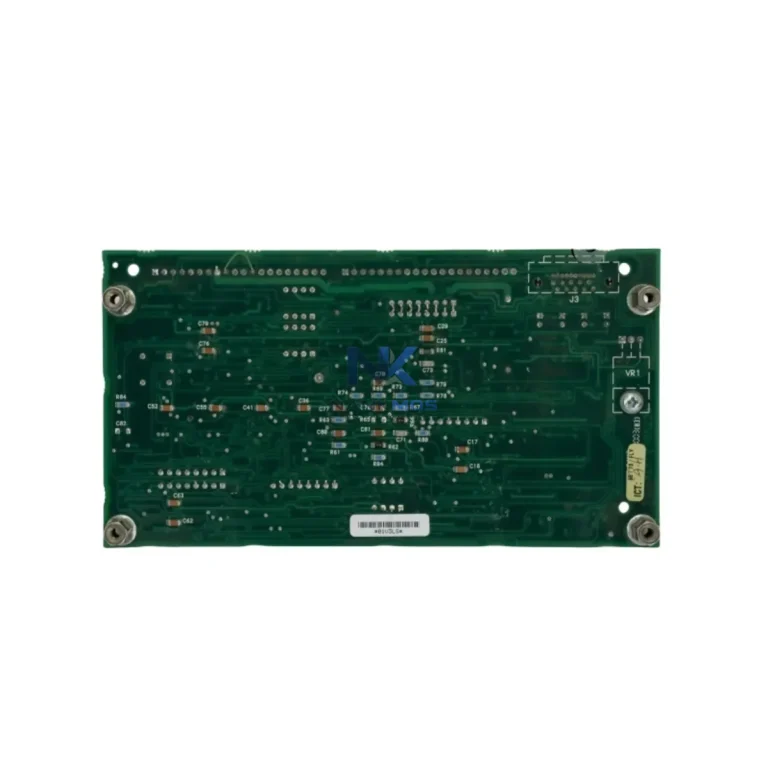
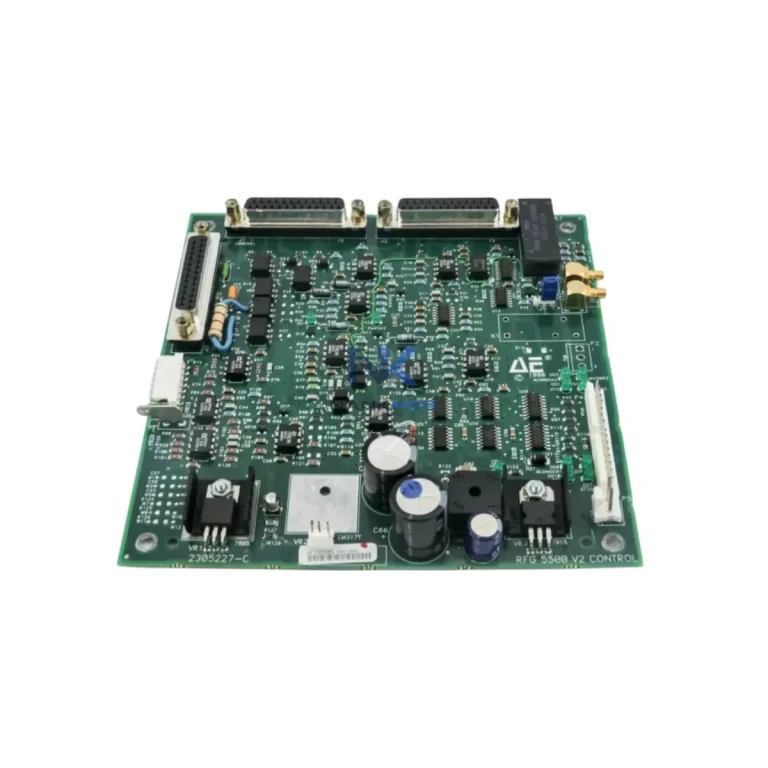
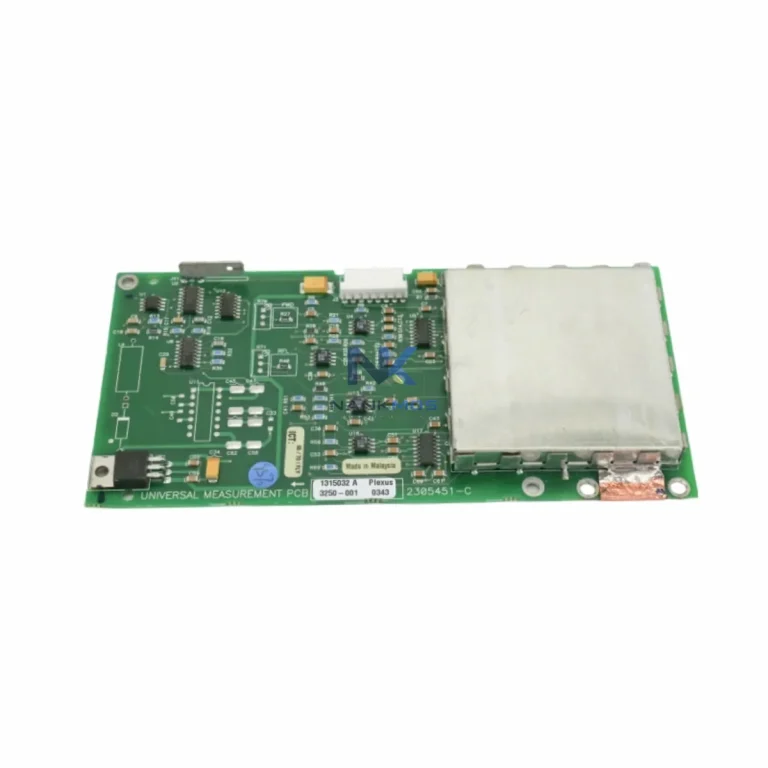
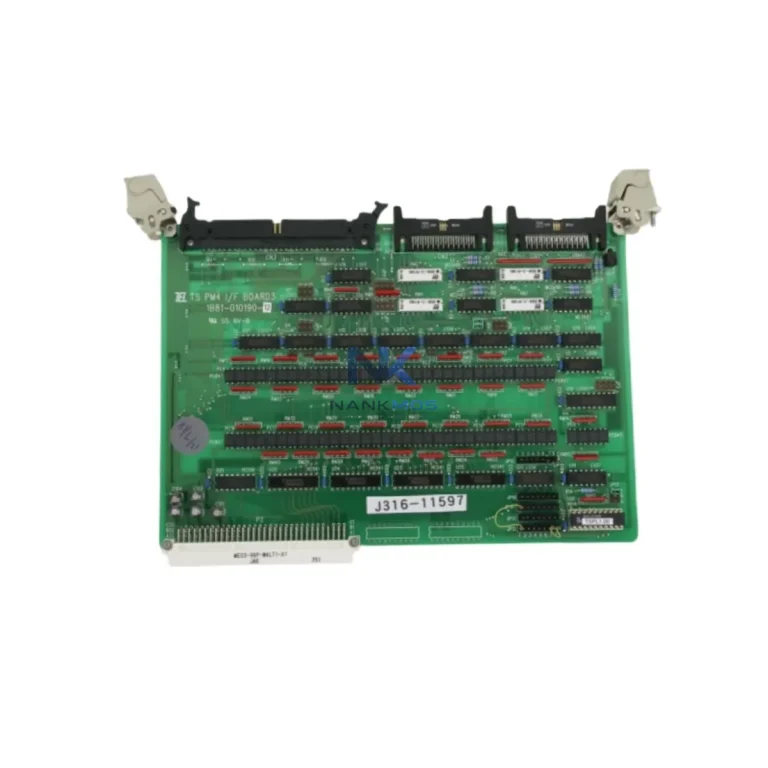
Functional Inspection
100% tested on professional platforms to ensure stable performance.
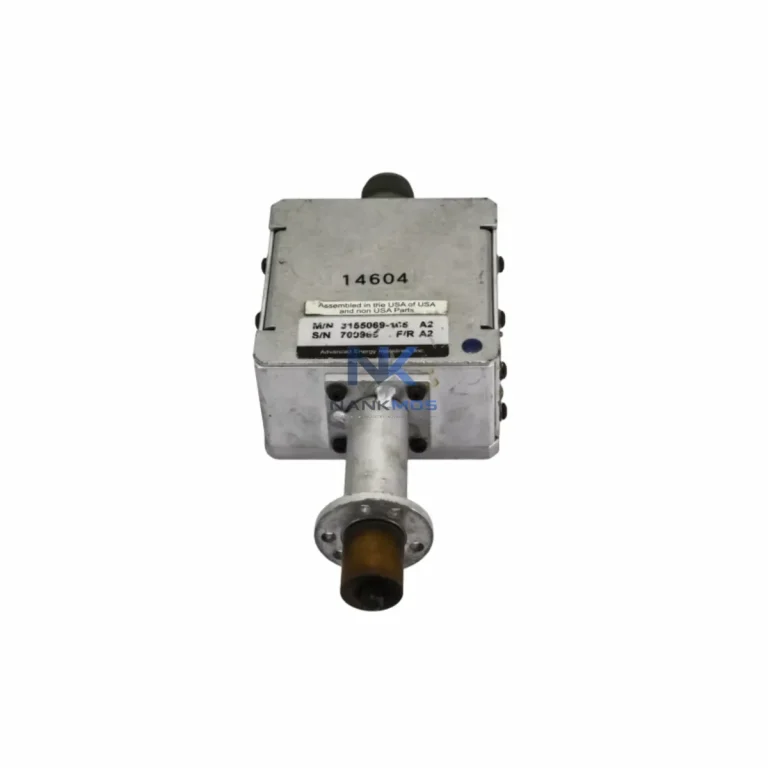
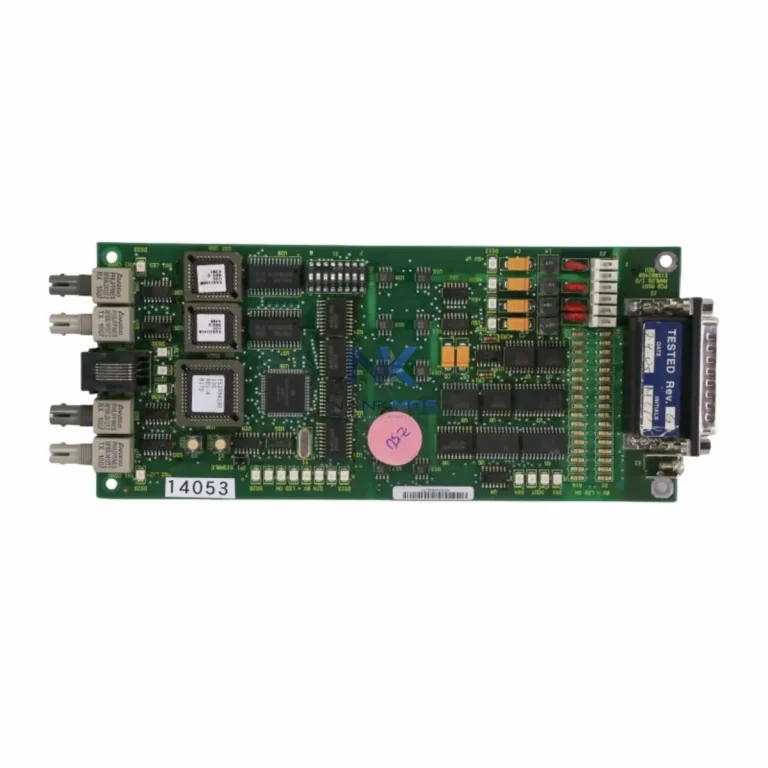
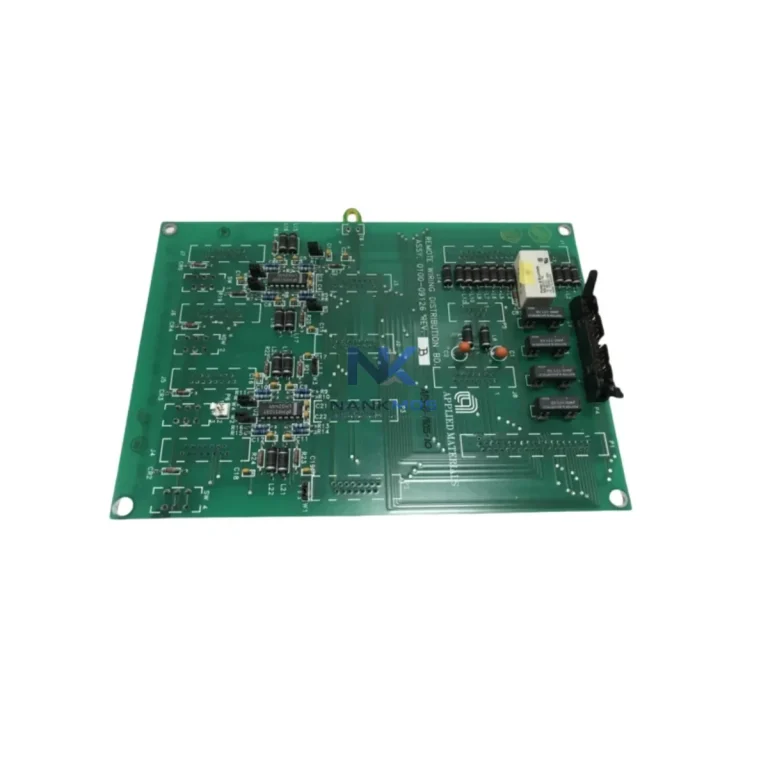
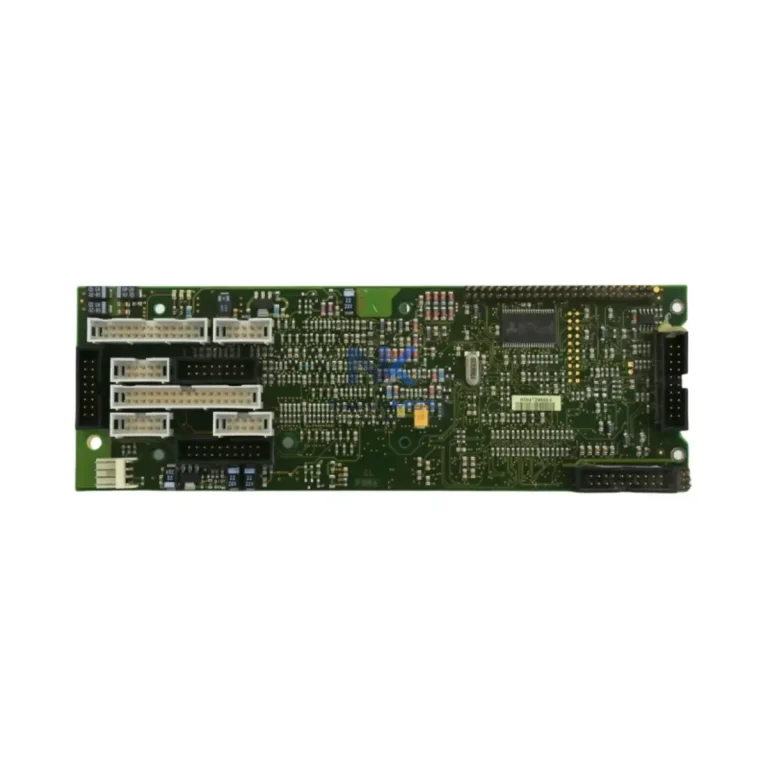
Advanced Energy RFG 3000 V2 2305198-A 80DI96DO 8A02AI 810-013872-002 SCU-STC-G is a NANKMOS industrial automation product record Listed under Other series series and Business & Industrial > Automation, Control & Flow Devices. Confirm condition, availability, lead time, compatibility and documentation by email inquiry.
Brand names are used for identification only.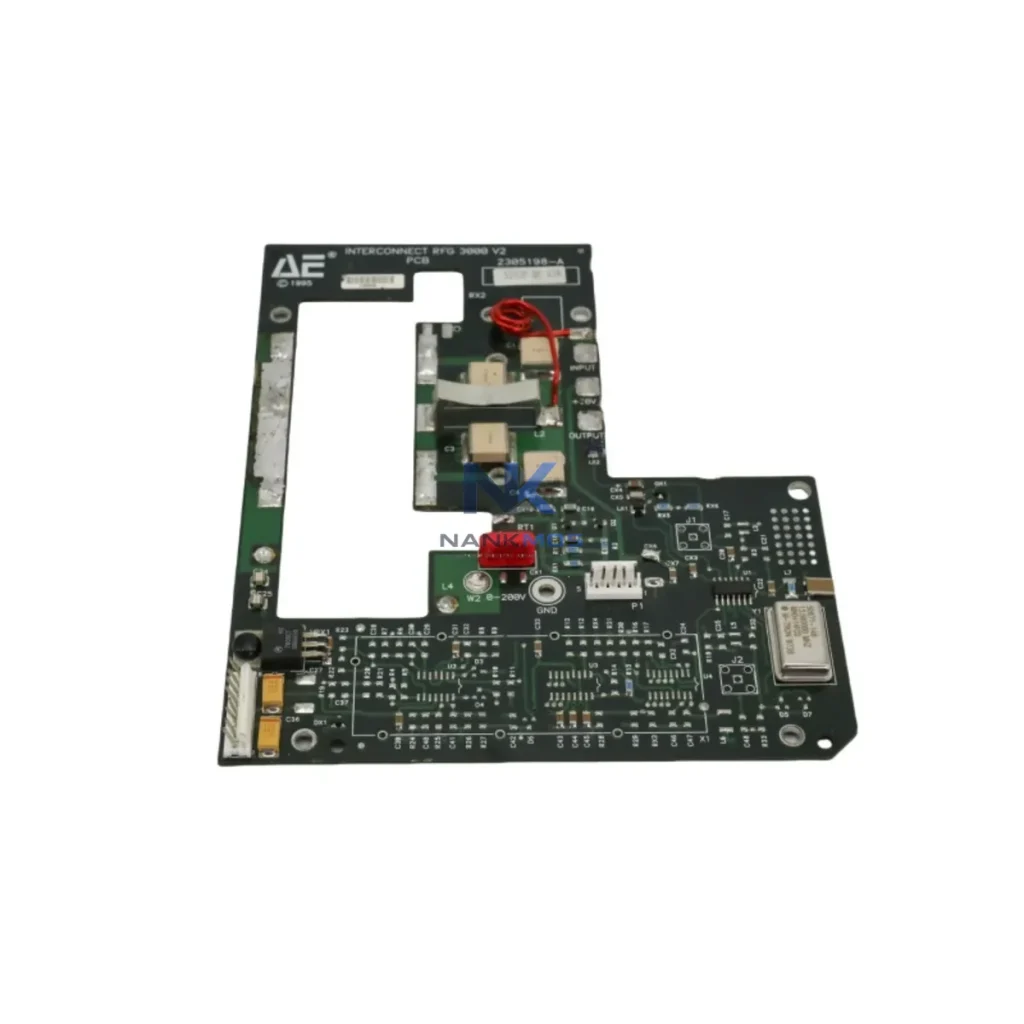
Advanced Energy RFG 3000 V2 2305198-A 80DI96DO 8A02AI 810-013872-002 SCU-STC-G is a NANKMOS industrial automation product record Listed under Other series series and Business & Industrial > Automation, Control & Flow Devices. Confirm condition, availability, lead time, compatibility and documentation by email inquiry.
| Manufacturer | Advanced Energy |
|---|---|
| Application | Industrial Automation Maintenance |
| Part Number / Model | RFG 3000 V2 2305198-A 80DI96DO 8A02AI 810-013872-002 SCU-STC-G |
| Compatible System | Confirmed by inquiry |
| Condition Options | To Confirm |
| Module Type | Automation, Control & Flow Devices |
| Warranty | 12 Months |
| Packaging | Anti-static Bag / Secure Box |
| Shipping Methods | DHL / FedEx / UPS / Air / Sea |
| Availability | To Confirm |
| Lead Time | To Confirm |
| Documentation | Part number and revision checked before quote |
The Advanced Energy RFG 3000 V2 (Part No. 2305198-A) is a high-performance RF generator engineered for demanding plasma process and semiconductor manufacturing environments. Designed as a system-matched power delivery component, the RFG 3000 V2 integrates seamlessly into multi-layer control architectures — spanning the power layer, process control layer, I/O layer, and communication layer — to deliver stable, repeatable RF energy with minimal process variation. Whether deployed in CVD, PVD, etch, or surface treatment applications, this unit provides the signal integrity, modulation precision, and diagnostic transparency required for modern automated process control.
The RFG 3000 V2 does not operate in isolation — it is a precision node within a tightly coordinated automation platform. In a complete semiconductor or industrial plasma process system, the RF generator interfaces directly with the AE Navigator II impedance matching network, which dynamically tunes load impedance to maintain maximum power transfer efficiency and minimize reflected power. The SCU-STC-G system control unit embedded in this SKU configuration acts as the local process controller, bridging the RF generator's internal state to the facility-level SCADA or PLC layer via RS-485 or Ethernet.
At the I/O layer, the 80DI/96DO digital I/O block and the 8A02AI analog I/O module provide dense signal connectivity for interlock chains, process recipe execution, and real-time feedback loops. These I/O channels integrate with Advanced Energy Xgen or Apex series power supplies for bias power coordination, ensuring that source RF and bias RF are phase-synchronized during multi-frequency plasma excitation. For facilities running dual-frequency etch chambers, the RFG 3000 V2 is commonly paired with an AE Cesar 1310 or Cesar 3006 bias generator, with both units sharing a common process interlock bus managed by the chamber controller.
At the communication layer, the SCU-STC-G control unit supports standard serial and Ethernet protocols, enabling integration with MKS Instruments pressure and flow controllers, Brooks Instrument mass flow controllers (MFCs), and facility EHS interlock systems. This multi-vendor communication architecture is typical in modern CVD and etch tool designs, where the RF generator must respond to upstream gas delivery events and downstream endpoint detection signals within milliseconds. The 8A02AI analog module further supports analog setpoint commands from the process controller, allowing recipe-driven power ramp profiles without manual intervention.
For power layer integrity, the RFG 3000 V2 requires a stable, conditioned AC input — typically supplied through a Powervar or Sola HD power conditioner or a dedicated UPS module rated for RF generator loads. In redundant architecture designs, a secondary RF generator of the same model can be configured in hot-standby mode, with automatic switchover managed by the SCU-STC-G or an external AE RF Switch / multiplexer module. This redundancy approach is standard in high-uptime semiconductor fabs and flat-panel display manufacturing lines where unplanned RF downtime directly impacts yield.
At the HMI and diagnostic layer, the RFG 3000 V2 exposes real-time telemetry — forward power, reflected power, load impedance, arc event counts, and thermal status — to the chamber controller HMI, typically a Siemens TP700 or Allen-Bradley PanelView Plus terminal running a custom process visualization screen. Arc detection and automatic power fold-back are handled internally, with arc event logs accessible via the serial diagnostic port for maintenance review. This diagnostic transparency significantly reduces mean time to repair (MTTR) and supports predictive maintenance scheduling.
Semiconductor Manufacturing: The RFG 3000 V2 is a primary RF source in plasma-enhanced CVD (PECVD) and reactive ion etch (RIE) chambers used in wafer fabrication. Its 3000 W output and auto-match compatibility make it suitable for 200 mm and 300 mm wafer process tools, where process uniformity and power stability directly determine film quality and etch selectivity.
Flat Panel Display (FPD) Production: In large-area PECVD systems for TFT-LCD and OLED substrate deposition, the RFG 3000 V2 is deployed in multi-generator arrays, with each unit driving a dedicated electrode zone. The SCU-STC-G control interface enables synchronized power delivery across all zones, maintaining deposition uniformity across Gen 6 and Gen 8 glass substrates.
Surface Treatment and Plasma Cleaning: Industrial plasma cleaning systems for automotive, aerospace, and medical device component preparation use the RFG 3000 V2 for its robust arc management and consistent power delivery. The dense I/O configuration (80DI/96DO) supports complex part-handling robot interlocks and multi-zone plasma activation sequences.
Solar Cell and Photovoltaic Manufacturing: Thin-film solar cell deposition lines rely on stable RF power for amorphous silicon and microcrystalline silicon layer formation. The RFG 3000 V2's analog setpoint control (8A02AI) allows precise power profiling during multi-layer deposition recipes, supporting high-throughput roll-to-roll and batch processing configurations.
Research and Advanced Process Development: University and national laboratory plasma research facilities use the RFG 3000 V2 for its diagnostic depth and flexible control interface. The SCU-STC-G unit enables custom control scripts and real-time data logging, supporting experimental process development and equipment qualification activities.
Q1: Is the RFG 3000 V2 (2305198-A) compatible with third-party impedance matching networks, or does it require an Advanced Energy match? The RFG 3000 V2 is optimized for use with Advanced Energy's own Navigator II and Cesar Match series, which provide closed-loop impedance tuning via the AE proprietary match control protocol. However, the unit can also operate with third-party matching networks in manual or semi-automatic tuning modes, provided the match network's control interface is compatible with the analog setpoint signals available on the 8A02AI I/O module. For full auto-match functionality and arc event coordination, AE-matched components are strongly recommended to maintain system warranty coverage and process repeatability.
Q2: How does the SCU-STC-G control unit integrate with existing PLC or SCADA architectures, and what communication protocols are supported? The SCU-STC-G system control unit supports RS-232, RS-485, and Ethernet (TCP/IP) communication interfaces, enabling integration with Siemens S7, Allen-Bradley ControlLogix, Mitsubishi MELSEC, and other mainstream PLC platforms via standard serial or Modbus TCP protocols. For SCADA integration, the unit's Ethernet port supports OPC-compatible data exchange when paired with an appropriate OPC server or middleware layer. Engineering teams should verify baud rate, data frame format, and register mapping against the SCU-STC-G communication manual during commissioning to ensure reliable data exchange with the facility control system.
Q3: What does the 12-Month Warranty cover, and what is the process for warranty service or replacement? NANKMOS provides a 12-Month Warranty on the RFG 3000 V2 (2305198-A) covering manufacturing defects, component failures under normal operating conditions, and functional non-conformance to published specifications. The warranty period begins from the date of shipment. In the event of a warranty claim, customers should contact NANKMOS at [email protected] or +86 18359268345 with the unit serial number, purchase order reference, and a description of the fault condition. NANKMOS will coordinate repair, replacement, or technical support as appropriate. Units that have been subjected to overvoltage, physical damage, unauthorized modification, or operation outside specified environmental limits are excluded from warranty coverage. Pre-shipment functional testing is performed on all units before dispatch to minimize field failures.
Functional Inspection100% tested on professional platforms to ensure stable performance.
 Anti-static Packaging
Modules are packed in anti-static bags to prevent electrostatic damage.
 Secure Export Packing
Cushion protection and strong cartons ensure safe transportation.
 Worldwide Shipping
Global logistics network supports air, sea and express delivery.
 Documentation Check
Part number, revision and compatibility verified before shipment.
 After-sales Support
Professional technical support to help resolve your issues.