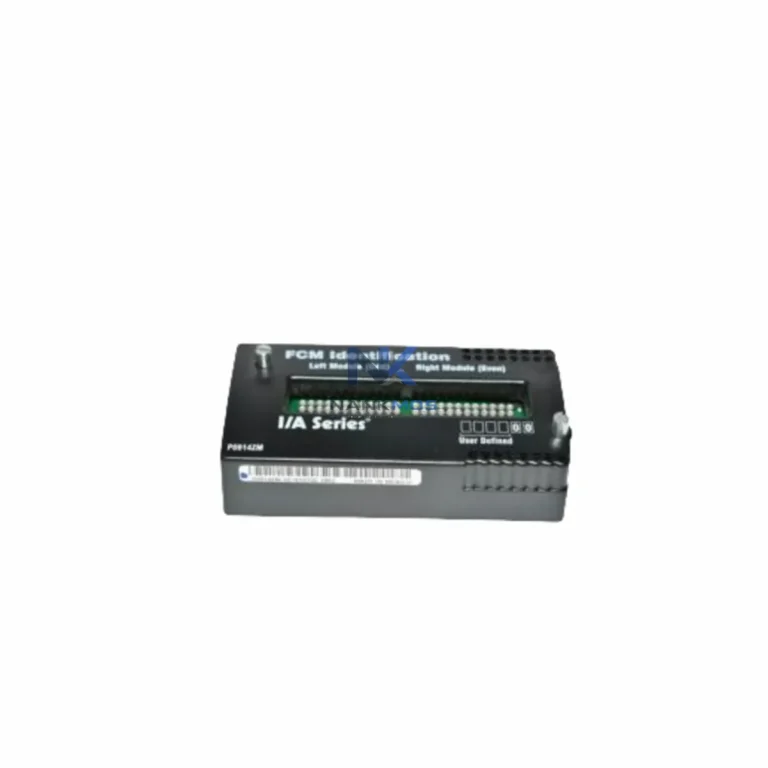
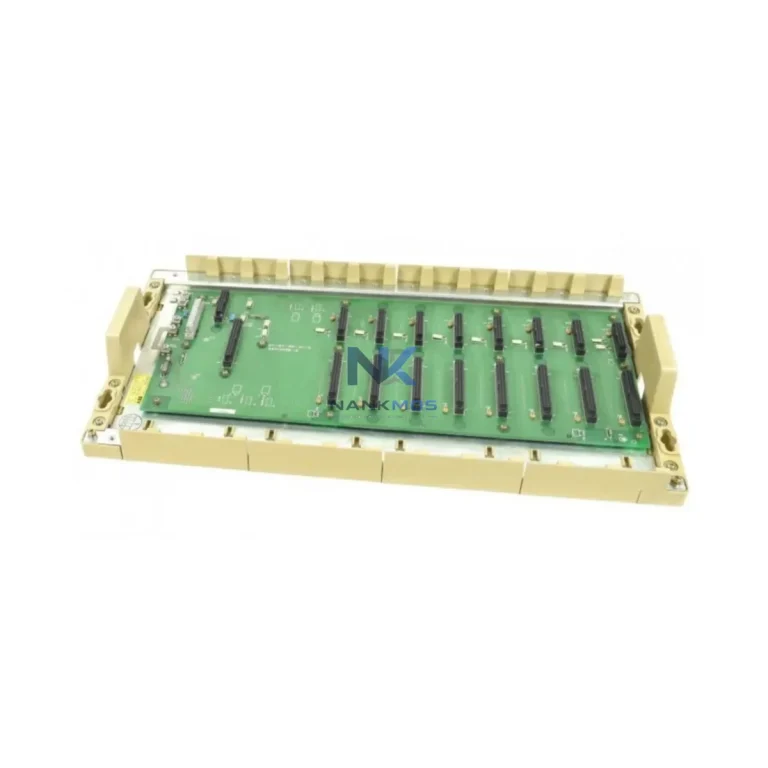
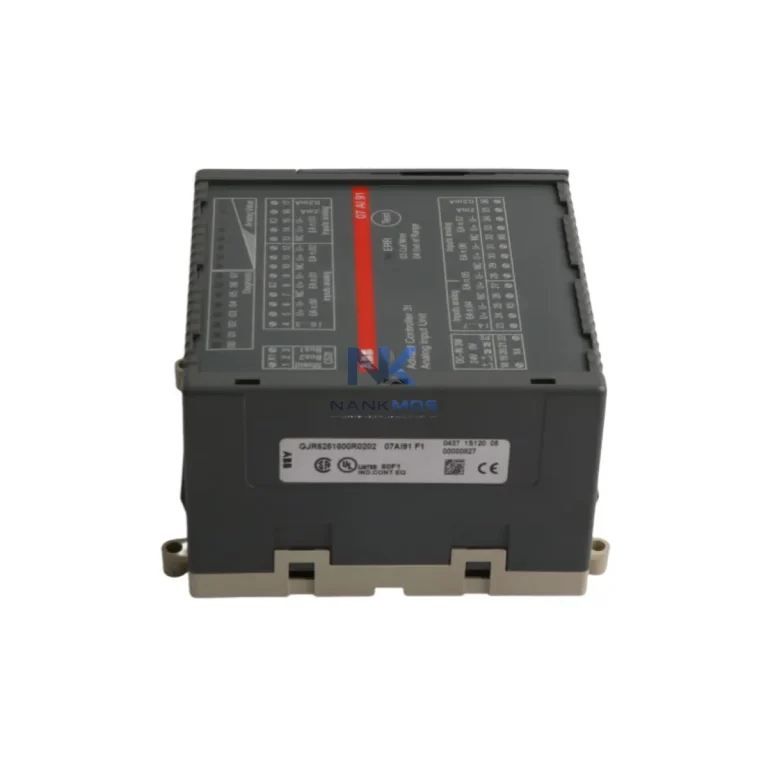
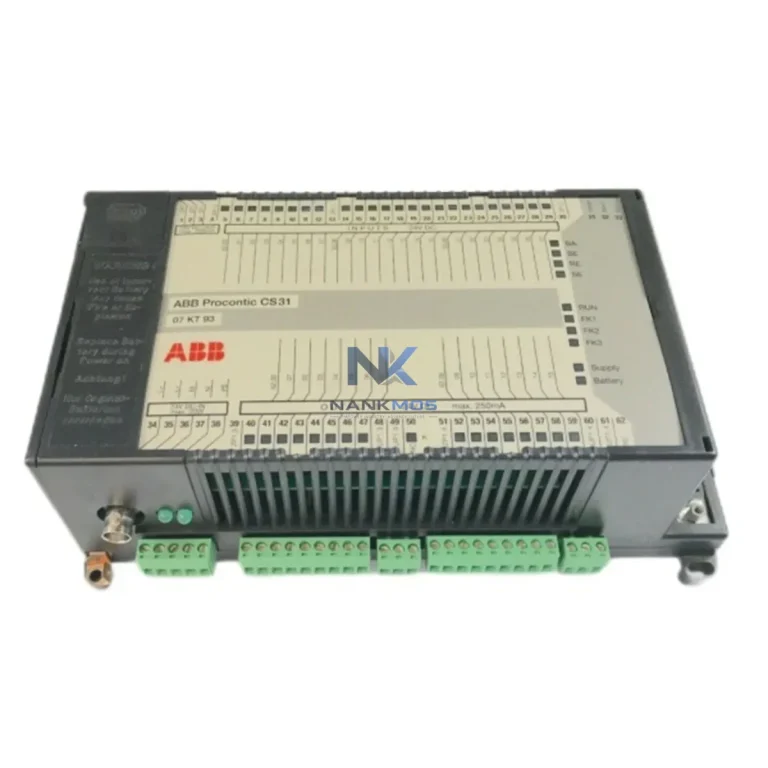
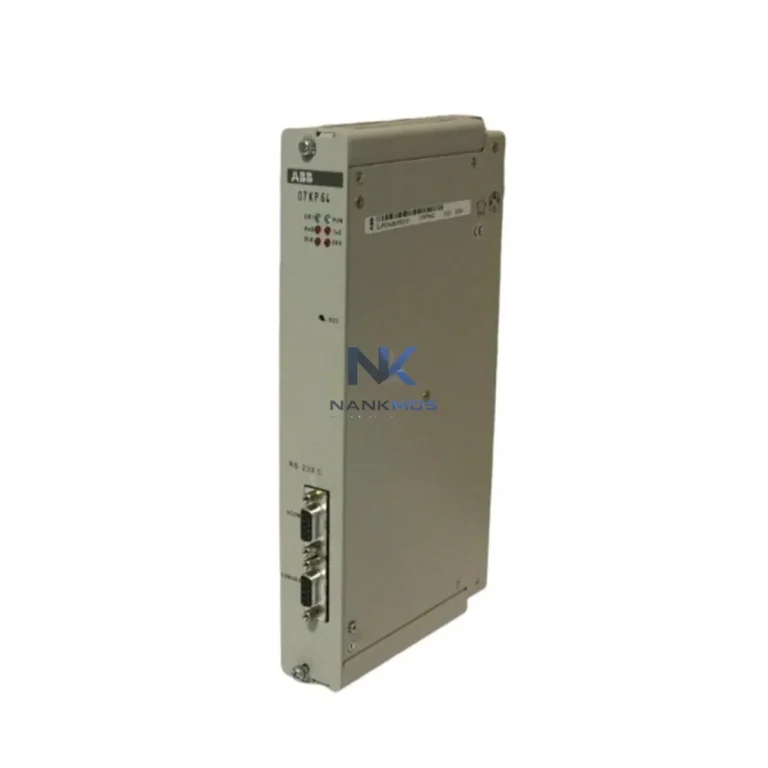
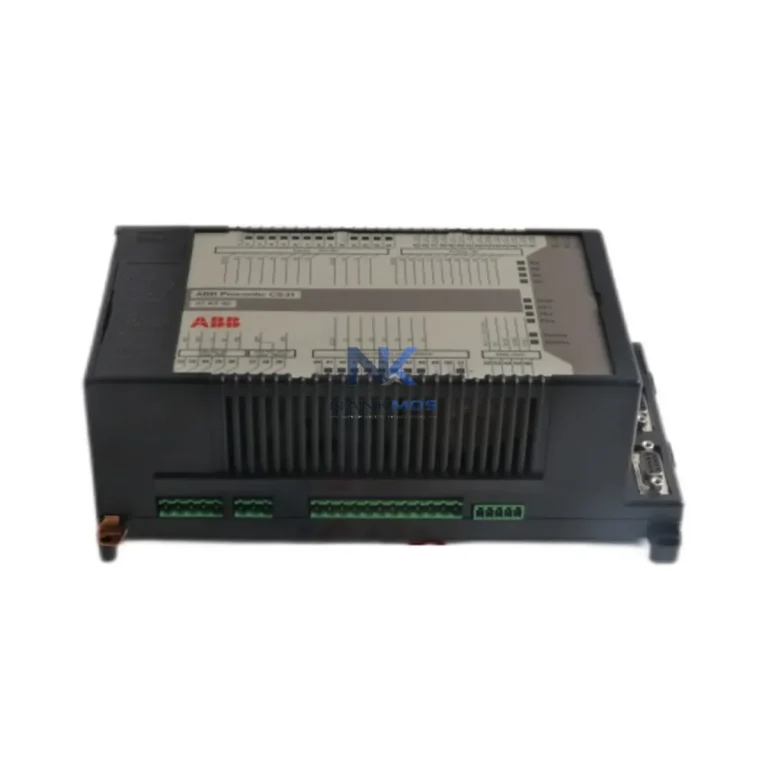
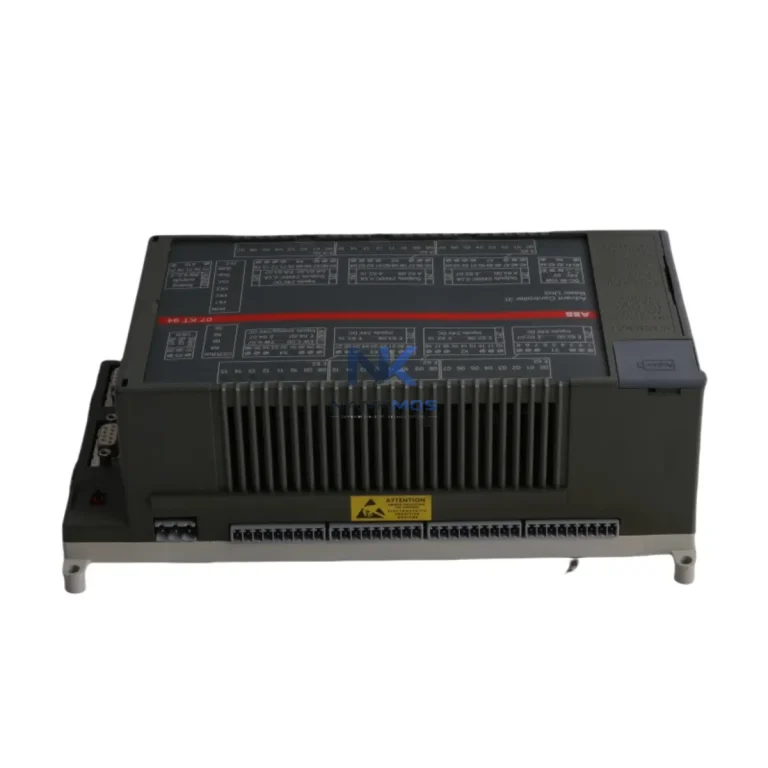
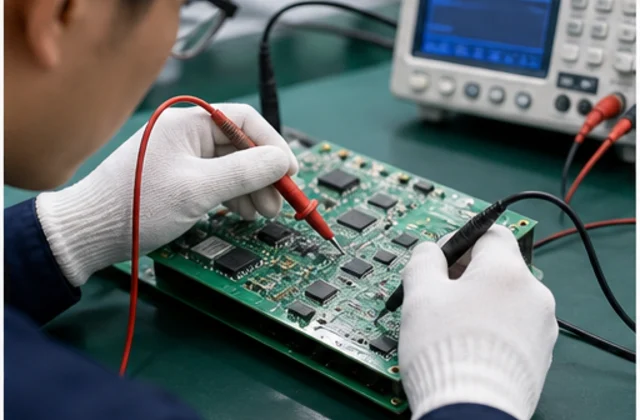
 Functional Inspection
100% tested on professional platforms to ensure stable performance.
CCD TM-200 is a NANKMOS industrial automation product record Listed under Other series series and Business & Industrial > Automation, Control & Flow Devices > Programmable Logic Controllers. Confirm condition, availability, lead time, compatibility and documentation by email inquiry.
Brand names are used for identification only.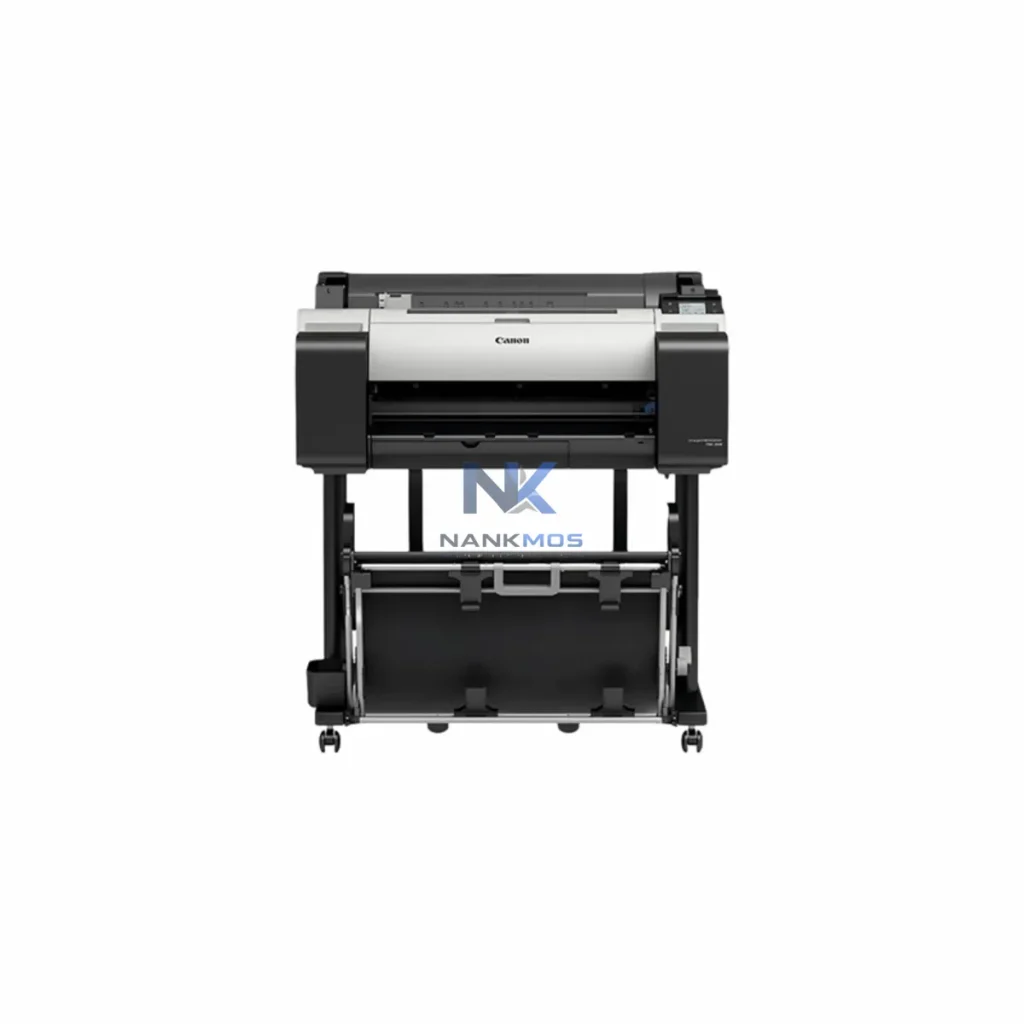
CCD TM-200 is a NANKMOS industrial automation product record Listed under Other series series and Business & Industrial > Automation, Control & Flow Devices > Programmable Logic Controllers. Confirm condition, availability, lead time, compatibility and documentation by email inquiry.
| Manufacturer | CCD |
|---|---|
| Application | Controller Processing & System Control |
| Part Number / Model | TM-200 |
| Compatible System | Confirmed by inquiry |
| Condition Options | To Confirm |
| Module Type | Controller / CPU Module |
| Warranty | 12 Months |
| Packaging | Anti-static Bag / Secure Box |
| Shipping Methods | DHL / FedEx / UPS / Air / Sea |
| Availability | To Confirm |
| Lead Time | To Confirm |
| Documentation | Part number and revision checked before quote |
The CCD TM-200 is a system-matched controller module engineered for deployment within layered industrial control architectures. Designed to serve as the central coordination node across multi-tier automation platforms, the TM-200 integrates seamlessly into distributed control environments where signal integrity, modular scalability, and long-term operational reliability are non-negotiable engineering requirements. Whether deployed in discrete manufacturing lines, continuous process systems, or hybrid automation platforms, the TM-200 delivers consistent command execution, deterministic scan cycle performance, and robust inter-module communication across all connected subsystems.
Built on CCD's TM-series control platform, the TM-200 is purpose-built for engineers who require a controller that can anchor a complete automation architecture — from field-level I/O acquisition through supervisory coordination — without introducing compatibility gaps or communication latency. Its architecture-first design philosophy ensures that every connected module, from power supply to HMI, operates within a unified control envelope that supports both real-time diagnostics and long-term maintenance efficiency.
The CCD TM-200 is not a standalone device — it is the architectural anchor of a complete automation platform. In a fully realized control system, the TM-200 operates in close coordination with a structured set of complementary modules, each fulfilling a defined role within the system hierarchy.
At the power layer, the TM-200 relies on a dedicated CCD TM-series DIN rail power supply to maintain stable 24 VDC bus voltage across the control rack. Voltage fluctuations at this layer directly impact controller scan cycle consistency, making power supply selection a critical architectural decision. Paired with the TM-200 at the I/O layer, CCD TM-series digital input modules and digital output modules extend the controller's field connectivity across discrete signal channels, enabling high-density I/O acquisition without additional CPU overhead.
For analog process control applications — common in chemical dosing, pressure regulation, and temperature management — CCD TM-series analog input modules (4–20 mA / 0–10 V) provide the signal conditioning interface between field transmitters and the TM-200's control logic. Where signal isolation is required to prevent ground loop interference across long cable runs, signal isolators and loop-powered transmitter barriers are inserted between the field device and the I/O module, preserving measurement accuracy and protecting the controller from transient voltage events.
At the communication layer, the TM-200 supports upstream SCADA integration and peer-to-peer controller networking through Modbus TCP/IP Ethernet gateways and RS-485 serial communication modules. In facilities where legacy field devices operate on proprietary protocols, a protocol conversion gateway — such as a Modbus-to-PROFIBUS or Modbus-to-DeviceNet bridge — enables the TM-200 to maintain unified supervisory visibility without requiring field device replacement.
HMI integration is achieved through a CCD or compatible 7-inch to 10-inch industrial touchscreen HMI panel, connected to the TM-200 via RS-485 or Ethernet. The HMI provides operators with real-time process visualization, alarm acknowledgment, and parameter adjustment capability without requiring engineering workstation access during routine operations. For remote monitoring and diagnostics, the TM-200's Ethernet port supports connection to an industrial-grade managed Ethernet switch, enabling network segmentation and deterministic communication latency across the plant network.
In redundancy-critical applications — such as power generation, water treatment, or continuous chemical processing — the TM-200 can be deployed in a hot-standby or warm-standby redundant controller configuration, where a secondary TM-200 unit monitors the primary controller's health status and assumes control within milliseconds of a detected fault. This architecture eliminates single points of failure at the controller level and supports the system uptime requirements of SIL-rated process environments.
Terminal block modules and CCD TM-series marshalling panels complete the wiring infrastructure, providing organized, labeled field termination points that simplify commissioning, reduce wiring errors, and accelerate fault isolation during maintenance cycles. Together, these components form a coherent, architecture-matched automation platform built around the TM-200 as its central control intelligence.
The CCD TM-200 has been deployed across a broad spectrum of industrial sectors, each presenting distinct control architecture requirements that the TM-200 is engineered to address.
In discrete manufacturing environments — including automotive assembly, electronics production, and precision machining — the TM-200 manages sequential machine logic, conveyor synchronization, and safety interlock coordination. Its deterministic scan cycle ensures that machine state transitions occur within defined timing windows, preventing production defects caused by control latency.
In power generation and electrical distribution facilities, the TM-200 serves as the local control node for generator management systems, transformer protection panels, and switchgear automation. Its Modbus TCP/IP communication capability enables integration with substation automation systems and energy management platforms, supporting both local control and remote SCADA supervision.
In petrochemical and refinery applications, the TM-200 coordinates valve actuation sequences, pump control logic, and process variable monitoring across hazardous area installations. Its robust operating temperature range and DIN rail mounting configuration make it suitable for deployment in climate-controlled control rooms adjacent to process areas classified under ATEX or IECEx zone requirements.
In water and wastewater treatment plants, the TM-200 manages dosing pump sequences, filtration cycle timing, and effluent quality monitoring. Its modular I/O expansion capability allows plant engineers to scale the control system as treatment capacity increases, without replacing the central controller or rewiring existing field connections.
In mining and metallurgical processing facilities, the TM-200 controls conveyor drive sequencing, crusher interlock logic, and ore processing line coordination. Its ability to interface with variable frequency drives (VFDs) via Modbus RTU enables closed-loop speed control of high-power motors without requiring a separate motion controller.
In marine and offshore applications, the TM-200 supports engine room automation, ballast water management, and auxiliary system control aboard vessels and offshore platforms. Its compact form factor and DIN rail mounting allow installation within space-constrained control panels typical of marine engineering environments.
Q1: Is the CCD TM-200 compatible with third-party I/O modules and communication gateways from other manufacturers? The TM-200 is natively optimized for CCD TM-series I/O modules and backplane infrastructure. For third-party I/O integration, compatibility depends on the communication protocol supported by the external module. The TM-200's Modbus RTU and Modbus TCP/IP interfaces provide broad interoperability with third-party devices that support these standard industrial protocols. For proprietary protocol integration, a protocol conversion gateway is recommended. NANKMOS technical support can assist with compatibility assessment prior to system commissioning.
Q2: What is the recommended approach for migrating an existing legacy PLC system to the CCD TM-200 architecture? Migration from a legacy PLC platform to the TM-200 architecture is typically executed in phases. Phase 1 involves I/O mapping and signal audit — documenting all existing field connections, signal types, and control logic sequences. Phase 2 involves parallel installation of the TM-200 system alongside the legacy controller, allowing functional verification before cutover. Phase 3 involves live cutover during a planned maintenance window, with the legacy system retained in standby for a defined validation period. NANKMOS provides pre-shipment functional testing and application-specific commissioning documentation to support each migration phase. All units are covered under a 12-Month Warranty from the date of shipment.
Q3: How does NANKMOS ensure long-term spare parts availability and inventory continuity for the CCD TM-200? NANKMOS maintains dedicated buffer stock of CCD TM-200 units and TM-series compatible modules to support long-term maintenance and emergency replacement requirements. Orders are processed with standard lead times of 3–7 business days for in-stock units, with expedited shipping available for critical plant maintenance scenarios. Each unit undergoes pre-shipment functional testing and is shipped with full documentation. The 12-Month Warranty covers manufacturing defects and functional failures under normal operating conditions, with direct technical support available through [email protected].
Functional Inspection100% tested on professional platforms to ensure stable performance.
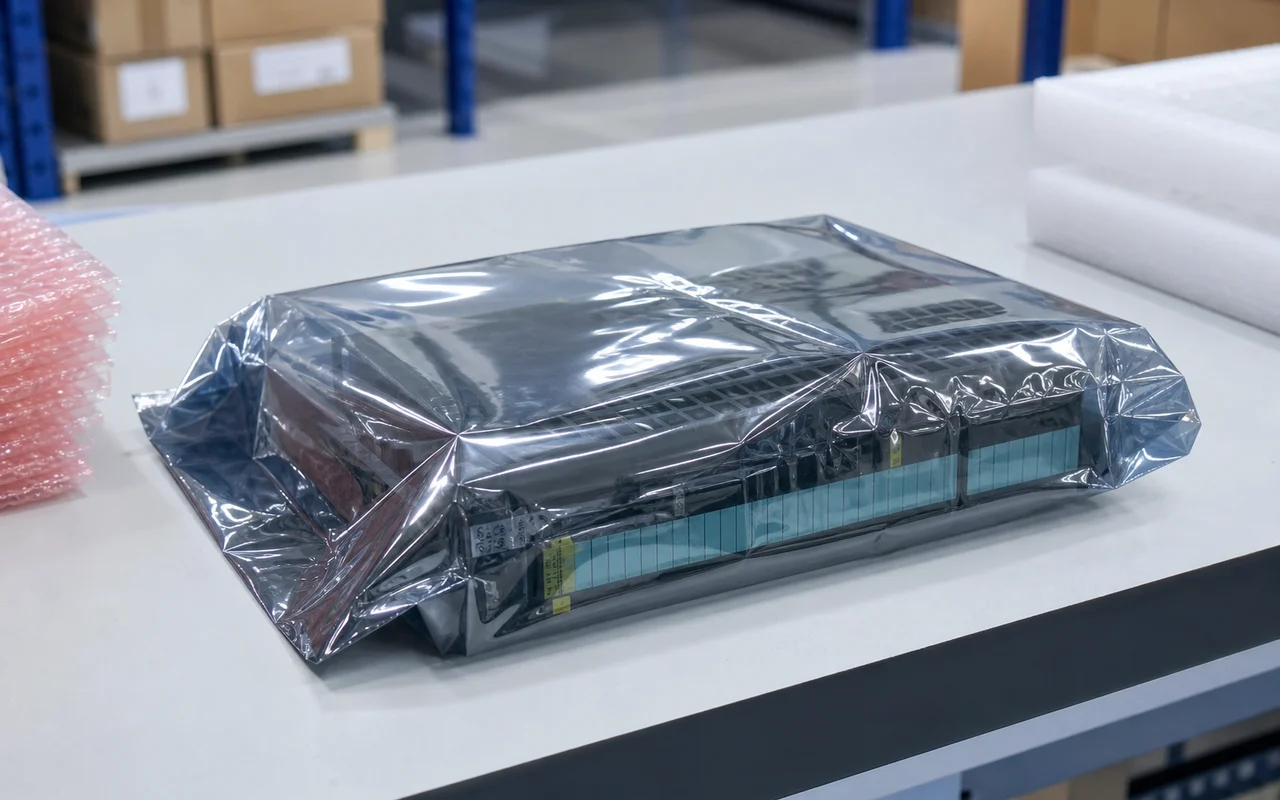 Anti-static Packaging
Modules are packed in anti-static bags to prevent electrostatic damage.
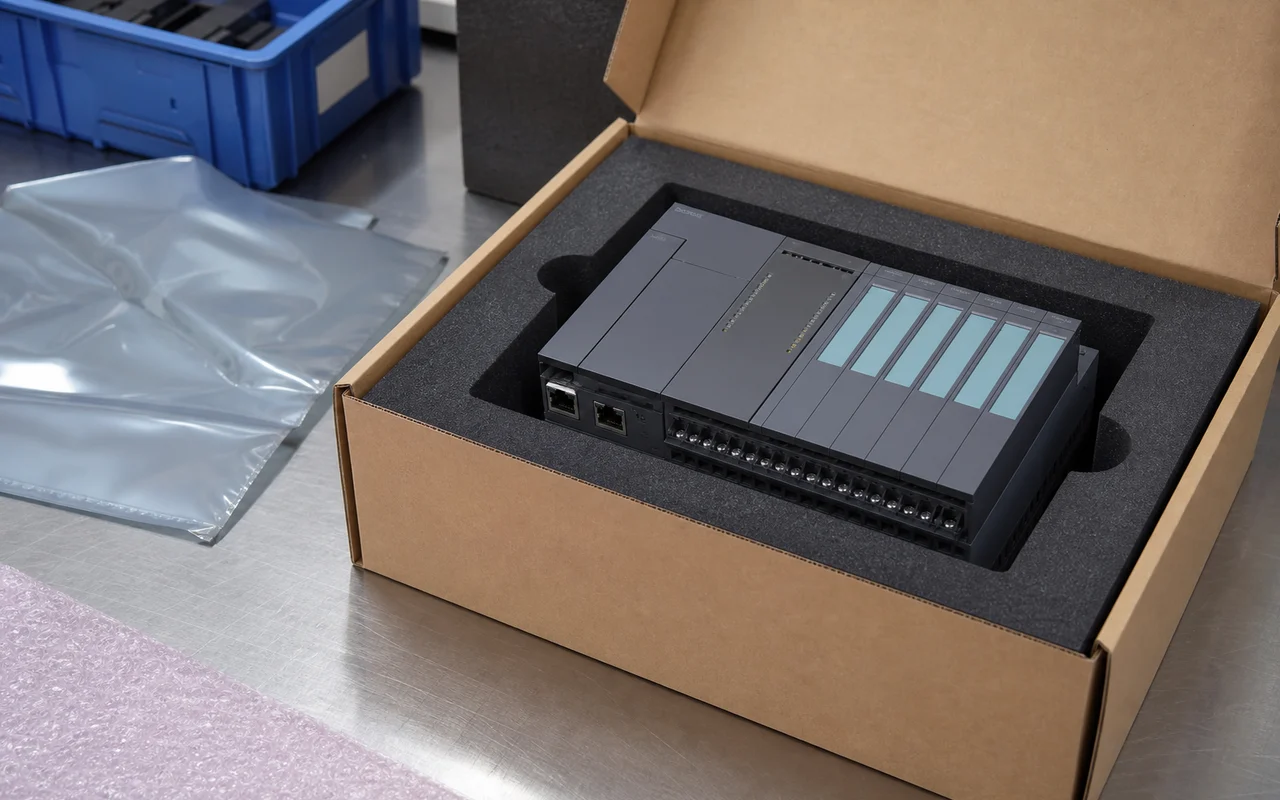 Secure Export Packing
Cushion protection and strong cartons ensure safe transportation.
 Worldwide Shipping
Global logistics network supports air, sea and express delivery.
 Documentation Check
Part number, revision and compatibility verified before shipment.
 After-sales Support
Professional technical support to help resolve your issues.