Functional Inspection
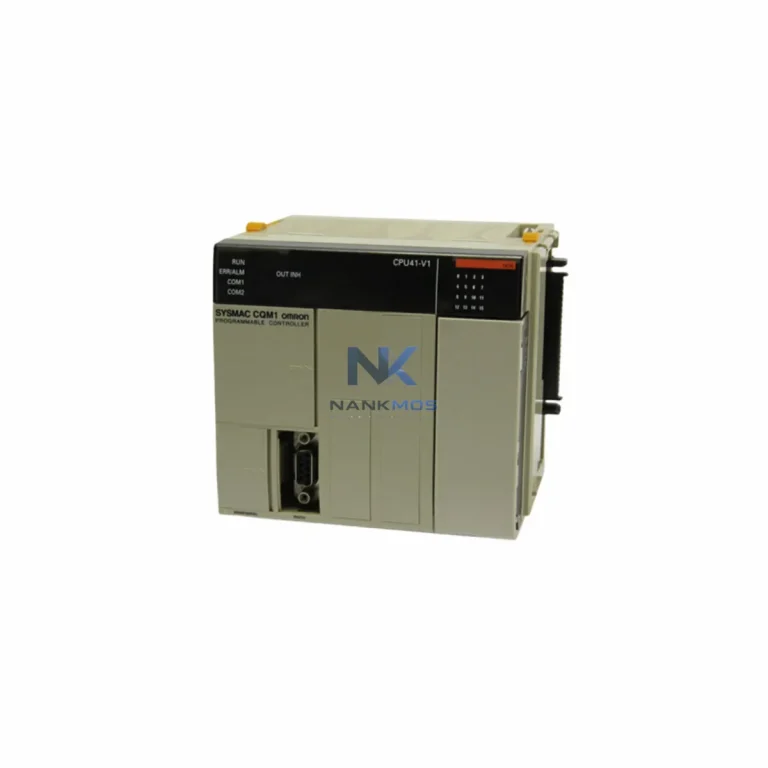
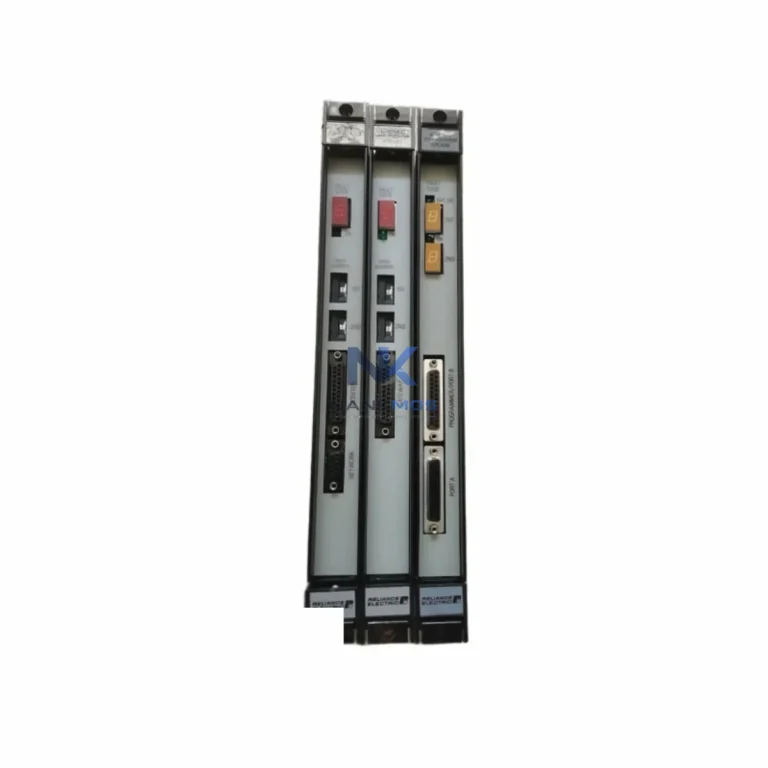
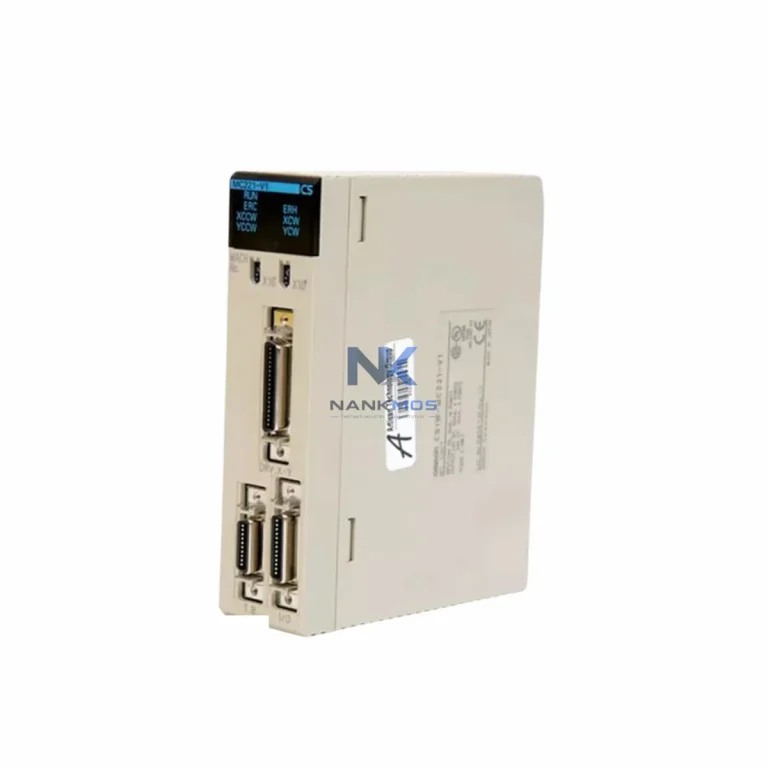
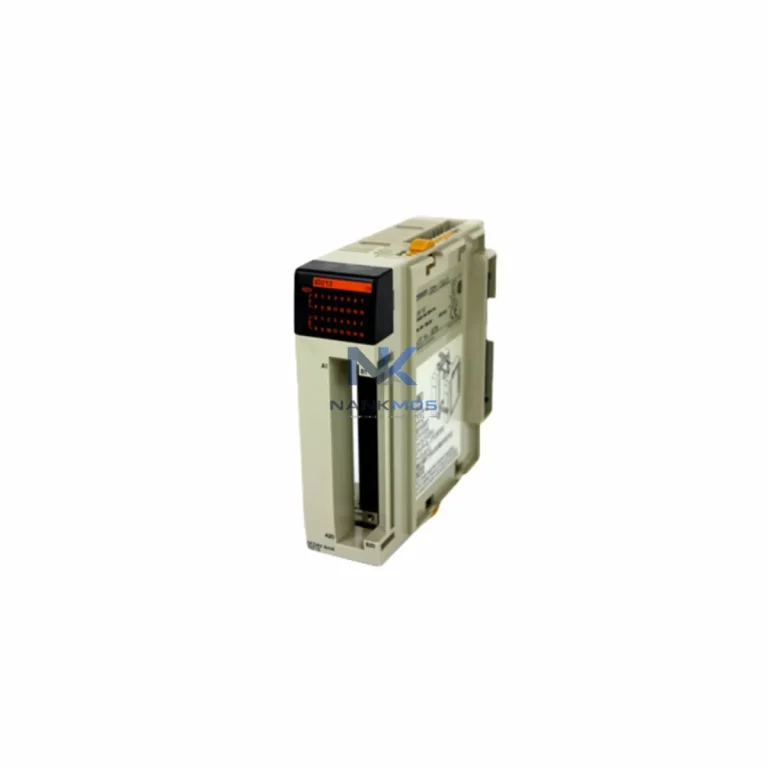
100% tested on professional platforms to ensure stable performance.
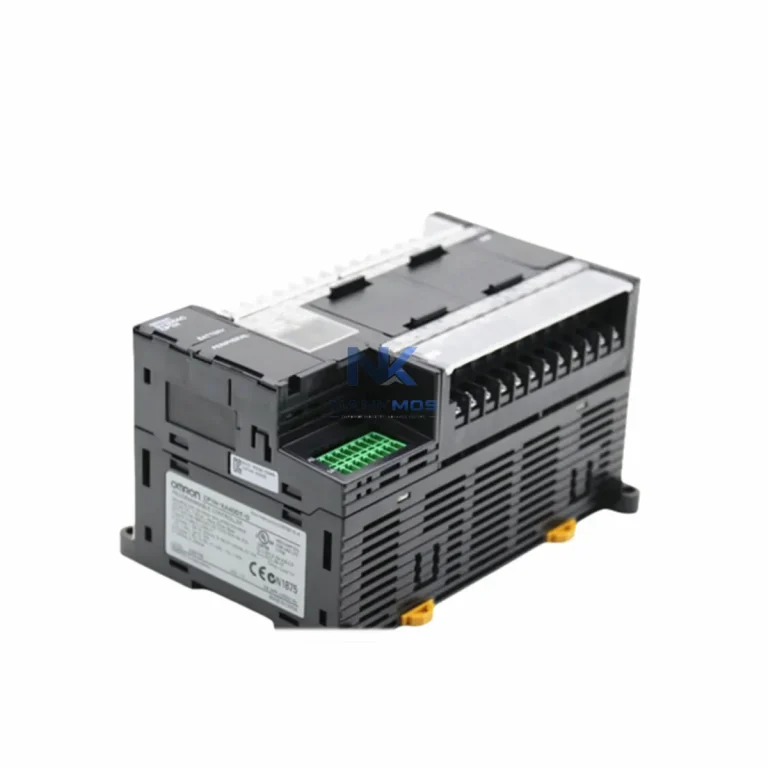
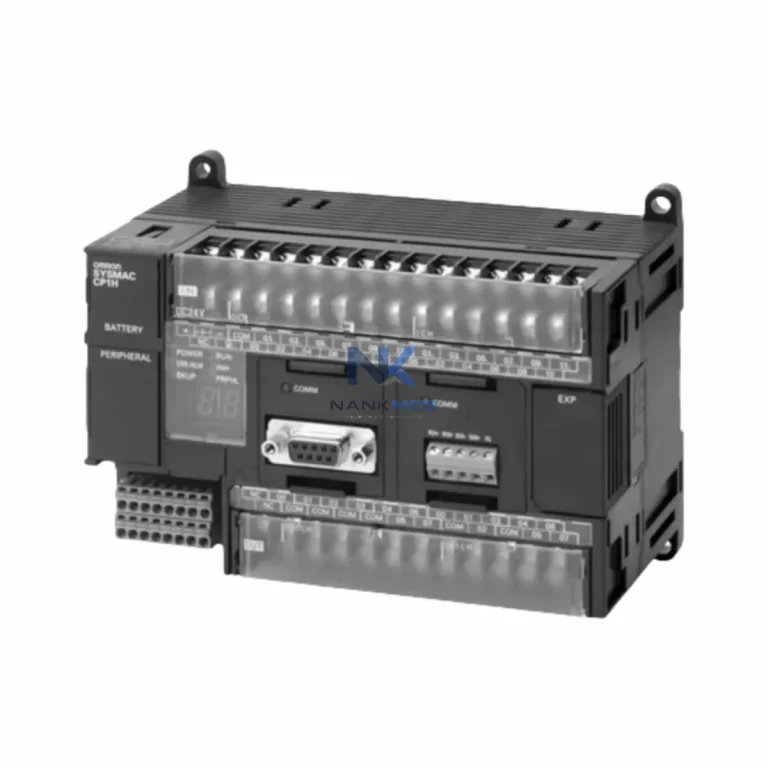
Omron TPM1A-30CDT-D-V1 is a NANKMOS industrial automation product record Listed under Other series series and Business & Industrial > Automation, Control & Flow Devices > Programmable Logic Controllers. Confirm condition, availability, lead time, compatibility and documentation by email inquiry.
Brand names are used for identification only.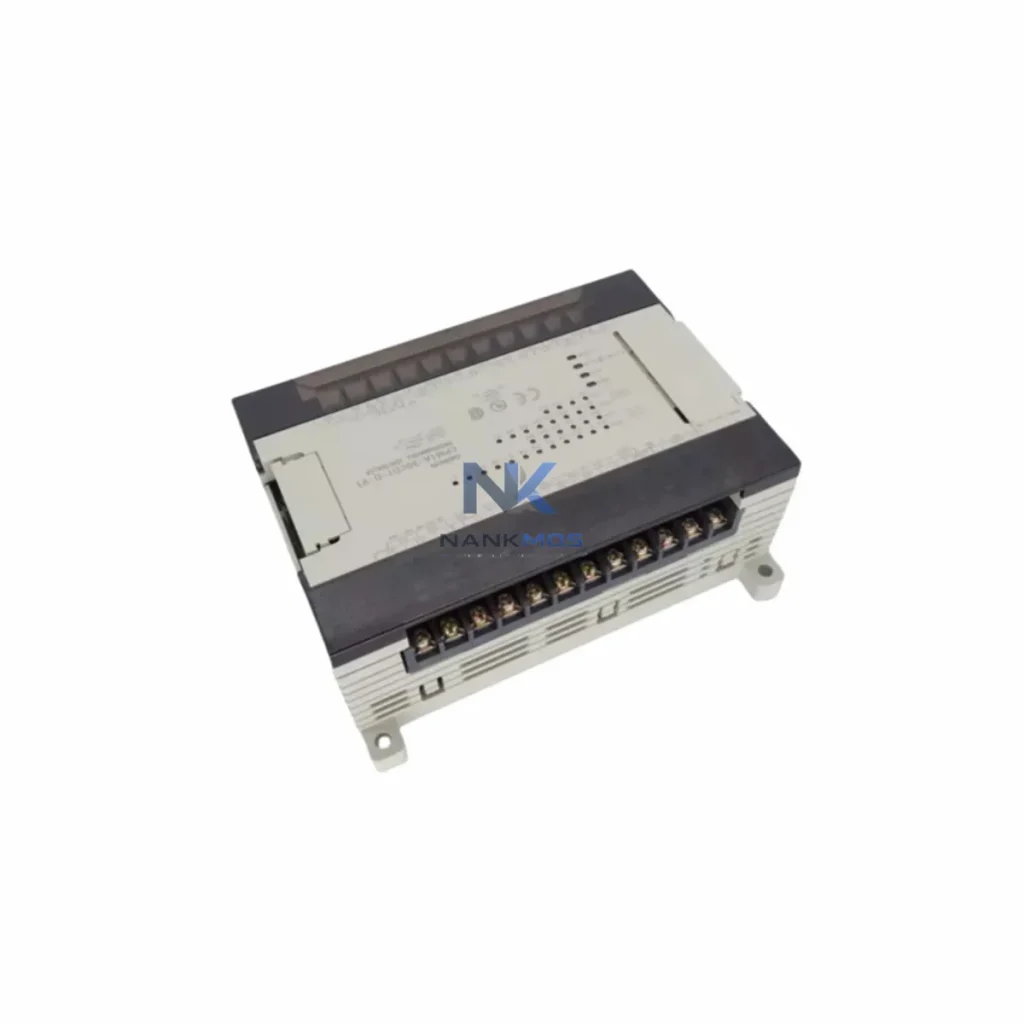
Omron TPM1A-30CDT-D-V1 is a NANKMOS industrial automation product record Listed under Other series series and Business & Industrial > Automation, Control & Flow Devices > Programmable Logic Controllers. Confirm condition, availability, lead time, compatibility and documentation by email inquiry.
| Manufacturer | Omron |
|---|---|
| Application | Controller Processing & System Control |
| Part Number / Model | TPM1A-30CDT-D-V1 |
| Compatible System | Confirmed by inquiry |
| Condition Options | To Confirm |
| Module Type | Controller / CPU Module |
| Warranty | 12 Months |
| Packaging | Anti-static Bag / Secure Box |
| Shipping Methods | DHL / FedEx / UPS / Air / Sea |
| Availability | To Confirm |
| Lead Time | To Confirm |
| Documentation | Part number and revision checked before quote |
The OMRON TPM1A-30CDT-D-V1 is a compact, high-performance programmable logic controller from OMRON's CP1 Series, engineered to serve as a critical data link node in modern smart factory architectures. With native RS-232C serial communication and Modbus RTU/ASCII protocol support, this unit bridges field-level devices — sensors, actuators, and distributed I/O modules — with supervisory control layers including SCADA platforms, HMI terminals, and MES systems. Its role in the industrial data chain extends from raw signal acquisition at the machine level all the way to real-time visualization and remote diagnostics at the enterprise level, making it an indispensable component for manufacturers pursuing Industry 4.0 connectivity goals.
In a typical smart factory deployment, the TPM1A-30CDT-D-V1 sits at the heart of the control loop. Field sensors — including photoelectric sensors, proximity switches, and temperature transmitters — feed analog and digital signals into the PLC's 30-point I/O architecture (18 inputs / 12 outputs). The onboard transistor output (DC type) ensures fast, noise-immune switching for high-speed production lines. From there, the PLC communicates upstream via its RS-232C port, transmitting structured Modbus data frames to an OMRON NS-Series HMI or a third-party SCADA gateway. This seamless protocol handshake eliminates data silos that commonly plague heterogeneous automation environments.
When integrated with an OMRON CJ2M CPU or a CP1E expansion rack via peripheral bus, the TPM1A-30CDT-D-V1 can participate in distributed control architectures where multiple PLCs share process data across a network segment. An industrial Ethernet switch — such as those supporting IEEE 802.3 with QoS prioritization — connects the supervisory layer, ensuring deterministic data delivery even under heavy network load. For sites requiring wireless or cellular backhaul, an edge gateway device can aggregate Modbus data from the TPM1A-30CDT-D-V1 and forward it to cloud-based SCADA or IoT platforms via MQTT or OPC-UA, enabling remote monitoring from any location worldwide.
The TPM1A-30CDT-D-V1 also supports integration with OMRON's CX-Programmer software environment, allowing engineers to develop, simulate, and deploy ladder logic programs with full visibility into communication status registers. Paired with the OMRON CX-Integrator network configuration tool, technicians can map the entire device network — from field I/O to the control room — and diagnose communication faults without physical site visits. This remote diagnostic capability is especially valuable for geographically distributed manufacturing sites or unmanned substations where downtime costs are high.
For variable-speed drive applications, the TPM1A-30CDT-D-V1 can issue speed reference and control commands to OMRON 3G3MX2 or 3G3RX Series inverters via Modbus RTU, replacing traditional analog 4–20 mA wiring with a single RS-232C cable. This not only reduces installation complexity but also enables real-time feedback of drive status, fault codes, and energy consumption data directly into the PLC's data registers — data that can then be forwarded to a historian or SCADA dashboard for trend analysis and predictive maintenance scheduling.
Remote I/O expansion is equally straightforward. By connecting OMRON CPM1A or CP1W expansion I/O units to the TPM1A-30CDT-D-V1's peripheral port, engineers can extend the system's I/O count to accommodate growing process requirements without replacing the base controller. This modular scalability is a key advantage for phased factory automation projects where capital expenditure must be managed carefully across multiple budget cycles.
Every TPM1A-30CDT-D-V1 unit shipped by NANKMOS undergoes pre-shipment functional testing, including communication port verification, I/O point cycling, and program memory integrity checks. Units are sourced from authorized distribution channels and are covered by a 12-month warranty against manufacturing defects. In-stock inventory is maintained to support urgent project timelines, with same-week dispatch available for qualified orders.
A complete smart factory data chain built around the TPM1A-30CDT-D-V1 typically begins at the sensor layer. Photoelectric sensors, inductive proximity switches, and thermocouple-based temperature transmitters feed discrete and analog signals into the PLC's 18 digital input channels. The onboard ladder logic processes these signals in real time, executing control decisions in scan cycles measured in milliseconds — well within the timing requirements of most discrete manufacturing and process control applications.
Upstream, the RS-232C port connects to an OMRON NS12-TS01B-V2 HMI touchscreen, where operators monitor process variables, acknowledge alarms, and adjust setpoints without requiring a laptop or engineering workstation. The Modbus RTU protocol ensures that data exchange between the TPM1A-30CDT-D-V1 and the HMI is structured, error-checked, and deterministic — critical for alarm management in safety-sensitive environments.
For sites running SCADA software such as Wonderware InTouch, Ignition by Inductive Automation, or OMRON's own SCADA platform, a Modbus TCP/RTU gateway — for example, an Anybus Communicator or a Moxa NPort serial device server — bridges the RS-232C output of the TPM1A-30CDT-D-V1 to the plant's Ethernet backbone. From there, an industrial managed Ethernet switch distributes real-time data to the SCADA server, historian, and MES database simultaneously, enabling multi-layer data visibility without polling conflicts.
In multi-drive applications, the TPM1A-30CDT-D-V1 issues Modbus RTU commands to OMRON 3G3MX2-A4022 inverters controlling conveyor motors and pump drives. Drive status registers — including output frequency, DC bus voltage, and fault codes — are polled at 500 ms intervals and stored in the PLC's data memory, ready for forwarding to the SCADA historian. This closed-loop data architecture supports predictive maintenance workflows by providing continuous drive health data without additional instrumentation.
For remote sites or unmanned stations, an edge computing gateway aggregates Modbus data from the TPM1A-30CDT-D-V1 and publishes it via MQTT to a cloud IoT platform. Operations teams can then access live dashboards, configure alert thresholds, and receive push notifications for critical alarms — all without dispatching field engineers. This remote diagnostic capability directly reduces mean time to repair (MTTR) and supports lean maintenance strategies.
Many industrial sites operate with a patchwork of legacy controllers, proprietary protocols, and isolated data islands that prevent end-to-end visibility. The TPM1A-30CDT-D-V1 addresses these challenges directly through its open Modbus protocol support, which is compatible with the vast majority of SCADA platforms, HMI systems, and data acquisition tools available today. Engineers no longer need custom protocol converters or middleware to connect OMRON CP1 Series PLCs to third-party supervisory systems.
Protocol fragmentation — where one section of a plant runs Modbus while another uses PROFIBUS or DeviceNet — is resolved by deploying the TPM1A-30CDT-D-V1 as a Modbus master node that aggregates data from multiple slave devices, then presents a unified data set to the SCADA layer. This approach eliminates the need for separate OPC servers for each protocol segment, reducing software licensing costs and simplifying network maintenance.
Production line transparency is achieved through structured alarm logging. The TPM1A-30CDT-D-V1's data registers store timestamped fault records that can be retrieved by the SCADA system during scheduled polling cycles or on-demand during incident investigations. This audit trail supports ISO 9001 quality management requirements and provides the evidence base for root cause analysis after unplanned stoppages.
System expansion is handled gracefully through the CP1W modular I/O architecture. As production capacity grows, additional CP1W-AD041 analog input units or CP1W-DA021 analog output units can be added to the expansion bus without modifying the base PLC program — only the I/O mapping tables require updating. This future-proof design protects the initial capital investment and reduces the engineering cost of capacity upgrades.
Q1: What is the communication latency of the TPM1A-30CDT-D-V1 over Modbus RTU? At a standard baud rate of 9600 bps with RS-232C, typical Modbus RTU response times are 10–50 ms per transaction, depending on register count and network load. For time-critical applications, baud rates up to 115200 bps are supported, reducing latency to under 5 ms for single-register reads. This is well within the requirements of most SCADA polling architectures.
Q2: Is the TPM1A-30CDT-D-V1 compatible with third-party SCADA and HMI systems? Yes. The unit's Modbus RTU/ASCII protocol is an open standard supported by virtually all major SCADA platforms (Ignition, Wonderware, iFIX, Citect) and HMI brands. OMRON Host Link (FINS) is also available for native integration with OMRON NS-Series HMIs and CX-Supervisor SCADA software. No proprietary drivers are required for Modbus-based integrations.
Q3: How is network stability maintained in electrically noisy industrial environments? The TPM1A-30CDT-D-V1 uses RS-232C with hardware handshaking (RTS/CTS) and Modbus CRC error checking to ensure data integrity in environments with electrical noise from VFDs, welding equipment, and high-current switching. For longer cable runs or higher noise immunity, a Moxa NPort RS-232 to RS-485 converter can extend the communication distance to 1200 m while maintaining Modbus protocol compatibility.
Q4: What does the 12-month warranty cover, and what is the pre-shipment testing process? Every TPM1A-30CDT-D-V1 unit supplied by NANKMOS is covered by a 12-month warranty against manufacturing defects, covering repair or replacement at no charge. Prior to dispatch, each unit undergoes functional testing including RS-232C port communication verification, I/O point cycling under load, and program memory read/write integrity checks. Test records are available upon request for quality-audited procurement processes.
Functional Inspection100% tested on professional platforms to ensure stable performance.
 Anti-static Packaging
Modules are packed in anti-static bags to prevent electrostatic damage.
 Secure Export Packing
Cushion protection and strong cartons ensure safe transportation.
 Worldwide Shipping
Global logistics network supports air, sea and express delivery.
 Documentation Check
Part number, revision and compatibility verified before shipment.
 After-sales Support
Professional technical support to help resolve your issues.