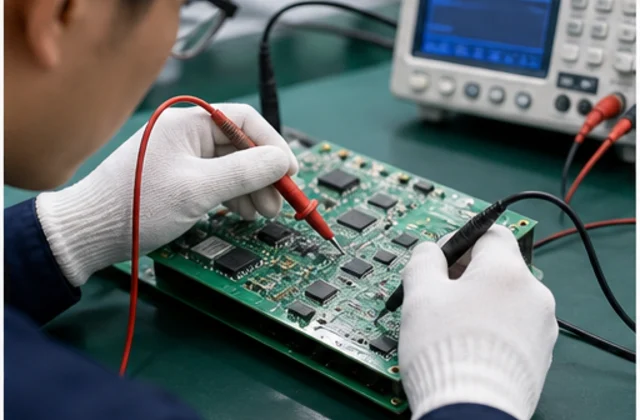
 Functional Inspection
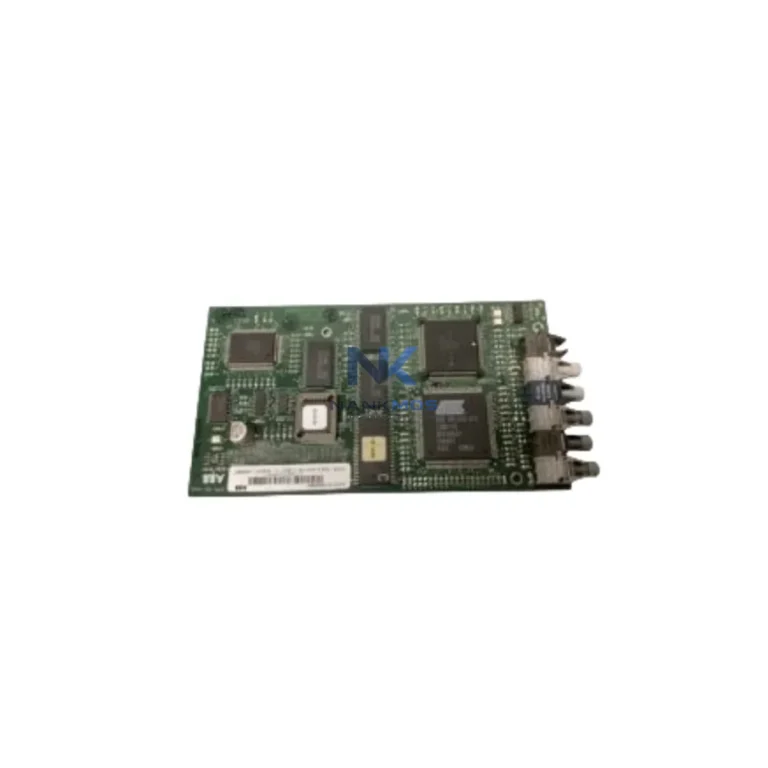
100% tested on professional platforms to ensure stable performance.
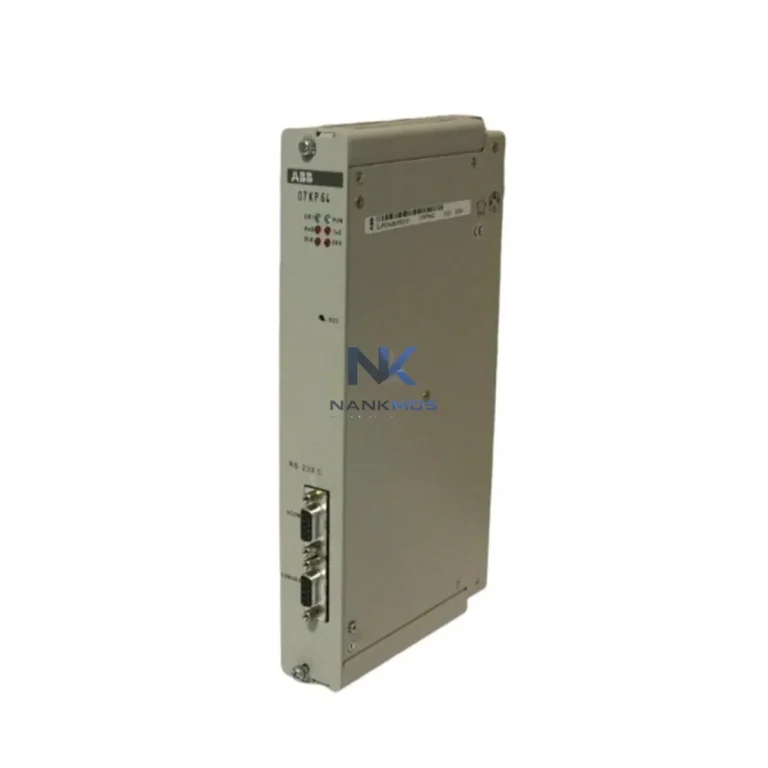
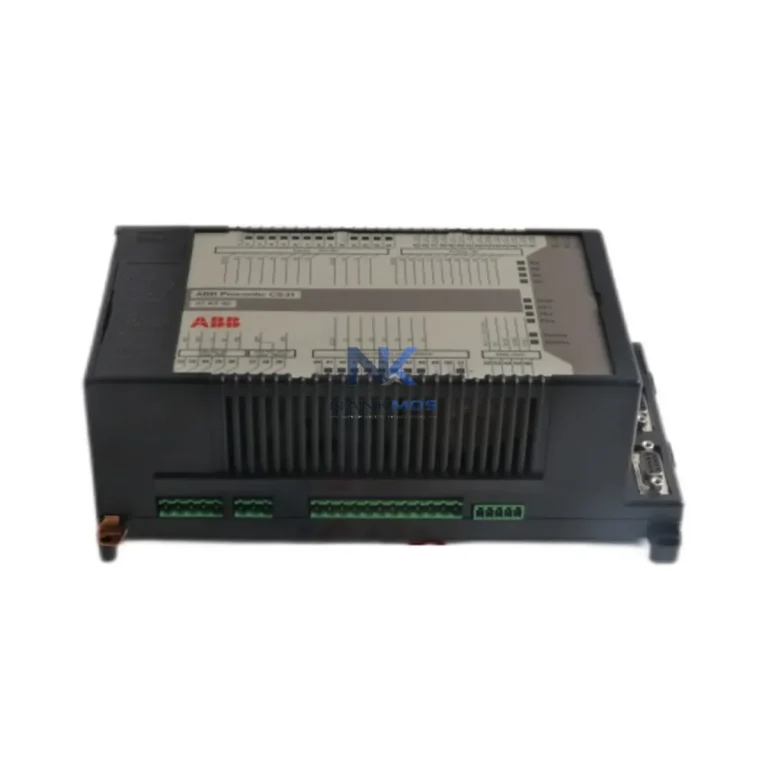
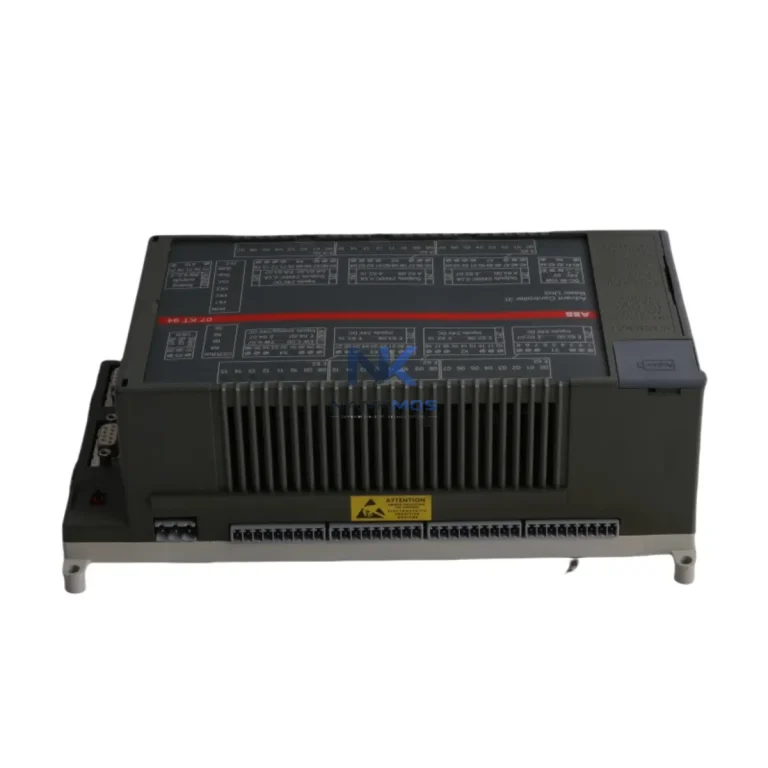
Hartmann & Braun TZIF3 18211-0-1355200 is a NANKMOS industrial automation product record Listed under Other series series and Business & Industrial > Automation, Control & Flow Devices > Programmable Logic Controllers. Confirm condition, availability, lead time, compatibility and documentation by email inquiry.
Brand names are used for identification only.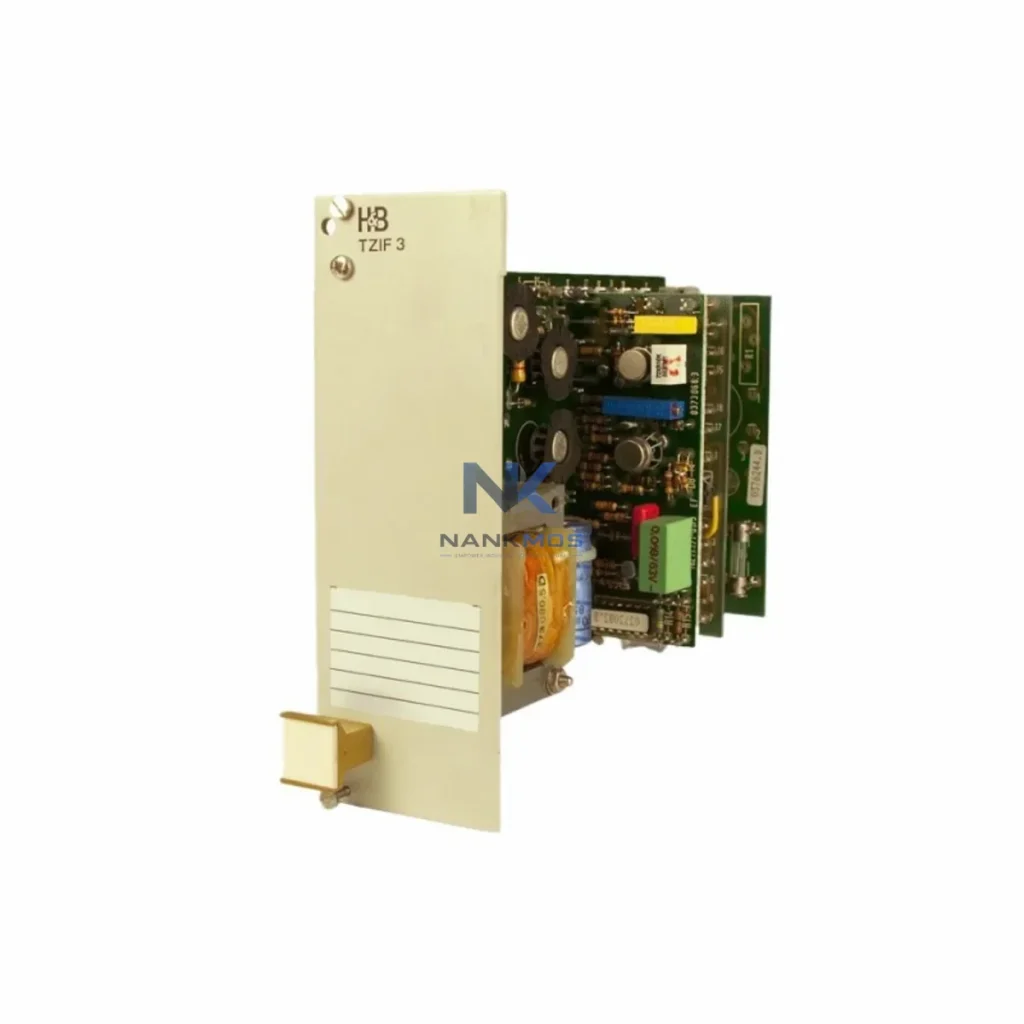
Hartmann & Braun TZIF3 18211-0-1355200 is a NANKMOS industrial automation product record Listed under Other series series and Business & Industrial > Automation, Control & Flow Devices > Programmable Logic Controllers. Confirm condition, availability, lead time, compatibility and documentation by email inquiry.
| Manufacturer | Hartmann & Braun |
|---|---|
| Application | Controller Processing & System Control |
| Part Number / Model | TZIF3 18211-0-1355200 |
| Compatible System | Confirmed by inquiry |
| Condition Options | To Confirm |
| Module Type | Controller / CPU Module |
| Warranty | 12 Months |
| Packaging | Anti-static Bag / Secure Box |
| Shipping Methods | DHL / FedEx / UPS / Air / Sea |
| Availability | To Confirm |
| Lead Time | To Confirm |
| Documentation | Part number and revision checked before quote |
The Hartmann & Braun TZIF3 18211-0-1355200 is a field-proven Contronic-series process control module engineered for energy-intensive industrial environments. Designed to integrate seamlessly into distributed control system (DCS) architectures, this module delivers deterministic signal processing, real-time load feedback, and closed-loop control capabilities that directly reduce unnecessary energy consumption across production lines. Whether deployed in chemical processing, power generation, or continuous manufacturing, the TZIF3 18211-0-1355200 provides the control precision needed to eliminate idle-state energy waste and stabilize equipment operating cycles.
Built to German engineering standards, the module supports analog and digital I/O interfacing, making it compatible with a wide range of field instruments including pressure transmitters, flow sensors, and temperature probes. Its robust signal conditioning circuitry ensures accurate process variable acquisition even in electrically noisy plant environments, reducing false triggers that can cause unnecessary actuator cycling and associated energy spikes.
In a fully integrated energy-aware automation architecture, the TZIF3 18211-0-1355200 functions as the control intelligence layer that coordinates upstream and downstream energy flows. When paired with a Siemens S7-300 PLC or equivalent programmable logic controller acting as the supervisory coordinator, the module receives setpoint commands and translates them into precise analog output signals that govern valve positioners, motor starters, and variable frequency drives (VFDs). This closed-loop arrangement ensures that motors — often the largest energy consumers on a production floor — operate only at the load levels actually required by the process, rather than running at fixed full speed.
The module's analog output channels interface directly with ABB ACS880 series variable frequency drives and similar VFD platforms, enabling speed-proportional motor control that can reduce motor energy consumption by 20–50% compared to across-the-line starting. When the TZIF3 18211-0-1355200 detects a reduced process demand via its input channels — for example, a drop in flow rate from a Endress+Hauser Promag flow transmitter — it automatically adjusts the drive reference signal, slowing the pump or fan motor to match actual demand. This dynamic load-following behavior is the foundation of energy-efficient process control.
For power quality monitoring and energy accounting, the module integrates with Schneider Electric PowerLogic PM8000 power monitoring units and similar power measurement devices via the plant's fieldbus backbone. Real-time kWh consumption data fed back through the DCS allows operators to correlate process states with energy draw, identifying high-consumption operating modes that can be optimized through setpoint adjustment. The TZIF3 18211-0-1355200 supports this feedback loop by providing stable, repeatable control outputs that make energy consumption predictable and measurable.
On the I/O side, the module works in conjunction with Wago 750-series I/O nodes and Phoenix Contact Axioline F I/O modules to extend its sensing and actuation reach across the production cell. Digital status inputs from motor protection relays, thermal overload switches, and equipment health sensors feed into the control logic, enabling the module to implement protective load-shedding strategies that prevent thermal runaway and the associated energy waste of repeated fault-restart cycles. Integration with Siemens SIMATIC HMI TP1200 panels provides operators with real-time visibility into control loop performance, energy consumption trends, and alarm states — all from a single operator interface.
Communication with plant-level SCADA systems such as Wonderware InTouch or Ignition is facilitated through standard Modbus TCP or PROFIBUS DP gateways, allowing the TZIF3 18211-0-1355200's process data to be aggregated into enterprise energy management dashboards. This connectivity enables shift-level and daily energy reporting without manual data collection, supporting ISO 50001 energy management system requirements.
Production line energy optimization begins with accurate, responsive process control — and the TZIF3 18211-0-1355200 delivers exactly that. By maintaining tight control over process variables such as temperature, pressure, flow, and level, the module prevents the energy-intensive oscillations that occur when poorly tuned control loops cause repeated over- and under-correction. Each unnecessary actuator stroke, each pump surge, and each heating element overshoot represents wasted energy; the TZIF3's precise analog control minimizes all three.
Thermal load management is a particular strength of this module in continuous process applications. By maintaining stable temperature setpoints with minimal deviation, it reduces the duty cycle of heating and cooling systems — compressors, chillers, and heat exchangers that collectively represent a significant fraction of plant energy consumption. Stable thermal control also extends equipment service life, reducing the frequency of maintenance interventions that cause unplanned downtime and the energy-intensive restart sequences that follow.
From a production throughput perspective, the TZIF3 18211-0-1355200 contributes to line rhythm stability by ensuring that process transitions — startups, grade changes, and shutdowns — follow optimized ramp profiles rather than abrupt step changes. Controlled ramps reduce mechanical stress on drives and motors, lower peak demand charges on the facility's electricity bill, and shorten the time required to reach stable operating conditions after a changeover. The result is more production output per unit of energy consumed — a direct improvement in the facility's overall equipment effectiveness (OEE) and energy intensity metrics.
Predictive maintenance integration is supported through the module's continuous process variable monitoring. Gradual drift in control loop performance — a signature of developing mechanical wear in pumps, valves, or heat exchangers — can be detected by trending the module's output demand signals over time. Early detection allows maintenance teams to schedule interventions during planned downtime windows rather than responding to emergency failures, avoiding the energy waste and production loss associated with unplanned stops. All units are pre-tested and shipped with a 12-month warranty, ensuring reliable baseline performance from day one of installation.
Q1: What measurable energy savings can the TZIF3 18211-0-1355200 deliver in a typical process plant? Actual savings depend on the application, but facilities replacing poorly tuned or failed control modules typically report 10–30% reductions in energy consumption for the controlled process loop. The greatest gains come from eliminating actuator over-cycling and enabling VFD-based motor speed control, where energy savings scale with the cube of speed reduction.
Q2: Is the TZIF3 18211-0-1355200 compatible with modern PLC and SCADA systems, or is it limited to legacy Contronic DCS environments? While the module is native to the Hartmann & Braun Contronic DCS platform, its standard analog I/O signals (4–20 mA, 0–10 V) are universally compatible with modern PLCs, VFDs, and SCADA gateways. Integration with Siemens, ABB, Schneider Electric, and Rockwell Automation control platforms is achievable through standard signal wiring and fieldbus gateway modules.
Q3: Can this module serve as a direct drop-in replacement for a failed TZIF3 unit, and what is the lead time? Yes — the TZIF3 18211-0-1355200 is a direct form-fit-function replacement for existing Contronic system slots. NANKMOS maintains ready stock for rapid dispatch, with standard orders typically shipped within 1–3 business days. Each unit undergoes functional testing prior to shipment to verify output accuracy and signal integrity.
Q4: What does the 12-month warranty cover, and what is the return process? The 12-month warranty covers manufacturing defects and functional failures under normal operating conditions. Units that fail within the warranty period are eligible for replacement or repair at no charge. To initiate a warranty claim, contact NANKMOS at [email protected] with the order reference and a description of the observed fault. Our technical team will provide a return authorization and expedite the replacement to minimize your downtime.
Functional Inspection100% tested on professional platforms to ensure stable performance.
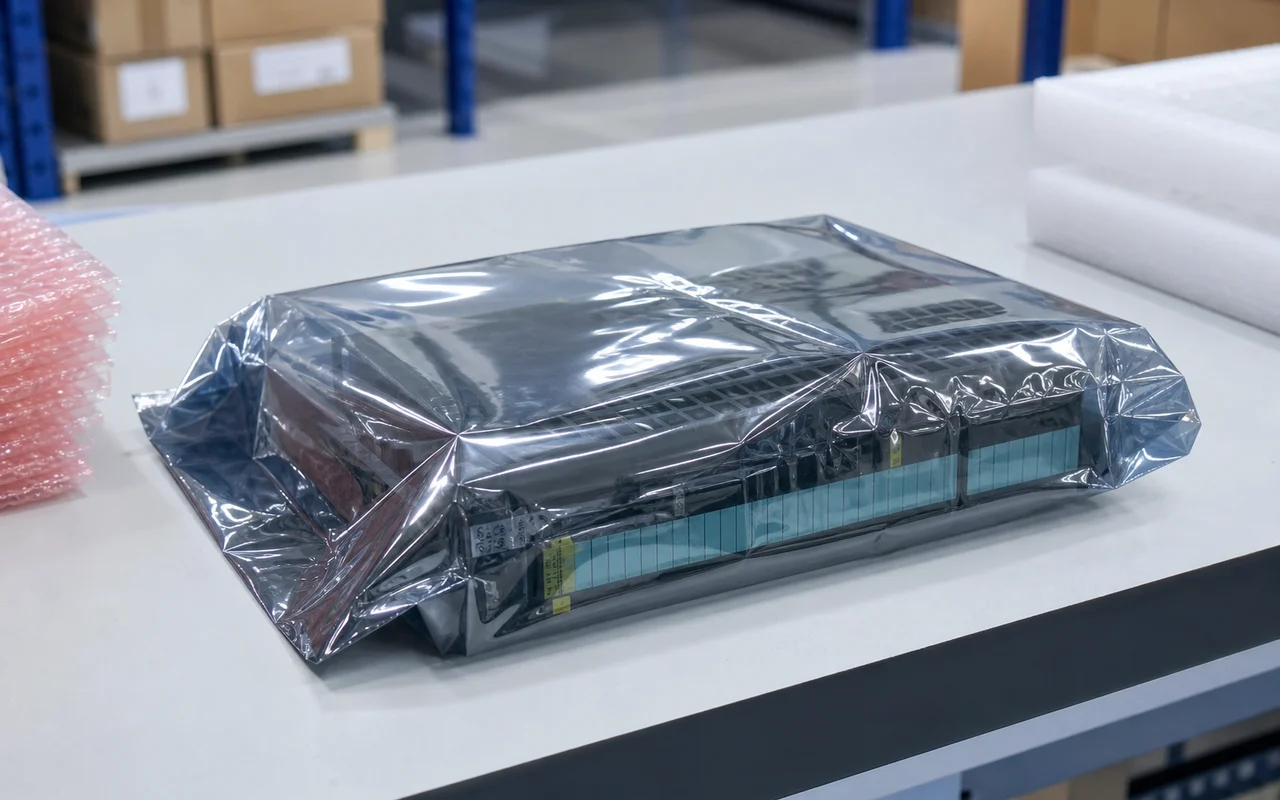 Anti-static Packaging
Modules are packed in anti-static bags to prevent electrostatic damage.
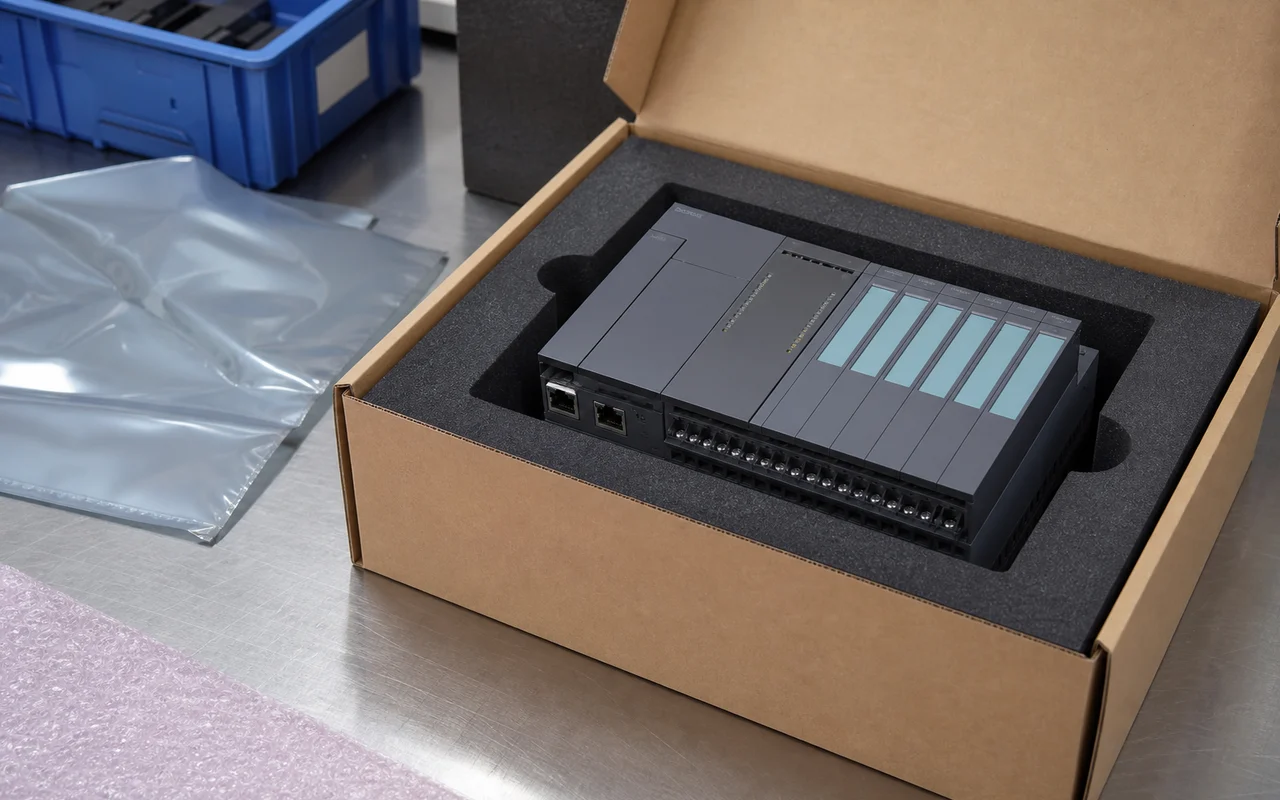 Secure Export Packing
Cushion protection and strong cartons ensure safe transportation.
 Worldwide Shipping
Global logistics network supports air, sea and express delivery.
 Documentation Check
Part number, revision and compatibility verified before shipment.
 After-sales Support
Professional technical support to help resolve your issues.