Functional Inspection
100% tested on professional platforms to ensure stable performance.
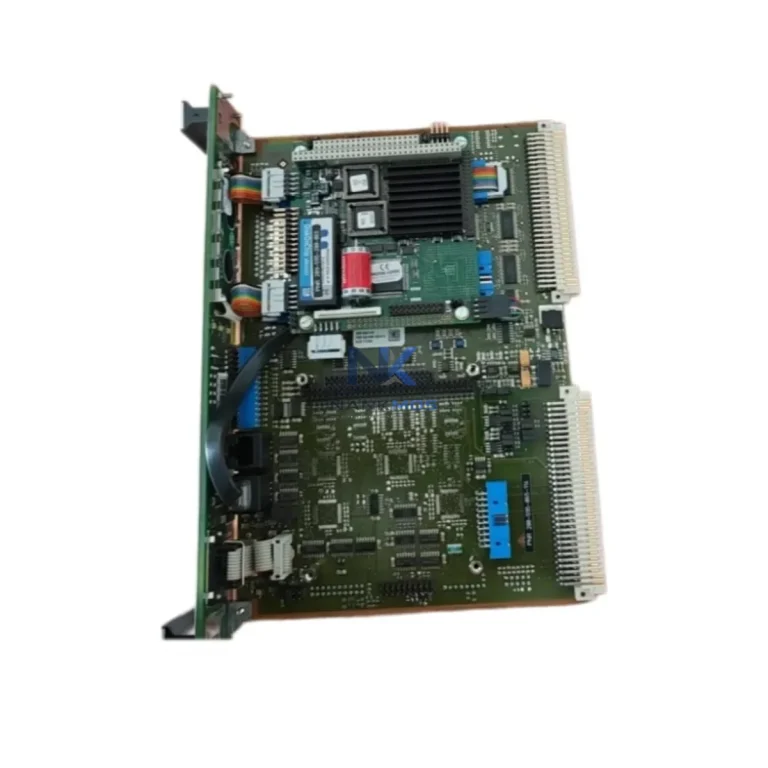
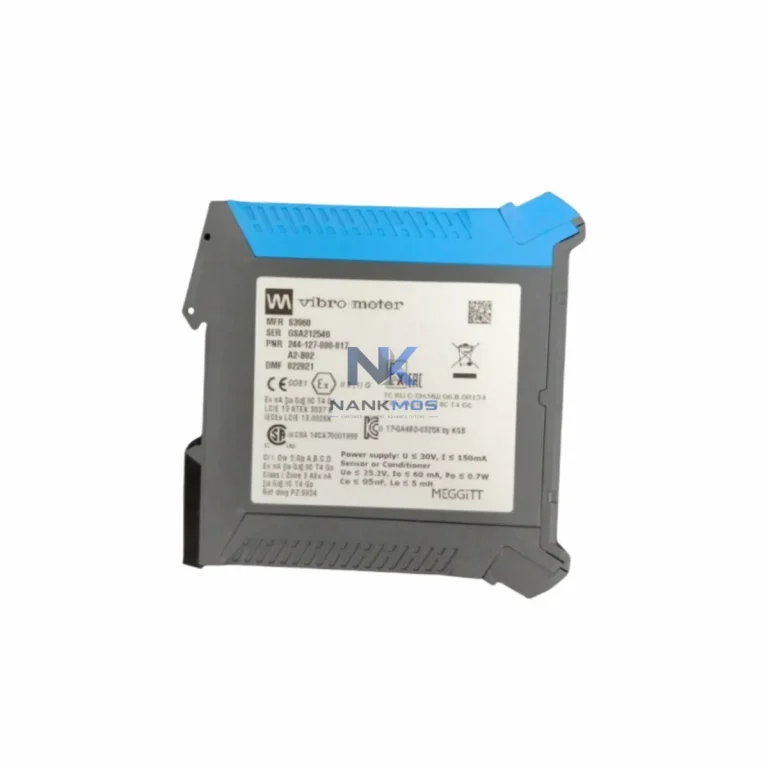
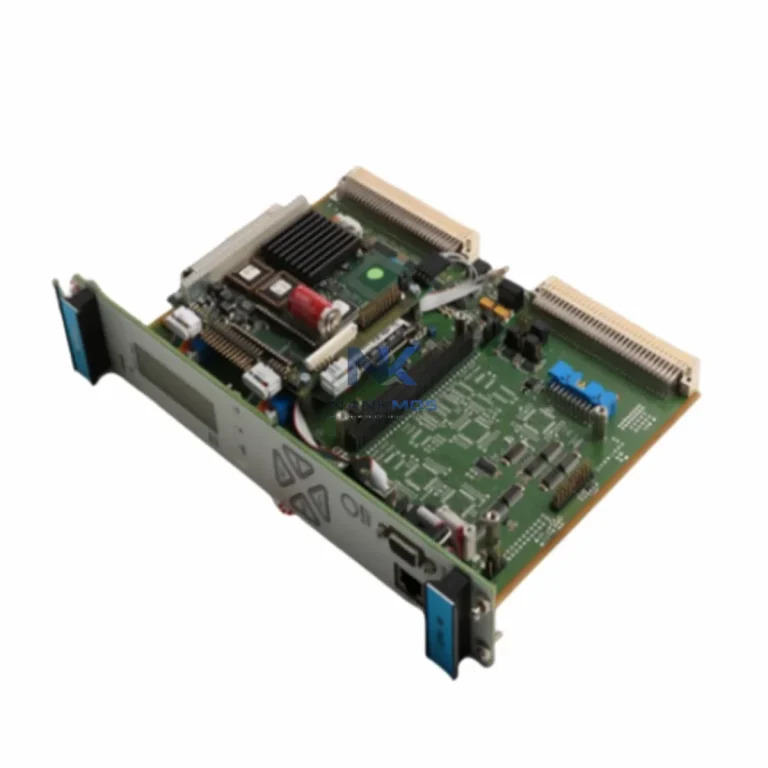
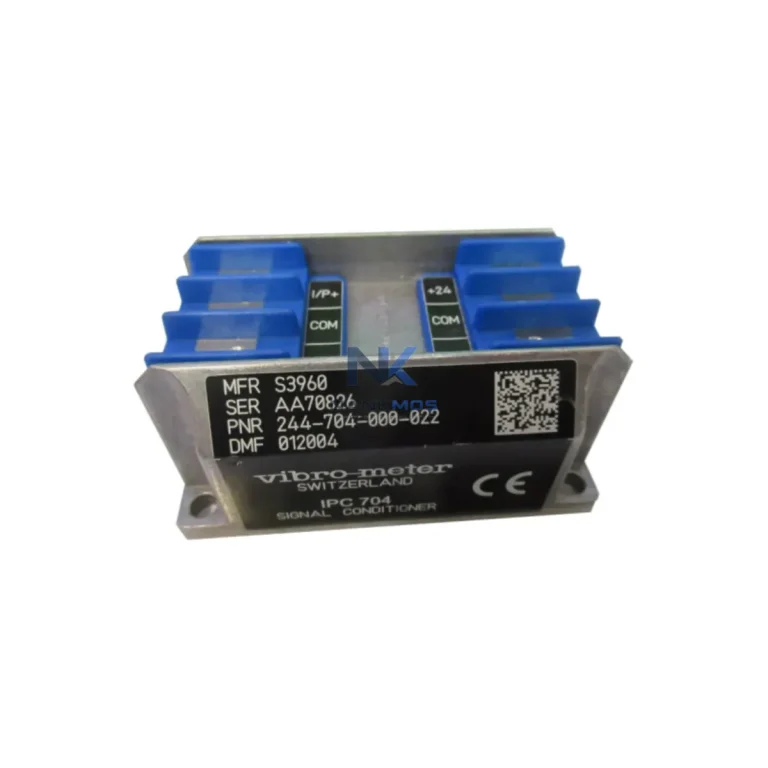
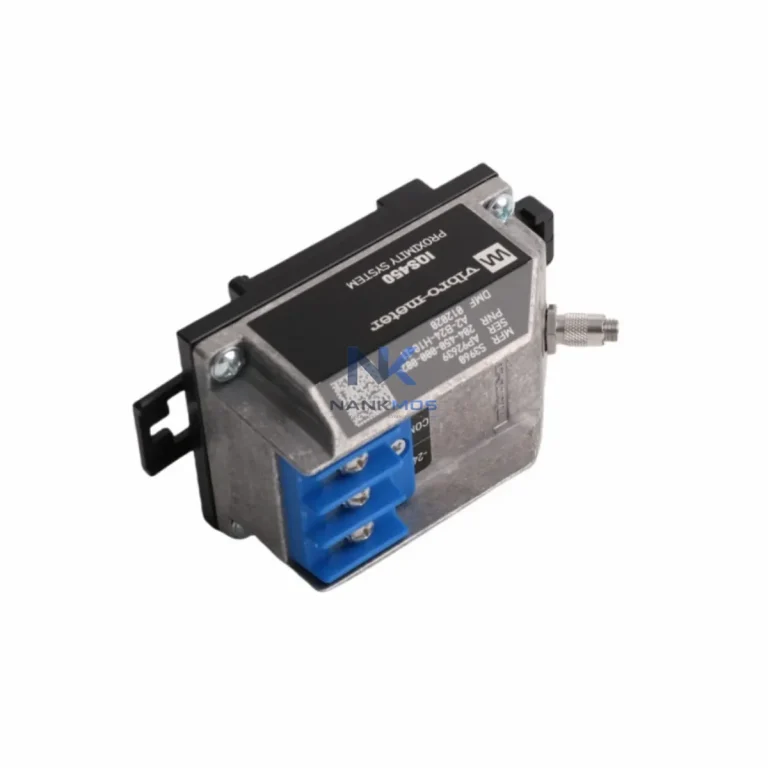
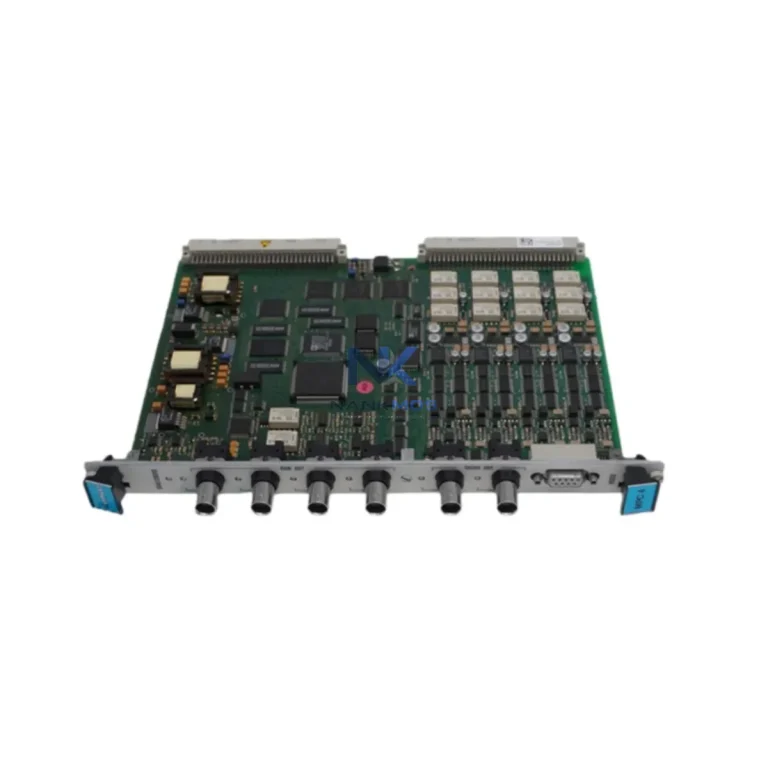
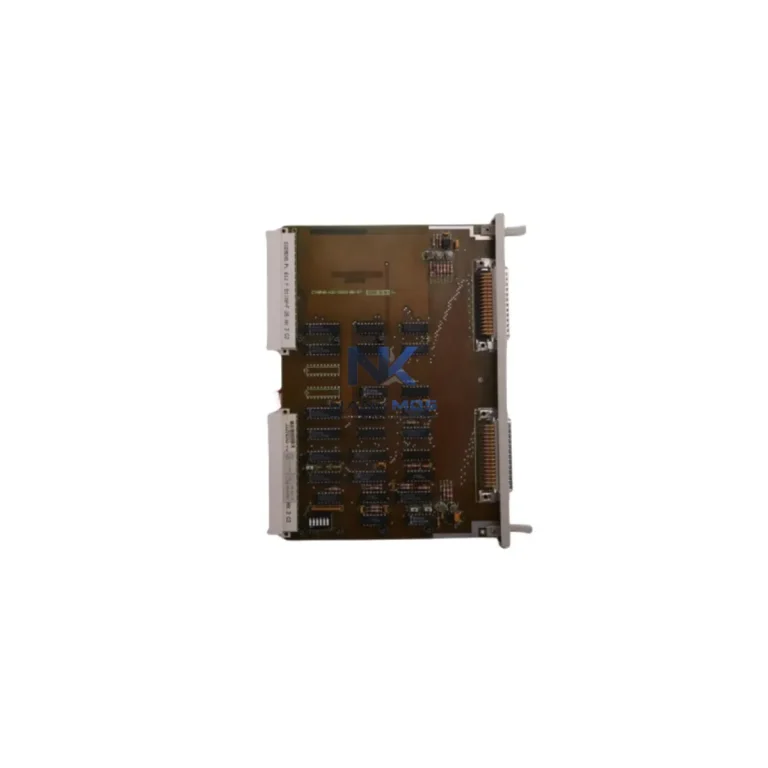
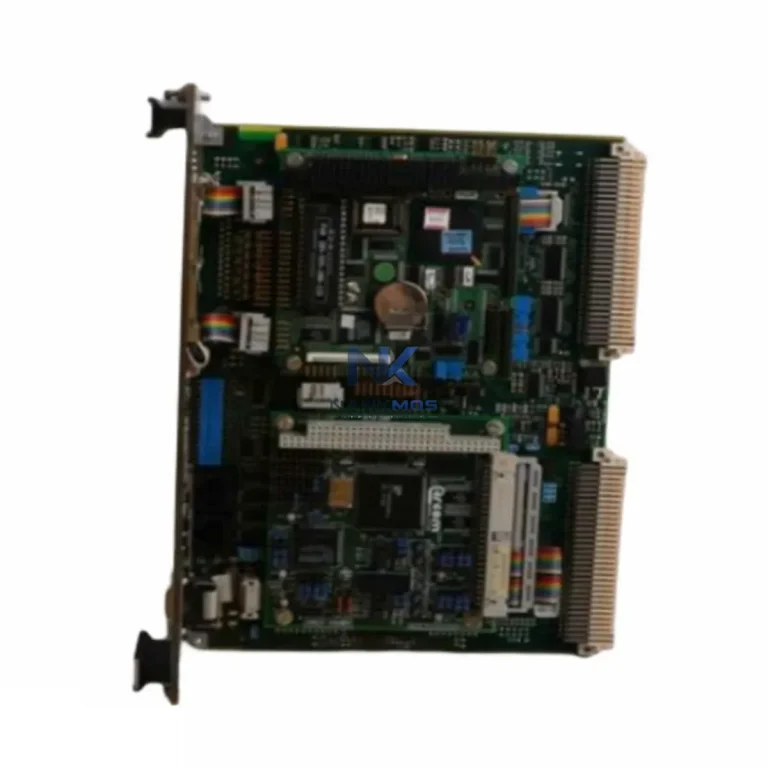
Vibro-Meter VM600 CPU M 209-595-200-232 is a NANKMOS industrial automation product record Listed under Other series series and Business & Industrial > Automation, Control & Flow Devices > Programmable Logic Controllers. Confirm condition, availability, lead time, compatibility and documentation by email inquiry.
Brand names are used for identification only.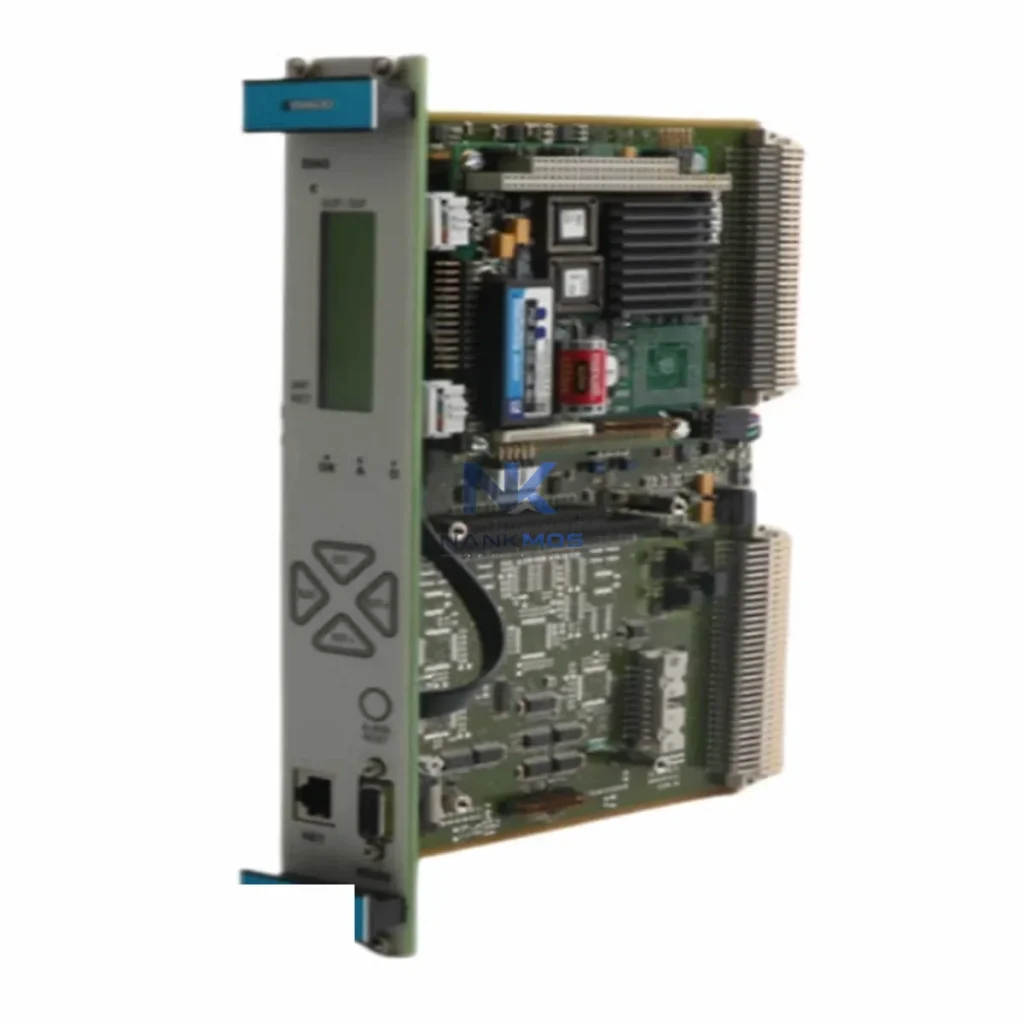
Vibro-Meter VM600 CPU M 209-595-200-232 is a NANKMOS industrial automation product record Listed under Other series series and Business & Industrial > Automation, Control & Flow Devices > Programmable Logic Controllers. Confirm condition, availability, lead time, compatibility and documentation by email inquiry.
| Manufacturer | Vibro-Meter |
|---|---|
| Application | Controller Processing & System Control |
| Part Number / Model | VM600 CPU M 209-595-200-232 |
| Compatible System | Confirmed by inquiry |
| Condition Options | To Confirm |
| Module Type | Controller / CPU Module |
| Warranty | 12 Months |
| Packaging | Anti-static Bag / Secure Box |
| Shipping Methods | DHL / FedEx / UPS / Air / Sea |
| Availability | To Confirm |
| Lead Time | To Confirm |
| Documentation | Part number and revision checked before quote |
The Meggitt VM600 CPU M 209-595-200-232 is the central processing and network communication unit of the VM600 modular vibration monitoring rack system, engineered by VIBRO-METER — a Meggitt brand with decades of precision in rotating machinery protection. In smart factory environments where continuous data flow between field sensors, PLC controllers, SCADA platforms, and enterprise MES systems is non-negotiable, this CPU card serves as the authoritative data aggregation and protocol gateway node within the VM600 chassis. It collects raw vibration, speed, and process signals from front-end I/O cards such as the VM600 MPC4 and VM600 AMC8 signal conditioning modules, processes them in real time, and transmits structured diagnostic data upstream to supervisory control layers — closing the loop between physical asset health and digital factory intelligence.
At the heart of its connectivity architecture, the VM600 CPU M 209-595-200-232 supports industrial communication protocols that allow seamless integration with distributed control systems (DCS), programmable logic controllers (PLC), and SCADA/HMI platforms. Whether the plant network runs on Modbus TCP/IP, Profibus DP, or OPC-DA/UA, this CPU card bridges the VM600 rack to the broader automation backbone, enabling operators to monitor bearing wear, shaft imbalance, rotor eccentricity, and structural resonance from centralized control rooms or remote diagnostic workstations — without physical access to the machine floor.
In a fully connected smart factory deployment, the VM600 CPU M 209-595-200-232 operates as the data orchestration layer within a multi-tier industrial network. The data flow begins at the sensor level: accelerometers, proximity probes, and velocity transducers mounted on turbines, compressors, pumps, and motors feed raw analog signals into VM600 front-end I/O cards — typically the VM600 MPC4 machinery protection card or the VM600 AMC8 advanced monitoring card. These cards perform signal conditioning, filtering, and threshold evaluation before passing structured measurement data to the CPU M card via the VM600 backplane bus.
The CPU M card then acts as the protocol conversion and network transmission engine. It packages vibration amplitude, phase, frequency spectrum, and alarm status data into industrial protocol frames compatible with the plant's existing automation infrastructure. In facilities running Siemens S7-300 or S7-400 PLC platforms, the CPU M card communicates over Profibus DP, delivering real-time machinery health data directly to the PLC's process image — enabling interlock logic, automatic shutdown sequences, and maintenance scheduling to be driven by live vibration data rather than fixed time intervals.
For plants using Rockwell Automation ControlLogix or CompactLogix controllers, Modbus TCP/IP connectivity allows the VM600 CPU M to publish measurement registers to the PLC's data table, where SCADA systems such as Wonderware InTouch, Ignition by Inductive Automation, or GE iFIX can subscribe to live vibration trends, alarm histories, and diagnostic summaries. HMI panels on the machine floor — including Siemens TP700 Comfort or Allen-Bradley PanelView Plus terminals — can display real-time vibration waveforms and alarm states sourced directly from the VM600 rack via the CPU M's network interface.
At the edge layer, the VM600 CPU M 209-595-200-232 can interface with industrial edge gateways such as the Moxa MGate MB3000 series or HMS Anybus X-gateway, enabling protocol translation from Profibus DP or Modbus RTU to MQTT or OPC-UA for cloud-based condition monitoring platforms. This architecture supports IIoT-ready deployments where vibration data from multiple VM600 racks across a plant site is aggregated at an edge server, normalized, and forwarded to asset performance management (APM) systems or digital twin platforms for predictive maintenance analytics.
Power supply stability within the VM600 rack is maintained by dedicated rack power supply modules, ensuring the CPU M card and all connected I/O modules receive clean, regulated DC power — a critical requirement for accurate vibration measurement in electrically noisy industrial environments. The complete data chain — from sensor signal acquisition through protocol conversion, network transmission, SCADA visualization, and remote diagnostic access — is designed for continuous, uninterrupted operation in 24/7 process industries including oil and gas, power generation, petrochemical, and heavy manufacturing.
Industrial plants operating legacy vibration monitoring systems frequently encounter data isolation challenges: VM600 racks collecting critical machinery health data but unable to share it with modern DCS or SCADA platforms due to protocol incompatibility. The VM600 CPU M 209-595-200-232 directly addresses this integration gap by providing a standards-compliant network interface that bridges the VM600 measurement layer to the plant's automation backbone.
Protocol fragmentation — where vibration data exists in proprietary VM600 formats while the plant network runs on Modbus TCP or OPC-UA — is resolved through the CPU M's built-in protocol gateway functionality. Operators no longer need separate protocol converters or middleware servers to extract VM600 data; the CPU M card handles translation natively, reducing network complexity and potential failure points.
Remote monitoring and diagnostics are transformed by the CPU M's network connectivity. Maintenance engineers can access live vibration trends, alarm logs, and historical measurement data from remote workstations or mobile devices connected to the plant network — eliminating the need for physical presence at the VM600 rack during routine checks or alarm investigations. This capability is particularly valuable in hazardous area installations where access to the machine floor is restricted.
Production line transparency is enhanced when VM600 vibration data flows continuously into SCADA dashboards and MES reporting layers. Plant managers gain real-time visibility into machinery health KPIs — bearing condition indices, vibration severity levels, and alarm frequency trends — enabling data-driven maintenance decisions that reduce unplanned downtime and extend equipment service life. System expansion is straightforward: additional VM600 I/O cards can be added to the rack without reconfiguring the CPU M's network settings, supporting phased plant upgrades and capacity expansions.
Q1: What communication protocols does the VM600 CPU M 209-595-200-232 support for SCADA and DCS integration?The VM600 CPU M 209-595-200-232 supports industrial communication protocols including Modbus TCP/IP and Profibus DP, with OPC-DA/UA compatibility depending on system firmware and configuration. These protocols enable direct integration with major SCADA platforms (Wonderware, Ignition, iFIX), DCS systems (Emerson DeltaV, Honeywell Experion), and PLC controllers (Siemens S7, Rockwell ControlLogix) without requiring additional protocol converters.
Q2: How does the VM600 CPU M card handle network stability in high-vibration or electrically noisy industrial environments?The VM600 CPU M 209-595-200-232 is designed for continuous operation in demanding industrial environments. The VM600 rack architecture provides electrical isolation between the CPU module and field-connected I/O cards, and the backplane bus communication is shielded from external EMI. For network transmission, industrial-grade Ethernet ports with surge protection ensure stable data communication even in environments with significant electrical noise from variable frequency drives (VFDs), motor starters, and high-power switching equipment.
Q3: Can the VM600 CPU M 209-595-200-232 support remote diagnostics and alarm management without on-site access?Yes. Once integrated into the plant network via Modbus TCP/IP or Profibus DP, the VM600 CPU M enables remote access to live vibration measurements, alarm status registers, and historical trend data through connected SCADA/HMI systems. Maintenance teams can monitor machinery health, acknowledge alarms, and review diagnostic data from any networked workstation — supporting remote condition monitoring programs and reducing response time for critical machinery alarms.
Q4: What is the warranty coverage and pre-shipment testing process for the VM600 CPU M 209-595-200-232?Every VM600 CPU M 209-595-200-232 unit supplied by NANKMOS is covered by a 12-month warranty from the date of shipment. Prior to dispatch, each unit undergoes functional verification testing to confirm communication interface operation, backplane bus compatibility, and basic measurement channel functionality. Units are shipped in anti-static protective packaging with full traceability documentation. In-stock units are available for immediate dispatch to support urgent project timelines and unplanned maintenance requirements.
Functional Inspection100% tested on professional platforms to ensure stable performance.
 Anti-static Packaging
Modules are packed in anti-static bags to prevent electrostatic damage.
 Secure Export Packing
Cushion protection and strong cartons ensure safe transportation.
 Worldwide Shipping
Global logistics network supports air, sea and express delivery.
 Documentation Check
Part number, revision and compatibility verified before shipment.
 After-sales Support
Professional technical support to help resolve your issues.