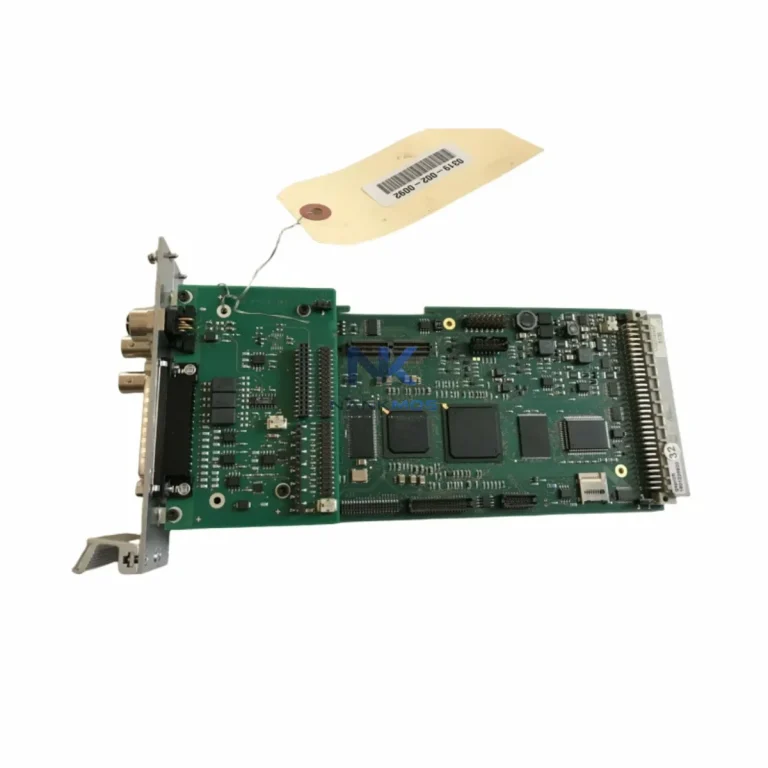
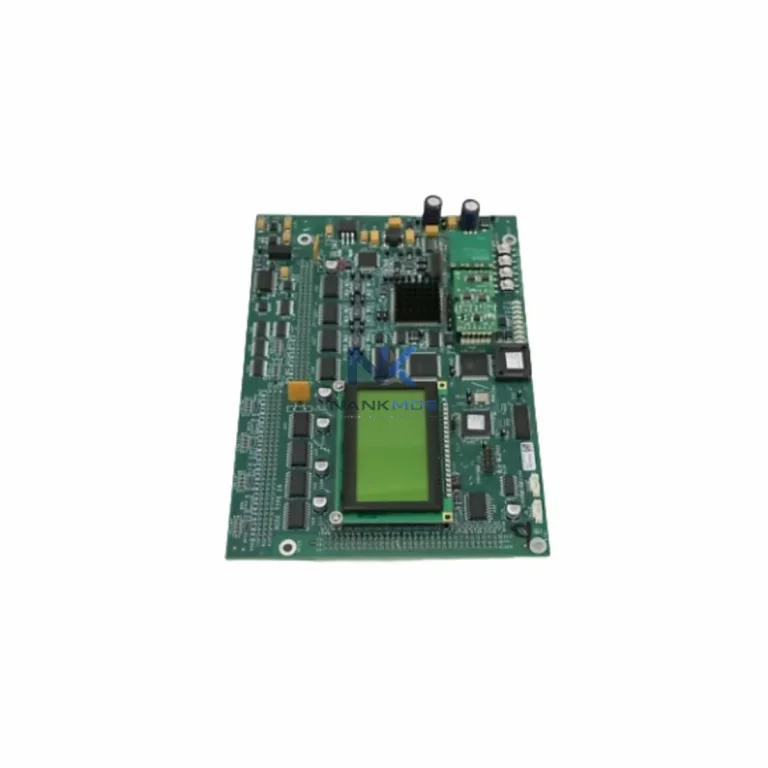
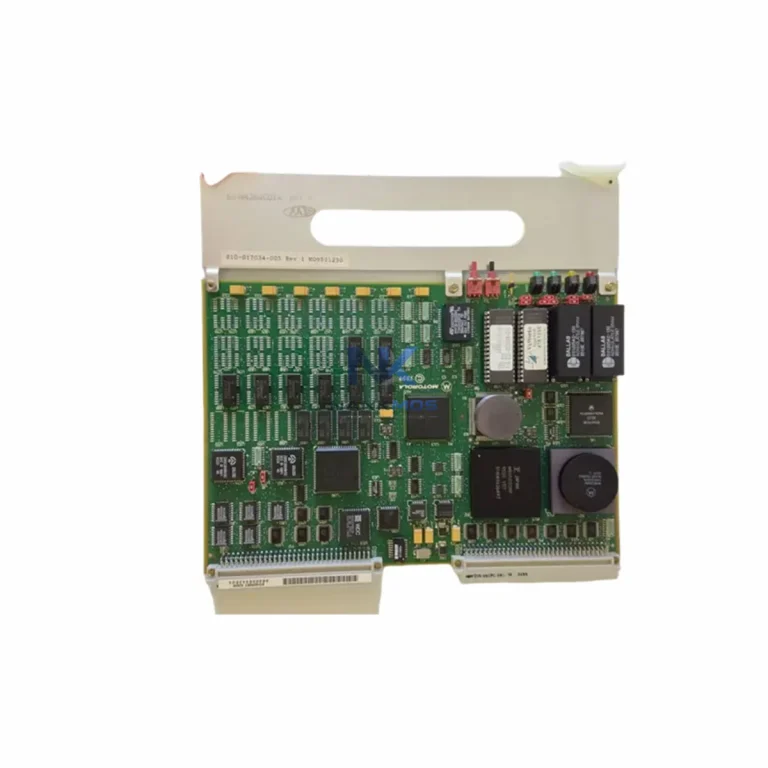
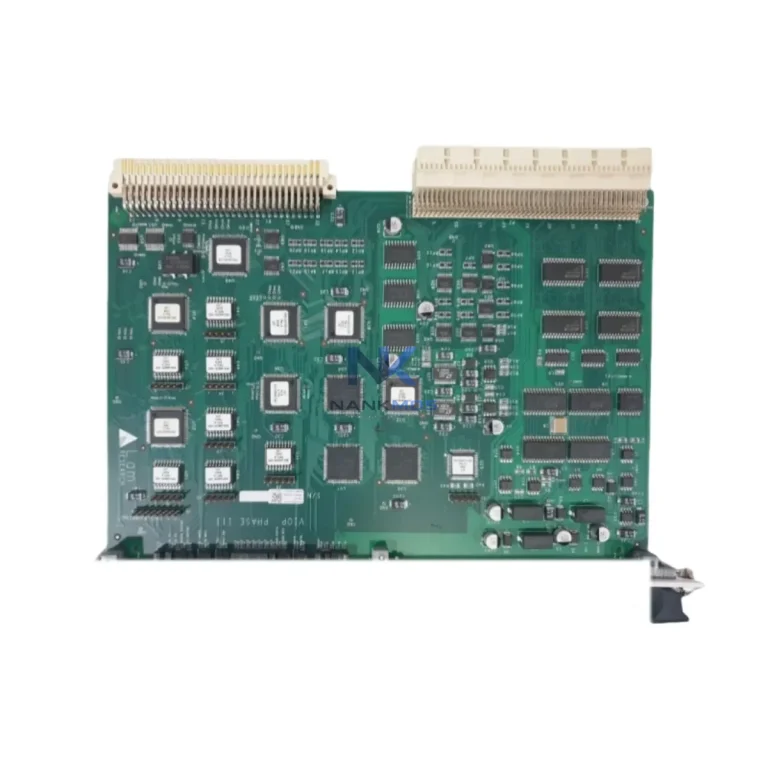
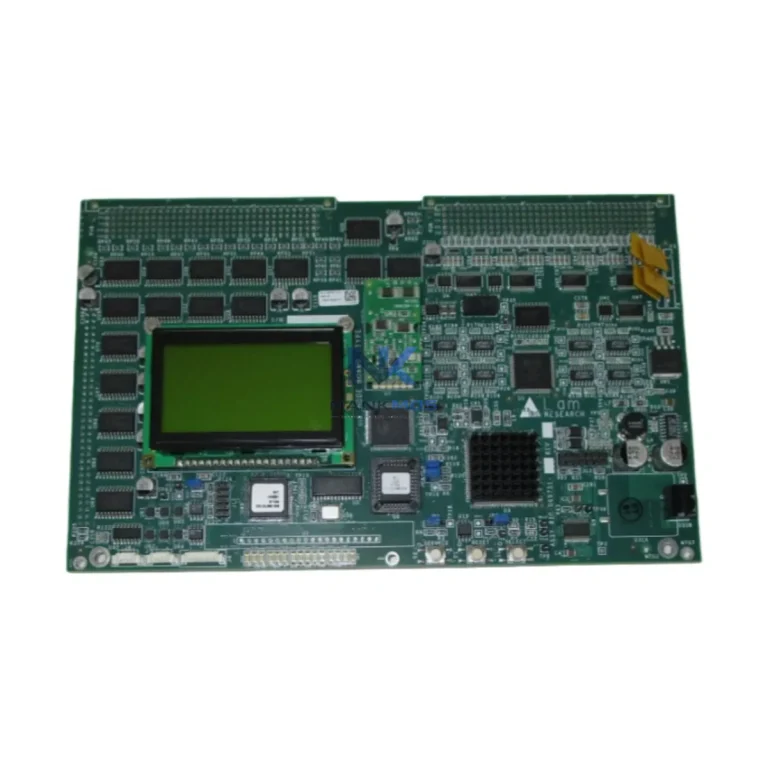
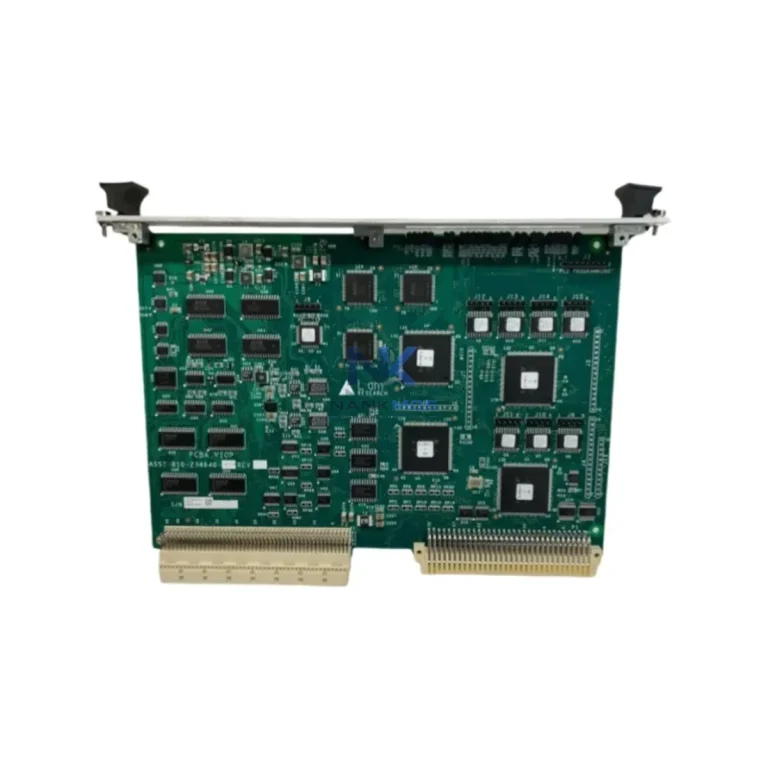
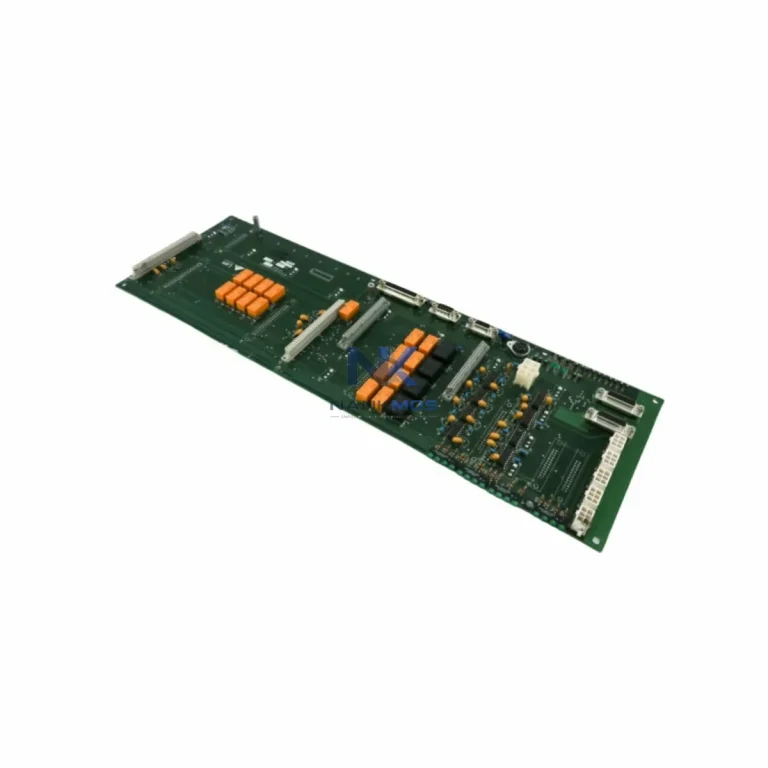
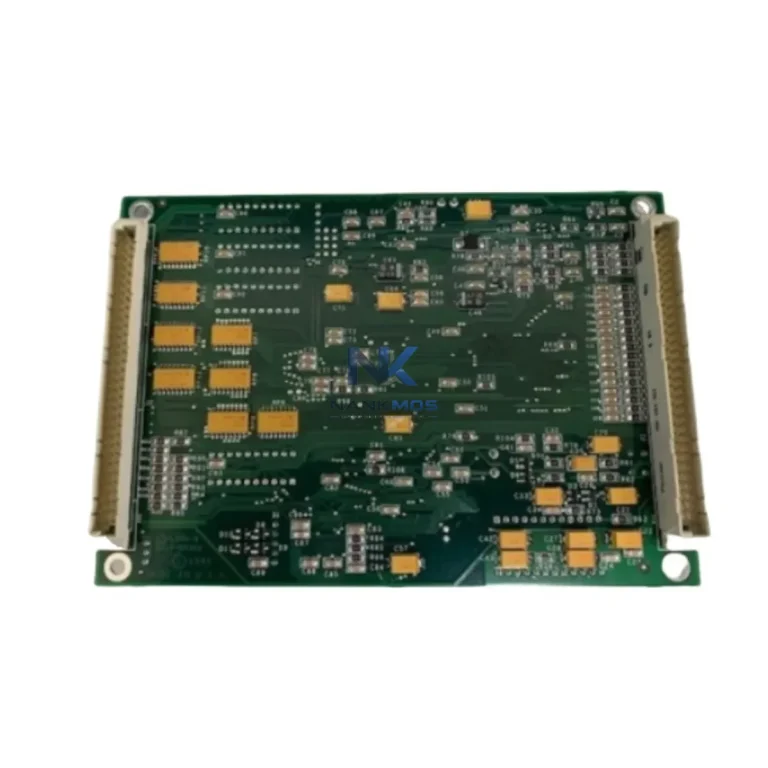
Functional Inspection
100% tested on professional platforms to ensure stable performance.
Lam Research VME-7671-421000 605-048878-001 3VCCPU AHCT 210000520 210000422 9800032722 W/ENCODER RH-11D-3001-E100AL-SP(N) is a NANKMOS industrial automation product record Listed under Other series series and Business & Industrial > Automation, Control & Flow Devices > Programmable Logic Controllers. Confirm condition, availability, lead time, compatibility and documentation by email inquiry.
Brand names are used for identification only.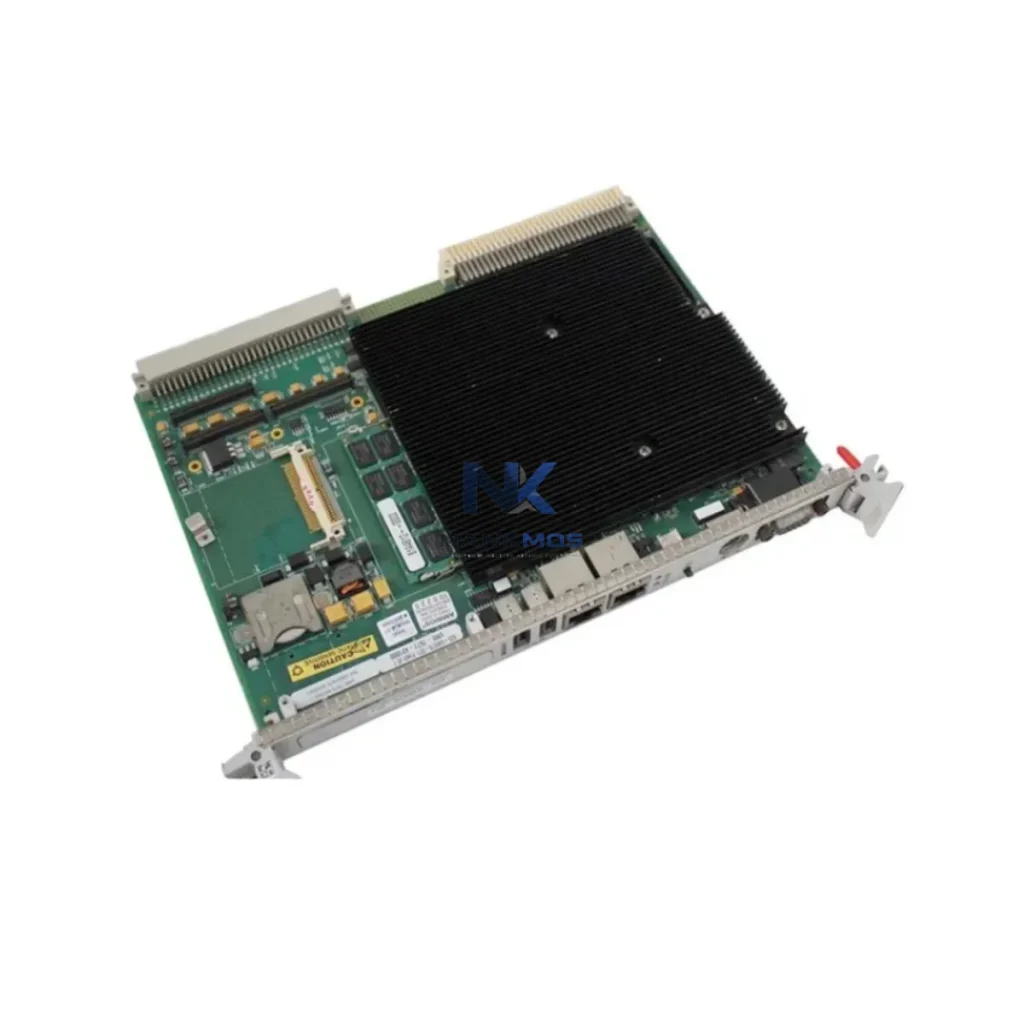
Lam Research VME-7671-421000 605-048878-001 3VCCPU AHCT 210000520 210000422 9800032722 W/ENCODER RH-11D-3001-E100AL-SP(N) is a NANKMOS industrial automation product record Listed under Other series series and Business & Industrial > Automation, Control & Flow Devices > Programmable Logic Controllers. Confirm condition, availability, lead time, compatibility and documentation by email inquiry.
| Manufacturer | Lam Research |
|---|---|
| Application | Controller Processing & System Control |
| Part Number / Model | VME-7671-421000 605-048878-001 3VCCPU AHCT 210000520 210000422 9800032722 W/ENCODER RH-11D-3001-E100AL-SP(N) |
| Compatible System | Confirmed by inquiry |
| Condition Options | To Confirm |
| Module Type | Controller / CPU Module |
| Warranty | 12 Months |
| Packaging | Anti-static Bag / Secure Box |
| Shipping Methods | DHL / FedEx / UPS / Air / Sea |
| Availability | To Confirm |
| Lead Time | To Confirm |
| Documentation | Part number and revision checked before quote |
The Lam Research VME-7671-421000 is a high-performance CPU board engineered for deployment within VMEbus-based industrial control architectures. Carrying part references including 605-048878-001, 3VCCPU AHCT, 210000520, 210000422, and 9800032722, this board serves as the central processing unit within multi-slot VME chassis environments, coordinating real-time control tasks across I/O, communication, motion, and diagnostic subsystems. Designed for demanding semiconductor fabrication and precision process control applications, the VME-7671-421000 delivers deterministic execution, robust signal handling, and long-term operational stability — all backed by a 12-Month Warranty and full Contextual Integration support.
In modern automated control platforms, the CPU board is the architectural keystone. The VME-7671-421000 occupies this role within Lam Research VME-based systems, managing process sequencing, interlock logic, sensor data acquisition, and real-time feedback loops. Its compatibility with the RH-11D-3001-E100AL-SP(N) encoder interface further extends its motion coordination capability, enabling precise axis control in wafer handling and chamber positioning subsystems.
The VME-7671-421000 CPU board does not operate in isolation — it functions as the command nucleus of a layered VME control platform. In a fully configured Lam Research process control system, this board interfaces directly with VME-based I/O modules that aggregate analog and digital signals from chamber sensors, pressure transducers, and flow controllers. The backplane architecture allows the CPU to communicate with dedicated digital I/O boards, analog output cards, and motion control modules through the high-speed VMEbus interconnect, ensuring deterministic cycle times and synchronized multi-axis coordination.
At the communication layer, the VME-7671-421000 supports integration with serial communication interfaces and fieldbus gateway modules that bridge the VME backplane to higher-level supervisory systems. In semiconductor fab environments, this typically includes connections to SECS/GEM-compliant host interfaces, enabling MES-level process data exchange and recipe management. Alongside the CPU board, VME power supply modules — such as dedicated +5V/±12V VME chassis PSUs — provide the regulated electrical foundation that ensures signal integrity across all installed cards.
The encoder interface compatibility with the RH-11D-3001-E100AL-SP(N) positions this CPU board as a motion-aware controller, capable of receiving quadrature encoder feedback for wafer transfer robot positioning, lift pin actuation, and chamber door sequencing. In multi-axis configurations, the board coordinates with dedicated servo drive modules and stepper motor controllers installed in adjacent VME slots, maintaining positional accuracy within tight process tolerances.
At the HMI layer, operator workstations running Lam Research proprietary process control software communicate with the VME-7671-421000 through Ethernet or serial links, providing recipe download, alarm acknowledgment, and real-time process visualization. Diagnostic modules installed in the same VME chassis can perform background self-test routines, flagging board-level faults without interrupting active process cycles. This architecture supports predictive maintenance workflows and reduces unplanned downtime in high-throughput production environments.
For redundancy-critical applications, the VME platform supports hot-standby CPU configurations where a secondary VME-7671-series board monitors the primary and assumes control upon fault detection. This redundancy design is particularly relevant in etch and CVD process chambers where process interruption carries significant yield and equipment risk. The modular VME form factor also simplifies board-level replacement during scheduled maintenance windows, with the CPU board extractable from the live chassis without full system shutdown in supported configurations.
Semiconductor Fabrication: The VME-7671-421000 is purpose-built for Lam Research etch and deposition systems, where it manages plasma process sequencing, RF power control interlocks, and wafer handling robot coordination. Its deterministic VMEbus architecture ensures that time-critical process steps — such as gas valve actuation and endpoint detection — execute within defined timing windows, protecting wafer yield and chamber integrity.
Precision Process Control: In chemical vapor deposition (CVD) and atomic layer deposition (ALD) environments, the CPU board orchestrates multi-zone temperature control loops, mass flow controller setpoints, and chamber pressure regulation. The board's ability to process encoder feedback in real time supports closed-loop control of susceptor rotation and wafer lift mechanisms, critical for film uniformity across the wafer surface.
Automated Test and Metrology: VME-based CPU boards like the VME-7671-421000 are also deployed in automated wafer inspection and metrology platforms, where they coordinate stage motion, optical sensor triggering, and data acquisition from multiple measurement channels. The VMEbus architecture provides the bandwidth and determinism required for high-speed data capture without measurement latency.
Cleanroom-Compatible Industrial Automation: Beyond semiconductor applications, the VME-7671-421000 is applicable in any cleanroom or controlled-environment automation system requiring a robust, standards-compliant CPU platform. Its VMEbus compliance ensures compatibility with a broad ecosystem of third-party I/O, communication, and motion control modules, supporting long-term system expandability and vendor flexibility.
Q1: Is the VME-7671-421000 compatible with standard VMEbus chassis and third-party I/O modules? Yes. The VME-7671-421000 conforms to the VMEbus IEEE 1014 standard, ensuring mechanical and electrical compatibility with standard 6U VME chassis and a wide range of VMEbus-compliant I/O, communication, and motion control modules from multiple manufacturers. System integrators should verify slot addressing and interrupt configuration against their specific chassis backplane to ensure conflict-free operation.
Q2: What pre-shipment testing and quality assurance procedures are applied to this board? Every VME-7671-421000 unit undergoes functional power-on testing and board-level diagnostics prior to shipment. Units are verified for bus communication integrity, encoder interface continuity, and voltage rail stability. All boards are covered by a 12-Month Warranty from the date of shipment, with technical support available for installation, configuration, and Contextual Integration into existing VME control architectures.
Q3: How should this CPU board be integrated into an existing Lam Research VME system during a maintenance replacement? Board replacement should follow Lam Research system maintenance procedures, including proper ESD precautions, chassis power-down sequencing, and post-installation boot diagnostics. After physical installation, the replacement board should be configured with the correct node address, interrupt levels, and memory map settings to match the outgoing unit. Contextual Integration support is available to assist engineering teams with configuration verification, system bring-up, and process qualification after board replacement, minimizing production downtime.
Functional Inspection100% tested on professional platforms to ensure stable performance.
 Anti-static Packaging
Modules are packed in anti-static bags to prevent electrostatic damage.
 Secure Export Packing
Cushion protection and strong cartons ensure safe transportation.
 Worldwide Shipping
Global logistics network supports air, sea and express delivery.
 Documentation Check
Part number, revision and compatibility verified before shipment.
 After-sales Support
Professional technical support to help resolve your issues.