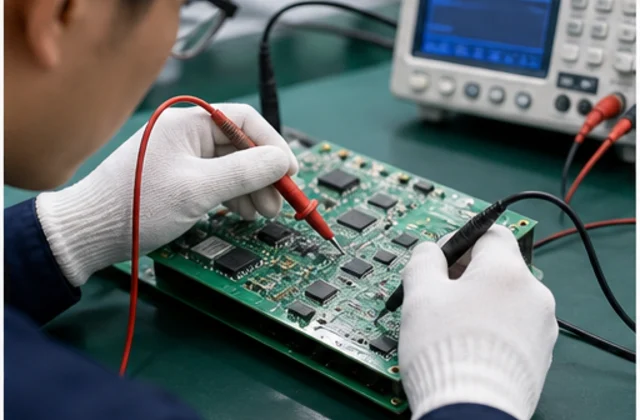
 Functional Inspection
100% tested on professional platforms to ensure stable performance.
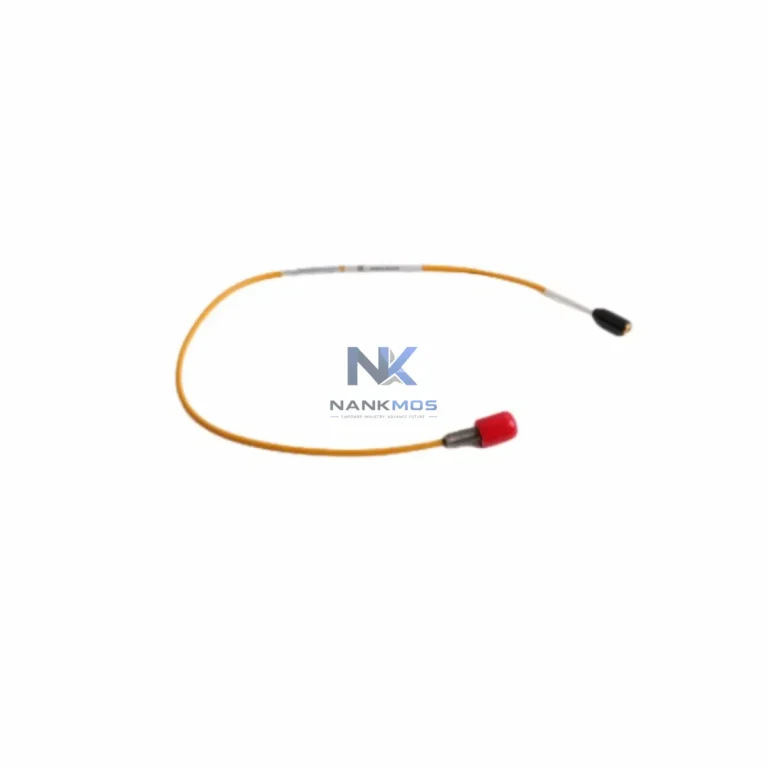
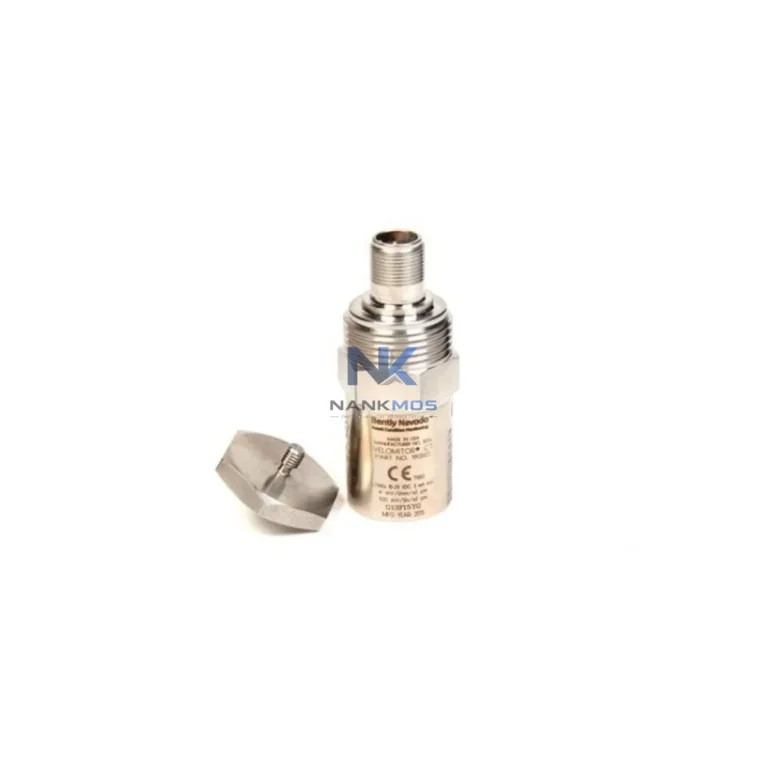
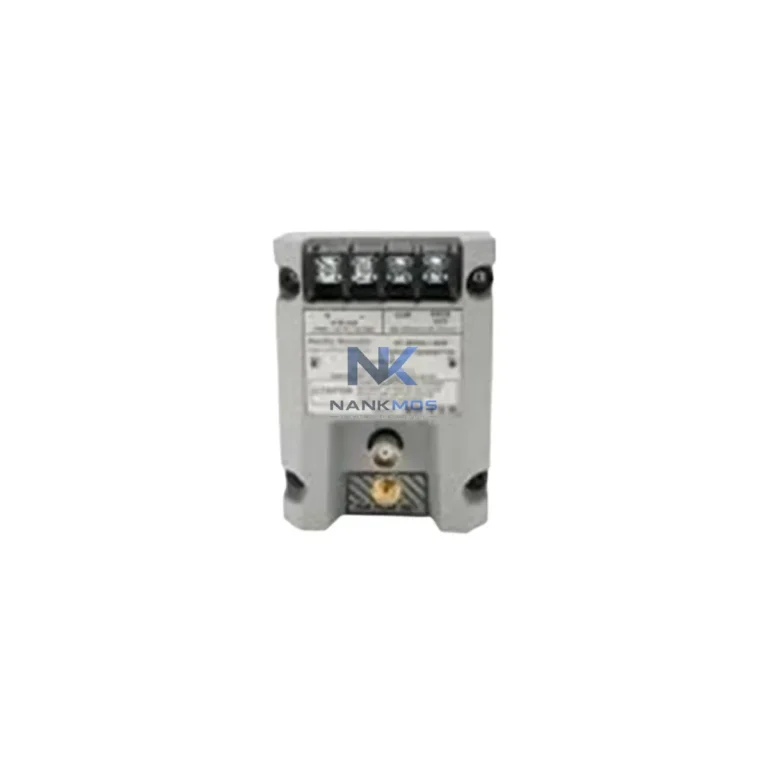
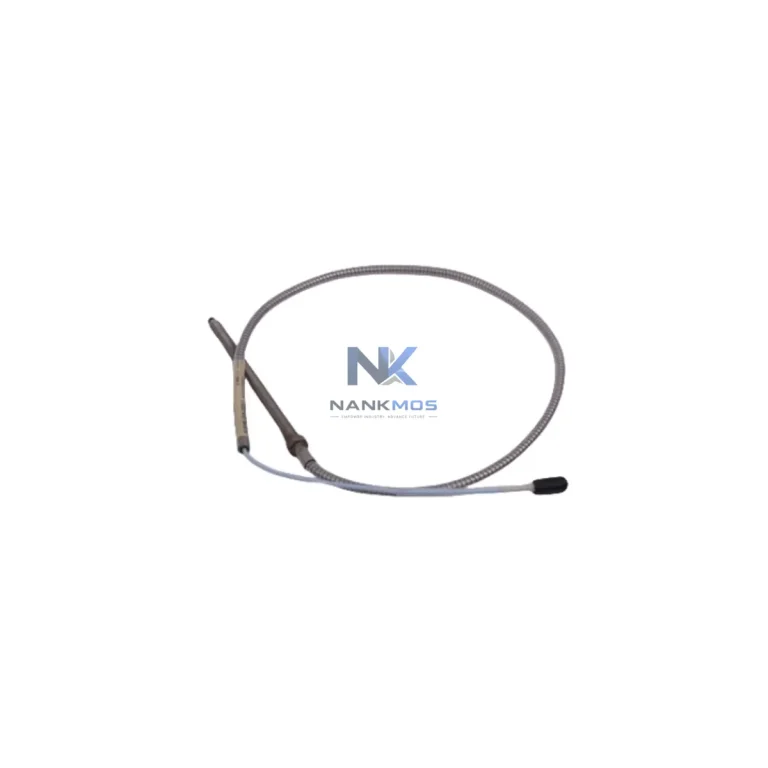
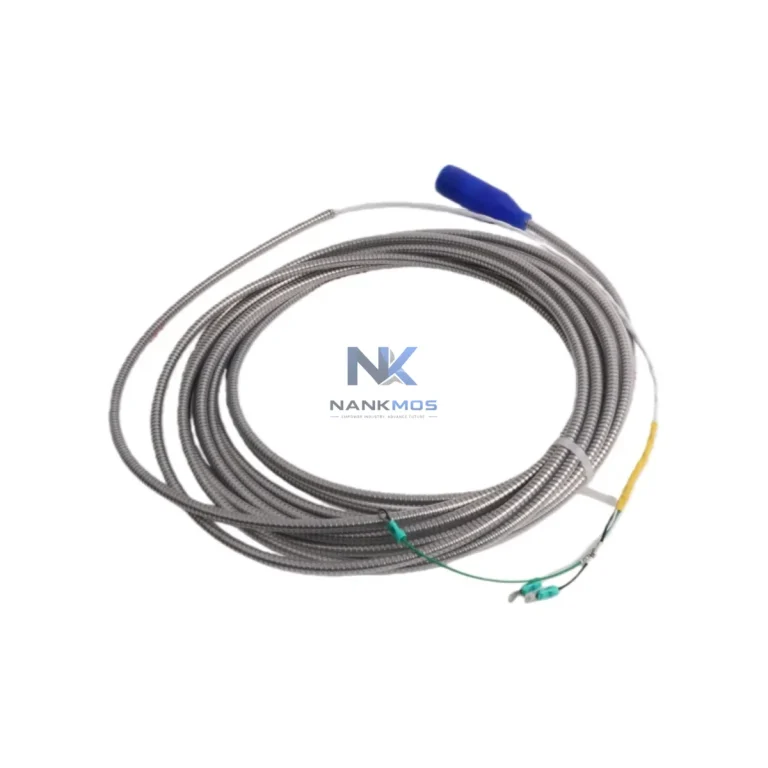
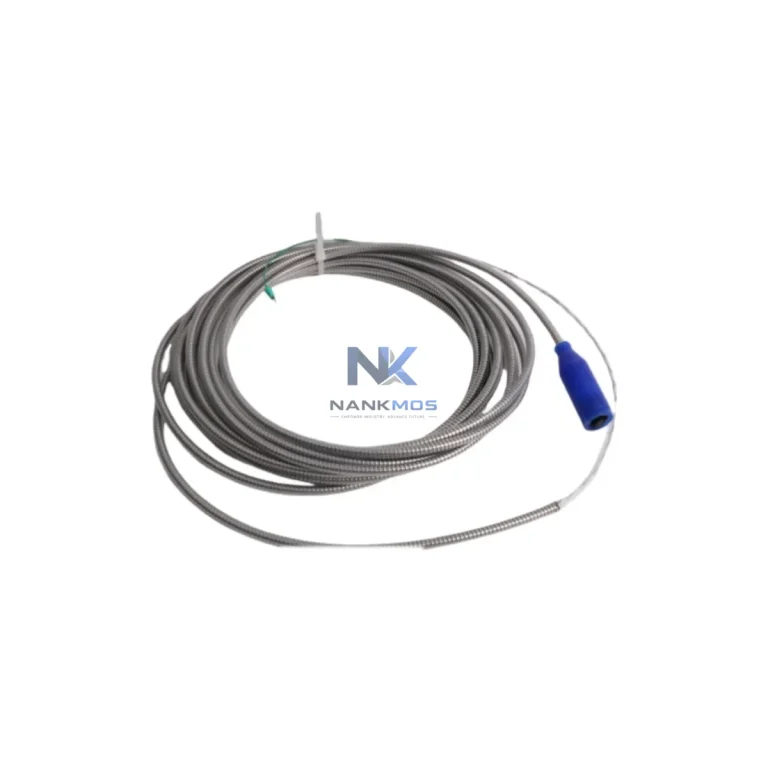
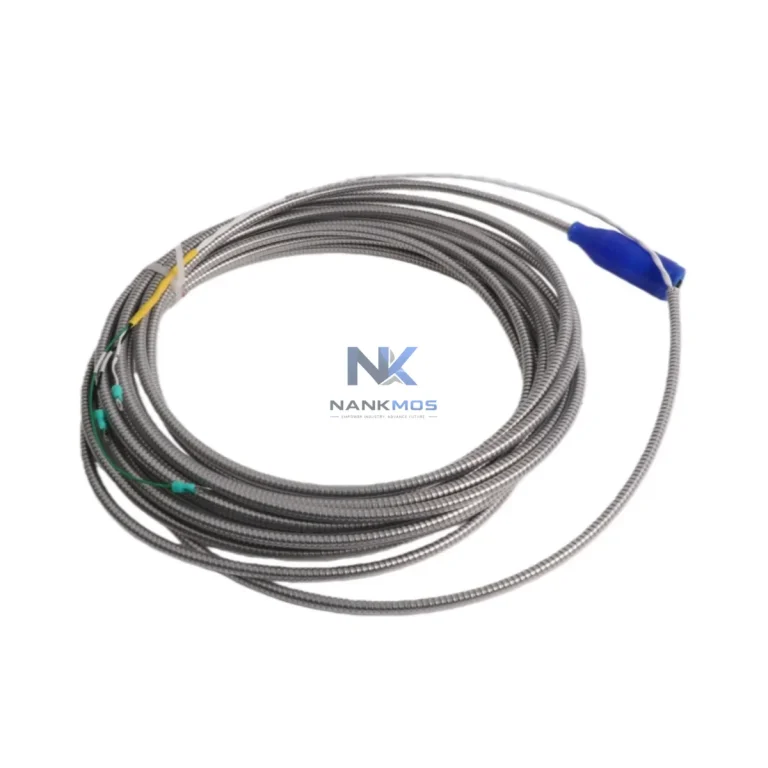
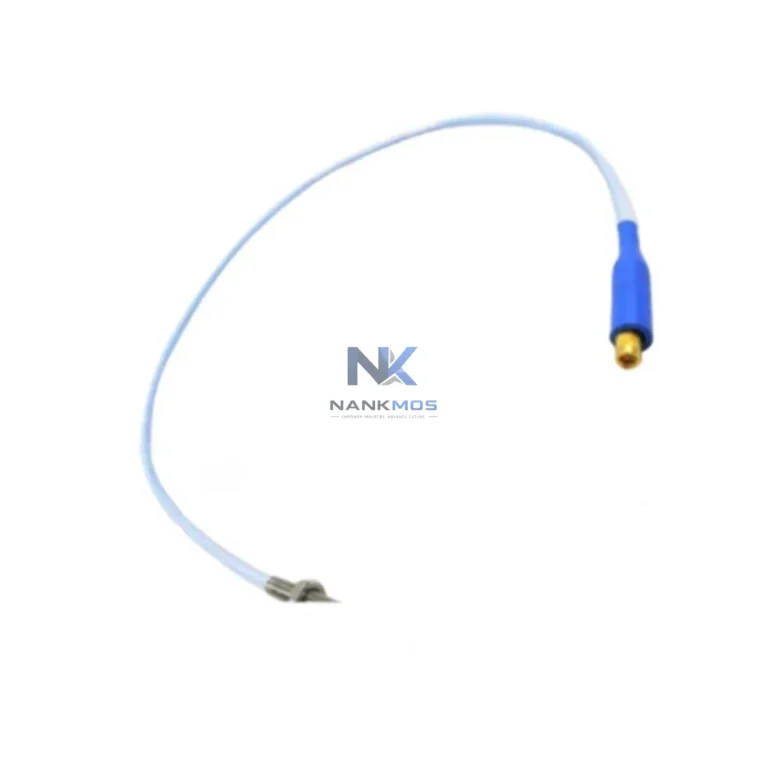
Bently Nevada 170133-090-00 is a NANKMOS industrial automation product record Listed under 3300 Series series and Sensors. Confirm condition, availability, lead time, compatibility and documentation by email inquiry.
Brand names are used for identification only.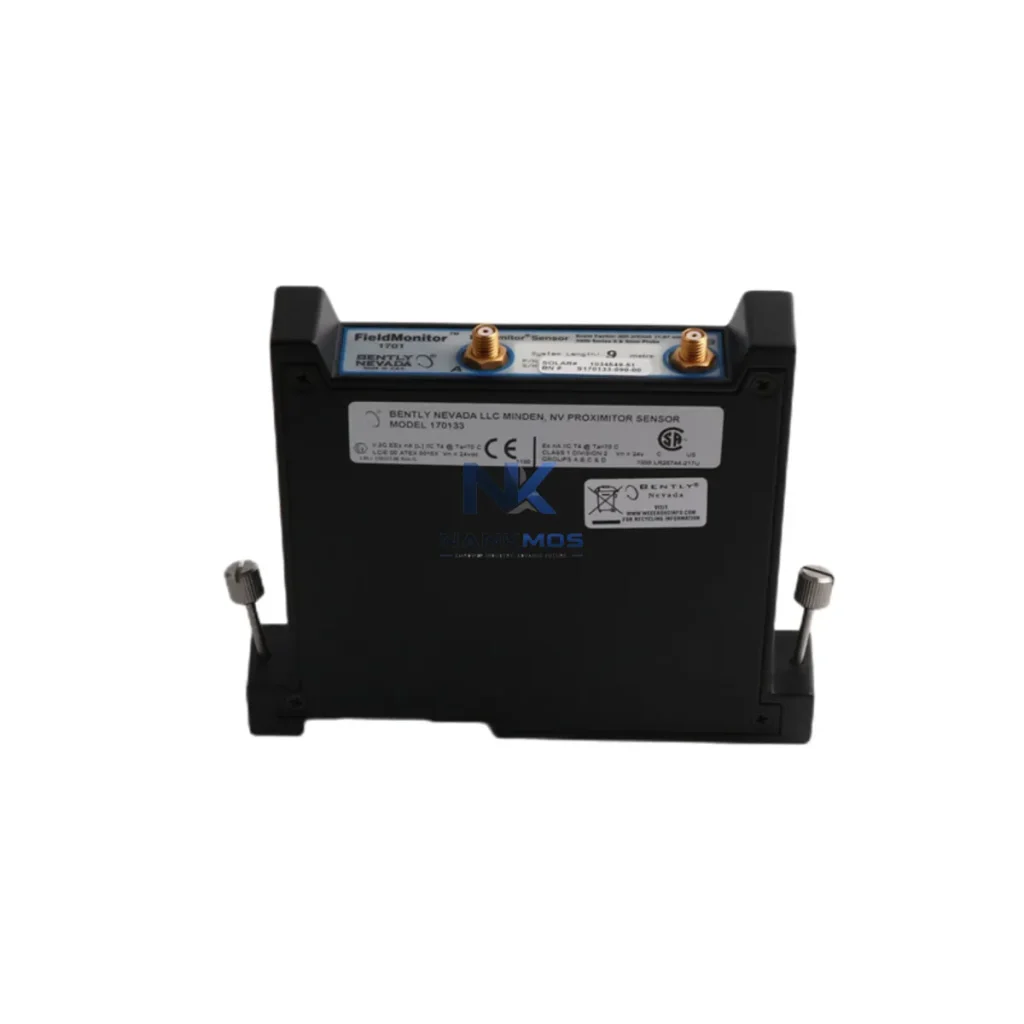
Bently Nevada 170133-090-00 is a NANKMOS industrial automation product record Listed under 3300 Series series and Sensors. Confirm condition, availability, lead time, compatibility and documentation by email inquiry.
| Manufacturer | Bently Nevada |
|---|---|
| Application | Turbine & Condition Monitoring |
| Part Number / Model | 170133-090-00 |
| Compatible System | 3300 Series |
| Series | 3300 Series |
| Condition Options | To Confirm |
| Module Type | Monitoring Module |
| Warranty | 12 Months |
| Packaging | Anti-static Bag / Secure Box |
| Shipping Methods | DHL / FedEx / UPS / Air / Sea |
| Availability | To Confirm |
| Lead Time | To Confirm |
| Documentation | Part number and revision checked before quote |
The Bently Nevada 170133-090-00 is a precision eddy-current Proximitor Sensor engineered for the 3300 Series vibration monitoring platform. Designed for continuous, real-time shaft displacement and vibration measurement on rotating machinery, this module serves as a critical data acquisition node within the industrial data chain — bridging raw mechanical signals from field sensors to PLC controllers, SCADA systems, DCS platforms, and HMI dashboards across the smart factory network.
In modern industrial connectivity architectures, the 170133-090-00 functions as the front-end signal conditioner and transmitter, converting eddy-current proximity probe signals into standardized 4–20mA analog outputs and Modbus RTU/TCP digital data streams. This dual-output capability ensures seamless integration with both legacy analog control loops and contemporary digital fieldbus networks, eliminating protocol barriers that commonly create data silos in mixed-generation automation environments.
The sensor's output feeds directly into Bently Nevada 3300/16 rack-mounted monitoring systems, where vibration amplitude, phase, and gap voltage data are processed and forwarded upstream. From the rack, data travels via Modbus TCP to plant-level SCADA servers — such as those running on GE iFIX, Wonderware AVEVA, or Siemens WinCC — enabling operators to visualize shaft orbit plots, trend vibration levels, and configure alarm thresholds from centralized control rooms or remote diagnostic terminals.
The 170133-090-00 anchors the signal acquisition layer of a complete industrial data chain. Paired with a Bently Nevada 3300/16 XY Proximitor Monitor, it captures radial shaft vibration from turbines, compressors, pumps, and motors — machinery types where undetected imbalance or misalignment can trigger catastrophic failure. The monitor rack aggregates multi-channel vibration data and outputs structured Modbus frames to the plant network.
At the network layer, an industrial Ethernet switch — such as a Moxa EDS-308 or Hirschmann RS20 — routes Modbus TCP traffic from the 3300 Series rack to the plant's control backbone. This managed switch infrastructure ensures deterministic latency and VLAN segmentation between the vibration monitoring subnet and the broader OT network, preventing data collisions that could delay alarm propagation.
The vibration data stream then reaches a Siemens S7-1500 PLC or Allen-Bradley ControlLogix controller, where it is cross-referenced with process variables from other field instruments — including Endress+Hauser flow transmitters, Rosemount 3051 pressure sensors, and thermocouple input modules — to build a composite machine health picture. The PLC's Modbus TCP client function block polls the 3300 rack at configurable intervals, ensuring no vibration event goes unlogged.
For facilities deploying edge computing, a Moxa UC-8112 edge gateway or Advantech WISE-5000 remote I/O module can be inserted between the 3300 rack and the cloud analytics platform. These edge nodes pre-process vibration waveforms locally, applying FFT analysis to identify bearing defect frequencies before forwarding compressed diagnostic packets to cloud-based predictive maintenance platforms — reducing upstream bandwidth consumption while preserving diagnostic fidelity.
At the SCADA and HMI layer, operators interact with vibration data through Bently Nevada System 1 Evolution software or third-party SCADA platforms. Real-time shaft orbit displays, Bode plots, and waterfall diagrams give maintenance engineers the visibility needed to schedule planned shutdowns before vibration levels breach API 670 trip setpoints. Integration with Yokogawa CENTUM VP DCS or Emerson DeltaV further enables automated interlock logic — where excessive vibration automatically triggers variable frequency drive (VFD) speed reduction or emergency shutdown sequences.
Remote diagnostic capability is a defining value of this data chain. With the 170133-090-00 feeding live data into a Modbus-connected network, plant engineers can access vibration trends from off-site locations via secure VPN tunnels, reviewing alarm histories, comparing baseline signatures, and issuing corrective maintenance work orders — all without physical presence at the machine skid.
Many industrial facilities operate mixed-protocol environments where legacy 4–20mA vibration transmitters cannot communicate directly with modern Modbus TCP networks. The 170133-090-00's dual analog/digital output architecture resolves this integration gap, allowing it to serve both existing analog DCS inputs and new digital fieldbus segments simultaneously — without requiring parallel wiring runs or signal splitters.
Data island problems are common in rotating machinery monitoring when vibration data remains trapped within standalone protection relay panels, disconnected from the plant SCADA historian. By routing 170133-090-00 output through a Modbus-capable PLC or edge gateway, vibration records are automatically written to the plant's OSIsoft PI historian or SQL-based data warehouse, making them available for cross-system correlation with process flow, temperature, and energy consumption data.
Remote monitoring gaps — particularly in unmanned substations, offshore platforms, and remote compressor stations — are addressed by the sensor's compatibility with cellular or satellite-connected Modbus RTU-to-TCP converters. A Moxa NPort 5150 or similar serial device server can bridge the 3300 rack's RS-485 Modbus output to an Ethernet WAN link, enabling 24/7 remote vibration surveillance without dedicated fiber infrastructure.
Production line transparency is enhanced when vibration data is visualized alongside OEE metrics on plant dashboards. Integrating the 170133-090-00 data stream into MES platforms — via OPC-UA gateways that translate Modbus registers to OPC-UA nodes — allows production managers to correlate machine health trends with throughput KPIs, identifying whether vibration-related slowdowns are impacting shift output targets.
Alarm tracking and escalation workflows benefit from the sensor's deterministic Modbus polling architecture. Alarm events are timestamped at the PLC level and forwarded to SCADA alarm management systems compliant with ISA-18.2, ensuring that every vibration exceedance is logged, attributed, and routed to the correct maintenance team via email or SMS notification — closing the loop between field event and corrective action.
Q1: What communication protocols does the Bently Nevada 170133-090-00 support, and is it compatible with modern SCADA systems?The 170133-090-00 outputs a standard 4–20mA analog signal and supports Modbus RTU/TCP digital communication via the 3300 Series monitoring rack. This makes it directly compatible with SCADA platforms including GE iFIX, Wonderware AVEVA, Siemens WinCC, and Emerson DeltaV, as well as any PLC or DCS system with Modbus client capability. No additional protocol converter is required for most modern control architectures.
Q2: How is network stability and data integrity maintained during continuous vibration monitoring?The 3300 Series rack architecture uses dedicated Modbus polling cycles with configurable timeout and retry parameters, ensuring that transient network interruptions do not result in missed alarm events. Managed industrial Ethernet switches with RSTP/ring redundancy protocols further protect the data path, maintaining sub-50ms failover times in the event of a network link failure. All vibration data is buffered locally in the rack until successfully acknowledged by the upstream SCADA or PLC host.
Q3: Can the 170133-090-00 be integrated into an existing system without replacing current wiring infrastructure?Yes. The module's 4–20mA output is backward-compatible with existing analog input cards on legacy DCS and PLC platforms, allowing drop-in replacement of older Proximitor modules without rewiring. For facilities transitioning to digital fieldbus, the Modbus output can be activated in parallel, enabling a phased migration where analog and digital data paths coexist during the transition period.
Q4: What does the 12-month warranty cover, and what is the typical lead time for delivery?Every 170133-090-00 unit supplied by NANKMOS is covered by a 12-month warranty against manufacturing defects and functional failures under normal operating conditions. Each unit undergoes pre-shipment functional testing to verify output signal accuracy and communication integrity before dispatch. Ready stock units typically ship within 3–5 business days. For bulk orders or project-specific lead time requirements, contact our technical sales team directly.
Functional Inspection100% tested on professional platforms to ensure stable performance.
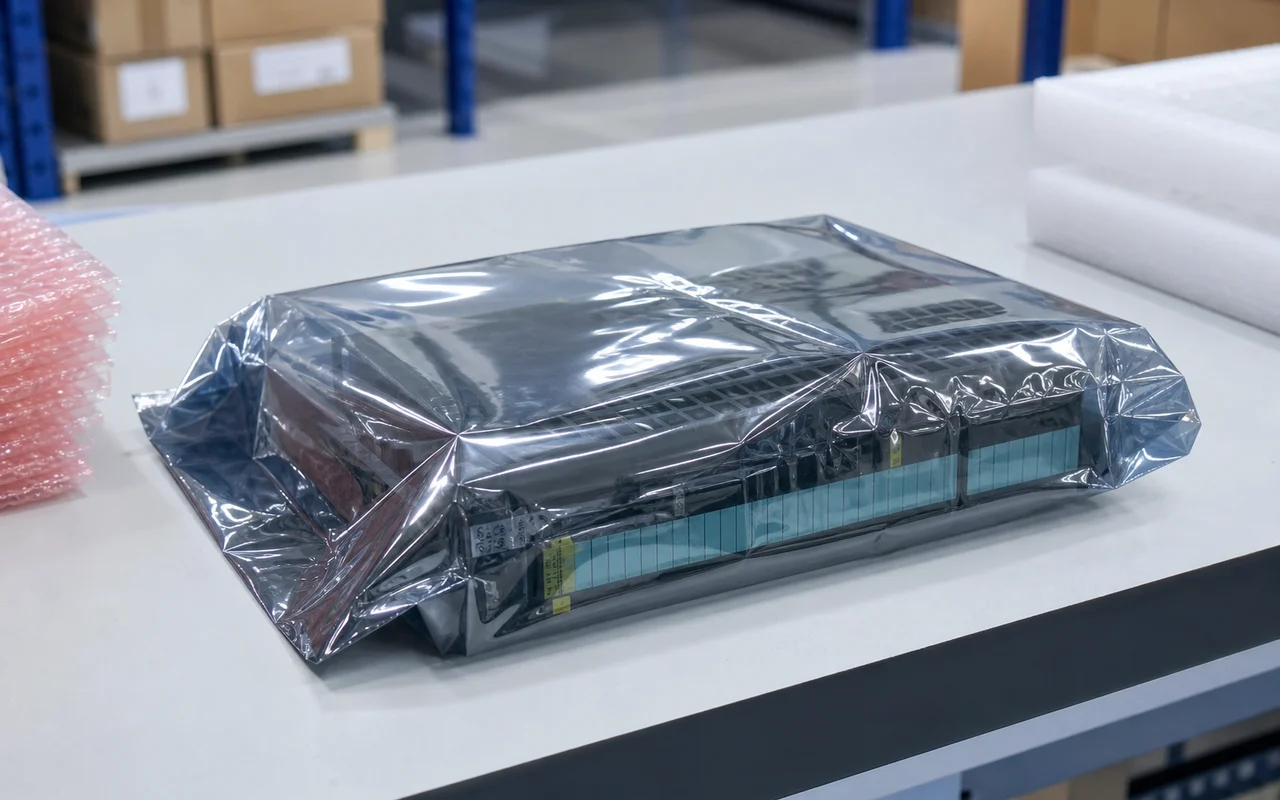 Anti-static Packaging
Modules are packed in anti-static bags to prevent electrostatic damage.
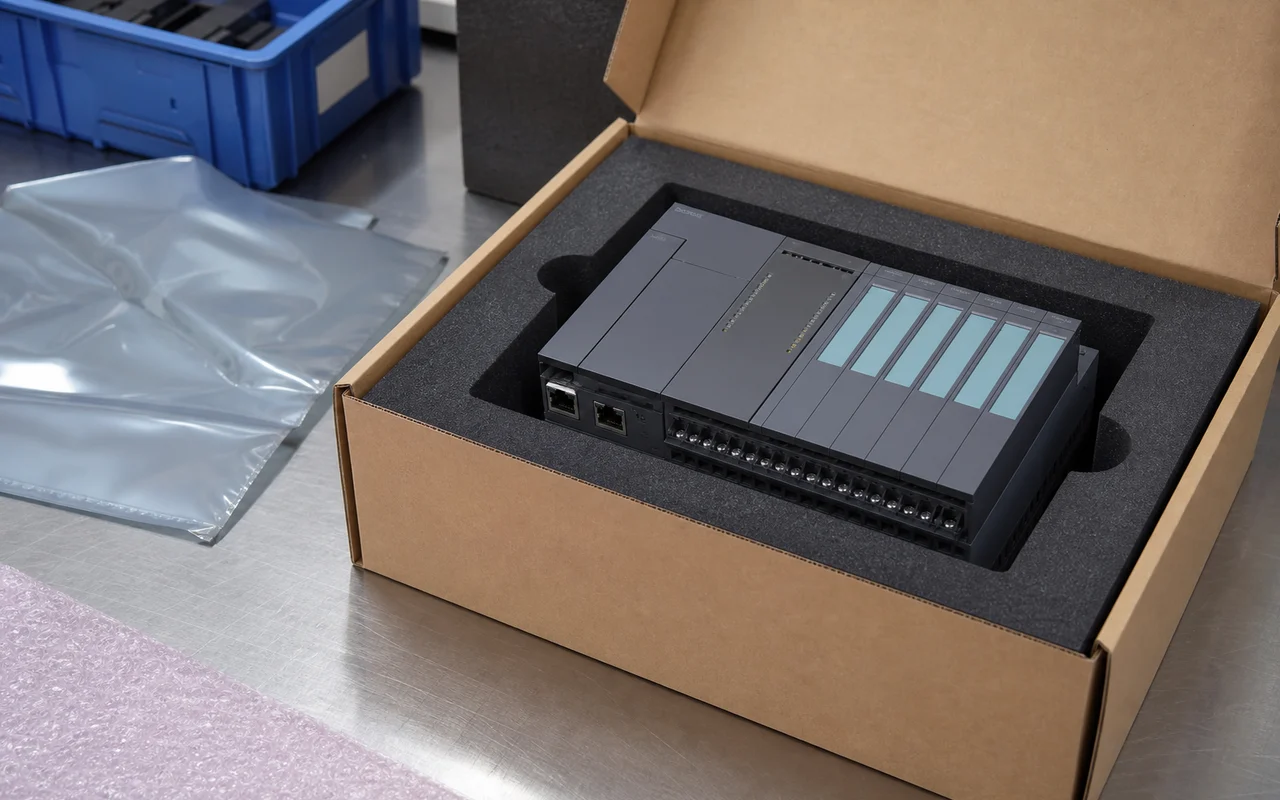 Secure Export Packing
Cushion protection and strong cartons ensure safe transportation.
 Worldwide Shipping
Global logistics network supports air, sea and express delivery.
 Documentation Check
Part number, revision and compatibility verified before shipment.
 After-sales Support
Professional technical support to help resolve your issues.