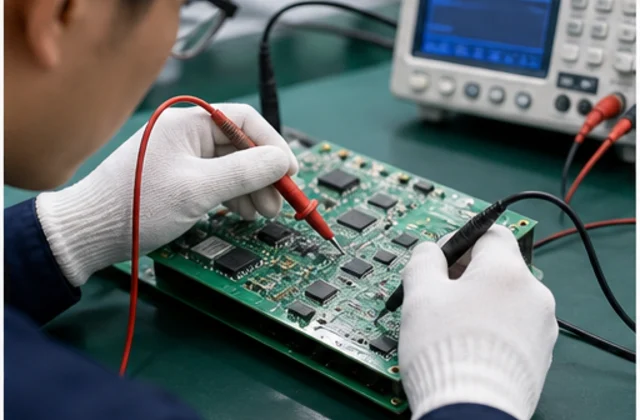
 Functional Inspection
100% tested on professional platforms to ensure stable performance.
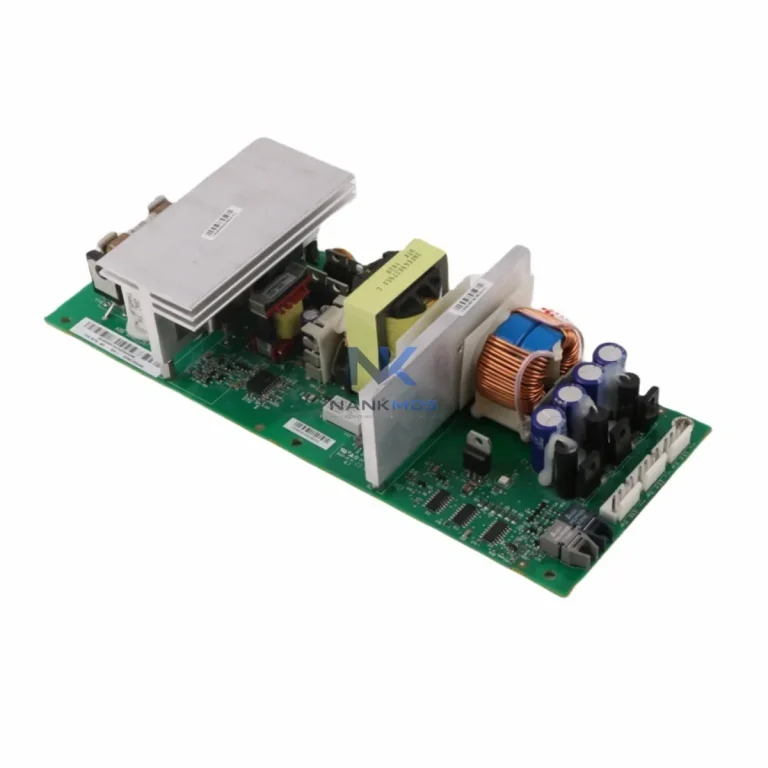
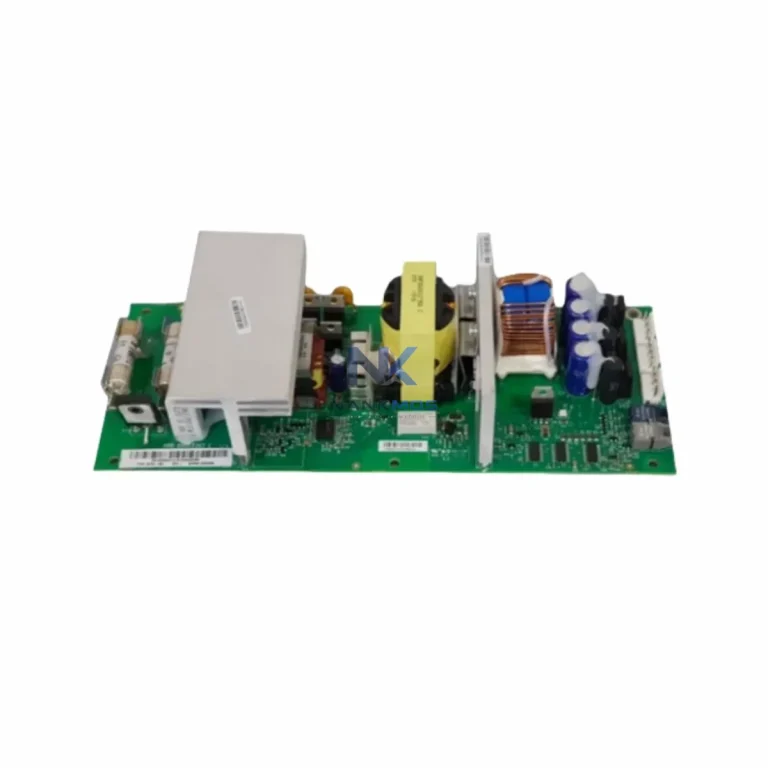
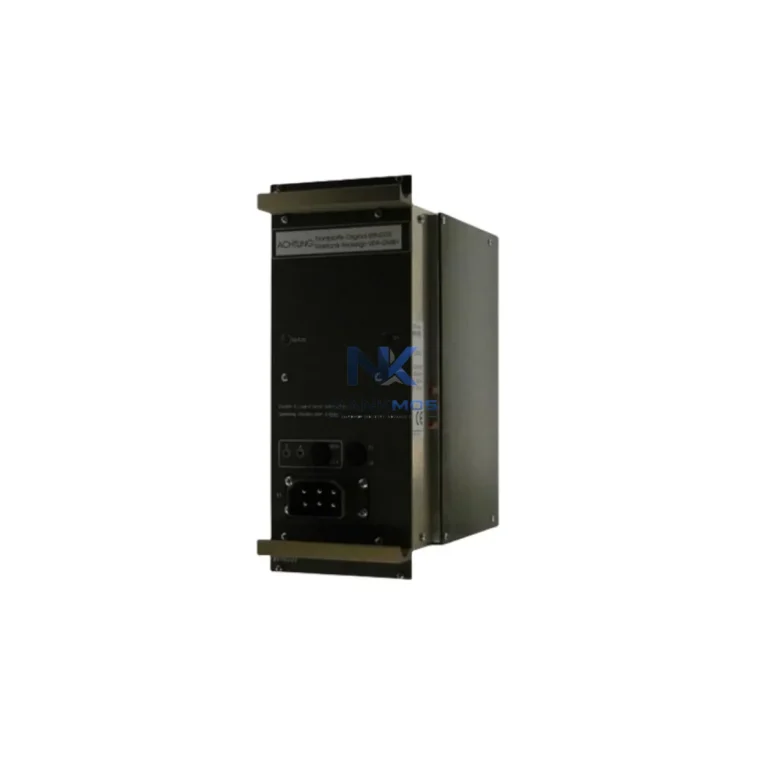
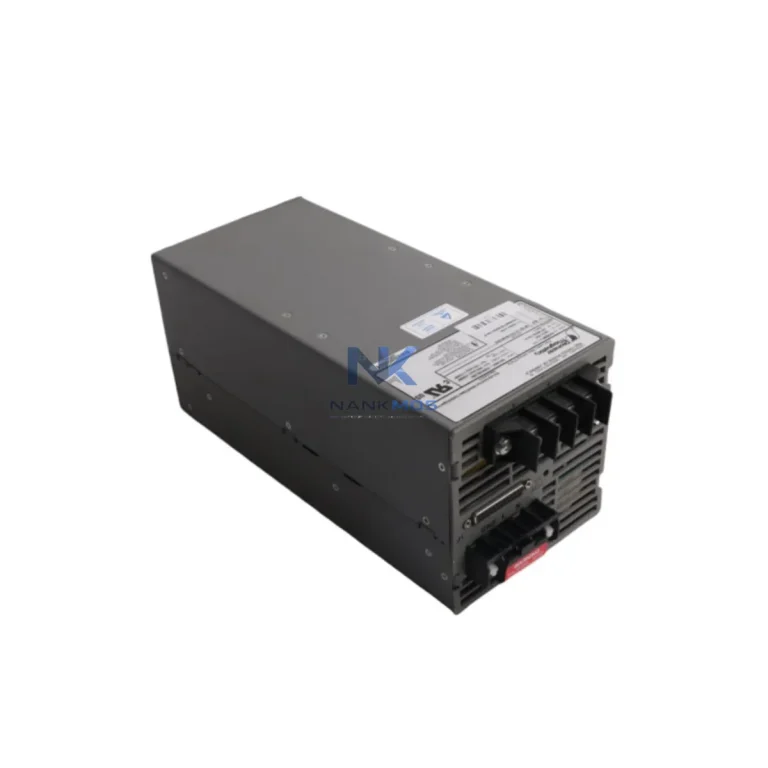
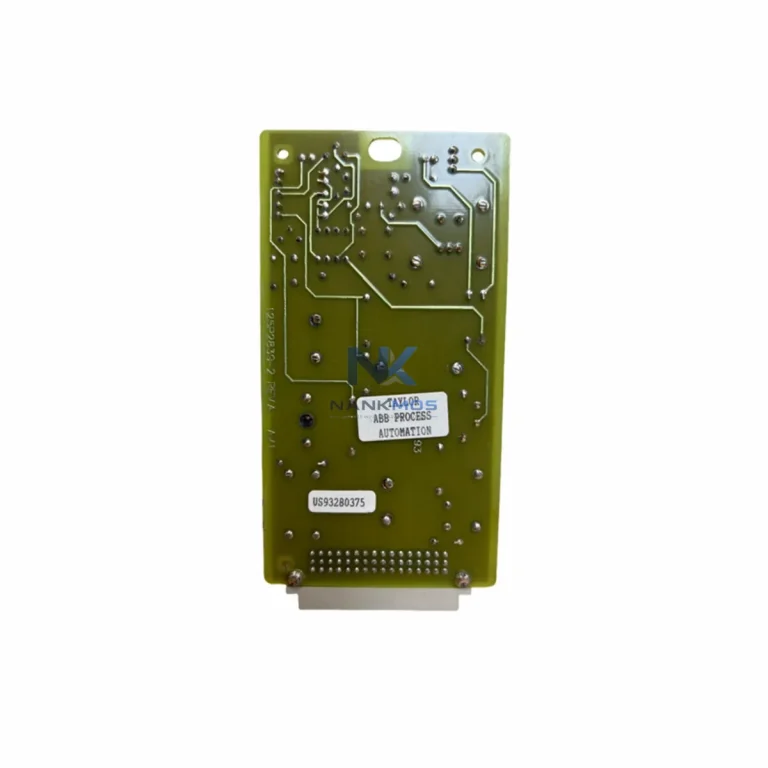
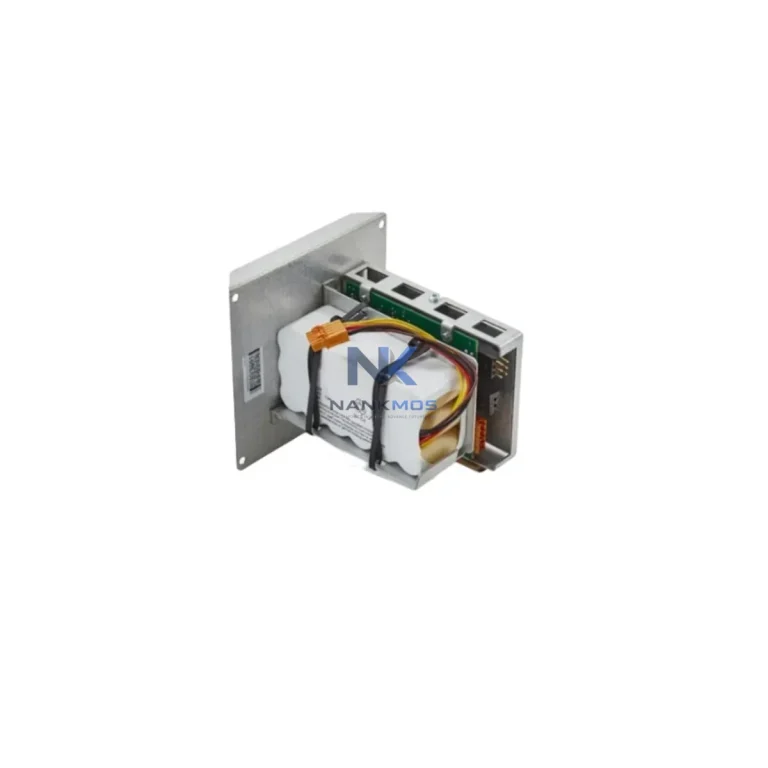
ABB APOW-11C 3AUA0000061236 is a NANKMOS industrial automation product record Listed under ACS880 series and Power Supplies. Confirm condition, availability, lead time, compatibility and documentation by email inquiry.
Brand names are used for identification only.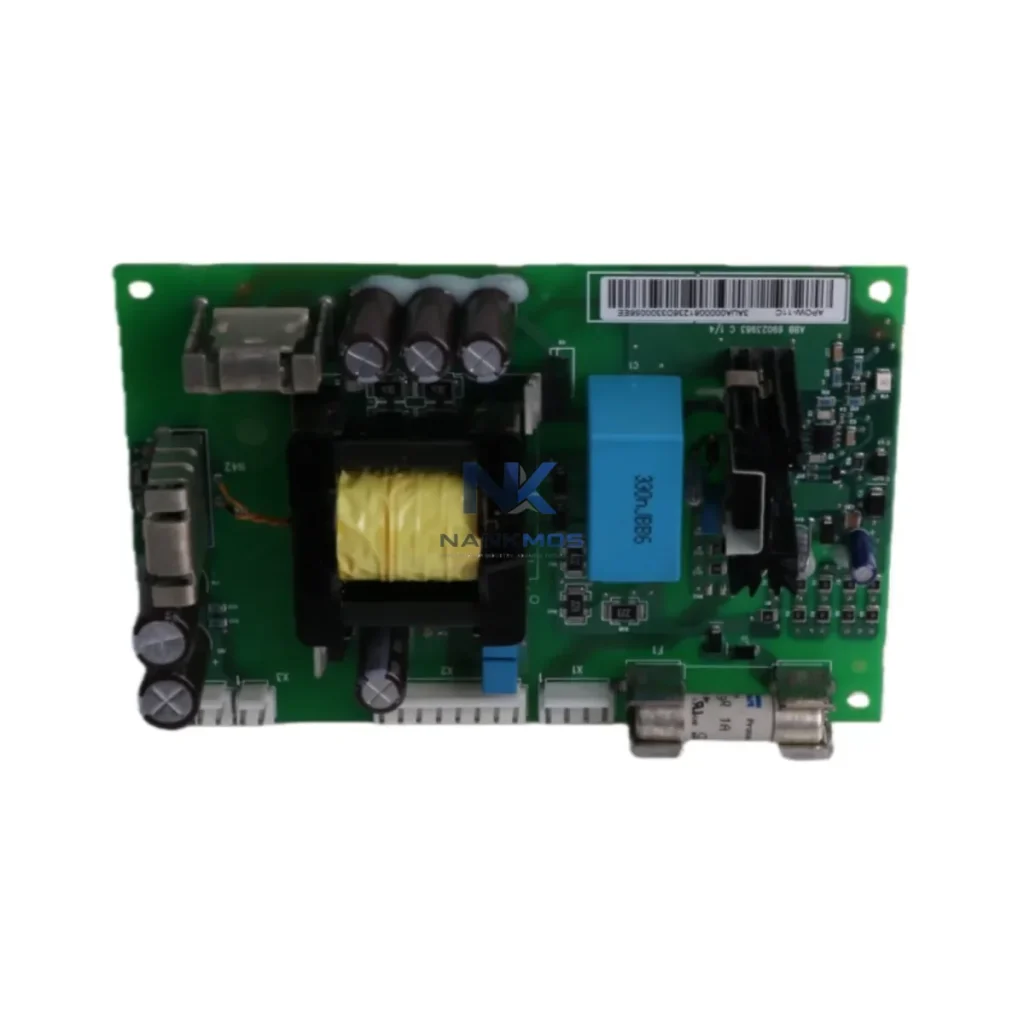
ABB APOW-11C 3AUA0000061236 is a NANKMOS industrial automation product record Listed under ACS880 series and Power Supplies. Confirm condition, availability, lead time, compatibility and documentation by email inquiry.
| Manufacturer | ABB |
|---|---|
| Application | Control System Power Support |
| Part Number / Model | APOW-11C 3AUA0000061236 |
| Compatible System | ACS880 |
| Series | ACS880 |
| Condition Options | To Confirm |
| Module Type | Power Supply Module |
| Warranty | 12 Months |
| Packaging | Anti-static Bag / Secure Box |
| Shipping Methods | DHL / FedEx / UPS / Air / Sea |
| Availability | To Confirm |
| Lead Time | To Confirm |
| Documentation | Part number and revision checked before quote |
The ABB APOW-11C (Part No. 3AUA0000061236) is a dedicated internal power supply board engineered for the ACS880 series industrial drive platform. Within a fully integrated automation architecture, the power layer is not a peripheral concern — it is the foundational enabler of every control, communication, and I/O function in the system. The APOW-11C delivers regulated, stable DC power to the drive's control electronics, ensuring that the RDCU-12C control unit, AINT-02C inverter interface board, AIMA-01 motor control module, and associated I/O extension modules all operate within their specified voltage tolerances under continuous industrial load cycles.
In modern layered control architectures — spanning the control layer, I/O layer, communication layer, power layer, HMI layer, execution layer, protection layer, and maintenance layer — power supply integrity is the single most critical factor for system-wide stability. A degraded or mismatched power board introduces voltage ripple, timing instability, and false fault triggers that cascade across every connected module. The APOW-11C eliminates this risk by providing a factory-matched, firmware-compatible power source that integrates seamlessly into the ACS880 backplane without requiring external calibration or parameter adjustment.
The APOW-11C does not operate in isolation. Its value is fully realized when understood within the context of the complete ACS880 automation platform. At the control layer, the RDCU-12C drive control unit relies on the APOW-11C for its primary logic supply, coordinating speed reference, torque control, and fault management across the drive system. The AINT-02C inverter interface board, which bridges the control unit to the IGBT power stage, also draws regulated power from this supply board, making its stability directly dependent on APOW-11C output quality.
At the I/O layer, ABB's AIAO-01 analog I/O extension module and ADIO-01 digital I/O module connect to the drive's I/O bus, and their signal integrity is maintained only when the control power rail is free of noise and voltage sag — a condition the APOW-11C is specifically designed to sustain. For communication-intensive installations, the FPBA-01 PROFIBUS adapter and FENA-21 EtherNet/IP / PROFINET dual-port adapter mount directly to the RDCU-12C option slots and depend on the same regulated supply for fieldbus transceiver operation and cyclic data exchange with the PLC or DCS host.
In redundant or high-availability architectures, the ACS880 multidrive cabinet configuration pairs multiple inverter modules with a shared AIMA-01 motor control module and common DC bus. In these topologies, each drive unit requires its own APOW-11C to maintain independent control power, ensuring that a single board failure does not propagate a control loss event to adjacent drives on the same bus. This modular redundancy approach is a core principle of ACS880 cabinet engineering and is fully supported by the APOW-11C's isolated power architecture.
At the HMI and supervisory layer, the ABB CP600 series operator panels or third-party SCADA terminals communicate with the ACS880 via the RDCU-12C's embedded fieldbus interface. Stable control power from the APOW-11C ensures that the drive's parameter server and diagnostic data buffer remain continuously available, enabling real-time monitoring of motor speed, torque, energy consumption, and fault history without communication interruption. For installations using the NETA-21 remote monitoring adapter, continuous control power is equally critical for maintaining the Ethernet uplink and cloud data logging functions.
At the protection layer, the ACS880's Safe Torque Off (STO) function — implemented via the FSIO-21 or FSPS-21 functional safety option modules — requires a continuously powered control board to monitor STO input states and execute the safety response within the IEC 62061 / ISO 13849 timing requirements. A power supply board that introduces latency or dropout events in this circuit directly compromises the drive's SIL 3 / PLe safety rating. The APOW-11C's design eliminates this risk through its low-ripple, high-stability output characteristics.
Manufacturing & Assembly Lines: In automotive body shop and general manufacturing environments, ACS880 drives with APOW-11C power boards control conveyor motors, servo-synchronized transfer systems, and robotic cell power axes. The stable control supply ensures that multi-axis coordination via PROFINET IRT remains within the sub-millisecond cycle time required for synchronized motion.
Power Generation & Utilities: In power plant auxiliary systems — including boiler feed pumps, induced draft fans, and cooling water pumps — the ACS880 platform with APOW-11C provides the control stability required for continuous 24/7 operation. Integration with DCS systems via PROFIBUS DP or Modbus TCP is maintained without signal dropout even during grid disturbance events.
Petrochemical & Process Industry: Hazardous area installations using ACS880 drives in Ex-rated enclosures depend on the APOW-11C to maintain control board operation across wide ambient temperature ranges and in the presence of conducted EMI from variable-speed pump and compressor loads. The board's compatibility with the RDCU-12C's process PID controller enables closed-loop flow and pressure control without external controllers.
Water & Wastewater Treatment: Municipal water treatment facilities operating ACS880 drives on submersible pump stations and aeration blowers require power supply boards with proven long-term reliability. The APOW-11C supports continuous operation cycles exceeding 8,000 hours annually, with diagnostic data accessible via the NETA-21 adapter for predictive maintenance scheduling.
Mining & Minerals Processing: In conveyor, crusher, and mill drive applications, the ACS880 multidrive cabinet with shared DC bus and individual APOW-11C boards per inverter unit provides the modular redundancy required to maintain production continuity during planned maintenance windows. Hot-swap capability at the board level minimizes mean time to repair (MTTR).
Marine & Offshore: ACS880 marine-type drives certified to DNV, ABS, and Lloyd's Register standards use the APOW-11C in propulsion, thruster, and auxiliary drive applications. The board's stable output under vessel motion and vibration conditions ensures that the drive's dynamic braking and regenerative control functions remain fully operational.
Q1: Is the APOW-11C (3AUA0000061236) compatible with all ACS880 frame sizes, and can it be used in both single drive and multidrive cabinet configurations? The APOW-11C is designed for specific ACS880 frame sizes as defined in ABB's hardware manual for the ACS880-01 and ACS880-07 series. It is compatible with both single drive units and multidrive cabinet inverter modules that share the same control board architecture. Before installation, verify the frame size and control board variant (RDCU-12C) against ABB's spare parts list to confirm compatibility. In multidrive configurations, each inverter unit requires its own APOW-11C — the board is not shared across the common DC bus.
Q2: What is the installation and commissioning procedure for replacing an APOW-11C in a live production environment, and how does it affect drive parameters? Replacement of the APOW-11C requires the drive to be powered down and the DC bus fully discharged before the control board assembly is accessed. The board is a direct plug-in replacement with no parameter loss, as drive parameters are stored in the RDCU-12C's non-volatile memory, not on the APOW-11C itself. After installation, perform a control board power-up test using ABB Drive Composer or the panel keypad to verify supply voltages and confirm that all I/O, fieldbus, and safety option modules are recognized before returning the drive to service. Commissioning time is typically under 30 minutes for a trained technician.
Q3: What does the 12-Month Warranty cover for the APOW-11C, and what inventory and shipping lead times can be expected? NANKMOS provides a 12-Month Warranty on the APOW-11C (3AUA0000061236) covering manufacturing defects and functional failures under normal operating conditions. The warranty includes technical support for installation verification and fault diagnosis. Stock is maintained in our warehouse with outgoing inspection and functional testing performed prior to shipment. Standard global shipping lead times are 3–7 business days via DHL, FedEx, or UPS Express, with expedited options available for urgent production requirements. Contact [email protected] or +86 18359268345 for real-time stock confirmation and shipping quotation.
Functional Inspection100% tested on professional platforms to ensure stable performance.
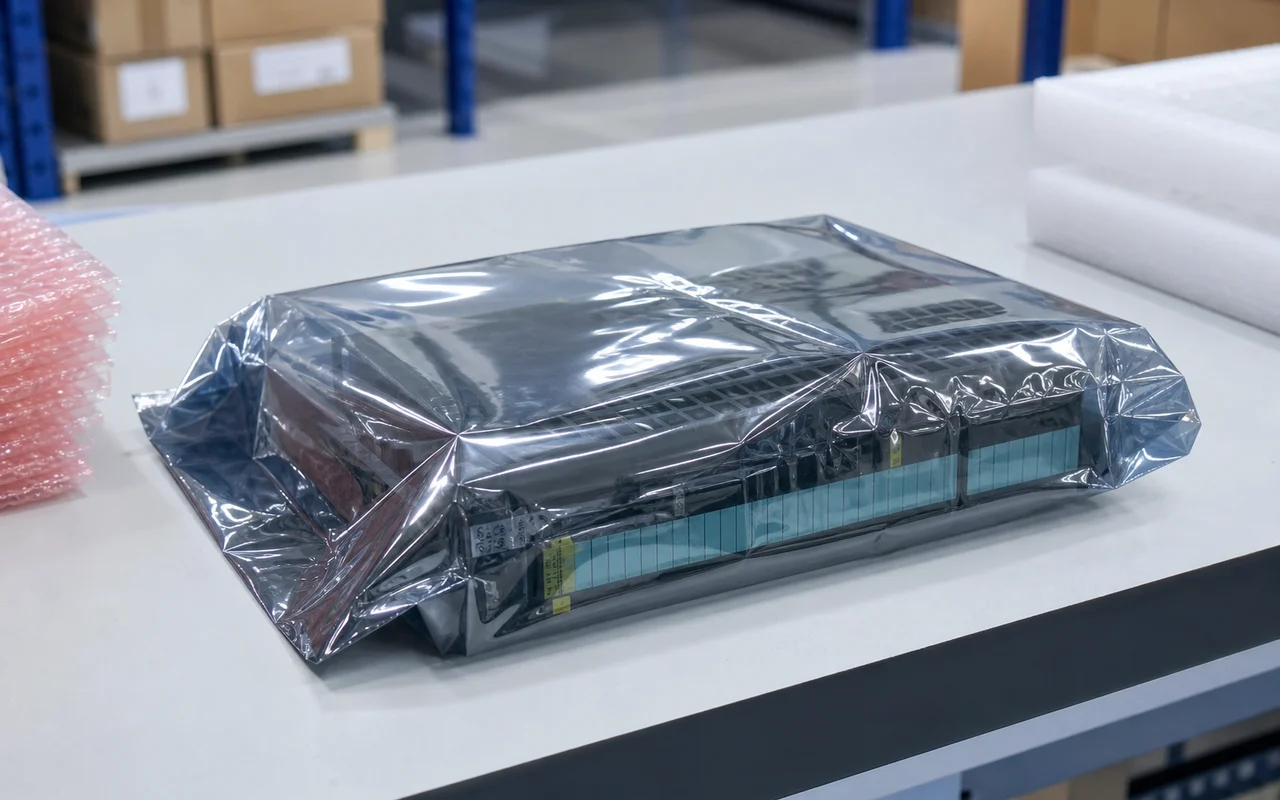 Anti-static Packaging
Modules are packed in anti-static bags to prevent electrostatic damage.
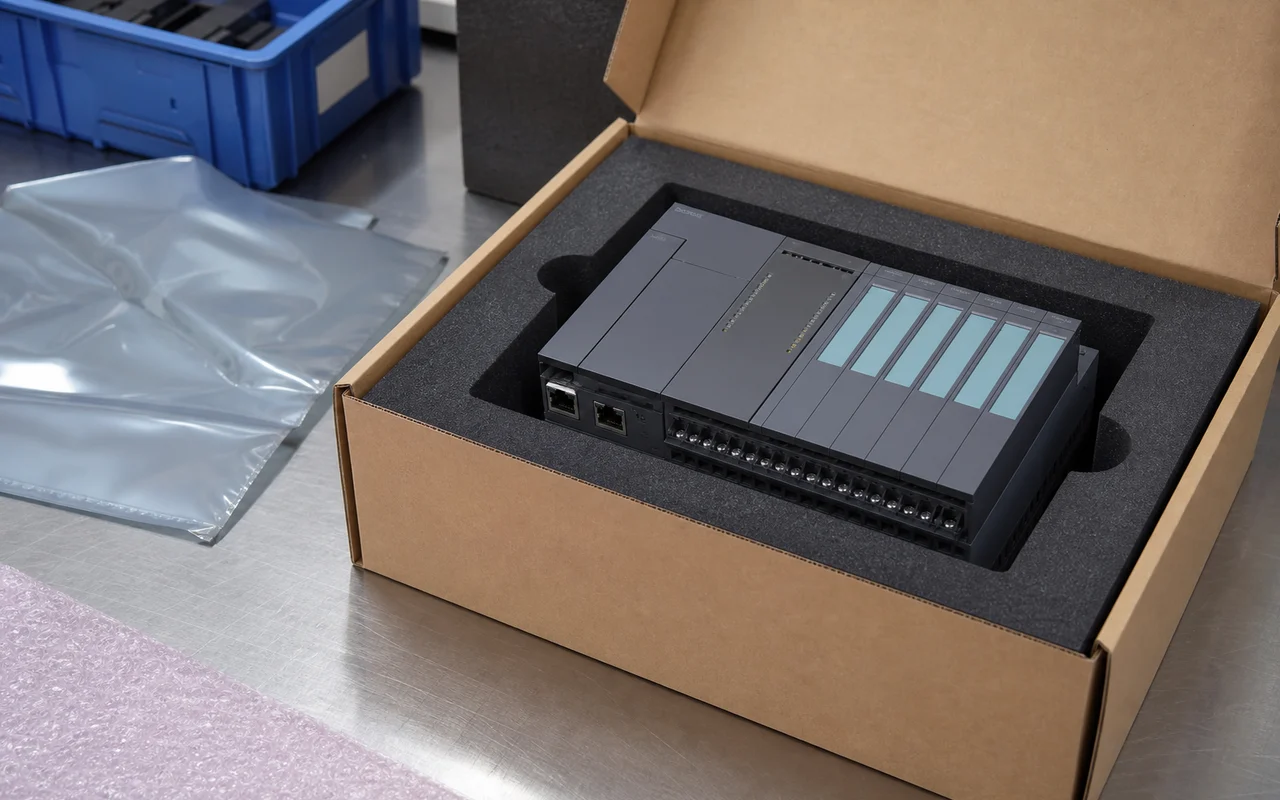 Secure Export Packing
Cushion protection and strong cartons ensure safe transportation.
 Worldwide Shipping
Global logistics network supports air, sea and express delivery.
 Documentation Check
Part number, revision and compatibility verified before shipment.
 After-sales Support
Professional technical support to help resolve your issues.