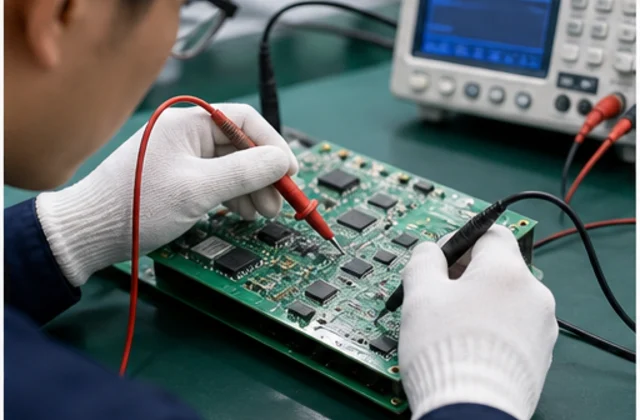
 Functional Inspection
100% tested on professional platforms to ensure stable performance.
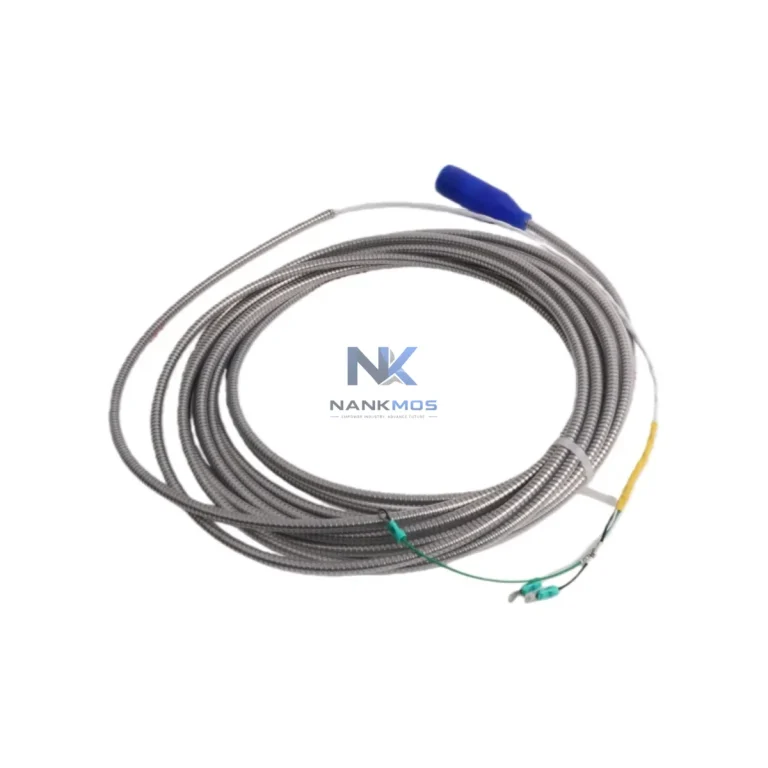
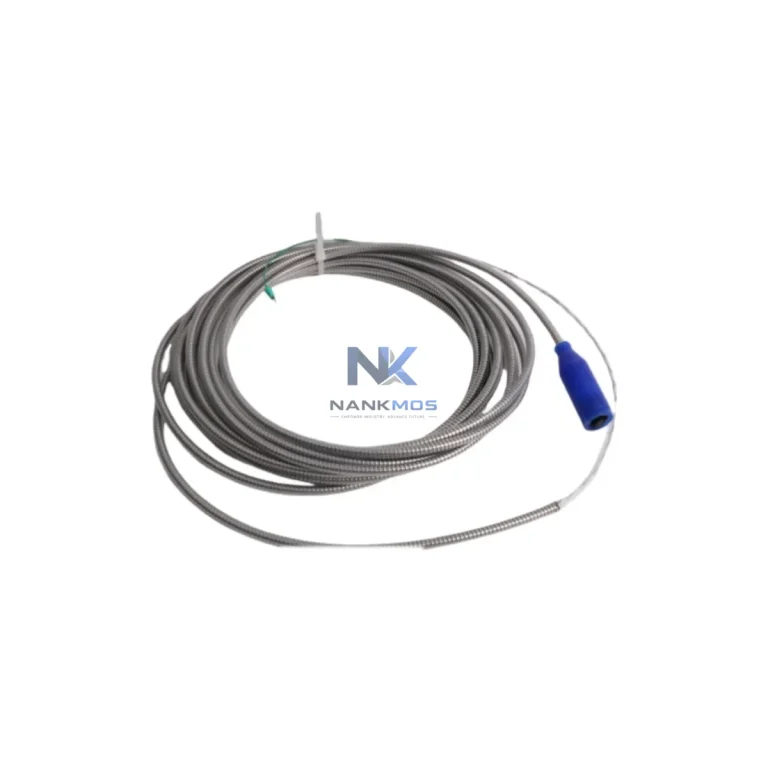
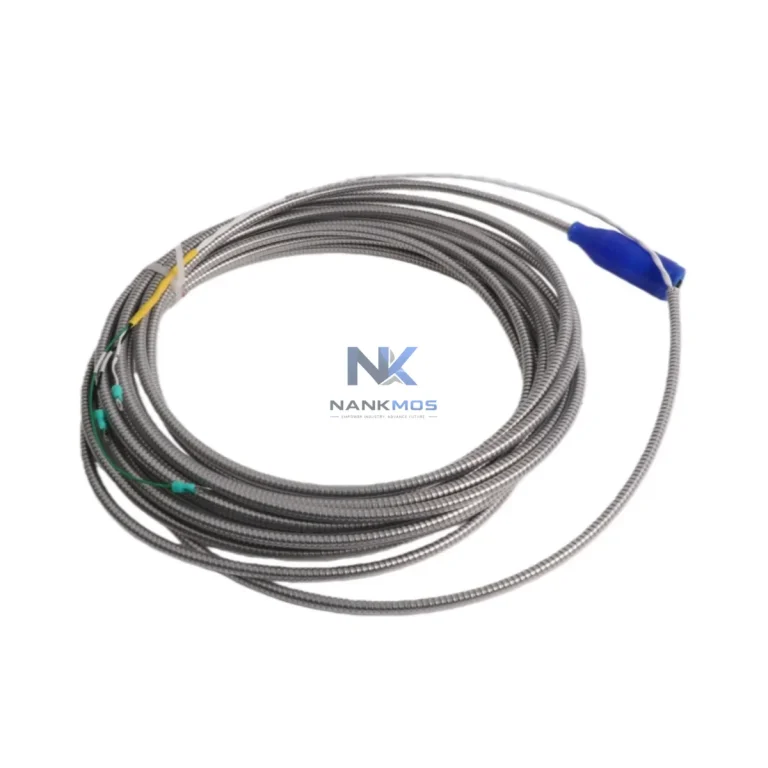
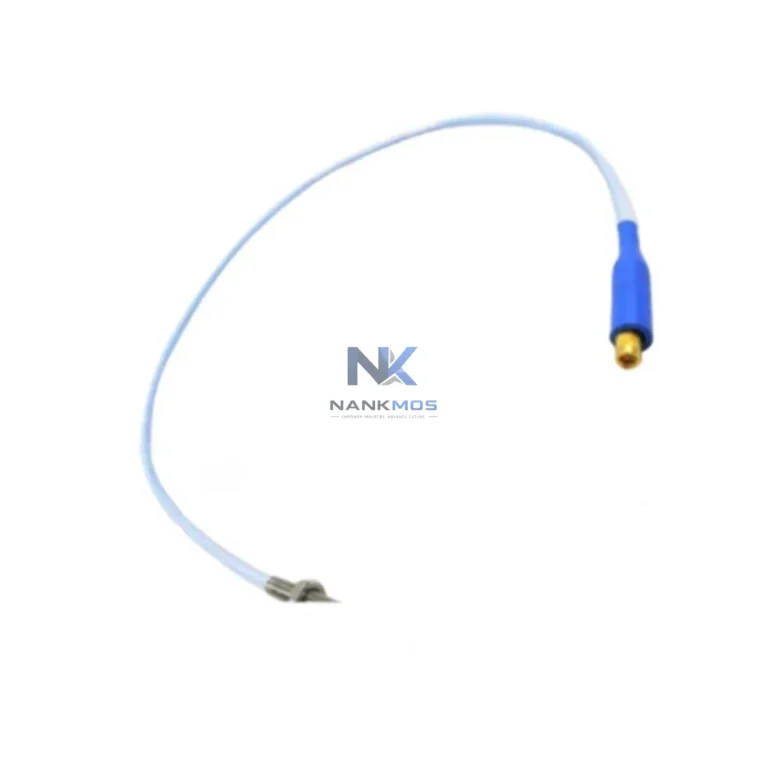
Bently Nevada 190501-09-00-CN is a NANKMOS industrial automation product record Listed under Other series series and Sensors. Confirm condition, availability, lead time, compatibility and documentation by email inquiry.
Brand names are used for identification only.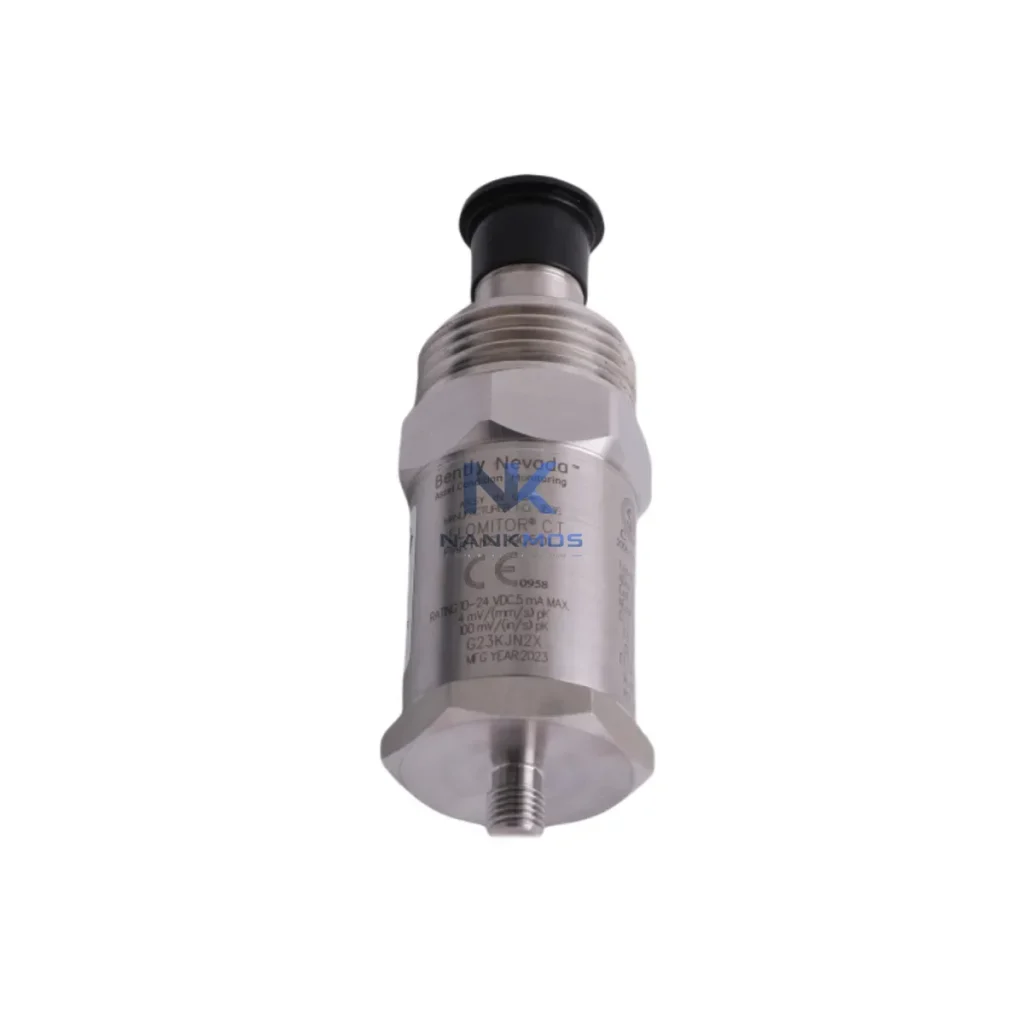
Bently Nevada 190501-09-00-CN is a NANKMOS industrial automation product record Listed under Other series series and Sensors. Confirm condition, availability, lead time, compatibility and documentation by email inquiry.
| Manufacturer | Bently Nevada |
|---|---|
| Application | Turbine & Condition Monitoring |
| Part Number / Model | 190501-09-00-CN |
| Compatible System | Confirmed by inquiry |
| Condition Options | To Confirm |
| Module Type | Monitoring Module |
| Warranty | 12 Months |
| Packaging | Anti-static Bag / Secure Box |
| Shipping Methods | DHL / FedEx / UPS / Air / Sea |
| Availability | To Confirm |
| Lead Time | To Confirm |
| Documentation | Part number and revision checked before quote |
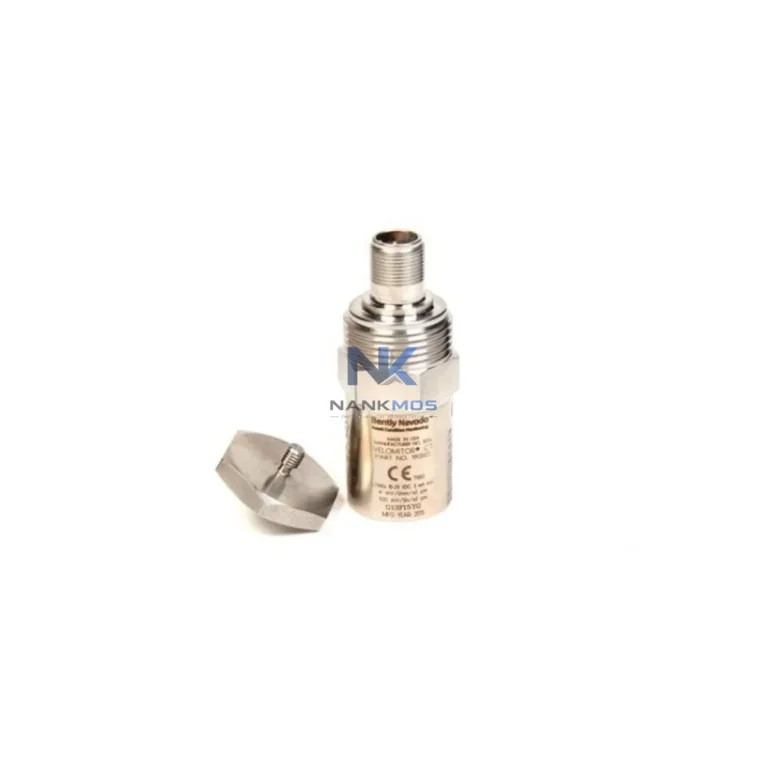
The Bently Nevada 190501-09-00-CN Velomitor CT velocity transducer is engineered for seamless integration into modern smart factory data architectures. As industrial facilities transition toward fully connected production environments, the demand for reliable, protocol-compatible vibration and velocity sensing at the field device level has never been greater. The 190501-09-00-CN serves as a critical signal source within the industrial data chain — capturing real-time mechanical velocity data from rotating equipment and feeding it into the broader automation and monitoring ecosystem with precision and consistency.
In a typical smart factory deployment, the 190501-09-00-CN is mounted directly on motors, pumps, compressors, fans, or turbines. Its analog output signal is routed to a Bently Nevada 3500 Series rack-based monitoring system or a compatible remote I/O module, where raw velocity data is digitized and conditioned for upstream transmission. From there, the signal travels through an industrial Ethernet backbone — often managed by a layer-2 or layer-3 industrial switch such as those in the Hirschmann MICE or Phoenix Contact FL SWITCH series — ensuring deterministic, low-latency data delivery across the plant network.
Protocol conversion is a central challenge in heterogeneous automation environments. The 190501-09-00-CN integrates naturally with Bently Nevada System 1 software via Modbus TCP or OPC UA gateways, enabling the velocity data to be consumed by Siemens SIMATIC S7 PLCs, Rockwell Automation ControlLogix controllers, or GE Vernova PAC systems without signal degradation or protocol mismatch. Where legacy serial protocols such as Modbus RTU or PROFIBUS DP are still in use, a dedicated protocol gateway — such as the Moxa MGate series or HMS Anybus X-gateway — bridges the communication gap, ensuring that no data island forms between the field sensor layer and the control layer.
At the SCADA and HMI level, the velocity data sourced from the 190501-09-00-CN is visualized in real time through platforms such as Wonderware InTouch, Ignition by Inductive Automation, or Siemens WinCC. Operators can monitor vibration trends, set alarm thresholds, and receive automated alerts when velocity readings exceed safe operating limits — all without leaving the control room. This closed-loop alarm and feedback architecture dramatically reduces mean time to detect (MTTD) for mechanical faults, enabling predictive maintenance strategies that lower unplanned downtime.
For remote diagnostics and asset health monitoring, the 190501-09-00-CN data stream is aggregated at the edge layer — typically via an edge gateway such as the Bently Nevada System 1 Edge or a third-party IIoT gateway running MQTT or OPC UA — before being forwarded to cloud-based or on-premise data historians. Integration with PI System (OSIsoft) or similar time-series databases allows maintenance engineers to perform trend analysis, spectral comparison, and root-cause diagnostics from any location, supporting fully remote condition monitoring programs across multi-site industrial operations.
The 190501-09-00-CN also plays a key role in variable frequency drive (VFD) coordination. In applications where motor speed is dynamically adjusted by drives such as the ABB ACS880 or Siemens SINAMICS G120, the velocity transducer provides independent mechanical feedback that validates drive output against actual shaft speed — a critical cross-check for process safety and equipment protection. This feedback loop is especially valuable in compressor trains, cooling tower fans, and centrifugal pump systems where speed deviation can indicate impeller wear, bearing failure, or process imbalance.
All units are shipped after full functional testing, including output linearity verification and frequency response validation. NANKMOS maintains ready stock of the 190501-09-00-CN to support urgent MRO procurement, planned shutdowns, and capital project timelines. Each unit is covered by a 12-month warranty against manufacturing defects, with technical support available for installation, commissioning, and system integration queries.
The data flow originating from the Bently Nevada 190501-09-00-CN begins at the mechanical interface — the transducer body is mounted on the equipment casing using a standard threaded stud, and its internal piezoelectric element converts mechanical velocity into a proportional analog voltage signal. This signal is routed via shielded instrumentation cable to a Bently Nevada 3500/42M Proximitor/Seismic Monitor module housed in a 3500 Series rack. The rack's backplane aggregates signals from multiple transducers — including proximity probes from the Bently Nevada 3300 XL 8mm series and temperature inputs from RTD modules — before passing the conditioned data to the rack's communication gateway card.
The gateway card transmits structured data packets over Modbus TCP to the plant's primary PLC — typically a Rockwell Automation ControlLogix L85E or Siemens SIMATIC S7-1500 — where the velocity values are mapped into the controller's data table for process logic execution. Simultaneously, an OPC UA server running on the monitoring rack publishes the same dataset to the plant SCADA server, where Ignition SCADA or Siemens WinCC OA renders real-time velocity trend charts, alarm banners, and equipment health dashboards for control room operators.
At the network transport layer, data packets from the 3500 rack traverse a managed industrial Ethernet switch — such as the Cisco IE-3400 or Hirschmann OCTOPUS OS20 — configured with VLAN segmentation to isolate OT traffic from IT traffic. Ring topology with RSTP or MRP redundancy ensures that a single cable fault does not interrupt the velocity data stream to the SCADA server. For remote sites or geographically distributed assets, an HMS Anybus Edge Gateway or Moxa UC-8112-LX edge computer aggregates local sensor data and forwards it over a secure VPN tunnel to the central data historian.
At the historian and analytics layer, velocity data from the 190501-09-00-CN is stored in a PI System (OSIsoft) time-series database alongside data from vibration analyzers, flow transmitters, and pressure sensors. Machine learning models running on the historian platform analyze velocity trend deviations to generate predictive maintenance alerts — flagging bearing wear, misalignment, or rotor imbalance weeks before a failure event. These alerts are pushed to maintenance management systems (CMMS) such as SAP PM or IBM Maximo, closing the loop between field sensor data and work order generation.
Industrial automation sites frequently suffer from fragmented data architectures where field sensors operate in isolation from control and monitoring systems. The Bently Nevada 190501-09-00-CN addresses several of the most common data gap scenarios encountered in rotating equipment monitoring programs.
Protocol Fragmentation: Many plants operate a mix of legacy Modbus RTU devices alongside modern EtherNet/IP or PROFINET controllers. The 190501-09-00-CN, when paired with a Bently Nevada 3500 rack and an appropriate protocol gateway, bridges this divide — its analog output is digitized and re-published in the protocol native to the plant's control system, eliminating the need for manual data transcription or parallel wiring runs.
Data Islands and Siloed Monitoring: Standalone vibration monitors that lack network connectivity create data islands — equipment health information that never reaches the SCADA or historian layer. By integrating the 190501-09-00-CN into a networked 3500 rack with OPC UA or Modbus TCP output, all velocity data becomes available to the plant-wide data infrastructure, enabling cross-asset correlation and system-level diagnostics.
Remote Monitoring Gaps: For unmanned substations, remote pump stations, or offshore platforms, the 190501-09-00-CN's data can be forwarded via cellular or satellite-connected edge gateways to central monitoring centers. This eliminates the need for on-site personnel to perform routine vibration checks, reducing travel costs and improving safety in hazardous environments.
Production Line Transparency: In continuous process industries, velocity data from the 190501-09-00-CN feeds into OEE (Overall Equipment Effectiveness) dashboards, giving production managers real-time visibility into equipment health alongside throughput and quality metrics. This transparency enables faster decision-making and reduces the risk of unplanned production stoppages.
Alarm Tracking and Audit Trails: The 190501-09-00-CN's integration with SCADA alarm management systems ensures that every velocity exceedance event is logged with a timestamp, operator acknowledgment record, and corrective action note — creating a complete audit trail for regulatory compliance and root-cause analysis.
System Scalability: As plant capacity expands, additional 190501-09-00-CN transducers can be added to the existing 3500 rack infrastructure without requiring changes to the SCADA or historian configuration — the OPC UA address space automatically accommodates new data points, making the monitoring architecture inherently scalable.
Q1: What communication protocols does the Bently Nevada 190501-09-00-CN support for SCADA integration?The 190501-09-00-CN produces an analog voltage output that is digitized by the Bently Nevada 3500 Series monitoring rack. The rack's communication gateway supports Modbus TCP and OPC UA, enabling direct integration with SCADA platforms such as Ignition, Wonderware, and Siemens WinCC. For PROFIBUS DP or EtherNet/IP environments, a protocol gateway such as the Moxa MGate or HMS Anybus X-gateway provides seamless protocol translation with typical latency under 10 ms.
Q2: How is network stability maintained when the 190501-09-00-CN is deployed in a large multi-asset monitoring system?Network stability is ensured through managed industrial Ethernet switches configured with VLAN segmentation, RSTP/MRP ring redundancy, and QoS prioritization for OT traffic. The 3500 rack's communication gateway supports watchdog timers and heartbeat monitoring, so any communication interruption is immediately flagged at the SCADA level. NANKMOS recommends pairing the 190501-09-00-CN with a redundant network architecture for critical rotating equipment applications.
Q3: Can the 190501-09-00-CN be used for remote diagnostics without on-site personnel?Yes. When integrated with an edge gateway running MQTT or OPC UA, the velocity data from the 190501-09-00-CN can be securely transmitted over VPN or cellular networks to a central monitoring center or cloud-based condition monitoring platform. Remote engineers can access real-time velocity trends, alarm histories, and diagnostic reports without visiting the site, supporting fully remote predictive maintenance programs.
Q4: What does the 12-month warranty cover, and how does NANKMOS handle pre-shipment testing?Every Bently Nevada 190501-09-00-CN unit supplied by NANKMOS undergoes pre-shipment functional testing, including output linearity verification, frequency response validation, and connector integrity checks. The 12-month warranty covers manufacturing defects in materials and workmanship from the date of shipment. In the event of a warranty claim, NANKMOS provides replacement units from stock to minimize downtime. Technical support for installation, commissioning, and system integration is available throughout the warranty period.
Functional Inspection100% tested on professional platforms to ensure stable performance.
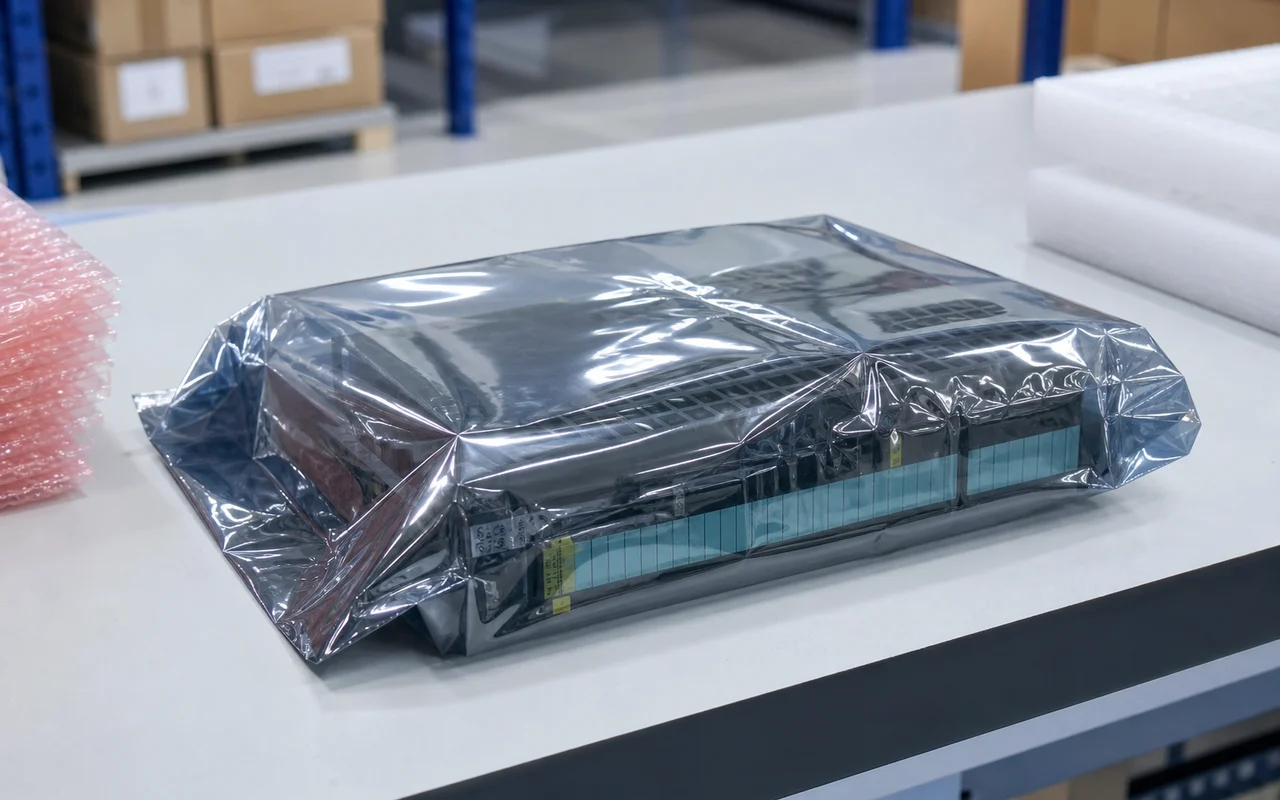 Anti-static Packaging
Modules are packed in anti-static bags to prevent electrostatic damage.
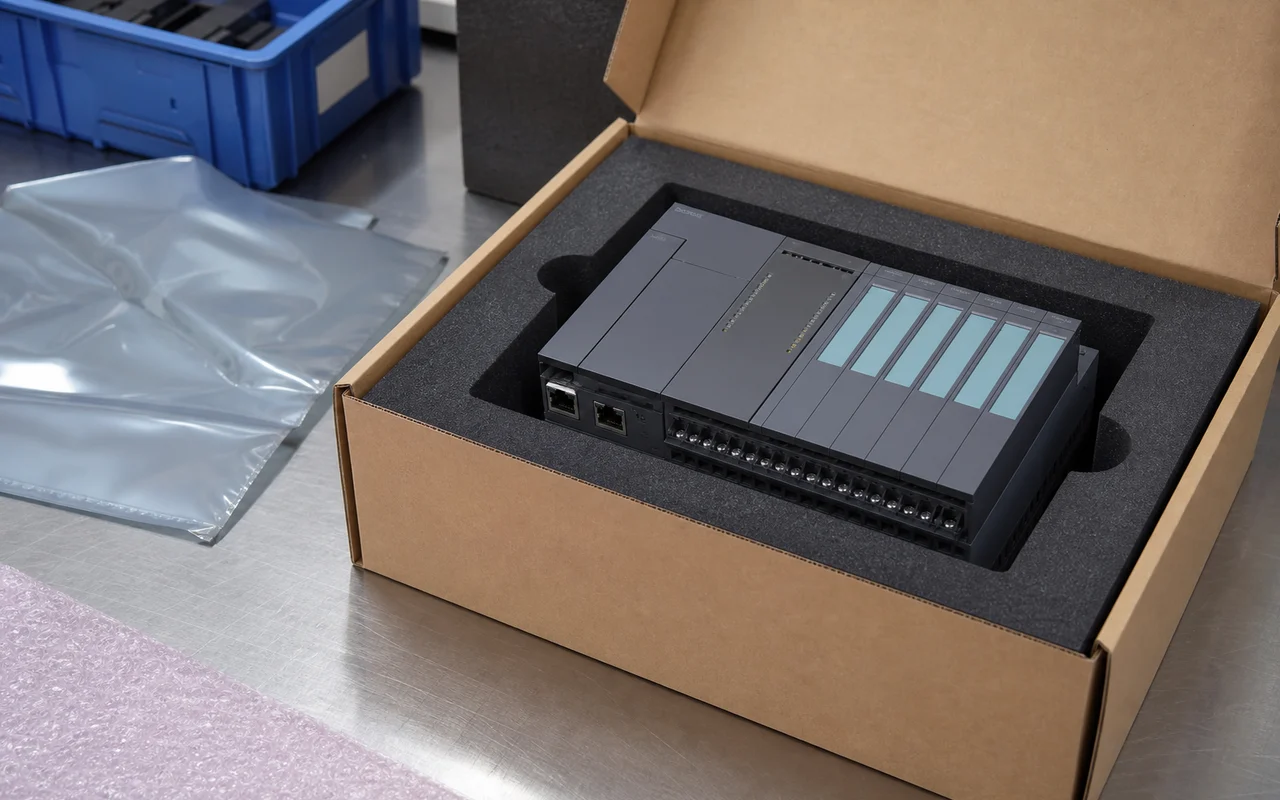 Secure Export Packing
Cushion protection and strong cartons ensure safe transportation.
 Worldwide Shipping
Global logistics network supports air, sea and express delivery.
 Documentation Check
Part number, revision and compatibility verified before shipment.
 After-sales Support
Professional technical support to help resolve your issues.