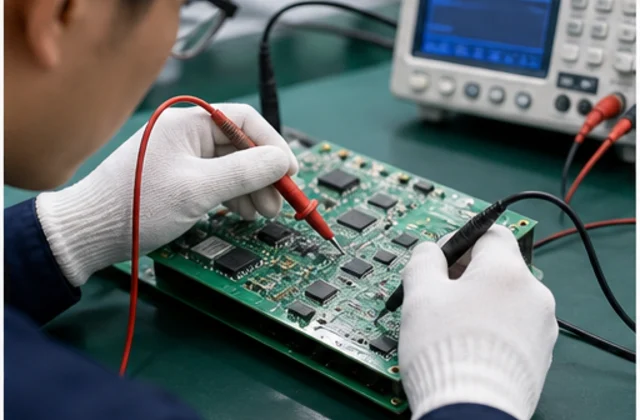
 Functional Inspection
100% tested on professional platforms to ensure stable performance.
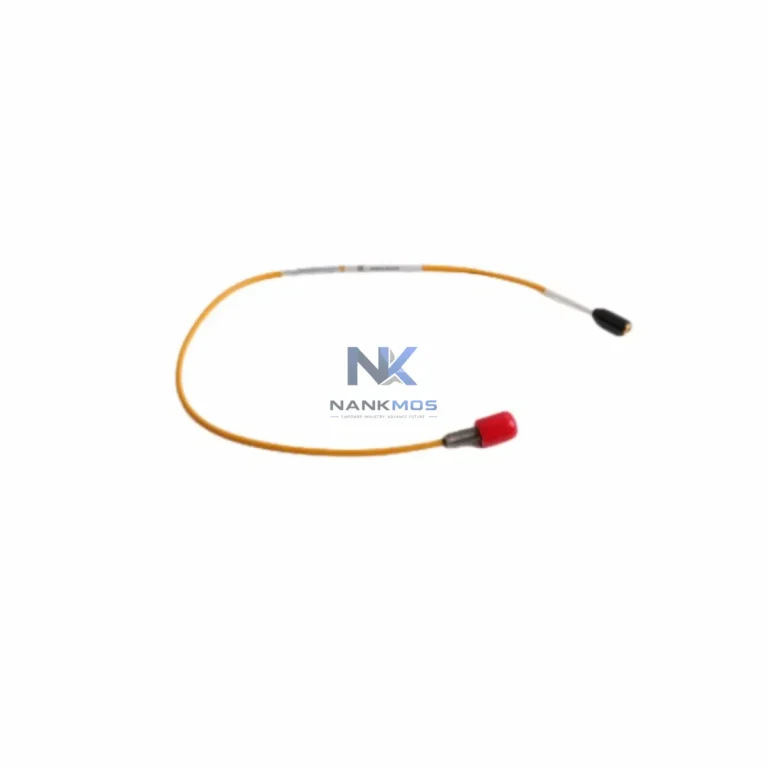
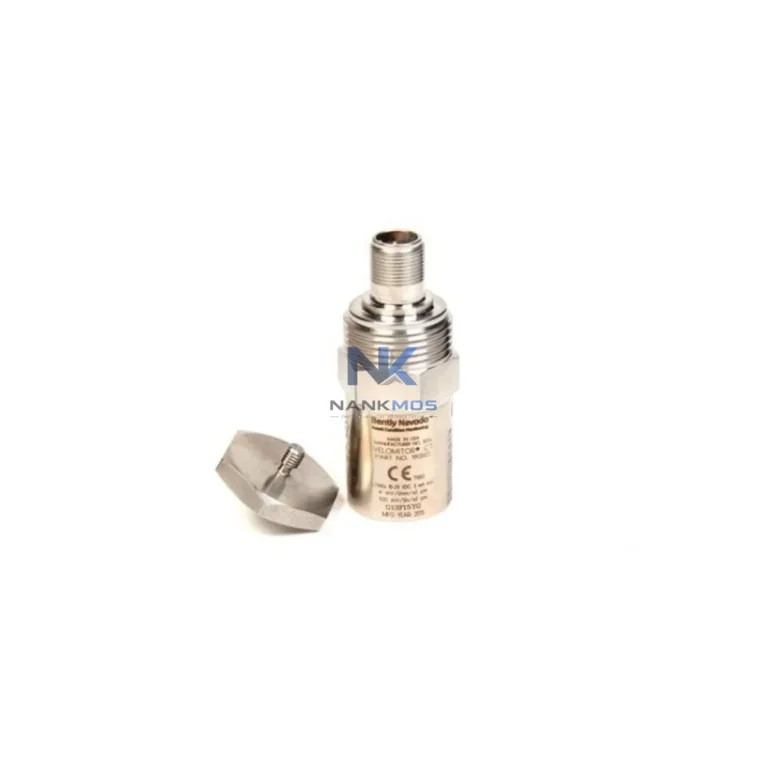
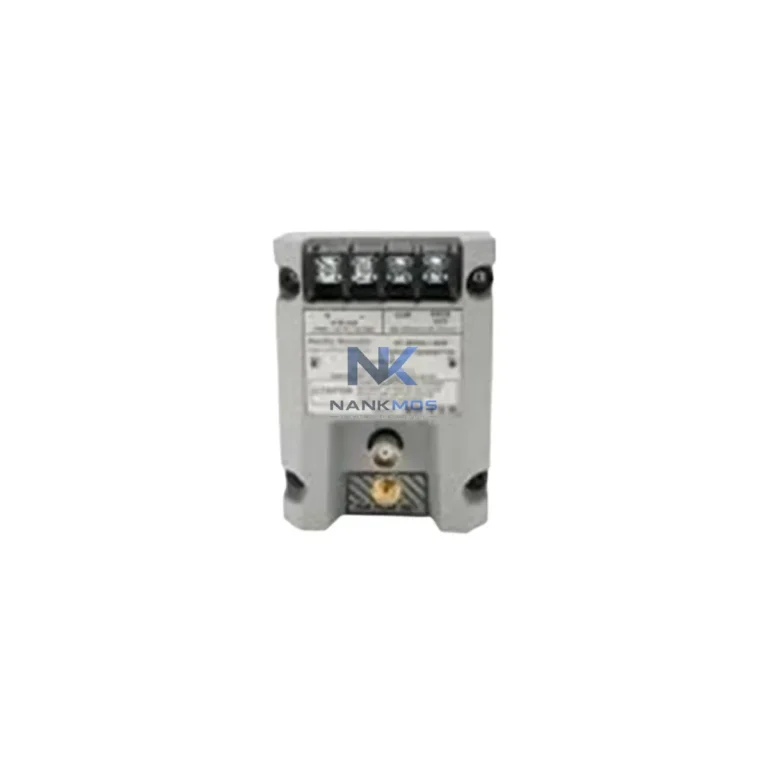
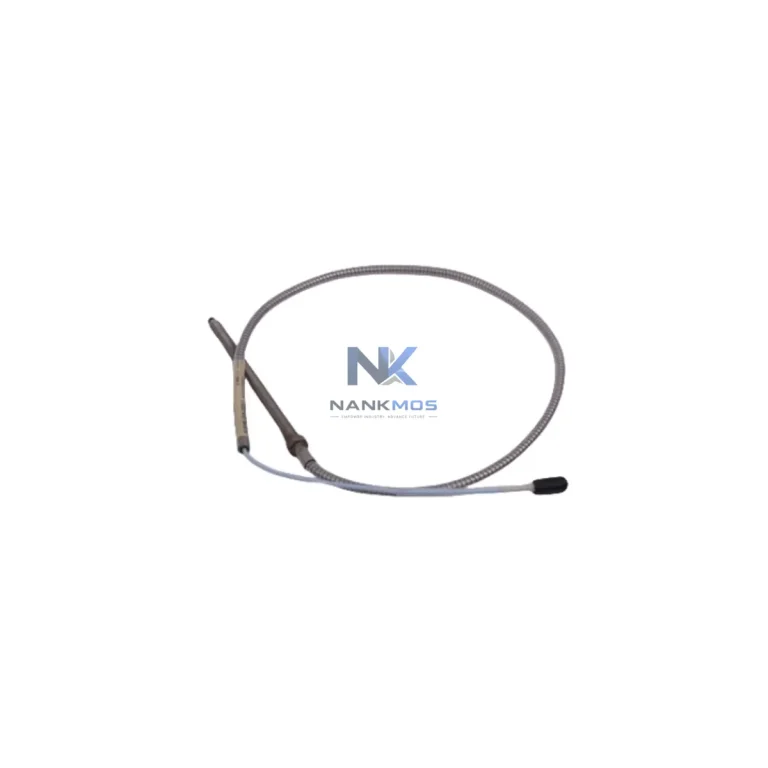
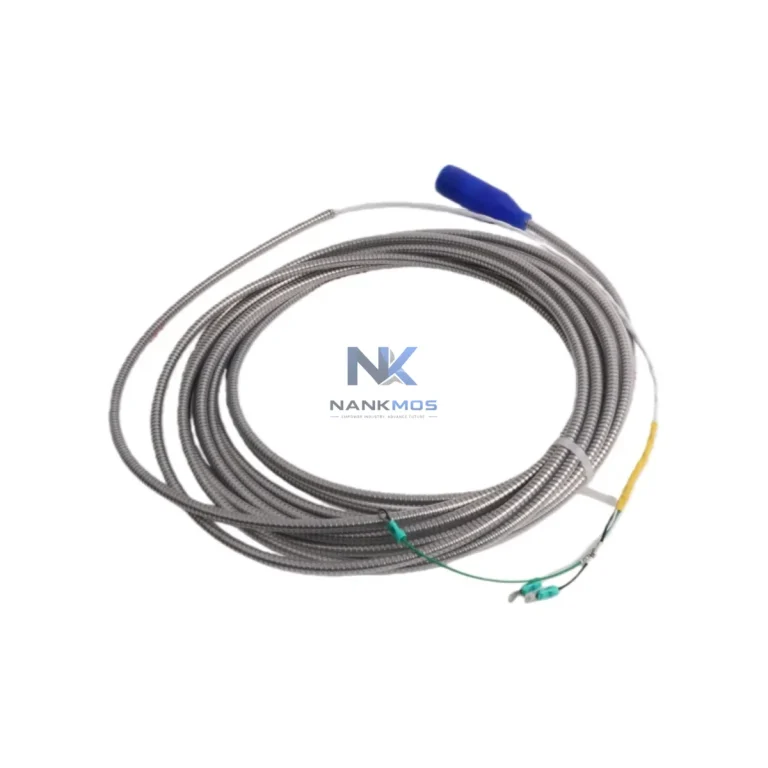
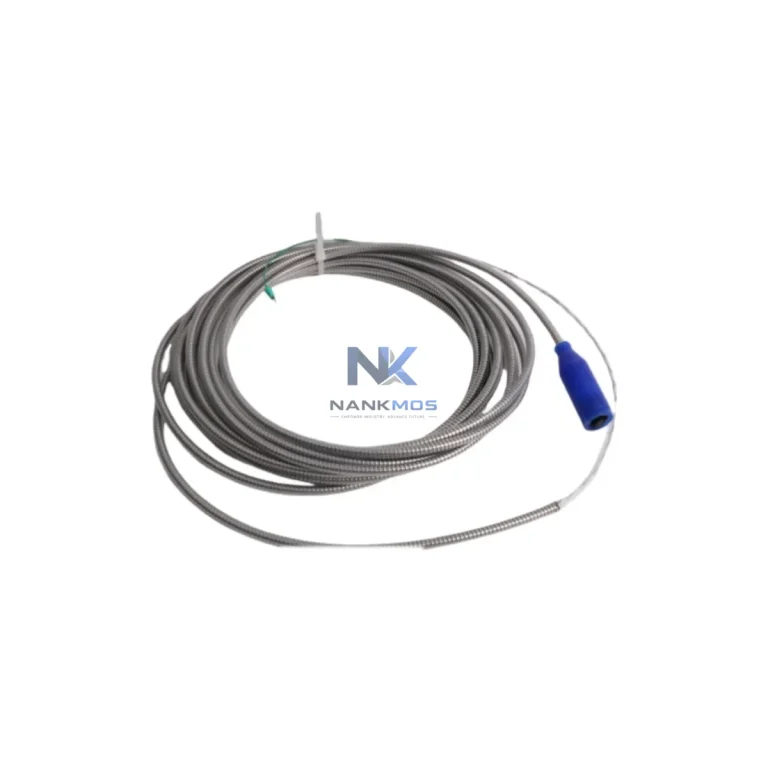
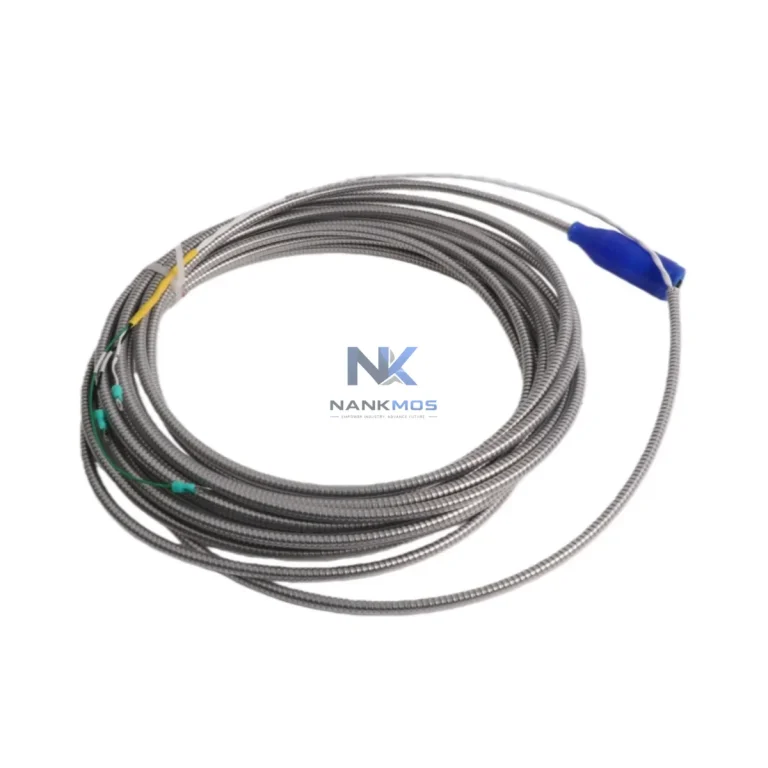
Bently Nevada 22810-00-05-10-02 is a NANKMOS industrial automation product record Listed under 3300 Series series and Sensors. Confirm condition, availability, lead time, compatibility and documentation by email inquiry.
Brand names are used for identification only.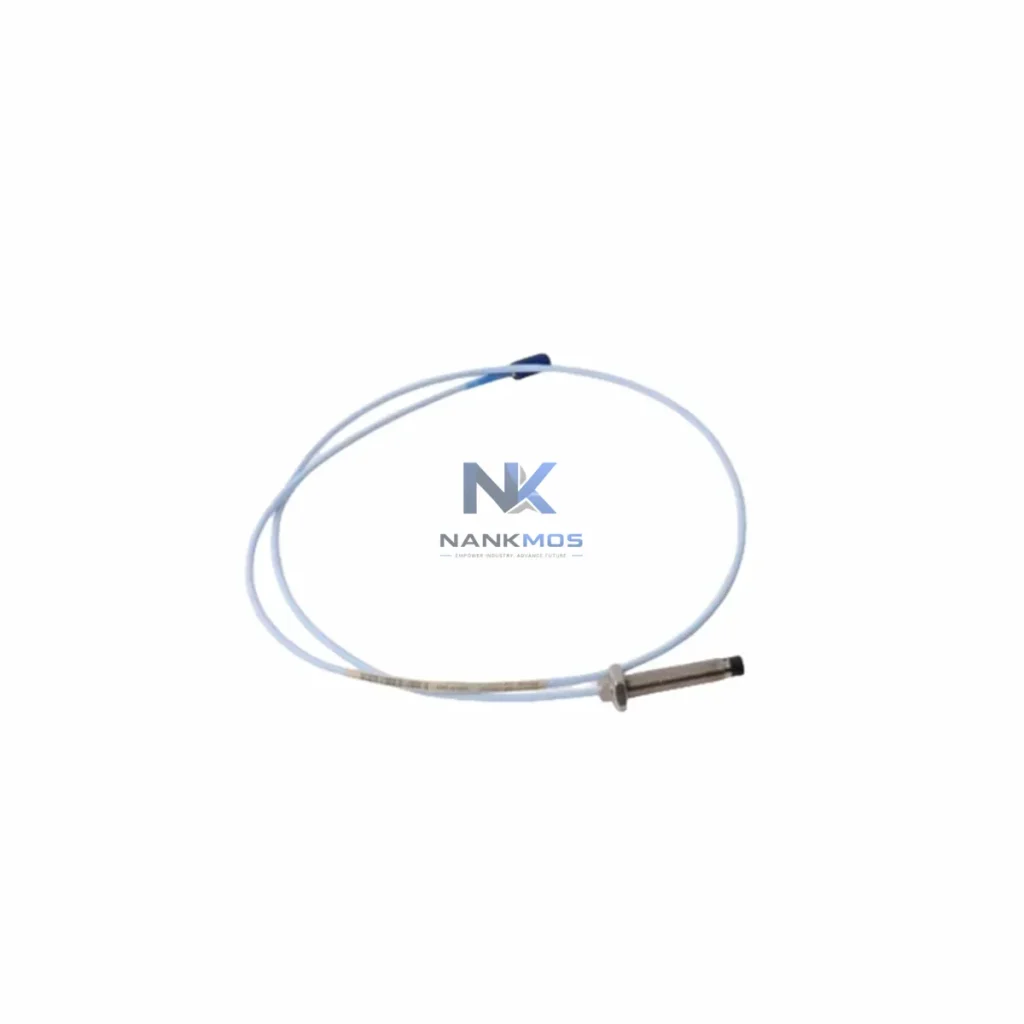
Bently Nevada 22810-00-05-10-02 is a NANKMOS industrial automation product record Listed under 3300 Series series and Sensors. Confirm condition, availability, lead time, compatibility and documentation by email inquiry.
| Manufacturer | Bently Nevada |
|---|---|
| Application | Turbine & Condition Monitoring |
| Part Number / Model | 22810-00-05-10-02 |
| Compatible System | 3300 Series |
| Series | 3300 Series |
| Condition Options | To Confirm |
| Module Type | Monitoring Module |
| Warranty | 12 Months |
| Packaging | Anti-static Bag / Secure Box |
| Shipping Methods | DHL / FedEx / UPS / Air / Sea |
| Availability | To Confirm |
| Lead Time | To Confirm |
| Documentation | Part number and revision checked before quote |
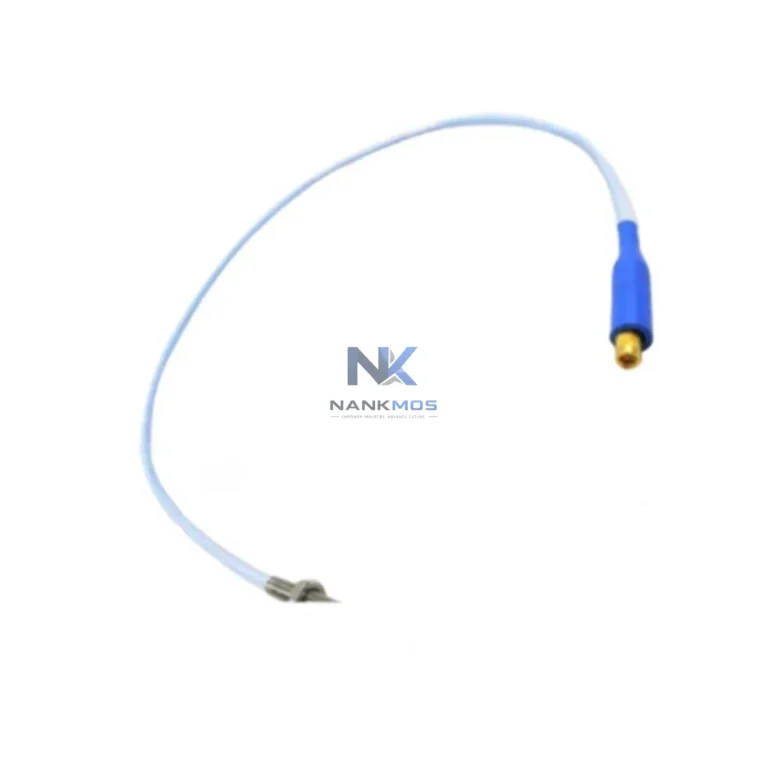
The Bently Nevada 22810-00-05-10-02 is a high-precision eddy-current proximity probe engineered for the 3300 Series machinery protection and condition monitoring platform. Designed for continuous, non-contact measurement of shaft displacement and vibration, this probe plays a central role in energy-aware industrial automation — enabling facilities to detect mechanical inefficiencies before they translate into wasted energy, unplanned downtime, or accelerated equipment wear.
In modern smart production lines, energy losses are rarely caused by a single component failure. More often, they accumulate through subtle mechanical imbalances, misalignment, and bearing degradation that go undetected until they manifest as thermal overload, drive overcurrent, or motor inefficiency. The 22810-00-05-10-02 addresses this challenge at the source, delivering real-time shaft position data that feeds directly into machinery protection systems, SCADA platforms, and energy management workflows.
The 22810-00-05-10-02 proximity probe is rarely deployed in isolation. Its true value emerges when integrated into a layered automation architecture that connects vibration data to actionable energy control decisions across the production floor.
At the monitoring layer, the probe pairs with the Bently Nevada 3300/16-15-01-01-00-00-00 16-channel monitor rack, which processes raw proximity signals and generates alarm outputs for high vibration, high eccentricity, and shaft position deviation. These alarms are then passed upstream to a Siemens S7-1500 PLC or Allen-Bradley ControlLogix controller via hardwired I/O or PROFIBUS DP, enabling the control system to respond automatically — reducing motor speed via a Siemens SINAMICS G120 variable frequency drive or commanding a controlled shutdown before thermal damage occurs.
On the drive side, integrating proximity probe feedback with a Danfoss FC-302 series VFD allows the drive to modulate output frequency in response to real-time shaft behavior, eliminating the energy penalty of running motors at fixed speed under variable load conditions. This dynamic load management approach can reduce motor energy consumption by 15–30% in pump and fan applications where shaft vibration correlates directly with hydraulic inefficiency.
For power quality and energy accounting, the probe data feeds into Schneider Electric PowerLogic PM8000 power monitoring modules, which correlate vibration events with current draw spikes and power factor degradation. This integration gives energy managers a complete picture of how mechanical condition affects electrical efficiency — a critical capability for ISO 50001 energy management compliance.
At the field level, Bently Nevada 3300 XL 8mm extension cables and proximitor sensors complete the signal chain between the probe tip and the monitor rack, ensuring signal integrity across long cable runs in electrically noisy environments. Complementary Bently Nevada 990 Direct Vibration Transmitters can be deployed in parallel to provide 4–20 mA analog outputs for legacy DCS systems that do not support direct proximity monitor integration.
HMI visualization is handled through Weintek cMT Series or Siemens SIMATIC HMI TP1200 panels, where operators monitor shaft orbit plots, trend data, and alarm histories in real time. This visibility enables shift engineers to correlate energy consumption anomalies with specific mechanical events — turning vibration data into a practical energy optimization tool rather than a purely protective function.
In high-throughput manufacturing and process industries, undetected shaft vibration is one of the most significant hidden contributors to energy waste. A rotating machine operating with even moderate imbalance or misalignment draws measurably more current than a well-aligned machine at the same load — and that excess current translates directly into heat, bearing wear, and reduced drive efficiency.
The Bently Nevada 22810-00-05-10-02 enables a proactive energy optimization strategy by providing the continuous, high-resolution shaft position data needed to detect these conditions early. When integrated with a System 1 condition monitoring platform, the probe's output feeds machine learning algorithms that identify developing faults — such as oil whirl, rub, or looseness — weeks or months before they cause measurable performance degradation. This predictive capability allows maintenance teams to schedule corrective action during planned downtime windows, avoiding the energy-intensive restart cycles and production losses associated with unplanned failures.
At the production line level, proximity probe data contributes to takt time stability by ensuring that critical rotating assets — compressors, cooling pumps, hydraulic power units — operate within their design envelope. A compressor running with excessive shaft vibration not only consumes more energy but also delivers less consistent output pressure, forcing downstream processes to compensate with additional energy input. By maintaining shaft behavior within alarm thresholds, the 22810-00-05-10-02 helps sustain the mechanical consistency that underpins stable production rhythm.
Thermal load management is another key benefit. Vibration-induced friction generates heat that must be removed by cooling systems — adding to the facility's overall energy burden. Early detection and correction of vibration sources reduces bearing temperatures, extends lubricant life, and decreases the duty cycle of cooling infrastructure. In large rotating machinery installations, this thermal efficiency gain can represent a meaningful reduction in total facility energy consumption.
For facilities pursuing energy KPI targets, the 22810-00-05-10-02 provides the measurement foundation for calculating specific energy consumption per unit of production output — a metric that is increasingly required by industrial customers and regulatory frameworks. By correlating vibration health data with energy meter readings from Schneider Electric iEM3000 Series energy meters, plant engineers can quantify the energy cost of mechanical degradation and build the business case for predictive maintenance investment.
Q1: How does the 22810-00-05-10-02 contribute to measurable energy savings? By detecting shaft imbalance, misalignment, and bearing degradation in real time, this probe enables corrective action before these conditions cause motors and drives to draw excess current. Facilities that integrate proximity probe data into their energy management workflows typically report 10–25% reductions in rotating machinery energy consumption through improved alignment practices and optimized maintenance scheduling.
Q2: Is the 22810-00-05-10-02 compatible with non-Bently Nevada monitoring systems? The probe is designed for use with Bently Nevada 3300 Series monitors and proximitor sensors, which provide the –24 VDC excitation and signal conditioning required for proper operation. Integration with third-party DCS or PLC systems is achieved through the monitor's relay outputs and 4–20 mA transmitter outputs, making it compatible with Siemens, Rockwell, Honeywell, and ABB control platforms without modification to the probe itself.
Q3: What is the recommended replacement interval, and how is the probe tested before shipment? Proximity probes do not have a fixed replacement interval under normal operating conditions, as they have no moving parts and are not subject to mechanical wear. Replacement is typically triggered by cable damage, connector corrosion, or sensitivity drift identified during calibration checks. Every 22810-00-05-10-02 unit supplied by NANKMOS is tested for gap voltage linearity, sensitivity, and insulation resistance prior to shipment, with results documented and available upon request.
Q4: What warranty and supply terms apply to this product? The 22810-00-05-10-02 is covered by a 12-Month Warranty against defects in materials and workmanship from the date of shipment. Units are held in stock and available for immediate dispatch. For volume requirements, lead time commitments, or technical pre-sales support, contact the NANKMOS team directly.
Functional Inspection100% tested on professional platforms to ensure stable performance.
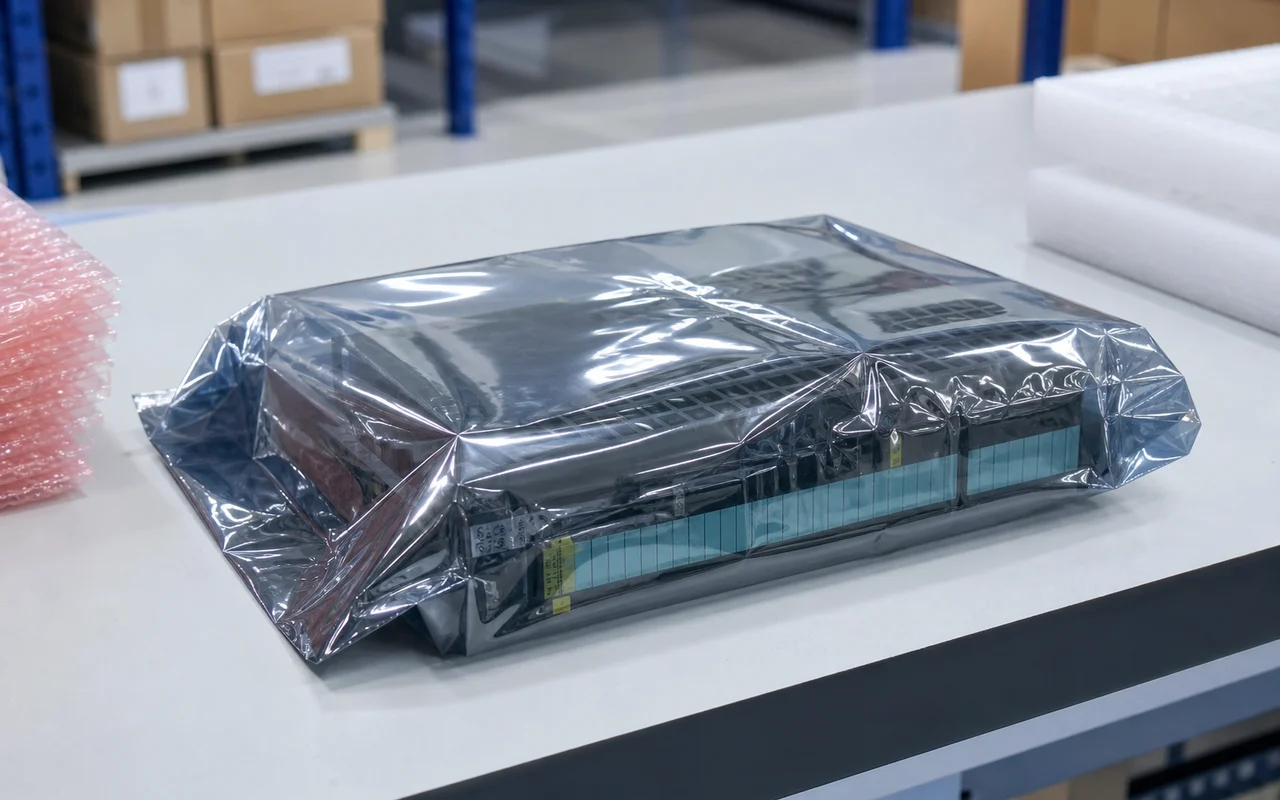 Anti-static Packaging
Modules are packed in anti-static bags to prevent electrostatic damage.
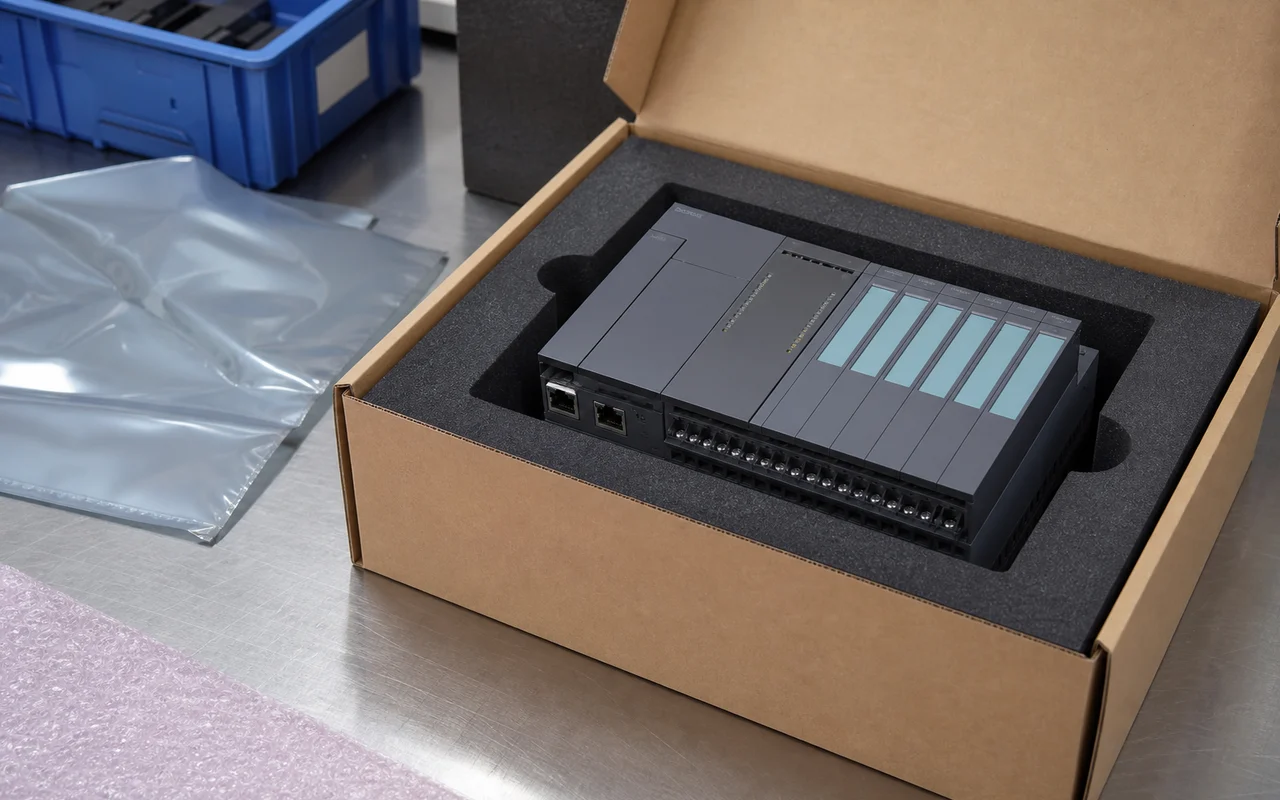 Secure Export Packing
Cushion protection and strong cartons ensure safe transportation.
 Worldwide Shipping
Global logistics network supports air, sea and express delivery.
 Documentation Check
Part number, revision and compatibility verified before shipment.
 After-sales Support
Professional technical support to help resolve your issues.