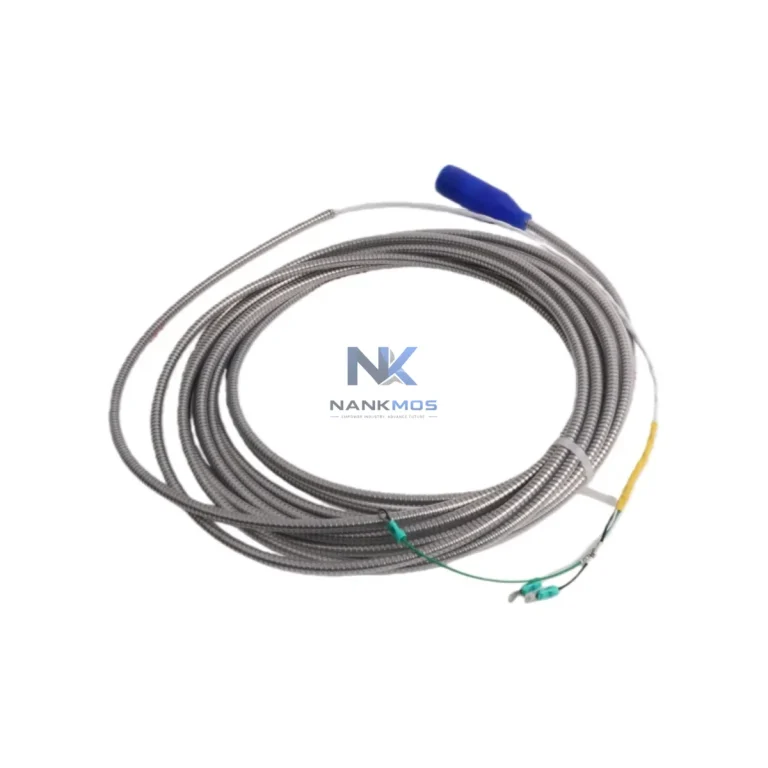
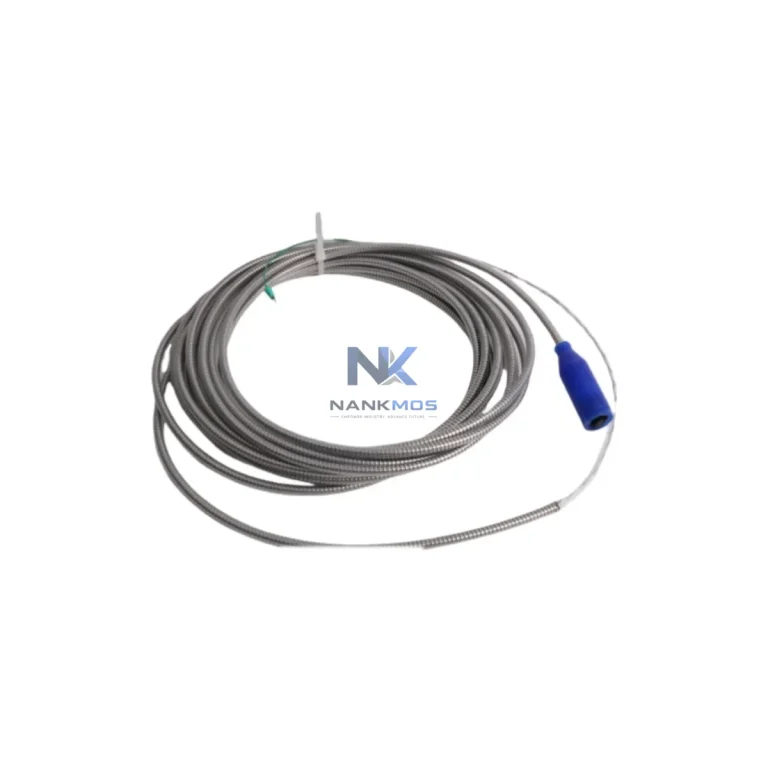
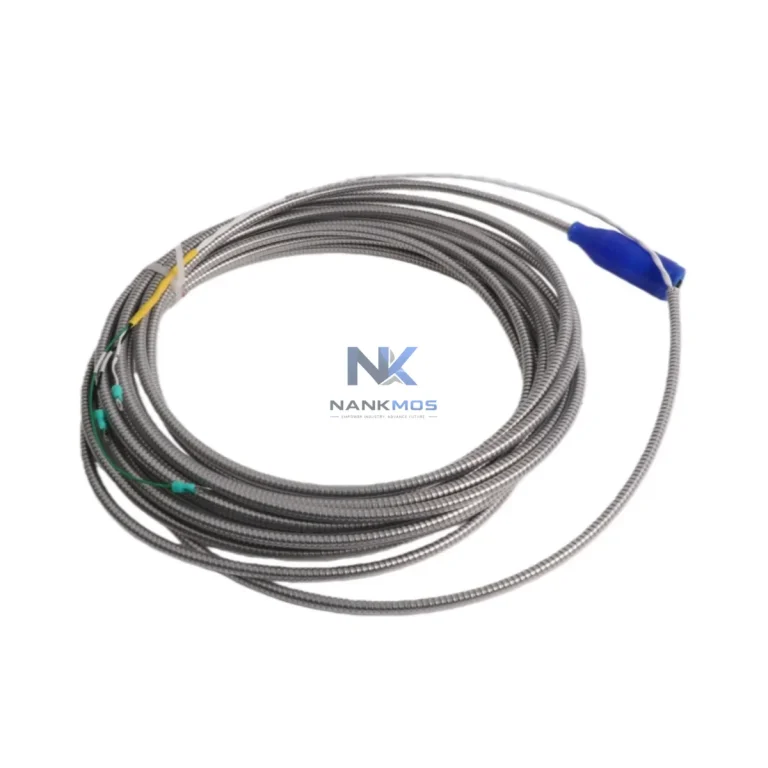
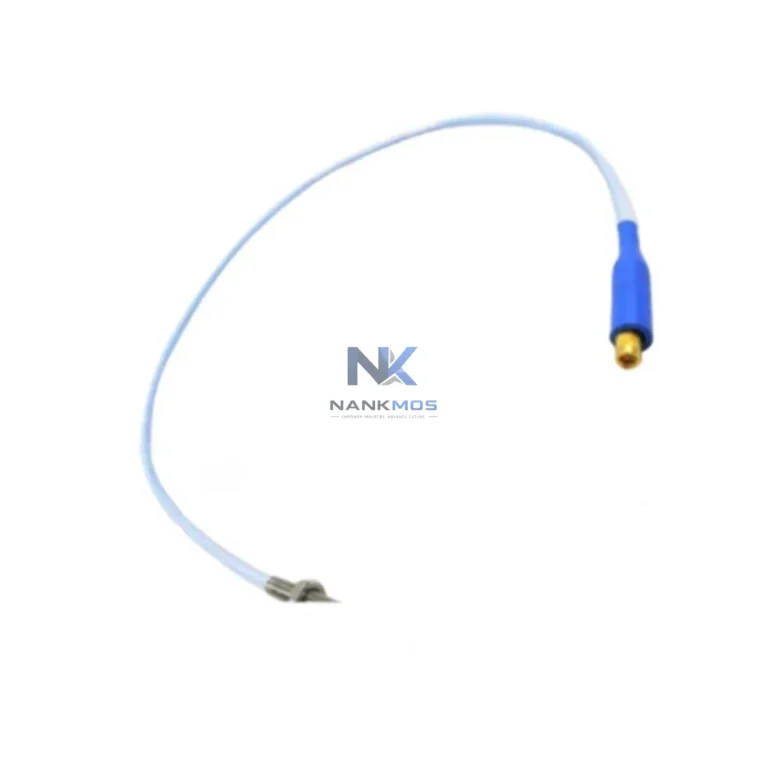
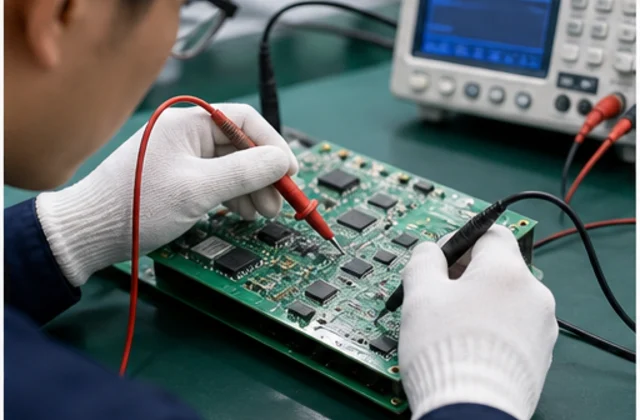
 Functional Inspection
100% tested on professional platforms to ensure stable performance.
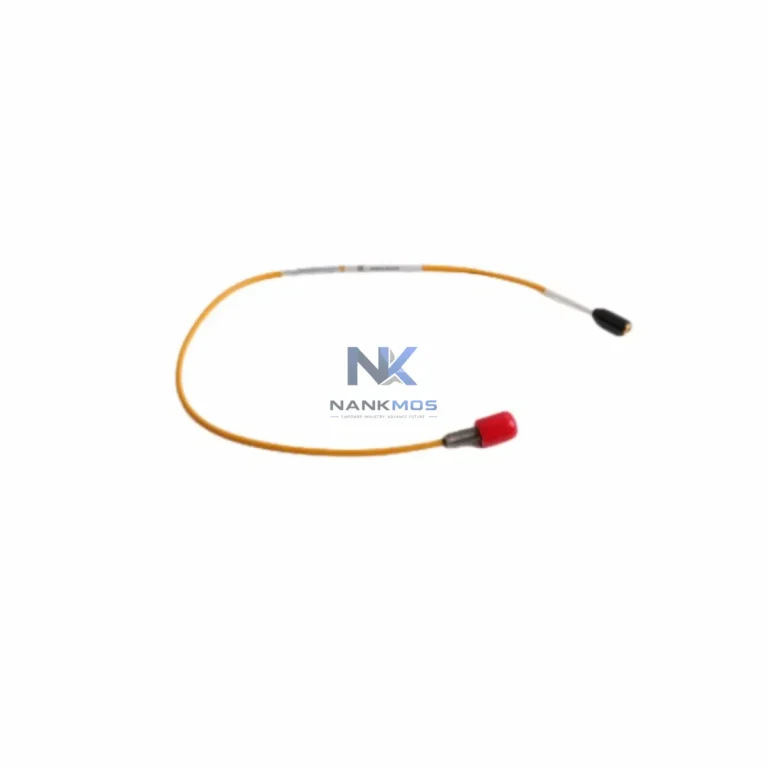
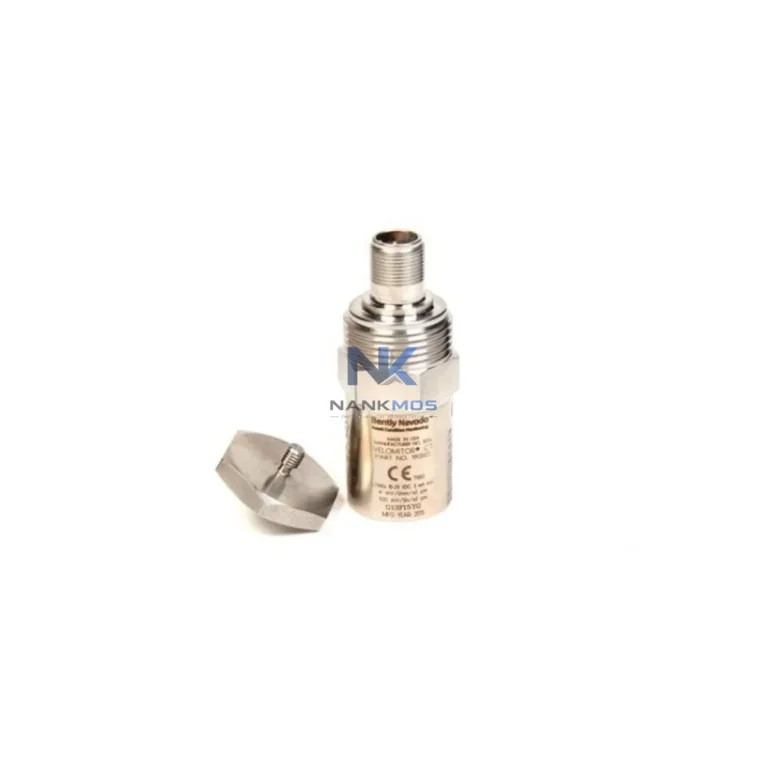
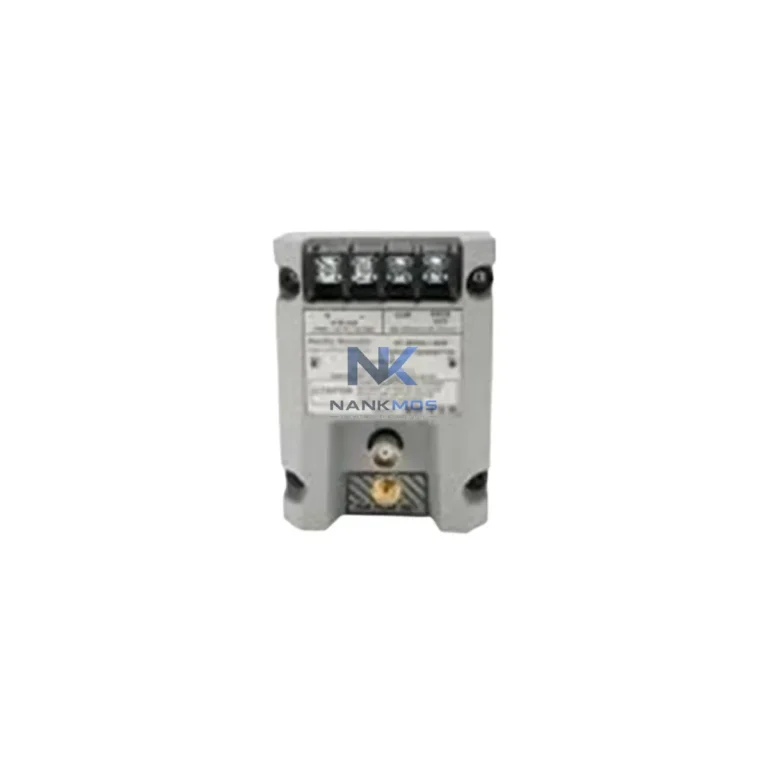
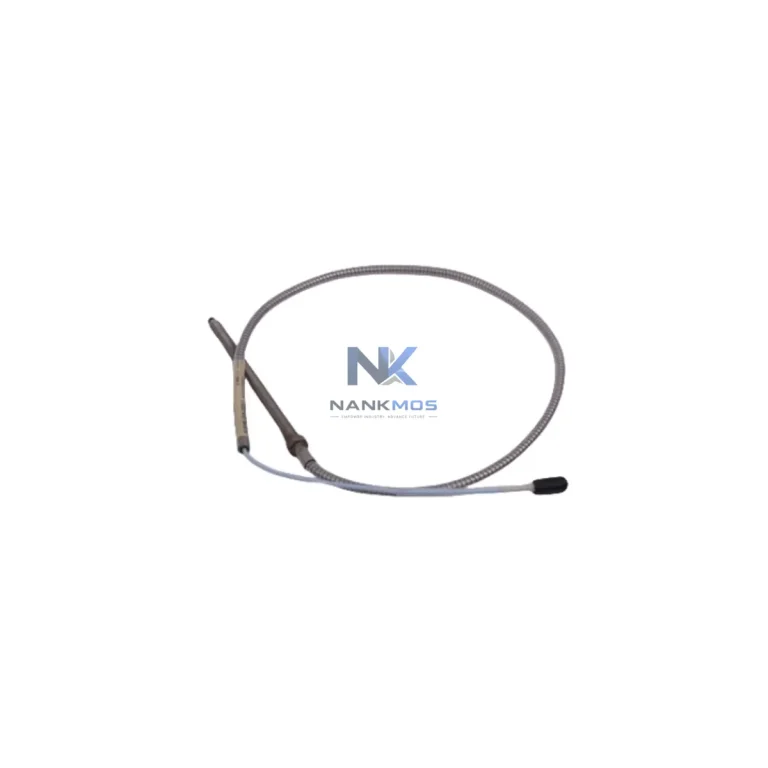
Bently Nevada 330101-48-71-20-02-05 is a NANKMOS industrial automation product record Listed under 3301 series and Sensors. Confirm condition, availability, lead time, compatibility and documentation by email inquiry.
Brand names are used for identification only.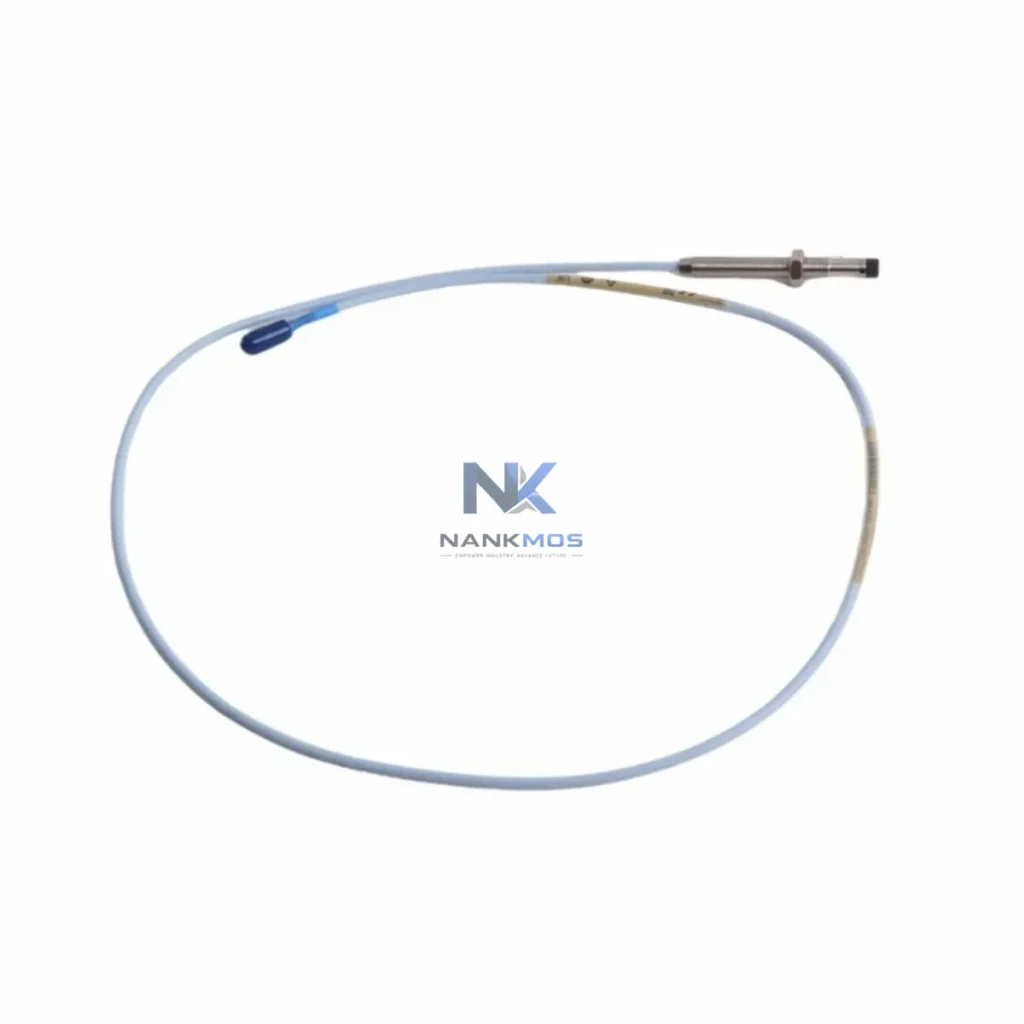
Bently Nevada 330101-48-71-20-02-05 is a NANKMOS industrial automation product record Listed under 3301 series and Sensors. Confirm condition, availability, lead time, compatibility and documentation by email inquiry.
| Manufacturer | Bently Nevada |
|---|---|
| Application | Turbine & Condition Monitoring |
| Part Number / Model | 330101-48-71-20-02-05 |
| Compatible System | 3301 |
| Series | 3301 |
| Condition Options | To Confirm |
| Module Type | Monitoring Module |
| Warranty | 12 Months |
| Packaging | Anti-static Bag / Secure Box |
| Shipping Methods | DHL / FedEx / UPS / Air / Sea |
| Availability | To Confirm |
| Lead Time | To Confirm |
| Documentation | Part number and revision checked before quote |
The Bently Nevada 330101-48-71-20-02-05 proximity transducer is not a standalone sensor — it is a precision front-end element within a fully integrated machinery protection and condition monitoring architecture. Understanding its role requires examining how it interacts with every layer of the control system, from signal acquisition through to enterprise-level diagnostics.
At the I/O and Signal Acquisition Layer, the 330101-48-71-20-02-05 operates as part of a three-component eddy-current measurement chain. It pairs directly with the Bently Nevada 330130 Extension Cable and the 330180 Proximitor Sensor (driver/oscillator module), which conditions the raw gap signal into a calibrated DC voltage output. This signal chain must be matched precisely — cable length, probe body, and driver must all be specified together to maintain the 200 mV/mil sensitivity standard. Any mismatch in this chain introduces measurement error that propagates through the entire monitoring system.
At the Monitor and Control Layer, the conditioned signal feeds into the Bently Nevada 3300 XL Monitor — a modular, rack-mounted vibration and position monitoring system. The 3300 XL accepts inputs from multiple proximity transducer channels simultaneously, enabling radial vibration, axial position (thrust), differential expansion, and eccentricity measurements within a single rack. The monitor communicates alarm states and process values to the plant DCS or safety system via relay outputs, 4–20 mA analog signals, or digital communication protocols including Modbus RTU and Ethernet/IP, depending on the installed communication option card.
At the Communication and Integration Layer, the 3300 XL system supports Contextual Integration with Bently Nevada System 1 Software — a plant-wide asset performance management platform. System 1 aggregates vibration waveform data, trend data, and alarm histories from multiple 3300 XL racks across the facility, enabling cross-machine correlation and predictive maintenance workflows. The 330101-48-71-20-02-05 transducer, as the primary sensing element, is the origin point of all this data. Its calibration accuracy and mechanical installation quality directly determine the reliability of every downstream diagnostic conclusion.
At the Power Supply Layer, the 3300 XL rack requires a regulated -24 VDC supply, typically provided by the Bently Nevada 3300/20 Power Supply Module. Redundant power supply configurations are available for critical machinery protection applications, ensuring that a single power supply failure does not interrupt monitoring continuity. The proximity transducer itself draws its bias voltage from the Proximitor Sensor, which in turn is powered by the rack supply — making power supply stability a foundational requirement for measurement accuracy.
At the HMI and Visualization Layer, alarm states from the 3300 XL monitor are typically surfaced through plant DCS operator stations or dedicated condition monitoring workstations running System 1. In smaller installations, a local Bently Nevada 3300/95 Display Module may be installed in the rack to provide direct numeric readout of gap, vibration amplitude, and alarm status without requiring a networked workstation. This local display capability is particularly valuable during commissioning and field troubleshooting.
At the Protection and Safety Layer, the 3300 XL monitor's relay outputs connect to the plant's emergency shutdown (ESD) or safety instrumented system (SIS). When vibration or position measurements exceed configured danger setpoints, the monitor triggers relay outputs that initiate machine trip sequences. The 330101-48-71-20-02-05 transducer's measurement accuracy is therefore directly linked to machinery protection reliability — a miscalibrated or damaged transducer can result in either spurious trips or, more critically, missed danger conditions.
At the Maintenance and Diagnostics Layer, the 3300 XL system provides built-in OK/Not-OK status monitoring for each transducer channel. If the 330101-48-71-20-02-05 probe develops an open circuit, short circuit, or operates outside its linear measurement range, the monitor flags the channel as Not-OK and generates an alarm. This self-diagnostic capability, combined with System 1's historical trending, enables maintenance teams to distinguish between genuine machinery faults and instrumentation issues — a critical capability in high-availability plant environments.
In summary, the 330101-48-71-20-02-05 integrates with the 330130 Extension Cable, 330180 Proximitor Sensor, 3300 XL Monitor, 3300/20 Power Supply Module, 3300/95 Display Module, System 1 Software, and plant-level DCS and SIS infrastructure to form a complete, layered machinery protection architecture. Each component is interdependent, and the performance of the overall system is only as reliable as its weakest element.
The Bently Nevada 330101-48-71-20-02-05 proximity transducer is deployed across a wide range of heavy industrial applications where continuous, high-reliability shaft monitoring is essential to plant safety and operational continuity.
In oil and gas processing and petrochemical plants, the 330101-48-71-20-02-05 is installed on critical rotating equipment including centrifugal compressors, gas turbines, and high-speed pumps. These machines operate continuously under high load, and even brief undetected vibration excursions can result in catastrophic mechanical failure. The transducer's wide frequency response (DC to 10,000 Hz) and high sensitivity (200 mV/mil) make it suitable for detecting both low-frequency rotor instability and high-frequency bearing defect signatures.
In power generation — including thermal, nuclear, and combined-cycle gas turbine plants — the 330101-48-71-20-02-05 monitors steam turbine and generator shaft vibration and axial position. Turbine shaft axial displacement monitoring is a critical safety function; excessive thrust bearing wear can result in rotor-stator contact and catastrophic machine destruction. The transducer's DC measurement capability makes it ideal for static position measurement in addition to dynamic vibration measurement.
In mining and minerals processing, large ball mills, SAG mills, and crusher drives are monitored using proximity transducer systems to detect bearing wear, shaft misalignment, and structural resonance before they progress to failure. The robust construction of the 330101-48-71-20-02-05, with its wide operating temperature range (-35°C to +121°C), makes it suitable for the harsh environmental conditions typical of mining installations.
In water and wastewater treatment, large centrifugal pumps and blowers are monitored for shaft vibration and bearing condition. While these machines operate at lower speeds than turbomachinery, the consequences of unplanned failure — including environmental incidents and regulatory non-compliance — make continuous monitoring economically justified.
In marine and offshore applications, the 330101-48-71-20-02-05 is used on ship propulsion systems, compressor trains on floating production storage and offloading (FPSO) vessels, and offshore platform gas compression equipment. Marine installations require transducers that can withstand vibration, humidity, and salt atmosphere — conditions well within the design envelope of the 3300 XL system.
In metallurgical and steel plant applications, rolling mill drives, blast furnace blowers, and continuous casting machine drives are monitored using proximity transducer systems. The ability to detect early-stage bearing defects and rotor imbalance allows maintenance teams to schedule corrective action during planned outages rather than responding to emergency breakdowns.
Q1: Is the 330101-48-71-20-02-05 compatible with existing 3300 XL monitor racks, and can it replace older 3300 series transducers without reconfiguration?
The 330101-48-71-20-02-05 is fully compatible with all 3300 XL series monitor modules and maintains backward compatibility with earlier 3300 series racks. The transducer, extension cable, and Proximitor Sensor must be specified as a matched set to maintain calibrated sensitivity. When replacing an older 3300 series transducer, verify that the replacement probe body thread size, cable length, and driver part number match the original specification. No monitor reconfiguration is required if the replacement set maintains the same sensitivity (200 mV/mil) and gap range as the original installation. NANKMOS provides pre-shipment functional testing and calibration verification for all 330101-48-71-20-02-05 units to ensure drop-in compatibility.
Q2: What installation and commissioning steps are required to ensure accurate measurement after replacing the 330101-48-71-20-02-05 in a running plant?
Commissioning a replacement 330101-48-71-20-02-05 requires setting the probe gap to the manufacturer-specified nominal gap (typically 50 mil / 1.27 mm for standard 3300 XL applications), verifying the Proximitor Sensor output voltage at the nominal gap, and confirming the monitor channel OK status before returning the machine to service. Gap setting should be performed with the shaft stationary and the machine de-energized. After installation, a slow-roll vibration check (typically at 200–500 RPM) should be performed to verify that the transducer is reading correctly before the machine is brought to operating speed. NANKMOS technical support is available to assist with commissioning questions for all supplied units.
Q3: What does the 12-Month Warranty cover, and what is NANKMOS's inventory availability and lead time for the 330101-48-71-20-02-05?
The NANKMOS 12-Month Warranty covers manufacturing defects, calibration failures, and functional non-conformance under normal operating conditions. Units that fail within the warranty period are replaced or repaired at no charge, with priority processing to minimize plant downtime. NANKMOS maintains stock inventory of the 330101-48-71-20-02-05 and the complete 3300 XL transducer system components, enabling same-day or next-day dispatch for urgent requirements. For planned maintenance programs, NANKMOS can provide scheduled delivery agreements to ensure parts availability aligns with planned outage windows. Contact [email protected] or +86 18359268345 for current stock status and lead time confirmation.
Functional Inspection100% tested on professional platforms to ensure stable performance.
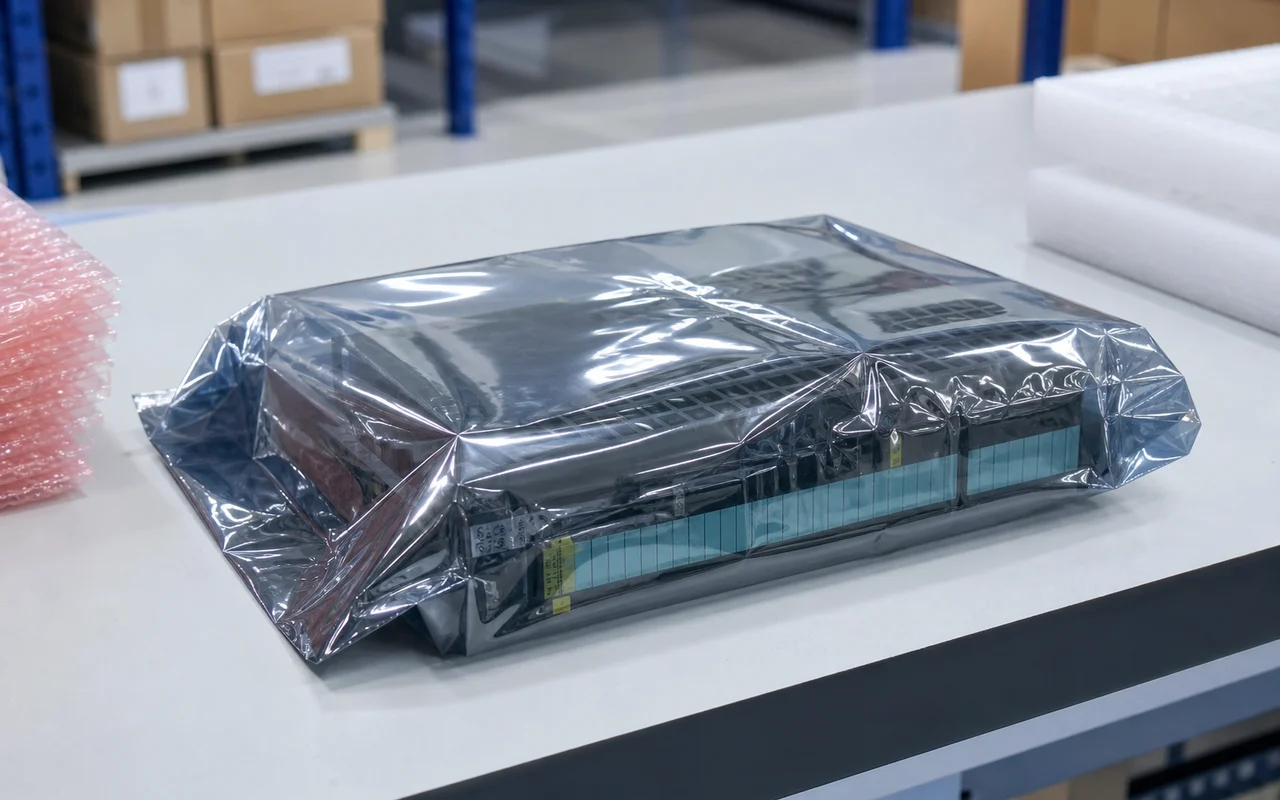 Anti-static Packaging
Modules are packed in anti-static bags to prevent electrostatic damage.
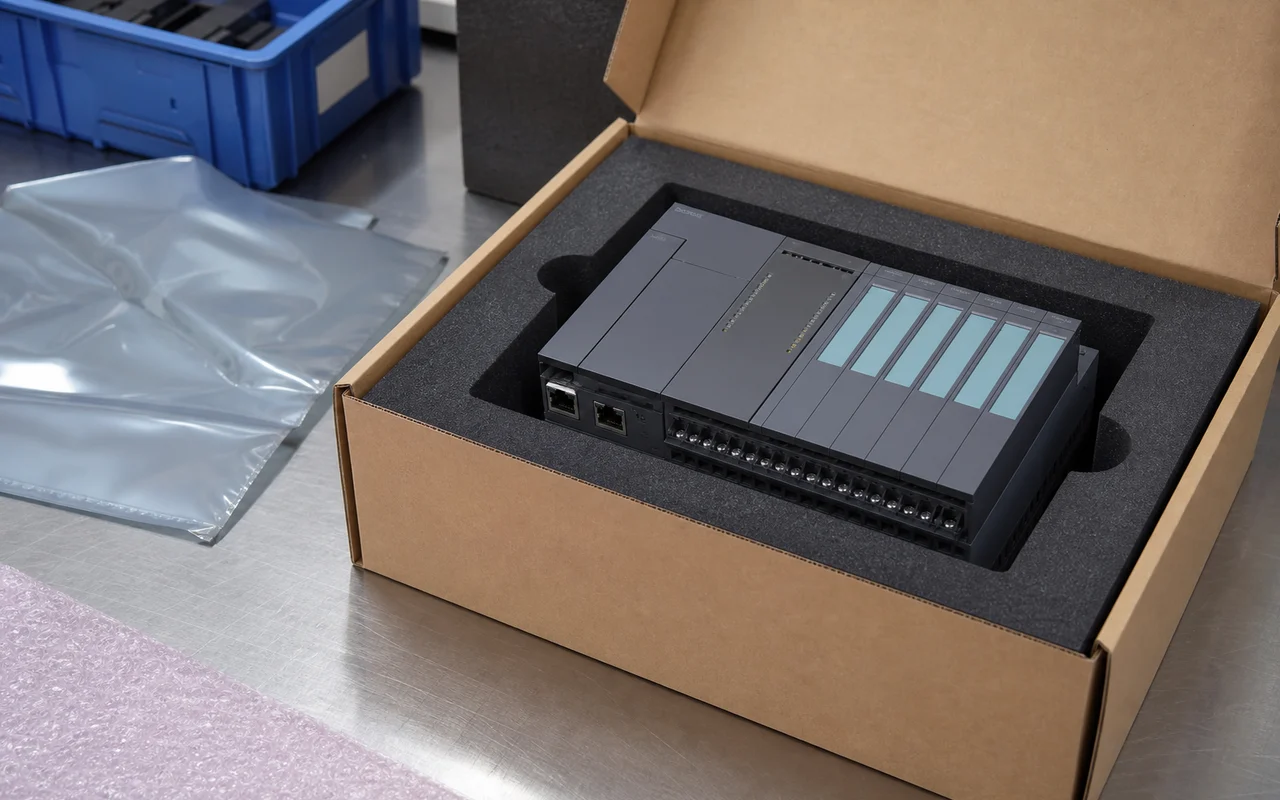 Secure Export Packing
Cushion protection and strong cartons ensure safe transportation.
 Worldwide Shipping
Global logistics network supports air, sea and express delivery.
 Documentation Check
Part number, revision and compatibility verified before shipment.
 After-sales Support
Professional technical support to help resolve your issues.