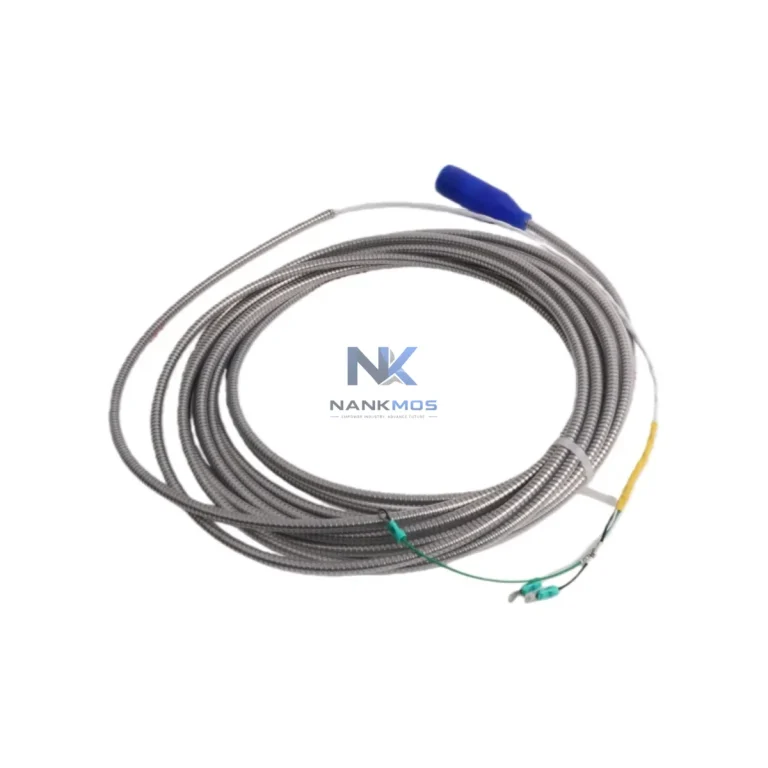
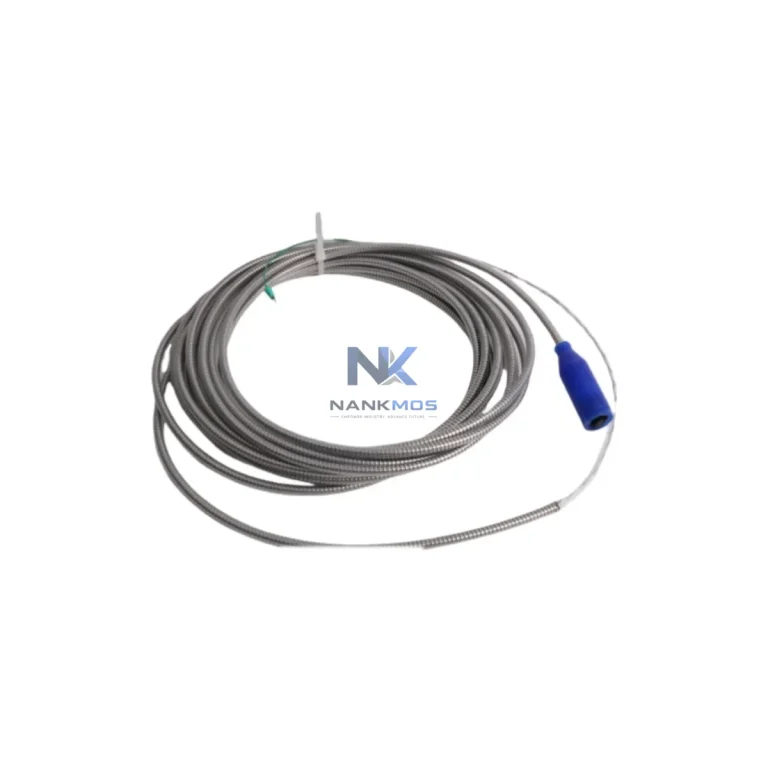
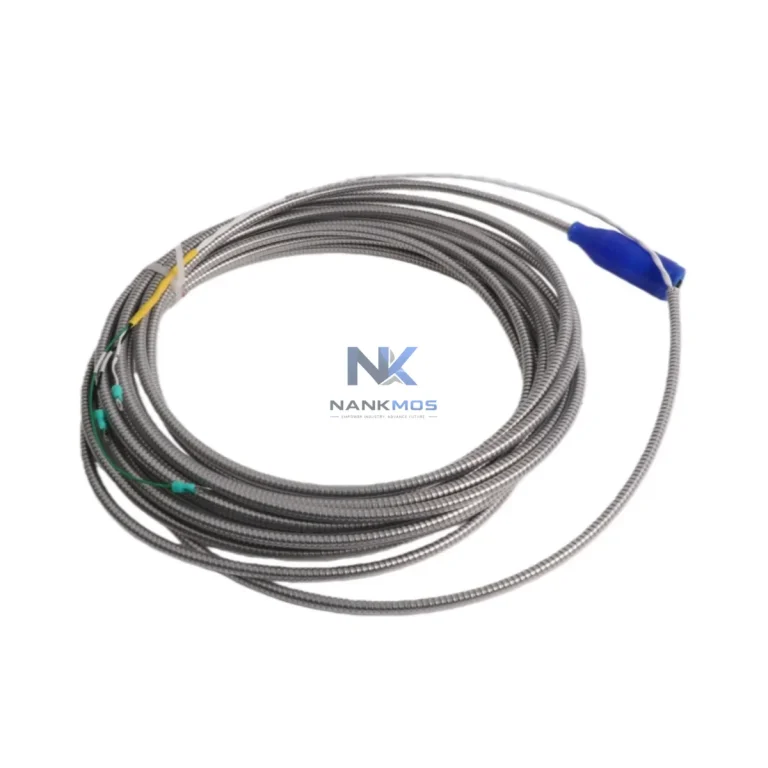
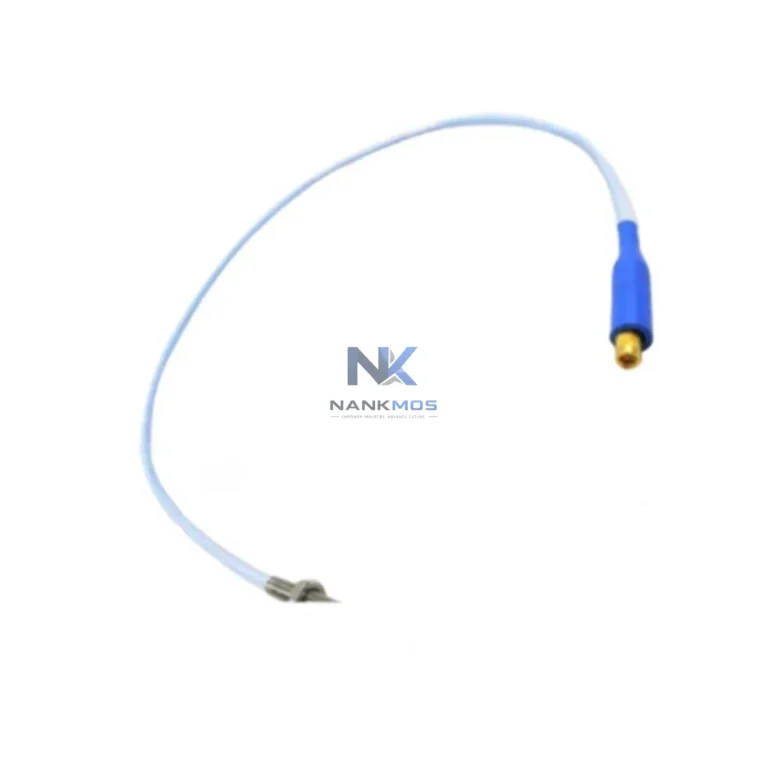
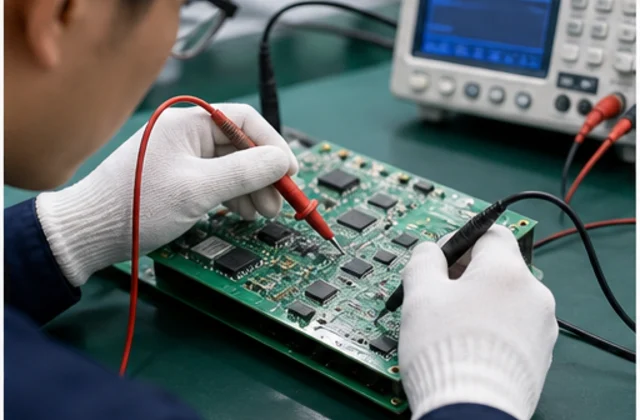
 Functional Inspection
100% tested on professional platforms to ensure stable performance.
Bently Nevada 330500-01-02 is a NANKMOS industrial automation product record Listed under 3305 series and Sensors. Confirm condition, availability, lead time, compatibility and documentation by email inquiry.
Brand names are used for identification only.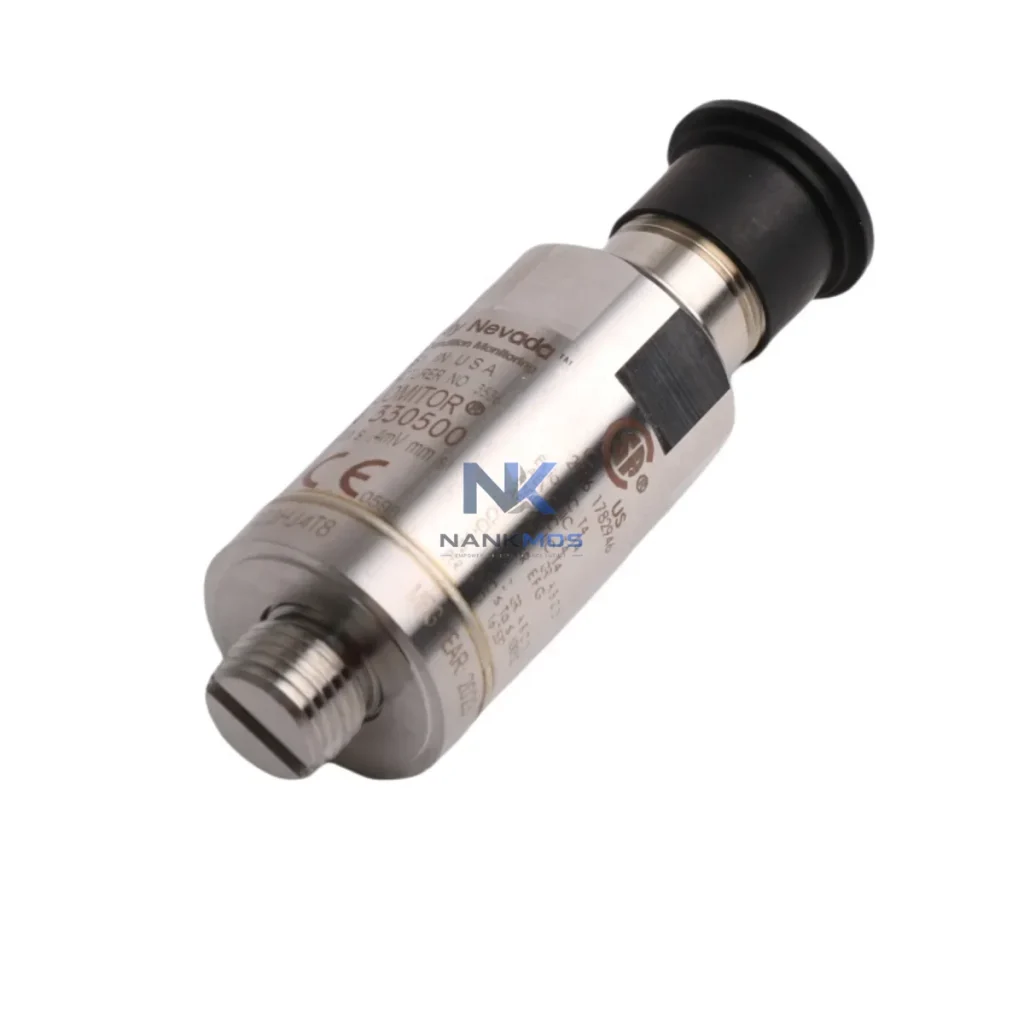
Bently Nevada 330500-01-02 is a NANKMOS industrial automation product record Listed under 3305 series and Sensors. Confirm condition, availability, lead time, compatibility and documentation by email inquiry.
| Manufacturer | Bently Nevada |
|---|---|
| Application | Turbine & Condition Monitoring |
| Part Number / Model | 330500-01-02 |
| Compatible System | 3305 |
| Series | 3305 |
| Condition Options | To Confirm |
| Module Type | Monitoring Module |
| Warranty | 12 Months |
| Packaging | Anti-static Bag / Secure Box |
| Shipping Methods | DHL / FedEx / UPS / Air / Sea |
| Availability | To Confirm |
| Lead Time | To Confirm |
| Documentation | Part number and revision checked before quote |
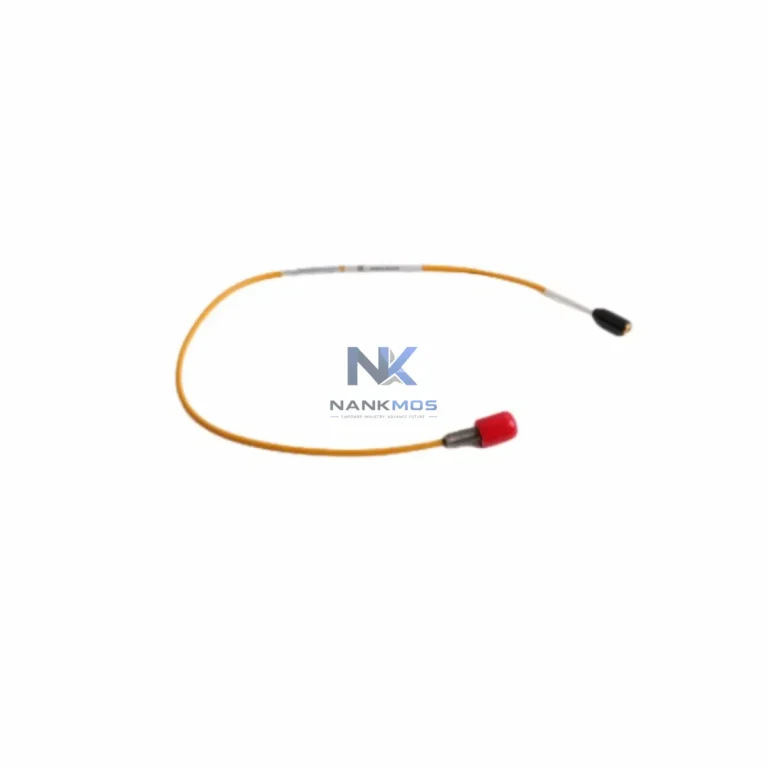
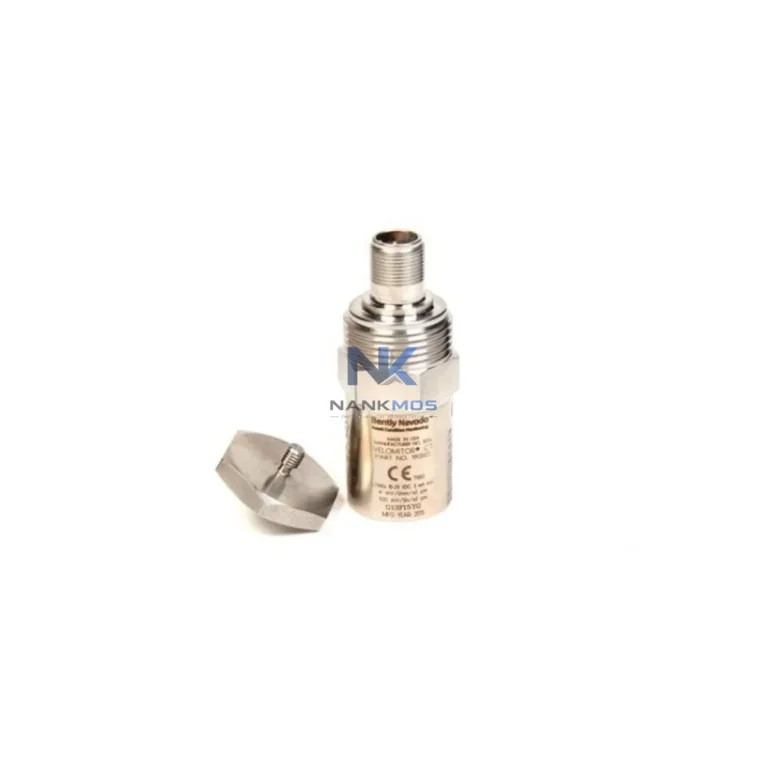
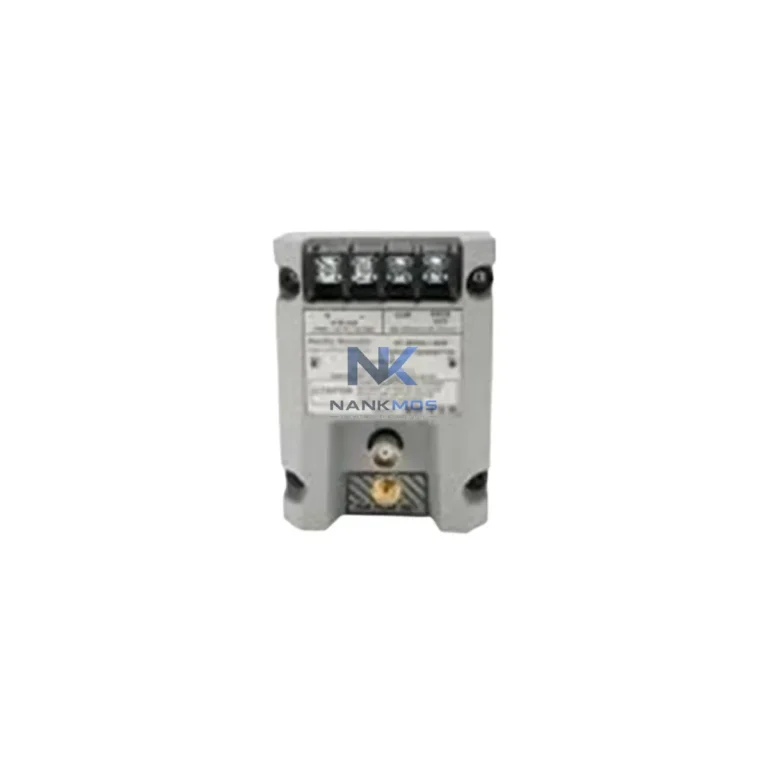
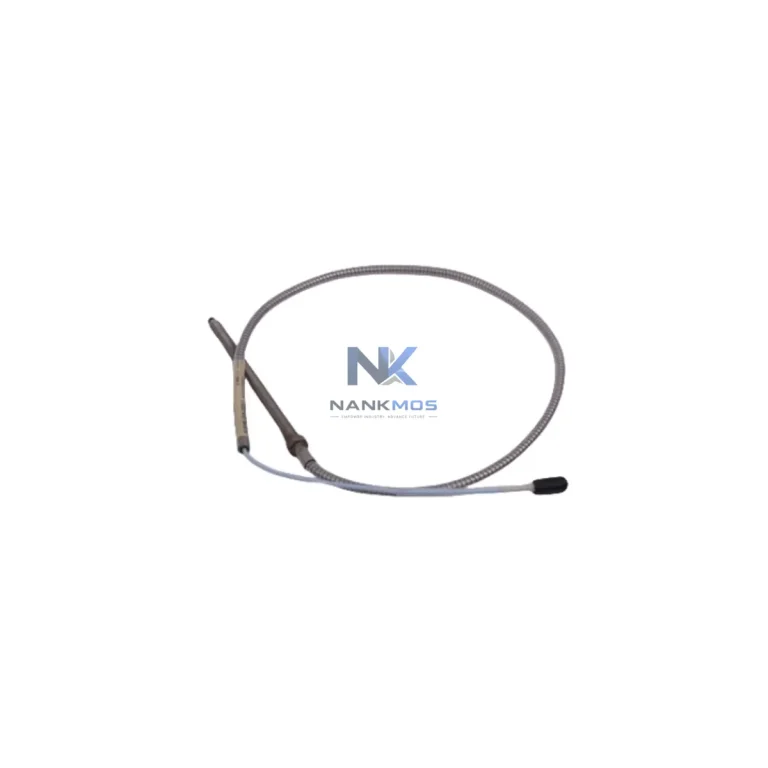
The Bently Nevada 330500-01-02 Velomitor Piezo Velocity Sensor is a precision-grade vibration measurement device engineered for continuous energy-aware machinery monitoring in demanding industrial environments. Designed to integrate seamlessly into modern energy management architectures, the 330500-01-02 delivers broadband velocity output that enables real-time load assessment, thermal load reduction, and production line rhythm stabilization — all critical pillars of an energy-optimized smart factory.
Operating across a wide frequency range, the 330500-01-02 captures both low-frequency mechanical imbalance and high-frequency bearing defect signatures with exceptional signal fidelity. Its piezoelectric sensing element converts mechanical vibration directly into a proportional voltage output, eliminating the need for external power conditioning and reducing auxiliary energy draw at the I/O level. When paired with a Bently Nevada 3500/40M Proximitor Monitor or a 3500/42M Velocity Monitor rack, the sensor feeds structured vibration data into the 3500 Series machinery protection system, enabling automated alert and danger setpoint management without operator intervention.
In energy-intensive production environments — including power generation turbines, petrochemical compressor trains, and marine propulsion systems — undetected vibration anomalies translate directly into elevated energy consumption. A rotor running with even minor imbalance forces the drive system to compensate, increasing current draw at the variable frequency drive (VFD) and raising thermal output across motor windings. The 330500-01-02 provides the continuous velocity feedback necessary for the control system to detect this condition early, allowing the VFD to adjust output frequency and torque setpoints before energy waste compounds into equipment damage.
The 330500-01-02 is designed to function as a front-end energy sensing node within a layered industrial automation architecture. In a typical smart production line deployment, the sensor mounts directly on the bearing housing of a rotating machine and transmits velocity data to a Bently Nevada 3500/42M Velocity Monitor. The monitor processes the signal and communicates alarm states via a hardwired relay or a Modbus RTU/TCP interface to the plant's distributed control system (DCS) or programmable logic controller (PLC).
At the PLC level — for example, a Rockwell Automation ControlLogix or Siemens S7-300 platform — the vibration alarm triggers a conditional logic block that commands the connected variable frequency drive to reduce motor speed or initiate a controlled ramp-down sequence. This closed-loop response prevents the motor from continuing to operate at full load under a degraded mechanical condition, directly reducing energy consumption and heat generation in the motor and drive cabinet. The Bently Nevada 3500/20 Rack Power Monitor within the same 3500 chassis provides supply voltage and current monitoring, ensuring the protection rack itself operates within its rated power envelope.
For facilities running Bently Nevada System 1 asset performance management software, the 330500-01-02 data stream integrates natively, enabling trend analysis, spectrum comparison, and predictive maintenance scheduling. System 1 correlates velocity amplitude trends with process variables — such as load current from a power monitoring module or inlet pressure from a 4–20 mA pressure transmitter — to build a composite equipment health index. This index feeds into the plant's SCADA system, where operators can visualize energy consumption per machine, identify inefficient operating zones, and schedule maintenance windows that minimize production disruption.
In multi-axis drive systems, the 330500-01-02 works alongside Bently Nevada 330180 Proximity Transducers and 330130 Proximitor Drivers to provide a complete shaft and casing vibration picture. While the proximity transducers measure relative shaft displacement (critical for journal bearing machines), the Velomitor captures absolute casing velocity — together they give the 3500 rack sufficient data to distinguish between rotor-dynamic instability and structural resonance, each of which has a different energy signature and a different corrective action at the drive level. HMI panels connected to the PLC display real-time vibration velocity alongside motor current and VFD output frequency, giving operators a unified energy-and-condition dashboard without requiring separate instrumentation.
In high-throughput manufacturing and process industries, production line efficiency is inseparable from energy efficiency. A single unmonitored rotating machine operating with a developing bearing fault can increase its energy consumption by 3–8% before any audible or thermal symptom becomes apparent. Multiplied across a compressor train or a pump gallery with dozens of machines, this hidden energy waste represents a significant and avoidable operating cost.
The Bently Nevada 330500-01-02 addresses this challenge by providing continuous, high-resolution velocity data that the protection system uses to enforce operating envelopes. When velocity amplitude at a monitored frequency band exceeds a configurable alert threshold — set within the 3500/42M monitor or via System 1 — the system can trigger an automatic load reduction command to the VFD, reducing motor torque and current draw while the maintenance team investigates. This proactive load management strategy prevents the thermal runaway cycle that occurs when a degraded bearing forces the motor to draw progressively more current to maintain speed, generating additional heat that accelerates insulation breakdown and ultimately leads to unplanned downtime.
From a production rhythm perspective, the 330500-01-02 enables condition-based maintenance scheduling rather than fixed-interval shutdowns. By trending velocity amplitude over weeks and months within System 1, maintenance planners can predict the remaining useful life of bearings and couplings with sufficient lead time to order replacement parts, schedule the outage during a planned production gap, and return the machine to service without disrupting the line's overall throughput target. This shift from reactive to predictive maintenance directly improves equipment utilization rates and reduces the energy penalty associated with emergency restarts and thermal cycling of cold equipment.
For facilities pursuing ISO 50001 energy management certification or internal energy KPI targets, the 330500-01-02 provides the machine-level vibration data layer that complements power metering and thermal imaging programs. When integrated with a plant energy management system (EMS) via the 3500 rack's Modbus TCP gateway or an OPC-UA server, the velocity data becomes part of a unified energy dataset that supports automated reporting, anomaly flagging, and continuous improvement workflows — all without additional wiring or instrumentation beyond the sensor itself.
Q1: How does the 330500-01-02 contribute to measurable energy savings on a production line? By detecting mechanical imbalance, misalignment, and bearing degradation at an early stage, the 330500-01-02 allows the control system to reduce motor load before energy waste escalates. Early intervention via VFD speed adjustment or load shedding can reduce motor current draw by 3–10% per affected machine, with compounding savings across multi-machine installations. All units are pre-shipment tested to confirm sensitivity and output linearity before dispatch.
Q2: Is the 330500-01-02 compatible with existing Bently Nevada 3500 and 3300 Series monitoring racks? Yes. The 330500-01-02 is fully compatible with the Bently Nevada 3500/42M Velocity Monitor and the 3300/16 Velocity Monitor, as well as legacy 3300 Series racks. It connects via standard coaxial cabling and requires no additional signal conditioning. Compatibility with System 1 software is maintained through the rack's communication gateway, supporting both Modbus RTU and OPC-UA data export to SCADA and EMS platforms.
Q3: What is the recommended replacement or upgrade path for older velocity sensors in the same application? The 330500-01-02 is a direct form-fit-function replacement for earlier Velomitor variants used in Bently Nevada 3500 and 3300 installations. No rack reconfiguration is required for standard velocity channel replacements. For applications currently using electrodynamic (moving-coil) velocity sensors, the 330500-01-02 offers improved high-frequency response and lower maintenance requirements due to the absence of moving mechanical parts, making it the preferred upgrade for energy-sensitive rotating equipment programs.
Q4: What warranty and supply assurance does NANKMOS provide for the 330500-01-02? All Bently Nevada 330500-01-02 units supplied by NANKMOS carry a 12-month warranty covering manufacturing defects and performance conformance to published specifications. Units are held in stock and undergo pre-shipment functional testing — including sensitivity verification and output signal check — before dispatch. For bulk procurement or project-based supply scheduling, contact our team directly to confirm lead times and reserve allocation.
Functional Inspection100% tested on professional platforms to ensure stable performance.
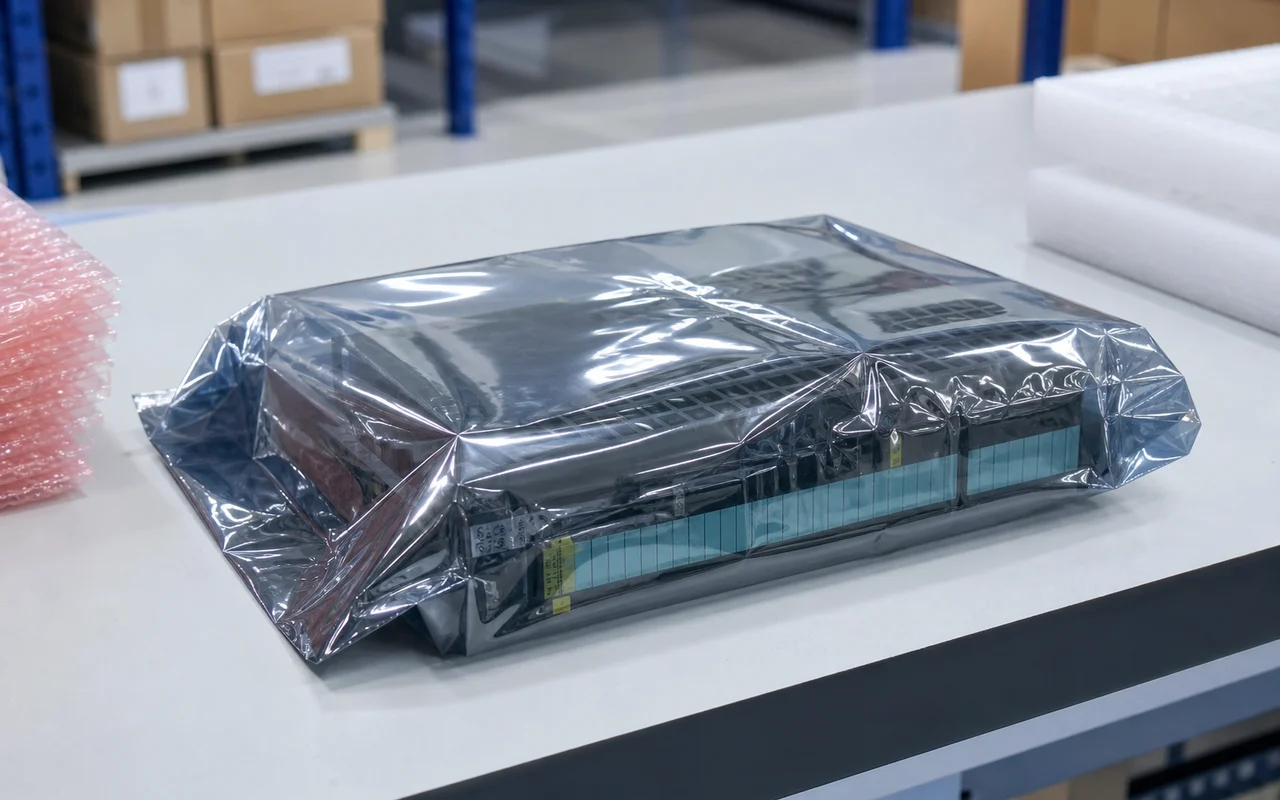 Anti-static Packaging
Modules are packed in anti-static bags to prevent electrostatic damage.
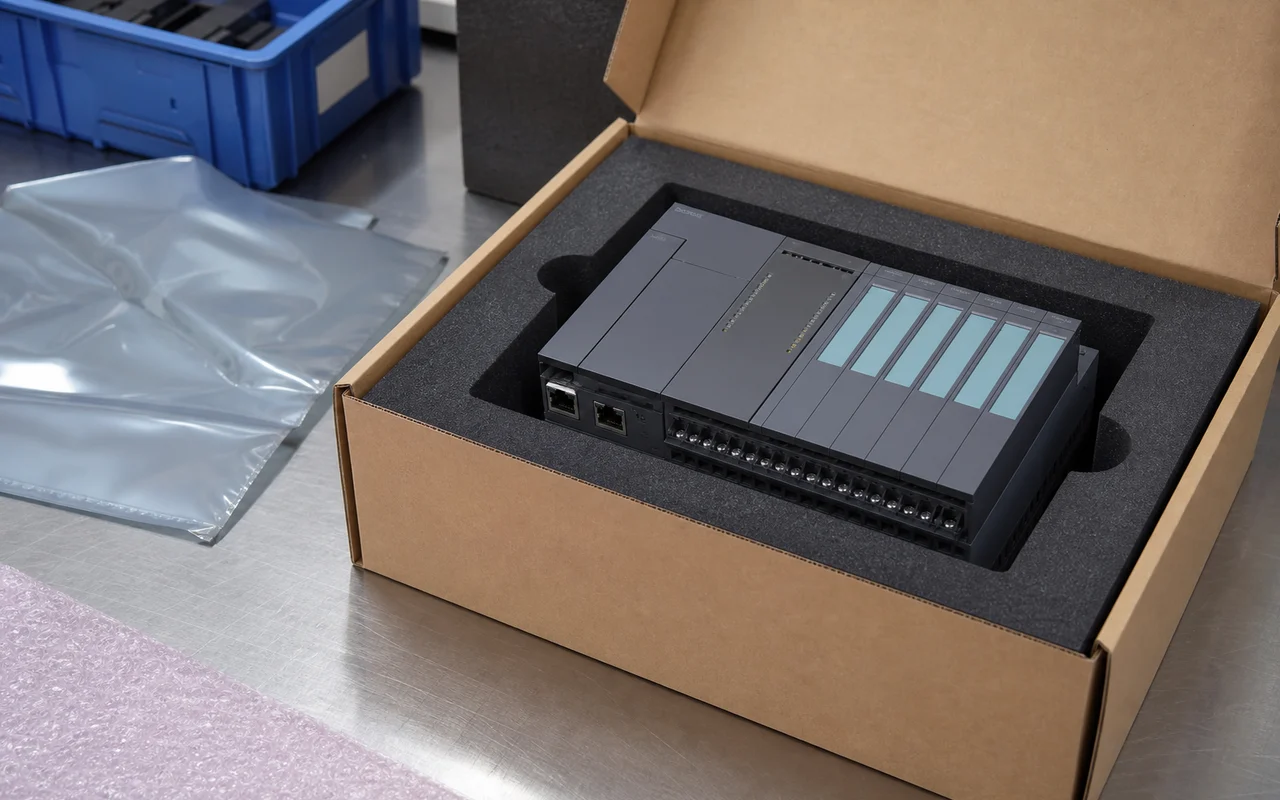 Secure Export Packing
Cushion protection and strong cartons ensure safe transportation.
 Worldwide Shipping
Global logistics network supports air, sea and express delivery.
 Documentation Check
Part number, revision and compatibility verified before shipment.
 After-sales Support
Professional technical support to help resolve your issues.