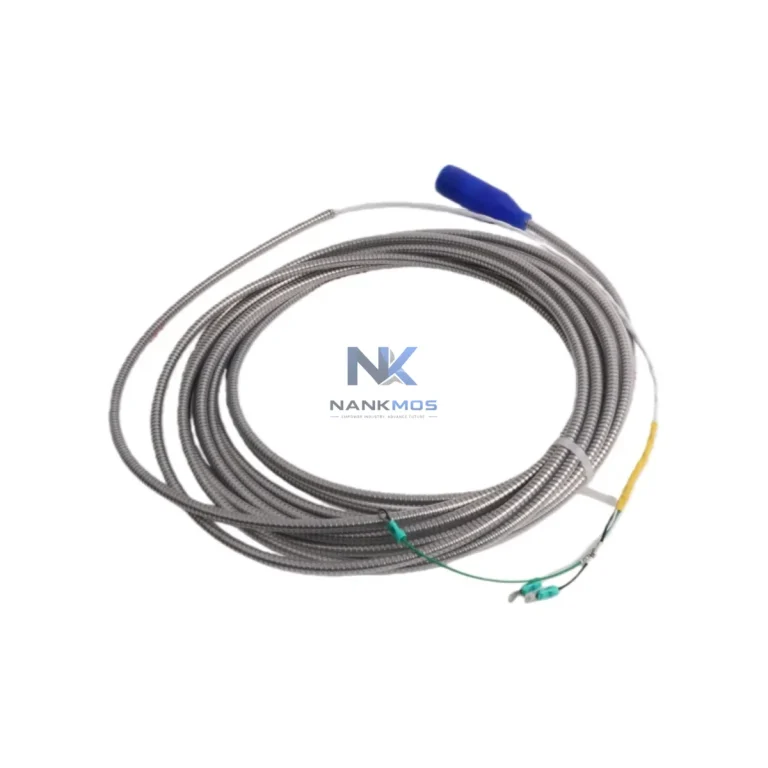
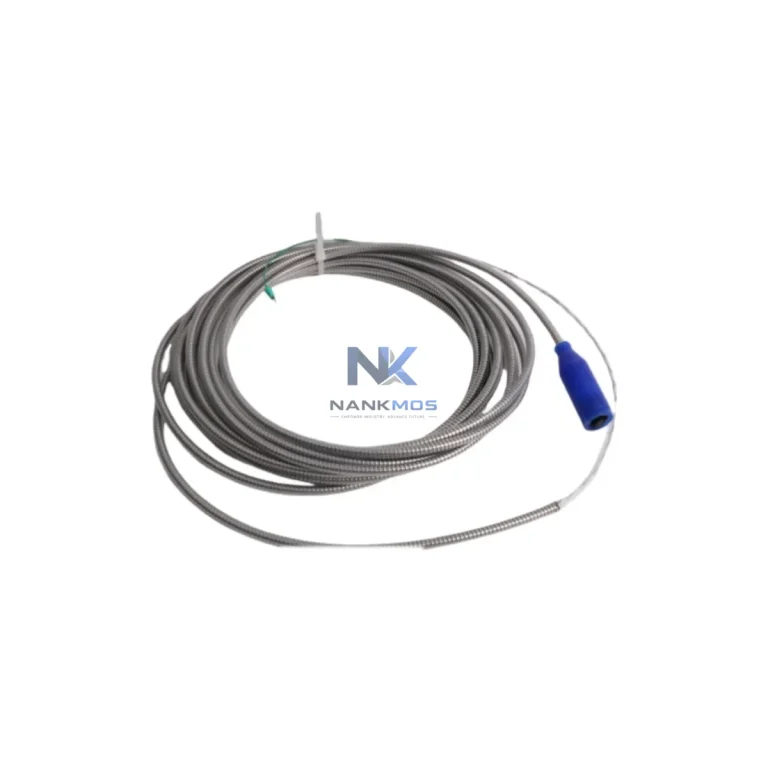
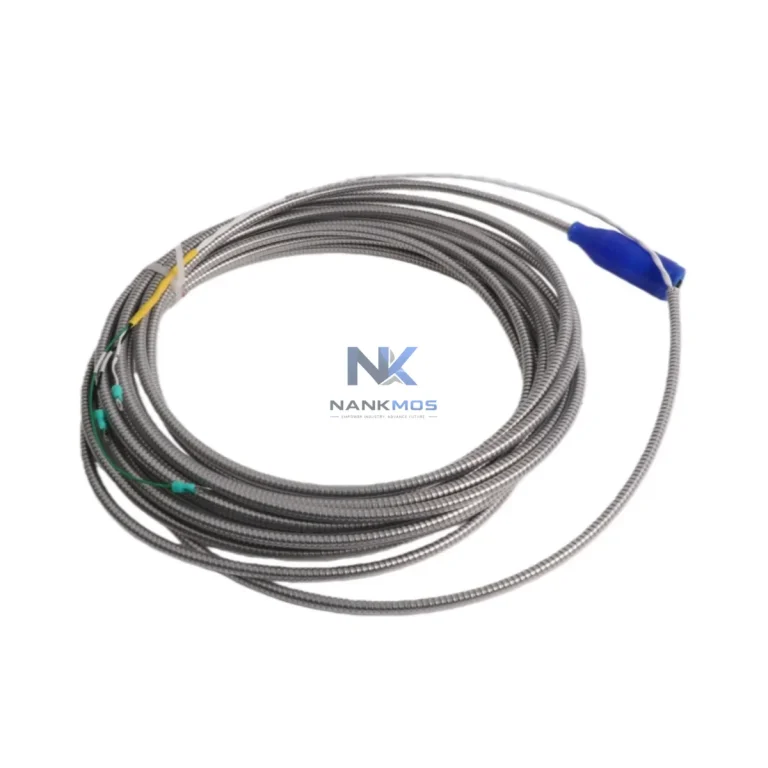
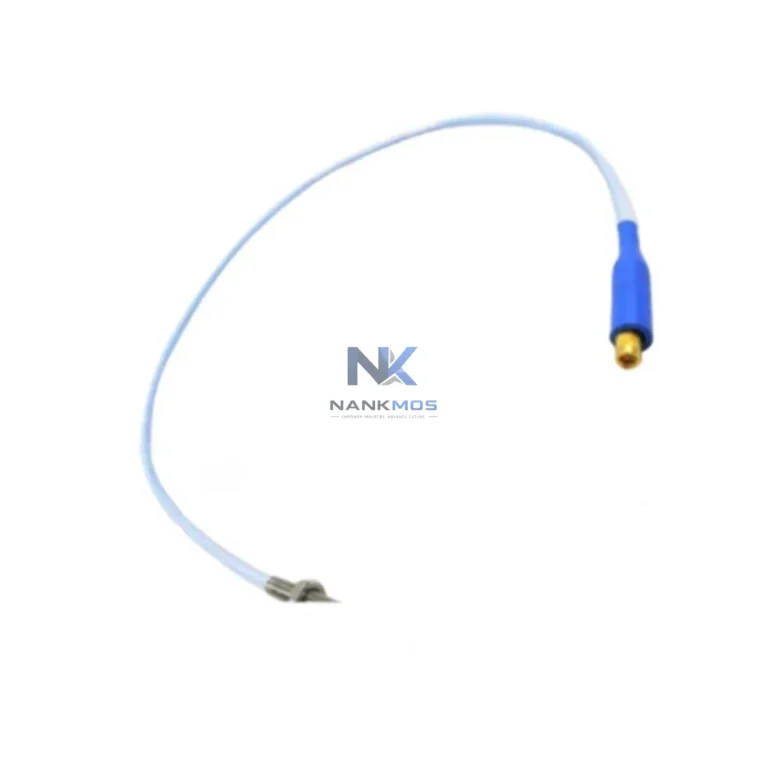
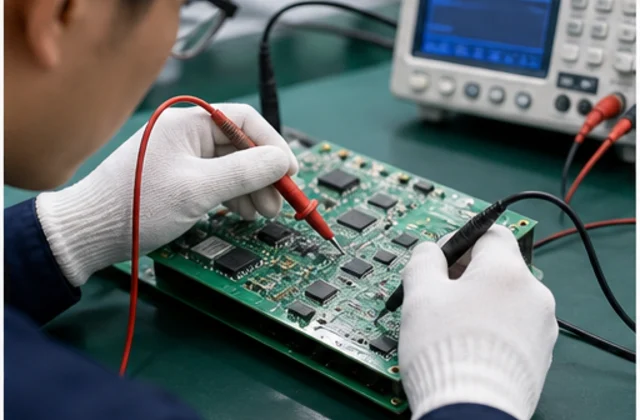
 Functional Inspection
100% tested on professional platforms to ensure stable performance.
Bently Nevada 990-06-70-01-05 is a NANKMOS industrial automation product record Listed under 990 Series series and Sensors. Confirm condition, availability, lead time, compatibility and documentation by email inquiry.
Brand names are used for identification only.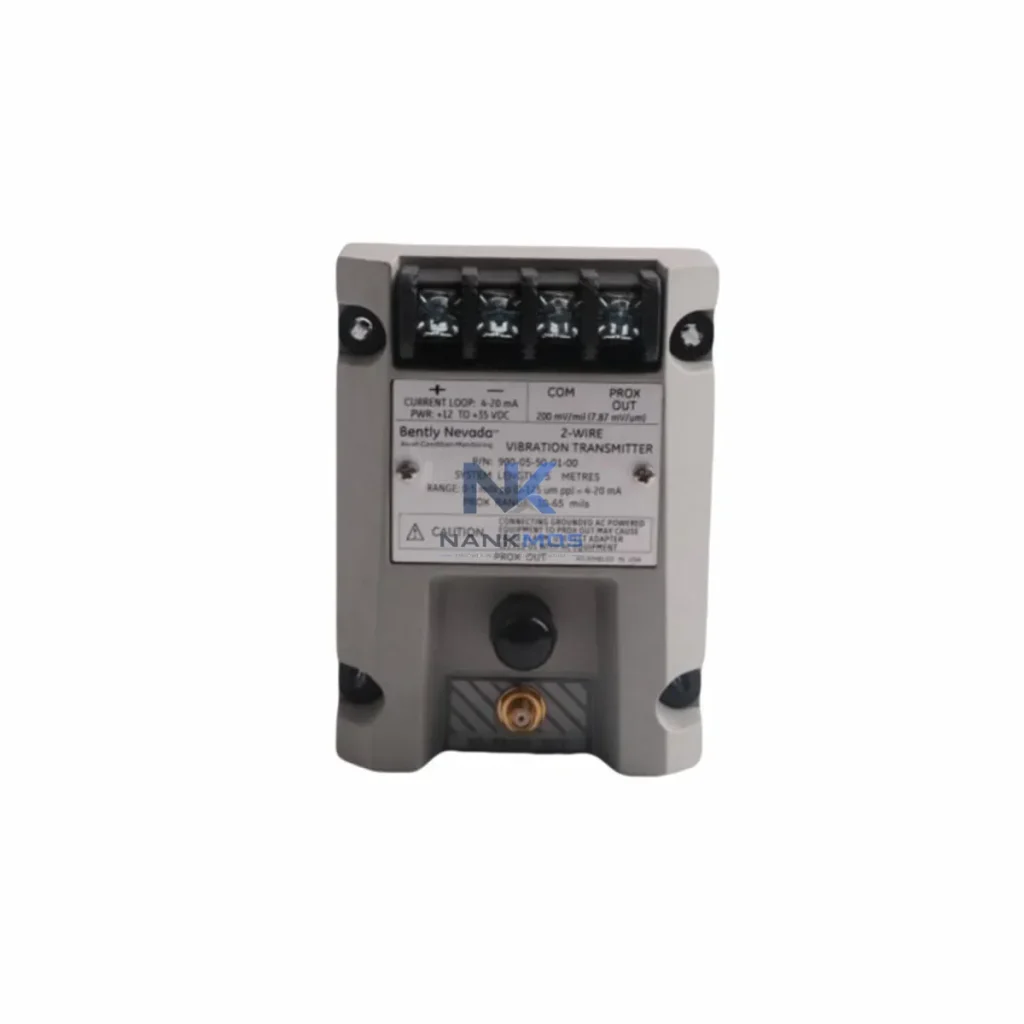
Bently Nevada 990-06-70-01-05 is a NANKMOS industrial automation product record Listed under 990 Series series and Sensors. Confirm condition, availability, lead time, compatibility and documentation by email inquiry.
| Manufacturer | Bently Nevada |
|---|---|
| Application | Turbine & Condition Monitoring |
| Part Number / Model | 990-06-70-01-05 |
| Compatible System | 990 Series |
| Series | 990 Series |
| Condition Options | To Confirm |
| Module Type | Monitoring Module |
| Warranty | 12 Months |
| Packaging | Anti-static Bag / Secure Box |
| Shipping Methods | DHL / FedEx / UPS / Air / Sea |
| Availability | To Confirm |
| Lead Time | To Confirm |
| Documentation | Part number and revision checked before quote |
The Bently Nevada 990-06-70-01-05 is a precision vibration transmitter from the renowned 990 Series, engineered to deliver continuous, high-fidelity vibration data across the full industrial data chain — from rotating machinery and field sensors through PLC controllers, remote I/O modules, HMI panels, SCADA platforms, and enterprise-level condition monitoring systems. Designed for critical asset protection in smart factory environments, this transmitter converts raw mechanical vibration signals into a stable 4–20 mA analog output, enabling seamless integration with virtually any industrial control architecture.
In modern smart manufacturing facilities, the integrity of the data link between field instrumentation and supervisory systems is paramount. The 990-06-70-01-05 occupies a foundational role in this chain: it captures vibration amplitude from rotating equipment — compressors, turbines, pumps, motors — and transmits a conditioned, loop-powered signal that can be wired directly into analog input cards on Siemens S7-300/S7-400 PLCs, Rockwell Automation ControlLogix or CompactLogix platforms, or Yokogawa CENTUM VP DCS systems without additional signal conditioning. This direct compatibility eliminates protocol conversion overhead at the field level and ensures sub-millisecond signal latency from sensor to controller.
The 990-06-70-01-05 sits at the origin point of a complete industrial data flow architecture. At the field level, it interfaces directly with proximity probes or velocity sensors mounted on rotating equipment, converting raw vibration into a clean 4–20 mA signal. This signal feeds into the analog input modules of a Bently Nevada 3500 Series Machinery Protection System — the natural rack-based companion to the 990 Series transmitters — where it is processed against configurable alarm thresholds for alert and danger setpoints.
From the 3500 rack, digitised vibration data travels over Modbus RTU or Modbus TCP/IP to a plant-floor SCADA gateway — such as a Moxa MGate MB3480 serial-to-Ethernet gateway — which bridges legacy serial instruments into the Ethernet backbone of the smart factory. On the Ethernet segment, an industrial managed switch (e.g., Hirschmann MACH 100 or Phoenix Contact FL SWITCH 2000 series) provides ring-redundancy via RSTP/MRP, ensuring that a single cable fault does not interrupt vibration data delivery to the control room.
The conditioned Ethernet data stream is then consumed by a Wonderware System Platform or Ignition SCADA by Inductive Automation historian node, where vibration trends are logged at configurable scan rates — typically 1-second intervals for trend logging and 100 ms for alarm evaluation. Operators viewing a Siemens SIMATIC HMI TP1500 or Rockwell PanelView Plus 7 touchscreen panel receive real-time vibration amplitude bar graphs, trend charts, and colour-coded alarm banners without any manual data entry.
For facilities deploying edge computing, the 4–20 mA output of the 990-06-70-01-05 can be wired into a Advantech ADAM-6017 or Moxa ioLogik E1240 remote I/O module, which performs local analog-to-digital conversion and publishes vibration values over MQTT or OPC-UA to an edge gateway running AWS IoT Greengrass or Azure IoT Edge. This architecture enables cloud-based predictive maintenance analytics — correlating vibration signatures with temperature, speed, and load data from other field instruments — without requiring a dedicated condition monitoring server on-premises.
In drive-intensive production lines, the vibration data from the 990-06-70-01-05 can be cross-referenced with speed feedback from a Danfoss VLT AutomationDrive FC 302 or ABB ACS880 variable frequency drive, allowing the SCADA system to correlate vibration amplitude with rotor speed and detect resonance conditions or bearing defects at specific RPM bands. This closed-loop diagnostic capability transforms the transmitter from a simple signal source into a key node in a plant-wide predictive maintenance network.
Protocol Fragmentation: Many brownfield plants operate a mix of legacy 4–20 mA instruments alongside newer HART, Modbus, and PROFIBUS devices. The 990-06-70-01-05's universal analog output ensures it integrates without protocol conversion at the field level — any PLC or DCS with a standard analog input card can read it directly, eliminating the need for dedicated signal converters on the vibration channel.
Data Silos: Vibration data trapped in standalone condition monitoring units cannot contribute to plant-wide OEE calculations or predictive maintenance dashboards. By routing the 990-06-70-01-05 output through a SCADA-connected I/O module, vibration becomes a first-class data point in the plant historian, available to MES and ERP systems via standard OPC-DA or OPC-UA interfaces.
Remote Monitoring Gaps: For unmanned substations or remote pump stations, the loop-powered design of the 990-06-70-01-05 minimises wiring complexity. Combined with a cellular RTU or industrial LTE router, vibration data can be transmitted to a central SCADA server hundreds of kilometres away, enabling remote alarm acknowledgement and trend review without site visits.
Production Line Transparency: Integrating vibration transmitter data into an Ignition or Wonderware dashboard gives maintenance engineers a real-time view of machine health across all production lines. Alarm tracking — with timestamped event logs and escalation rules — ensures that no vibration exceedance goes unrecorded, supporting root-cause analysis and regulatory compliance reporting.
System Scalability: The 990 Series architecture is designed for incremental expansion. Additional 990-06-70-01-05 transmitters can be added to the same PLC analog input rack or remote I/O node without changes to the SCADA configuration, provided spare input channels are available — making it straightforward to extend vibration monitoring to new machines as production capacity grows.
Q1: What is the signal latency of the 990-06-70-01-05 output, and does it affect SCADA alarm response times? The 990-06-70-01-05 delivers a continuous 4–20 mA analog signal with no inherent digital communication latency. Signal propagation delay is determined by the PLC or DCS scan cycle — typically 10–100 ms for standard analog input modules. For alarm-critical applications, configure the PLC scan rate accordingly and use hardware interrupt inputs if sub-10 ms response is required.
Q2: Is the 990-06-70-01-05 compatible with HART-enabled control systems? The standard 990-06-70-01-05 outputs a conventional 4–20 mA signal without HART superimposition. If HART communication is required for asset management integration (e.g., with Emerson AMS Device Manager or ABB Asset Vision), consult the Bently Nevada 990 Series configuration options or consider pairing with a HART multiplexer on the analog loop.
Q3: Can this transmitter be integrated into an OPC-UA-based IIoT architecture? Yes. The 4–20 mA output can be connected to any OPC-UA-capable remote I/O module — such as the Moxa ioLogik E1240 or Advantech ADAM-6017 — which publishes the analog value as an OPC-UA node. Ignition SCADA, Kepware KEPServerEX, or Matrikon OPC Server can then subscribe to this node and expose vibration data to MES, ERP, or cloud analytics platforms.
Q4: What does the 12-Month Warranty cover, and how is it validated? All 990-06-70-01-05 units supplied by NANKMOS carry a 12-Month Warranty from the date of shipment. Each unit undergoes pre-shipment functional testing — including output linearity verification across the 4–20 mA range and insulation resistance checks. Warranty claims are supported by shipment documentation and test records. Contact [email protected] for warranty registration or RMA processing.
Functional Inspection100% tested on professional platforms to ensure stable performance.
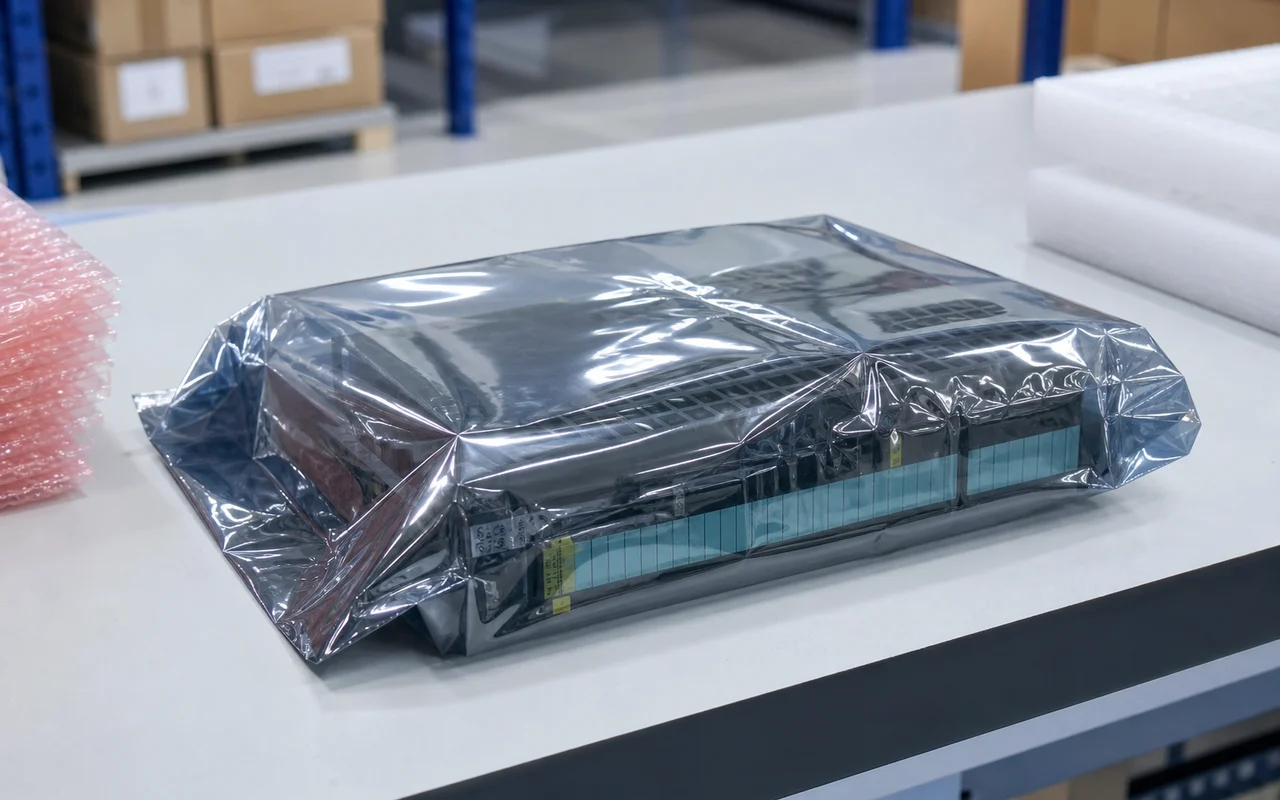 Anti-static Packaging
Modules are packed in anti-static bags to prevent electrostatic damage.
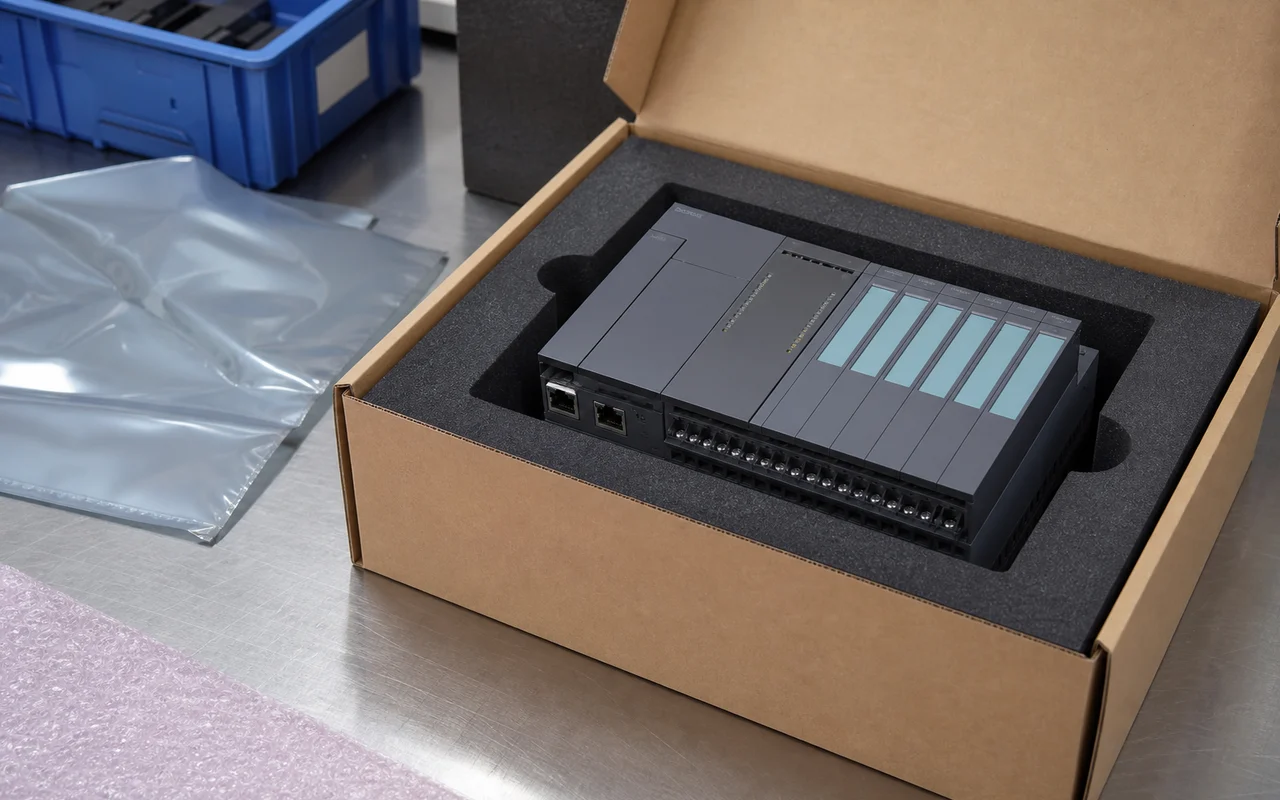 Secure Export Packing
Cushion protection and strong cartons ensure safe transportation.
 Worldwide Shipping
Global logistics network supports air, sea and express delivery.
 Documentation Check
Part number, revision and compatibility verified before shipment.
 After-sales Support
Professional technical support to help resolve your issues.