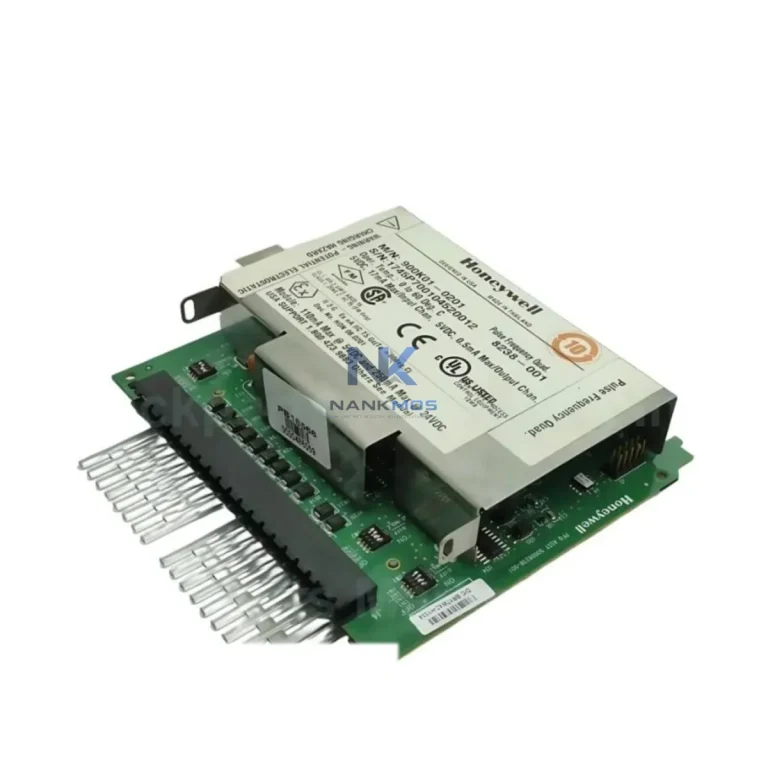
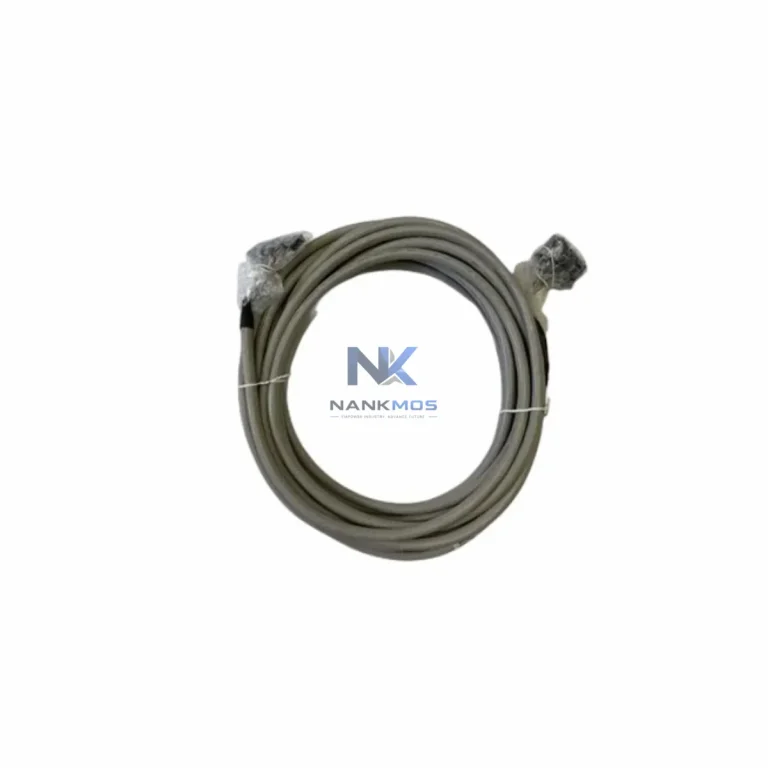
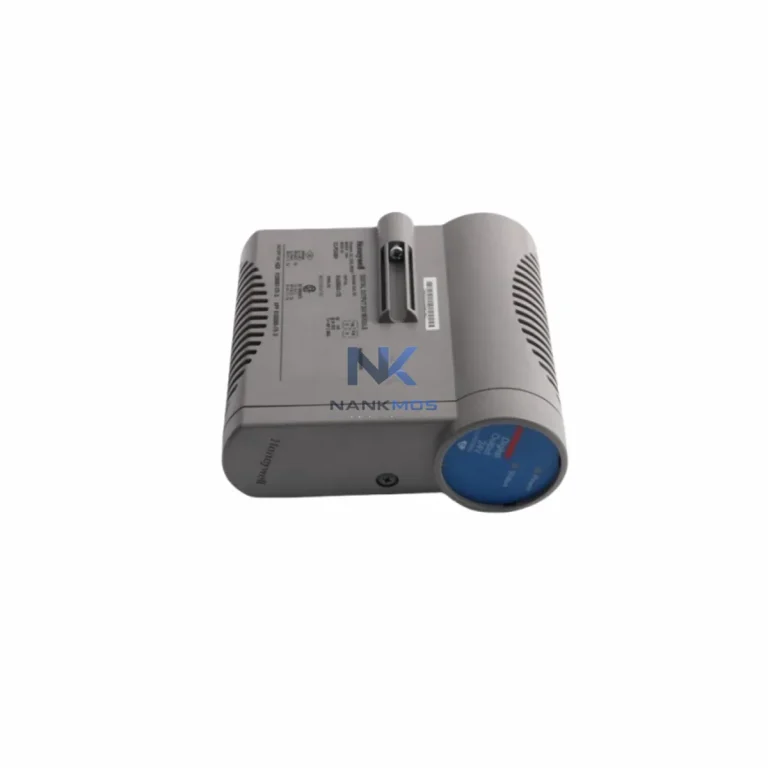
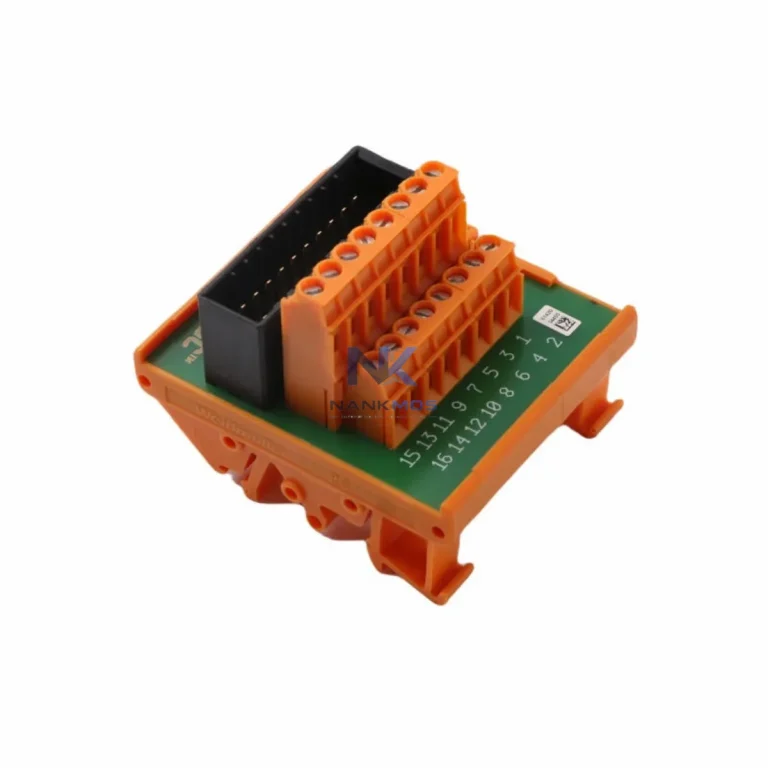
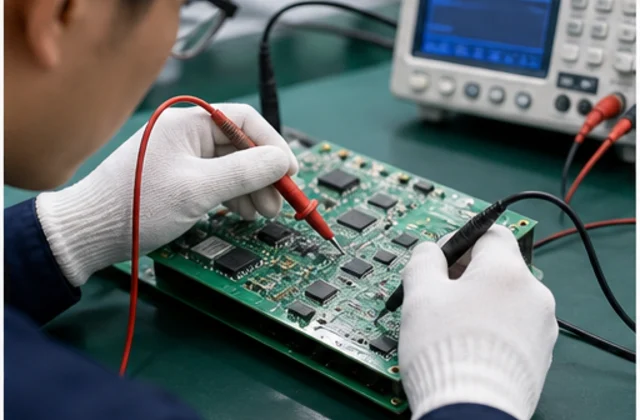
 Functional Inspection
100% tested on professional platforms to ensure stable performance.
Honeywell 51196041-100 is a NANKMOS industrial automation product record Listed under TDC 3000 series and Cables & Connectors. Confirm condition, availability, lead time, compatibility and documentation by email inquiry.
Brand names are used for identification only.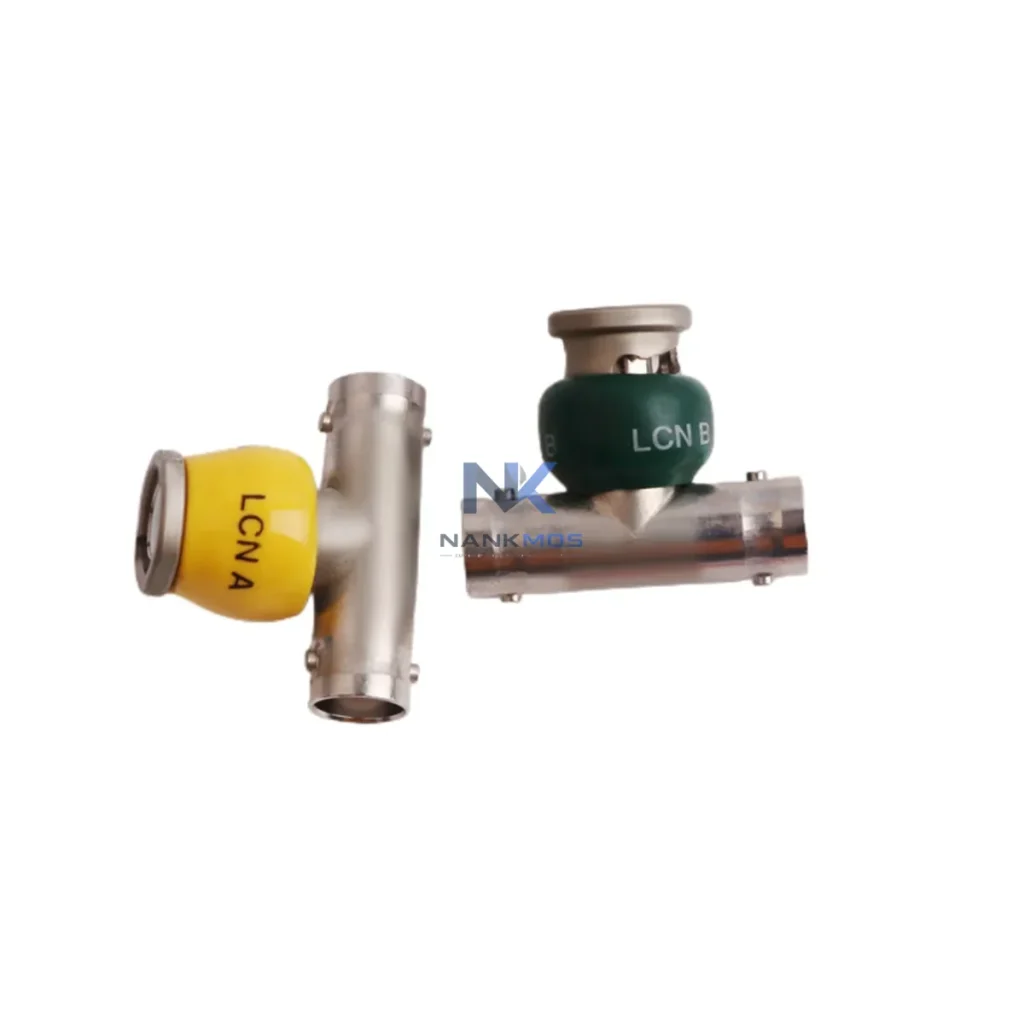
Honeywell 51196041-100 is a NANKMOS industrial automation product record Listed under TDC 3000 series and Cables & Connectors. Confirm condition, availability, lead time, compatibility and documentation by email inquiry.
| Manufacturer | Honeywell |
|---|---|
| Application | Industrial Network Communication |
| Part Number / Model | 51196041-100 |
| Compatible System | TDC 3000 |
| Series | TDC 3000 |
| Condition Options | To Confirm |
| Module Type | Communication Module |
| Warranty | 12 Months |
| Packaging | Anti-static Bag / Secure Box |
| Shipping Methods | DHL / FedEx / UPS / Air / Sea |
| Availability | To Confirm |
| Lead Time | To Confirm |
| Documentation | Part number and revision checked before quote |
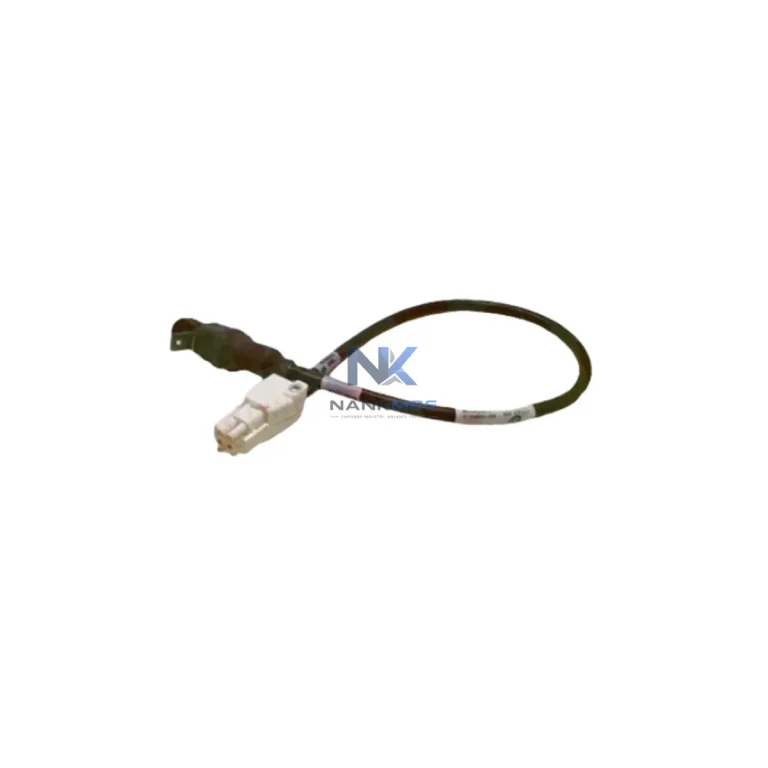
The Honeywell 51196041-100 is a Local Control Network (LCN) A-B TEE Connector engineered specifically for the TDC 3000 Distributed Control System platform. As a precision network interface component, it serves as a critical junction point within the LCN communication backbone — the high-speed, deterministic data highway that interconnects all major control nodes in a TDC 3000 architecture. Designed to Honeywell's exacting tolerances, this connector ensures signal integrity, low-latency data exchange, and long-term mechanical reliability across demanding industrial environments including refining, petrochemical processing, power generation, and continuous manufacturing.
In a fully integrated TDC 3000 control architecture, the LCN operates as the primary communication layer linking Application Modules (AM), History Modules (HM), Universal Stations (US), Network Interface Modules (NIM), and the Global Control Network (GCN) gateway. The 51196041-100 TEE connector provides the physical A-B branch point that allows multiple nodes to tap into the LCN coaxial trunk without introducing impedance discontinuities or signal reflections. Proper connector selection at this layer is non-negotiable: a mismatched or degraded TEE connector can introduce packet collisions, increased retry rates, and ultimately compromise the deterministic behavior that TDC 3000 process control depends upon.
NANKMOS supplies the 51196041-100 from verified inventory, pre-tested for continuity and mechanical fit, with a 12-Month Warranty covering manufacturing defects and functional performance. Each unit is inspected prior to dispatch to confirm connector body integrity, contact resistance within specification, and correct impedance matching for 75-ohm LCN coaxial cable systems.
The 51196041-100 TEE connector does not operate in isolation — it is a foundational element of the TDC 3000's layered communication architecture. Understanding its role requires examining the full system stack that Honeywell's platform supports.
At the control layer, the TDC 3000 relies on Application Modules (AM) and High-Performance Process Managers (HPM) to execute regulatory, sequential, and advanced control strategies. These modules communicate upstream via the LCN, making the physical integrity of every LCN connector — including the 51196041-100 — directly relevant to control loop performance. A degraded TEE connector at any node can introduce latency that affects PID loop execution timing.
At the I/O layer, Process Manager I/O (PM I/O) cards and Field Control Stations (FCS) aggregate field signals from transmitters, control valves, and motor starters. These I/O subsystems connect to the LCN through their respective process managers, meaning the LCN backbone — and every connector on it — must maintain continuous, error-free communication to ensure that field data reaches the operator station without dropout or corruption.
At the communication layer, the Network Interface Module (NIM) bridges the LCN to the Universal Control Network (UCN), enabling integration with remote I/O and field devices. The 51196041-100 TEE connector supports the physical LCN segment that carries NIM traffic, making it relevant to any architecture that uses UCN-connected Remote Multiplexers (RM) or Smart Transmitter Interfaces (STI).
At the HMI layer, Universal Stations (US) and GUS (Global User Stations) provide operator interface to the TDC 3000 system. These workstations connect to the LCN and depend on reliable network connectivity for real-time display updates, alarm management, and trend data. The LCN TEE connector at each US drop point must maintain consistent signal quality to prevent display freezes or alarm delays during high-traffic periods.
At the historian and data layer, the History Module (HM) archives process data from all connected nodes. LCN connectivity to the HM is essential for continuous data logging; any connector-related packet loss at this segment can create gaps in historical records that complicate regulatory compliance and post-incident analysis.
For sites running redundant LCN architectures, the A-B designation of the 51196041-100 is particularly significant. TDC 3000 supports dual LCN (LCN-A and LCN-B) for fault-tolerant operation. The TEE connector provides the physical branch point for both the A and B network paths at each node, and its mechanical and electrical integrity is essential to maintaining true redundancy. A failed TEE connector on one path silently degrades the system to single-path operation, eliminating the redundancy benefit until the fault is detected and corrected.
Related components commonly deployed alongside the 51196041-100 in TDC 3000 architectures include: LCN Terminator assemblies (required at each trunk end to prevent signal reflections), LCN Cable assemblies (51196040-series coaxial drop cables connecting nodes to the TEE), Honeywell HPM (High-Performance Process Manager) modules for distributed control execution, Honeywell NIM (Network Interface Module) for UCN bridging, Honeywell AM (Application Module) for advanced control and optimization, Honeywell HM (History Module) for process data archiving, Honeywell GUS (Global User Station) for operator interface, and Honeywell Power Supply modules (51196653-series or equivalent) that provide regulated DC power to LCN-connected chassis. Each of these components shares the same LCN communication dependency, making the physical quality of every TEE connector a system-wide concern rather than a localized one.
Petroleum Refining & Petrochemical Processing: TDC 3000 systems are deeply embedded in refinery DCS infrastructure globally. The 51196041-100 supports LCN integrity in architectures controlling crude distillation units, catalytic crackers, hydrotreaters, and utilities. In these environments, LCN reliability directly affects the availability of operator displays and control loops managing critical process variables such as reactor temperature, column pressure, and flow rates. Replacement of degraded TEE connectors during planned turnarounds is a standard maintenance practice to prevent unplanned LCN segment failures.
Power Generation: Combined-cycle power plants and thermal generation facilities using TDC 3000 for boiler management, turbine control, and balance-of-plant automation rely on LCN connectivity for coordinated control across multiple process managers. The 51196041-100 supports the LCN segments that carry turbine speed, steam pressure, and generator output data between control nodes and operator stations.
Chemical & Specialty Manufacturing: Batch and continuous chemical processes managed by TDC 3000 require deterministic LCN communication for recipe execution, sequence control, and regulatory compliance logging. TEE connector integrity is particularly important in batch architectures where LCN-connected Application Modules execute time-critical sequential function charts.
Water & Wastewater Treatment: Municipal and industrial water treatment facilities using TDC 3000 for SCADA-integrated process control depend on LCN reliability for remote monitoring and control of pumping stations, filtration systems, and chemical dosing. The 51196041-100 supports LCN segments in these architectures, where connector degradation can affect alarm delivery and remote operator response times.
Mining & Minerals Processing: Concentrator plants and smelting operations using TDC 3000 for flotation control, crusher management, and furnace automation require robust LCN infrastructure. The physical demands of mining environments — vibration, temperature cycling, and dust — make periodic TEE connector inspection and replacement an important part of preventive maintenance programs.
Q1: Is the 51196041-100 a direct drop-in replacement for existing TDC 3000 LCN TEE connectors, and does installation require system downtime? A: Yes, the 51196041-100 is a direct, form-fit-function replacement for the original Honeywell LCN A-B TEE connector used throughout TDC 3000 installations. Replacement of a single TEE connector on a dual-LCN (redundant) system can typically be performed on one network path at a time while the system continues to operate on the alternate path, minimizing or eliminating process downtime. On single-LCN systems, a brief controlled outage of the affected LCN segment is required. NANKMOS recommends coordinating replacement with your site's maintenance window schedule and verifying LCN segment health with Honeywell diagnostic tools before and after connector replacement.
Q2: How does a degraded or failed 51196041-100 TEE connector manifest in TDC 3000 system diagnostics, and how can it be isolated? A: A failing LCN TEE connector typically presents as intermittent communication errors on the affected LCN segment, increased retry counts visible in the LCN diagnostic displays, or periodic loss of node visibility on the system network map. In redundant LCN architectures, the system may silently switch to the alternate path, masking the fault until the alternate path is also stressed. Isolation is performed using Honeywell's LCN diagnostic utilities to identify the segment and node with elevated error rates, followed by physical inspection of TEE connectors, cable terminations, and drop cable continuity. NANKMOS supplies replacement connectors from verified stock to support rapid fault resolution during diagnostic campaigns.
Q3: What warranty and post-sale support does NANKMOS provide for the 51196041-100, and what is the typical lead time for urgent replacement orders? A: NANKMOS provides a 12-Month Warranty on the 51196041-100 covering manufacturing defects and functional performance from the date of shipment. Each unit is pre-tested for continuity, impedance matching, and mechanical integrity before dispatch. For urgent replacement requirements — including unplanned LCN faults during production — NANKMOS maintains verified inventory for priority dispatch. Lead times for standard orders are confirmed at the time of inquiry based on current stock levels. For critical spares planning, NANKMOS recommends maintaining a minimum of two 51196041-100 units per LCN segment as part of your TDC 3000 critical spares inventory. Contact [email protected] or +86 18359268345 for availability confirmation and expedited shipping options.
Functional Inspection100% tested on professional platforms to ensure stable performance.
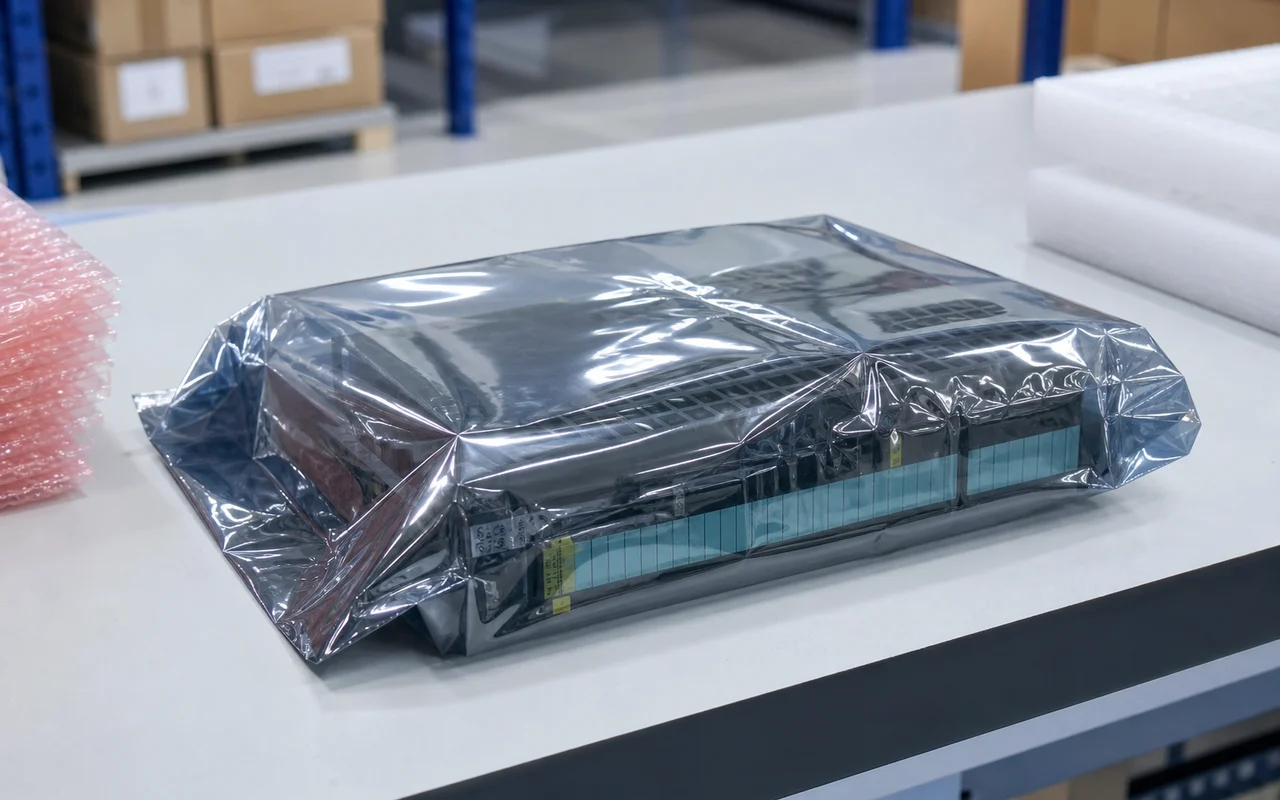 Anti-static Packaging
Modules are packed in anti-static bags to prevent electrostatic damage.
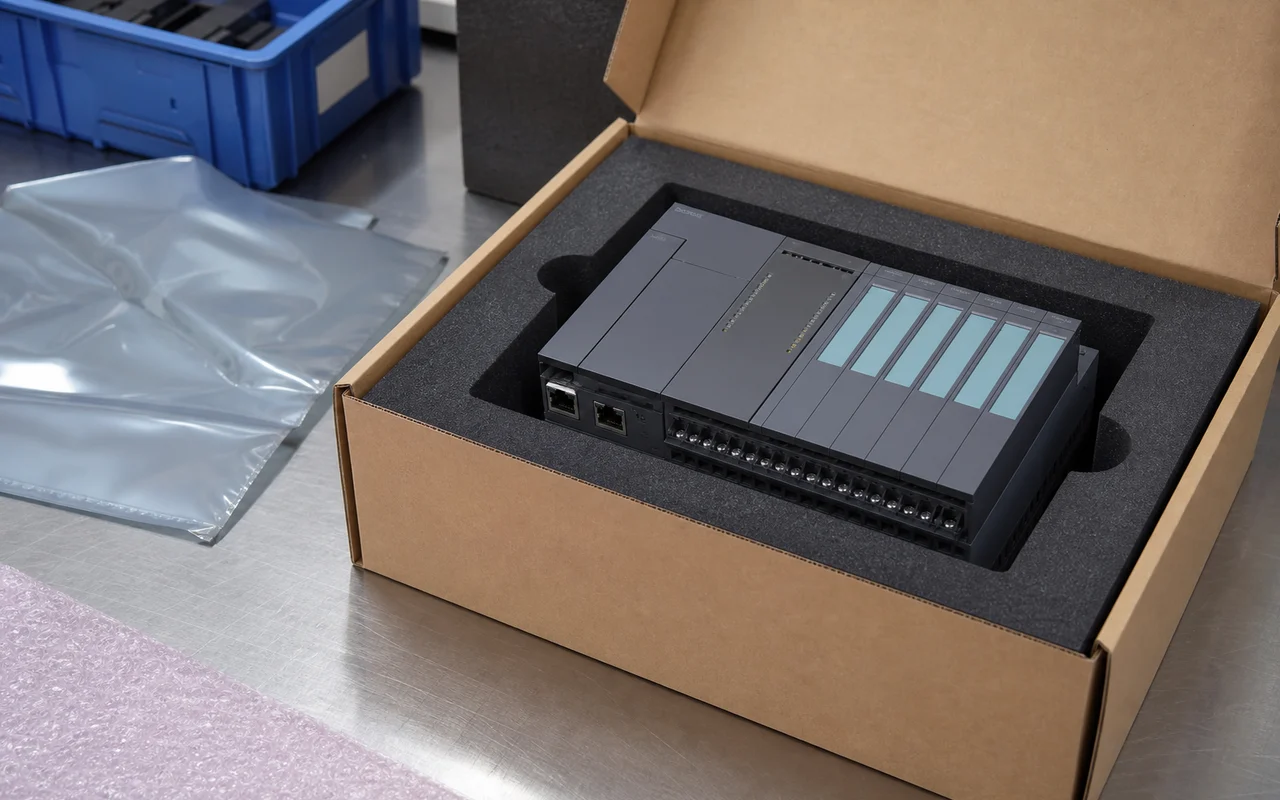 Secure Export Packing
Cushion protection and strong cartons ensure safe transportation.
 Worldwide Shipping
Global logistics network supports air, sea and express delivery.
 Documentation Check
Part number, revision and compatibility verified before shipment.
 After-sales Support
Professional technical support to help resolve your issues.