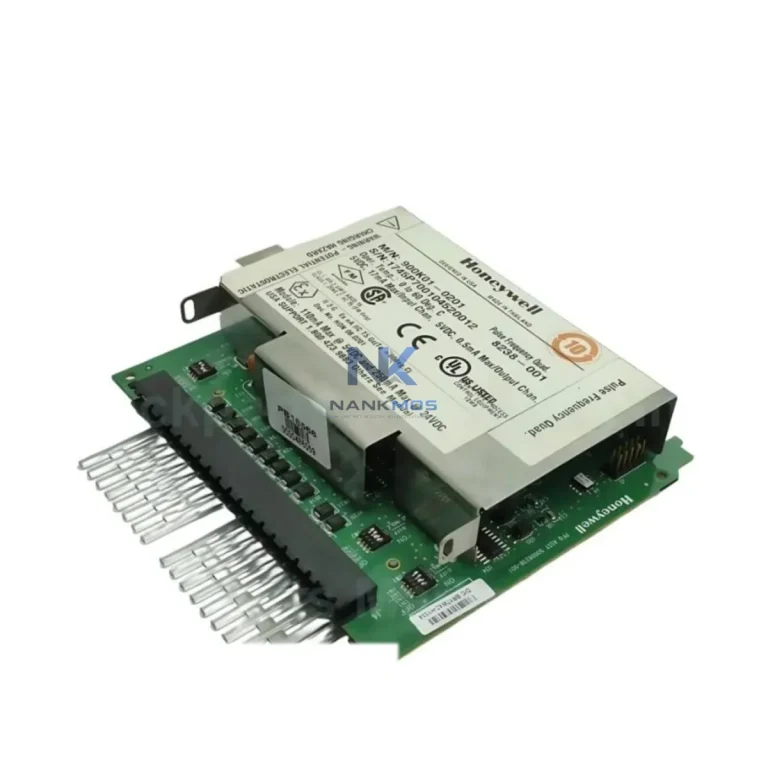
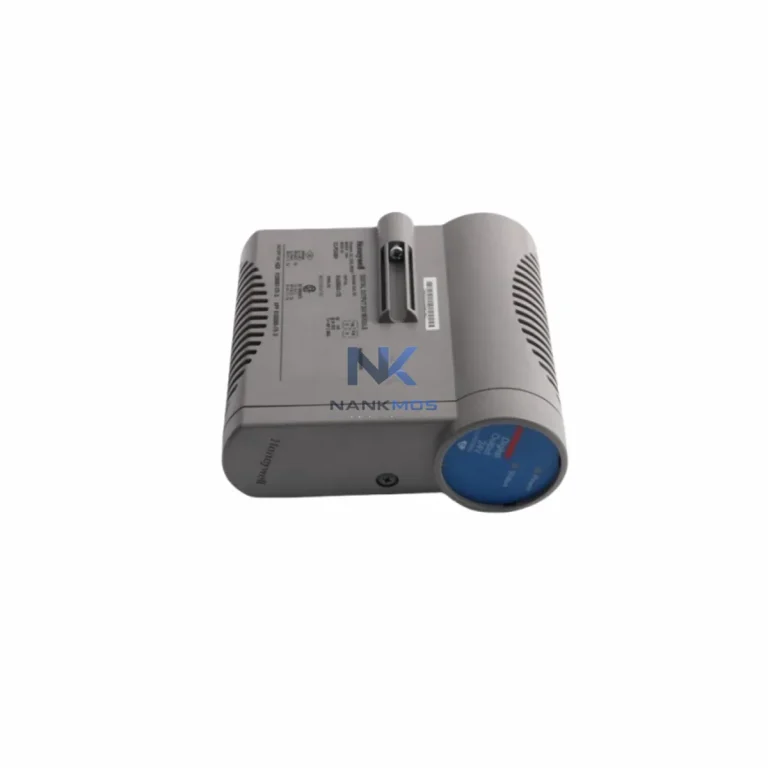
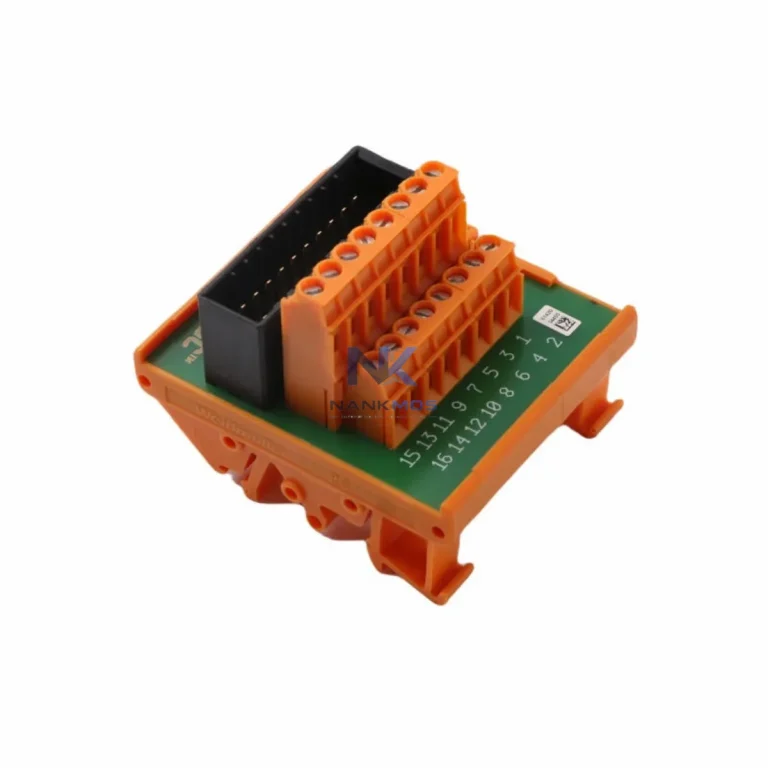
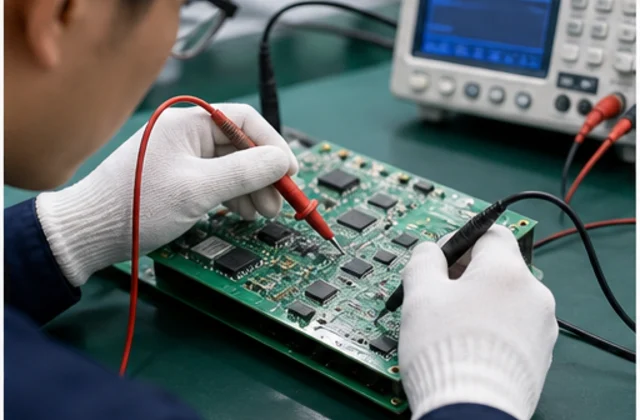
 Functional Inspection
100% tested on professional platforms to ensure stable performance.
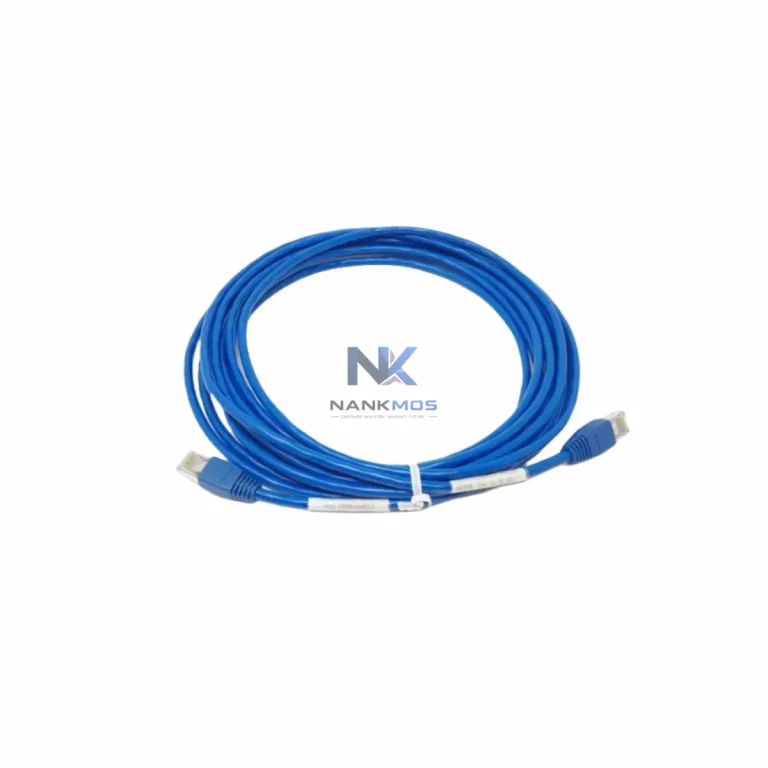
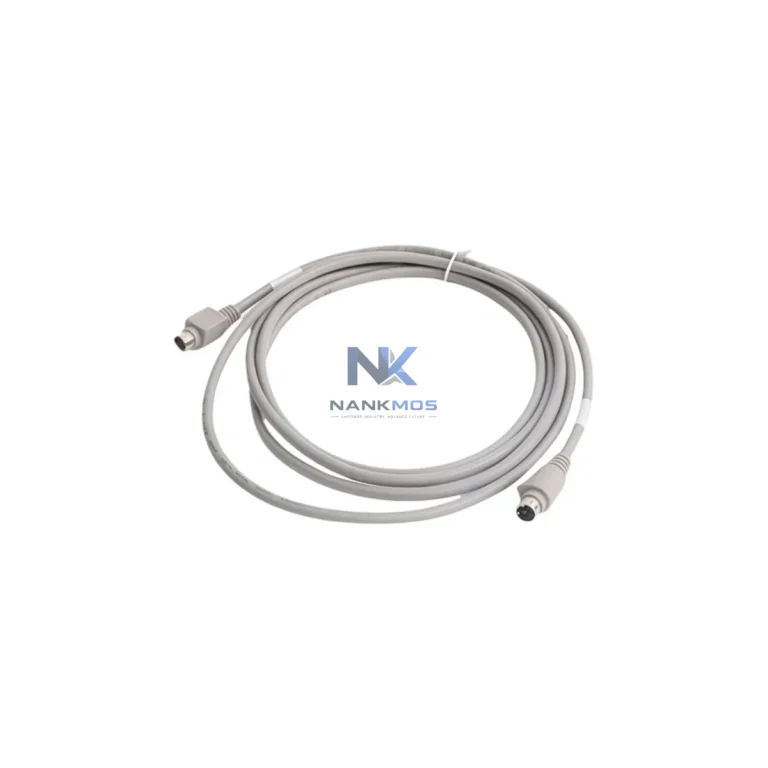
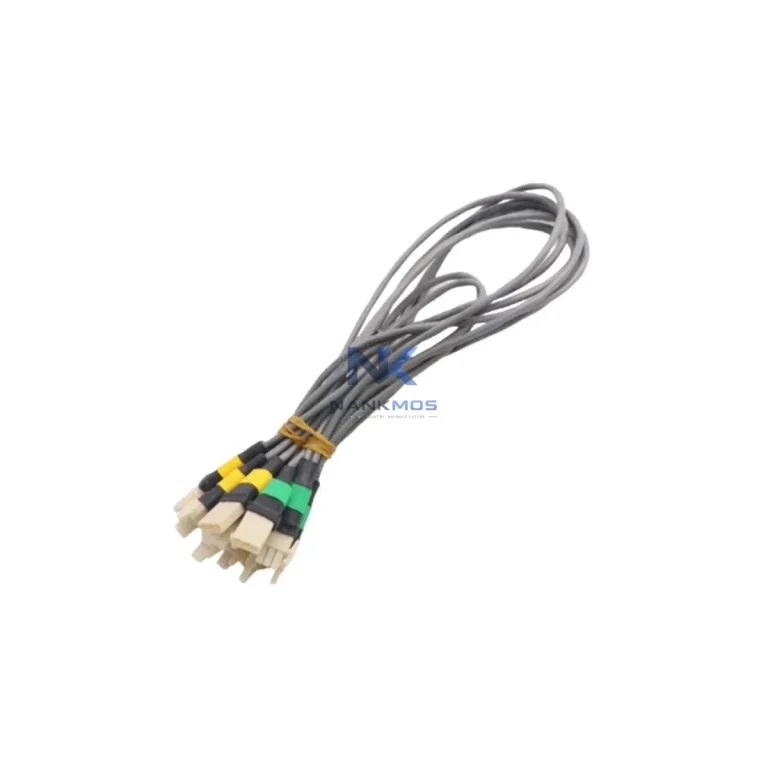
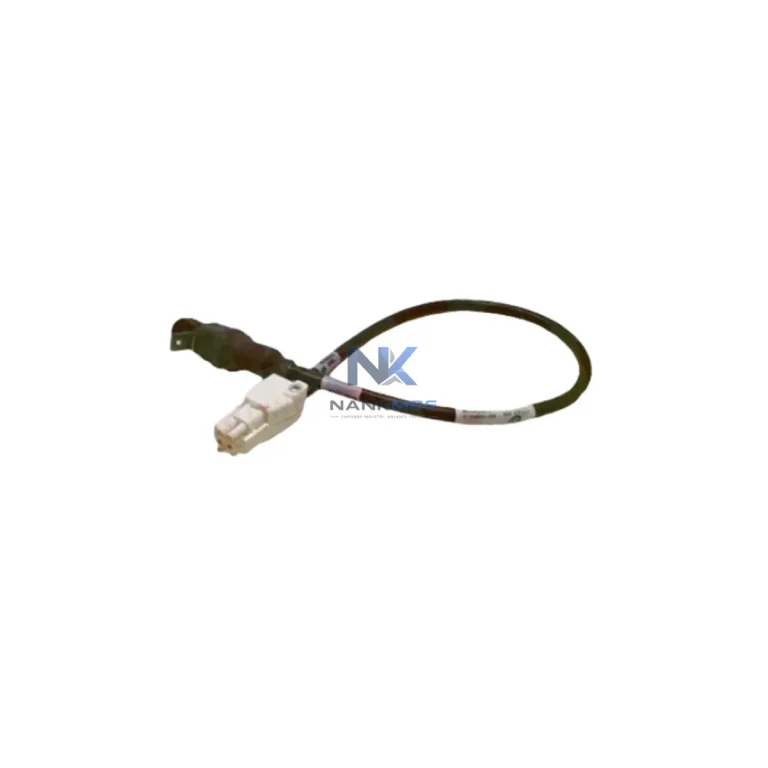
Honeywell 51201421-100 is a NANKMOS industrial automation product record Listed under TDC3000 series and Cables & Connectors. Confirm condition, availability, lead time, compatibility and documentation by email inquiry.
Brand names are used for identification only.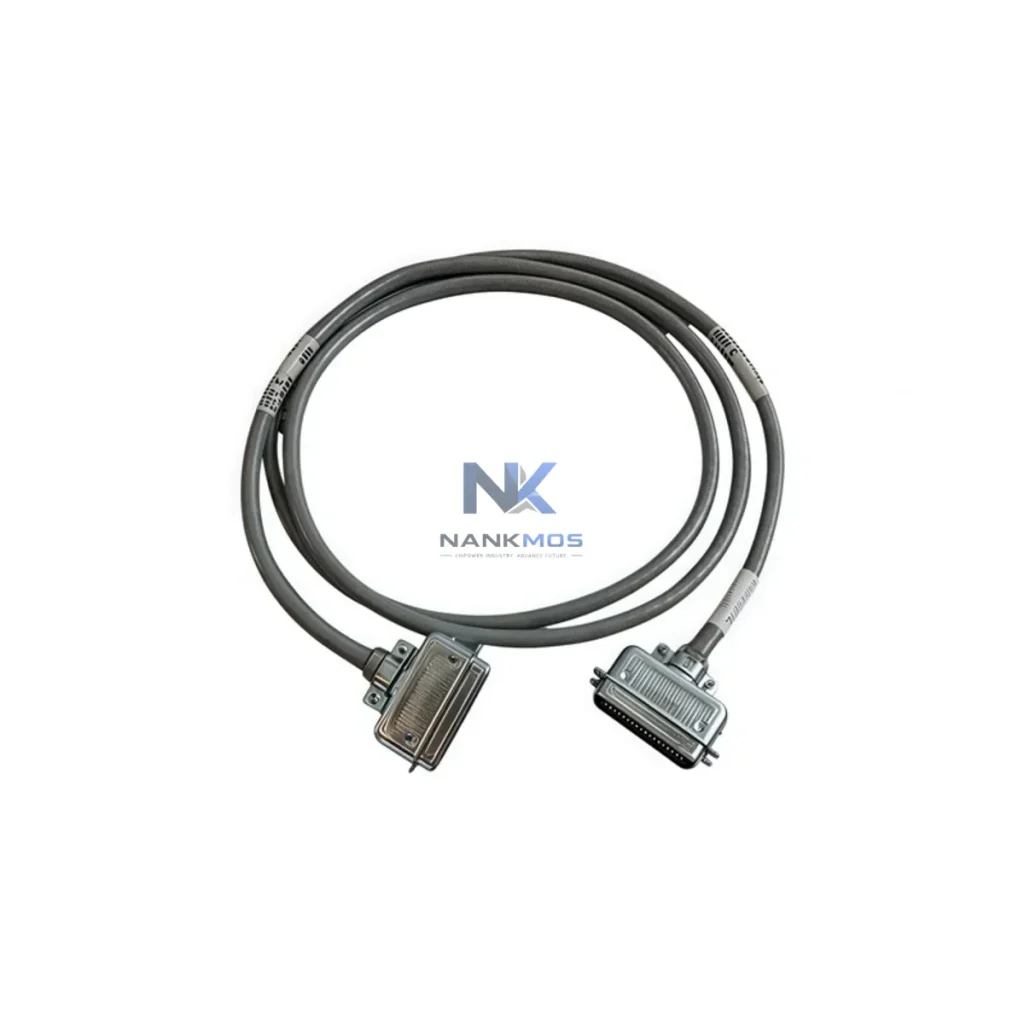
Honeywell 51201421-100 is a NANKMOS industrial automation product record Listed under TDC3000 series and Cables & Connectors. Confirm condition, availability, lead time, compatibility and documentation by email inquiry.
| Manufacturer | Honeywell |
|---|---|
| Application | Industrial Automation Maintenance |
| Part Number / Model | 51201421-100 |
| Compatible System | TDC3000 |
| Series | TDC3000 |
| Condition Options | To Confirm |
| Module Type | Cables & Connectors |
| Warranty | 12 Months |
| Packaging | Anti-static Bag / Secure Box |
| Shipping Methods | DHL / FedEx / UPS / Air / Sea |
| Availability | To Confirm |
| Lead Time | To Confirm |
| Documentation | Part number and revision checked before quote |
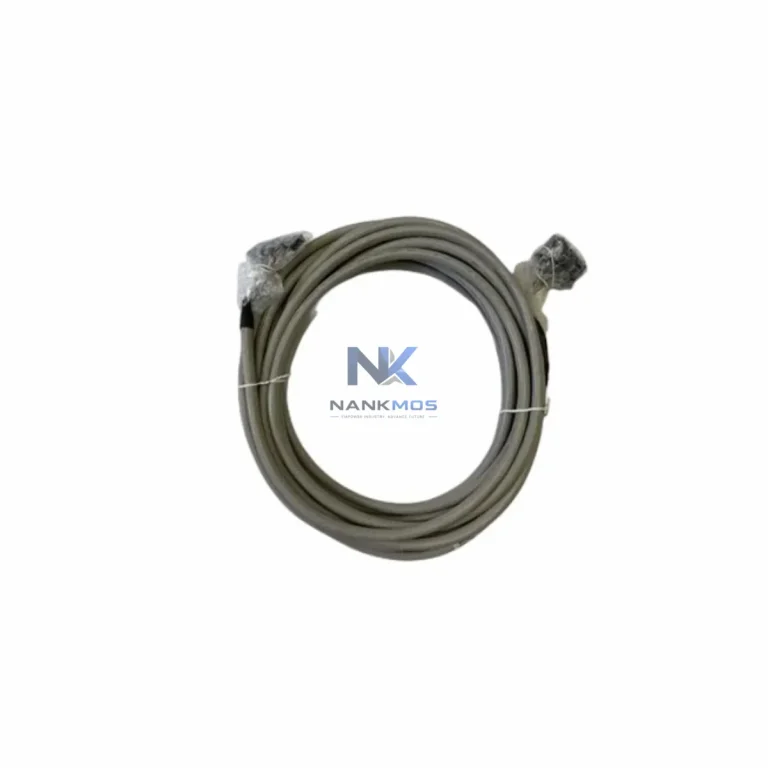
The Honeywell 51201421-100 is a precision-engineered redundancy cable designed for the TDC3000 Distributed Control System (DCS) platform. In modern smart manufacturing environments, where energy consumption, load stability, and system uptime are critical KPIs, this cable plays a foundational role in maintaining uninterrupted signal integrity between redundant controller modules. By eliminating single points of failure at the communication layer, it directly supports energy-efficient production line operation — reducing the frequency of unplanned shutdowns that consume surge power during restart cycles and destabilize load management across the facility.
Sourced from verified supply channels, each 51201421-100 unit undergoes outgoing inspection and functional testing prior to shipment. In-stock availability ensures rapid deployment for both planned maintenance windows and emergency replacement scenarios. All units are covered by a 12-month warranty, providing procurement teams and plant engineers with confidence in long-term operational continuity.
In a fully integrated industrial automation architecture, the Honeywell 51201421-100 redundancy cable operates as a critical link within the broader energy and control ecosystem. The TDC3000 platform it supports is typically deployed alongside Honeywell PM/HPM Process Manager modules, which handle real-time process control loops for temperature, pressure, flow, and energy-intensive actuator commands. When redundancy is maintained at the cable level, these modules can execute seamless failover without triggering the high inrush currents associated with cold-start recovery sequences.
At the field level, the TDC3000 system communicates with Honeywell HLAI (High-Level Analog Input) and LLAI modules that aggregate sensor data from thermocouples, RTDs, and pressure transmitters across the production floor. Stable redundancy cabling ensures that this sensor feedback reaches the control layer without interruption, enabling the DCS to make real-time adjustments to valve positions, pump speeds, and burner firing rates — all of which directly affect energy consumption per production unit.
For facilities running hybrid automation architectures, the TDC3000 DCS often interfaces with Siemens S7-300/S7-400 PLCs or Allen-Bradley ControlLogix controllers via Modbus RTU or PROFIBUS DP communication modules. In these configurations, the redundancy cable's role in maintaining DCS uptime is amplified — a controller dropout on the Honeywell side can cascade into missed setpoint commands to downstream VFDs (Variable Frequency Drives) managing motor loads, resulting in uncontrolled speed ramps that spike energy demand. The 51201421-100 prevents this failure mode at the source.
On the power monitoring side, plants deploying Honeywell Experion PKS or third-party SCADA systems with power metering integration rely on continuous DCS availability to log energy consumption data from power quality analyzers and smart energy meters installed at motor control centers (MCCs). Redundancy cable integrity is therefore a prerequisite for accurate energy accounting and ISO 50001 compliance reporting. Similarly, HMI stations running on the LCN network depend on stable controller communication to display real-time energy dashboards to operators — a dropped redundancy link can blank critical load trend screens at exactly the moment operators need them most.
The economic case for maintaining a spare Honeywell 51201421-100 in your MRO inventory is straightforward when viewed through the lens of production line energy economics. An unplanned DCS controller failover — caused by a degraded or failed redundancy cable — typically results in a production halt lasting 2 to 8 hours depending on the plant's spare parts posture and technician response time. During this window, energy continues to be consumed by auxiliary systems (HVAC, compressed air, lighting, cooling towers) while productive output drops to zero, dramatically worsening the facility's energy intensity (kWh per unit produced).
By contrast, a functioning redundancy cable enables the TDC3000's bumpless transfer capability: when the primary controller detects a fault, control authority transfers to the backup module in milliseconds, with no process upset, no emergency shutdown sequence, and no restart surge. This preserves the thermal equilibrium of furnaces, reactors, and heat exchangers — avoiding the energy-intensive reheat cycles that follow an unplanned trip. For continuous process industries such as petrochemicals, pharmaceuticals, and food processing, this translates directly into measurable reductions in energy cost per batch or per ton of output.
Predictive maintenance programs that monitor cable continuity and signal integrity can further extend the energy optimization benefit. By scheduling 51201421-100 replacement during planned maintenance windows — rather than reacting to failures — plants can coordinate cable swaps with other energy-intensive maintenance activities (motor rewinding, heat exchanger cleaning, VFD parameter optimization), compressing the total downtime footprint and minimizing the number of restart cycles per year. This approach aligns with the broader goals of an industrial energy management system (EnMS) and supports continuous improvement in Overall Equipment Effectiveness (OEE).
Q1: How does the Honeywell 51201421-100 contribute to energy savings on the production line?By maintaining seamless controller redundancy within the TDC3000 DCS, the 51201421-100 prevents unplanned process shutdowns. Each avoided shutdown eliminates the energy waste associated with emergency stops, system restarts, and the reheat or re-pressurization of process equipment — directly improving the facility's energy intensity metrics.
Q2: Which Honeywell TDC3000 modules and systems is this cable compatible with?The 51201421-100 is designed for use with TDC3000 Process Manager (PM) and High-Performance Process Manager (HPM) redundant controller pairs, operating within the Local Control Network (LCN) architecture. It is compatible with standard TDC3000 cabinet configurations and does not require firmware or software modification for installation.
Q3: What is the recommended replacement interval, and how should I evaluate whether my existing cable needs replacement?Honeywell recommends periodic inspection of redundancy cables as part of scheduled DCS maintenance. Signs of degradation include intermittent redundancy fault alarms, increased controller switchover frequency, or visible physical damage to the cable jacket or connectors. Proactive replacement during planned outages is strongly preferred over reactive replacement after a fault event, as it avoids unplanned downtime and its associated energy and production costs.
Q4: What warranty and pre-shipment testing does this unit include?Each Honeywell 51201421-100 supplied by NANKMOS is covered by a 12-month warranty from the date of shipment. Prior to dispatch, units undergo continuity testing and functional verification to confirm they meet OEM specifications. In-stock units are available for immediate shipment, supporting urgent maintenance requirements without extended lead times.
Functional Inspection100% tested on professional platforms to ensure stable performance.
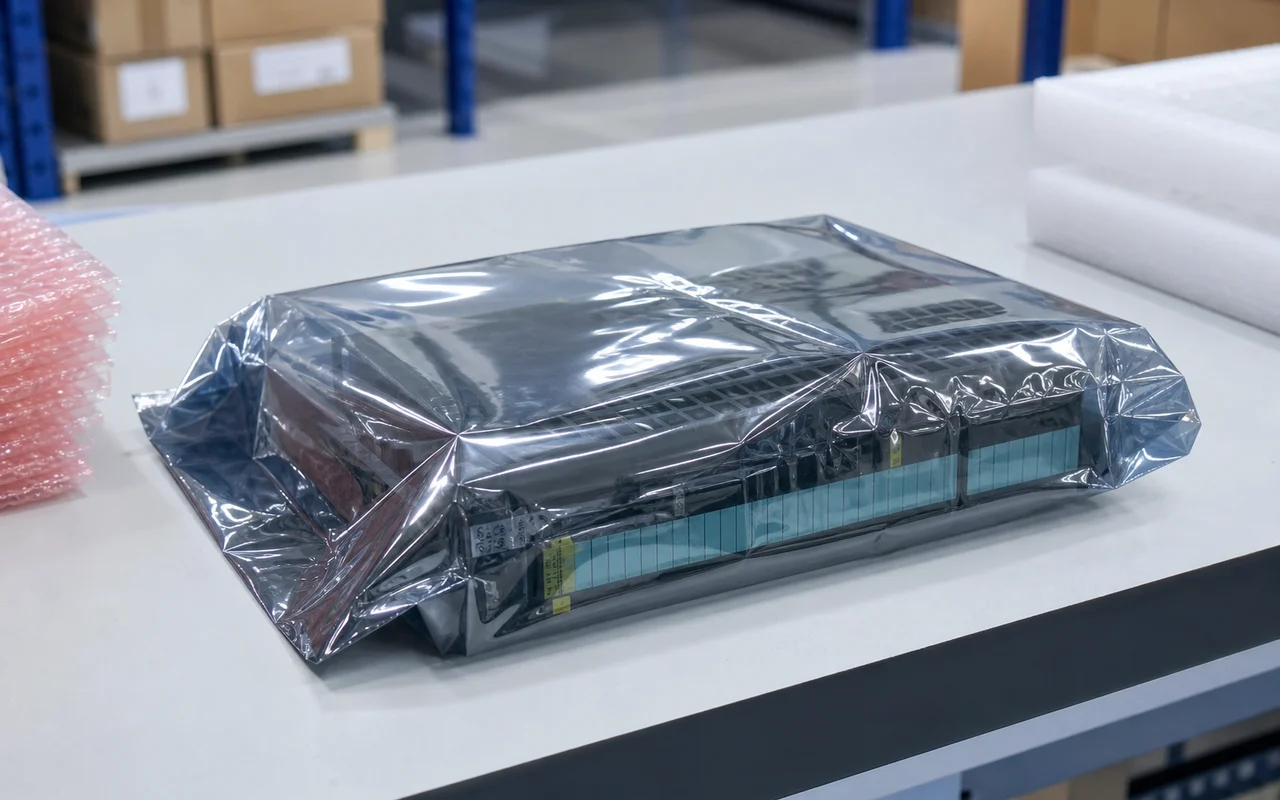 Anti-static Packaging
Modules are packed in anti-static bags to prevent electrostatic damage.
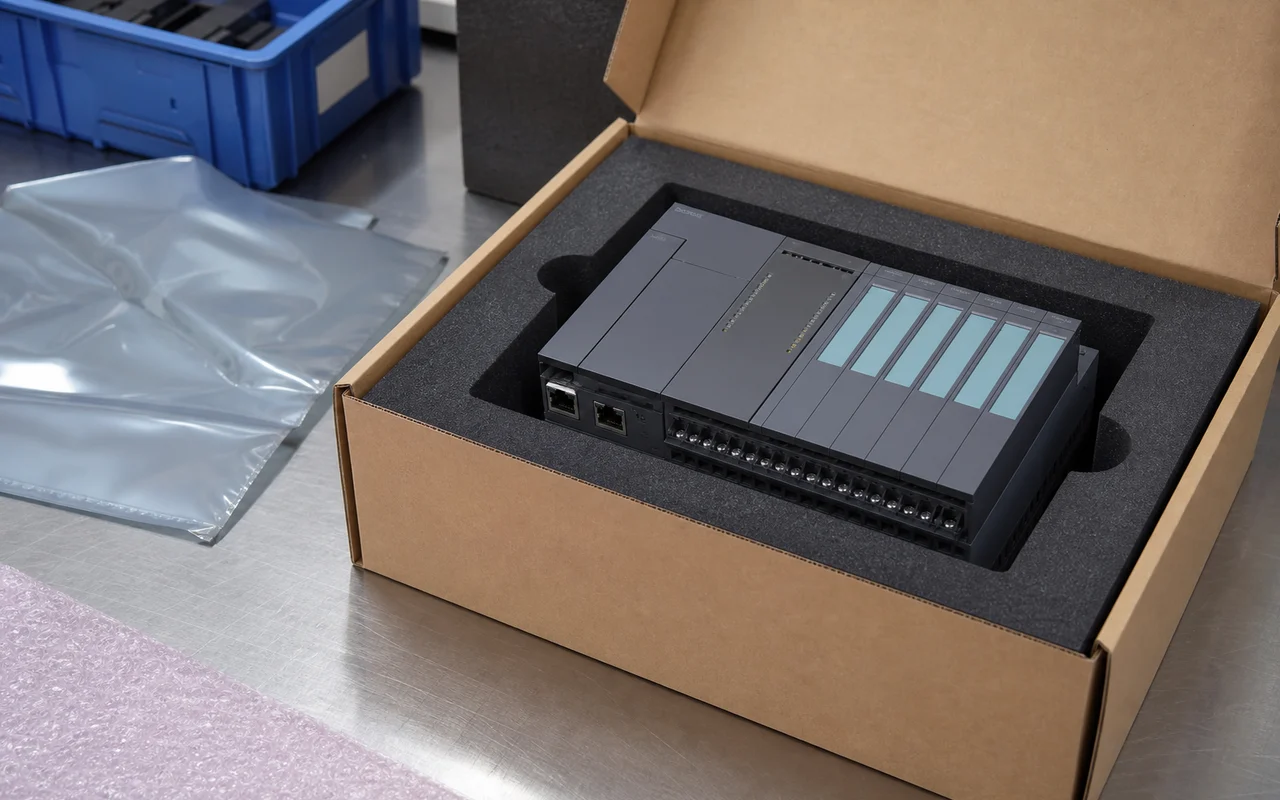 Secure Export Packing
Cushion protection and strong cartons ensure safe transportation.
 Worldwide Shipping
Global logistics network supports air, sea and express delivery.
 Documentation Check
Part number, revision and compatibility verified before shipment.
 After-sales Support
Professional technical support to help resolve your issues.