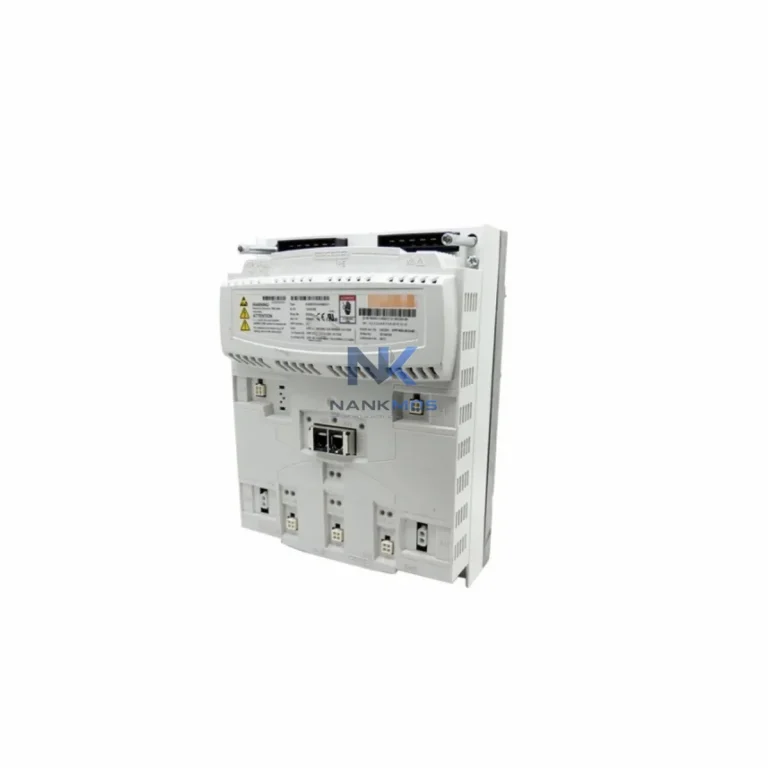
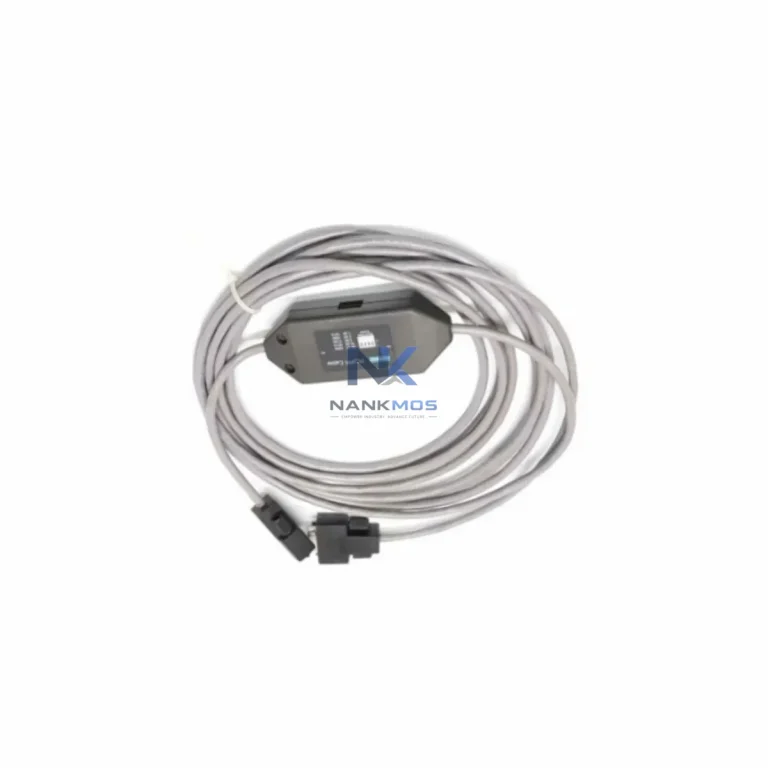
Functional Inspection
100% tested on professional platforms to ensure stable performance.
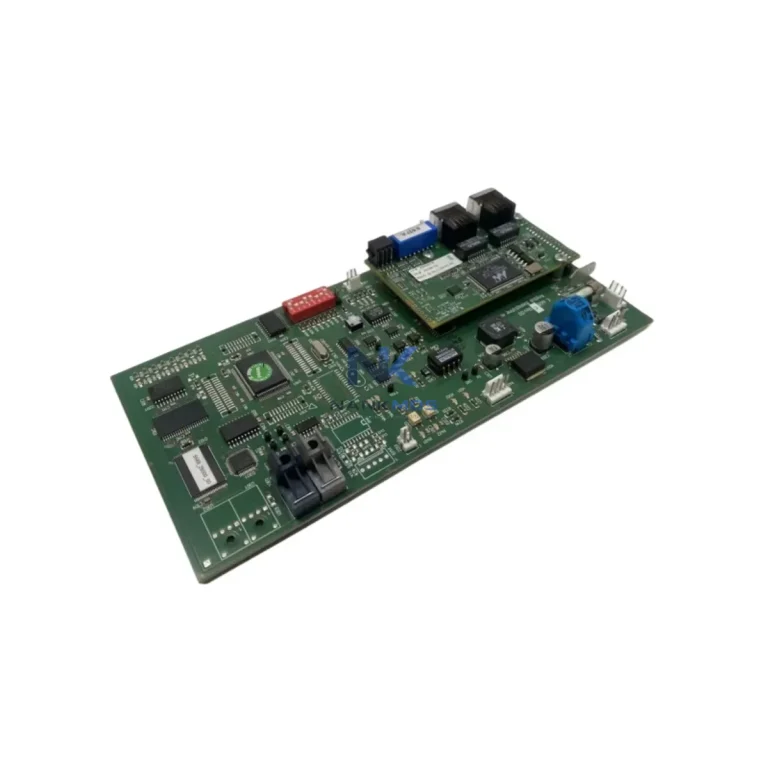
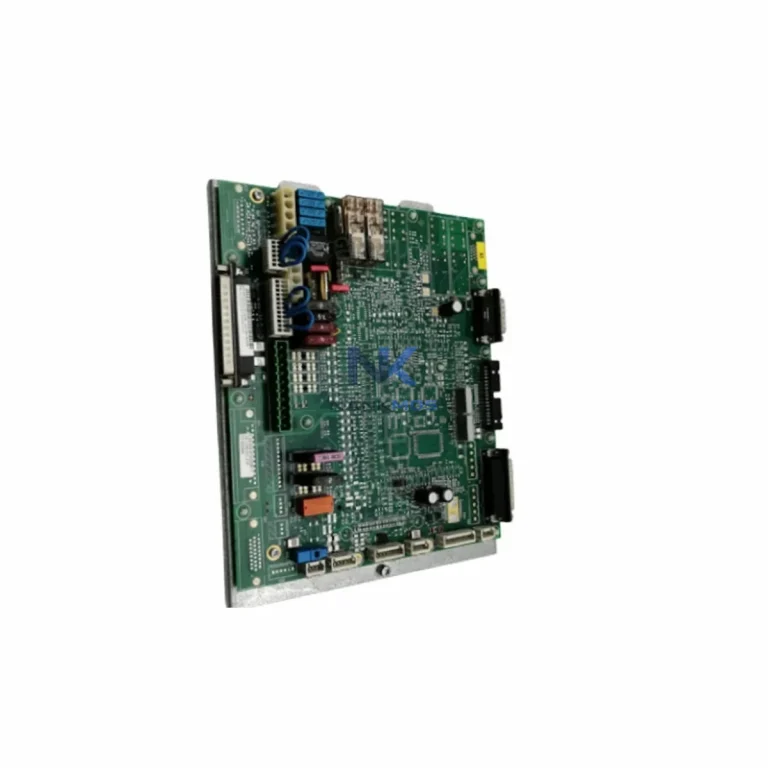
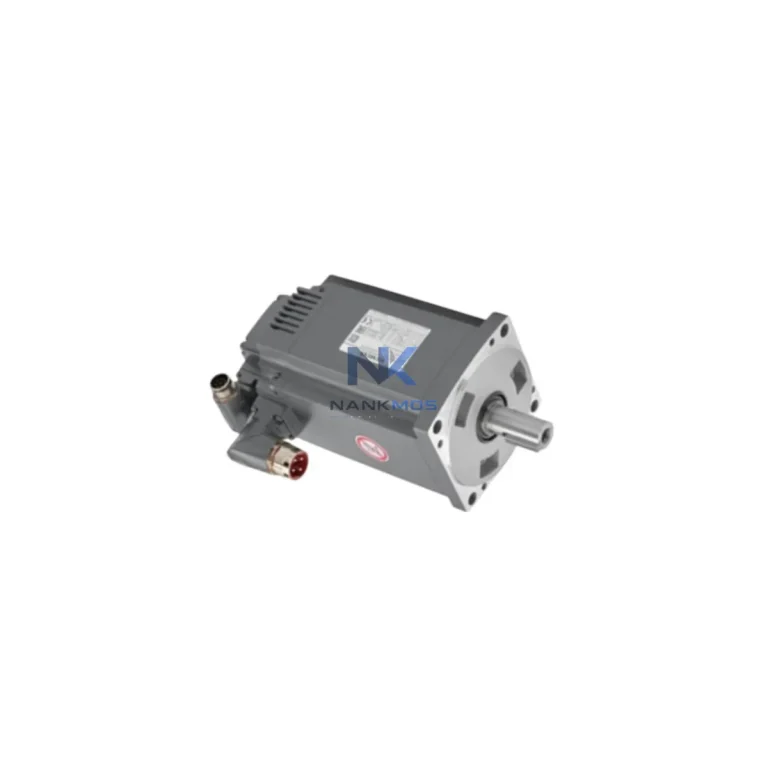
KUKA 00-210-905 kr10 is a NANKMOS industrial automation product record Listed under Other series series and Drives. Confirm condition, availability, lead time, compatibility and documentation by email inquiry.
Brand names are used for identification only.
KUKA 00-210-905 kr10 is a NANKMOS industrial automation product record Listed under Other series series and Drives. Confirm condition, availability, lead time, compatibility and documentation by email inquiry.
| Manufacturer | KUKA |
|---|---|
| Application | Motion Control & Drive System |
| Part Number / Model | 00-210-905 kr10 |
| Compatible System | Confirmed by inquiry |
| Condition Options | To Confirm |
| Module Type | Servo / Drive Module |
| Warranty | 12 Months |
| Packaging | Anti-static Bag / Secure Box |
| Shipping Methods | DHL / FedEx / UPS / Air / Sea |
| Availability | To Confirm |
| Lead Time | To Confirm |
| Documentation | Part number and revision checked before quote |
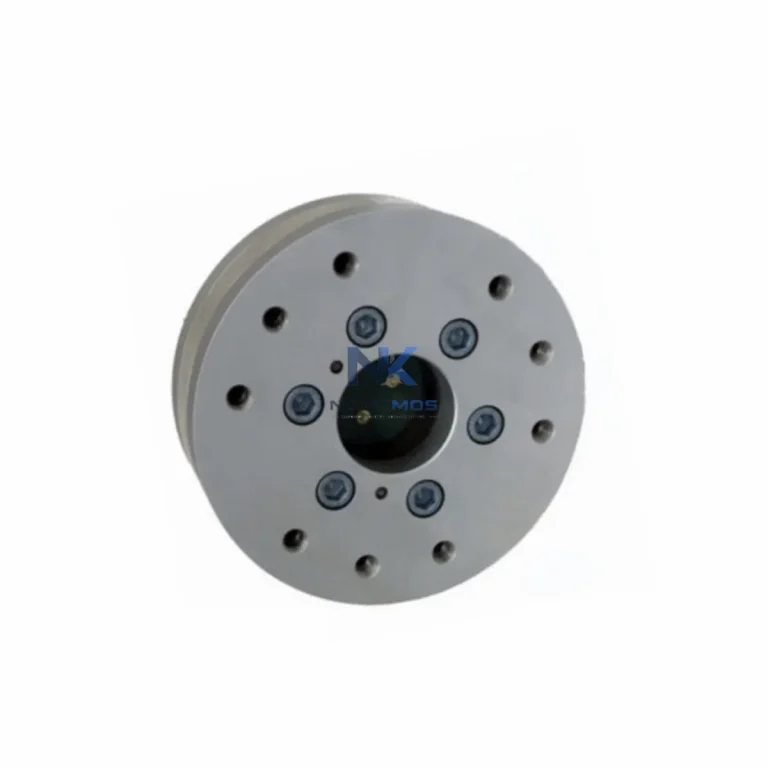
The KUKA 00-210-905 KR10 Timing Gear is a precision robotic drive component engineered for KUKA KR Series industrial robots operating within smart factory environments. Beyond its mechanical role as a high-accuracy timing gear, this component sits at the intersection of motion control and industrial data communication — enabling seamless integration between robotic actuators, PLC controllers, SCADA systems, and real-time monitoring platforms. In modern automated production lines, the reliability of every drive component directly impacts the integrity of the data chain that connects field devices to upper-level management systems.
In a fully connected smart factory, the KUKA 00-210-905 KR10 Timing Gear functions as a critical mechanical node within a broader industrial data architecture. The data flow begins at the joint actuator level, where the timing gear transmits precise rotational motion to the robot arm. Position and torque feedback signals are captured by the servo encoder and relayed through the KUKA KR C4 or KR C5 robot controller, which processes real-time kinematic data and communicates upstream via PROFINET or EtherCAT fieldbus protocols.
This controller-level data is then aggregated by a Siemens S7-1500 PLC or equivalent industrial controller acting as the site automation backbone. The PLC coordinates motion sequences across multiple robot cells, synchronizing the KR10 drive data with inputs from Keyence IL-series laser displacement sensors mounted at inspection stations and Balluff BIS series RFID readers tracking workpiece identity along the production line. All field-level signals — position, speed, torque, and fault status — are structured into process data objects and forwarded to the plant SCADA layer.
At the SCADA and HMI level, operators interact with the robot cell through a Siemens SIMATIC HMI TP1500 or Weintek cMT series panel, visualizing real-time joint load, cycle count, and predictive maintenance indicators derived from the KR10 drive's performance data. An industrial edge gateway — such as the Moxa UC-8112 edge computer — collects time-series data from the PROFINET network and pushes structured datasets to cloud-based analytics platforms or on-premise MES systems, enabling data visualization dashboards that track OEE, downtime events, and component wear trends.
For remote diagnostics, the KUKA.RemoteServiceMonitor module integrated within the KR C4 controller transmits robot health data — including drive temperature, gear load cycles, and error logs — through a secure industrial VPN tunnel to remote engineering teams. This capability is further enhanced when the robot cell is connected via a Hirschmann RS20 managed industrial Ethernet switch, which provides VLAN segmentation and redundant ring topology to ensure network stability across the production floor. Alarm events triggered by abnormal torque readings or encoder deviations are automatically escalated through the SCADA alarm management system, with notifications pushed to maintenance personnel via the plant's MES integration layer.
Power integrity for the robot cell is maintained by a Phoenix Contact QUINT series 24VDC industrial power supply, ensuring stable voltage delivery to the KR C4 controller, servo drives, and all connected I/O modules. Remote I/O expansion — handled by Beckhoff EK1100 EtherCAT couplers with distributed terminal modules — extends the data acquisition reach to peripheral sensors and actuators beyond the robot controller's native I/O capacity, feeding additional process variables into the unified data chain.
Protocol Fragmentation: Many production sites operate mixed-protocol environments where legacy fieldbus systems (DeviceNet, Modbus RTU) coexist with modern PROFINET or EtherCAT networks. The KUKA KR C4 controller paired with the 00-210-905 KR10 drive supports protocol gateway configurations, allowing robot motion data to be translated and forwarded to legacy SCADA systems without requiring full network upgrades.
Data Silos and Production Transparency: Without unified data collection from robotic drive components, maintenance teams often lack visibility into joint wear patterns and predictive failure indicators. By integrating the KR10 timing gear's encoder feedback into the plant SCADA and MES data pipeline, operators gain full production transparency — tracking cycle counts, load profiles, and anomaly trends across every robot cell in real time.
Remote Monitoring and Alarm Tracking: Unplanned downtime caused by undetected drive degradation is a primary cost driver in automated facilities. The KUKA 00-210-905 KR10 Timing Gear, operating within the KR C4 diagnostic framework, enables continuous remote health monitoring. Threshold-based alarms for torque deviation, temperature exceedance, and encoder signal loss are automatically logged and escalated, reducing mean time to repair (MTTR) and supporting proactive maintenance scheduling.
System Scalability: As production capacity expands, adding new robot cells or upgrading existing KR Series units requires drive components that maintain backward compatibility with established network architectures. The 00-210-905 KR10 Timing Gear is designed for direct integration into existing KUKA KR Series platforms, minimizing reconfiguration effort and preserving the integrity of the plant-wide data communication infrastructure.
Q1: Does the KUKA 00-210-905 KR10 Timing Gear support real-time data feedback over PROFINET? Yes. When installed in a KUKA KR Series robot controlled by the KR C4 or KR C5 controller, the timing gear's encoder feedback is transmitted in real time over PROFINET IO, providing position, speed, and torque data to connected PLC and SCADA systems with cycle times as low as 1ms depending on network configuration.
Q2: Is this component compatible with existing EtherCAT-based automation networks? Yes. The KUKA KR C4 controller natively supports EtherCAT as a servo drive communication protocol. The 00-210-905 KR10 Timing Gear integrates directly into this architecture, ensuring full compatibility with EtherCAT master controllers and distributed I/O systems without requiring additional protocol converters.
Q3: What remote diagnostic capabilities are available for this drive component? Through the KUKA.RemoteServiceMonitor and KR C4 diagnostic tools, maintenance teams can remotely access drive health data including gear load cycles, temperature trends, encoder signal quality, and fault history logs. This data is accessible via secure VPN connections, enabling off-site engineers to diagnose issues and plan maintenance interventions without requiring on-site presence.
Q4: What warranty and pre-shipment testing standards apply to this product? The KUKA 00-210-905 KR10 Timing Gear is covered by a 12-month warranty from the date of shipment. Every unit undergoes full functional verification and pre-shipment testing before dispatch, ensuring dimensional accuracy, gear mesh quality, and encoder interface integrity meet KUKA OEM specifications. In-stock availability supports rapid deployment for both planned maintenance and emergency replacement scenarios.
Functional Inspection100% tested on professional platforms to ensure stable performance.
 Anti-static Packaging
Modules are packed in anti-static bags to prevent electrostatic damage.
 Secure Export Packing
Cushion protection and strong cartons ensure safe transportation.
 Worldwide Shipping
Global logistics network supports air, sea and express delivery.
 Documentation Check
Part number, revision and compatibility verified before shipment.
 After-sales Support
Professional technical support to help resolve your issues.