Functional Inspection
100% tested on professional platforms to ensure stable performance.
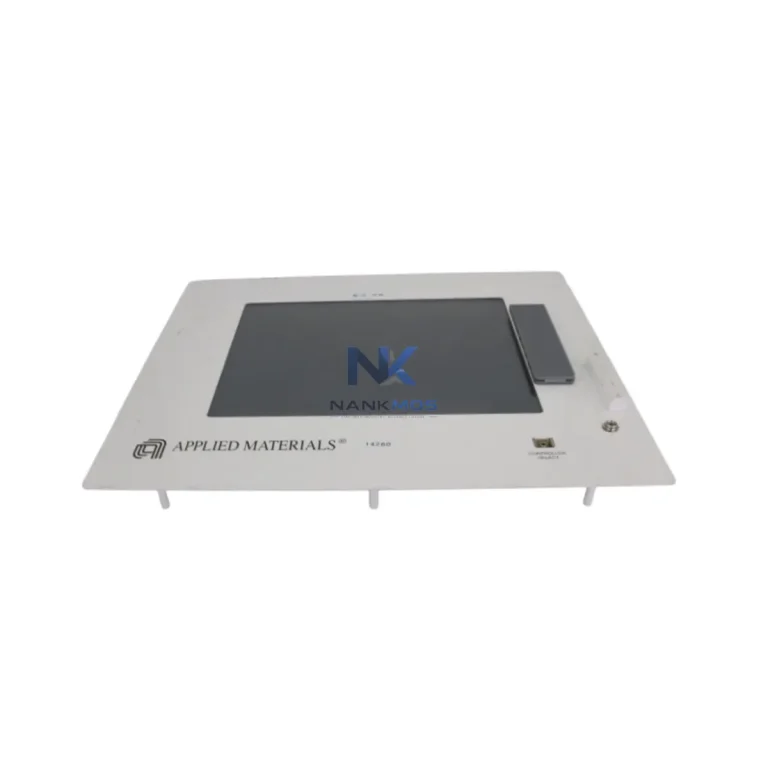
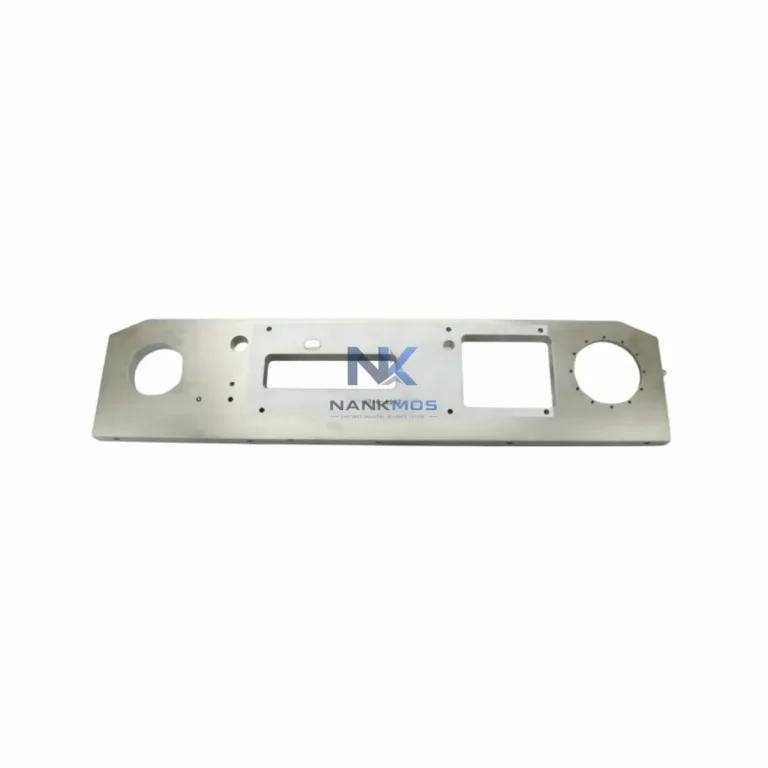
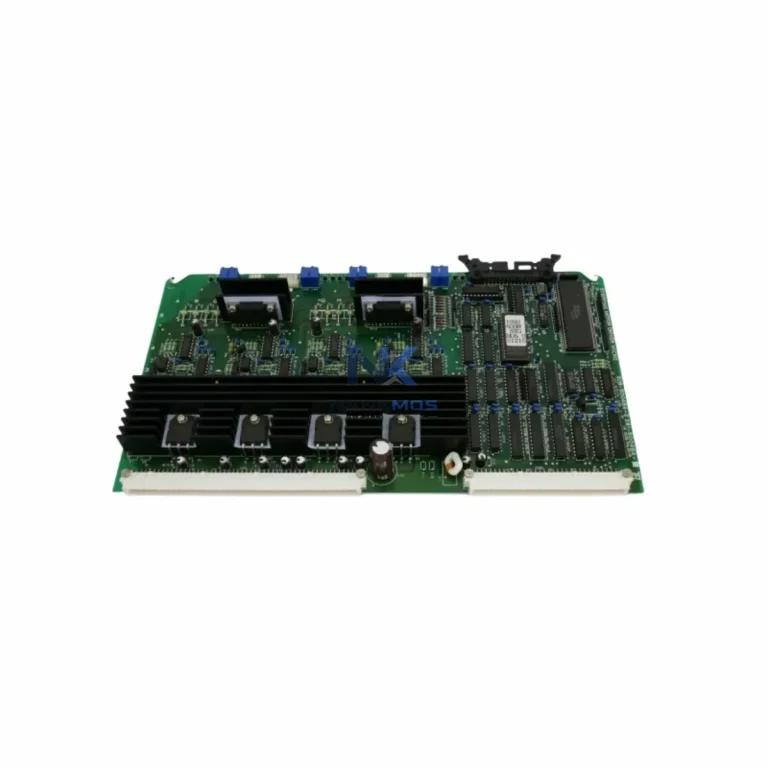
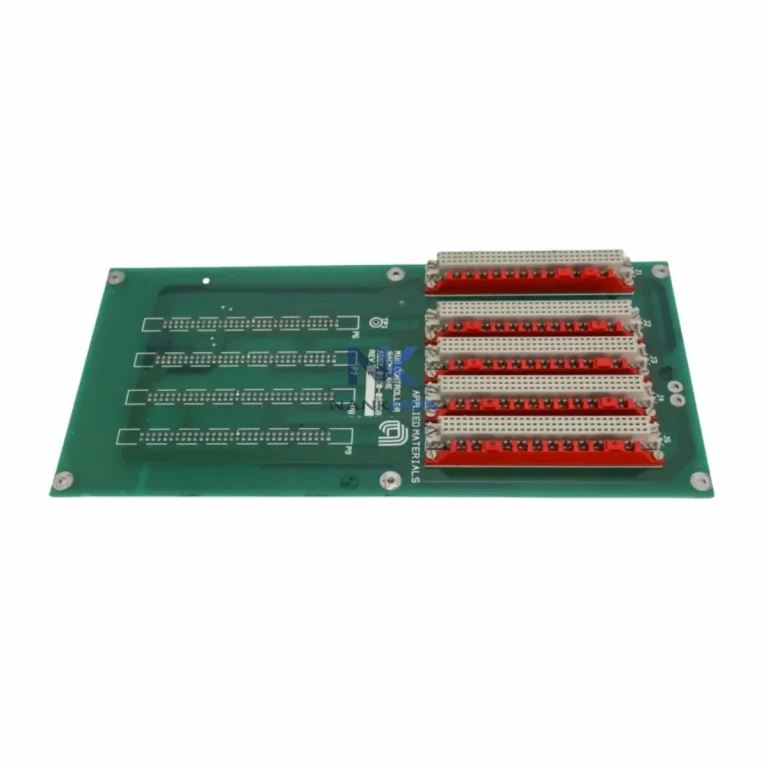
Applied Materials 0041-04312 6719162P 6719161XD-2C 0100-35065 is a NANKMOS industrial automation product record Listed under Other series series and Business & Industrial > Automation, Control & Flow Devices > Programmable Logic Controllers. Confirm condition, availability, lead time, compatibility and documentation by email inquiry.
Brand names are used for identification only.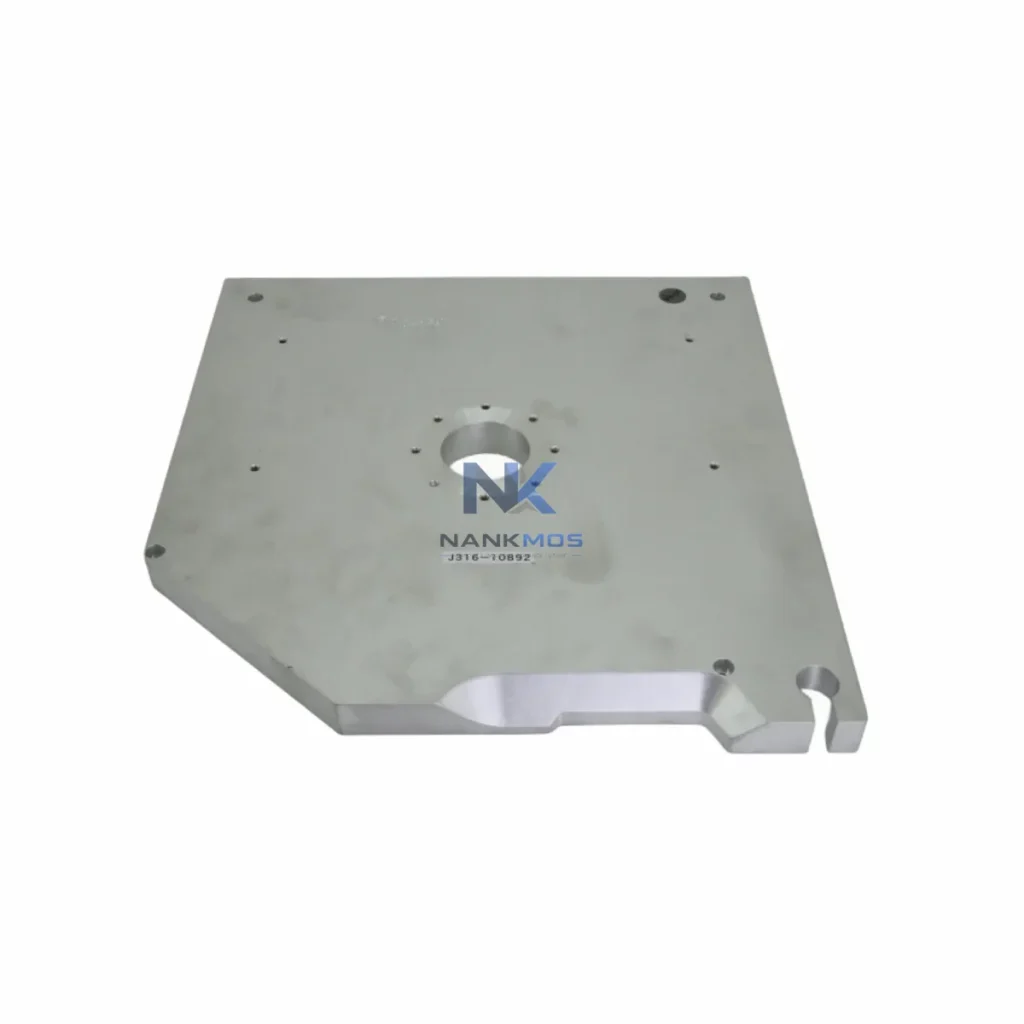
Applied Materials 0041-04312 6719162P 6719161XD-2C 0100-35065 is a NANKMOS industrial automation product record Listed under Other series series and Business & Industrial > Automation, Control & Flow Devices > Programmable Logic Controllers. Confirm condition, availability, lead time, compatibility and documentation by email inquiry.
| Manufacturer | Applied Materials |
|---|---|
| Application | Controller Processing & System Control |
| Part Number / Model | 0041-04312 6719162P 6719161XD-2C 0100-35065 |
| Compatible System | Confirmed by inquiry |
| Condition Options | To Confirm |
| Module Type | Controller / CPU Module |
| Warranty | 12 Months |
| Packaging | Anti-static Bag / Secure Box |
| Shipping Methods | DHL / FedEx / UPS / Air / Sea |
| Availability | To Confirm |
| Lead Time | To Confirm |
| Documentation | Part number and revision checked before quote |
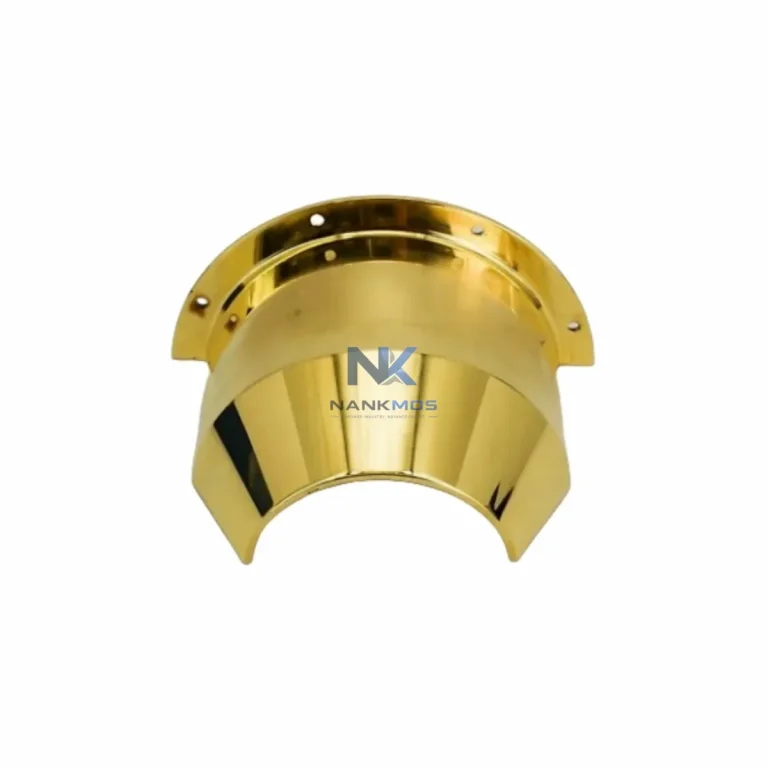
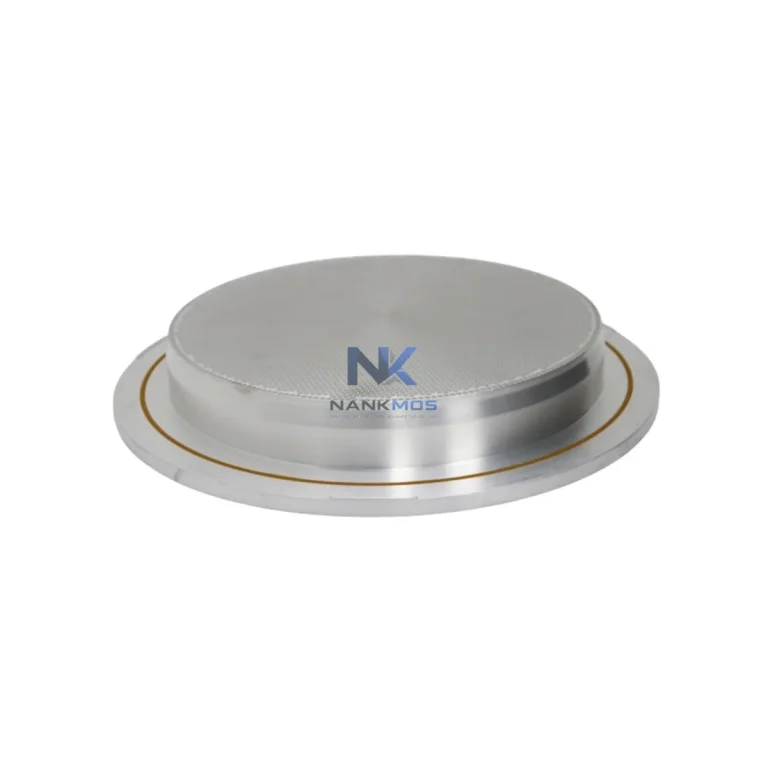
The Applied Materials 0041-04312 is a high-performance CVD (Chemical Vapor Deposition) chamber module engineered for the Endura platform — one of the most widely deployed physical vapor deposition and CVD systems in semiconductor fabrication. Designed to operate within tightly controlled energy envelopes, this module plays a central role in reducing thermal load, stabilizing process throughput, and enabling predictive maintenance across advanced wafer production lines. With cross-referenced part numbers including 6719162P, 6719161XD-2C, and 0100-35065, this module supports broad compatibility across Endura system generations.
In modern semiconductor fabs, energy efficiency is no longer a secondary concern — it is a primary driver of yield, uptime, and operational cost. The 0041-04312 module is built to meet this demand, delivering consistent deposition performance while minimizing idle power draw and thermal dissipation during non-process intervals. Every unit is outgoing-tested prior to shipment and backed by a 12-month warranty, ensuring production-ready reliability from day one.
The 0041-04312 CVD chamber module does not operate in isolation — its energy efficiency is realized through tight integration with the broader Endura system architecture and fab-level automation infrastructure. Within the Endura mainframe, the module interfaces directly with the system's process controller, which governs RF power delivery, gas flow sequencing, and chamber conditioning cycles. By synchronizing deposition events with the platform's load-lock and transfer chamber scheduling, the module avoids unnecessary thermal ramp cycles that consume energy without contributing to wafer output.
At the equipment level, the Endura system's embedded PLC-equivalent process controller coordinates chamber state transitions — idle, conditioning, process-ready, and vent — ensuring the 0041-04312 module only draws full power during active deposition windows. This is analogous to variable frequency drive (VFD) logic applied to motor loads: power is modulated to match actual process demand rather than running at peak draw continuously.
For fab-wide energy visibility, the 0041-04312 module's operational data — including RF forward/reflected power, chamber pressure, and temperature — can be streamed to SCADA systems or manufacturing execution systems (MES) via the Endura's host communication interface, typically using SECS/GEM protocol. This enables energy management systems to correlate chamber-level power consumption with wafer throughput metrics, identifying inefficiencies in recipe design or maintenance-driven performance degradation.
The module also works in concert with the Endura's I/O subsystem and sensor arrays — including capacitance manometers, thermocouple assemblies, and residual gas analyzers — to maintain process stability without over-conditioning. Upstream, the Applied Materials Endura transfer module and robot assembly ensure wafers are delivered to the 0041-04312 chamber at the correct thermal state, reducing the energy cost of substrate pre-heating. Downstream, the system's HMI provides operators with real-time chamber status, enabling rapid intervention when process drift is detected — before energy-intensive re-qualification runs become necessary.
In multi-chamber Endura configurations, the 0041-04312 can be paired with PVD modules such as the Applied Materials 0010-09098 target assembly or complementary CVD chambers to build a complete thin-film deposition stack. Power monitoring modules integrated at the PDU level track aggregate chamber energy consumption, supporting fab sustainability reporting and ISO 50001 energy management compliance.
Semiconductor production lines face a compounding energy challenge: each process step — deposition, etch, anneal, clean — carries its own thermal and electrical load profile, and inefficiencies at any node propagate across the line as yield loss, throughput reduction, or unplanned downtime. The Applied Materials 0041-04312 CVD chamber module addresses this challenge at the deposition node, one of the most energy-intensive steps in front-end-of-line (FEOL) processing.
By maintaining tight process repeatability — consistent film thickness, uniformity, and stress — the 0041-04312 reduces the frequency of re-work runs that consume additional energy and machine time. A chamber that drifts out of specification forces engineers to run conditioning wafers, perform wet cleans, and re-qualify the process, each of which adds hours of non-productive energy consumption. A well-maintained, tested 0041-04312 module minimizes this drift, keeping the production line on rhythm.
Predictive maintenance is another key lever. Because the module's performance data is accessible via the Endura host interface, maintenance teams can track leading indicators — RF match network tuning shifts, rising base pressure trends, or increasing conditioning cycle duration — that signal component wear before catastrophic failure occurs. Replacing a worn component during a scheduled maintenance window costs a fraction of the energy and time lost to an unplanned chamber down event.
From an inventory and supply chain perspective, having a tested, warranty-backed 0041-04312 module in strategic spare inventory eliminates the extended lead times associated with OEM procurement. When a chamber goes down, rapid module swap-out restores production line throughput within hours rather than weeks — directly translating to energy savings by avoiding the extended idle-state power draw of a partially operational fab line. All units ship with outgoing test documentation, providing traceability for quality management systems and reducing incoming inspection burden at the customer site.
Q1: How does the 0041-04312 module contribute to fab energy savings? The module is designed for process-synchronized power management within the Applied Materials Endura platform. By maintaining high deposition repeatability and minimizing re-work cycles, it reduces total energy consumed per wafer start. Its compatibility with SCADA and MES energy monitoring systems enables fab-level visibility into chamber-specific power consumption, supporting continuous efficiency improvement programs.
Q2: Which Endura system generations and configurations is this module compatible with? The 0041-04312 is compatible with Applied Materials Endura CVD platform configurations. Cross-reference part numbers 6719162P, 6719161XD-2C, and 0100-35065 cover multiple Endura system generations. We recommend confirming your specific mainframe configuration and software revision with our technical team prior to installation to ensure full compatibility.
Q3: What does the outgoing test process cover, and what is the warranty scope? Each 0041-04312 module undergoes a comprehensive outgoing inspection covering mechanical integrity, electrical continuity, RF component function, and process-critical surface condition. The 12-month warranty covers component defects and functional failures under normal operating conditions. Warranty support includes technical consultation and replacement coordination through NANKMOS.
Q4: What is the typical lead time, and do you maintain stock inventory? NANKMOS maintains strategic inventory of the 0041-04312 and related Endura platform components to support rapid deployment. Standard lead time for in-stock units is 3–7 business days for international shipments, with expedited options available. Contact our team for real-time stock confirmation and export documentation requirements for your region.
Functional Inspection100% tested on professional platforms to ensure stable performance.
 Anti-static Packaging
Modules are packed in anti-static bags to prevent electrostatic damage.
 Secure Export Packing
Cushion protection and strong cartons ensure safe transportation.
 Worldwide Shipping
Global logistics network supports air, sea and express delivery.
 Documentation Check
Part number, revision and compatibility verified before shipment.
 After-sales Support
Professional technical support to help resolve your issues.