Functional Inspection
100% tested on professional platforms to ensure stable performance.
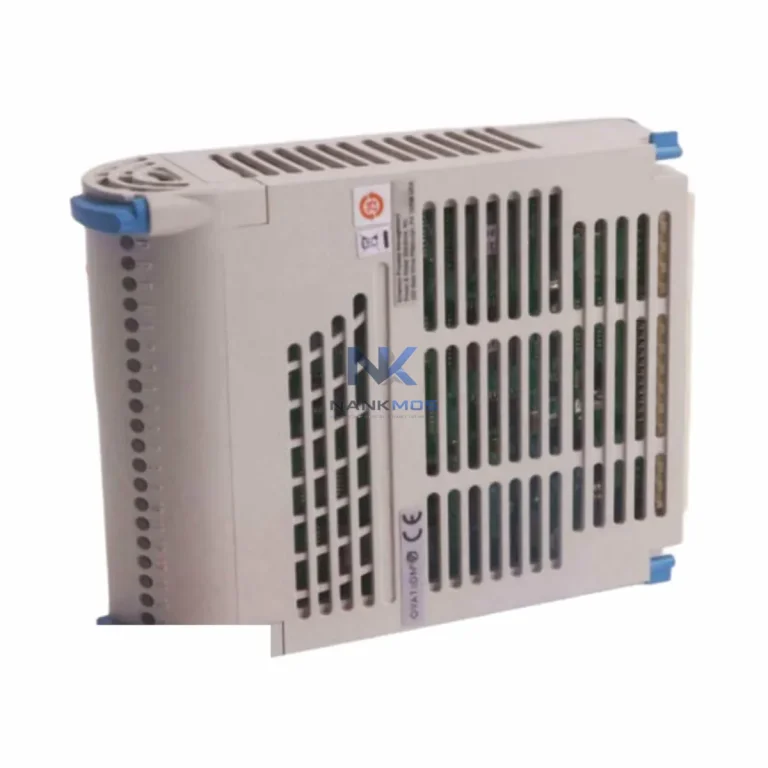
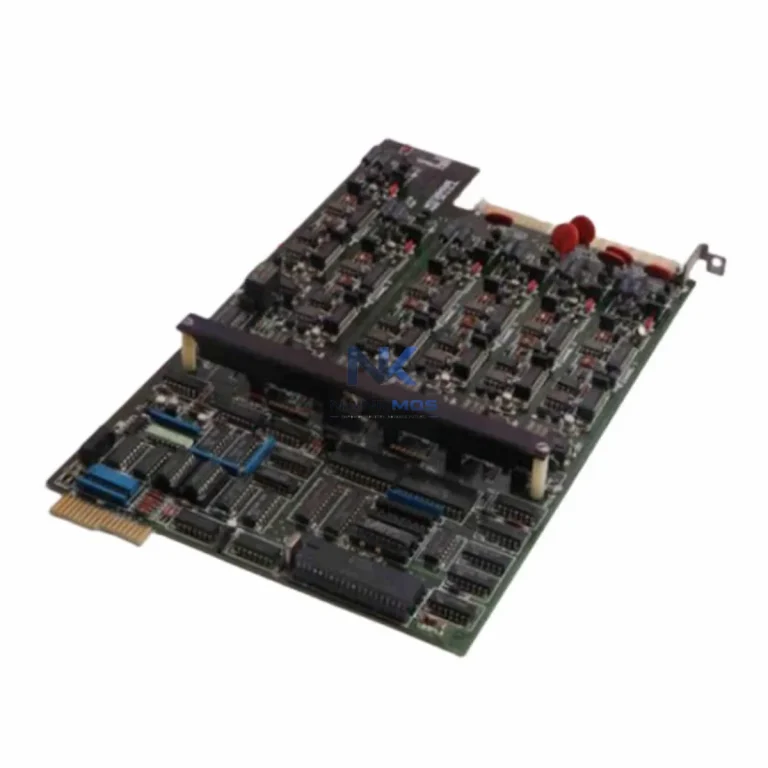
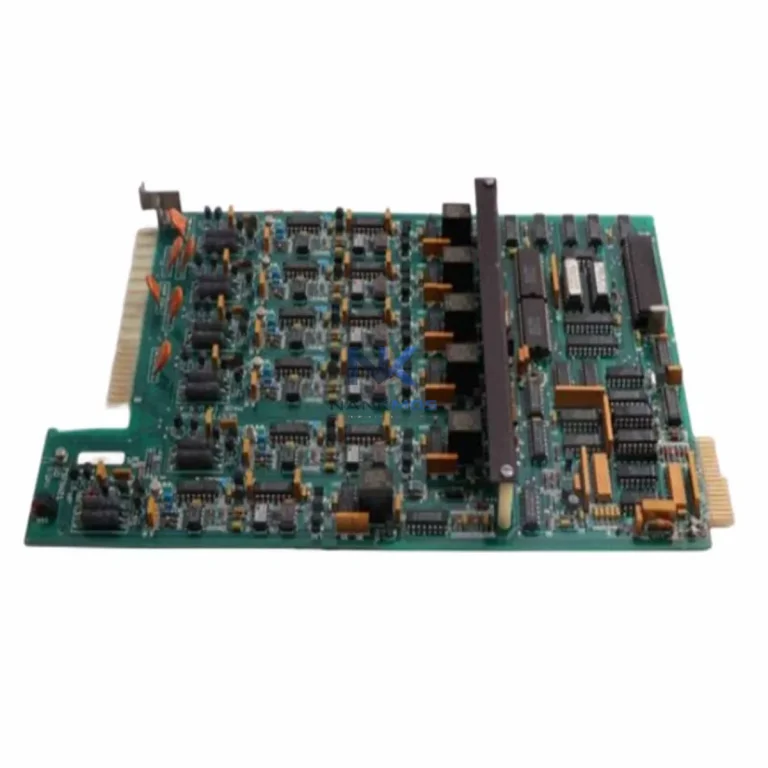
Westinghouse 1C31203G01 is a NANKMOS industrial automation product record Listed under Other series series and Business & Industrial > Automation, Control & Flow Devices > Programmable Logic Controllers. Confirm condition, availability, lead time, compatibility and documentation by email inquiry.
Brand names are used for identification only.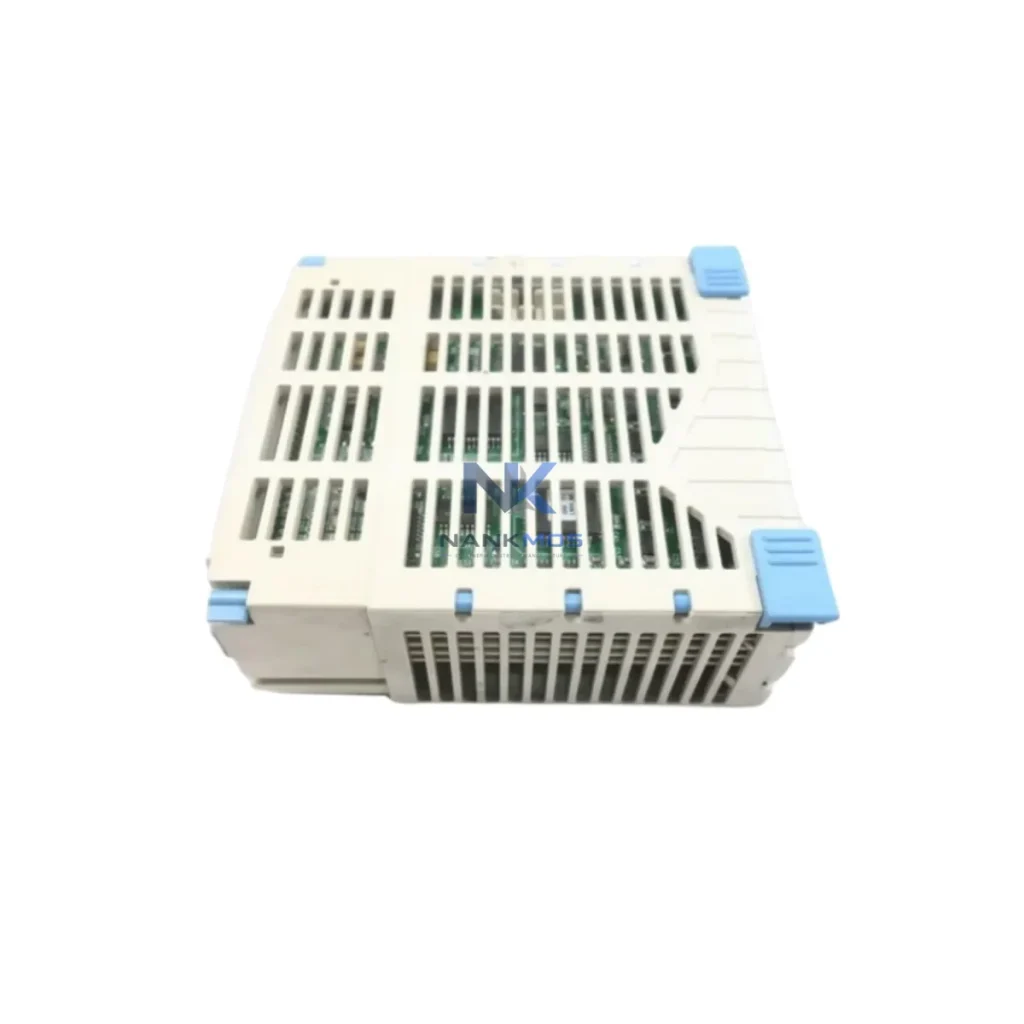
Westinghouse 1C31203G01 is a NANKMOS industrial automation product record Listed under Other series series and Business & Industrial > Automation, Control & Flow Devices > Programmable Logic Controllers. Confirm condition, availability, lead time, compatibility and documentation by email inquiry.
| Manufacturer | Westinghouse |
|---|---|
| Application | Controller Processing & System Control |
| Part Number / Model | 1C31203G01 |
| Compatible System | Confirmed by inquiry |
| Condition Options | To Confirm |
| Module Type | Controller / CPU Module |
| Warranty | 12 Months |
| Packaging | Anti-static Bag / Secure Box |
| Shipping Methods | DHL / FedEx / UPS / Air / Sea |
| Availability | To Confirm |
| Lead Time | To Confirm |
| Documentation | Part number and revision checked before quote |
The Westinghouse 1C31203G01 is a WDPF-series Remote Node Controller engineered for distributed control systems (DCS) in energy-intensive industrial environments. Designed to manage field-level I/O communication between the process plant and the central DCS host, this controller plays a critical role in reducing unnecessary energy consumption, stabilizing production line throughput, and enabling real-time load management across complex automation architectures. Whether deployed in power generation, chemical processing, or heavy manufacturing, the 1C31203G01 delivers the deterministic control performance that modern smart factories demand.
In a well-designed energy-aware automation architecture, the Westinghouse 1C31203G01 Remote Node Controller functions as the field-level intelligence hub, coordinating I/O data flow between sensors, actuators, and the central DCS processor. Its role becomes especially significant when integrated with complementary control and monitoring components across the production line.
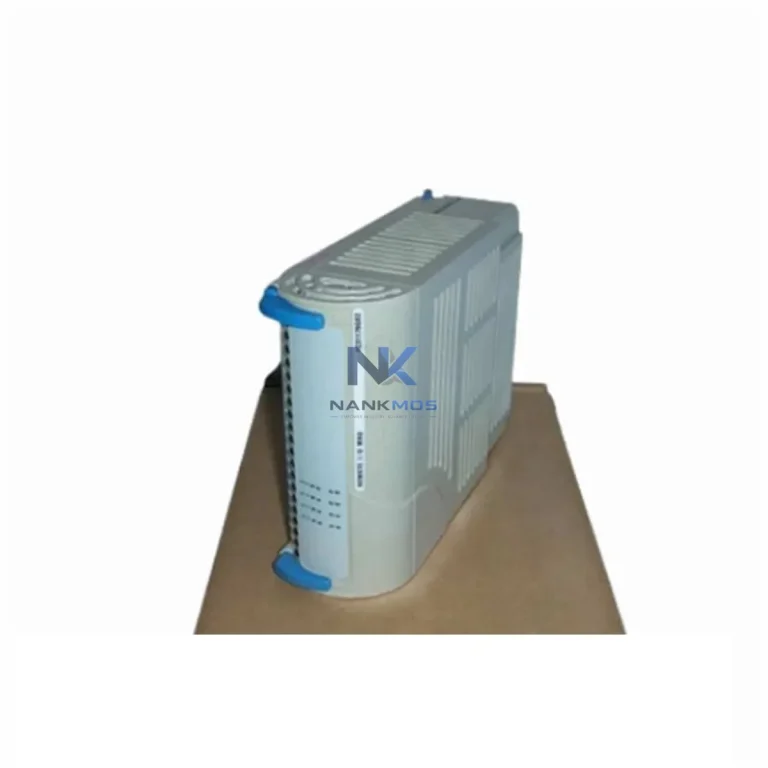
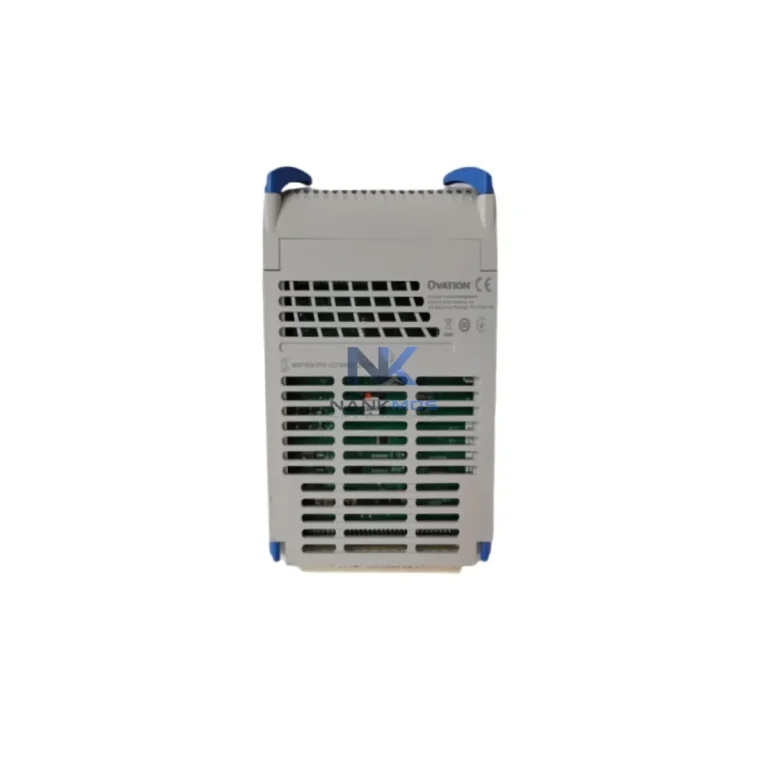
When paired with the Westinghouse 1C31197G01 WDPF Node Bus Interface Module, the 1C31203G01 enables high-integrity data exchange across distributed node clusters, reducing communication latency and the associated energy overhead of retransmission cycles. Alongside the Westinghouse 1C31116G01 Analog Input Module, it captures real-time process variables — temperature, pressure, flow — feeding this data upstream to the DCS host for load-balancing decisions that directly impact energy draw across motor-driven equipment.
For motor control applications, the 1C31203G01 works in concert with variable frequency drives (VFDs) such as the Westinghouse VSD series to modulate motor speed in response to actual process demand rather than fixed setpoints. This demand-responsive approach eliminates the energy waste associated with constant-speed motor operation and is one of the most impactful strategies for reducing facility-wide power consumption. The controller's fast I/O scan rate ensures that drive command signals are delivered with minimal delay, preserving production line rhythm while avoiding energy spikes.
Integration with Westinghouse 1C31234G01 Digital Output Modules allows the node controller to execute discrete switching commands — isolating non-critical loads during off-peak cycles, sequencing equipment startups to avoid demand surges, and enabling coordinated shutdown routines that protect both energy budgets and equipment longevity. When the system also incorporates a Westinghouse 1C31110G01 Power Supply Module, the entire node cluster benefits from regulated, stable DC power delivery that minimizes thermal stress and reduces heat-related energy losses in the control cabinet.
At the supervisory level, SCADA systems and HMI platforms — such as those running on Westinghouse WDPF Operator Workstations — receive consolidated node data from the 1C31203G01, enabling operators to visualize energy consumption trends, identify inefficient load profiles, and implement corrective actions without interrupting production. Communication modules supporting Modbus RTU or PROFIBUS DP gateways can extend the node controller's data reach into third-party energy management systems (EMS), broadening the scope of energy visibility across multi-vendor plant environments.
The Westinghouse 1C31203G01 contributes to production line energy optimization through several interconnected mechanisms. First, by maintaining deterministic, low-latency I/O communication, it eliminates the control delays that force systems to operate with excessive safety margins — margins that typically translate into over-powered equipment running at unnecessarily high energy levels. When control response is reliable and fast, engineers can tune setpoints closer to actual process requirements, recovering significant energy savings over time.
Second, the node controller's distributed architecture inherently supports load disaggregation — the practice of separating energy consumption data by zone, process unit, or equipment group. This granularity is essential for identifying energy waste hotspots on the production floor. A facility running multiple 1C31203G01 nodes across different process areas can correlate I/O activity patterns with energy meter readings, enabling data-driven decisions about equipment scheduling, maintenance prioritization, and capacity planning.
Third, the 1C31203G01 supports predictive maintenance strategies by providing continuous, high-resolution process data to upstream analytics platforms. Abnormal I/O patterns — unexpected valve positions, inconsistent motor feedback signals, erratic sensor readings — can indicate developing equipment faults that, if left unaddressed, lead to energy-inefficient operation and unplanned downtime. Early detection through the node controller's data stream allows maintenance teams to intervene before failures escalate, preserving both energy efficiency and production throughput.
Finally, the controller's compatibility with the broader WDPF ecosystem means that energy optimization strategies implemented at the node level can be coordinated plant-wide through the DCS host. Demand response programs, load-shedding routines, and energy recovery sequences can all be orchestrated through the same control infrastructure, making the 1C31203G01 a foundational component in any serious industrial energy management initiative. All units are shipped following full functional testing and are backed by a 12-month warranty, ensuring operational confidence from day one of deployment.
Q1: How does the 1C31203G01 contribute to measurable energy savings on the production line? By enabling precise, real-time I/O control across distributed field nodes, the 1C31203G01 allows the DCS to respond dynamically to actual process conditions rather than fixed schedules. This reduces over-actuation of motors, valves, and drives — directly cutting unnecessary energy consumption. When integrated with VFDs and power monitoring modules, the energy savings from demand-responsive control can be quantified and tracked through the SCADA or EMS layer.
Q2: Is the 1C31203G01 compatible with modern DCS platforms or only legacy WDPF systems? The 1C31203G01 is natively designed for the Westinghouse WDPF DCS architecture. For integration with modern platforms, communication gateways supporting Modbus, PROFIBUS, or OPC-UA protocols can bridge the node controller's data into contemporary DCS, SCADA, or EMS environments. This makes it a viable component in hybrid automation architectures where legacy and modern systems coexist.
Q3: What is the testing and inspection process before shipment? Every 1C31203G01 unit undergoes a full functional test prior to dispatch, including power-on verification, I/O channel integrity checks, and communication bus validation. Units that do not meet performance specifications are quarantined and not offered for sale. This process ensures that every shipped unit is operationally ready and reduces the risk of installation delays or early field failures.
Q4: What does the 12-month warranty cover, and how is stock availability managed? The 12-month warranty covers defects in materials and workmanship under normal operating conditions. Warranty claims are processed promptly with replacement or repair options. Stock is maintained in-house to support fast order fulfillment — typically same-day or next-business-day dispatch for in-stock units. For high-volume or project-based requirements, advance reservation of stock is available upon request.
Functional Inspection100% tested on professional platforms to ensure stable performance.
 Anti-static Packaging
Modules are packed in anti-static bags to prevent electrostatic damage.
 Secure Export Packing
Cushion protection and strong cartons ensure safe transportation.
 Worldwide Shipping
Global logistics network supports air, sea and express delivery.
 Documentation Check
Part number, revision and compatibility verified before shipment.
 After-sales Support
Professional technical support to help resolve your issues.