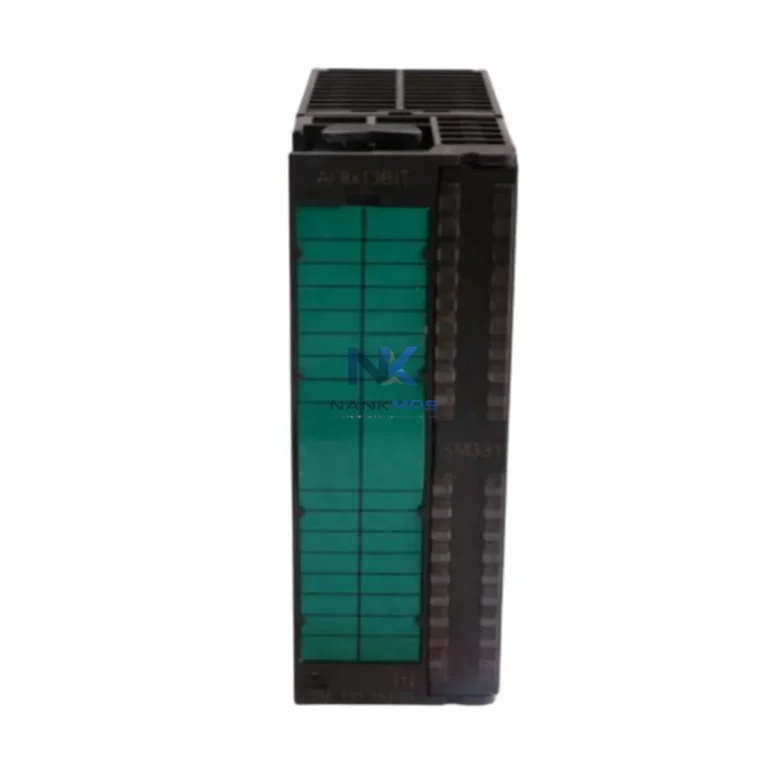
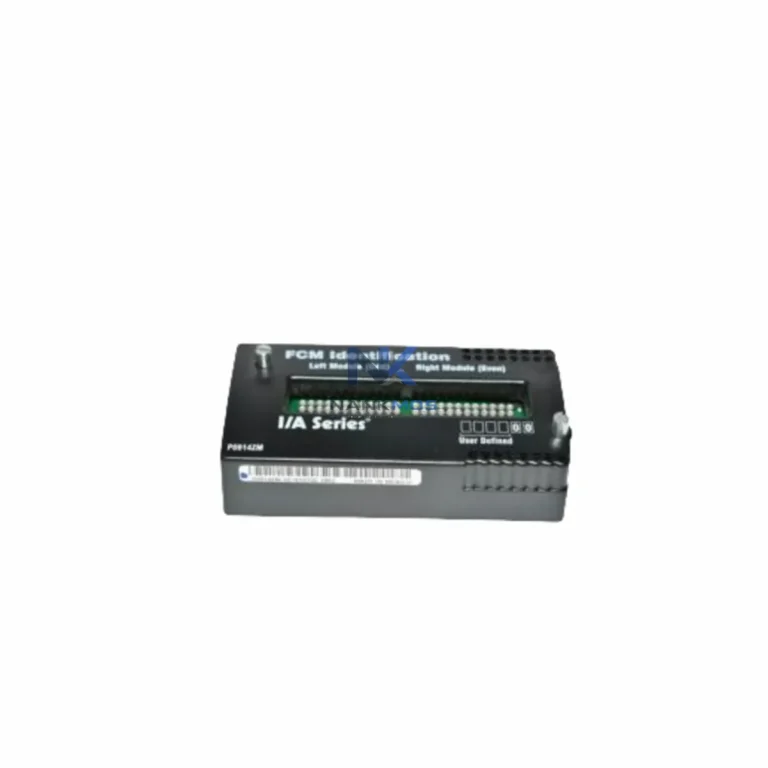
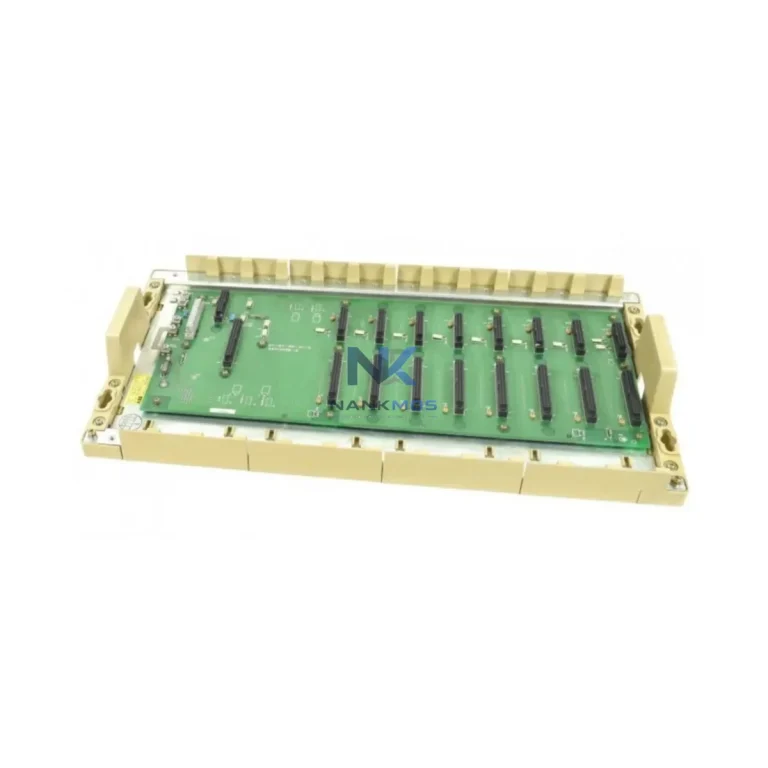
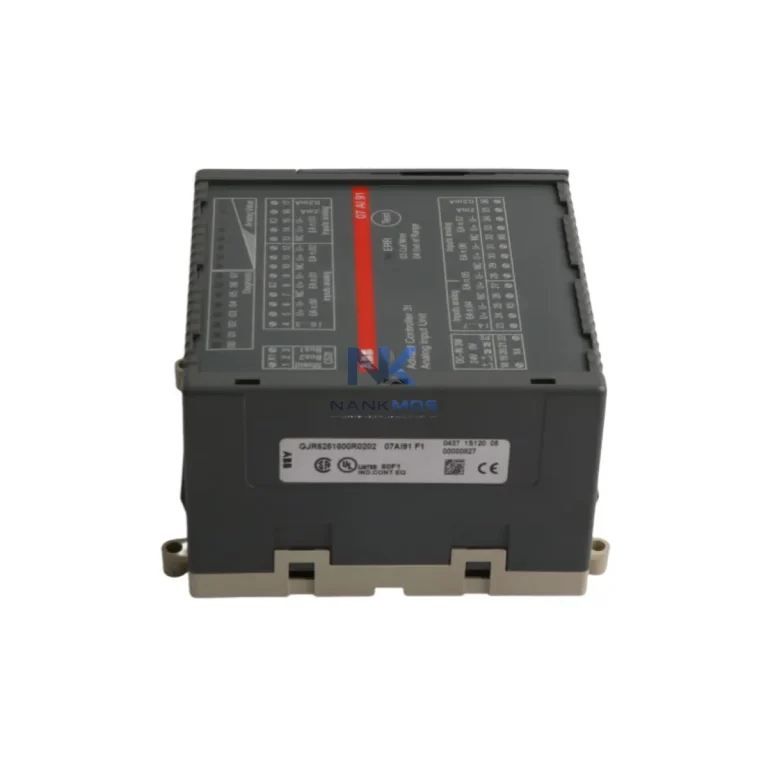
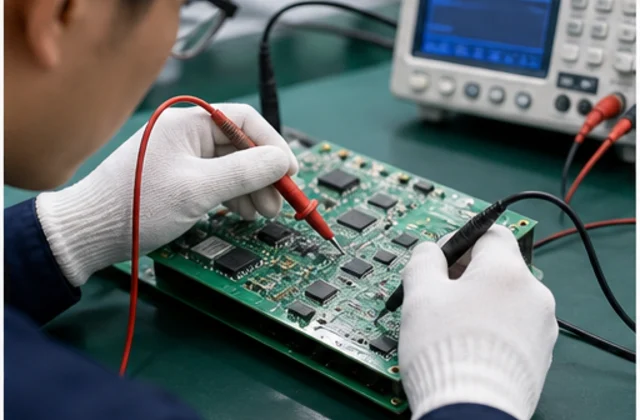
 Functional Inspection
100% tested on professional platforms to ensure stable performance.
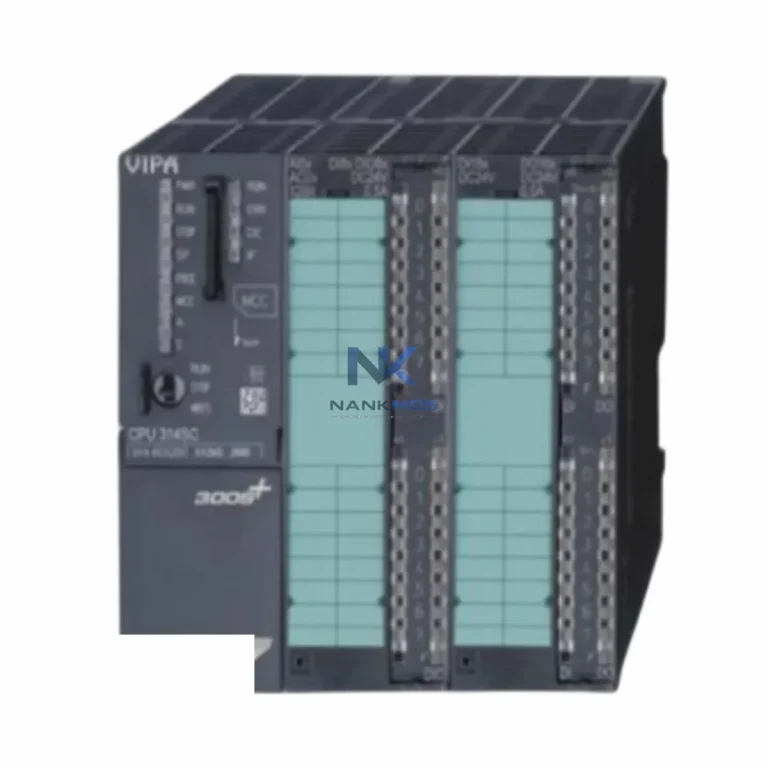
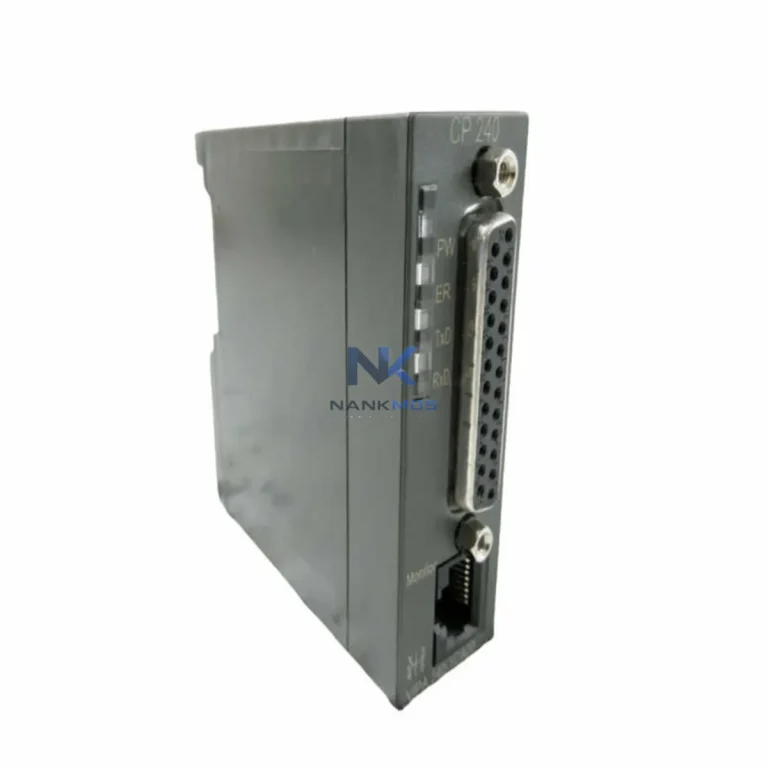
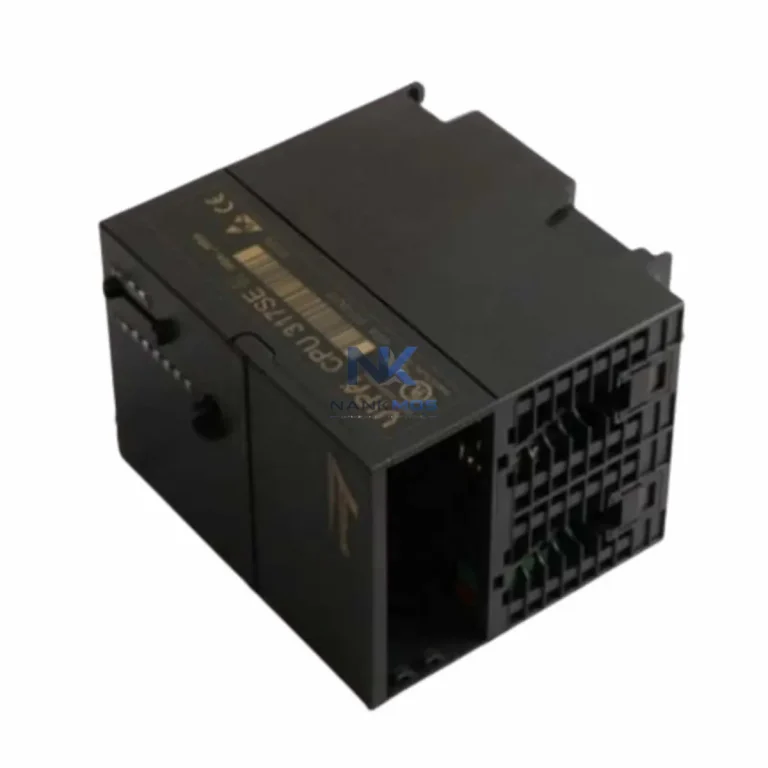
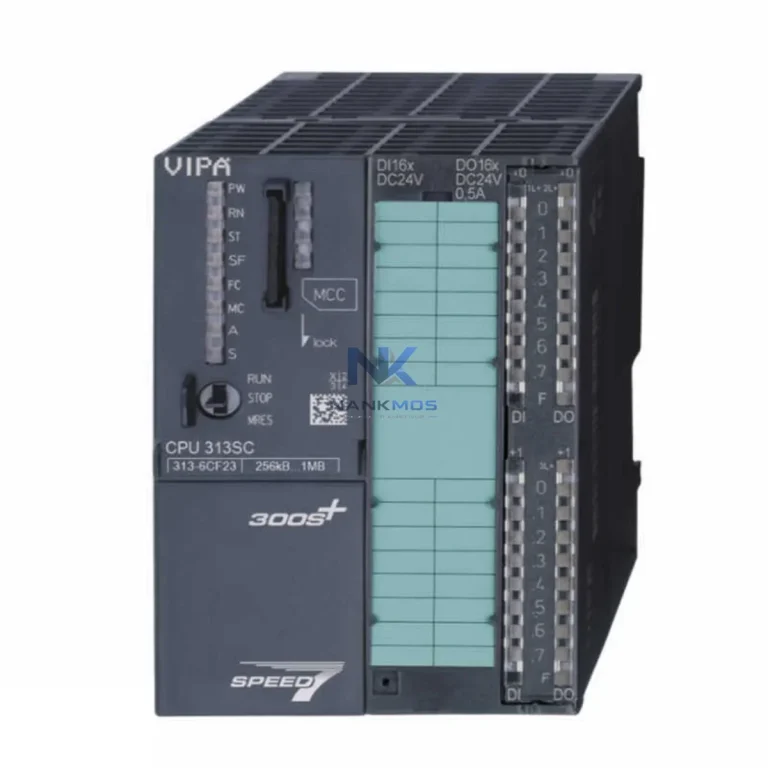
VIPA 240-1CA00 is a NANKMOS industrial automation product record Listed under Other series series and Business & Industrial > Automation, Control & Flow Devices > Programmable Logic Controllers. Confirm condition, availability, lead time, compatibility and documentation by email inquiry.
Brand names are used for identification only.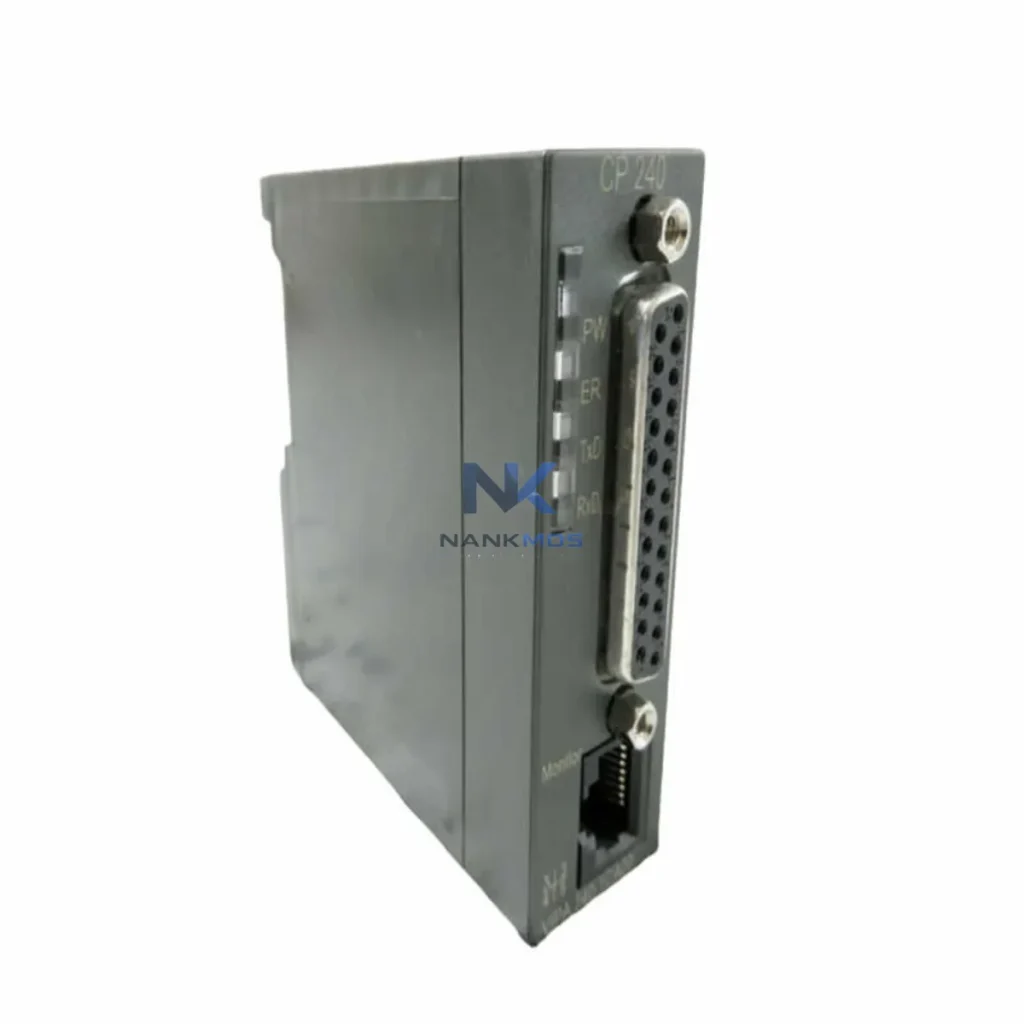
VIPA 240-1CA00 is a NANKMOS industrial automation product record Listed under Other series series and Business & Industrial > Automation, Control & Flow Devices > Programmable Logic Controllers. Confirm condition, availability, lead time, compatibility and documentation by email inquiry.
| Manufacturer | VIPA |
|---|---|
| Application | Controller Processing & System Control |
| Part Number / Model | 240-1CA00 |
| Compatible System | Confirmed by inquiry |
| Condition Options | To Confirm |
| Module Type | Controller / CPU Module |
| Warranty | 12 Months |
| Packaging | Anti-static Bag / Secure Box |
| Shipping Methods | DHL / FedEx / UPS / Air / Sea |
| Availability | To Confirm |
| Lead Time | To Confirm |
| Documentation | Part number and revision checked before quote |
The VIPA 240-1CA00 is a high-performance Ethernet Communication Processor engineered for VIPA Speed7 PLC platforms, delivering seamless industrial network integration across multi-protocol automation environments. Designed for smart factory deployments where data continuity, protocol interoperability, and real-time diagnostics are non-negotiable, the 240-1CA00 serves as the critical communication backbone between field-level devices and upper-layer control and monitoring systems. From signal acquisition at the sensor layer to data visualization on SCADA dashboards, this module ensures every node in the automation chain remains connected, synchronized, and transparent.
In modern industrial facilities, the demand for uninterrupted data flow between PLCs, remote I/O stations, HMI panels, SCADA servers, and edge computing gateways has never been greater. The VIPA 240-1CA00 addresses this demand by providing a robust Ethernet communication interface that supports standard industrial protocols, enabling the Speed7 CPU — such as the VIPA 315-2AG23 or VIPA 317-4NF23 — to exchange process data with distributed automation components in real time. Whether coordinating with a VIPA IM 053-1IP00 remote I/O interface module or synchronizing setpoints with a VIPA 053-1DP00 PROFIBUS DP slave, the 240-1CA00 maintains deterministic communication latency essential for time-critical control loops.
The VIPA 240-1CA00 sits at the intersection of operational technology (OT) and information technology (IT), enabling a complete smart factory data flow from the physical process layer to enterprise-level analytics. At the field level, sensors and actuators connected to distributed I/O modules — including the VIPA 021-1BF00 digital input module and VIPA 022-1BF00 digital output module — feed process signals into the Speed7 CPU via the local system bus. The 240-1CA00 then transmits this aggregated process data upstream over Industrial Ethernet to HMI panels, SCADA servers, and MES platforms without introducing communication bottlenecks.
In drive-intensive production lines, the 240-1CA00 facilitates real-time parameter exchange between the Speed7 controller and variable frequency drives (VFDs), enabling closed-loop speed regulation and energy monitoring. When integrated with an industrial edge gateway — such as those running IEC 61131-3 soft PLC environments — the module supports protocol bridging between legacy Modbus TCP devices and modern PROFINET-based architectures, eliminating data silos that traditionally fragment production visibility. This protocol conversion capability is particularly valuable in retrofit projects where older field devices must coexist with new automation infrastructure.
For remote monitoring applications, the 240-1CA00 enables the Speed7 system to publish live process variables — including temperature readings, pressure values, motor current, and conveyor throughput — to SCADA platforms such as WinCC, iFIX, or Ignition. Alarm events generated at the PLC level are transmitted in real time to the SCADA server, where operators can acknowledge faults, trigger maintenance workflows, and log historical data for trend analysis. This bidirectional data path also supports remote parameter write operations, allowing engineers to adjust PID setpoints, modify recipe parameters, or reset fault states from a centralized control room without physical access to the machine.
In multi-node network architectures, the 240-1CA00 operates reliably alongside industrial managed switches — such as those in the VIPA 240-1CA10 family or third-party DIN-rail Ethernet switches — to form a redundant ring or star topology that maintains network uptime even during single-point failures. The module's support for S7 communication protocol also allows seamless data exchange with Siemens S7-300/400 controllers in mixed-vendor environments, making it an ideal bridge component in brownfield automation upgrades where VIPA Speed7 systems are introduced alongside existing Siemens infrastructure.
One of the most persistent challenges in industrial automation is protocol fragmentation — the coexistence of Modbus RTU, PROFIBUS DP, Ethernet/IP, and proprietary communication standards across different generations of equipment. The VIPA 240-1CA00 directly addresses this by providing a unified Ethernet communication layer that abstracts protocol differences and presents a consistent data interface to upper-layer systems. Engineering teams no longer need to deploy separate gateway hardware for each protocol variant; instead, the 240-1CA00 consolidates communication through a single, well-supported module with proven interoperability.
Data islands — isolated machines or production cells that cannot share process data with the plant-wide network — are another common obstacle to factory transparency. By connecting Speed7-controlled equipment to the plant Ethernet backbone, the 240-1CA00 breaks down these islands and enables cross-cell data aggregation. Production KPIs such as OEE, cycle time, reject rate, and energy consumption can be collected from multiple lines simultaneously and fed into MES or ERP systems for real-time decision support.
Remote diagnostics capability is a key operational benefit of the 240-1CA00. Maintenance engineers can access PLC diagnostic buffers, read module status registers, and perform online program monitoring from remote locations via the Ethernet interface, significantly reducing mean time to repair (MTTR) and eliminating unnecessary site visits. For multi-site operations, this remote access capability translates directly into lower maintenance costs and faster fault resolution across geographically distributed facilities.
System scalability is built into the 240-1CA00's architecture. As production capacity expands and new automation cells are added, the module's standard Ethernet interface ensures that new nodes can be integrated into the existing network without requiring hardware changes to the communication infrastructure. This forward-compatible design protects the initial investment and supports phased factory expansion strategies.
Q1: What communication protocols does the VIPA 240-1CA00 support, and is it compatible with third-party SCADA systems? The 240-1CA00 supports Ethernet-based protocols including TCP/IP, ISO-on-TCP, UDP, Modbus TCP, and S7 communication. It is compatible with major SCADA platforms including Siemens WinCC, Wonderware, iFIX, and Ignition, provided the SCADA system supports standard S7 or Modbus TCP drivers. This broad protocol support makes it suitable for both greenfield and brownfield integration projects.
Q2: How does the 240-1CA00 ensure network stability in high-traffic industrial environments? The module is designed for deterministic communication with support for 10/100 Mbit/s full-duplex Ethernet, minimizing collision risk and ensuring consistent data throughput even in high-node-count networks. When deployed with managed industrial switches in ring or star topologies, network redundancy can be achieved to maintain uptime during cable or switch failures. All units are pre-shipment tested to verify communication stability before delivery.
Q3: Can the VIPA 240-1CA00 be used for remote diagnostics and online PLC monitoring? Yes. The 240-1CA00 provides full remote access to the Speed7 CPU's diagnostic buffers, I/O status, and program execution state via the Ethernet interface. Engineers can perform online monitoring, read system fault logs, and modify program parameters remotely using VIPA's SPEED7 Studio or compatible S7-compatible programming environments, reducing the need for on-site maintenance visits and accelerating fault resolution.
Q4: What warranty and quality assurance does NANKMOS provide for the VIPA 240-1CA00? Every VIPA 240-1CA00 unit supplied by NANKMOS is covered by a 12-Month Warranty and undergoes pre-shipment functional testing to verify communication interface integrity, protocol response, and module initialization. Stock is maintained in-house to support rapid order fulfillment. For technical support, warranty claims, or application engineering inquiries, contact us at [email protected] or +86 18359268345.
Functional Inspection100% tested on professional platforms to ensure stable performance.
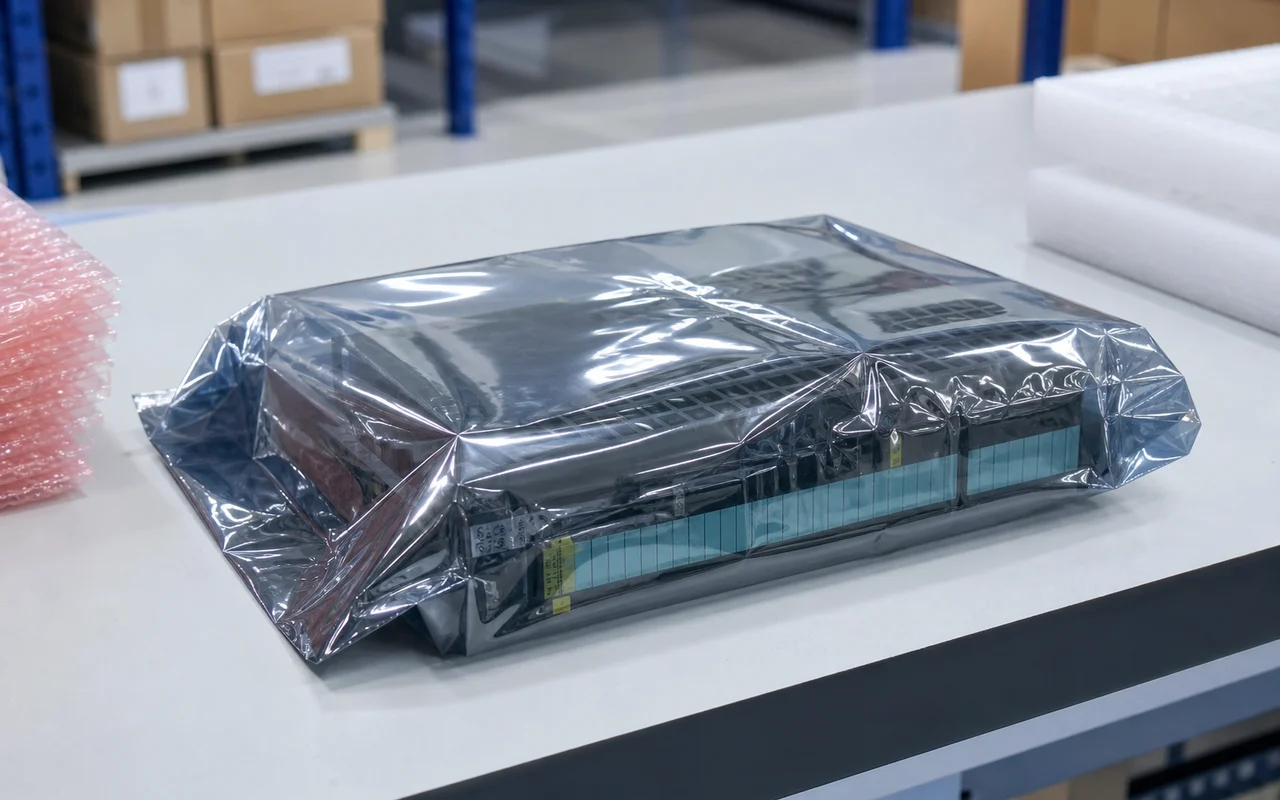 Anti-static Packaging
Modules are packed in anti-static bags to prevent electrostatic damage.
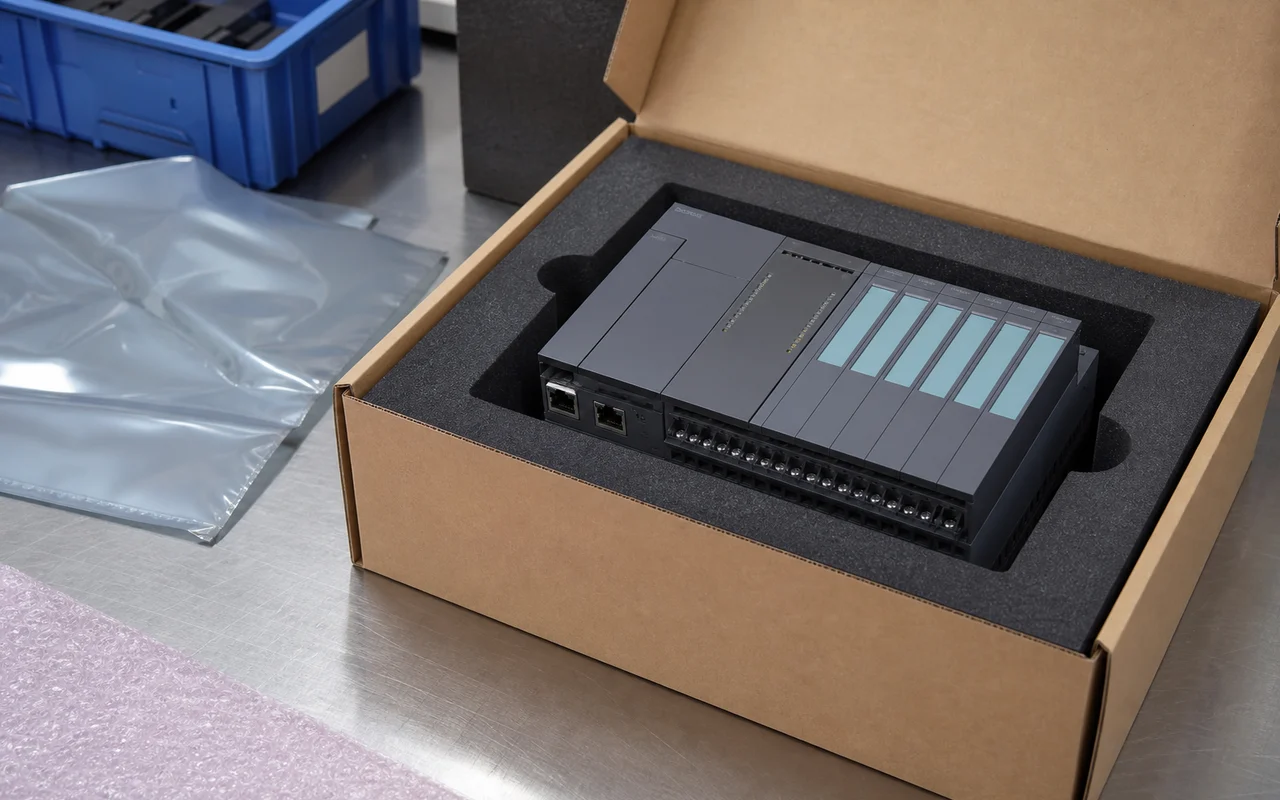 Secure Export Packing
Cushion protection and strong cartons ensure safe transportation.
 Worldwide Shipping
Global logistics network supports air, sea and express delivery.
 Documentation Check
Part number, revision and compatibility verified before shipment.
 After-sales Support
Professional technical support to help resolve your issues.