Functional Inspection
100% tested on professional platforms to ensure stable performance.
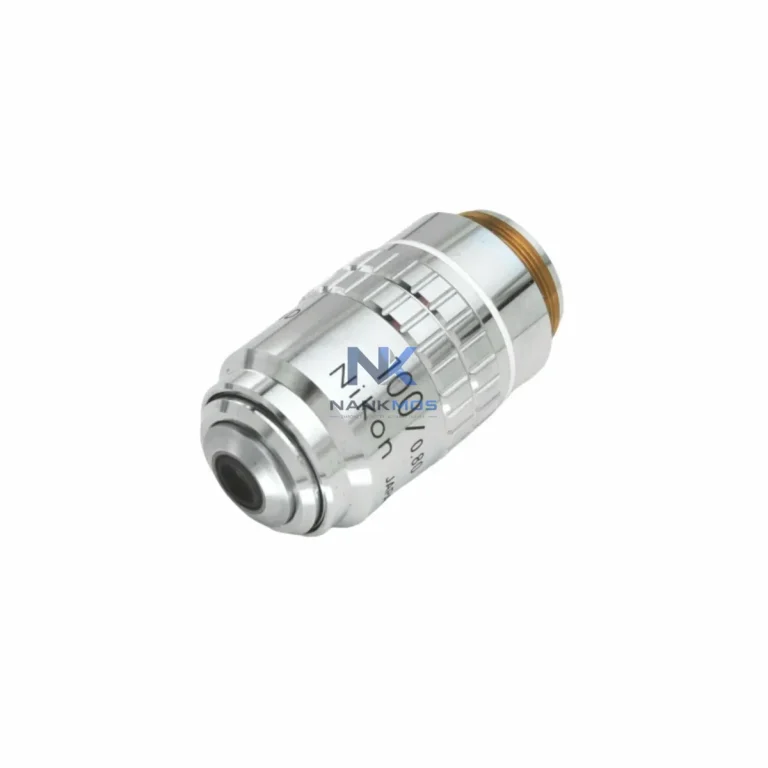
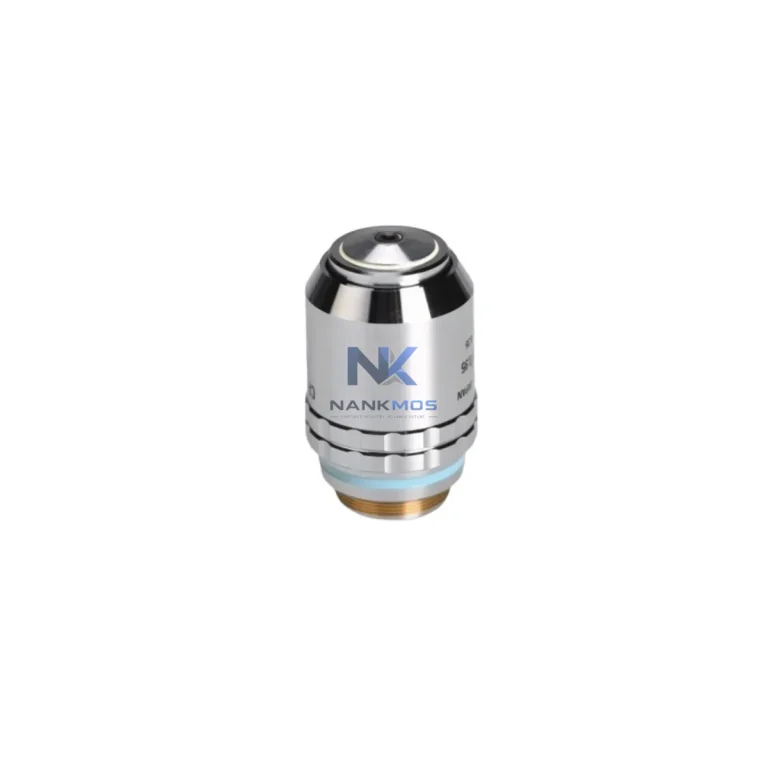
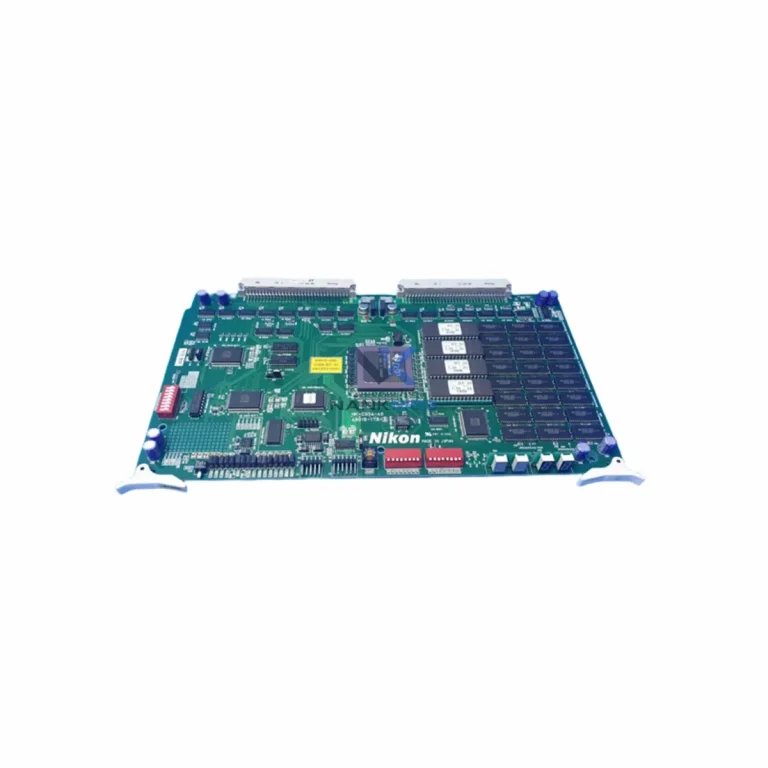
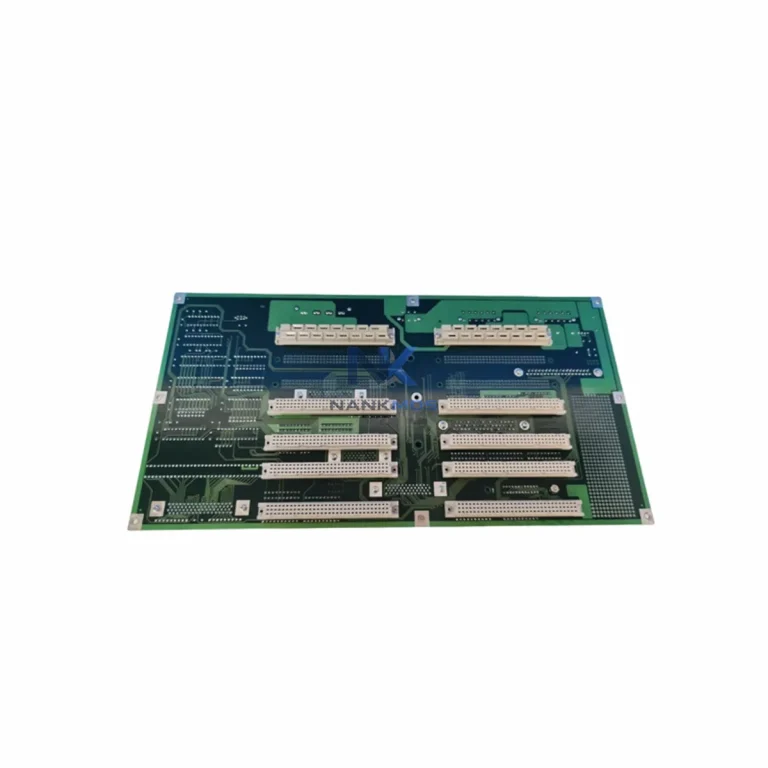
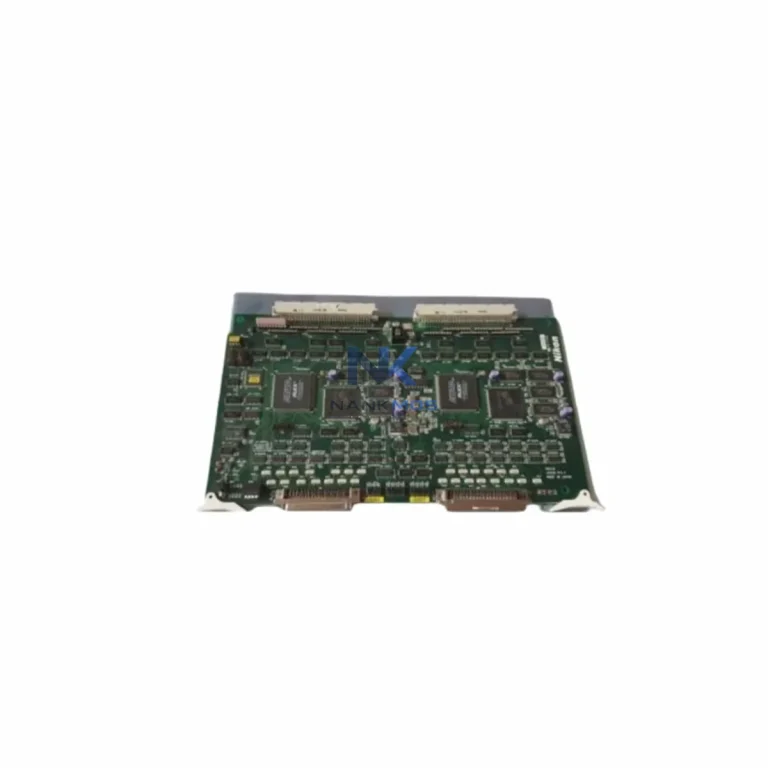
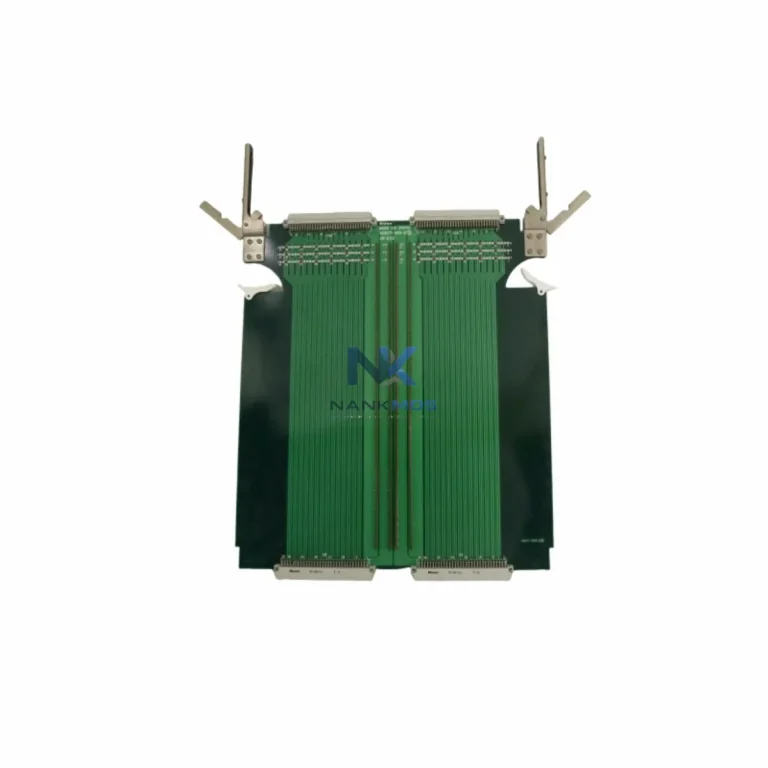
NIKON 4L990-796 4L990-796AN 0040-61295 0010-12540 0010-22700W is a NANKMOS industrial automation product record Listed under Other series series and Sensors. Confirm condition, availability, lead time, compatibility and documentation by email inquiry.
Brand names are used for identification only.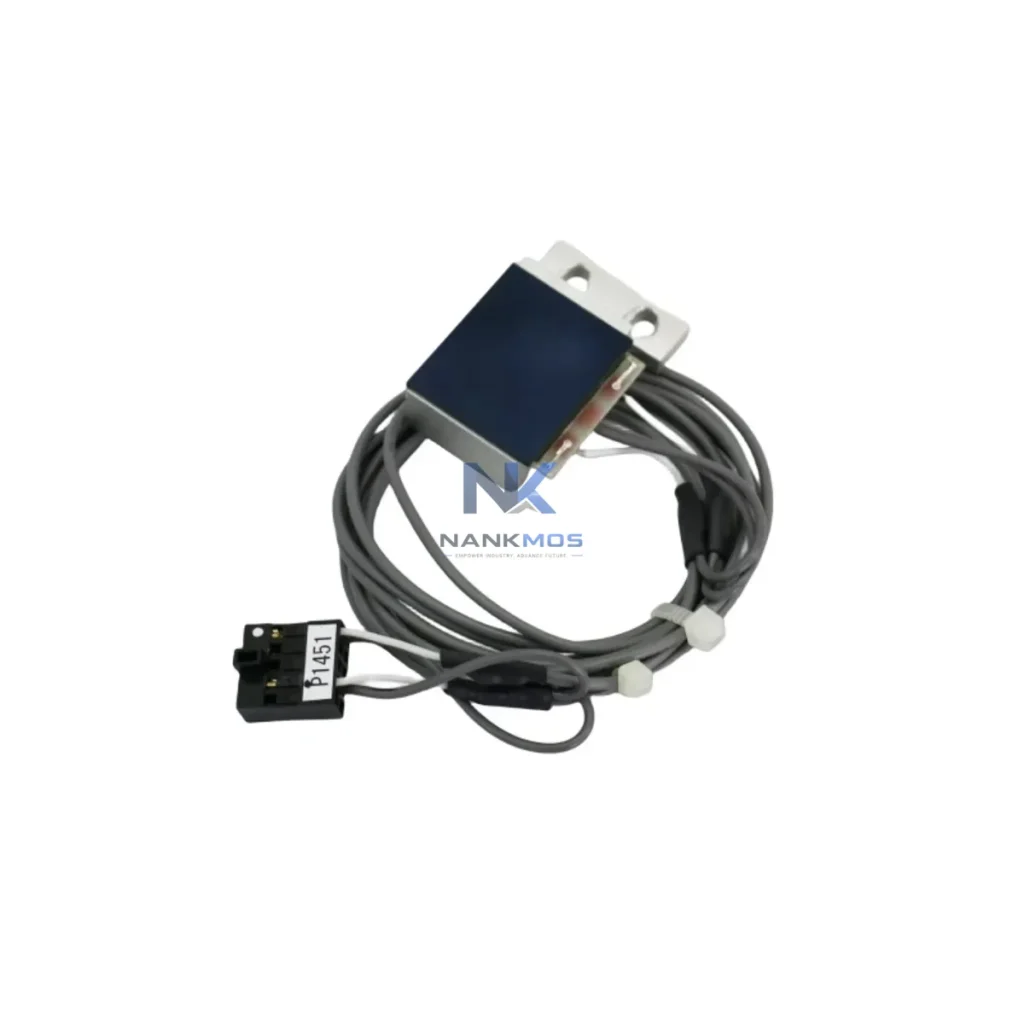
NIKON 4L990-796 4L990-796AN 0040-61295 0010-12540 0010-22700W is a NANKMOS industrial automation product record Listed under Other series series and Sensors. Confirm condition, availability, lead time, compatibility and documentation by email inquiry.
| Manufacturer | NIKON |
|---|---|
| Application | Industrial Automation Maintenance |
| Part Number / Model | 4L990-796 4L990-796AN 0040-61295 0010-12540 0010-22700W |
| Compatible System | Confirmed by inquiry |
| Condition Options | To Confirm |
| Module Type | Sensors |
| Warranty | 12 Months |
| Packaging | Anti-static Bag / Secure Box |
| Shipping Methods | DHL / FedEx / UPS / Air / Sea |
| Availability | To Confirm |
| Lead Time | To Confirm |
| Documentation | Part number and revision checked before quote |
The Nikon 4L990-796 Analog Sensor SPD Unit is a precision-engineered signal acquisition module purpose-built for integration within Nikon NSR-series lithography systems. Operating at the intersection of the sensor layer and the control architecture, this module delivers stable, high-resolution analog signal output that underpins wafer stage positioning, optical alignment, and exposure sequence control. In semiconductor fabrication environments where sub-micron accuracy is non-negotiable, the 4L990-796 functions as a foundational element of the system's closed-loop feedback architecture — ensuring that every downstream control decision is grounded in clean, validated signal data.
Unlike generic sensor modules, the 4L990-796 is designed to operate within the tightly coupled subsystem hierarchy of NSR platforms. Its signal conditioning characteristics are matched to the electrical and timing requirements of the NSR control bus, enabling seamless handoff between the sensor layer, the motion controller, and the exposure management unit. This contextual integration eliminates the signal latency and noise artifacts that arise when non-OEM components are introduced into precision lithography architectures.
The 4L990-796 does not operate in isolation. Within a fully configured NSR lithography system, it works in concert with a layered set of control, power, and communication modules that collectively govern wafer throughput, alignment precision, and exposure repeatability. Understanding its role within this broader architecture is essential for engineers planning maintenance cycles, spare parts procurement, or system upgrades.
At the control layer, the NSR main CPU board coordinates all motion and exposure sequences, receiving analog feedback from sensor modules including the 4L990-796 to execute real-time positional corrections. The wafer stage servo controller interprets this sensor data to drive the X-Y stage actuators with nanometer-level precision. Alongside the servo controller, the reticle alignment sensor unit and the focus/leveling sensor array form a complementary signal acquisition network — each module contributing a distinct measurement channel to the system's closed-loop control model.
At the power layer, the NSR DC power distribution board and the sensor power supply unit provide the regulated voltage rails required for stable analog sensor operation. Voltage ripple and transient noise at the power layer directly affect signal quality at the sensor output; the 4L990-796 is rated for operation within the NSR's specified power envelope, ensuring compatibility with the platform's power conditioning architecture.
At the communication layer, the NSR internal fieldbus interface board manages data routing between sensor modules, the motion controller, and the host workstation. Signal integrity across this bus is critical — any degradation in the analog-to-digital conversion chain between the 4L990-796 and the controller introduces positioning error that compounds across exposure cycles. The module's output characteristics are matched to the ADC input specifications of the NSR controller, preserving signal fidelity across the full measurement range.
At the I/O and interface layer, the NSR I/O expansion board and the sensor signal conditioning unit provide additional buffering and channel isolation for multi-sensor configurations. In systems running parallel wafer processing or dual-stage architectures, multiple 4L990-796 units may be deployed simultaneously, with each channel independently routed through the I/O layer to the central controller. The NSR diagnostic interface module enables real-time monitoring of sensor output levels, facilitating rapid fault isolation during scheduled maintenance or unplanned downtime events.
The Nikon 4L990-796 is deployed across a range of high-precision semiconductor and advanced manufacturing environments where analog signal accuracy and system-level integration are primary engineering requirements.
In semiconductor wafer fabrication, the module supports front-end lithography operations on NSR steppers and scanners used in logic, memory, and power device production lines. Its role in the exposure control loop directly influences critical dimension (CD) uniformity and overlay accuracy — two of the most tightly controlled parameters in advanced node manufacturing.
In flat panel display (FPD) manufacturing, NSR-based lithography systems adapted for large-substrate processing rely on analog sensor modules of this class to maintain stage positioning accuracy across extended travel ranges. The 4L990-796's signal stability under continuous-duty operating conditions makes it suitable for high-throughput FPD production environments.
In research and advanced packaging applications, where NSR systems are used for photonic device fabrication, MEMS production, and 2.5D/3D IC packaging, the 4L990-796 supports the fine-pitch alignment and exposure control requirements that distinguish these processes from standard volume production. Its compatibility with NSR platform diagnostics simplifies integration into research environments where system configuration changes are frequent.
In maintenance and refurbishment operations, the 4L990-796 is a critical spare part for NSR fleet operators managing aging lithography assets. Proactive replacement of sensor modules before end-of-life failure prevents unplanned downtime and preserves system calibration baselines. Stocked inventory of this module supports just-in-time maintenance scheduling without extended lead times.
Q1: Is the Nikon 4L990-796 compatible with all NSR platform variants, and what should engineers verify before installation?The 4L990-796 is designed for integration within Nikon NSR-series lithography systems. Before installation, engineers should verify the specific NSR model designation, the sensor channel assignment within the system's I/O map, and the power rail voltage at the installation point. Cross-reference part numbers 0040-61295, 0010-12540, and 0010-22700W should be confirmed against the system's bill of materials to ensure the correct variant is installed. Our technical team can assist with compatibility verification prior to shipment.
Q2: What does the 12-Month Warranty cover, and how does the pre-shipment testing process ensure functional integrity?Every 4L990-796 unit is subject to functional and electrical testing prior to shipment, covering analog output linearity, signal noise floor, and connector integrity. The 12-Month Warranty guarantees that the module will perform to its specified electrical parameters under normal operating conditions for a period of twelve months from the date of shipment. Warranty claims are supported by our technical team, with replacement or repair options available depending on fault diagnosis outcomes.
Q3: How should the 4L990-796 be managed within a long-term NSR maintenance and spare parts strategy?For NSR fleet operators, we recommend maintaining at least one 4L990-796 unit in local inventory as a critical spare, particularly for systems operating in continuous production environments. Sensor module degradation is typically gradual and detectable through the NSR diagnostic interface before catastrophic failure occurs. Establishing a scheduled inspection interval — aligned with the system's preventive maintenance calendar — allows proactive replacement that avoids unplanned downtime. Our stocked inventory supports rapid fulfillment for both planned procurement and emergency replacement requirements.
Functional Inspection100% tested on professional platforms to ensure stable performance.
 Anti-static Packaging
Modules are packed in anti-static bags to prevent electrostatic damage.
 Secure Export Packing
Cushion protection and strong cartons ensure safe transportation.
 Worldwide Shipping
Global logistics network supports air, sea and express delivery.
 Documentation Check
Part number, revision and compatibility verified before shipment.
 After-sales Support
Professional technical support to help resolve your issues.