Functional Inspection
100% tested on professional platforms to ensure stable performance.
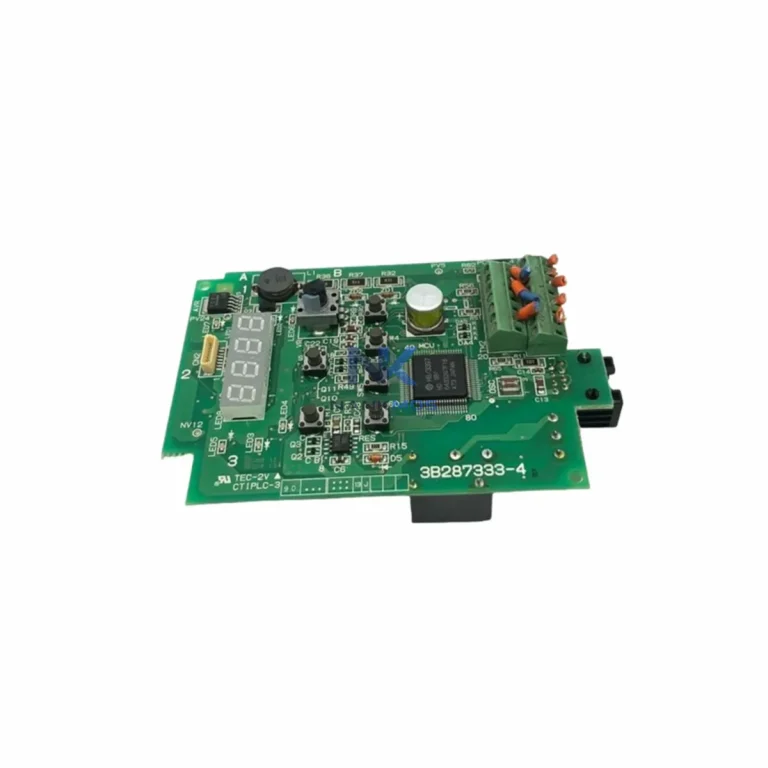
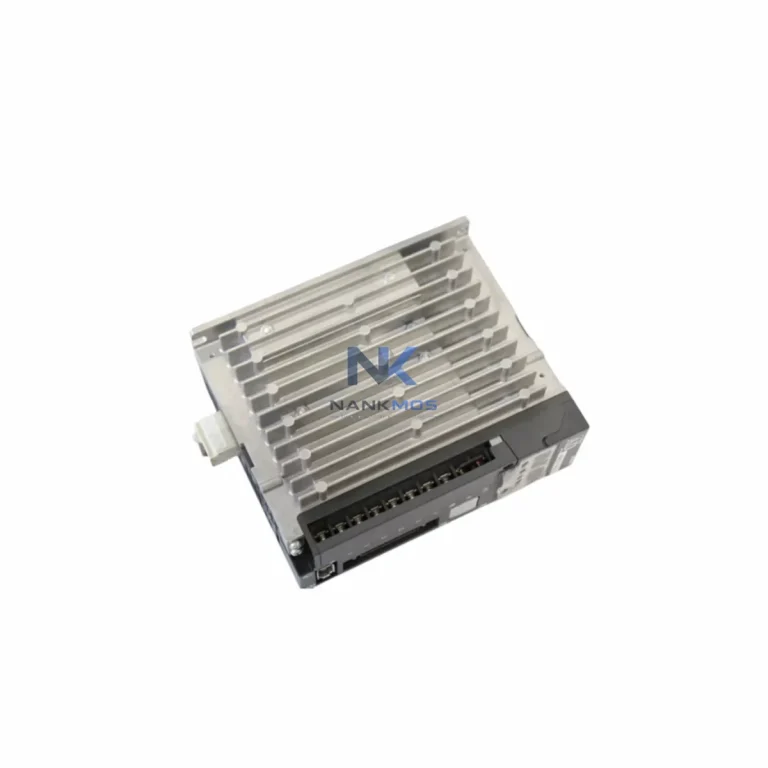
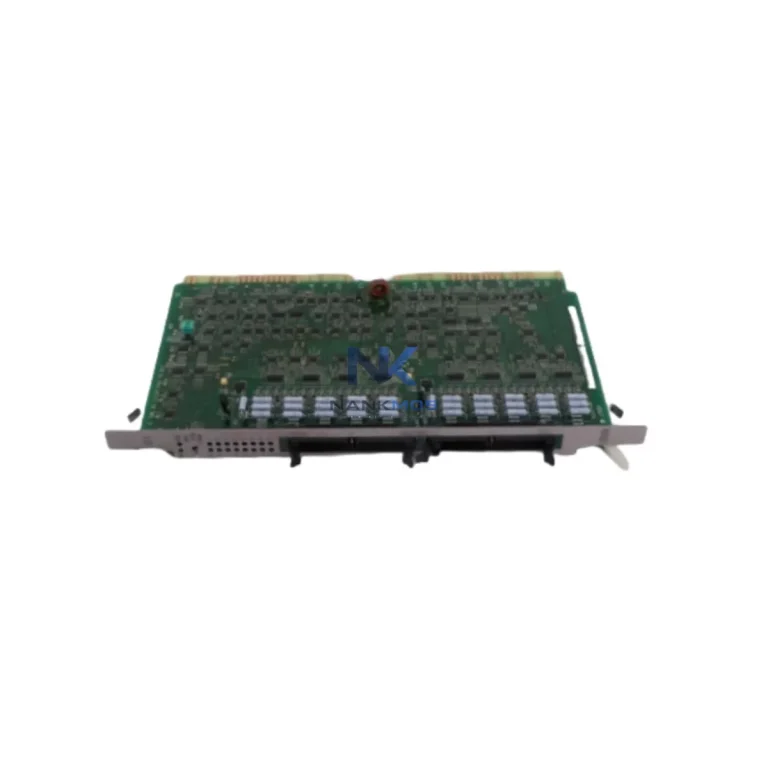
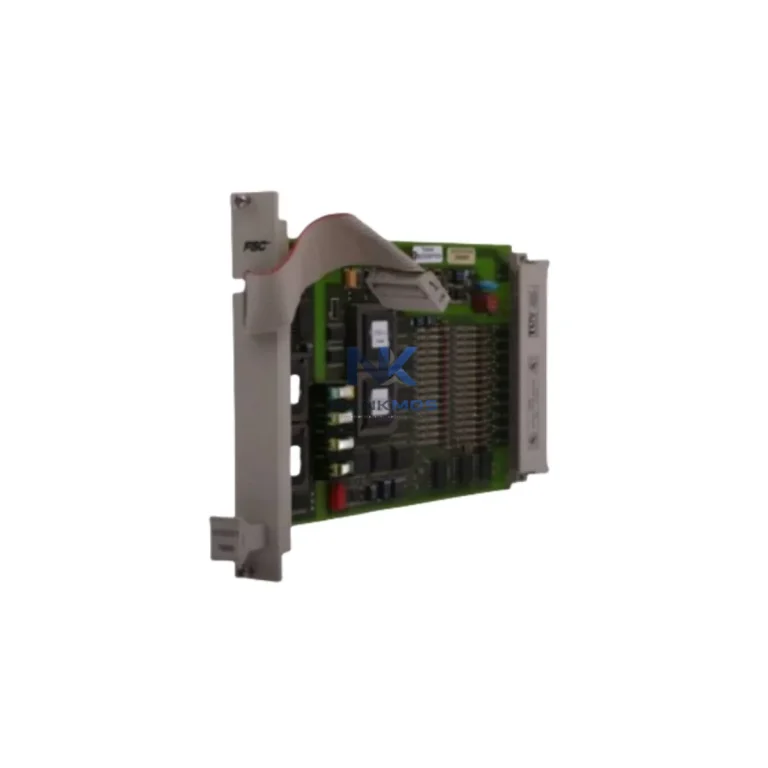
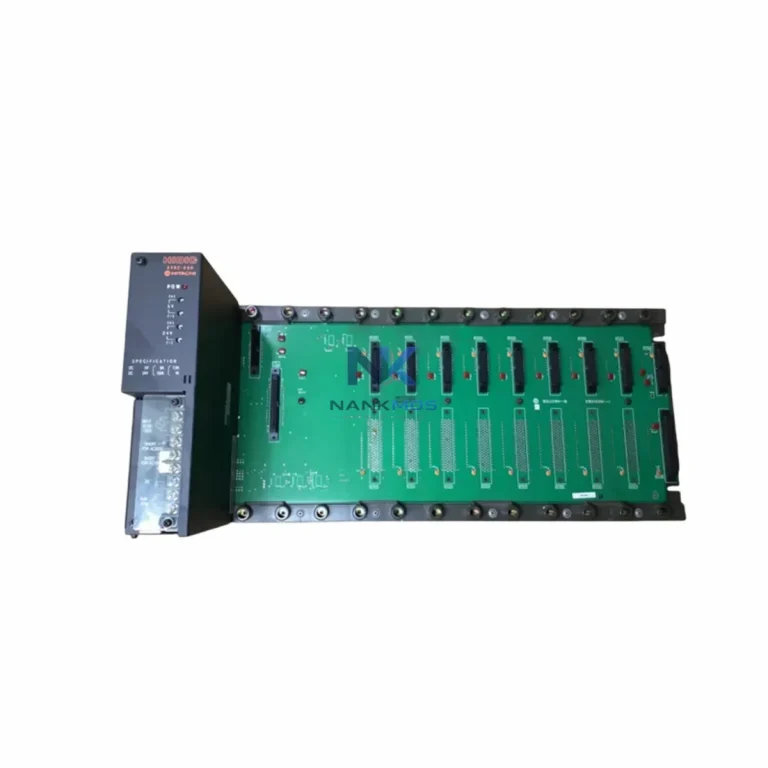
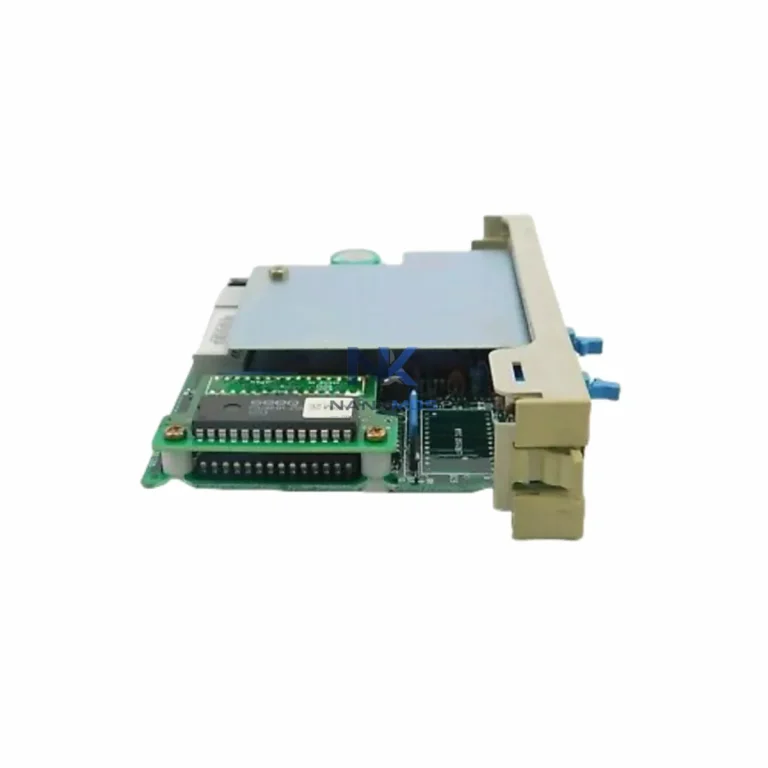
Hitachi AGM-OD 33016138-3 is a NANKMOS industrial automation product record Listed under Other series series and Business & Industrial > Automation, Control & Flow Devices > Programmable Logic Controllers. Confirm condition, availability, lead time, compatibility and documentation by email inquiry.
Brand names are used for identification only.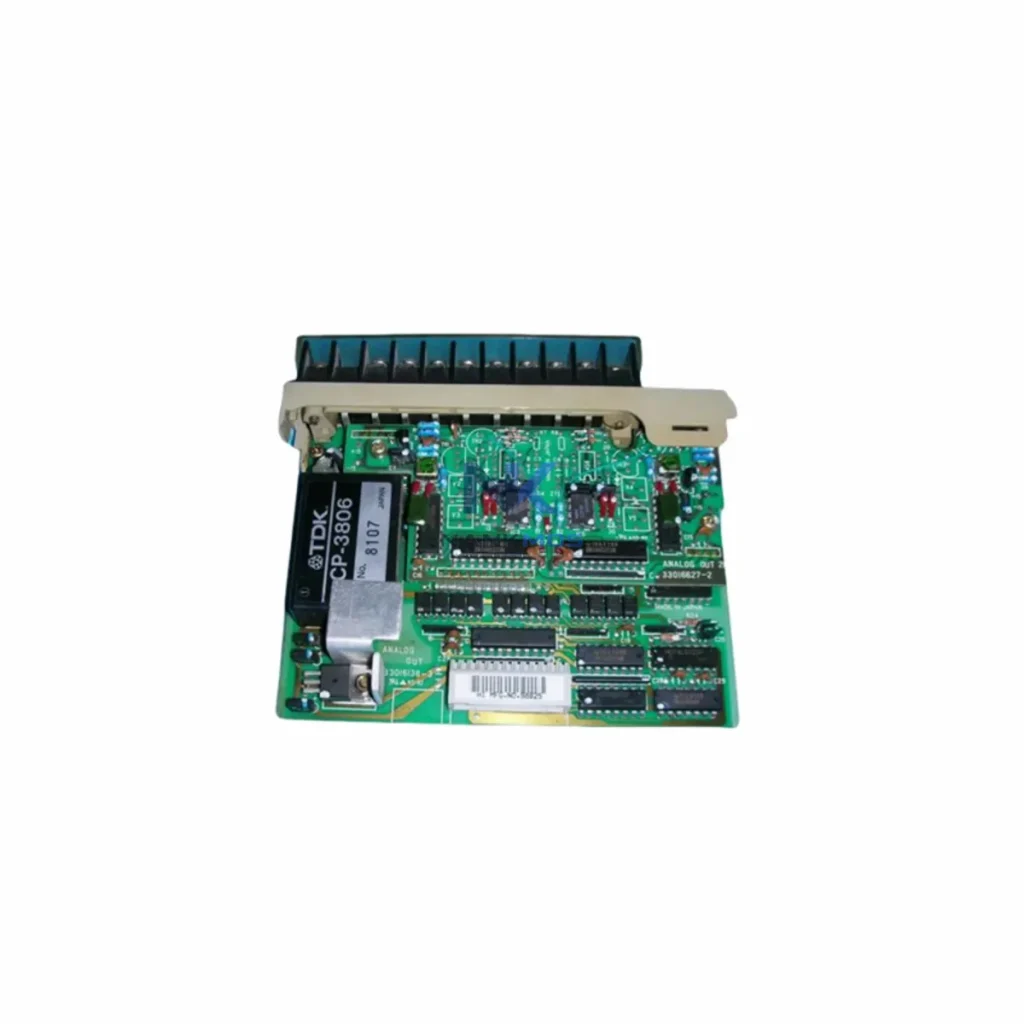
Hitachi AGM-OD 33016138-3 is a NANKMOS industrial automation product record Listed under Other series series and Business & Industrial > Automation, Control & Flow Devices > Programmable Logic Controllers. Confirm condition, availability, lead time, compatibility and documentation by email inquiry.
| Manufacturer | Hitachi |
|---|---|
| Application | Controller Processing & System Control |
| Part Number / Model | AGM-OD 33016138-3 |
| Compatible System | Confirmed by inquiry |
| Condition Options | To Confirm |
| Module Type | Controller / CPU Module |
| Warranty | 12 Months |
| Packaging | Anti-static Bag / Secure Box |
| Shipping Methods | DHL / FedEx / UPS / Air / Sea |
| Availability | To Confirm |
| Lead Time | To Confirm |
| Documentation | Part number and revision checked before quote |
The Hitachi AGM-OD 33016138-3 is a precision analog output module engineered for seamless integration within the Hitachi AGM Distributed Control System (DCS) architecture. Designed to deliver stable, high-resolution 4–20 mA or 0–10 V analog signals to field actuators, control valves, and variable-speed drives, this module occupies a critical role at the intersection of the control layer and the execution layer in modern industrial automation platforms. Its robust signal conditioning, deterministic output response, and native compatibility with the AGM backplane make it a preferred choice for engineers designing or expanding process control systems across manufacturing, energy, petrochemical, and utility sectors.
Within a complete AGM DCS architecture, the AGM-OD 33016138-3 does not operate in isolation. It functions as part of a tightly coordinated signal chain that begins at the AGM CPU module — responsible for executing control logic and issuing setpoint commands — and extends through the AGM I/O bus to this analog output module, which translates digital control values into precise field-level signals. The module mounts directly onto the AGM I/O rack or expansion chassis, sharing the same backplane power distribution and communication infrastructure as companion analog input modules (AGM-ID series), digital I/O modules (AGM-DD / AGM-DI series), and communication gateway modules that bridge the AGM system to PROFIBUS, Modbus RTU, or Ethernet/IP networks. This architectural coherence ensures that signal latency, ground loop isolation, and output accuracy remain consistent across the entire control loop — from sensor input to actuator response.
System designers integrating the AGM-OD 33016138-3 into a new or retrofit control cabinet benefit from its standardized form factor, which aligns with the AGM rack mounting standard and supports hot-swap capability in redundant configurations. When paired with an AGM redundant CPU pair and an AGM power supply module (such as the AGM-PS series), the overall system achieves the fault-tolerant architecture required for SIL-rated applications and continuous process environments. The module's output channels are individually configurable via the AGM engineering workstation software, allowing engineers to assign channel ranges, set output limits, configure fault-state hold values, and enable open-circuit detection — all without physical jumper changes.
The AGM-OD 33016138-3 achieves its full value when deployed as part of a complete Hitachi AGM automation platform. A typical AGM-based control system integrates the following layers and components, each contributing to overall system coherence and reliability:
Control Layer: The AGM CPU module serves as the central processing unit, executing ladder logic, function block diagrams, or structured text programs and issuing analog setpoint commands to the AGM-OD 33016138-3 via the backplane bus. In redundant architectures, a secondary AGM CPU module operates in hot-standby mode, ensuring bumpless transfer in the event of a primary CPU fault — a configuration that directly protects the integrity of the analog output signals managed by this module.
I/O Layer: Alongside the AGM-OD 33016138-3, the AGM-ID analog input module collects 4–20 mA process feedback signals from field transmitters — flow meters, pressure sensors, and temperature elements — closing the control loop. AGM-DI digital input modules and AGM-DO digital output modules handle discrete signals for motor starters, solenoid valves, and limit switches, completing the I/O layer's coverage of both analog and digital field devices.
Communication Layer: AGM communication gateway modules translate the AGM internal bus protocol to PROFIBUS DP, Modbus RTU, or Ethernet/IP, enabling the DCS to exchange data with variable-speed drives (VSDs), intelligent motor control centers (MCCs), and third-party SCADA systems. This gateway layer ensures that the analog output commands generated by the AGM CPU and executed by the AGM-OD 33016138-3 are visible and auditable across the plant-wide control network.
Power Layer: The AGM-PS power supply module provides regulated DC power to the AGM rack, supporting all installed I/O modules including the AGM-OD 33016138-3. Redundant power supply configurations — using dual AGM-PS modules with automatic switchover — eliminate single points of failure in the power distribution path, protecting analog output continuity during power disturbances.
HMI Layer: Hitachi AGM-compatible HMI panels or third-party SCADA workstations connected via Ethernet/IP or Modbus TCP provide operators with real-time visibility into analog output channel values, setpoint tracking, and deviation alarms. Operators can monitor the live output of each AGM-OD 33016138-3 channel and adjust setpoints without interrupting the control loop.
Execution Layer: Field actuators — including pneumatic control valves, electro-hydraulic positioners, and variable-frequency drives (VFDs) — receive the 4–20 mA or 0–10 V signals from the AGM-OD 33016138-3 and translate them into precise mechanical or electrical actions. The module's configurable fault-state output ensures that actuators default to a safe position in the event of a CPU fault or communication loss.
Protection and Maintenance Layer: AGM terminal modules and marshalling panels provide the physical interface between the AGM-OD 33016138-3 field wiring terminals and the process cable trays, incorporating surge protection and signal isolation barriers where required. Periodic diagnostic routines executed via the AGM engineering workstation allow maintenance teams to verify channel accuracy, check for open-circuit conditions, and log output drift trends — supporting predictive maintenance programs and minimizing unplanned downtime.
Manufacturing and Discrete Production: In automotive assembly plants and precision machining facilities, the AGM-OD 33016138-3 controls servo valve positions, coolant flow rates, and conveyor speed references via VFD analog inputs. Its deterministic output response supports tight cycle-time control and minimizes product variability across high-volume production runs.
Power Generation and Utilities: In thermal power plants and combined-cycle facilities, analog output modules control turbine governor valves, boiler feedwater control valves, and combustion air dampers. The AGM-OD 33016138-3's configurable fault-state hold function ensures that critical control valves maintain their last commanded position during a DCS communication interruption, preventing unsafe transients.
Petrochemical and Refining: Continuous process plants operating distillation columns, heat exchangers, and reactor systems rely on stable, drift-free analog output signals to maintain product quality and process safety. The AGM-OD 33016138-3's channel isolation and high-resolution output support the tight control tolerances required in SIL-rated safety instrumented systems (SIS) and basic process control systems (BPCS) operating in parallel.
Water and Wastewater Treatment: Municipal water treatment facilities use the AGM-OD 33016138-3 to control chemical dosing pumps, aeration blower VFDs, and filter backwash valve positioners. The module's wide operating temperature range and robust isolation make it suitable for installation in outdoor control panels and remote pump station enclosures.
Mining, Metallurgy, and Heavy Industry: In ore processing plants and steel mills, the AGM-OD 33016138-3 manages analog setpoints for conveyor belt speed drives, furnace temperature controllers, and hydraulic press proportional valves. Its compatibility with the AGM redundant CPU architecture supports the high-availability requirements of continuous smelting and rolling operations where unplanned shutdowns carry significant production cost penalties.
Q1: Is the AGM-OD 33016138-3 compatible with both new AGM DCS installations and retrofit expansions of existing AGM systems? Yes. The AGM-OD 33016138-3 is designed for full backward and forward compatibility within the Hitachi AGM platform. It can be installed in existing AGM I/O racks alongside legacy AGM-ID, AGM-DI, and AGM-DO modules without requiring firmware upgrades to the AGM CPU, provided the CPU firmware version supports the AGM-OD 33016138-3 module descriptor. For retrofit projects, NANKMOS recommends verifying the AGM CPU firmware revision against the AGM-OD 33016138-3 compatibility matrix prior to installation. All units supplied by NANKMOS are covered by a 12-Month Warranty and undergo pre-shipment functional testing to confirm channel output accuracy and backplane communication integrity.
Q2: How does the AGM-OD 33016138-3 behave during a CPU fault or backplane communication loss, and how is the fault-state output configured? The AGM-OD 33016138-3 supports configurable fault-state behavior on a per-channel basis. Engineers can configure each channel to hold its last valid output value, ramp to a user-defined preset value, or drive to a minimum (0 mA / 0 V) or maximum (20 mA / 10 V) output upon detection of a CPU fault or backplane communication timeout. This configuration is performed via the AGM engineering workstation software during system commissioning and can be modified online without removing the module from service. For SIL-rated applications, the fault-state preset should be coordinated with the process safety analysis to ensure actuators default to a defined safe state. NANKMOS technical support can assist with fault-state configuration guidance as part of the post-sale support included in the 12-Month Warranty period.
Q3: What is NANKMOS's stock availability and lead time for the AGM-OD 33016138-3, and what does the 12-Month Warranty cover? NANKMOS maintains dedicated inventory of the Hitachi AGM-OD 33016138-3 to support urgent replacement and planned expansion projects. Standard orders are processed within 1–3 business days, with express shipping options available for critical plant maintenance scenarios. Each unit is inspected and functionally tested prior to shipment, including analog output channel accuracy verification and backplane communication checks. The 12-Month Warranty covers manufacturing defects, output channel failures, and backplane interface faults under normal operating conditions. Warranty claims are processed directly through NANKMOS, and replacement units are dispatched promptly to minimize plant downtime. For volume procurement or long-term supply agreements, contact NANKMOS at [email protected] or +86 18359268345.
Functional Inspection100% tested on professional platforms to ensure stable performance.
 Anti-static Packaging
Modules are packed in anti-static bags to prevent electrostatic damage.
 Secure Export Packing
Cushion protection and strong cartons ensure safe transportation.
 Worldwide Shipping
Global logistics network supports air, sea and express delivery.
 Documentation Check
Part number, revision and compatibility verified before shipment.
 After-sales Support
Professional technical support to help resolve your issues.