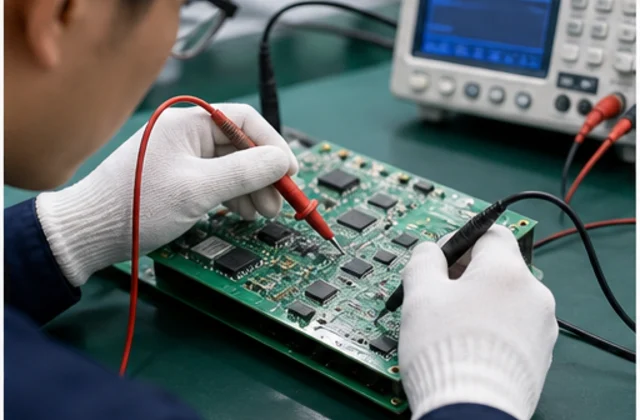
 Functional Inspection
100% tested on professional platforms to ensure stable performance.
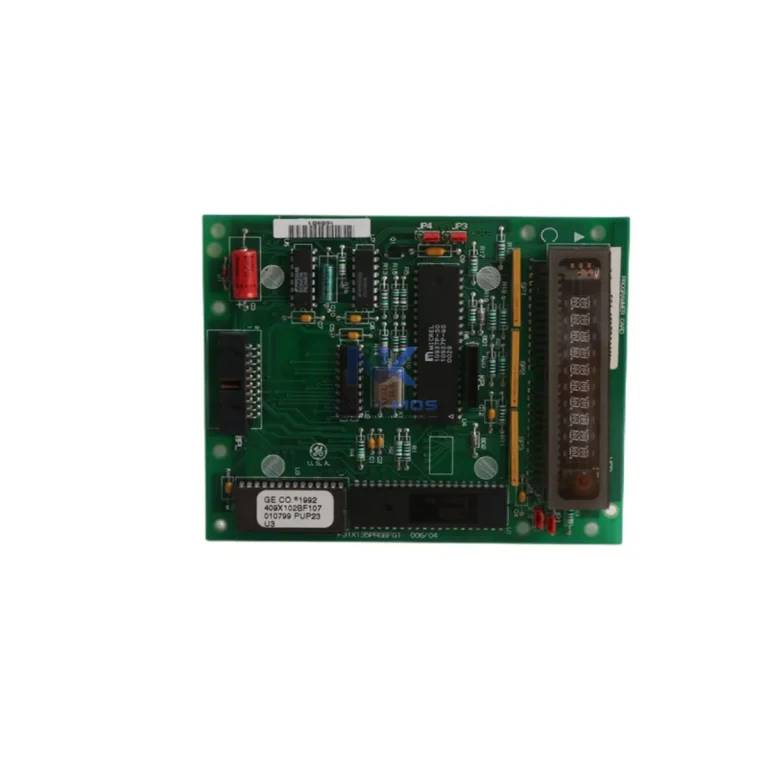
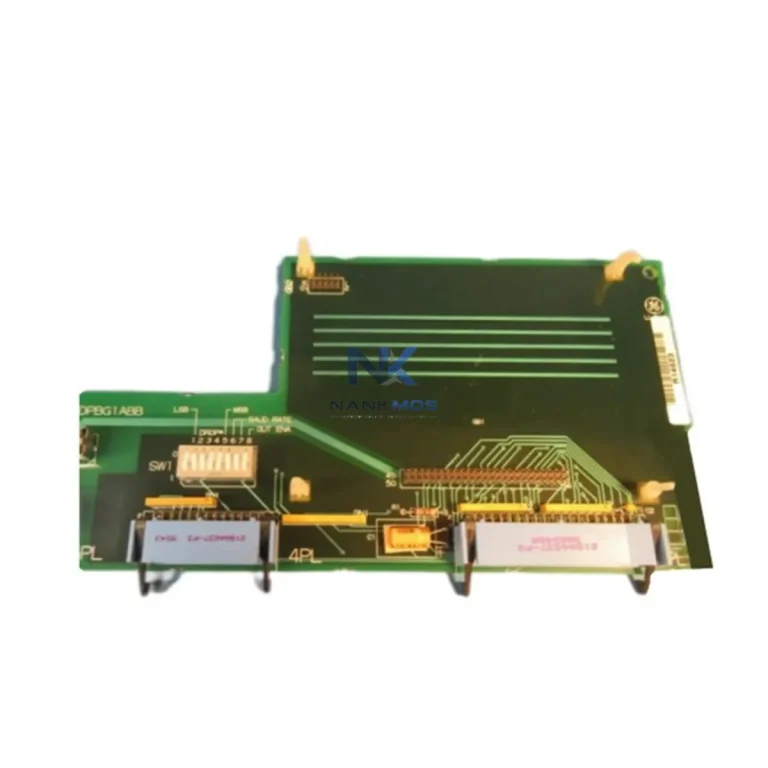
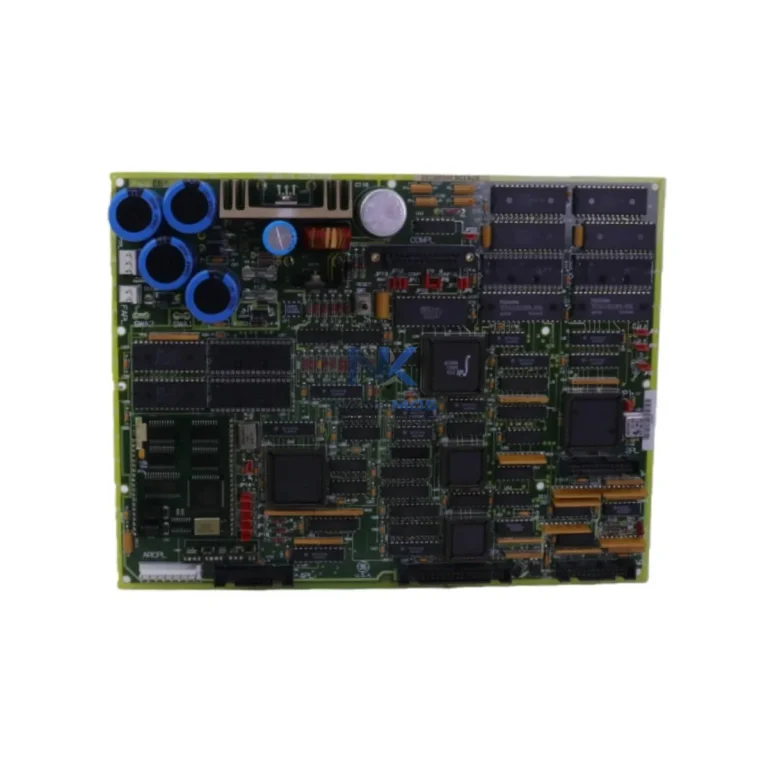
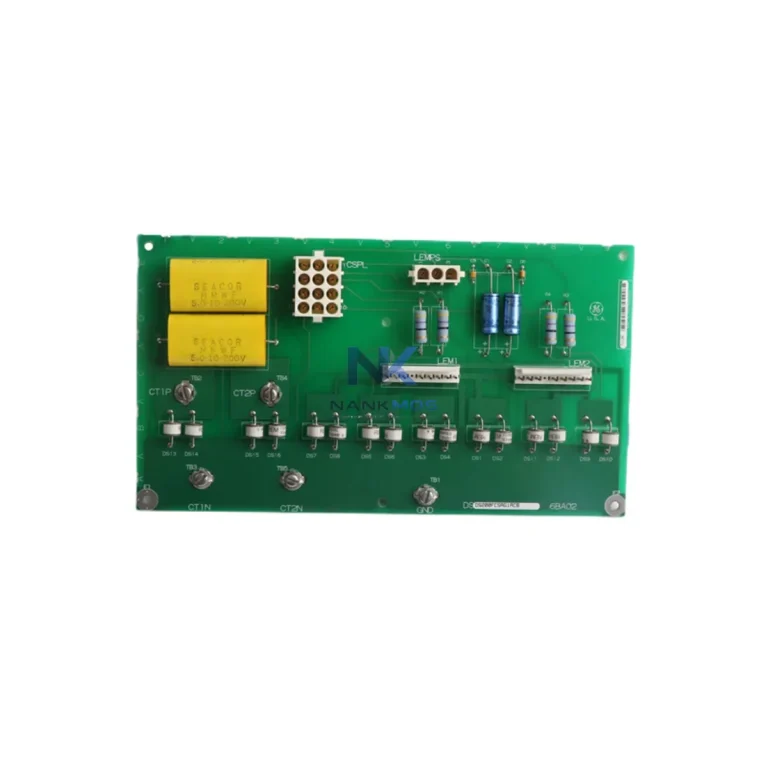
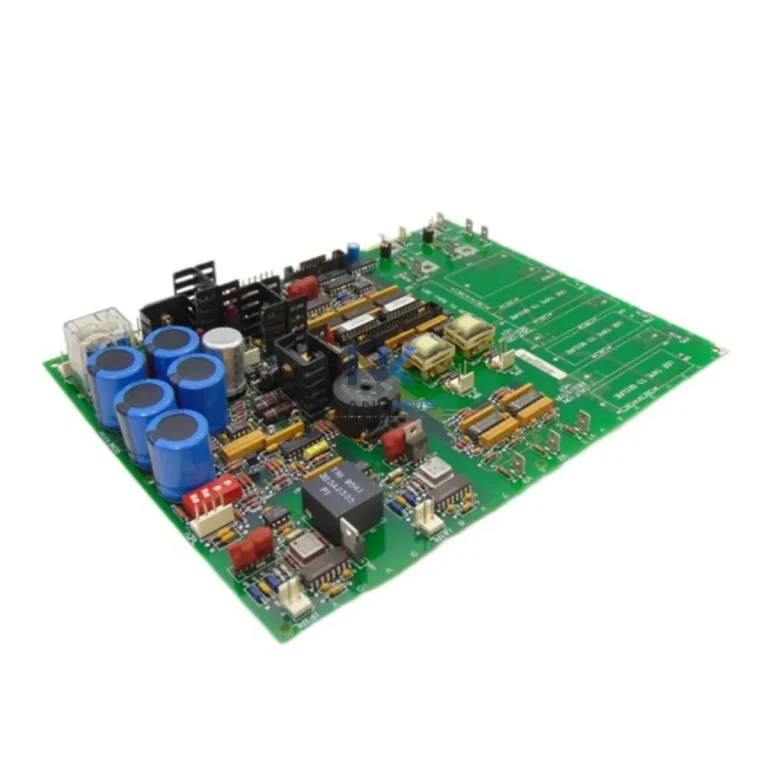
GE (General Electric) DS200TCQEG2AED is a NANKMOS industrial automation product record. Confirm condition, availability, lead time, compatibility and documentation by email inquiry.
Brand names are used for identification only.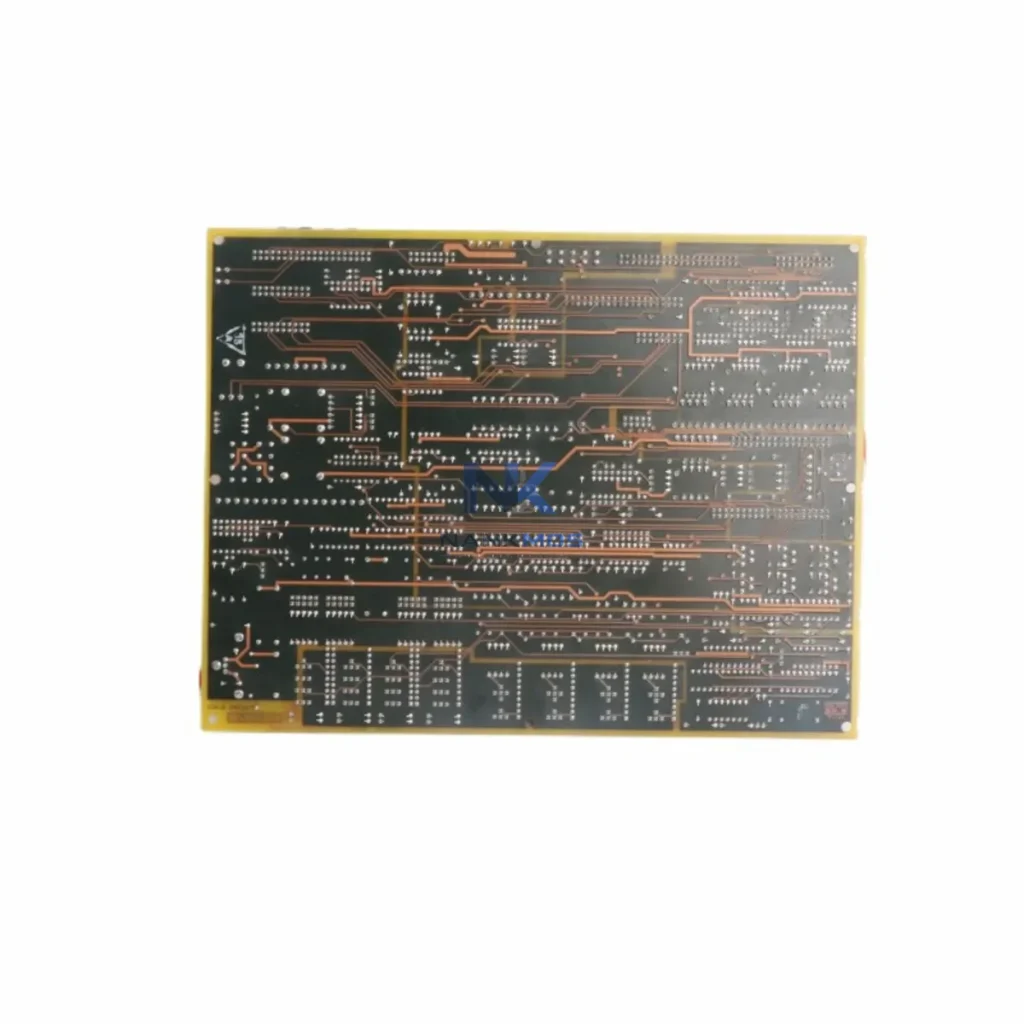
GE (General Electric) DS200TCQEG2AED is a NANKMOS industrial automation product record. Confirm condition, availability, lead time, compatibility and documentation by email inquiry.
| Manufacturer | GE (General Electric) |
|---|---|
| Application | Turbine & Condition Monitoring |
| Part Number / Model | DS200TCQEG2AED |
| Compatible System | Mark V |
| Series | Mark V |
| Condition Options | To Confirm |
| Module Type | Monitoring Module |
| Warranty | 12 Months |
| Packaging | Anti-static Bag / Secure Box |
| Shipping Methods | DHL / FedEx / UPS / Air / Sea |
| Availability | To Confirm |
| Lead Time | To Confirm |
| Documentation | Part number and revision checked before quote |
The GE DS200TCQEG2AED is a turbine control board engineered for deployment within GE's Mark V control architecture — one of the most widely adopted distributed control platforms in gas turbine, steam turbine, and combined-cycle power generation facilities worldwide. Designed as a direct system-matched replacement, the DS200TCQEG2AED integrates seamlessly into the Mark V rack assembly, preserving signal integrity, control loop continuity, and inter-module communication without requiring firmware reconfiguration or hardware adaptation. Its role within the control layer is to manage turbine sequencing, protection logic, and real-time feedback processing — functions that are critical to both operational safety and long-term plant reliability.
In modern turbine control environments, no single board operates in isolation. The DS200TCQEG2AED functions as a coordinated node within a layered automation architecture that spans the control layer, I/O layer, communication layer, power supply layer, HMI layer, and protection layer. Understanding this system context is essential for engineers evaluating replacement components, planning maintenance windows, or commissioning new turbine control panels. This product page provides a complete architectural overview of the DS200TCQEG2AED's role, its electrical and communication parameters, and its integration profile across industrial turbine applications.
The DS200TCQEG2AED does not operate as a standalone component — it is one node in a tightly integrated Mark V control platform that coordinates across multiple hardware layers to deliver reliable turbine management. Engineers deploying or replacing this board must consider the full system context to ensure architectural continuity.
At the control layer, the DS200TCQEG2AED works in coordination with other DS200-series processor boards such as the DS200TCDAG1A (turbine control diagnostic board) and the DS200TCPSG1A (turbine control power supply board), which together manage the computational and power distribution functions of the Mark V core. The DS200SDCIG2A (serial data communication interface board) handles inter-core ARCNET communication, ensuring that control signals are synchronized across the R, S, and T redundant processor cores — a critical requirement for TMR (Triple Modular Redundancy) architectures common in gas turbine plants.
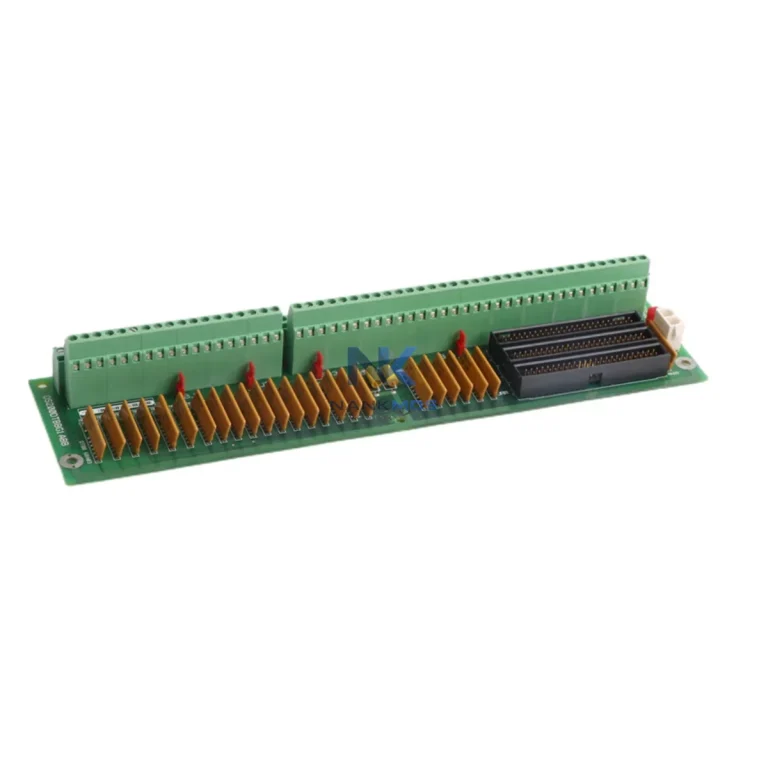
At the I/O layer, the DS200TCQEG2AED interfaces with terminal boards such as the DS200TBCAG1A and DS200TBQCG1A, which provide the physical connection points for field wiring — thermocouples, RTDs, speed sensors, pressure transmitters, and discrete I/O signals from the turbine skid. Signal conditioning and isolation at this layer are essential to prevent ground loops and noise injection that could compromise control accuracy or trigger spurious trips.
At the communication layer, the Mark V platform typically integrates with plant-level DCS or SCADA systems via the DS200SLCCG3A (serial link communication board) or through Modbus RTU/TCP gateways. This enables the turbine control system to exchange operational data — speed, exhaust temperature, fuel flow, vibration — with historian servers, operator workstations, and plant-wide control networks. Maintaining communication layer integrity is especially important during board replacement, as any disruption to the ARCNET bus can cause inter-core synchronization faults.
At the power supply layer, the Mark V rack relies on redundant power modules — typically the DS200TCPSG1A or equivalent — to deliver regulated DC voltages to all installed boards. The DS200TCQEG2AED draws power from this shared bus, and any instability in the rack power supply will directly affect board performance. Engineers should verify power supply health and output voltage tolerances before and after board replacement.
At the HMI layer, the Mark V system connects to operator interface terminals — historically GE's own Cimplicity-based workstations or third-party SCADA platforms — via the serial communication infrastructure. The DS200TCQEG2AED's control outputs ultimately drive the alarm, trip, and status displays that operators rely on for real-time turbine monitoring. Ensuring that the replacement board is correctly configured and communicating with the HMI layer is a key commissioning checkpoint.
At the protection layer, the DS200TCQEG2AED participates in the Mark V's integrated protection logic, which governs overspeed trips, exhaust overtemperature shutdowns, flame detection responses, and vibration-based protective actions. In TMR configurations, the board's outputs are voted against those of the redundant cores — meaning that a misconfigured or faulty replacement board can affect the system's ability to execute protective trips correctly. Pre-installation testing and post-installation functional verification are mandatory steps in any Mark V board replacement procedure.
The DS200TCQEG2AED is deployed across a wide range of industrial sectors where GE Mark V turbine control systems remain in active service:
Power Generation (Gas & Steam Turbines): The Mark V platform is extensively used in combined-cycle power plants, peaking units, and cogeneration facilities. The DS200TCQEG2AED supports turbine start sequencing, load control, and protective shutdown logic in these environments, where unplanned outages carry significant financial and grid-stability consequences. Replacement board availability and rapid dispatch are critical to minimizing mean time to repair (MTTR).
Oil & Gas (Upstream and Midstream): Compressor driver turbines in gas processing plants, LNG terminals, and pipeline compression stations frequently run on Mark V control platforms. The DS200TCQEG2AED's role in these applications includes managing anti-surge control coordination, fuel gas control valve sequencing, and emergency shutdown (ESD) integration. The harsh electrical environment of these facilities — characterized by high-frequency switching noise and ground potential variations — makes signal isolation and board robustness especially important.
Petrochemical and Refinery Process Units: Turbine-driven pumps and compressors in refinery process units rely on Mark V control for continuous, unattended operation. The DS200TCQEG2AED supports the control logic that governs these machines, and its replacement must be executed with minimal process disruption. Pre-tested, in-stock availability from NANKMOS enables maintenance teams to execute planned replacement during scheduled turnarounds rather than waiting on extended lead times from OEM channels.
Industrial Utilities and District Energy: Smaller-scale turbine installations in industrial utility plants — including waste heat recovery units and back-pressure steam turbines — also use Mark V architecture. In these applications, the DS200TCQEG2AED contributes to the control logic that balances steam extraction, electrical output, and process heat delivery.
Marine and Offshore: Offshore platform power generation and marine propulsion systems using GE turbines with Mark V control benefit from the DS200TCQEG2AED's robust design. The board's compatibility with the Mark V TMR architecture supports the redundancy requirements typical of safety-critical marine and offshore installations.
Q1: Is the DS200TCQEG2AED compatible with all Mark V core configurations, including TMR and simplex architectures? The DS200TCQEG2AED is designed for use within the GE Mark V platform and is compatible with both simplex and TMR (Triple Modular Redundancy) rack configurations. In TMR systems, the board occupies a designated slot in one of the R, S, or T cores and participates in the voting logic managed by the Mark V's inter-core communication infrastructure. Engineers should verify the specific slot assignment and core designation in their system documentation before installation. NANKMOS provides pre-shipment functional testing on all DS200-series boards to confirm baseline operability prior to dispatch.
Q2: What commissioning steps are required after installing the DS200TCQEG2AED as a replacement board? After physical installation into the Mark V rack, the following commissioning steps are recommended: (1) Verify rack power supply voltages are within specification before powering the board. (2) Confirm ARCNET communication is established between the replacement board and the other Mark V cores — this is typically indicated by the board's status LEDs and confirmed via the Mark V diagnostic display. (3) Execute a functional test of all I/O channels associated with the board, including analog inputs, discrete outputs, and any speed or temperature signal paths. (4) Verify that the HMI and SCADA systems are receiving correct status and alarm data from the turbine control system. (5) Perform a controlled start sequence to confirm that the board's control outputs are correctly driving the turbine's fuel, inlet guide vane, and protection systems.
Q3: What warranty and long-term supply support does NANKMOS provide for the DS200TCQEG2AED? All DS200TCQEG2AED units supplied by NANKMOS are covered by a 12-Month Warranty from the date of shipment, covering functional defects identified under normal operating conditions. NANKMOS maintains in-stock inventory of DS200-series boards to support both planned maintenance and emergency replacement scenarios, with typical dispatch within 3–5 business days. For facilities managing aging Mark V fleets, NANKMOS offers contextual integration support — helping engineers identify compatible companion boards, terminal modules, and communication components to ensure system-level consistency across the full control architecture. Contact [email protected] or +86 18359268345 for availability confirmation and technical pre-sales support.
Functional Inspection100% tested on professional platforms to ensure stable performance.
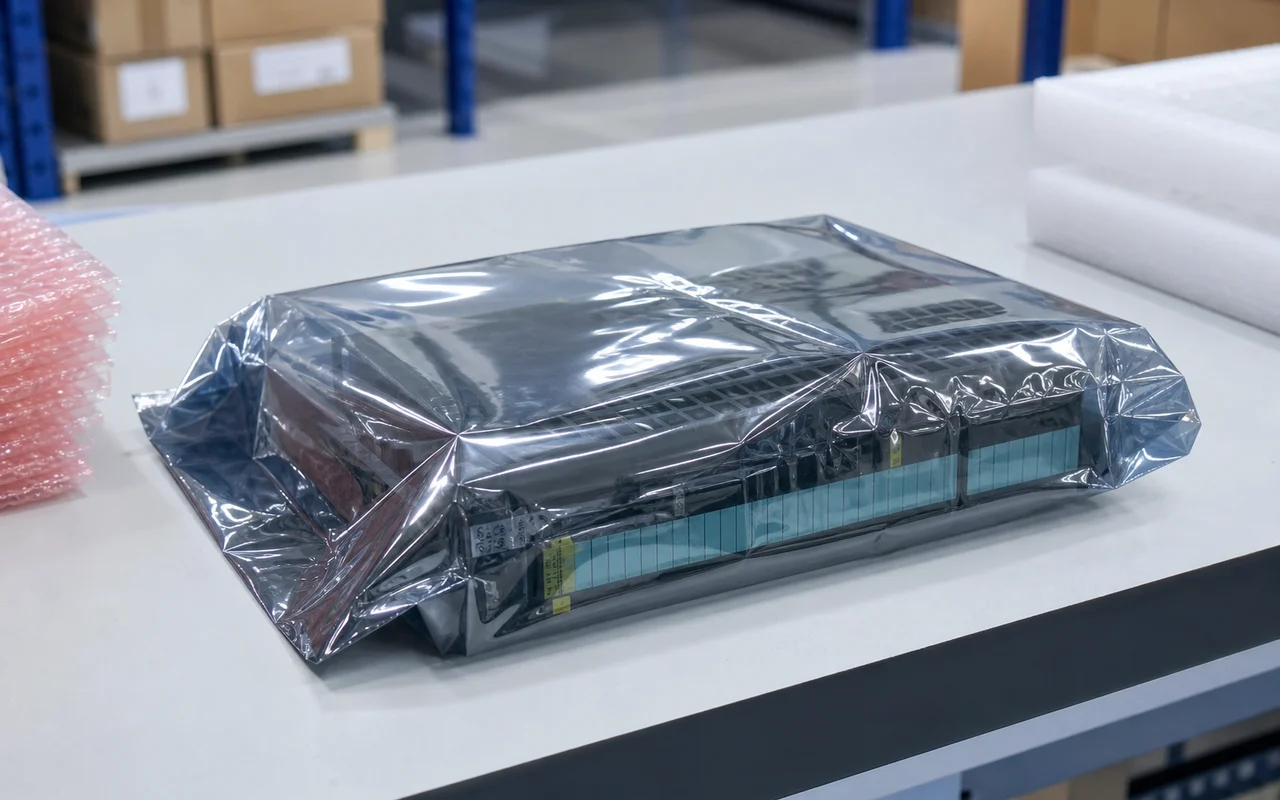 Anti-static Packaging
Modules are packed in anti-static bags to prevent electrostatic damage.
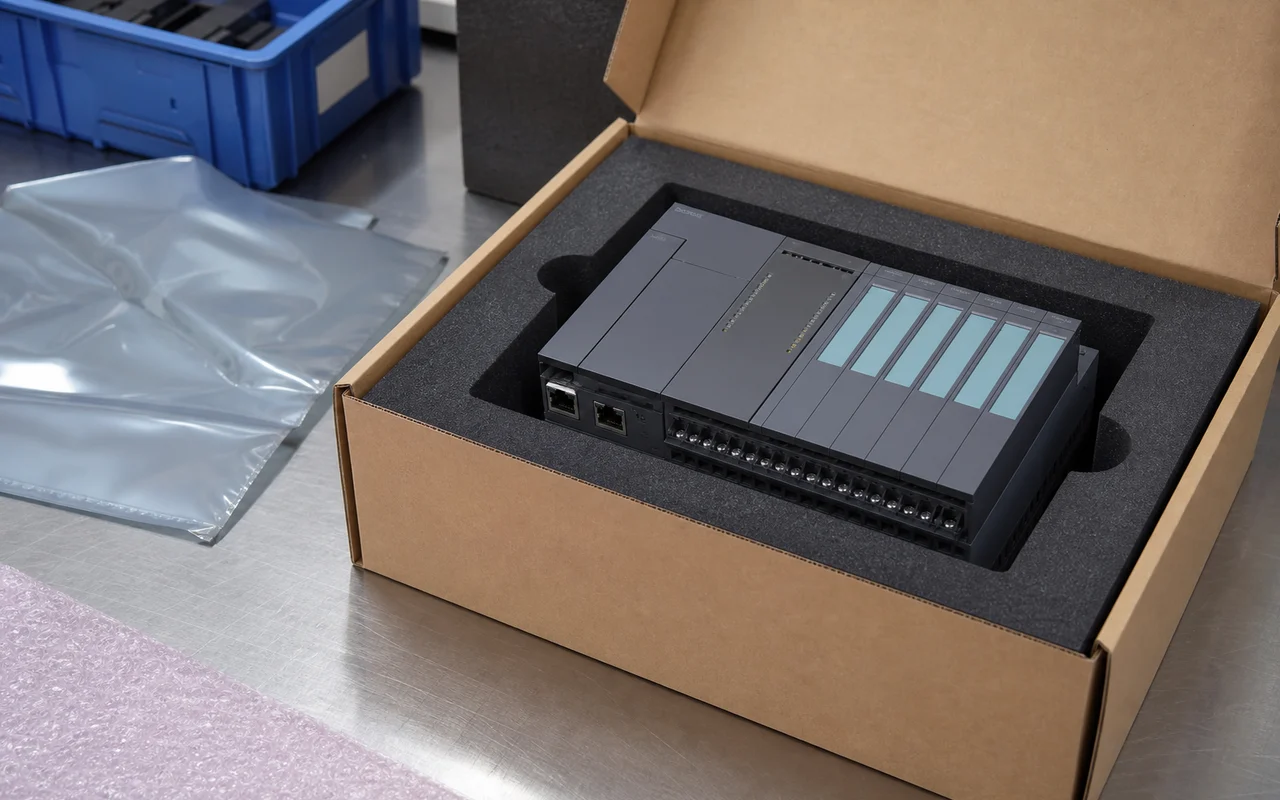 Secure Export Packing
Cushion protection and strong cartons ensure safe transportation.
 Worldwide Shipping
Global logistics network supports air, sea and express delivery.
 Documentation Check
Part number, revision and compatibility verified before shipment.
 After-sales Support
Professional technical support to help resolve your issues.