Functional Inspection
100% tested on professional platforms to ensure stable performance.
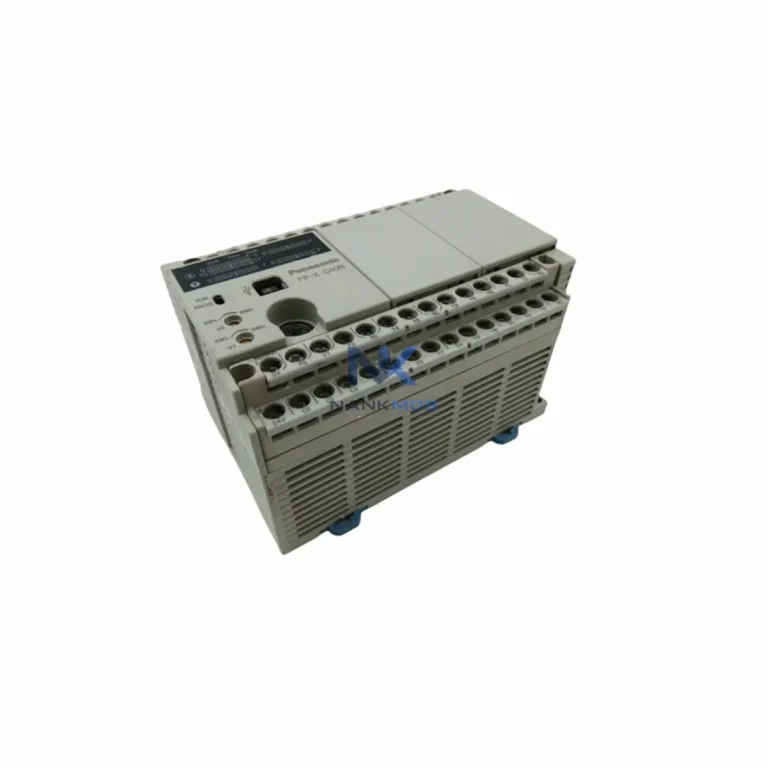
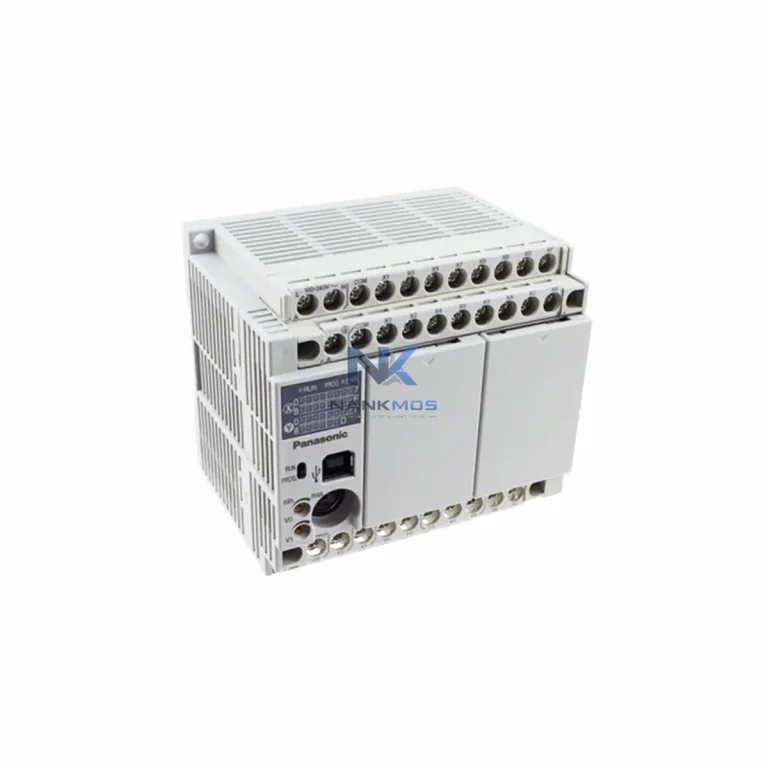
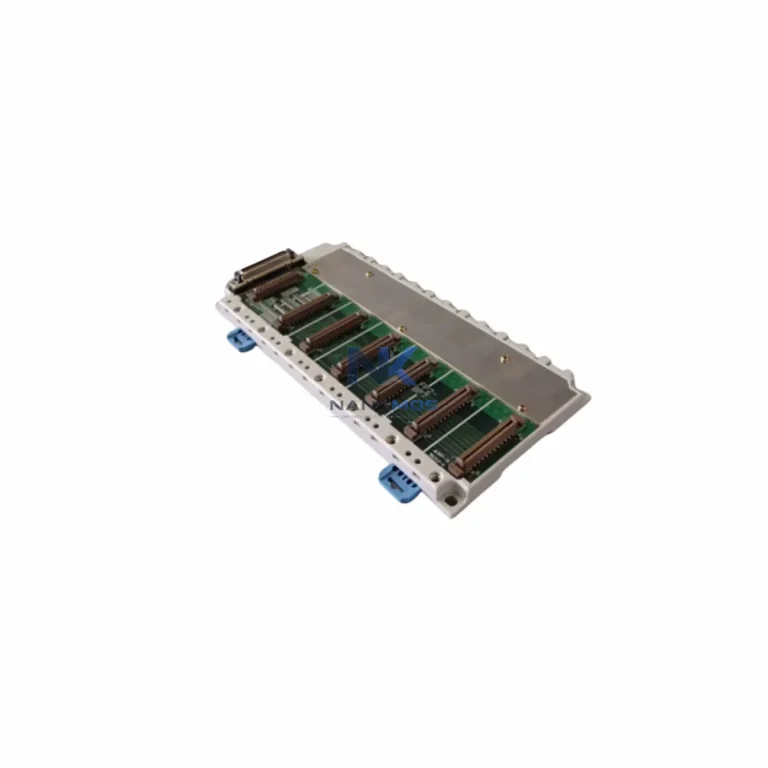
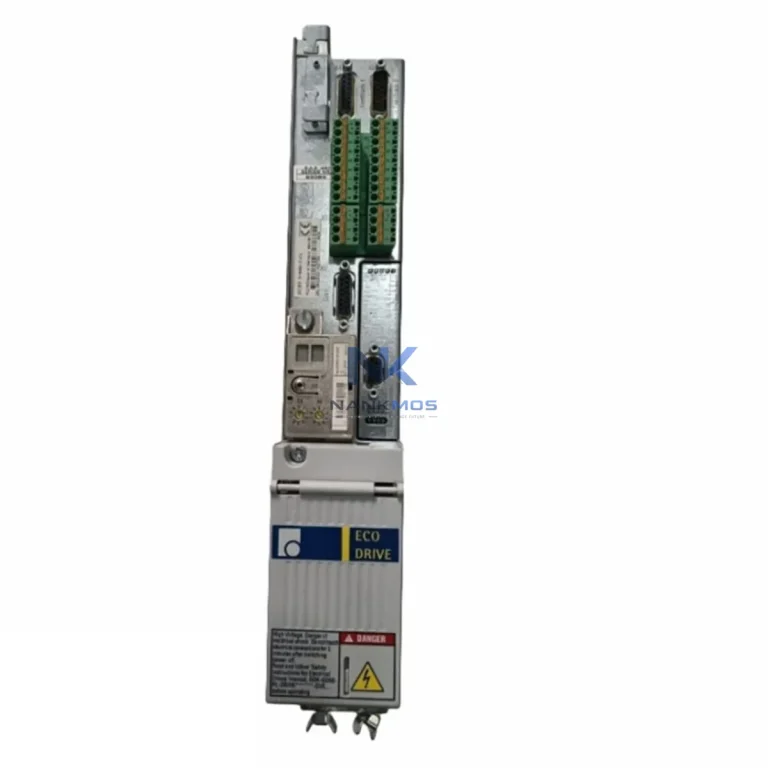
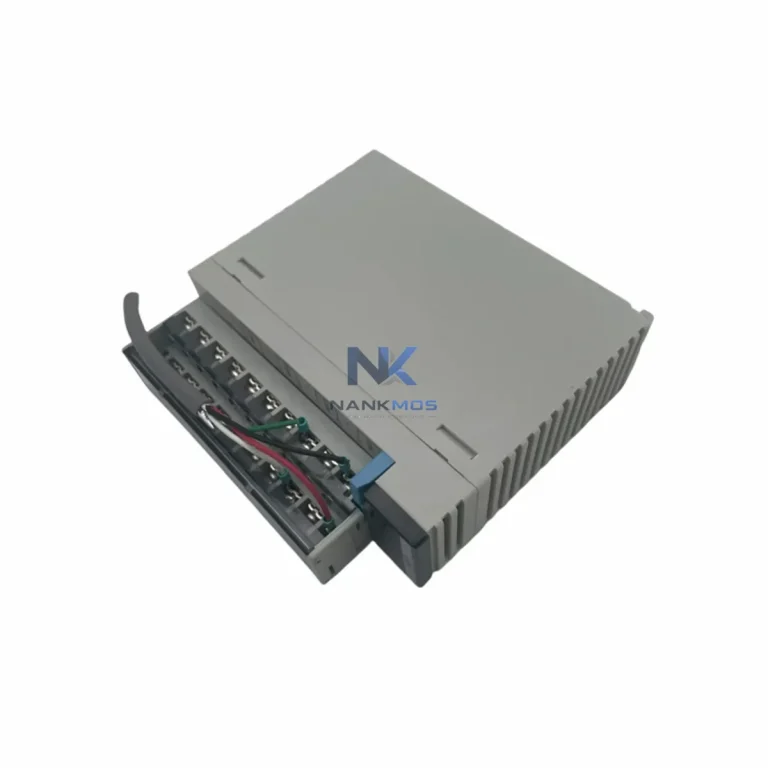
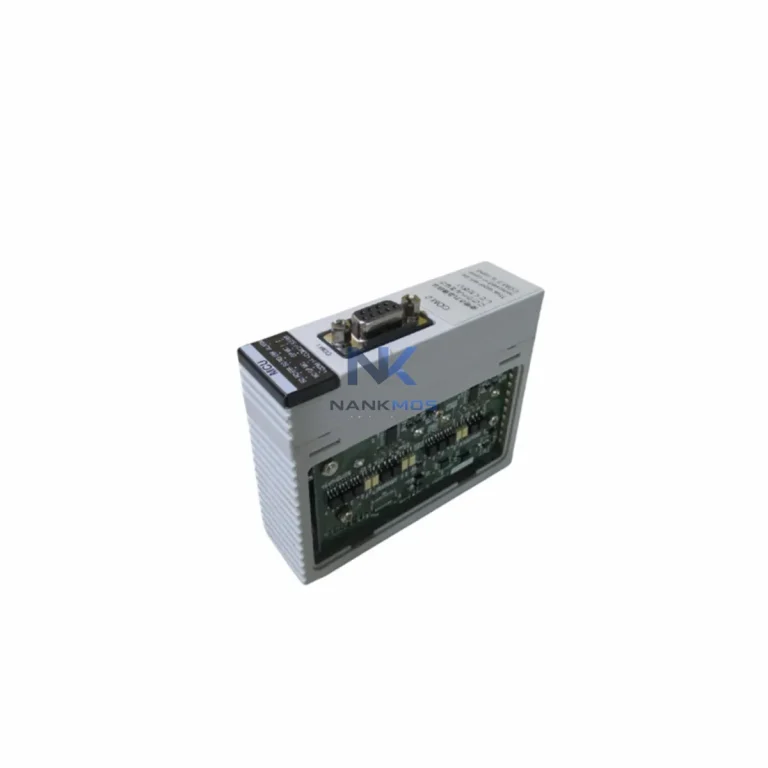
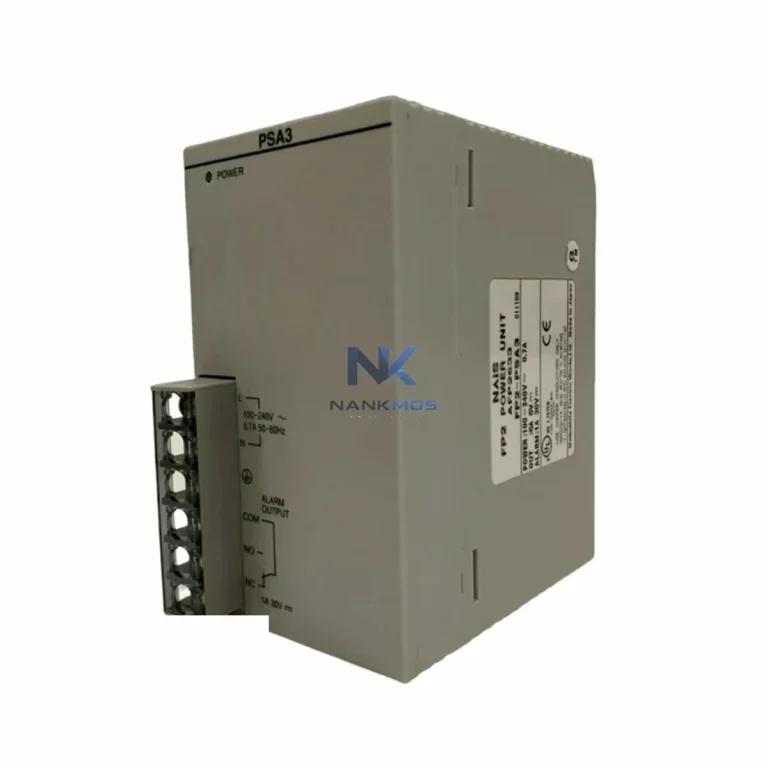
Panasonic FP2-C2T32 is a NANKMOS industrial automation product record Listed under Other series series and Business & Industrial > Automation, Control & Flow Devices > Programmable Logic Controllers. Confirm condition, availability, lead time, compatibility and documentation by email inquiry.
Brand names are used for identification only.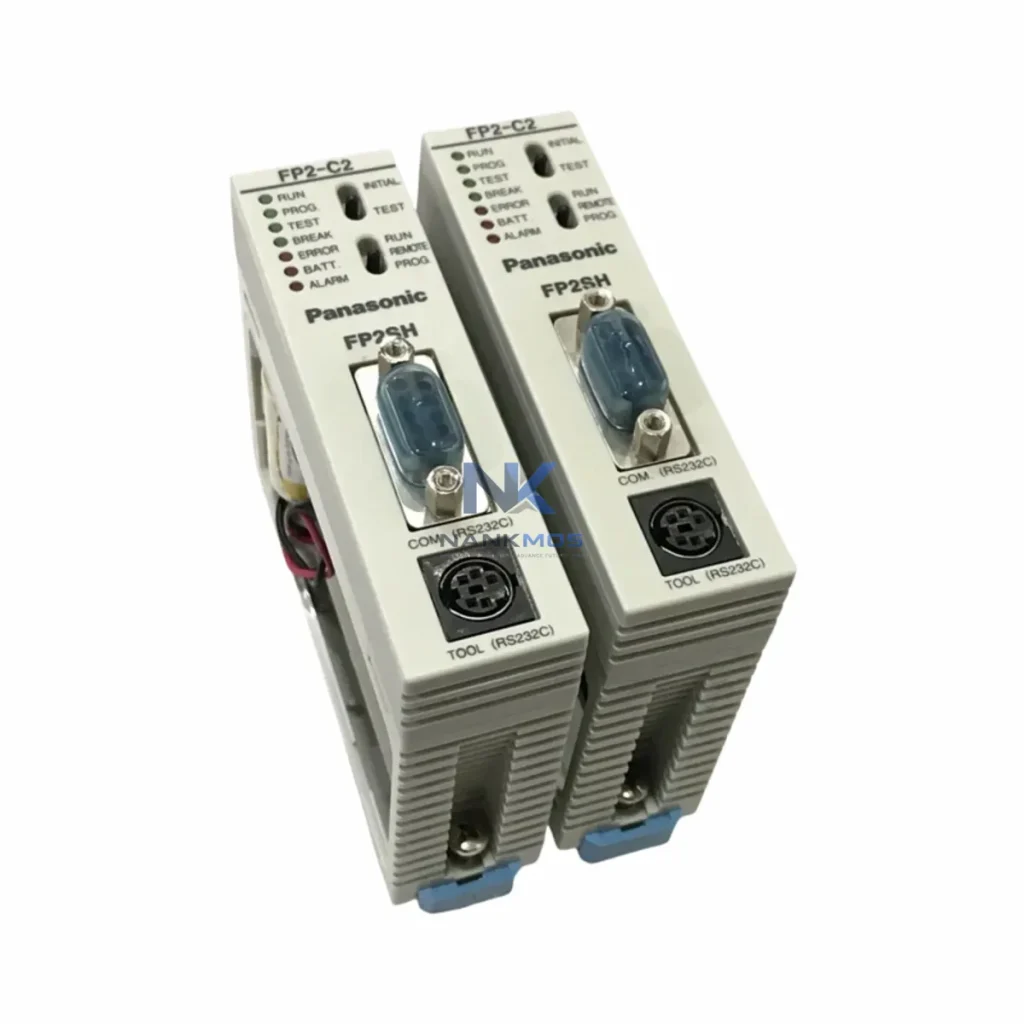
Panasonic FP2-C2T32 is a NANKMOS industrial automation product record Listed under Other series series and Business & Industrial > Automation, Control & Flow Devices > Programmable Logic Controllers. Confirm condition, availability, lead time, compatibility and documentation by email inquiry.
| Manufacturer | Panasonic |
|---|---|
| Application | Controller Processing & System Control |
| Part Number / Model | FP2-C2T32 |
| Compatible System | Confirmed by inquiry |
| Condition Options | To Confirm |
| Module Type | Controller / CPU Module |
| Warranty | 12 Months |
| Packaging | Anti-static Bag / Secure Box |
| Shipping Methods | DHL / FedEx / UPS / Air / Sea |
| Availability | To Confirm |
| Lead Time | To Confirm |
| Documentation | Part number and revision checked before quote |
The Panasonic FP2-C2T32 is a high-performance programmable logic controller from the FP2 Series, engineered for energy-conscious industrial environments where load management, motor control precision, and production line throughput must be balanced without compromise. Designed for demanding process industries, discrete manufacturing, and smart factory deployments, the FP2-C2T32 delivers deterministic scan-cycle execution that directly supports energy optimization strategies across multi-axis and multi-zone production systems.
In modern industrial facilities, energy waste is rarely caused by a single component — it accumulates through idle motor run times, uncoordinated drive startups, unmonitored auxiliary loads, and poorly timed actuator sequences. The FP2-C2T32 addresses these inefficiencies at the control layer, providing the logic backbone that coordinates energy-consuming assets across the production floor. Its compact modular architecture integrates seamlessly into existing FP2 backplane configurations, allowing engineers to expand I/O capacity, add communication modules, and interface with energy monitoring systems without redesigning the control cabinet.
The FP2-C2T32 operates as the central decision-making node in a power-aware automation architecture. In a typical smart factory deployment, it interfaces directly with Panasonic FP2-X32 I/O expansion modules to monitor field-level signals from current sensors, temperature probes, and pressure transducers — providing the real-time data needed to make energy-relevant control decisions without relying on a separate supervisory layer.
For motor-driven applications, the FP2-C2T32 issues speed reference commands and enable signals to Panasonic VF series variable frequency drives, coordinating ramp-up sequences that prevent simultaneous inrush current spikes across multiple motors. This staggered start logic alone can reduce peak demand charges in facilities running 10 or more motor loads. The PLC also manages interlock conditions that prevent motors from running unloaded — a common source of hidden energy waste in conveyor, pump, and fan systems.
In servo-driven axes, the FP2-C2T32 communicates with Panasonic MINAS A6 series servo drivers via pulse-train or MECHATROLINK interface, enabling position-synchronized motion profiles that minimize overshoot, reduce regenerative braking losses, and maintain tight cycle times. The servo system's regenerative energy can be monitored and, where bus-sharing configurations are used, redirected to adjacent axes rather than dissipated as heat.
Power quality and consumption visibility are provided through integration with power monitoring modules such as the Schneider Electric PM series or equivalent DIN-rail energy meters connected via Modbus RTU to the FP2-C2T32's RS485 port. This allows the PLC program to log kWh consumption per production batch, trigger load-shedding routines when demand thresholds are approached, and generate alarms when energy consumption deviates from baseline — all without requiring a dedicated energy management gateway.
Operator visibility is delivered through Panasonic GT series HMI panels connected via MEWTOCOL protocol, displaying real-time energy dashboards, motor run-hour counters, and fault logs. Maintenance teams can access predictive indicators — such as rising motor current trends or increasing cycle-time drift — directly from the HMI without logging into a separate SCADA workstation. For facilities with centralized monitoring, the FP2-C2T32 also supports Ethernet communication modules (FP2-ETH) that push production and energy data to SCADA platforms such as Wonderware, Ignition, or iFIX via OPC-DA or Modbus TCP.
Field-level sensing is handled by Panasonic EX series photoelectric sensors and Panasonic FP series proximity sensors, whose signals feed directly into the FP2-C2T32's digital inputs. Accurate part-present detection eliminates unnecessary actuator cycles, reducing both mechanical wear and the energy consumed by pneumatic solenoids and servo axes waiting for confirmation signals. In high-throughput lines, this sensor-to-PLC feedback loop is the primary mechanism for maintaining production rhythm without over-driving equipment.
Factory energy optimization is not a single-point solution — it requires coordinated control logic that spans the entire production sequence, from raw material infeed to finished goods transfer. The FP2-C2T32 provides this coordination layer, executing energy-aware ladder logic and function block programs that govern when equipment runs, at what load level, and for how long.
One of the most impactful energy strategies enabled by the FP2-C2T32 is production-synchronized load management. Rather than running all auxiliary systems — cooling fans, hydraulic power units, conveyor drives, and lighting circuits — continuously throughout a shift, the PLC activates and deactivates these loads in alignment with actual production demand. A stamping press that runs at 60% capacity during the first two hours of a shift does not require full hydraulic pressure or maximum cooling airflow; the FP2-C2T32 can modulate these systems in real time, reducing energy consumption proportionally.
Thermal load reduction is another measurable benefit. By preventing motor overloads through current-limit interlocks and by sequencing high-inrush loads to avoid simultaneous startup, the FP2-C2T32 reduces the heat generated within the control panel and across the production floor. Lower thermal loads extend the service life of contactors, drives, and power supplies, and reduce the cooling energy required to maintain safe operating temperatures in the electrical room.
Production line rhythm stability — often called takt time adherence — is directly supported by the FP2-C2T32's deterministic scan cycle. When control logic executes predictably, downstream equipment receives commands at consistent intervals, eliminating the micro-stoppages and buffer accumulation that force upstream equipment to run faster (and consume more energy) to compensate. In automotive, electronics, and food processing lines, takt time stability achieved through reliable PLC execution has been shown to reduce overall line energy consumption by 8–15% compared to lines with frequent micro-interruptions.
Predictive maintenance readiness is built into the FP2-C2T32's operational model. By logging motor run hours, counting actuator cycles, and tracking fault frequency in the PLC's data registers, maintenance teams can schedule interventions before failures occur — avoiding the energy-intensive recovery cycles that follow unplanned downtime, including reheating furnaces, re-pressurizing hydraulic systems, and restarting cold production lines.
Every unit of the FP2-C2T32 supplied by NANKMOS is drawn from verified inventory, subjected to pre-shipment functional testing, and covered by a 12-month warranty. This ensures that the energy optimization strategies built around this controller are not undermined by component reliability issues in the field.
Q1: What energy savings can I realistically expect from deploying the FP2-C2T32 in my production line? Actual savings depend on your current control architecture and load profile. Facilities replacing relay-logic or older PLC systems typically see 10–20% reductions in auxiliary load energy consumption through better sequencing and idle-state management. Motor-heavy lines benefit most from coordinated VFD control and staggered start logic executed by the FP2-C2T32.
Q2: Is the FP2-C2T32 compatible with my existing FP2 backplane and I/O modules? Yes. The FP2-C2T32 is designed for the standard FP2 backplane and is compatible with the full range of FP2 I/O expansion modules, communication modules (including FP2-ETH and FP2-PROFIBUS), and the FP2-PSA2 power supply unit. Existing FP2 programs can be transferred with minimal modification using Panasonic's FPWIN Pro programming software.
Q3: Can the FP2-C2T32 replace an older FP2 CPU module without rewiring the cabinet? In most cases, yes. The FP2-C2T32 is a drop-in replacement for compatible FP2 CPU variants. Verify the I/O point count, communication port configuration, and program memory requirements against your existing installation before swapping. NANKMOS technical support can assist with compatibility verification prior to shipment.
Q4: What does the 12-month warranty cover, and how is pre-shipment testing conducted? The 12-month warranty covers manufacturing defects and functional failures under normal operating conditions. Each FP2-C2T32 unit is tested for power-on operation, I/O response, and communication port functionality before dispatch. Units that do not pass functional verification are not shipped. Warranty claims are processed through NANKMOS with replacement or repair turnaround coordinated to minimize production downtime.
Functional Inspection100% tested on professional platforms to ensure stable performance.
 Anti-static Packaging
Modules are packed in anti-static bags to prevent electrostatic damage.
 Secure Export Packing
Cushion protection and strong cartons ensure safe transportation.
 Worldwide Shipping
Global logistics network supports air, sea and express delivery.
 Documentation Check
Part number, revision and compatibility verified before shipment.
 After-sales Support
Professional technical support to help resolve your issues.