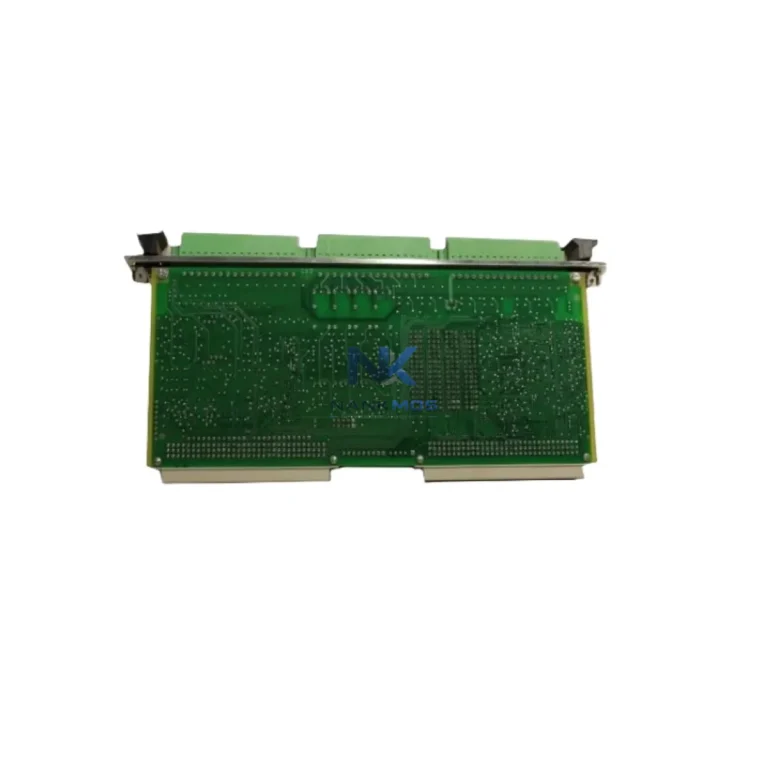
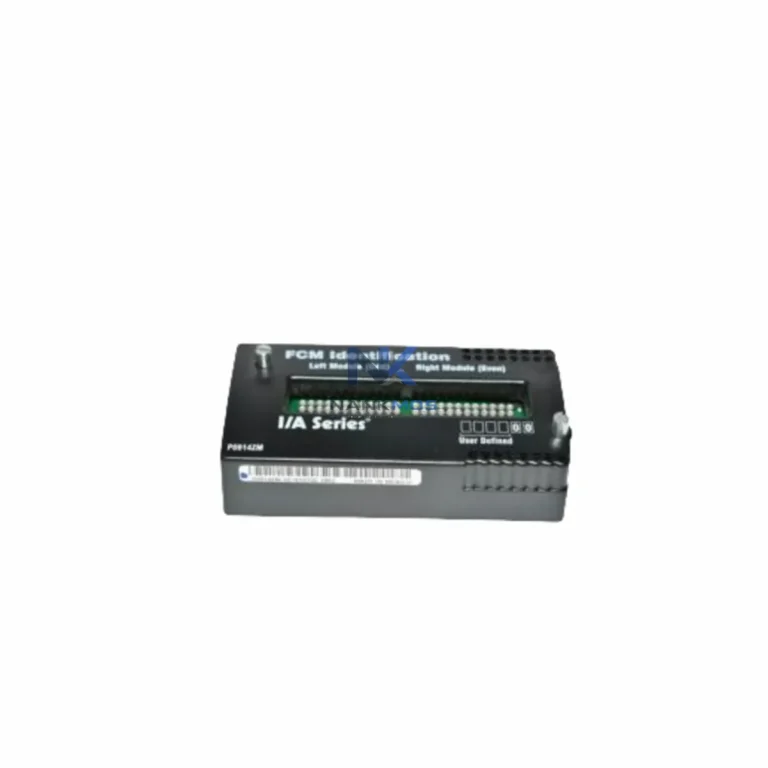
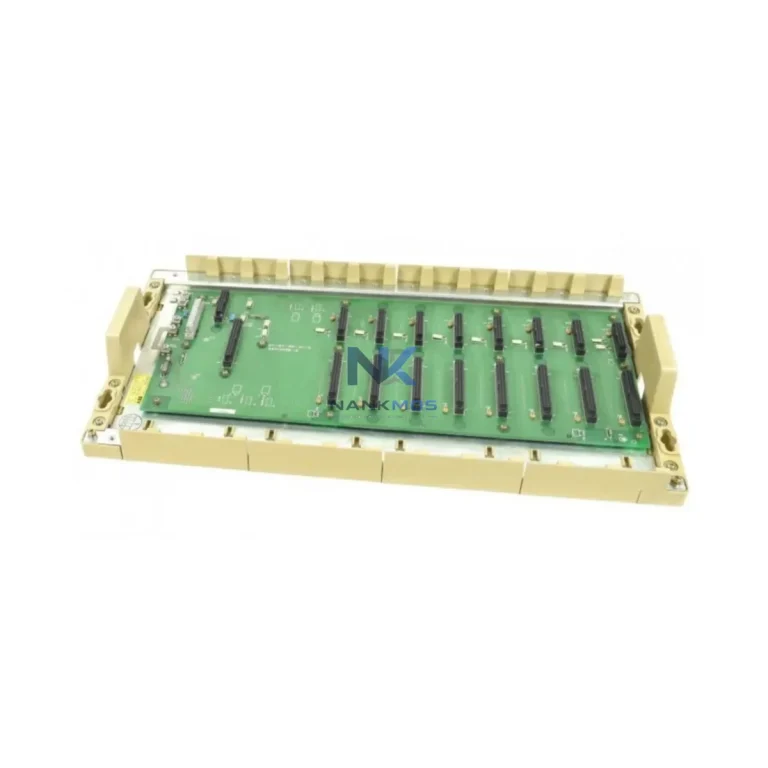
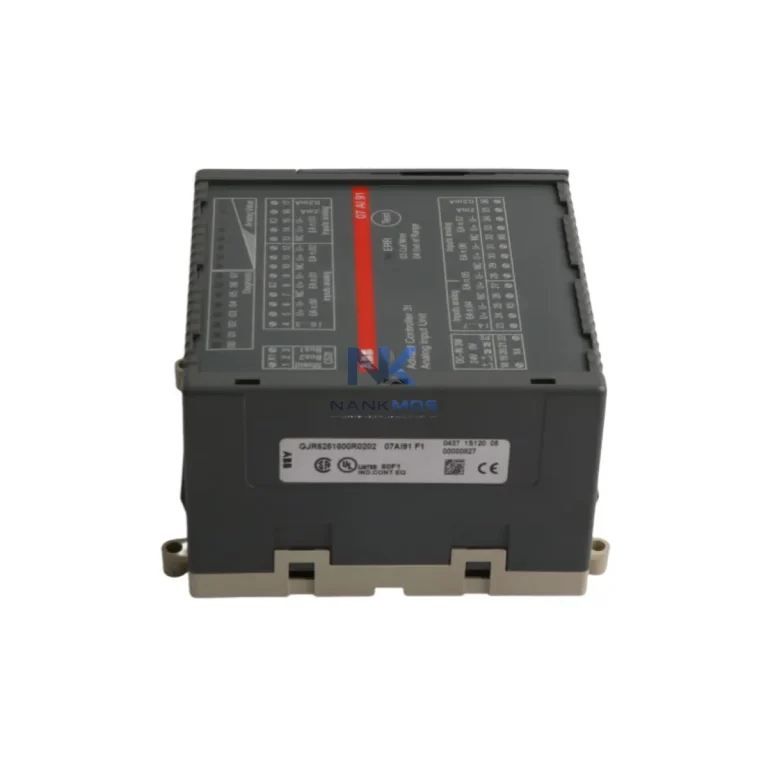
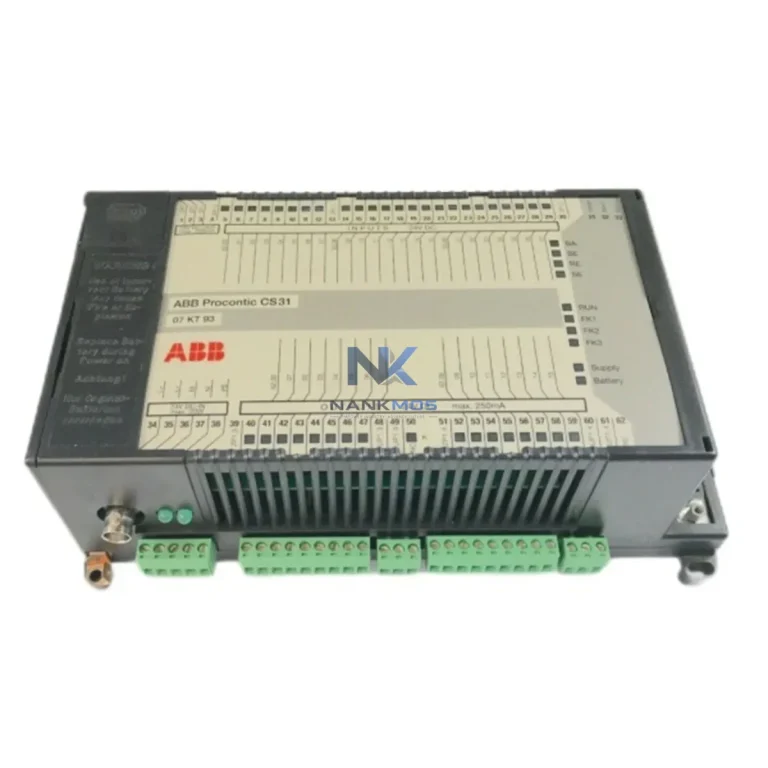
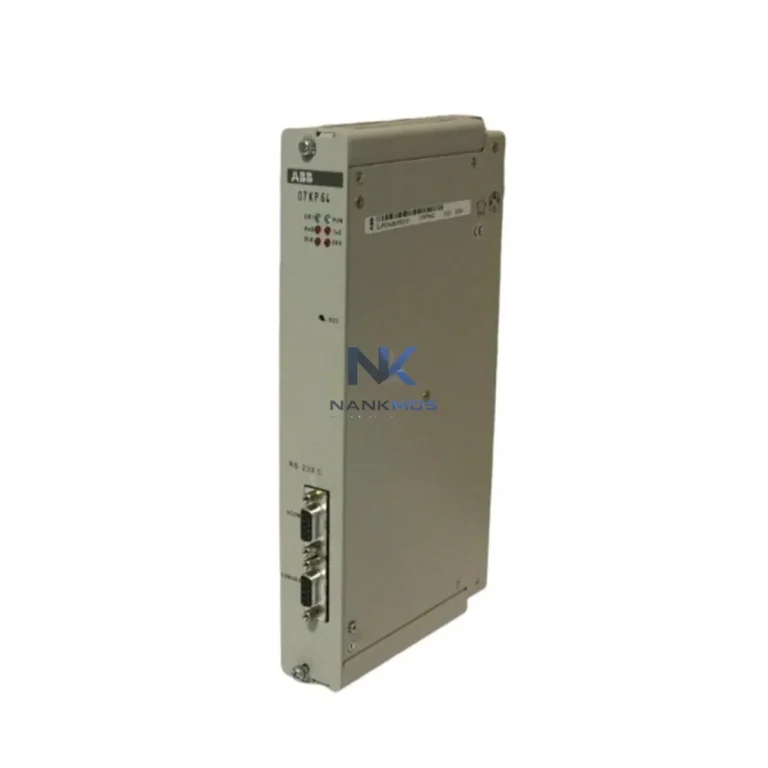
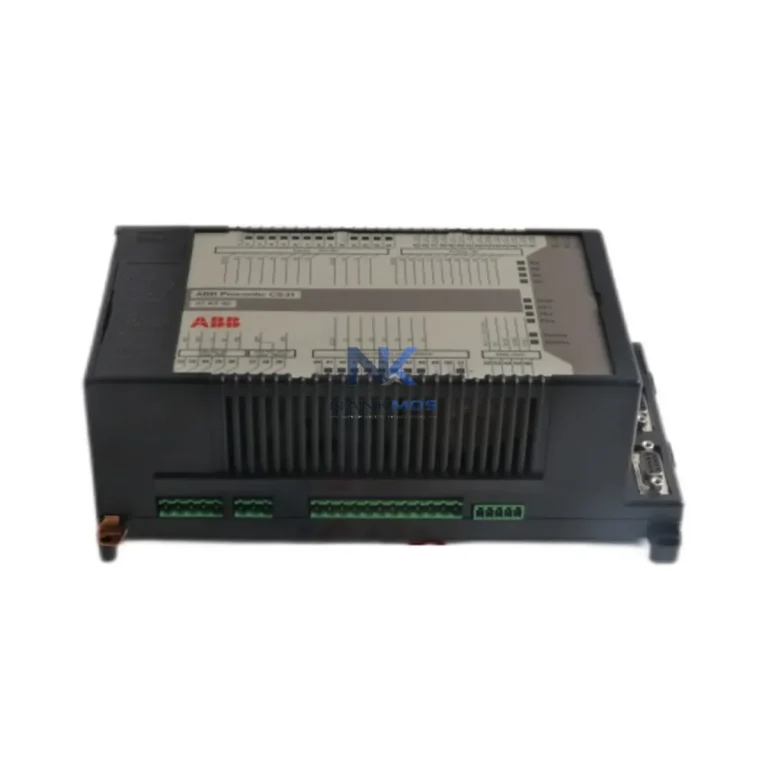
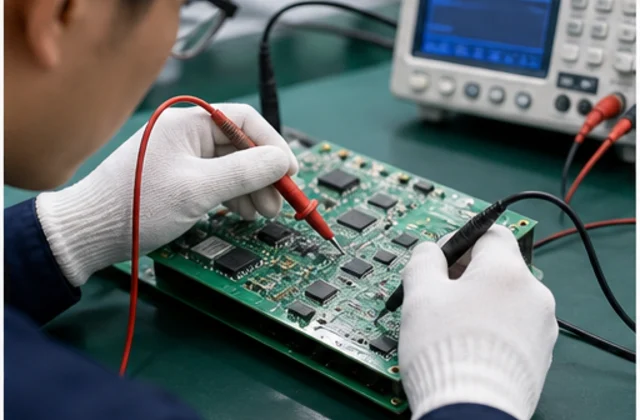
 Functional Inspection
100% tested on professional platforms to ensure stable performance.
Meggitt Vibro-Meter GSI 127 244-127-000-017 A2-B02 is a NANKMOS industrial automation product record Listed under Other series series and Business & Industrial > Automation, Control & Flow Devices > Programmable Logic Controllers. Confirm condition, availability, lead time, compatibility and documentation by email inquiry.
Brand names are used for identification only.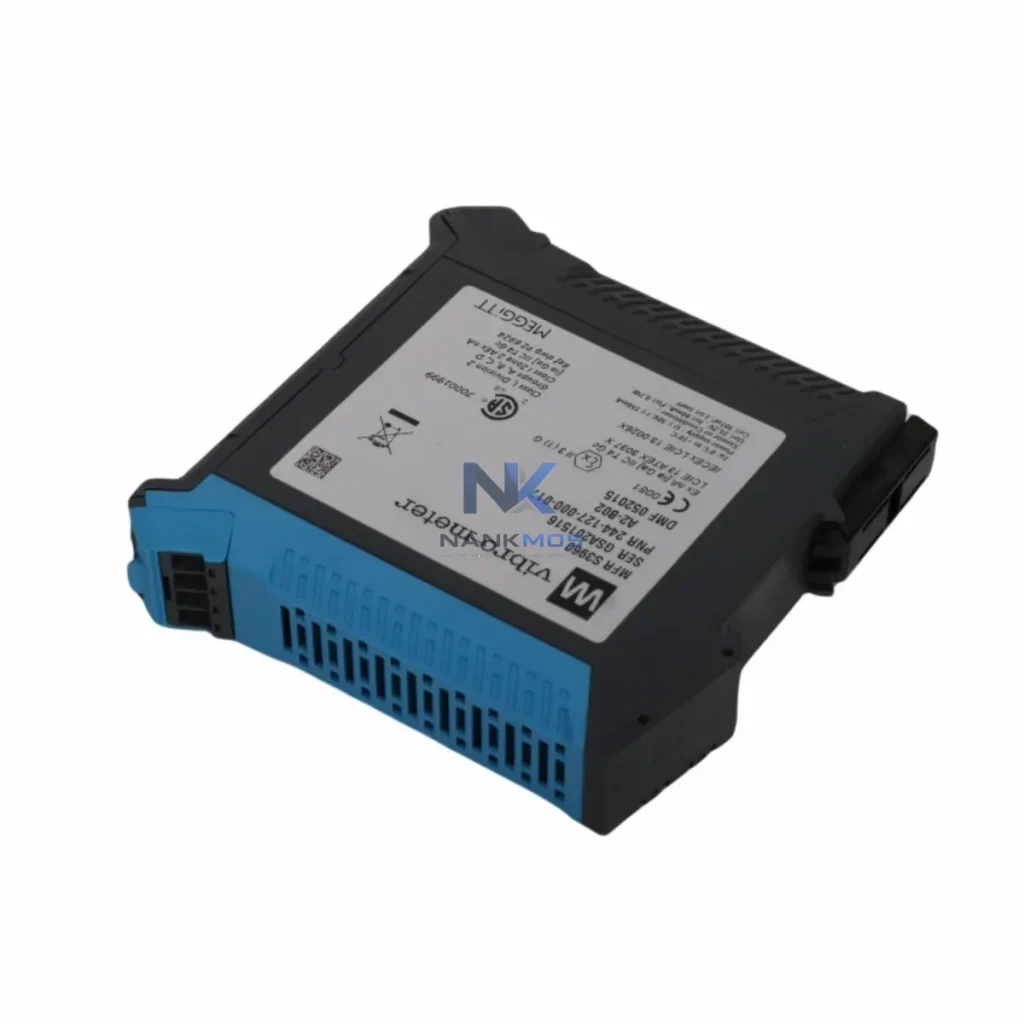
Meggitt Vibro-Meter GSI 127 244-127-000-017 A2-B02 is a NANKMOS industrial automation product record Listed under Other series series and Business & Industrial > Automation, Control & Flow Devices > Programmable Logic Controllers. Confirm condition, availability, lead time, compatibility and documentation by email inquiry.
| Manufacturer | Meggitt Vibro-Meter |
|---|---|
| Application | Controller Processing & System Control |
| Part Number / Model | GSI 127 244-127-000-017 A2-B02 |
| Compatible System | Confirmed by inquiry |
| Condition Options | To Confirm |
| Module Type | Controller / CPU Module |
| Warranty | 12 Months |
| Packaging | Anti-static Bag / Secure Box |
| Shipping Methods | DHL / FedEx / UPS / Air / Sea |
| Availability | To Confirm |
| Lead Time | To Confirm |
| Documentation | Part number and revision checked before quote |
The Meggitt GSI 127 (SKU: GSI 127 244-127-000-017 A2-B02) is a high-performance galvanic separation unit engineered for the VM-Series vibration monitoring platform. Designed to meet the rigorous demands of modern industrial energy management, this unit delivers reliable galvanic isolation between field-level sensors and control-layer electronics, eliminating ground loops, suppressing common-mode interference, and ensuring that every watt consumed by your monitoring infrastructure contributes directly to actionable machine health data — not wasted as signal noise or thermal dissipation.
In energy-intensive production environments — from rotating machinery halls and compressor stations to turbine test benches and continuous process lines — the GSI 127 serves as a critical link between vibration transducers and the broader energy-aware automation architecture. By maintaining clean, galvanically isolated signal paths, it reduces the risk of measurement errors that can trigger unnecessary shutdowns, over-speed trips, or false alarms, all of which carry significant energy and productivity penalties.
The GSI 127 does not operate in isolation — it is a precision component within a layered, energy-aware automation architecture. In a typical smart production line, vibration data from piezoelectric accelerometers or proximity probes is routed through the GSI 127 before reaching the Meggitt VM-Series signal conditioning rack, where modules such as the VM3000 or VM600 MPC4 card perform real-time amplitude, phase, and frequency analysis. Clean, isolated signals mean that the downstream processing modules spend fewer computational cycles filtering artefacts, which translates directly into lower average CPU load and reduced power draw at the rack level.
On the control side, the conditioned vibration outputs feed into Siemens S7-1500 PLC analog input modules or equivalent DCS I/O cards. When signal integrity is compromised by ground loops — a problem the GSI 127 is specifically designed to prevent — PLCs may log spurious alarms that trigger unnecessary actuator responses: solenoid valve cycling, motor restarts, or emergency ventilation activation. Each of these events carries an energy cost. By maintaining galvanic separation, the GSI 127 helps keep the PLC's alarm management logic operating on real machine data, not electrical artefacts.
Variable frequency drives (VFDs) such as the ABB ACS880 or Siemens SINAMICS G120 are common sources of high-frequency common-mode noise on industrial earthing systems. This noise couples into unshielded or poorly isolated sensor cables and corrupts vibration readings. The GSI 127's galvanic barrier breaks this coupling path, allowing VFD-driven motor systems and precision vibration monitoring to coexist on the same production floor without mutual interference — a prerequisite for accurate load-dependent energy profiling.
Power quality monitoring modules — such as the Schneider Electric PowerLogic ION7650 or equivalent power measurement units integrated into the plant's energy management system (EMS) — rely on stable, noise-free analog references. When vibration monitoring channels bleed electrical noise into shared analog commons, power measurement accuracy degrades. The GSI 127 prevents this cross-contamination, supporting the integrity of the plant-wide energy data that feeds SCADA dashboards and ISO 50001 energy management reporting.
In servo-driven assembly lines, Fanuc αi-series servo amplifiers and their associated feedback encoders generate switching transients that can appear as false vibration events if isolation is inadequate. The GSI 127 ensures that the vibration monitoring channel remains immune to these transients, allowing maintenance engineers to distinguish genuine bearing wear signatures from electrical interference — a distinction that is critical for predictive maintenance scheduling and for avoiding premature component replacement, which itself represents a form of resource and energy waste.
HMI panels — such as the Siemens SIMATIC HMI TP1500 — display real-time vibration trends alongside energy consumption KPIs. The accuracy of these displays depends entirely on the quality of the underlying sensor data. With the GSI 127 in the signal chain, operators see true machine vibration levels, enabling informed decisions about load reduction, speed adjustment, or scheduled maintenance — all of which contribute to a lower overall energy footprint.
Communication modules such as Profibus DP gateways or Modbus TCP/IP converters transmit vibration data from the VM-Series rack to the plant SCADA system. Signal integrity at the analog input stage — guaranteed by the GSI 127 — ensures that the digital values transmitted over the network accurately represent physical machine behaviour, supporting reliable remote monitoring and reducing the need for on-site inspection trips.
Industrial facilities operating rotating machinery — pumps, fans, compressors, turbines, and gearboxes — account for a disproportionate share of total site energy consumption. Unplanned downtime caused by vibration-related failures is not merely a maintenance cost; it is an energy cost. Emergency restarts, thermal cycling of process equipment, and the energy required to bring production back to steady-state operating conditions can represent significant energy penalties per incident.
The GSI 127 contributes to energy optimisation at several levels. First, by ensuring that vibration measurements are free from electrical interference, it enables condition monitoring systems to detect genuine changes in machine health at an early stage — before they escalate into failures that require emergency shutdowns. Early detection allows maintenance to be scheduled during planned low-production windows, minimising the energy impact of the maintenance activity itself.
Second, accurate vibration data supports load management decisions. When a machine's vibration signature indicates that it is operating within its optimal efficiency band, operators can confidently maintain or increase its load. Conversely, when the signature indicates developing imbalance or bearing wear, load can be reduced proactively, extending the machine's service life and avoiding the energy-intensive process of emergency replacement and recommissioning.
Third, the GSI 127's low self-heating characteristic reduces the thermal load within the monitoring rack enclosure. In facilities where rack enclosures are climate-controlled, every watt of heat generated inside the cabinet must be removed by the cooling system. A low-dissipation isolation unit like the GSI 127 contributes to a lower steady-state cabinet temperature, reducing compressor run-time and cooling energy consumption.
Fourth, by eliminating false alarms caused by ground-loop interference, the GSI 127 reduces the frequency of unnecessary machine trips. Each unnecessary trip — and the subsequent restart sequence — consumes energy in the form of motor inrush current, hydraulic pressure rebuilding, and thermal stabilisation. Across a fleet of monitored machines, the cumulative energy saving from reduced false-trip frequency can be substantial.
All units supplied by NANKMOS are sourced from verified supply channels, subjected to full functional and isolation testing prior to dispatch, and covered by a 12-month warranty. Stock is maintained for rapid fulfilment, minimising lead times for maintenance and capital projects alike.
Q1: How does the GSI 127 contribute to measurable energy savings in a production facility? The GSI 127 reduces energy waste indirectly by improving the accuracy of vibration monitoring data. Accurate data enables earlier fault detection, fewer false alarms, and better load management decisions — all of which reduce unplanned downtime, unnecessary machine trips, and the associated energy costs of emergency restarts and thermal recovery cycles.
Q2: Is the GSI 127 compatible with third-party PLC and SCADA systems, or is it limited to Meggitt VM-Series equipment? The GSI 127 is designed as part of the Meggitt VM-Series platform, but its galvanically isolated analog outputs are compatible with standard industrial signal levels accepted by most PLC analog input modules, DCS signal conditioners, and SCADA front-end processors. Integration with Siemens, ABB, Rockwell, and Schneider Electric control platforms is routinely achieved in industrial installations.
Q3: What is the recommended replacement or upgrade path if the GSI 127 is found to be faulty during a maintenance inspection? NANKMOS maintains stock of the GSI 127 (244-127-000-017 A2-B02) for direct replacement. Each unit undergoes full functional and isolation testing before dispatch. For facilities considering a broader upgrade of their VM-Series monitoring infrastructure, NANKMOS can advise on compatible signal conditioning cards and rack components within the same platform generation.
Q4: What does the 12-month warranty cover, and what is the testing process before shipment? The 12-month warranty covers defects in materials and workmanship under normal operating conditions. Prior to shipment, each GSI 127 unit is subjected to a full functional test — verifying isolation resistance, signal transfer accuracy, and power consumption within specification — as well as a visual and mechanical inspection. Test records are available upon request for quality assurance documentation purposes.
Functional Inspection100% tested on professional platforms to ensure stable performance.
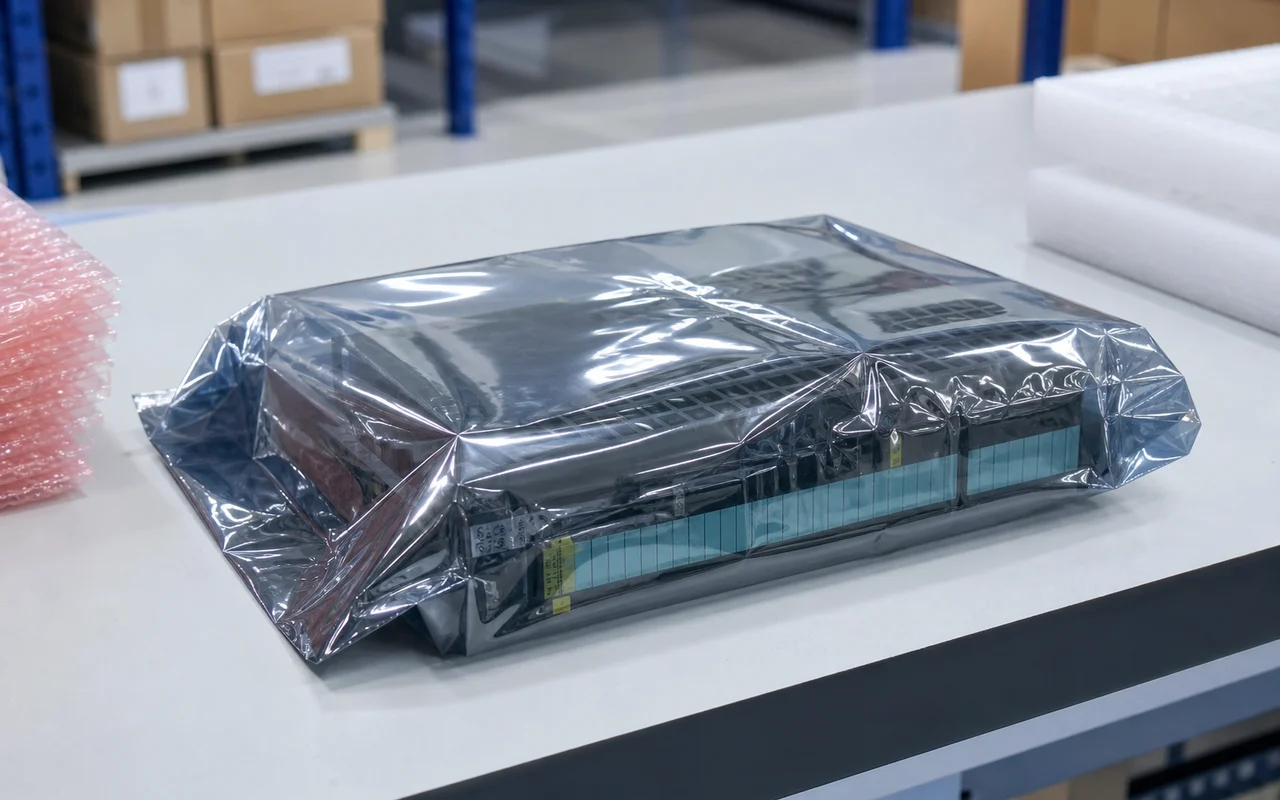 Anti-static Packaging
Modules are packed in anti-static bags to prevent electrostatic damage.
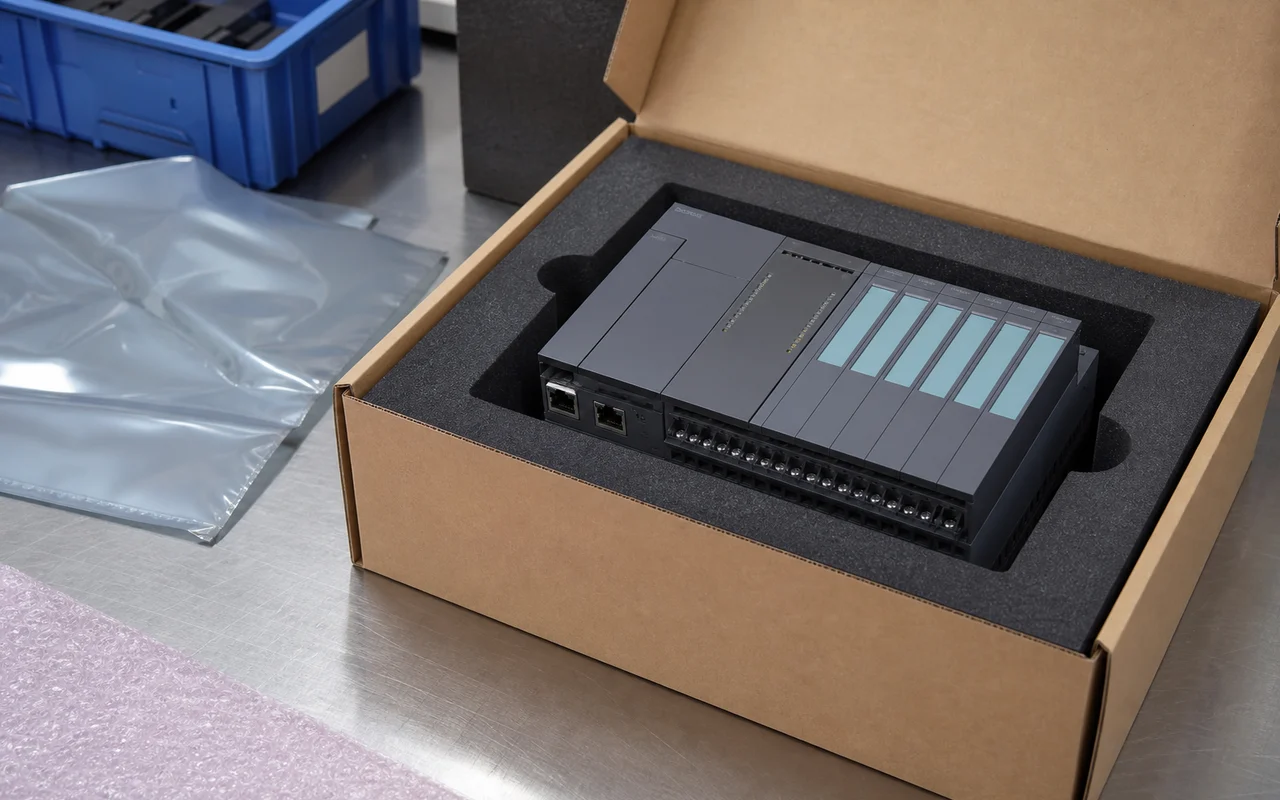 Secure Export Packing
Cushion protection and strong cartons ensure safe transportation.
 Worldwide Shipping
Global logistics network supports air, sea and express delivery.
 Documentation Check
Part number, revision and compatibility verified before shipment.
 After-sales Support
Professional technical support to help resolve your issues.