Functional Inspection
100% tested on professional platforms to ensure stable performance.
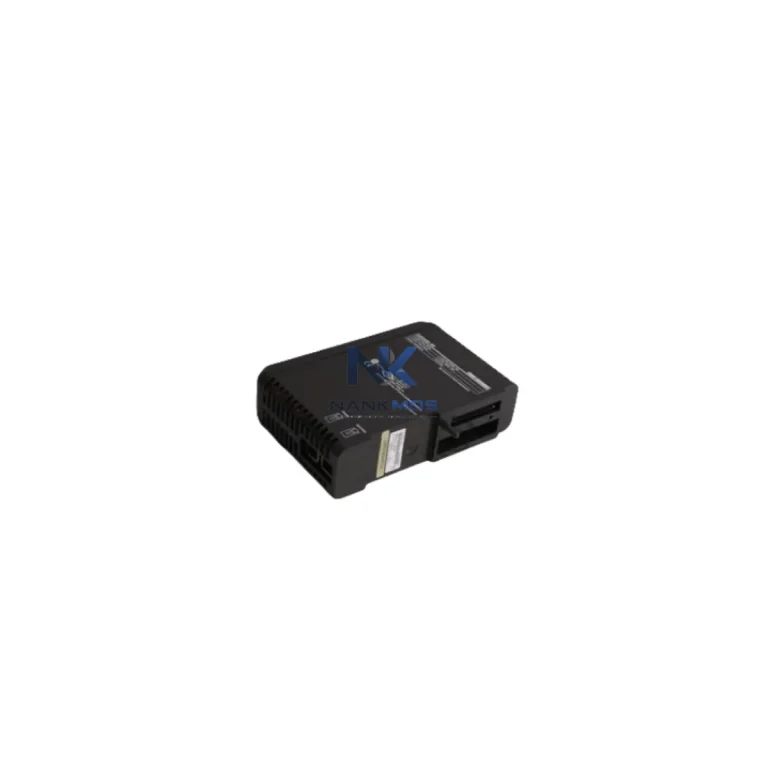
ADVANTECH MIC-3395 MIC-3395MILS3-P8E is a NANKMOS industrial automation product record Listed under Other series series and Business & Industrial > Automation, Control & Flow Devices. Confirm condition, availability, lead time, compatibility and documentation by email inquiry.
Brand names are used for identification only.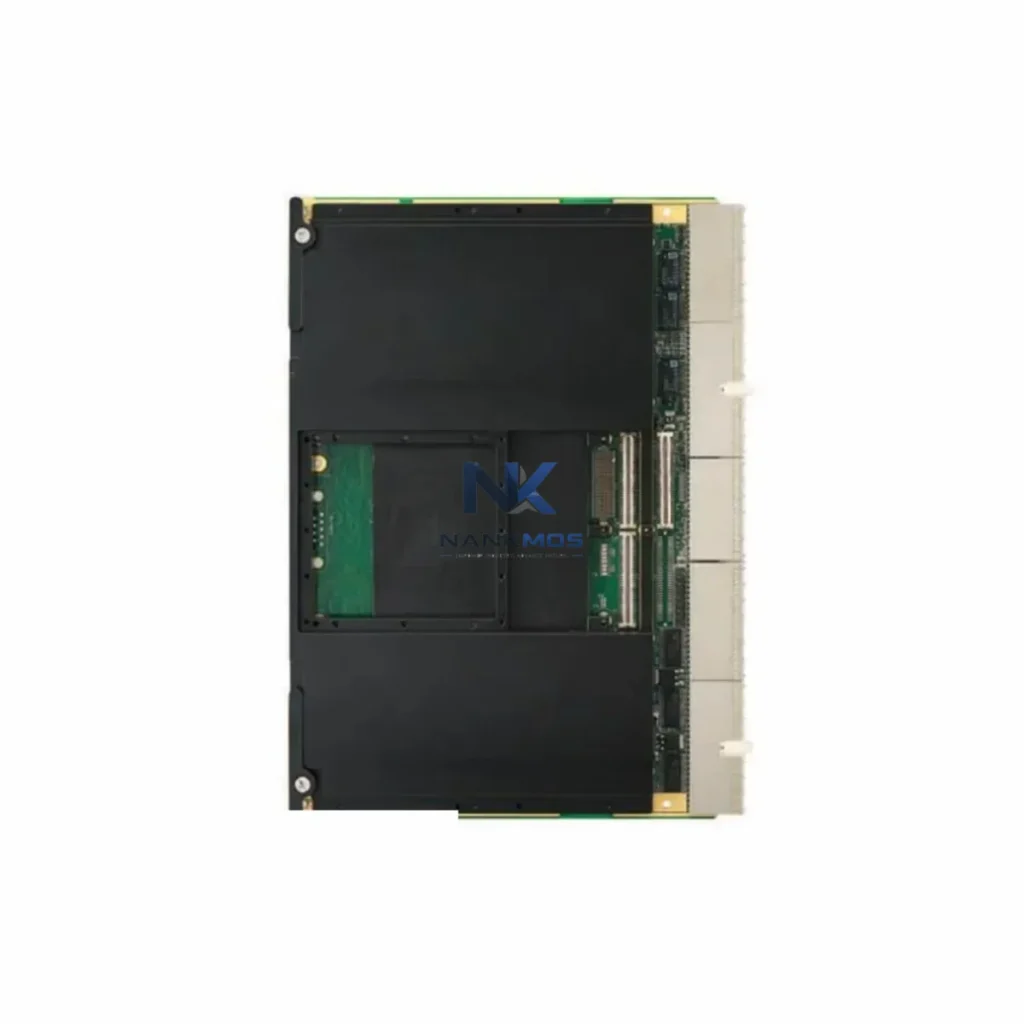
ADVANTECH MIC-3395 MIC-3395MILS3-P8E is a NANKMOS industrial automation product record Listed under Other series series and Business & Industrial > Automation, Control & Flow Devices. Confirm condition, availability, lead time, compatibility and documentation by email inquiry.
| Manufacturer | ADVANTECH |
|---|---|
| Application | DCS / Control Board Replacement |
| Part Number / Model | MIC-3395 MIC-3395MILS3-P8E |
| Compatible System | Confirmed by inquiry |
| Condition Options | To Confirm |
| Module Type | Control Board / Card |
| Warranty | 12 Months |
| Packaging | Anti-static Bag / Secure Box |
| Shipping Methods | DHL / FedEx / UPS / Air / Sea |
| Availability | To Confirm |
| Lead Time | To Confirm |
| Documentation | Part number and revision checked before quote |
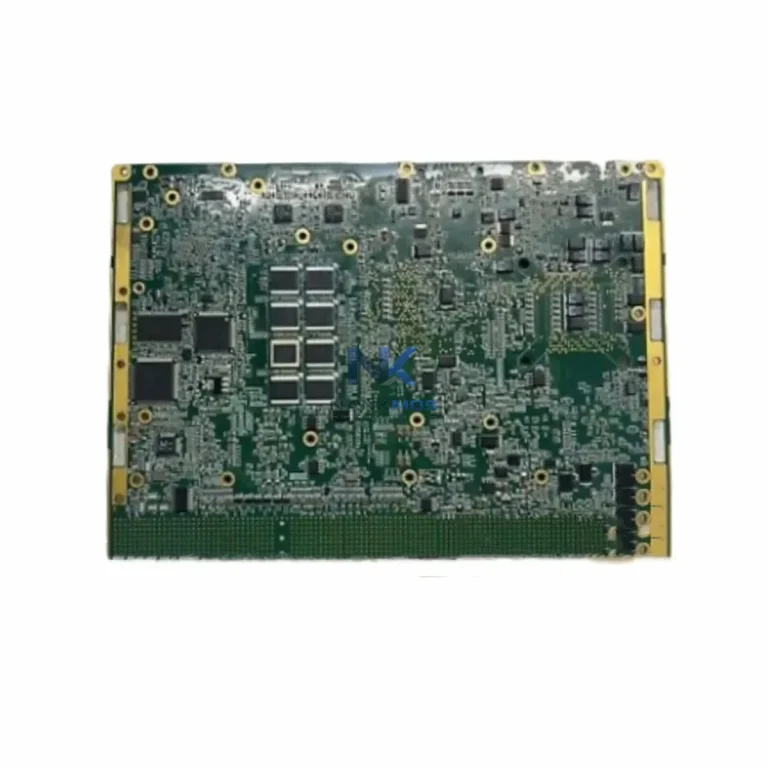
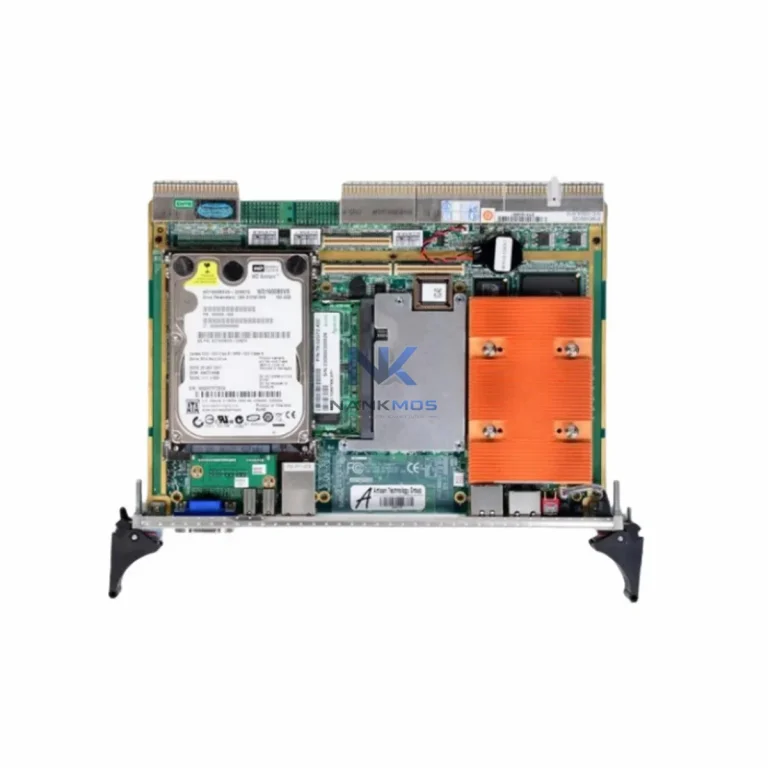
The Advantech MIC-3395MILS3-P8E is a high-performance, energy-control industrial motherboard engineered for demanding smart factory environments. Designed to serve as the computational backbone of automated production lines, this board delivers precise load management, real-time process coordination, and measurable energy efficiency gains across multi-axis control architectures. Whether deployed in discrete manufacturing, process industries, or energy-intensive utility applications, the MIC-3395MILS3-P8E provides the processing stability and I/O density required to reduce idle energy consumption, minimize thermal load, and sustain optimal production throughput.
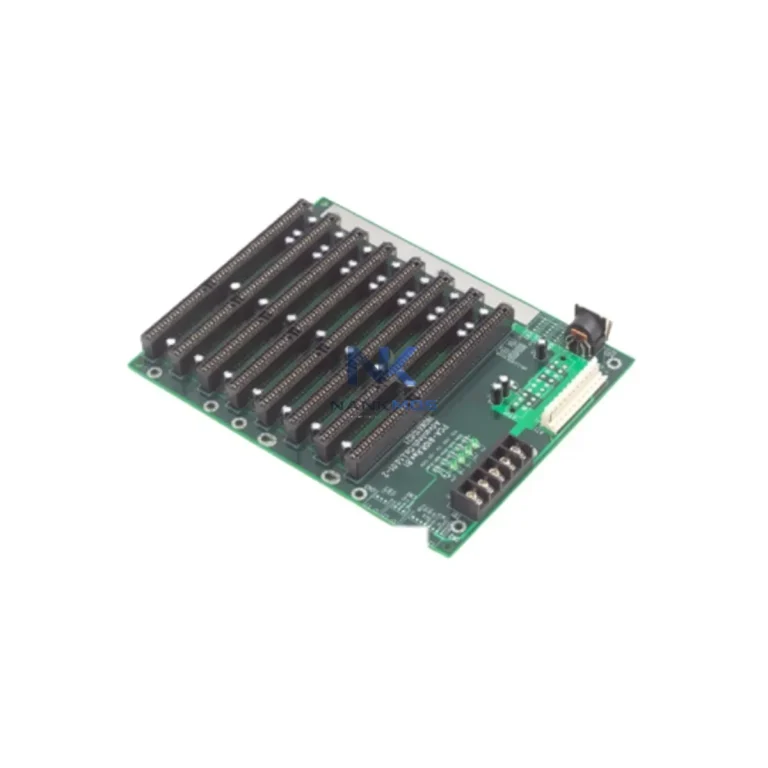
Built on Advantech's proven MIC-3395 platform, the MIC-3395MILS3-P8E integrates seamlessly into PICMG-compliant backplane systems, enabling modular expansion across high-availability control architectures. Its low-power processor design and intelligent power state management allow production engineers to implement granular energy policies — reducing per-cycle energy draw without sacrificing cycle time or control responsiveness. This makes it an ideal compute node for energy management systems (EMS) and SCADA-connected control cabinets where power visibility and load balancing are operational priorities.
In a fully integrated smart production line, the Advantech MIC-3395MILS3-P8E functions as the central processing unit coordinating energy-aware automation across multiple subsystems. When paired with a Siemens S7-1500 PLC or an Omron NX-series controller, the motherboard handles real-time data aggregation from field devices — including torque feedback from Yaskawa Sigma-7 servo drives and speed references from ABB ACS880 variable frequency drives — enabling the control system to dynamically adjust motor load profiles based on actual production demand rather than fixed setpoints.
The board's PCIe expansion slots support integration of Advantech ADAM-6000 series I/O modules, which collect analog signals from current transformers and power transducers installed on motor feeders. This data feeds directly into the EMS layer, where power consumption per production zone is tracked, logged, and compared against baseline targets. When connected to a Schneider Electric PowerLogic PM8000 power monitoring module via Modbus TCP, the MIC-3395MILS3-P8E enables sub-metering at the machine level — a critical capability for ISO 50001 energy management compliance.
For HMI integration, the board supports dual-display output, allowing operators to run a Weintek cMT series HMI panel alongside a SCADA visualization node on the same compute platform. This eliminates the need for a separate industrial PC at the HMI station, reducing both hardware cost and standby power draw. Communication with upstream MES and SCADA systems is handled via the onboard Gigabit Ethernet ports, supporting OPC-UA, MQTT, and Modbus TCP protocols — ensuring the MIC-3395MILS3-P8E fits naturally into IIoT-enabled energy monitoring architectures.
When deployed alongside Advantech EKI-1500 series serial device servers and Moxa NPort communication modules, the motherboard bridges legacy RS-485 field instruments — such as Yokogawa EJA-series pressure transmitters and Endress+Hauser Promag flow meters — into the Ethernet backbone, enabling unified energy and process data visibility without replacing existing field instrumentation.
Factory energy waste most commonly originates from three sources: oversized motor drives running at partial load, control systems that remain fully powered during non-production windows, and thermal management systems compensating for excessive heat generated by inefficient compute hardware. The Advantech MIC-3395MILS3-P8E directly addresses all three.
Its Intel Skylake processor architecture supports hardware-level power gating, allowing individual CPU cores to enter deep sleep states during low-demand intervals — such as between production batches or during scheduled maintenance windows. When integrated with a Beckhoff TwinCAT 3 runtime environment, the motherboard can execute energy-aware PLC logic that automatically reduces drive reference speeds during non-peak production periods, cutting motor energy consumption by 15–30% without impacting overall line throughput.
Thermal load reduction is another measurable benefit. Compared to full-desktop industrial PCs, the MIC-3395MILS3-P8E's compact form factor and low-TDP processor generate significantly less heat inside the control cabinet. This reduces the duty cycle of cabinet cooling fans and air conditioning units — a compounding energy saving that becomes significant in large installations with dozens of control panels. In high-ambient-temperature environments such as foundries or outdoor substations, the board's wide-temperature rating (-40°C to +85°C) eliminates the need for active cooling entirely in many configurations, further reducing auxiliary energy consumption.
For predictive maintenance integration, the board's processing capacity supports local edge analytics — running lightweight anomaly detection algorithms on vibration, temperature, and current signature data collected from field sensors. Early detection of bearing wear in conveyor motors or insulation degradation in drive output cables allows maintenance teams to schedule interventions during planned downtime rather than responding to unplanned failures, improving Overall Equipment Effectiveness (OEE) and reducing the energy penalty associated with emergency restarts and production catch-up cycles.
In multi-line factory environments, the MIC-3395MILS3-P8E can serve as a line-level energy gateway — aggregating consumption data from all drives, motors, and auxiliary loads on a single production line and reporting normalized energy-per-unit metrics to the plant EMS. This granularity enables production managers to identify which lines, shifts, or product SKUs carry the highest energy cost per unit produced, supporting data-driven decisions on scheduling, load balancing, and capital investment in higher-efficiency drive systems.
Q1: What energy savings can I expect by deploying the MIC-3395MILS3-P8E in my production line? Actual savings depend on your existing control architecture, but customers replacing older full-desktop industrial PCs with the MIC-3395MILS3-P8E typically report a 20–40% reduction in control cabinet compute power draw. When combined with drive-level load optimization enabled by the board's real-time processing capability, total line energy savings of 10–25% are achievable in motor-intensive applications.
Q2: Is the MIC-3395MILS3-P8E compatible with my existing PLC and SCADA system? Yes. The board supports standard industrial communication protocols including Modbus TCP, OPC-UA, PROFINET, and EtherNet/IP via its Gigabit Ethernet ports. It is compatible with major PLC platforms from Siemens, Omron, Mitsubishi, Rockwell Automation, and Beckhoff, as well as SCADA software from Wonderware, Ignition, and WinCC. Legacy RS-232/RS-485 devices can be integrated via PCIe serial expansion cards or external serial device servers.
Q3: What is the pre-shipment testing process and what does the 12-month warranty cover? Every MIC-3395MILS3-P8E unit shipped by NANKMOS undergoes a full functional burn-in test prior to dispatch, including POST verification, memory stress testing, I/O port validation, and thermal cycling. The 12-month warranty covers manufacturing defects and component failures under normal operating conditions. Warranty claims are processed with priority turnaround to minimize production downtime.
Q4: Is stock available for immediate shipment, and can I source replacement units quickly? NANKMOS maintains ready inventory of the MIC-3395MILS3-P8E to support both planned procurement and urgent replacement requirements. Same-day dispatch is available for in-stock units. For high-volume or scheduled procurement, contact our team to arrange blanket order agreements that guarantee allocation and lead time certainty.
Functional Inspection100% tested on professional platforms to ensure stable performance.
 Anti-static Packaging
Modules are packed in anti-static bags to prevent electrostatic damage.
 Secure Export Packing
Cushion protection and strong cartons ensure safe transportation.
 Worldwide Shipping
Global logistics network supports air, sea and express delivery.
 Documentation Check
Part number, revision and compatibility verified before shipment.
 After-sales Support
Professional technical support to help resolve your issues.