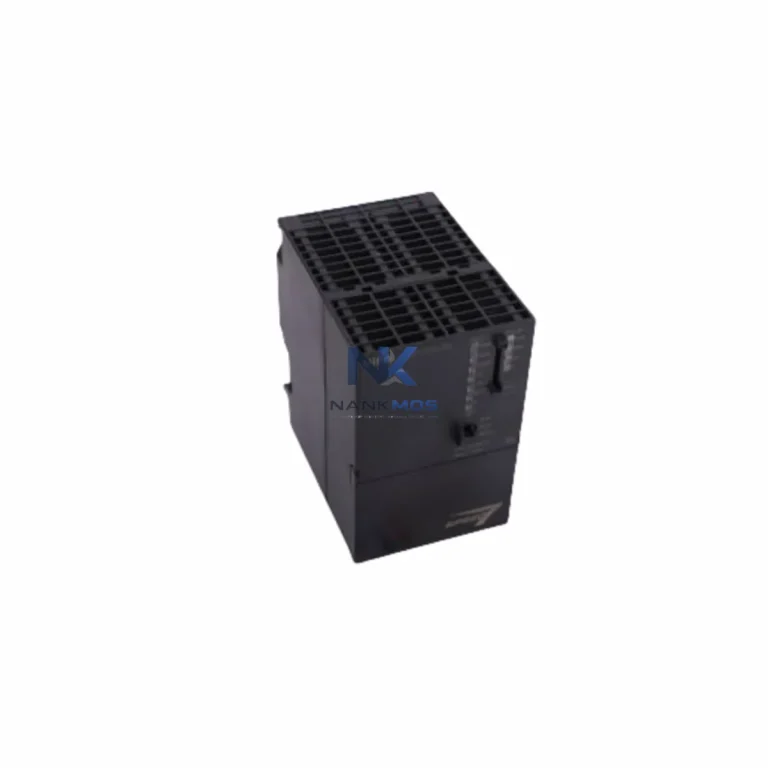
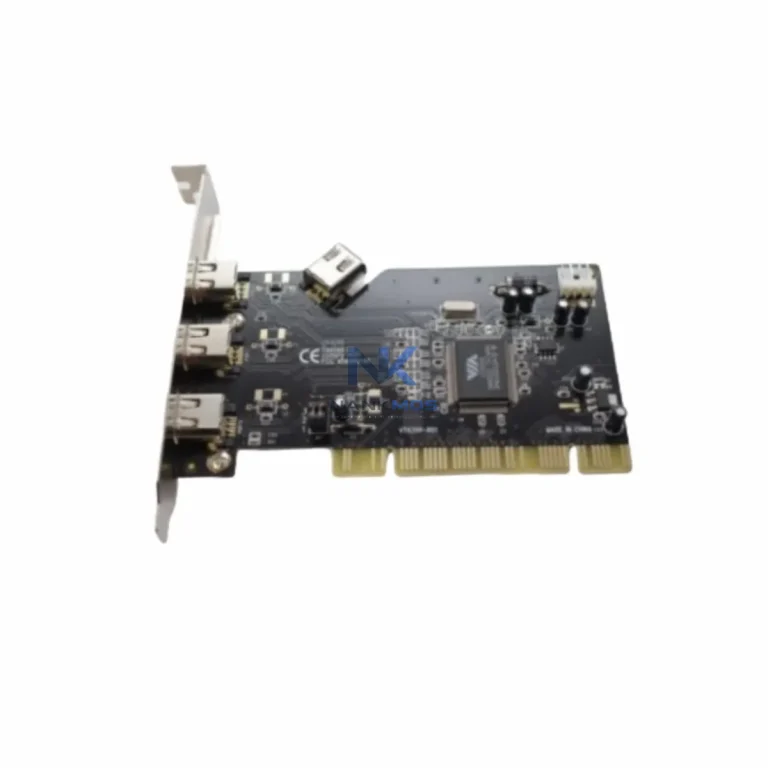
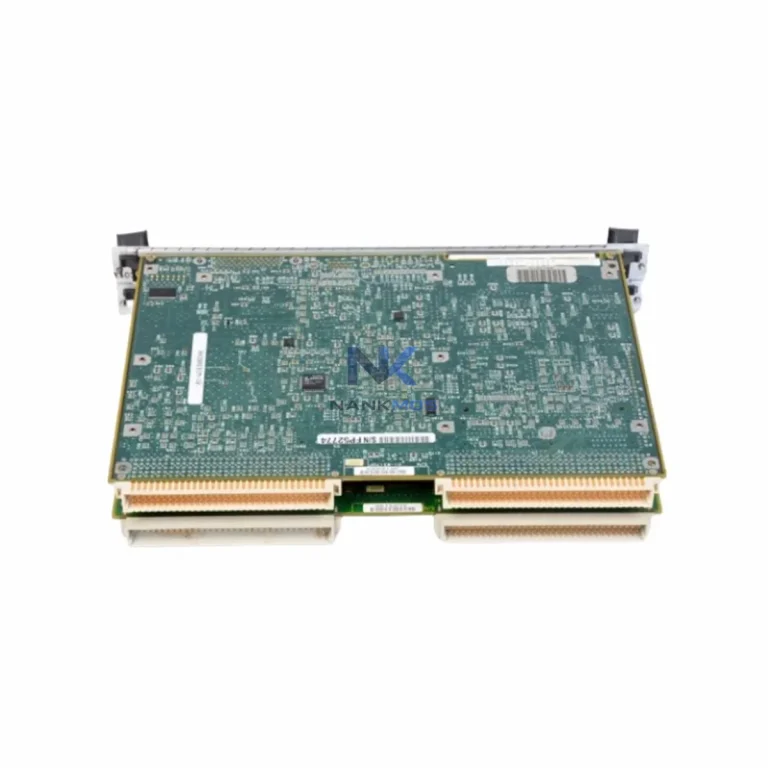
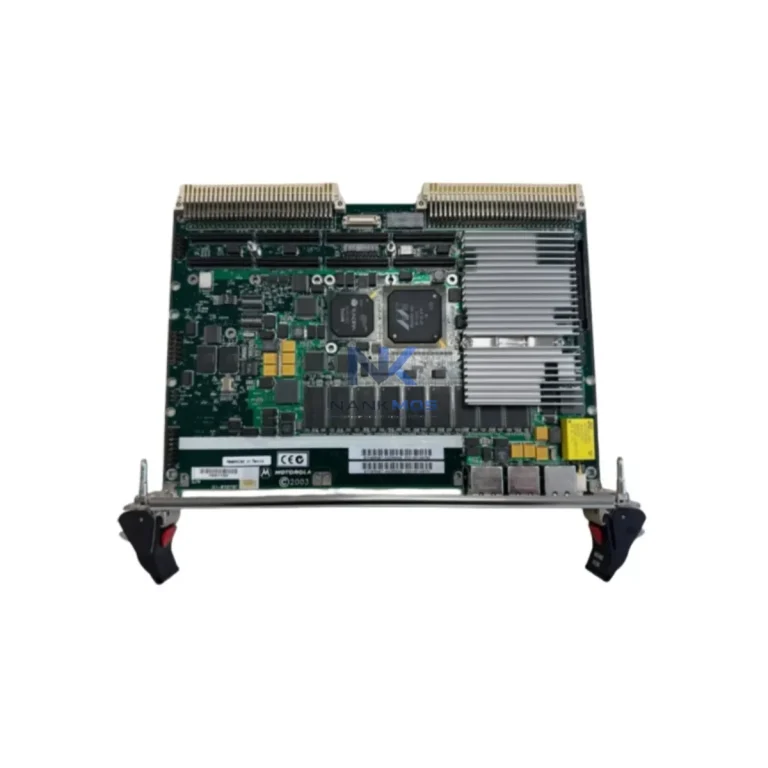
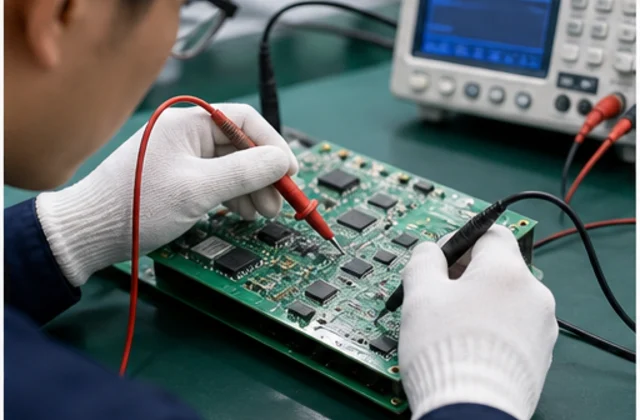
 Functional Inspection
100% tested on professional platforms to ensure stable performance.
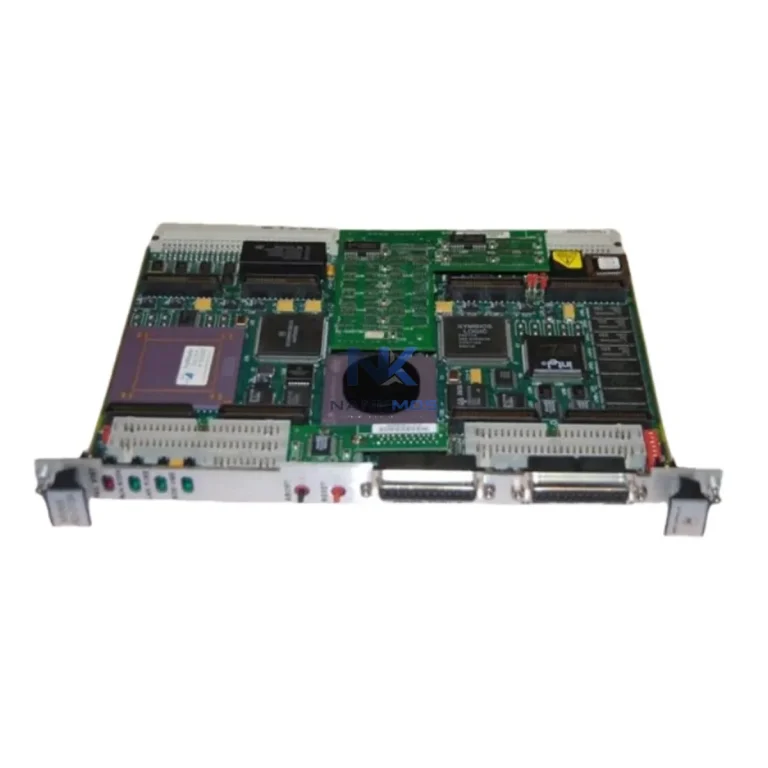
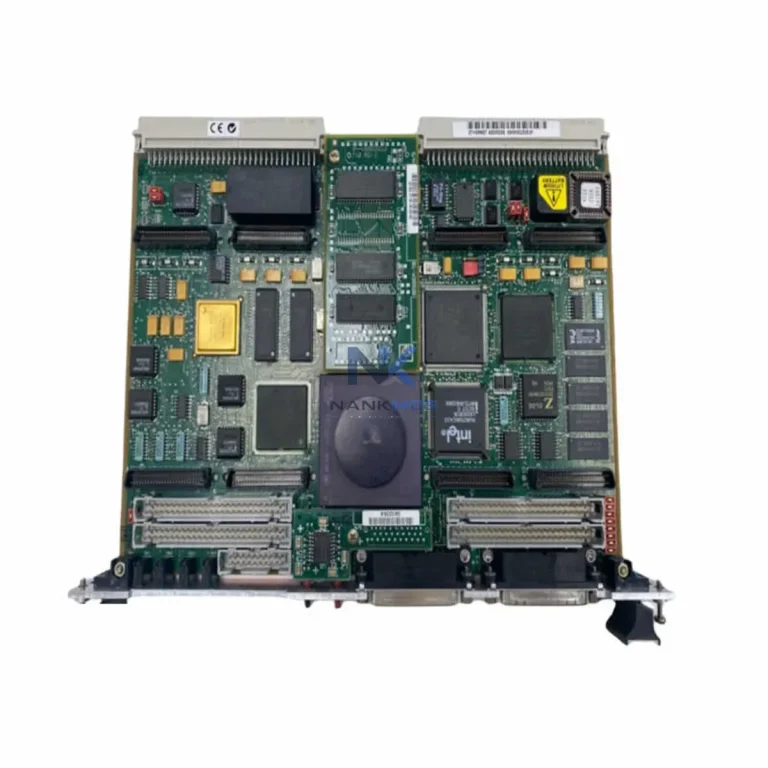
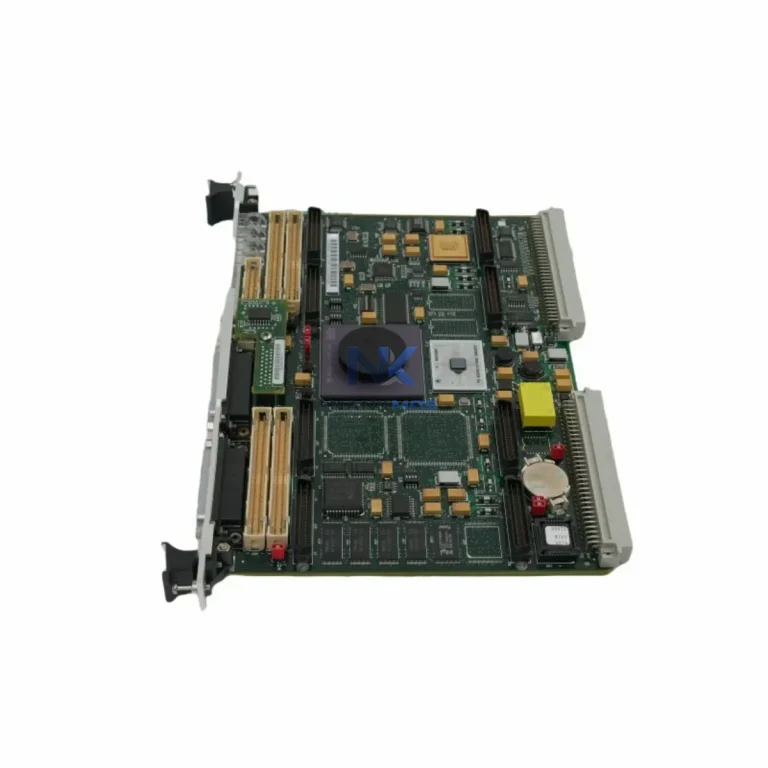
Motorola MVME 162-262 is a NANKMOS industrial automation product record Listed under Other series series and Business & Industrial > Automation, Control & Flow Devices > Programmable Logic Controllers. Confirm condition, availability, lead time, compatibility and documentation by email inquiry.
Brand names are used for identification only.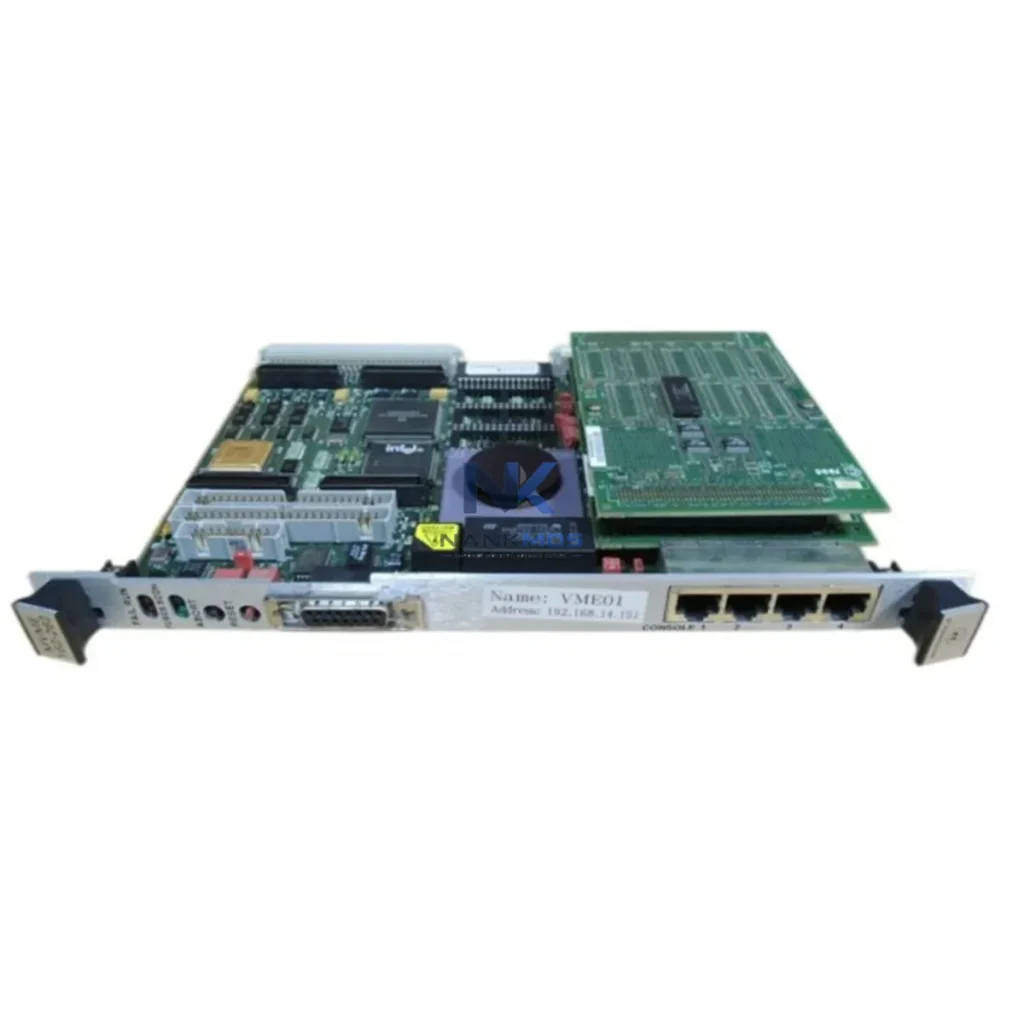
Motorola MVME 162-262 is a NANKMOS industrial automation product record Listed under Other series series and Business & Industrial > Automation, Control & Flow Devices > Programmable Logic Controllers. Confirm condition, availability, lead time, compatibility and documentation by email inquiry.
| Manufacturer | Motorola |
|---|---|
| Application | Industrial Network & Bus Termination |
| Part Number / Model | MVME 162-262 |
| Compatible System | Confirmed by inquiry |
| Condition Options | To Confirm |
| Module Type | Bus / Network Interface Module |
| Warranty | 12 Months |
| Packaging | Anti-static Bag / Secure Box |
| Shipping Methods | DHL / FedEx / UPS / Air / Sea |
| Availability | To Confirm |
| Lead Time | To Confirm |
| Documentation | Part number and revision checked before quote |
The Motorola MVME162-262 is a high-performance VMEbus embedded controller engineered for industrial data link architectures where reliable protocol conversion, real-time communication, and seamless SCADA/HMI integration are mission-critical. Designed for deployment in process automation, energy management, and smart factory environments, the MVME162-262 serves as the central intelligence node connecting field-level devices to supervisory control systems across multi-vendor industrial networks. Its robust VMEbus architecture enables deterministic data exchange between PLCs, remote I/O modules, HMI panels, and upper-level MES/SCADA platforms, making it a cornerstone component in any connected factory data flow design.
In modern industrial automation sites, the challenge is not simply processing data — it is ensuring that data flows without interruption from sensors and actuators at the field level all the way to enterprise dashboards and cloud analytics platforms. The MVME162-262 addresses this challenge by providing a stable, high-throughput embedded processing environment capable of handling protocol translation, real-time alarm feedback, and remote diagnostic communication simultaneously. Whether integrated into a Motorola MVME-series VMEbus chassis alongside MVME712M transition modules or deployed as a standalone gateway node within a distributed control architecture, the MVME162-262 delivers the connectivity backbone that smart factories depend on.
The MVME162-262 operates at the heart of a layered industrial data flow architecture. At the field level, sensors, transmitters, and actuators feed real-time process data — temperature, pressure, flow rate, motor speed — into remote I/O modules and intelligent field devices. These signals are aggregated and passed upward through serial communication links or VMEbus backplane connections into the MVME162-262 embedded controller, where onboard processing handles data normalization, protocol conversion, and alarm threshold evaluation.
Within a typical VMEbus chassis deployment, the MVME162-262 operates alongside companion modules such as the MVME712M transition module, which provides the physical I/O interface layer for serial and Ethernet connectivity. Data processed by the MVME162-262 is then forwarded via serial Modbus RTU or proprietary Motorola IPC protocols to upstream SCADA servers, where platforms such as Wonderware InTouch or Ignition SCADA aggregate process variables into real-time dashboards and historian databases. Operators at HMI workstations — including panel-mounted industrial PCs or dedicated HMI terminals — receive live process data with sub-second latency, enabling rapid response to process deviations.
In distributed control architectures, the MVME162-262 frequently works in tandem with Motorola MVME147 or MVME167 single-board computers acting as co-processors or communication bridges within the same VMEbus chassis. This multi-board configuration allows the system to handle parallel data streams from multiple field zones simultaneously, supporting plant-wide transparency across production lines, utility systems, and energy monitoring networks. Edge gateway devices — such as industrial protocol converters supporting Modbus-to-OPC-UA translation — can be positioned downstream of the MVME162-262 to extend connectivity toward cloud-based analytics platforms and IIoT data lakes.
Variable frequency drives (VFDs) controlling pump motors, compressors, and conveyor systems transmit operational parameters — output frequency, motor current, fault codes — back through the network to the MVME162-262 for centralized logging and alarm management. Industrial Ethernet switches with managed VLAN support segment the network traffic between control-critical VMEbus data and general plant IT traffic, ensuring deterministic communication latency for time-sensitive control loops. Power supply modules within the VMEbus chassis, such as the Motorola MVME374 or equivalent, provide the regulated DC power rails that sustain continuous 24/7 operation in harsh industrial environments.
The complete data chain — from field sensor signal acquisition through protocol conversion, network transmission, SCADA integration, real-time visualization, and remote diagnostic access — is unified under the MVME162-262's embedded processing architecture, making it an indispensable component in any smart factory connectivity strategy.
Industrial automation sites frequently encounter data gaps that undermine operational efficiency: legacy PLCs communicating over proprietary serial protocols that cannot interface directly with modern Ethernet-based SCADA systems; remote field stations generating process data that never reaches the control room due to protocol incompatibility; production lines operating as isolated data islands with no visibility into upstream or downstream process states.
The MVME162-262 directly addresses these challenges. Its VMEbus architecture supports modular expansion, allowing engineers to add communication daughter boards or protocol conversion modules within the same chassis without redesigning the control system. Serial Modbus RTU support enables the MVME162-262 to act as a gateway between legacy field instruments — including older Yokogawa transmitters, ABB positioners, or GE Fanuc I/O modules — and modern SCADA platforms that expect OPC or Ethernet-based data feeds.
Remote diagnostic capability is a critical advantage in geographically distributed automation sites. The MVME162-262 supports remote access via serial modem or Ethernet-connected terminal servers, allowing maintenance engineers to interrogate controller status, review alarm logs, and perform firmware diagnostics without dispatching field personnel. This capability significantly reduces mean time to repair (MTTR) and supports predictive maintenance strategies by enabling continuous remote health monitoring of the embedded controller and its connected field devices.
For production line transparency, the MVME162-262 enables real-time data visualization by feeding structured process data to SCADA historian databases, where trend analysis tools can identify performance degradation, energy waste, or equipment wear patterns before they escalate into unplanned downtime. Alarm tracking is centralized through the SCADA integration layer, ensuring that every process deviation — from a pressure exceedance to a communication timeout — is logged with timestamp, severity, and acknowledgment status for full audit traceability.
System expansion is straightforward: additional VMEbus slots within the chassis accommodate new I/O modules, communication boards, or co-processor cards as production requirements grow, protecting the initial infrastructure investment while supporting incremental capacity increases aligned with smart factory roadmap objectives.
Q1: What communication protocols does the Motorola MVME162-262 support for SCADA integration? The MVME162-262 supports serial communication via RS-232 and RS-422 interfaces, enabling Modbus RTU protocol connectivity to SCADA servers and HMI systems. With optional Ethernet daughter boards or external protocol converters, the controller can also interface with OPC-DA/OPC-UA based SCADA platforms. Its VMEbus backplane supports proprietary Motorola IPC messaging for inter-board communication within the same chassis.
Q2: How does the MVME162-262 ensure network stability in 24/7 industrial environments? The MVME162-262 is designed for continuous industrial operation with a wide operating temperature range and robust VMEbus mechanical construction. Its deterministic VMEbus arbitration protocol ensures predictable data transfer latency between boards, critical for real-time control loops. Watchdog timer circuits and hardware reset mechanisms provide automatic recovery from software faults, minimizing unplanned downtime in mission-critical automation sites.
Q3: Can the MVME162-262 be integrated into existing DCS or SCADA architectures without replacing the entire control system? Yes. The MVME162-262 is designed for incremental integration into existing VMEbus-based control architectures. It can coexist with other MVME-series boards — such as MVME147, MVME167, or MVME712M — within the same chassis, and its serial communication ports allow connection to legacy field instruments and modern SCADA gateways simultaneously. This makes it an ideal upgrade path for sites modernizing their data infrastructure without full system replacement.
Q4: What warranty and pre-shipment testing does the MVME162-262 include? Every Motorola MVME162-262 unit supplied by NANKMOS includes a 12-Month Warranty covering hardware defects and operational failures under normal industrial use conditions. Prior to shipment, each unit undergoes functional testing to verify processor operation, memory integrity, communication port functionality, and VMEbus interface compliance. In-stock units are available for dispatch within 1–3 business days, with RFQ responses provided within 24 hours.
Functional Inspection100% tested on professional platforms to ensure stable performance.
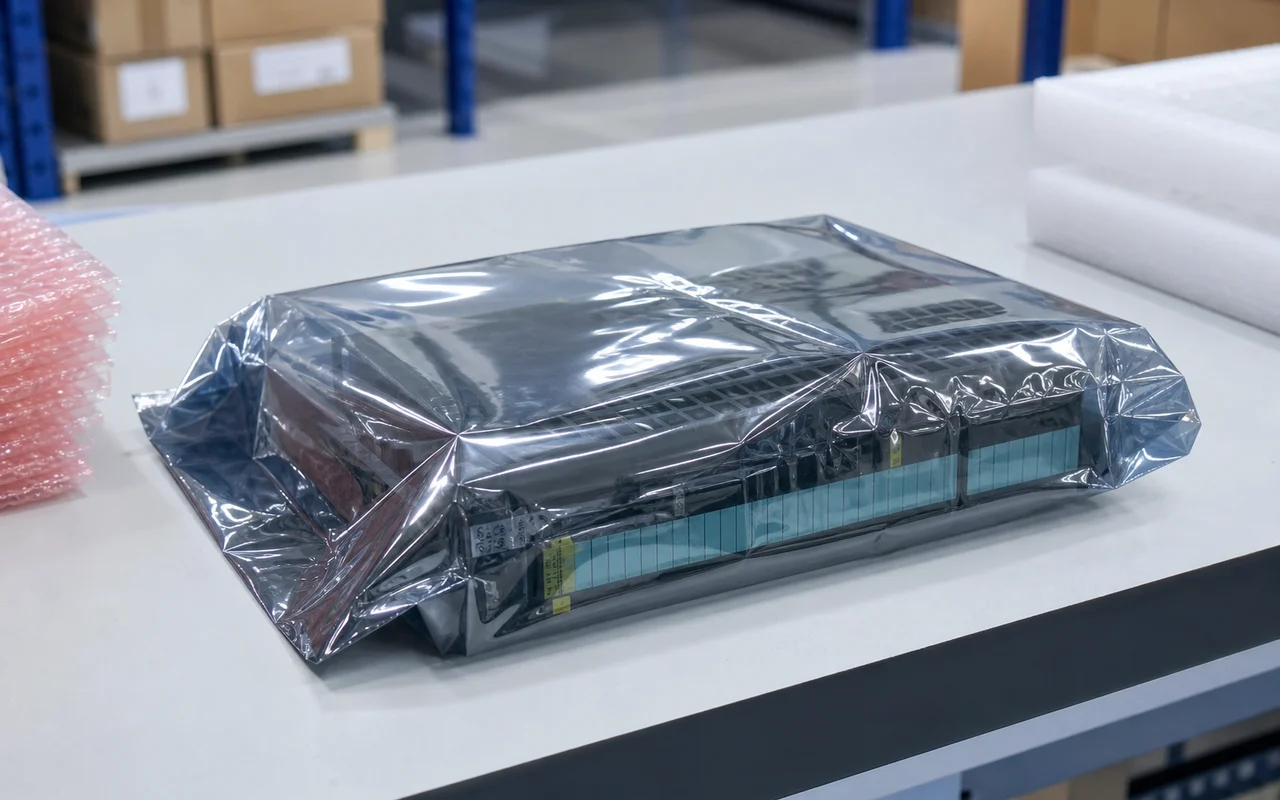 Anti-static Packaging
Modules are packed in anti-static bags to prevent electrostatic damage.
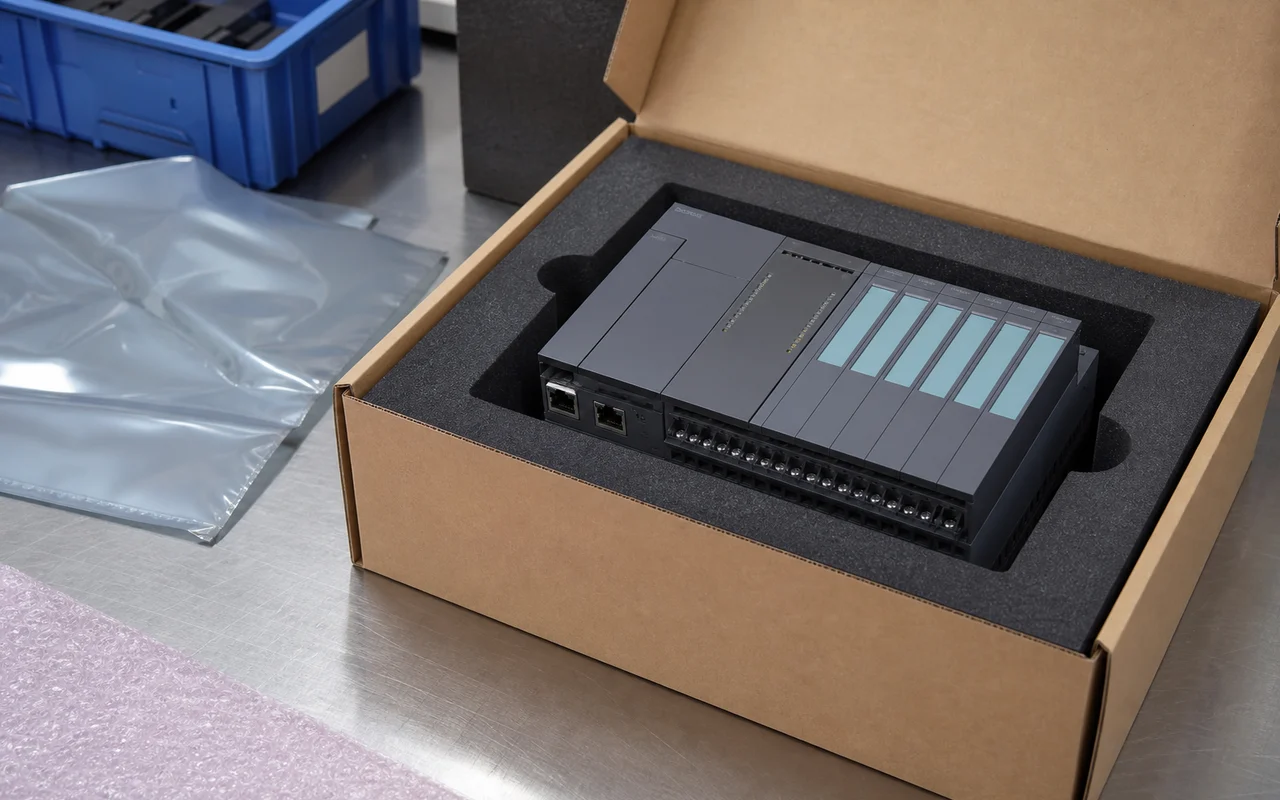 Secure Export Packing
Cushion protection and strong cartons ensure safe transportation.
 Worldwide Shipping
Global logistics network supports air, sea and express delivery.
 Documentation Check
Part number, revision and compatibility verified before shipment.
 After-sales Support
Professional technical support to help resolve your issues.