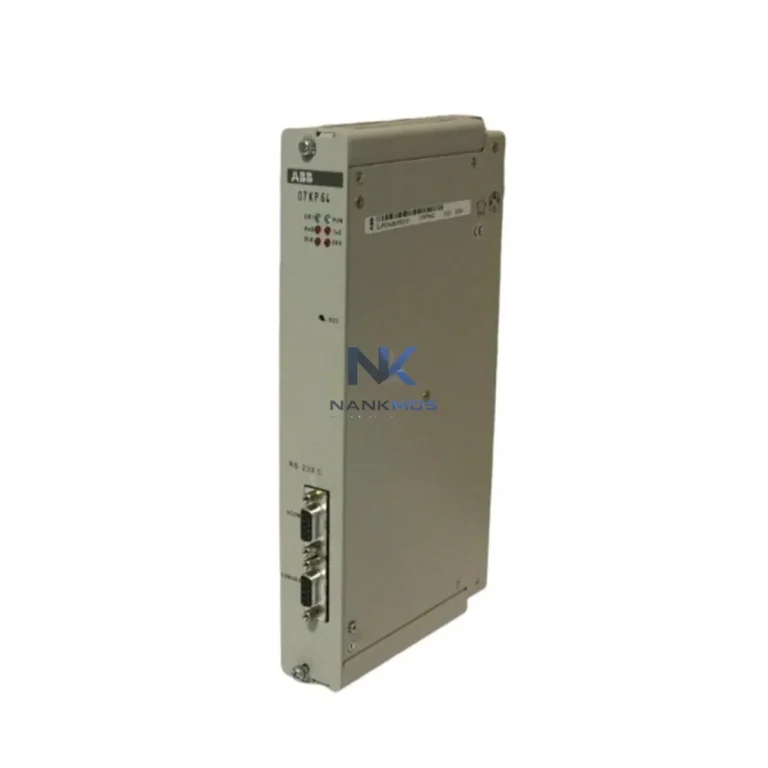
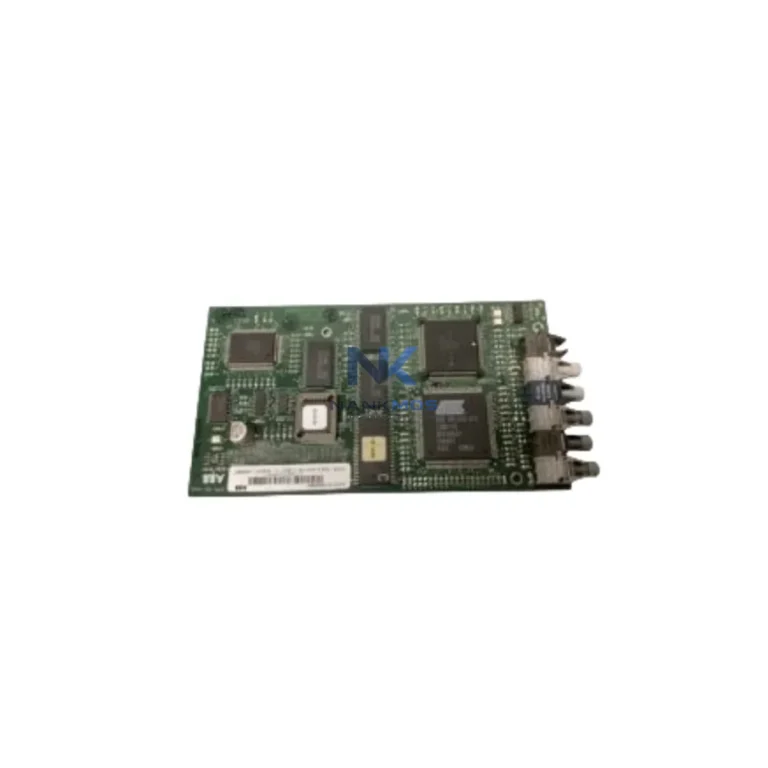
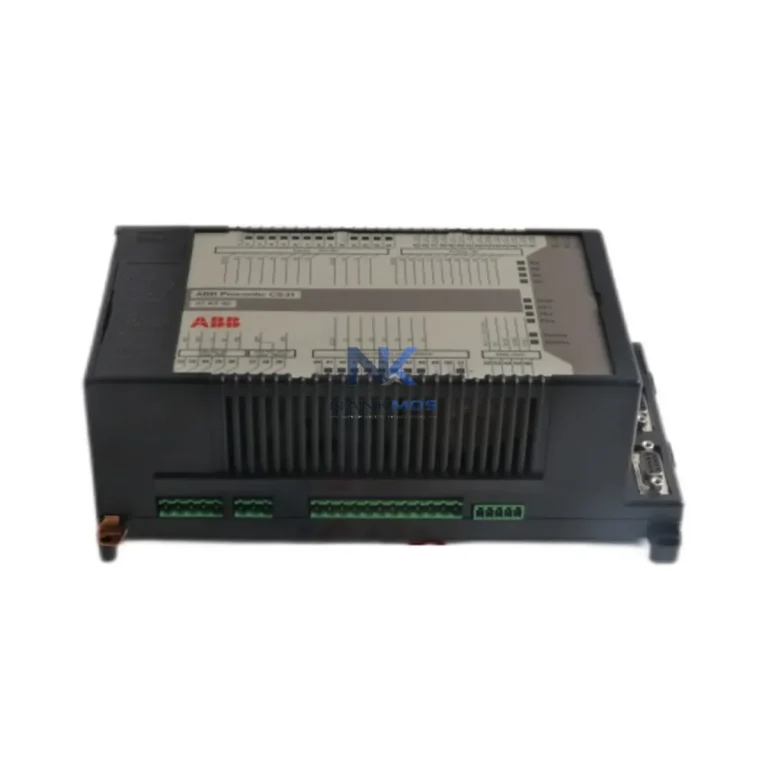
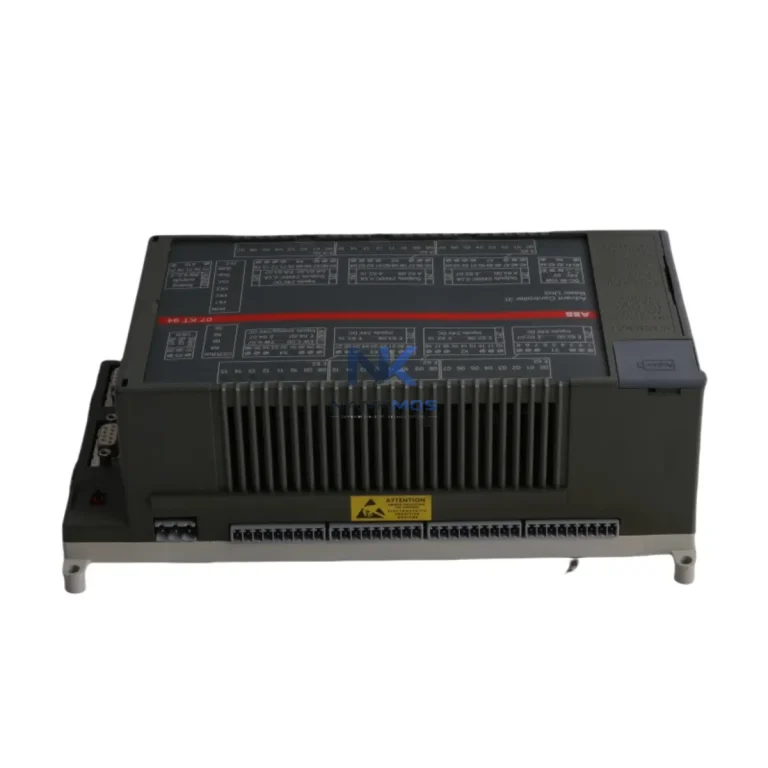
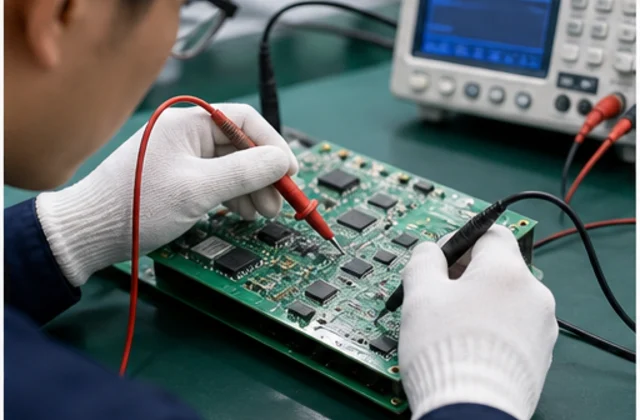
 Functional Inspection
100% tested on professional platforms to ensure stable performance.
OptiMation OL2109 is a NANKMOS industrial automation product record Listed under Other series series and Business & Industrial > Automation, Control & Flow Devices > Programmable Logic Controllers. Confirm condition, availability, lead time, compatibility and documentation by email inquiry.
Brand names are used for identification only.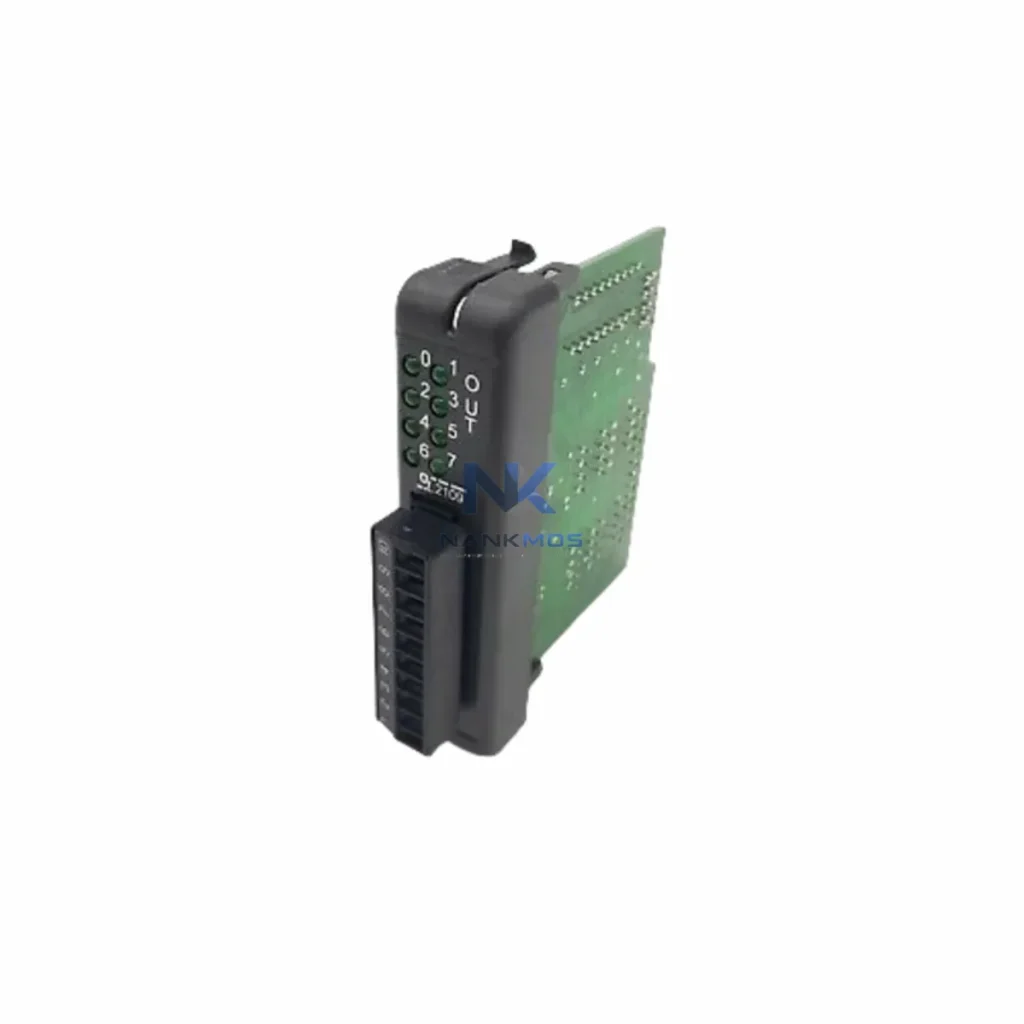
OptiMation OL2109 is a NANKMOS industrial automation product record Listed under Other series series and Business & Industrial > Automation, Control & Flow Devices > Programmable Logic Controllers. Confirm condition, availability, lead time, compatibility and documentation by email inquiry.
| Manufacturer | OptiMation |
|---|---|
| Application | Controller Processing & System Control |
| Part Number / Model | OL2109 |
| Compatible System | Confirmed by inquiry |
| Condition Options | To Confirm |
| Module Type | Controller / CPU Module |
| Warranty | 12 Months |
| Packaging | Anti-static Bag / Secure Box |
| Shipping Methods | DHL / FedEx / UPS / Air / Sea |
| Availability | To Confirm |
| Lead Time | To Confirm |
| Documentation | Part number and revision checked before quote |
The OptiMation OL2109 is a high-density digital output module engineered for the OptiLogTC programmable automation controller platform. Designed to operate at the intersection of precision load switching and energy-aware control logic, the OL2109 delivers deterministic output response times that directly support motor drive sequencing, actuator staging, and load-shedding routines across demanding industrial production environments. Whether deployed in discrete manufacturing, process automation, or energy management infrastructure, the OL2109 provides the output density and electrical isolation characteristics required to reduce unnecessary switching losses, minimize thermal accumulation, and sustain high equipment utilization rates across multi-shift production schedules.
In smart factory architectures where every watt of consumed energy must be justified against production output, the OL2109 serves as a critical interface between the control layer and the field device layer. Its channel-level output control enables the OptiLogTC CPU to execute granular load management strategies — activating only the loads required for each production step, deactivating idle actuators between cycles, and coordinating with upstream energy monitoring systems to enforce site-level power budgets. This level of output precision is foundational to any credible industrial energy optimization program.
The OL2109 does not operate in isolation — its energy efficiency contribution is realized through tight integration with the broader OptiLogTC control architecture and the field devices it commands. In a typical smart production line deployment, the OptiLogTC CPU module executes the control program that determines which output channels on the OL2109 are energized at any given moment. By programming load sequencing logic directly into the CPU scan cycle, engineers can eliminate simultaneous inrush events that spike peak demand and stress the facility's power distribution infrastructure.
On the drive side, the OL2109 output channels are commonly wired to the enable and direction inputs of OptiMation variable frequency drives (VFDs) or compatible third-party inverter units. This arrangement allows the PLC program to command drive start/stop and speed-reference transitions in a coordinated sequence, preventing unnecessary motor run time during inter-cycle gaps and reducing aggregate motor energy consumption across a production shift. When paired with an OptiLogTC analog input module monitoring motor current feedback, the system can detect abnormal load conditions and trigger protective output deactivation before thermal damage occurs.
For facilities implementing power monitoring at the panel level, the OL2109 integrates naturally with OptiMation power measurement modules or third-party DIN-rail energy meters communicating over Modbus RTU. The OL2109's output state data — available to the OptiLogTC CPU in real time — can be correlated with instantaneous power readings to build per-load energy consumption profiles. These profiles feed into SCADA historian databases, enabling energy managers to identify high-consumption loads, validate efficiency improvement measures, and generate compliance reports without manual data collection.
At the human-machine interface layer, operators interact with OL2109-controlled loads through OptiLogTC-compatible HMI panels, where output channel status is displayed as real-time load state indicators. Maintenance personnel can use HMI diagnostic screens to identify channels that are cycling abnormally frequently — a leading indicator of mechanical wear in the connected actuator or valve — allowing predictive maintenance interventions before unplanned downtime disrupts production throughput. Communication between the OptiLogTC controller and plant-level SCADA systems is handled through OptiMation communication modules supporting Ethernet/IP, Modbus TCP, or PROFINET, ensuring that OL2109 output state data is available to enterprise energy management platforms in real time.
On the sensor side, proximity switches, photoelectric sensors, and pressure transducers connected to OptiLogTC digital and analog input modules provide the process feedback that the CPU uses to determine when OL2109 output channels should be activated or deactivated. This closed-loop architecture — sensor input, CPU logic, OL2109 output — is the fundamental mechanism through which smart production lines achieve energy-proportional operation: consuming power only when and where the process demands it.
The most significant energy waste in industrial production environments occurs not during active machining or processing cycles, but during idle periods, changeover intervals, and unplanned stoppages when loads remain energized unnecessarily. The OL2109 addresses this directly by giving the OptiLogTC control program precise, channel-level authority over every connected load. Engineers can implement idle-state deactivation routines that automatically de-energize conveyors, pneumatic valves, heating elements, and auxiliary motors when the production line enters a hold or changeover state — reducing standby power consumption without requiring operator intervention.
Thermal load management is a secondary but equally important benefit. In high-density control panel installations, unnecessary output switching generates heat that accumulates in the enclosure and forces cooling systems to work harder. By minimizing spurious output transitions through well-structured PLC logic, the OL2109 contributes to lower panel temperatures, extended component service life, and reduced air conditioning energy consumption in the control room. This thermal efficiency benefit compounds over time, particularly in facilities operating continuous three-shift production schedules.
Production line throughput optimization — often called takt time management — also benefits from the OL2109's deterministic output response. When the OptiLogTC CPU issues an output command, the OL2109 responds within its specified propagation delay, ensuring that actuators, drives, and solenoids receive their control signals at precisely the right moment in the production cycle. Consistent, repeatable output timing reduces cycle-to-cycle variation, improves part quality, and allows production planners to schedule maintenance windows with confidence that the line will meet its throughput targets when it returns to service.
All OL2109 units supplied by NANKMOS undergo outgoing quality inspection prior to shipment, including functional output channel verification and isolation resistance testing. This pre-shipment testing protocol ensures that every module arrives ready for immediate installation and commissioning, minimizing the risk of production delays caused by field failures during initial startup. Combined with NANKMOS's 12-month warranty coverage, customers can deploy the OL2109 with confidence in both product quality and post-sale support continuity.
Q1: How does the OL2109 contribute to measurable energy savings on a production line? The OL2109 enables the OptiLogTC CPU to implement load-shedding and idle-state deactivation routines at the individual output channel level. By de-energizing non-essential loads during inter-cycle gaps, changeovers, and planned holds, facilities typically observe reductions in standby power consumption proportional to the number and rating of controlled loads. When combined with power monitoring modules logging energy data to a SCADA historian, the savings can be quantified per shift and reported to energy management stakeholders.
Q2: Is the OL2109 compatible with third-party PLCs or only OptiLogTC controllers? The OL2109 is designed as a native backplane module for the OptiLogTC platform and communicates with the CPU through the OptiMation backplane bus. Integration with third-party PLC platforms would require a gateway or remote I/O adapter. For multi-vendor control architectures, NANKMOS can advise on compatible communication modules that bridge OptiLogTC I/O to Modbus TCP or PROFINET networks accessible by other controllers.
Q3: What is the recommended replacement or upgrade path if the OL2109 reaches end of service life? NANKMOS maintains stock of OL2109 modules to support both new installations and replacement requirements. For facilities planning control system upgrades, our technical team can assess compatibility with newer OptiLogTC CPU generations and advise on any configuration changes required to migrate existing output wiring and PLC programs. Replacement modules are subject to the same outgoing quality inspection and 12-month warranty as new units.
Q4: What does the 12-month warranty cover, and how is it supported? The 12-month warranty provided by NANKMOS covers manufacturing defects and functional failures under normal operating conditions from the date of shipment. Warranty claims are processed through NANKMOS's technical support team. Customers are advised to retain shipment documentation and inspection records as part of the warranty claim process. NANKMOS's in-stock position on OL2109 modules ensures that replacement units can be dispatched promptly to minimize production downtime in the event of a warranty claim.
Functional Inspection100% tested on professional platforms to ensure stable performance.
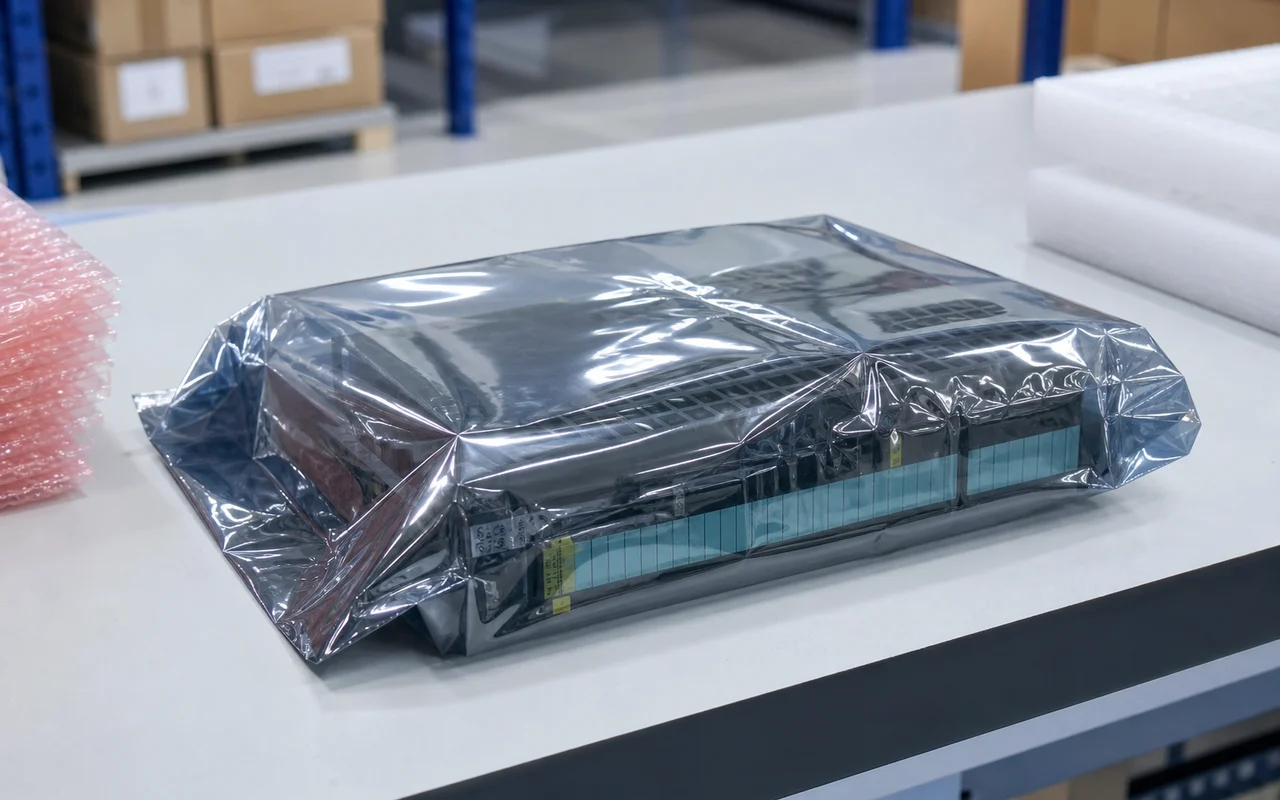 Anti-static Packaging
Modules are packed in anti-static bags to prevent electrostatic damage.
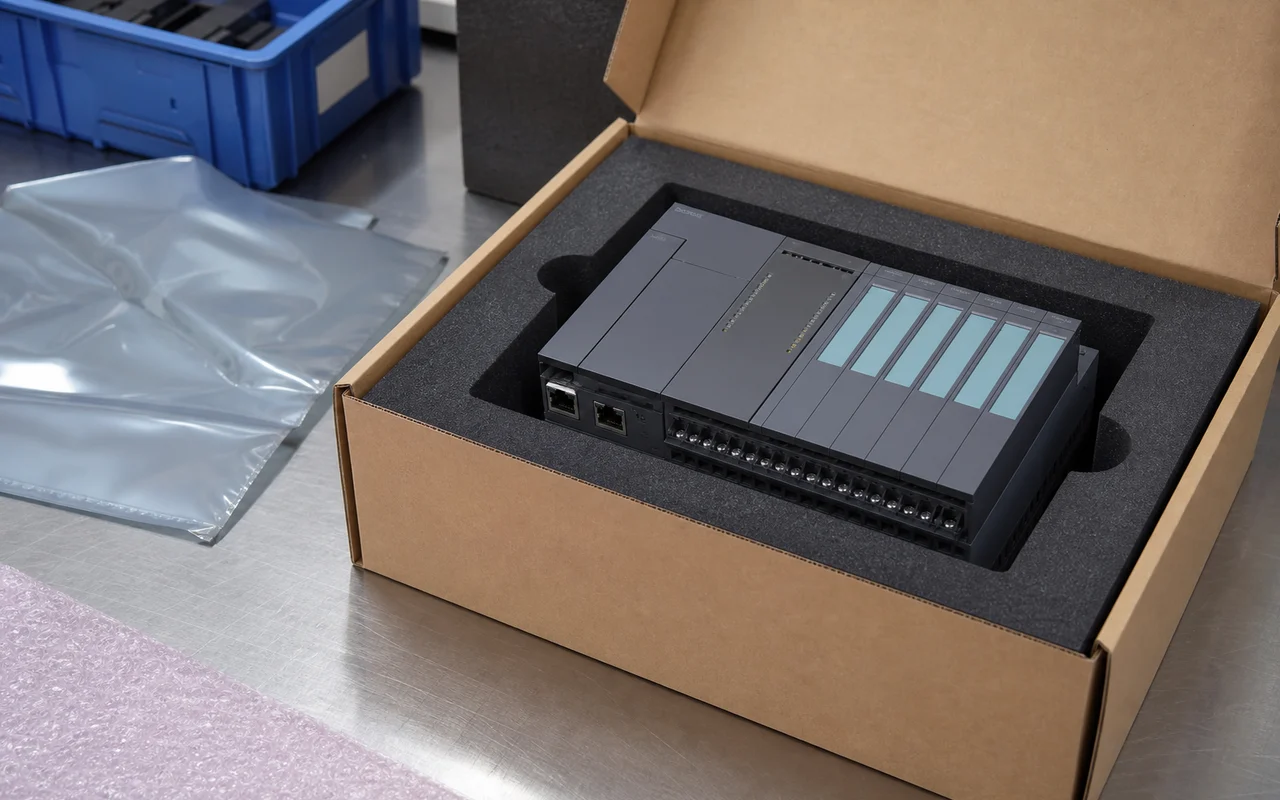 Secure Export Packing
Cushion protection and strong cartons ensure safe transportation.
 Worldwide Shipping
Global logistics network supports air, sea and express delivery.
 Documentation Check
Part number, revision and compatibility verified before shipment.
 After-sales Support
Professional technical support to help resolve your issues.