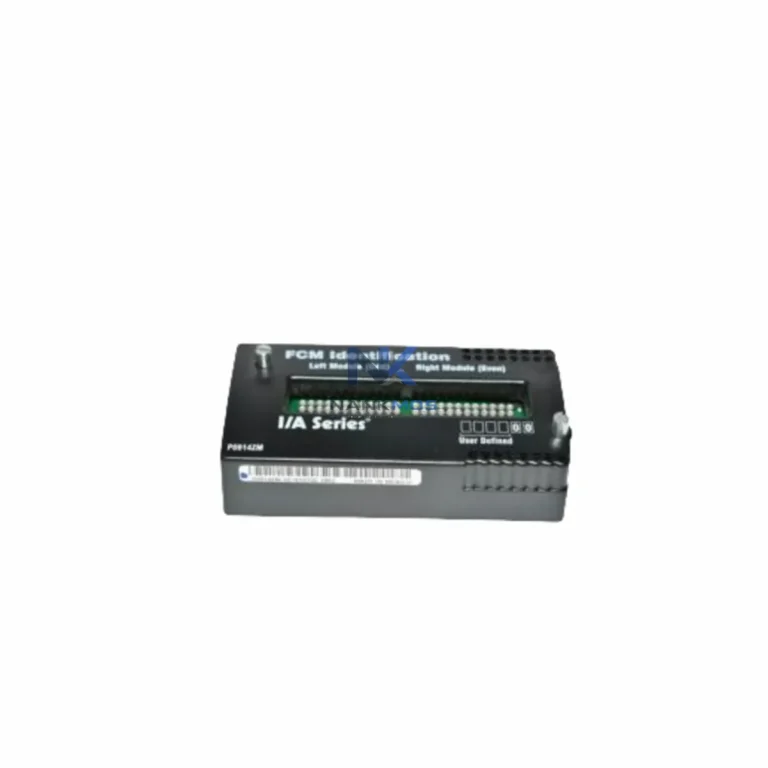
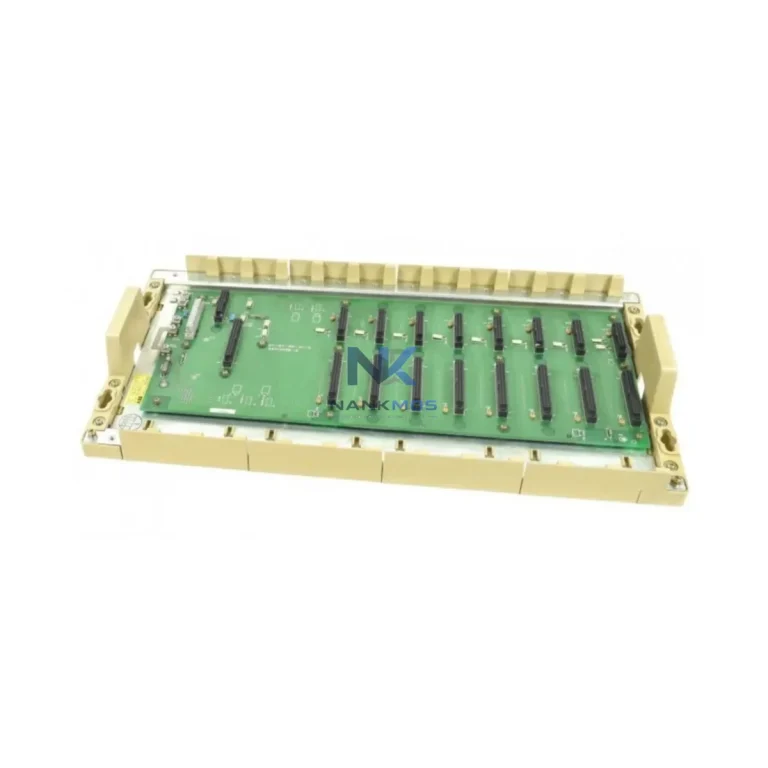
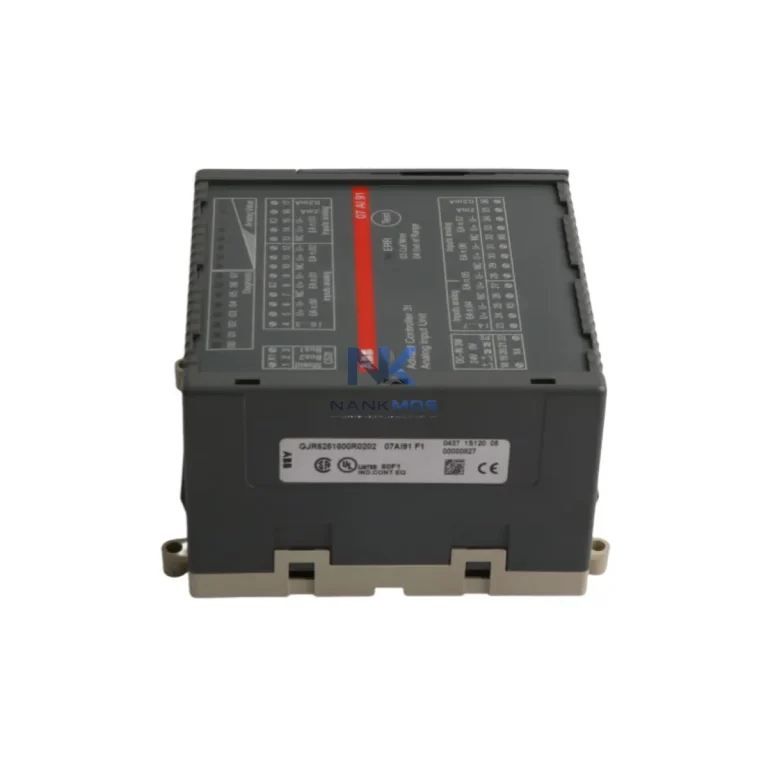
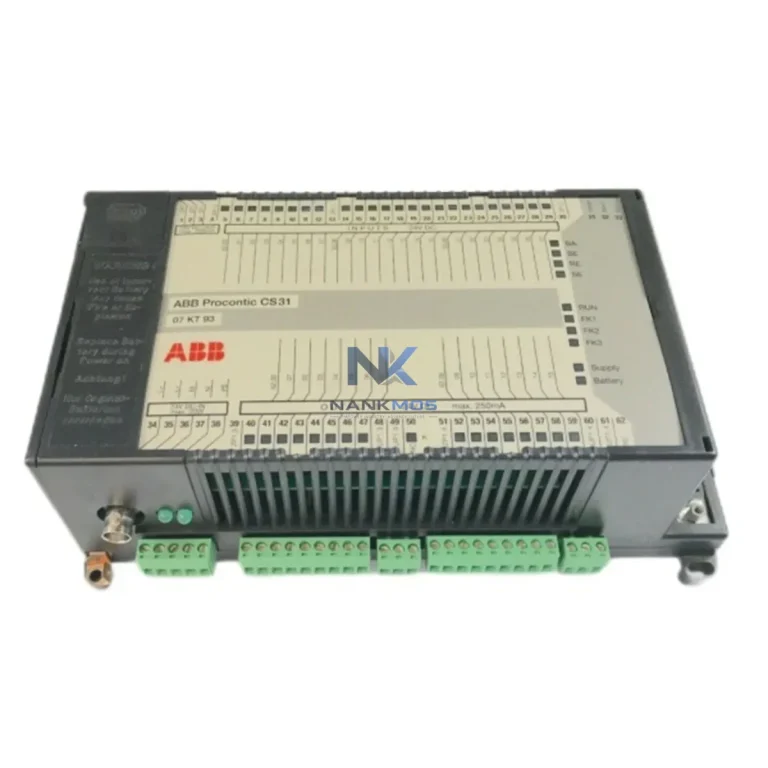
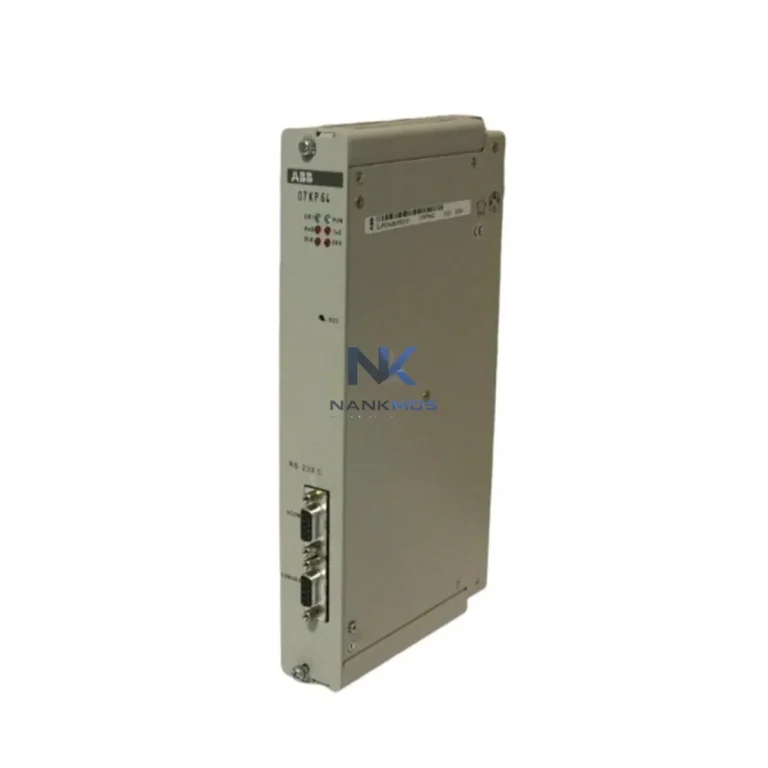
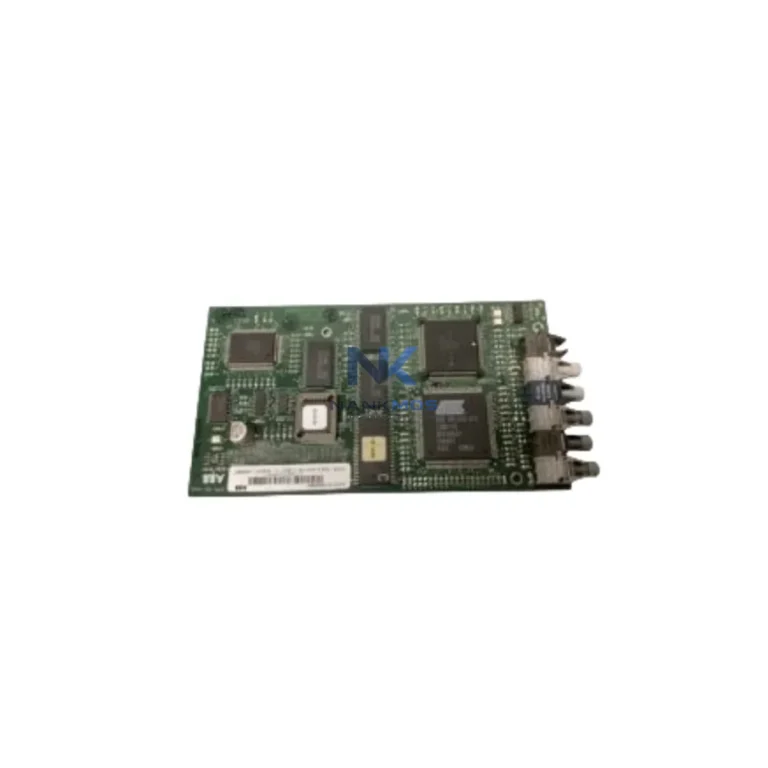
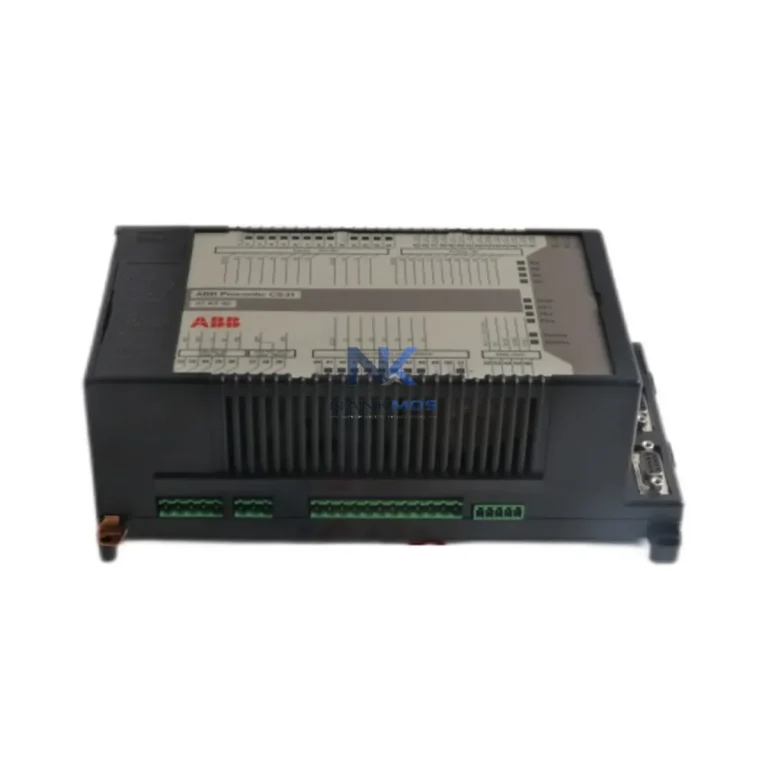
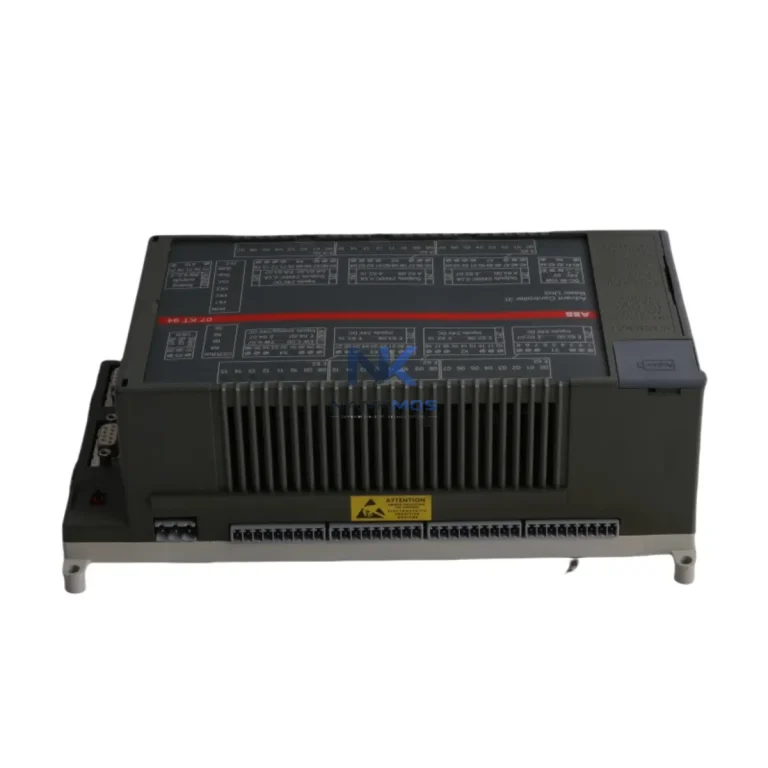
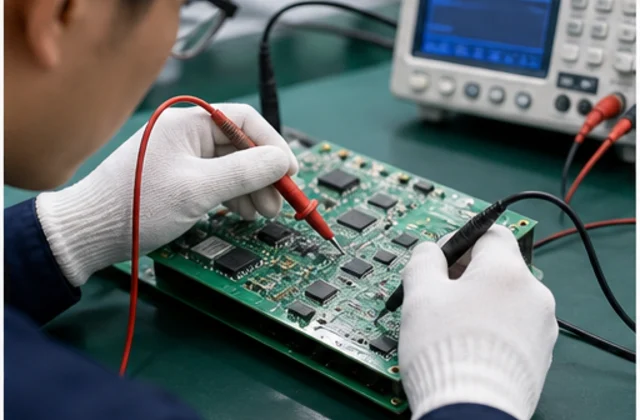
 Functional Inspection
100% tested on professional platforms to ensure stable performance.
Johnson Electric PCD3.A465 is a NANKMOS industrial automation product record Listed under Other series series and Business & Industrial > Automation, Control & Flow Devices > Programmable Logic Controllers. Confirm condition, availability, lead time, compatibility and documentation by email inquiry.
Brand names are used for identification only.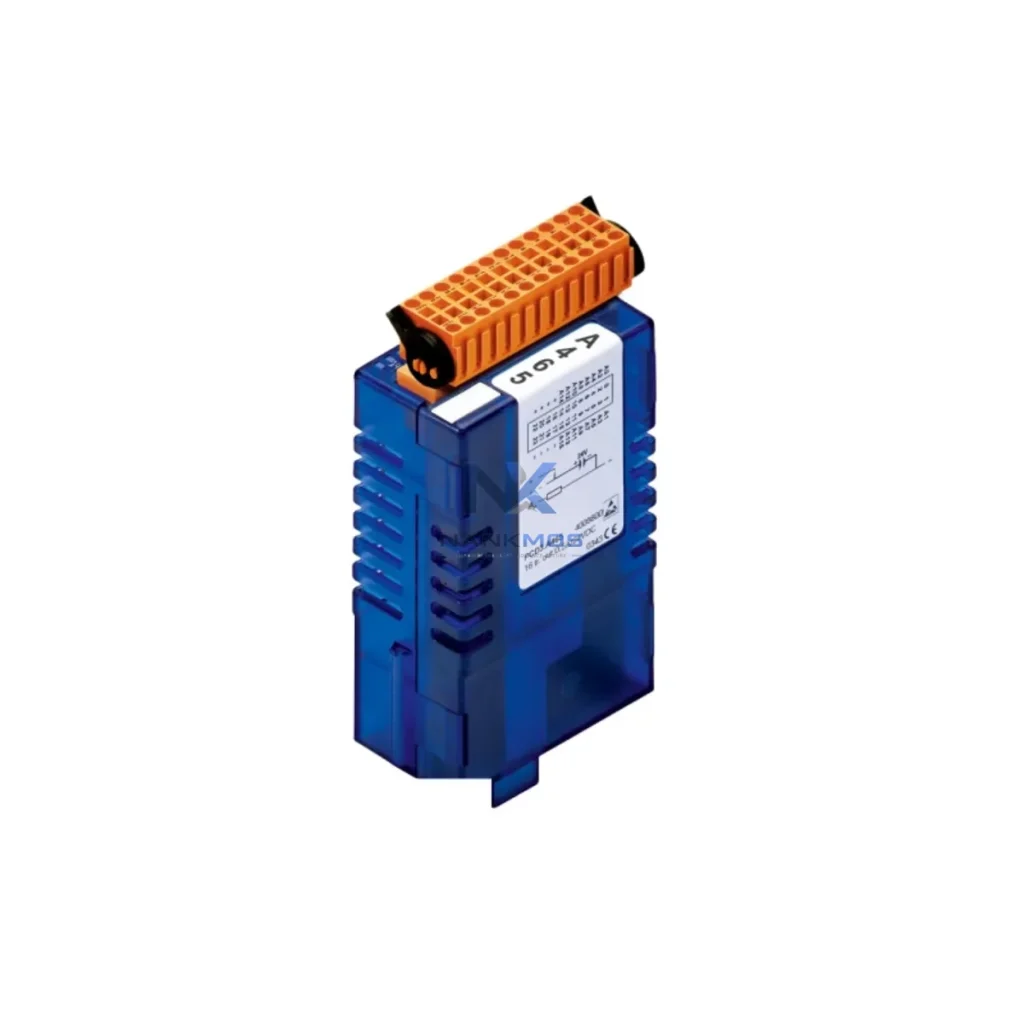
Johnson Electric PCD3.A465 is a NANKMOS industrial automation product record Listed under Other series series and Business & Industrial > Automation, Control & Flow Devices > Programmable Logic Controllers. Confirm condition, availability, lead time, compatibility and documentation by email inquiry.
| Manufacturer | Johnson Electric |
|---|---|
| Application | Controller Processing & System Control |
| Part Number / Model | PCD3.A465 |
| Compatible System | Confirmed by inquiry |
| Condition Options | To Confirm |
| Module Type | Controller / CPU Module |
| Warranty | 12 Months |
| Packaging | Anti-static Bag / Secure Box |
| Shipping Methods | DHL / FedEx / UPS / Air / Sea |
| Availability | To Confirm |
| Lead Time | To Confirm |
| Documentation | Part number and revision checked before quote |
The Johnson Electric PCD3.A465 is a high-density digital output module engineered for the Saia Burgess PCD3 modular controller platform. Designed to serve as a reliable last-mile actuator interface in smart factory environments, the PCD3.A465 bridges the gap between PLC control logic and field-level devices — including solenoid valves, relay coils, motor starters, indicator lamps, and pneumatic actuators. With robust signal switching capability and seamless integration into the PCD3 backplane architecture, this module supports real-time command execution across distributed automation networks.
In modern industrial data chain design, the PCD3.A465 sits at the output end of a structured communication hierarchy. Control commands originate from SCADA supervisory systems or HMI operator panels, travel through the PCD3 CPU module via the internal S-Bus or Modbus TCP/IP protocol layer, and are dispatched to field devices through the PCD3.A465's isolated transistor or relay output channels. This deterministic signal path ensures low-latency actuation response — critical for process control in pharmaceutical manufacturing, water treatment, building automation, and energy management applications.
The PCD3.A465 operates as the terminal actuator node within a layered smart factory data architecture. At the field level, sensors and transmitters — such as pressure transducers, flow meters, and temperature probes — feed analog and digital signals into PCD3.E110 or PCD3.E116 digital input modules mounted on the same PCD3 backplane. These signals are processed by the PCD3.M5540 or PCD3.M6860 CPU module, which executes the control program and issues output commands to the PCD3.A465 in real time.
For multi-node distributed control, the PCD3 platform communicates upstream via S-Bus over Ethernet or Modbus TCP/IP to a SCADA server running platforms such as Saia PG5 or third-party supervisory software. HMI panels — including Saia PCD7.D series touchscreens — display live output status, alarm states, and process variables sourced directly from the PCD3 CPU's data registers. The PCD3.A465's output channel states are mapped to SCADA tags, enabling operators to monitor actuator engagement from a central control room or remote workstation.
In applications requiring protocol bridging — for example, integrating legacy Profibus DP field devices with a modern Ethernet backbone — a PCD3.T665 communication module or a dedicated industrial protocol gateway handles the translation layer. This allows the PCD3.A465 to command Profibus-connected actuators without requiring hardware replacement, protecting existing field wiring investments. Similarly, for BACnet-based building automation networks, the PCD3 CPU's native BACnet/IP stack enables the PCD3.A465 to participate in HVAC control loops, lighting management, and access control systems.
Edge computing scenarios benefit from pairing the PCD3 platform with an industrial edge gateway — such as a Moxa UC-8100 or Advantech WISE-5000 series — which aggregates PCD3 data via Modbus TCP and forwards it to cloud analytics platforms or MES systems. This architecture supports real-time OEE monitoring, predictive maintenance alerts, and digital twin synchronization, with the PCD3.A465 providing the physical actuation layer that closes the loop between data-driven decisions and machine-level execution.
Power integrity across the PCD3 rack is maintained by PCD3.P000 or compatible 24 VDC DIN-rail power supplies, ensuring stable voltage delivery to the PCD3.A465's output drivers even under high-cycle switching loads. For applications with redundancy requirements, dual-supply configurations with automatic switchover protect against single-point power failures in critical process lines.
Protocol Fragmentation: Many industrial sites operate a mix of legacy serial protocols (Modbus RTU, Profibus DP) alongside modern Ethernet-based systems (Modbus TCP/IP, EtherNet/IP, BACnet/IP). The PCD3.A465, deployed within the Saia Burgess PCD3 platform, resolves this fragmentation by acting as a unified output interface that responds to commands from any protocol layer the PCD3 CPU supports — eliminating the need for separate protocol converters at each output node.
Data Silos and Production Transparency: Isolated control islands — where PLCs operate independently without upstream data reporting — create blind spots in production monitoring. By integrating the PCD3.A465 into a networked PCD3 system connected to SCADA and MES, every output channel state becomes a visible, logged data point. Operators gain real-time transparency into which actuators are active, how long they have been energized, and how output patterns correlate with production throughput or energy consumption.
Remote Monitoring and Alarm Tracking: Without remote diagnostics, field technicians must physically inspect output modules to identify faults. The PCD3 platform's remote access capability — via VPN-secured Ethernet or cellular modem — allows engineers to read PCD3.A465 output states, force test outputs, and review alarm logs from any location. Alarm events triggered by output failures or unexpected de-energization are timestamped and forwarded to SCADA alarm management systems, enabling rapid root-cause analysis without site visits.
System Scalability: As production lines expand, adding output capacity to a PCD3 system is straightforward — additional PCD3.A465 modules slot directly into available backplane positions, with automatic address assignment and no rewiring of the communication backbone. This modular scalability protects capital investment and reduces commissioning time for new production cells or building zones.
Q1: What communication protocols does the PCD3.A465 support for SCADA integration? The PCD3.A465 itself is a backplane-mounted output module; its communication capability is determined by the PCD3 CPU module it is paired with. Supported protocols include S-Bus (native Saia), Modbus RTU, Modbus TCP/IP, BACnet/IP, and Profibus DP (via communication expansion modules such as the PCD3.T665). This makes the PCD3.A465 compatible with virtually all major SCADA and HMI platforms used in industrial and building automation.
Q2: How is network stability and output reliability ensured in high-cycle applications? The PCD3.A465 features galvanic isolation between its output channels and the backplane logic bus, protecting the CPU and communication network from field-side voltage transients. The PCD3 platform's watchdog timer and redundant power supply options further ensure that output states are maintained or safely de-energized during communication interruptions, preventing uncontrolled actuator behavior in process-critical applications.
Q3: Can the PCD3.A465 be diagnosed and tested remotely without interrupting production? Yes. The Saia PG5 programming environment supports online monitoring of all PCD3.A465 output channel states via Ethernet connection. Individual outputs can be forced on or off in test mode for commissioning verification, and output status registers are accessible via SCADA OPC-UA or Modbus TCP polling without requiring physical access to the control panel. All NANKMOS-supplied PCD3.A465 modules undergo pre-shipment functional testing before dispatch.
Q4: What warranty and supply assurance does NANKMOS provide for the PCD3.A465? NANKMOS provides a 12-month warranty on all PCD3.A465 modules, covering manufacturing defects and functional failures under normal operating conditions. Modules are held in verified stock and ship globally with full documentation. For urgent project requirements, expedited shipping and pre-shipment test reports are available upon request. Contact [email protected] or +86 18359268345 for availability confirmation and lead time.
Functional Inspection100% tested on professional platforms to ensure stable performance.
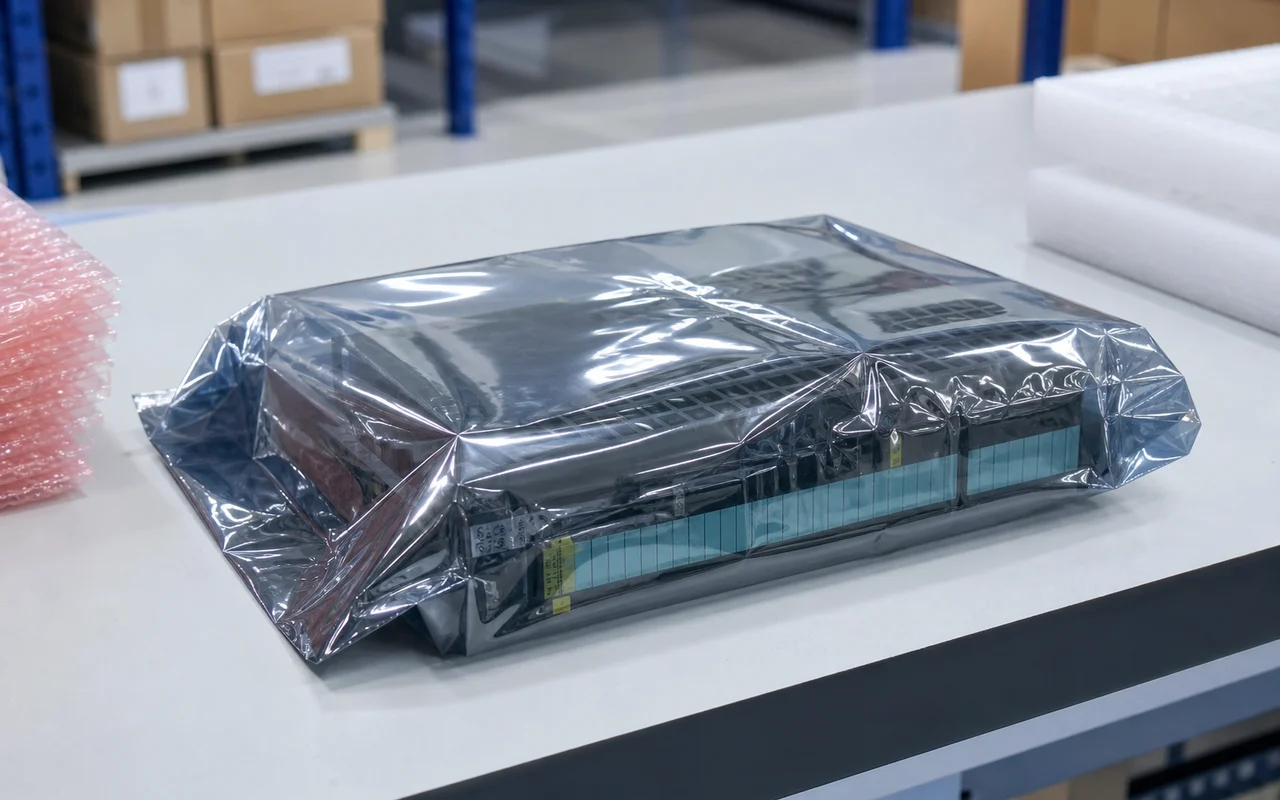 Anti-static Packaging
Modules are packed in anti-static bags to prevent electrostatic damage.
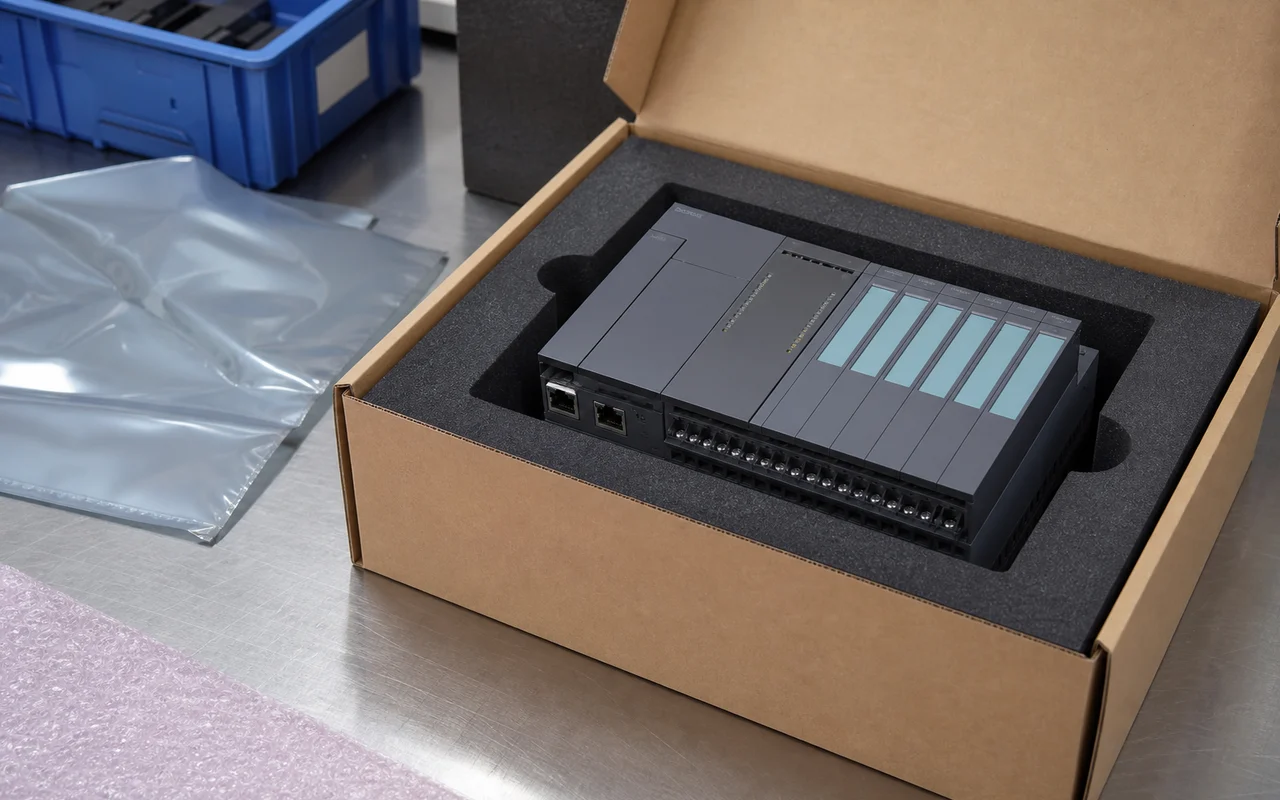 Secure Export Packing
Cushion protection and strong cartons ensure safe transportation.
 Worldwide Shipping
Global logistics network supports air, sea and express delivery.
 Documentation Check
Part number, revision and compatibility verified before shipment.
 After-sales Support
Professional technical support to help resolve your issues.