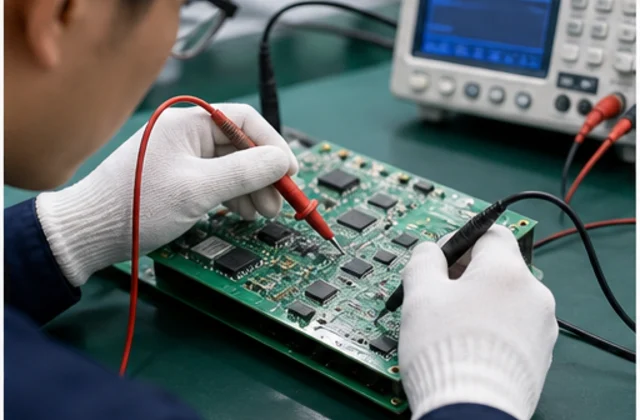
 Functional Inspection
100% tested on professional platforms to ensure stable performance.
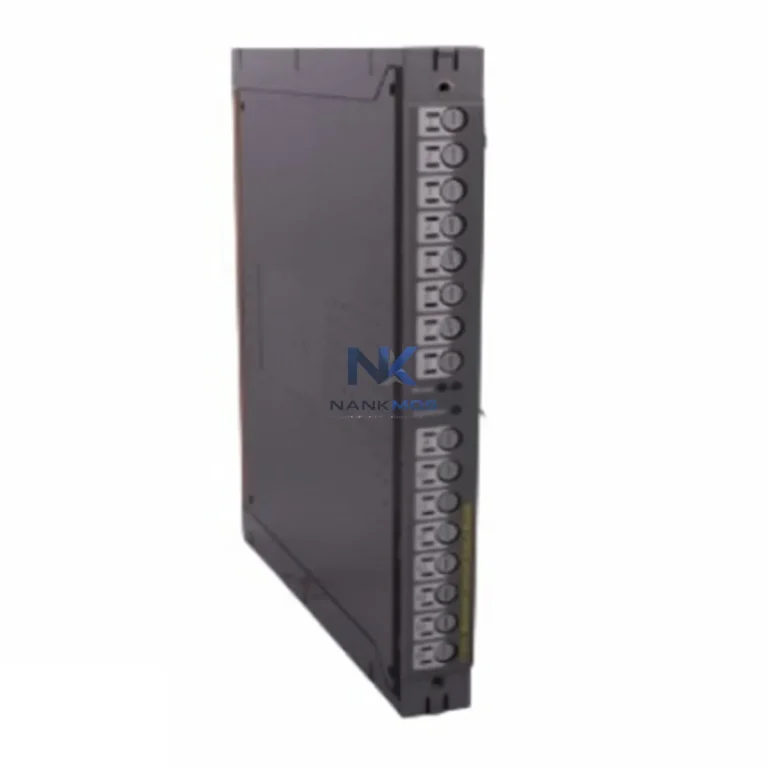
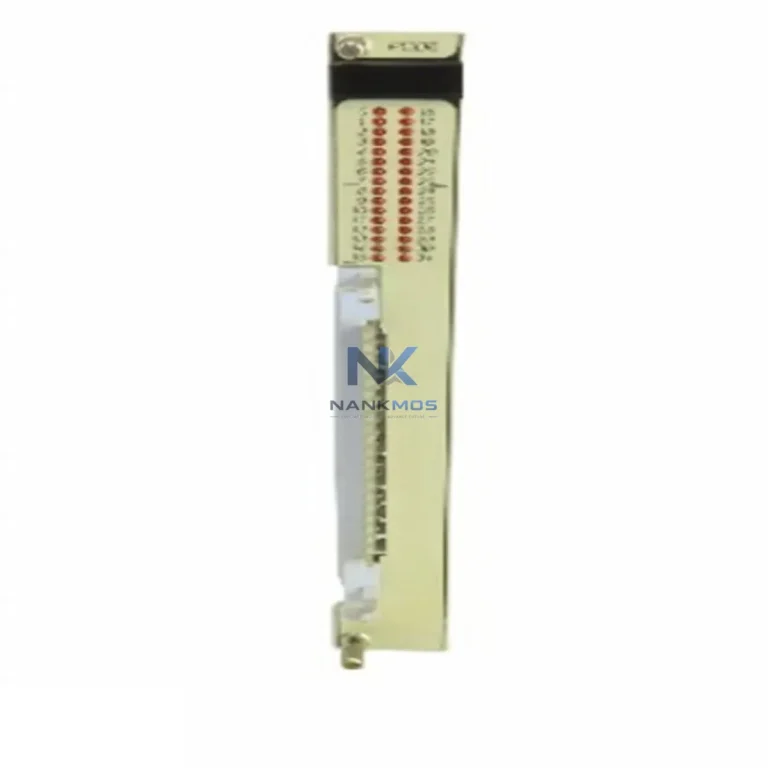
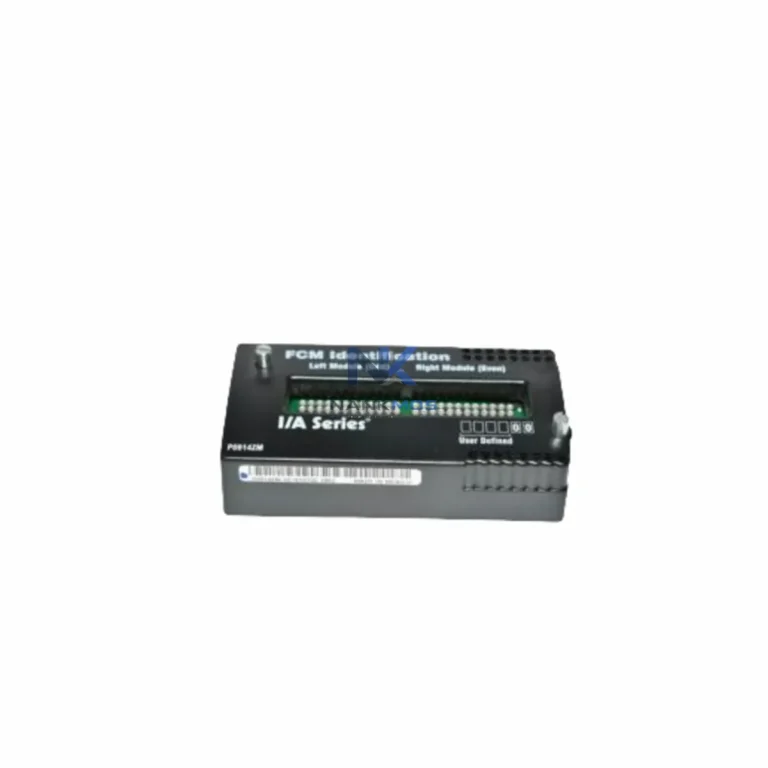
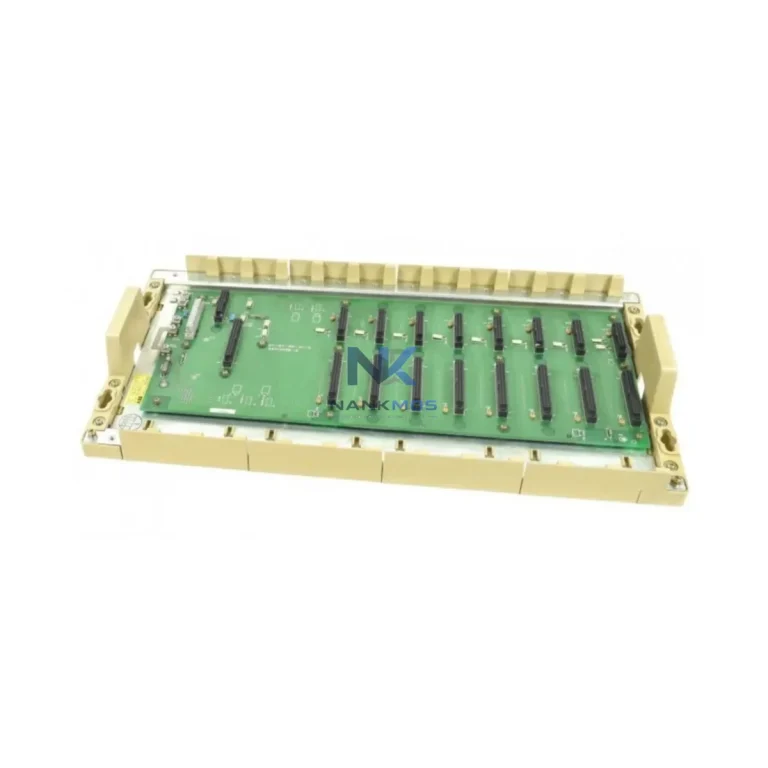
SAIA-Burgess Controls PCD4.M12 is a NANKMOS industrial automation product record Listed under Other series series and Business & Industrial > Automation, Control & Flow Devices > Programmable Logic Controllers. Confirm condition, availability, lead time, compatibility and documentation by email inquiry.
Brand names are used for identification only.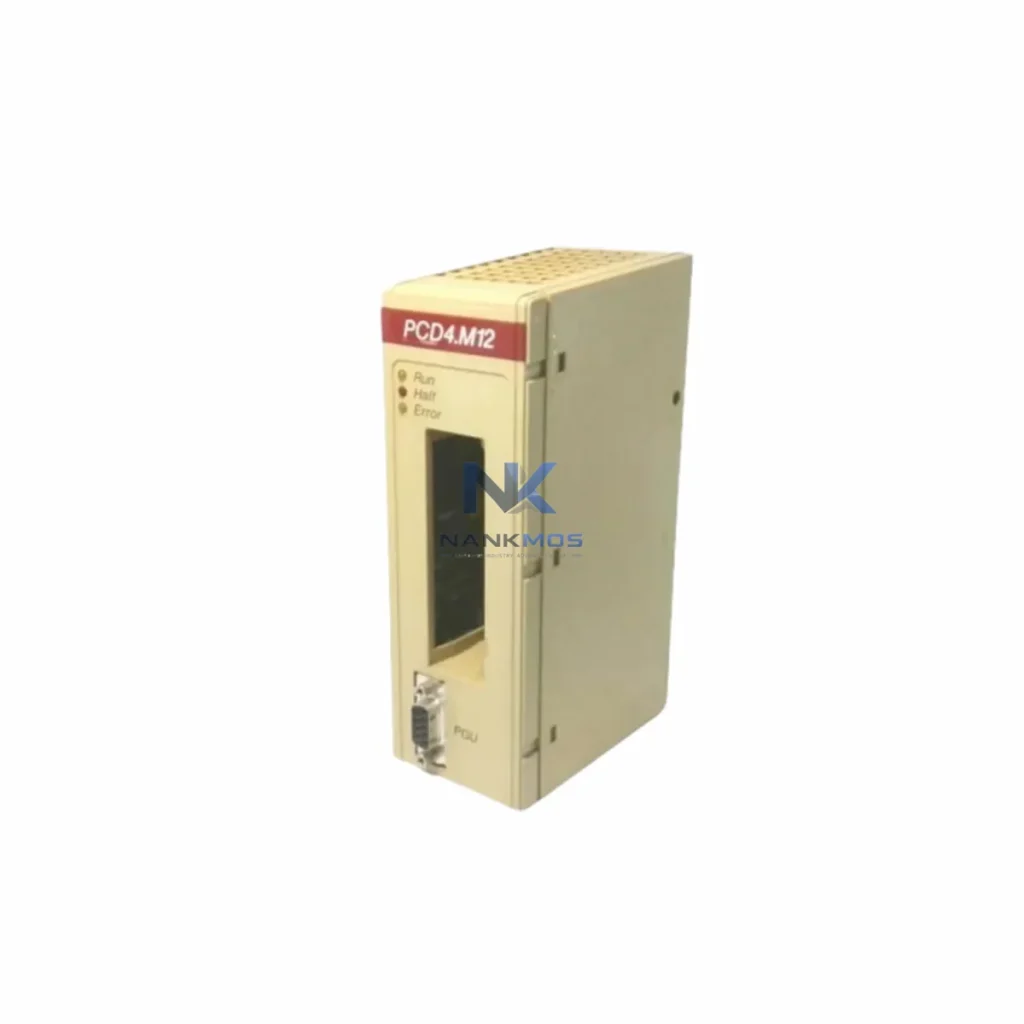
SAIA-Burgess Controls PCD4.M12 is a NANKMOS industrial automation product record Listed under Other series series and Business & Industrial > Automation, Control & Flow Devices > Programmable Logic Controllers. Confirm condition, availability, lead time, compatibility and documentation by email inquiry.
| Manufacturer | SAIA-Burgess Controls |
|---|---|
| Application | Controller Processing & System Control |
| Part Number / Model | PCD4.M12 |
| Compatible System | Confirmed by inquiry |
| Condition Options | To Confirm |
| Module Type | Controller / CPU Module |
| Warranty | 12 Months |
| Packaging | Anti-static Bag / Secure Box |
| Shipping Methods | DHL / FedEx / UPS / Air / Sea |
| Availability | To Confirm |
| Lead Time | To Confirm |
| Documentation | Part number and revision checked before quote |
The SAIA PCD4.M12 is a high-performance PLC interface module engineered by SAIA-Burgess Controls for energy-conscious industrial automation environments. Designed as a core component within the PCD4 controller series, the PCD4.M12 delivers precise signal interfacing, deterministic cycle control, and measurable reductions in system-level power consumption — making it an essential building block for smart production lines that demand both operational reliability and energy efficiency.
In modern manufacturing facilities, energy waste is rarely caused by a single device. It accumulates across idle drives, uncoordinated I/O polling cycles, oversized motor loads, and poorly timed actuator sequences. The PCD4.M12 addresses this at the controller level by providing a stable, low-latency interface that enables tighter coordination between the PLC program and field devices — reducing unnecessary scan cycles, minimising hold-state energy draw, and supporting demand-responsive load management strategies.
The PCD4.M12 operates as the signal backbone within a broader energy-aware automation architecture. In a typical smart factory deployment, it interfaces directly with the SAIA PCD4.C150 CPU module, coordinating real-time data exchange between field devices and the control program. This tight integration allows the PLC to execute load-shedding routines, stagger motor start sequences, and suppress unnecessary actuator activations — all of which contribute to measurable reductions in peak demand charges.
On the drive side, the PCD4.M12 communicates with variable frequency drives (VFDs) such as those in the Danfoss FC series or ABB ACS series via the PCD4 system bus, enabling speed-reference commands that match motor output to actual process demand rather than running at fixed full speed. This alone can reduce motor energy consumption by 20–40% in variable-torque applications such as pumps, fans, and compressors.
For servo-driven axes, the module coordinates with servo drive controllers to synchronise motion profiles with production line throughput targets, preventing energy-intensive acceleration events during low-demand periods. Paired with SAIA PCD4 I/O expansion modules — such as the PCD4.E16x digital input/output cards — the PCD4.M12 enables granular field-level monitoring of actuator states, allowing the PLC to detect and suppress idle-running equipment automatically.
Power quality and consumption data are fed into the system via power monitoring modules and energy meters connected through Modbus RTU or S-Bus, giving the PCD4 controller a live view of energy flows across the production cell. This data can be surfaced on a SAIA PCD7 HMI panel or forwarded to a SCADA platform — such as WinCC or Ignition — via OPC-UA or PROFIBUS, enabling plant-wide energy dashboards and alarm management.
On the sensor side, the PCD4.M12 processes signals from current transformers, temperature sensors, and proximity switches to build a real-time picture of equipment load and thermal state. This data feeds predictive maintenance algorithms that flag abnormal energy signatures — such as a motor drawing 15% above its baseline — before they escalate into unplanned downtime events. Communication modules such as the SAIA PCD7.F110 Ethernet module extend connectivity to cloud-based energy management platforms, closing the loop between field-level control and enterprise-level energy reporting.
Production line energy efficiency is not achieved through hardware alone — it requires a control strategy that responds dynamically to real process conditions. The SAIA PCD4.M12 enables exactly this by providing the interface layer through which the PLC program can observe, decide, and act on energy-relevant events in real time.
In practice, this means the PCD4.M12 supports load management routines that stagger the startup of high-inrush equipment — conveyors, compressors, and hydraulic units — to flatten the facility's demand curve and avoid peak-demand penalties. It enables production rhythm optimisation by synchronising actuator sequences with upstream and downstream line speeds, eliminating the micro-stops and idle-running periods that silently inflate energy bills.
Thermal load management is another key benefit. By monitoring motor current and ambient temperature data through connected sensors, the PCD4 program can reduce drive output during thermal stress events, protecting equipment from heat-induced degradation while simultaneously lowering cooling system load. This reduces both energy consumption and maintenance frequency — a compounding efficiency gain over the equipment lifecycle.
For facilities pursuing ISO 50001 energy management certification or carbon reduction targets, the PCD4.M12 provides the data acquisition and control execution layer needed to implement structured energy monitoring, targeting, and reporting (EMTR) programmes. Its deterministic scan cycle ensures that energy data is captured consistently and that control responses are executed within defined time windows — a prerequisite for reliable energy performance measurement.
Every PCD4.M12 unit supplied by NANKMOS is sourced from authorised distribution channels, subjected to pre-shipment functional testing, and backed by a 12-month warranty from the date of shipment. In-stock units are available for immediate dispatch, supporting urgent maintenance replacements and new project commissioning timelines alike.
Q1: What measurable energy savings can the PCD4.M12 deliver in a production environment? The PCD4.M12 itself is a low-power interface module, but its primary energy value lies in enabling the PLC program to implement load management, motor speed optimisation, and idle-state suppression strategies. In coordinated deployments with VFDs and servo drives, system-level energy reductions of 15–35% are achievable depending on the application profile and baseline control strategy.
Q2: Is the PCD4.M12 compatible with existing SAIA PCD4 installations and third-party SCADA systems? Yes. The PCD4.M12 is designed for direct integration within the SAIA PCD4 controller family, including PCD4.C150 and PCD4.C200 CPU platforms. It supports S-Bus and PROFIBUS communication, and data can be forwarded to third-party SCADA systems — including Ignition, WinCC, and Wonderware — via OPC-UA or Modbus TCP gateways.
Q3: Can the PCD4.M12 replace an existing module in a running production line, and what is the changeover process? The PCD4.M12 is a direct form-fit replacement within compatible PCD4 rack configurations. Changeover typically involves powering down the affected rack section, swapping the module, restoring power, and verifying I/O mapping in the PLC program. NANKMOS recommends validating the replacement against the original project file before resuming production. Our technical team can provide guidance on the changeover procedure upon request.
Q4: What does the 12-month warranty cover, and how is stock availability managed? The 12-month warranty covers manufacturing defects and functional failures under normal operating conditions from the date of shipment. It does not cover damage resulting from incorrect installation, overvoltage events, or environmental conditions outside the module's rated specifications. NANKMOS maintains in-stock inventory of the PCD4.M12 to support both planned project deployments and emergency replacement scenarios. All units undergo pre-shipment testing before dispatch.
Functional Inspection100% tested on professional platforms to ensure stable performance.
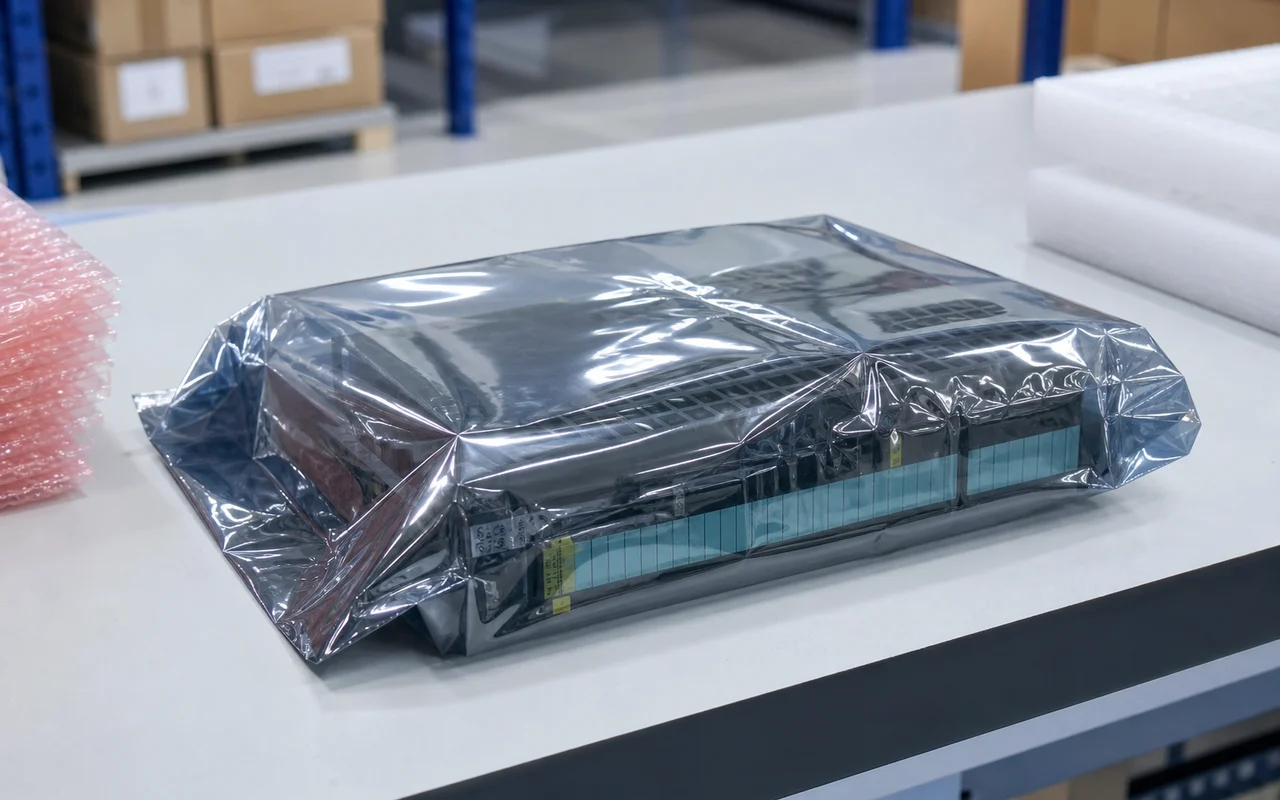 Anti-static Packaging
Modules are packed in anti-static bags to prevent electrostatic damage.
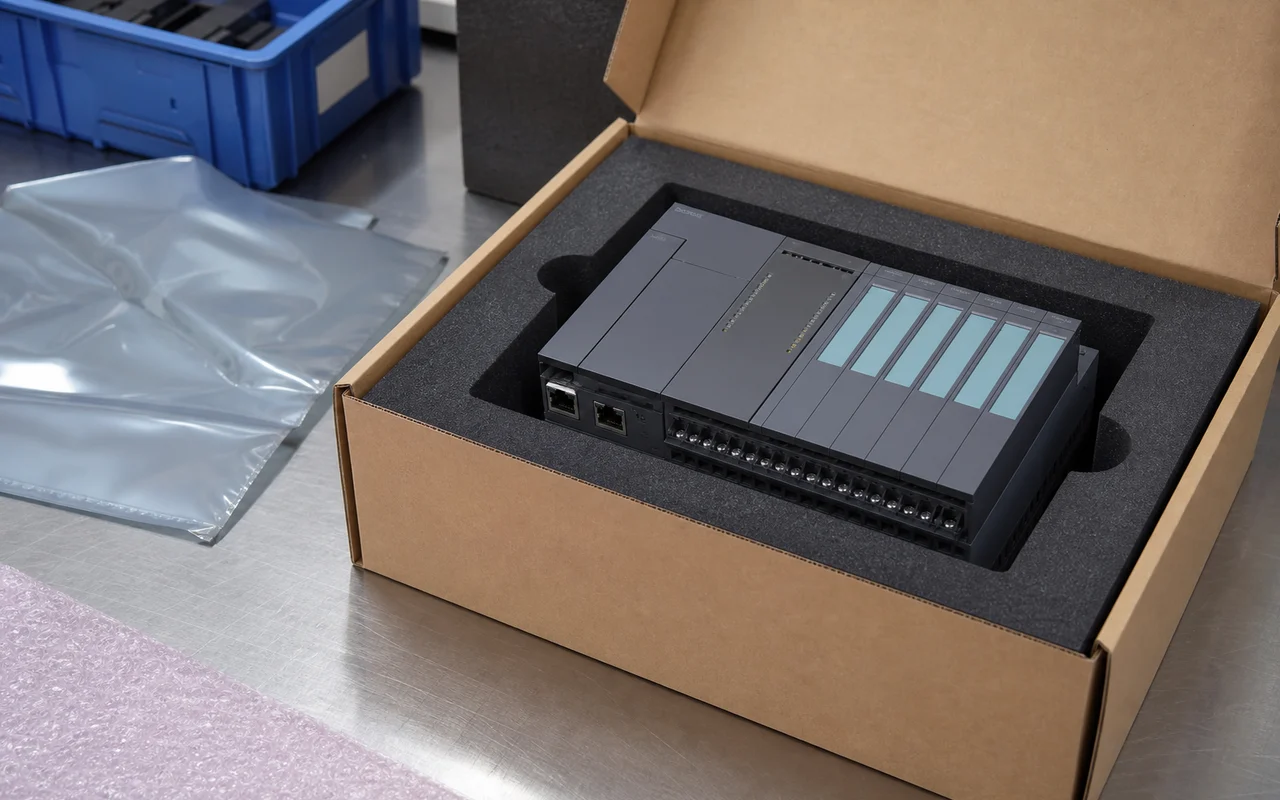 Secure Export Packing
Cushion protection and strong cartons ensure safe transportation.
 Worldwide Shipping
Global logistics network supports air, sea and express delivery.
 Documentation Check
Part number, revision and compatibility verified before shipment.
 After-sales Support
Professional technical support to help resolve your issues.