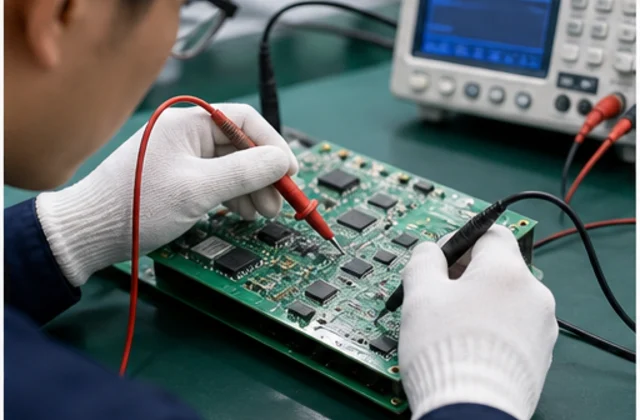
 Functional Inspection
100% tested on professional platforms to ensure stable performance.
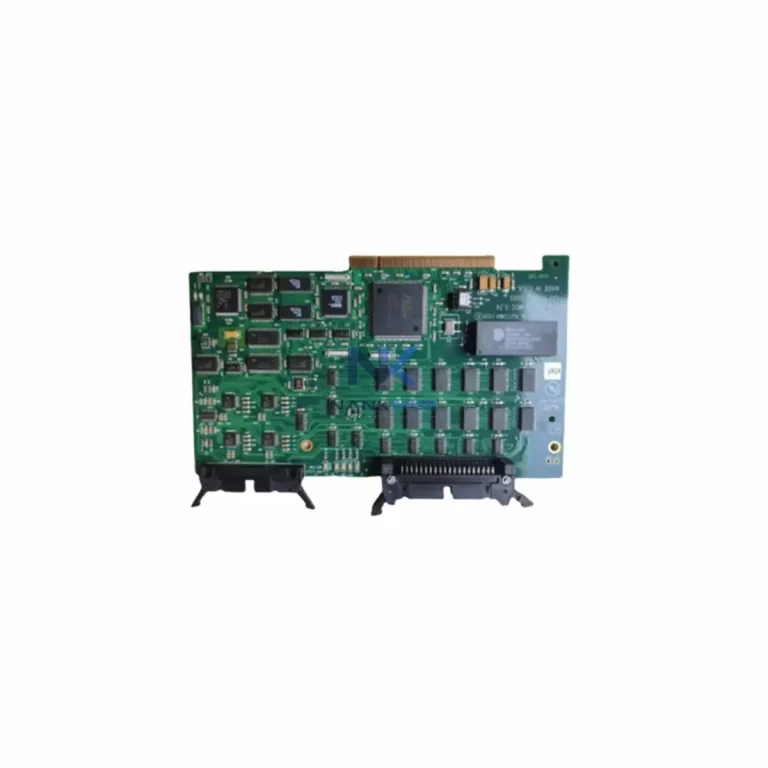
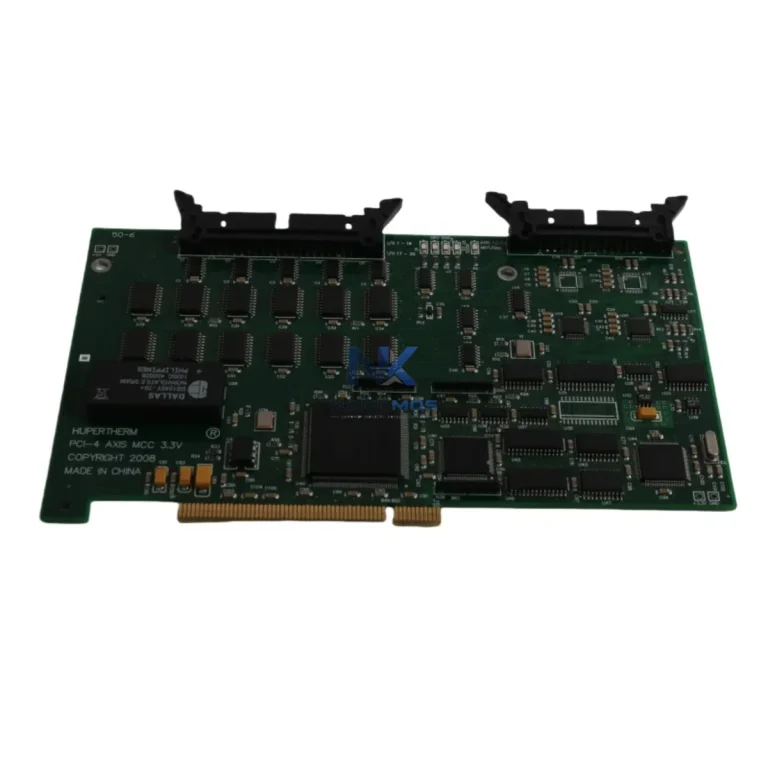
Hypertherm PCI-4 AXIS MCC 3.3V is a NANKMOS industrial automation product record Listed under Other series series and Business & Industrial > Automation, Control & Flow Devices > Programmable Logic Controllers. Confirm condition, availability, lead time, compatibility and documentation by email inquiry.
Brand names are used for identification only.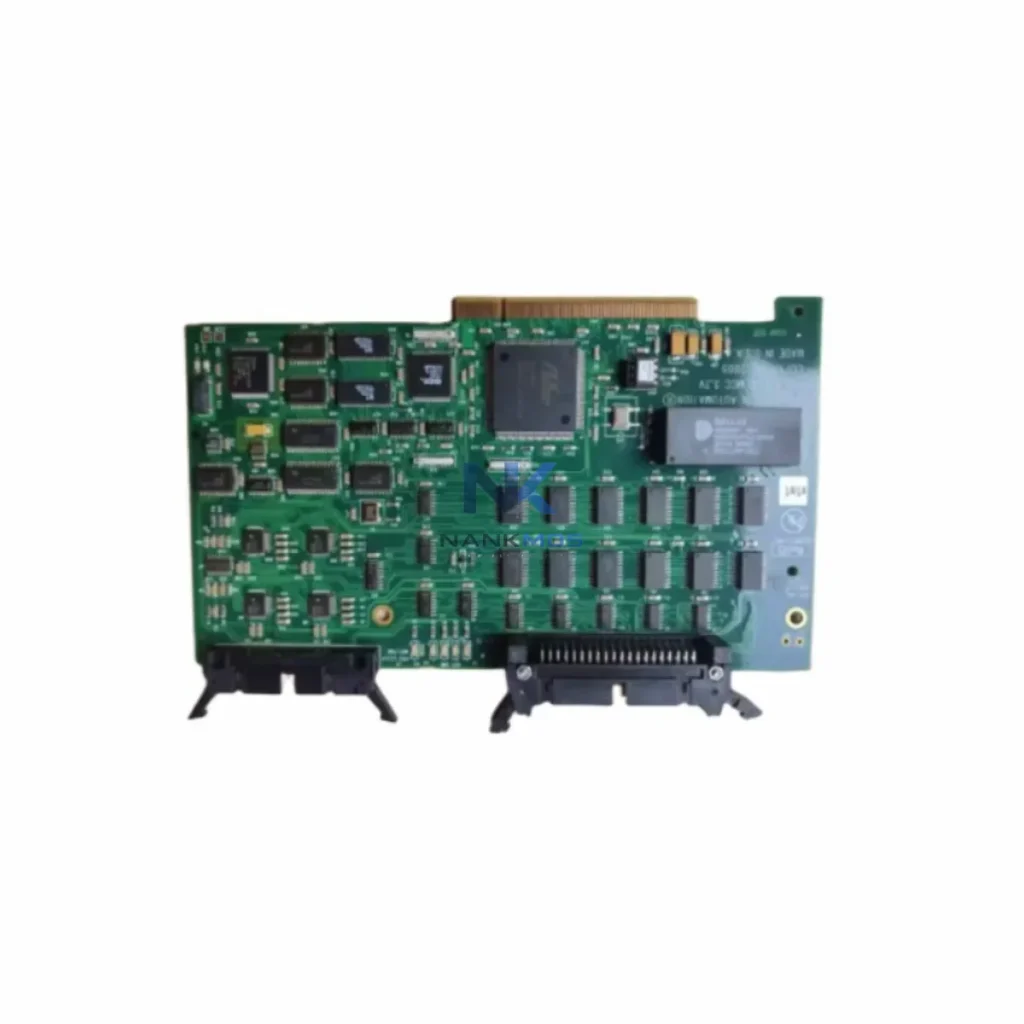
Hypertherm PCI-4 AXIS MCC 3.3V is a NANKMOS industrial automation product record Listed under Other series series and Business & Industrial > Automation, Control & Flow Devices > Programmable Logic Controllers. Confirm condition, availability, lead time, compatibility and documentation by email inquiry.
| Manufacturer | Hypertherm |
|---|---|
| Application | Controller Processing & System Control |
| Part Number / Model | PCI-4 AXIS MCC 3.3V |
| Compatible System | Confirmed by inquiry |
| Condition Options | To Confirm |
| Module Type | Controller / CPU Module |
| Warranty | 12 Months |
| Packaging | Anti-static Bag / Secure Box |
| Shipping Methods | DHL / FedEx / UPS / Air / Sea |
| Availability | To Confirm |
| Lead Time | To Confirm |
| Documentation | Part number and revision checked before quote |
The Hypertherm PCI-4 AXIS MCC 3.3V is a high-performance, system-matched motion control card engineered for demanding CNC and industrial automation architectures. Designed to operate within a 3.3V PCI bus environment, this four-axis motion controller delivers precise, synchronized multi-axis coordination across cutting, milling, routing, and plasma processing platforms. Its architecture-first design philosophy ensures seamless integration into layered control systems where signal fidelity, deterministic timing, and long-term operational stability are non-negotiable requirements.
Within a complete automation architecture, the PCI-4 AXIS MCC 3.3V occupies the critical motion control layer — bridging the command logic of the host controller with the real-time execution demands of servo drives, stepper drivers, and axis feedback systems. Its four-axis simultaneous interpolation capability supports linear, circular, and helical motion profiles, making it suitable for multi-axis gantry systems, plasma cutting tables, and precision routing machines where coordinated motion is essential to part quality and throughput consistency.
System integrators deploying this card within Hypertherm-based CNC platforms benefit from its compatibility with the broader Hypertherm control ecosystem, including Hypertherm EDGE Connect CNC controllers, Phoenix CNC software, and associated I/O expansion modules. When paired with Hypertherm's servo amplifier modules and encoder feedback interfaces, the PCI-4 AXIS MCC 3.3V enables closed-loop position control with high-resolution feedback, supporting applications that demand sub-millimeter repeatability across extended production cycles.
From a system architecture perspective, the card interfaces directly with the host PC's PCI bus, eliminating the latency associated with external motion controllers connected via serial or Ethernet links. This tight hardware integration reduces command cycle times and improves the determinism of motion execution — a critical advantage in high-speed plasma cutting and waterjet applications where torch velocity directly affects cut quality and kerf geometry. The 3.3V signaling standard ensures compatibility with modern industrial PC platforms and embedded controller boards commonly deployed in CNC enclosures.
The PCI-4 AXIS MCC 3.3V is designed for contextual integration within multi-layer control architectures. At the control layer, it receives motion commands from the CNC host software and translates them into real-time pulse and direction signals for downstream drive systems. At the I/O layer, it coordinates with digital I/O modules — such as Hypertherm's discrete I/O expansion cards — to manage limit switches, home sensors, and auxiliary outputs. At the communication layer, it operates in conjunction with fieldbus interfaces and industrial Ethernet modules to support remote diagnostics and supervisory control from SCADA or HMI platforms.
Power layer compatibility is ensured through the card's 3.3V PCI bus operation, which aligns with standard ATX and industrial power supply architectures used in CNC controller enclosures. At the HMI layer, operators interact with motion parameters through Hypertherm Phoenix or compatible CNC software interfaces, with the MCC card executing the resulting motion profiles in real time. At the execution layer, the card drives servo amplifiers and stepper controllers — including compatible units from manufacturers such as Yaskawa, Mitsubishi, and Delta — enabling flexible drive selection without compromising motion performance.
For protection and diagnostics, the PCI-4 AXIS MCC 3.3V supports hardware limit input monitoring, software travel limits, and emergency stop integration, ensuring that axis overtravel and fault conditions are detected and responded to within the motion control cycle. At the maintenance layer, the card's PCI form factor allows for rapid replacement during scheduled maintenance windows, minimizing machine downtime and supporting the long-term serviceability requirements of production environments operating on extended maintenance intervals.
All units supplied by NANKMOS are sourced from verified inventory channels, subjected to pre-shipment functional verification, and covered by a 12-Month Warranty against manufacturing defects and operational failures. This warranty commitment supports procurement teams and maintenance engineers who require long-term supply assurance for critical motion control components in active production systems.
The PCI-4 AXIS MCC 3.3V achieves its full performance potential when deployed as part of a cohesive automation platform rather than as a standalone component. In a typical Hypertherm CNC architecture, the motion control card operates alongside the Hypertherm EDGE Connect CNC controller, which provides the supervisory command layer responsible for part program execution, operator interface management, and system-level fault handling. The EDGE Connect's integrated I/O architecture complements the MCC card's axis control outputs, enabling coordinated management of torch height control (THC) signals, plasma power source enable/disable commands, and auxiliary relay outputs within a single control enclosure.
At the drive layer, the PCI-4 AXIS MCC 3.3V interfaces with servo amplifiers such as the Yaskawa SGDV series or Mitsubishi MR-J4 servo drives, delivering pulse and direction signals that command axis positioning with high resolution. Encoder feedback from these drives is returned to the MCC card's quadrature encoder inputs, closing the position loop and enabling real-time error correction. For applications using stepper-based axis systems, the card's pulse output is compatible with Delta Electronics stepper drivers and similar industrial stepper controllers, providing a cost-effective motion solution for lighter-duty CNC routing and engraving platforms.
Communication layer integration is achieved through industrial Ethernet switches — such as those from Moxa or Advantech — that connect the host CNC PC to remote I/O nodes, HMI panels, and SCADA systems. Hypertherm's discrete I/O expansion modules extend the card's digital I/O capacity, supporting additional limit inputs, tool change signals, and safety interlock circuits without requiring additional PCI slots. For plasma cutting applications, the Hypertherm Powermax series plasma power sources interface with the control system through the CNC port, with the MCC card coordinating torch motion timing with plasma arc establishment signals to optimize cut quality and consumable life.
HMI integration is provided through Hypertherm Phoenix CNC software running on the host industrial PC, presenting operators with a graphical interface for part program loading, axis jogging, and system diagnostics. Remote monitoring capability is extended through OPC-UA or Modbus TCP gateways, enabling integration with plant-level MES and SCADA platforms. Signal isolation modules — such as those from Phoenix Contact or Weidmüller — are recommended at the I/O boundary to protect the MCC card's inputs from field-side voltage transients and ground loop interference, ensuring long-term signal integrity in electrically noisy industrial environments.
Metal Fabrication & Plasma Cutting: In plasma cutting table applications, the PCI-4 AXIS MCC 3.3V coordinates X, Y, Z, and rotational axis motion with Hypertherm Powermax or XPR series plasma power sources. The card's deterministic motion execution ensures that torch velocity profiles are maintained within specification across the full cutting envelope, directly affecting cut quality, dross formation, and consumable wear rates. Multi-table configurations benefit from the card's ability to support independent axis homing and coordinated gantry motion, enabling large-format cutting systems with dual-drive gantry architectures.
CNC Routing & Woodworking: For CNC routing platforms processing wood, composites, and plastics, the four-axis capability supports simultaneous X, Y, Z, and A-axis control for 3D contouring and multi-sided machining operations. The card's high-speed pulse output supports routing spindle speeds and feed rates consistent with production routing requirements, while its encoder feedback inputs enable closed-loop position control that compensates for mechanical compliance in large-format router structures.
Power Generation & Process Control: In power generation facility maintenance applications, CNC-controlled machining systems equipped with the PCI-4 AXIS MCC 3.3V support precision machining of turbine components, valve seats, and heat exchanger tube sheets. The card's reliable motion control architecture supports the extended duty cycles and high-precision positioning requirements characteristic of power generation maintenance machining, where component tolerances directly affect plant efficiency and safety margins.
Shipbuilding & Heavy Industry: Shipyard CNC cutting and marking systems deploy the PCI-4 AXIS MCC 3.3V within large-format gantry cutting machines processing structural steel plate. The card's robust PCI bus interface and industrial-grade operating temperature range support reliable operation in shipyard environments characterized by electromagnetic interference, temperature variation, and mechanical vibration — conditions that demand motion control hardware with proven long-term reliability.
Packaging & Converting: In packaging line automation, the card supports multi-axis servo coordination for die-cutting, slitting, and registration control applications. Its interpolation capability enables complex cam-profile motion sequences that synchronize web tension control, registration mark detection, and cutting cycle timing within high-speed packaging machinery.
Q1: Is the PCI-4 AXIS MCC 3.3V compatible with modern industrial PCs that use PCIe slots instead of legacy PCI? A: The PCI-4 AXIS MCC 3.3V is designed for the 32-bit PCI bus with 3.3V signaling. It is not directly compatible with PCIe slots, which use a different physical and electrical interface. For integration into modern industrial PC platforms, a PCI-to-PCIe bridge card or a legacy PCI slot industrial PC (available from manufacturers such as Advantech or IEI) is required. NANKMOS recommends verifying the host PC's PCI slot availability and 3.3V signaling support prior to procurement. Our technical team can assist with platform compatibility assessment as part of the pre-order consultation process.
Q2: What is the recommended approach for integrating the PCI-4 AXIS MCC 3.3V into an existing Hypertherm EDGE Connect system for a plasma cutting upgrade? A: Integration into an EDGE Connect system requires confirming that the host PC within the EDGE Connect enclosure provides an available 3.3V PCI slot. The MCC card is then installed and configured through the Hypertherm Phoenix CNC software, which provides the axis parameter configuration interface for tuning pulse output rates, encoder resolution settings, and limit input polarity. For plasma cutting applications, the torch height control (THC) interface must be configured to coordinate Z-axis motion with the plasma power source arc voltage feedback signal. NANKMOS supplies the PCI-4 AXIS MCC 3.3V with pre-shipment functional verification and provides 12-Month Warranty coverage, supporting the integration timeline and reducing procurement risk for upgrade projects.
Q3: How does NANKMOS ensure long-term supply availability and what warranty support is provided for the PCI-4 AXIS MCC 3.3V? A: NANKMOS maintains verified inventory of the PCI-4 AXIS MCC 3.3V sourced through established industrial component supply channels. Each unit undergoes pre-shipment functional testing to confirm operational integrity prior to dispatch. All units are covered by a 12-Month Warranty against manufacturing defects and operational failures under normal operating conditions. For maintenance engineers and procurement teams managing long-term CNC system support contracts, NANKMOS offers inventory reservation and scheduled supply arrangements to ensure component availability aligns with planned maintenance windows and system lifecycle requirements. Contact [email protected] or +86 18359268345 for supply planning consultation.
Functional Inspection100% tested on professional platforms to ensure stable performance.
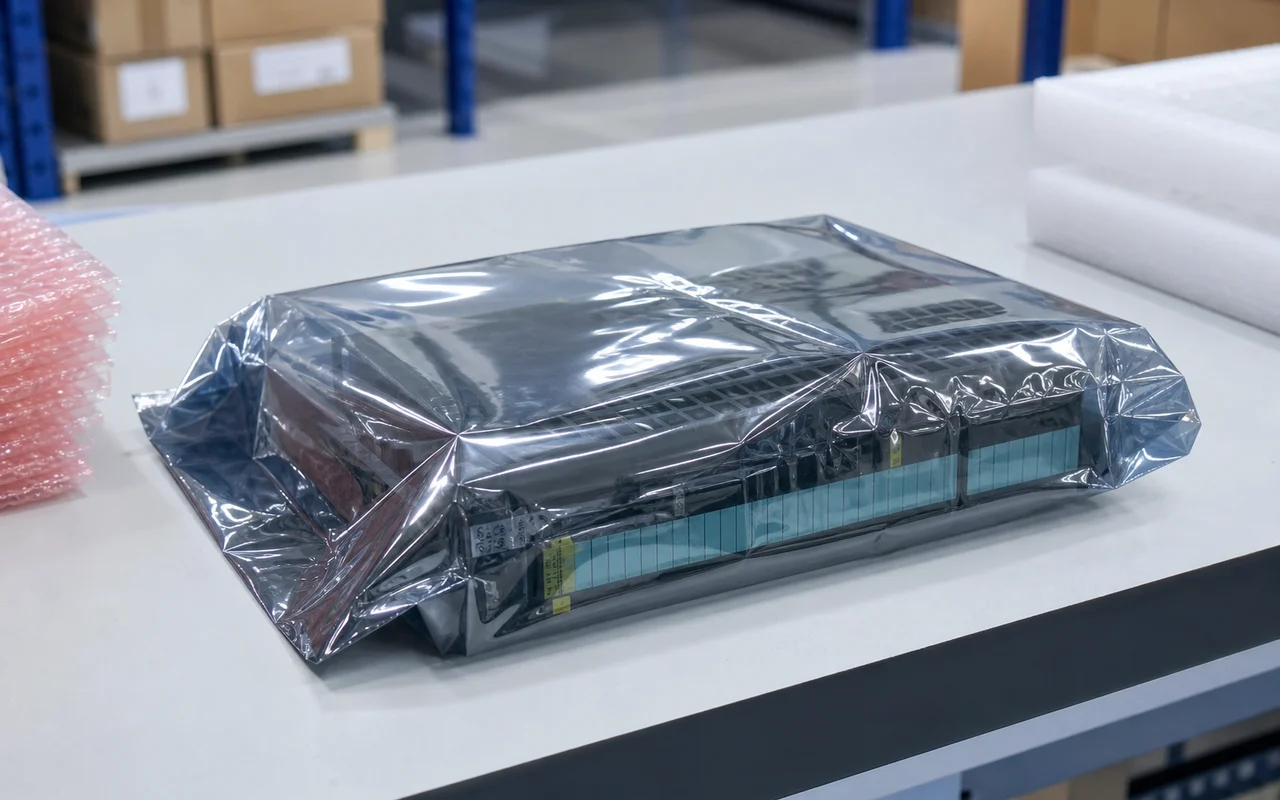 Anti-static Packaging
Modules are packed in anti-static bags to prevent electrostatic damage.
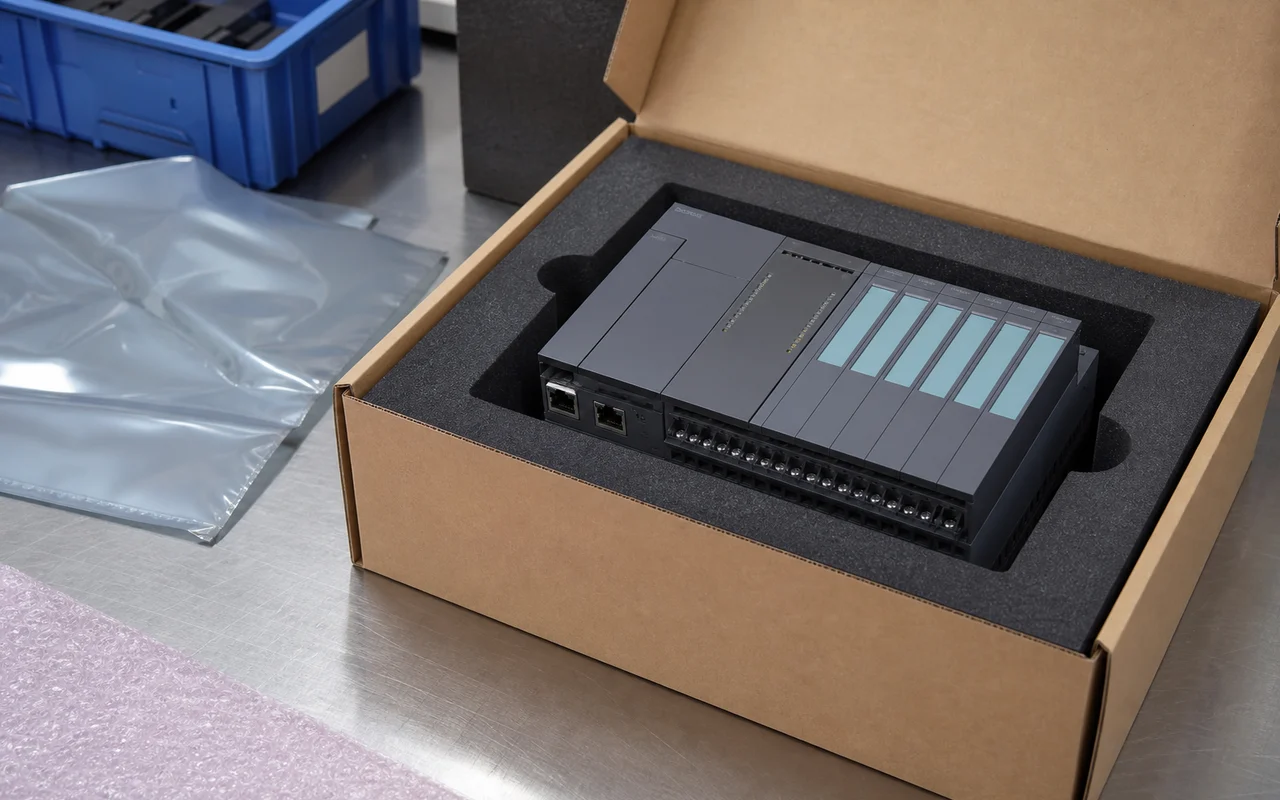 Secure Export Packing
Cushion protection and strong cartons ensure safe transportation.
 Worldwide Shipping
Global logistics network supports air, sea and express delivery.
 Documentation Check
Part number, revision and compatibility verified before shipment.
 After-sales Support
Professional technical support to help resolve your issues.