Functional Inspection
100% tested on professional platforms to ensure stable performance.
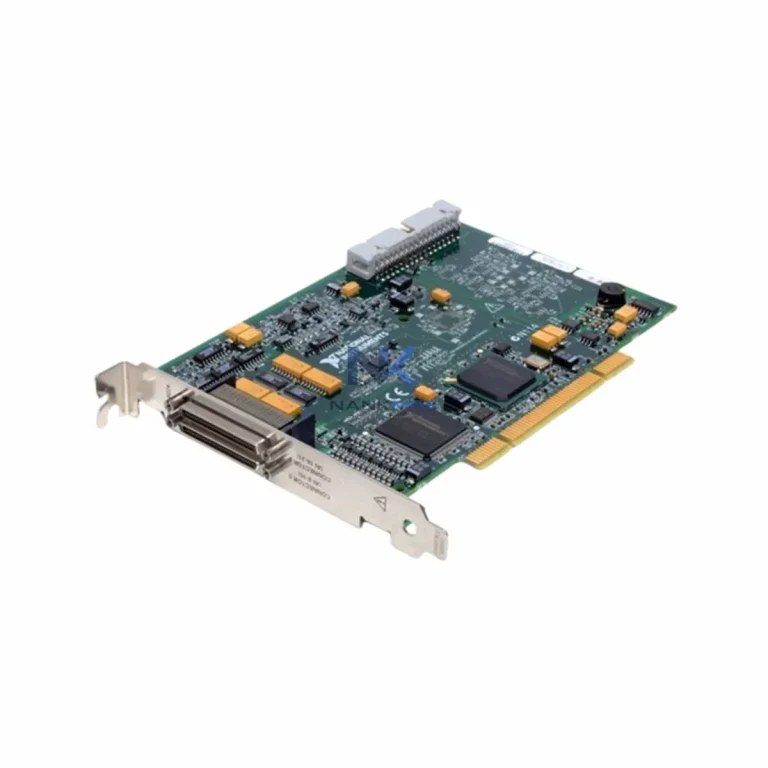
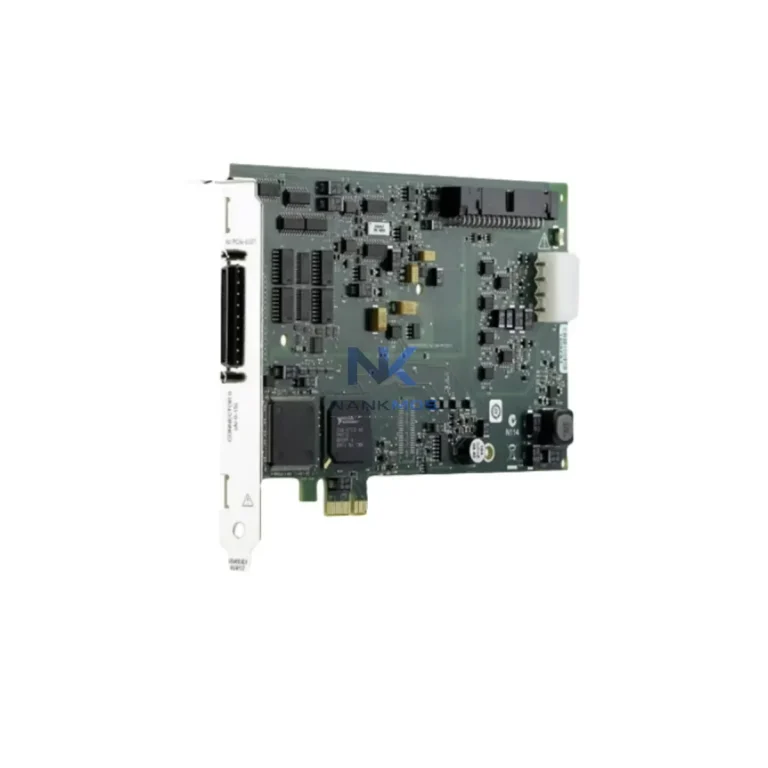
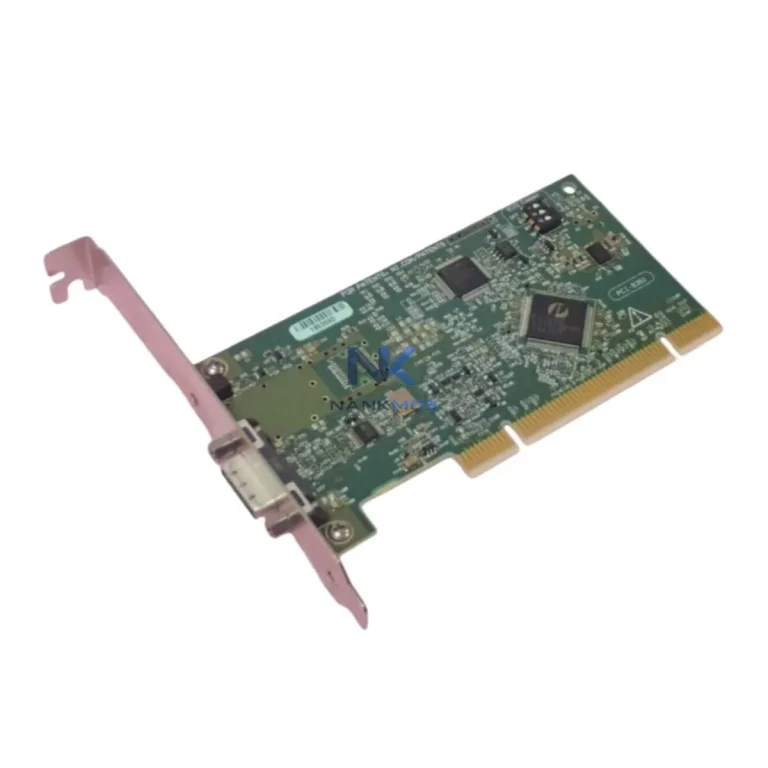
National Instruments PCIE-8361 is a NANKMOS industrial automation product record Listed under Other series series and Business & Industrial > Automation, Control & Flow Devices. Confirm condition, availability, lead time, compatibility and documentation by email inquiry.
Brand names are used for identification only.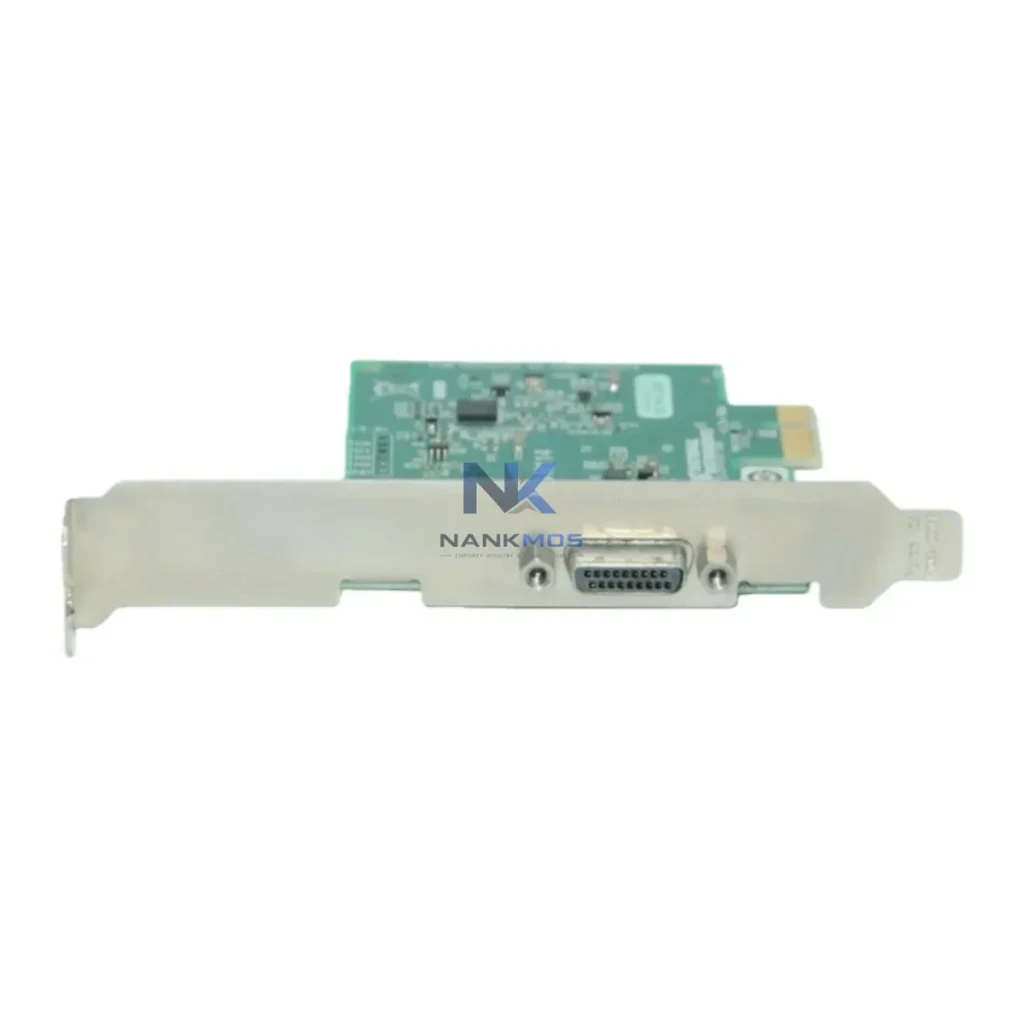
National Instruments PCIE-8361 is a NANKMOS industrial automation product record Listed under Other series series and Business & Industrial > Automation, Control & Flow Devices. Confirm condition, availability, lead time, compatibility and documentation by email inquiry.
| Manufacturer | National Instruments |
|---|---|
| Application | Industrial Automation Maintenance |
| Part Number / Model | PCIE-8361 |
| Compatible System | Confirmed by inquiry |
| Condition Options | To Confirm |
| Module Type | Automation, Control & Flow Devices |
| Warranty | 12 Months |
| Packaging | Anti-static Bag / Secure Box |
| Shipping Methods | DHL / FedEx / UPS / Air / Sea |
| Availability | To Confirm |
| Lead Time | To Confirm |
| Documentation | Part number and revision checked before quote |
The NI PCIE-8361 serves as the critical communication backbone between a standard host workstation and a PXIe measurement and control chassis, enabling Contextual Integration across every layer of a modern industrial automation architecture. Rather than functioning as a standalone peripheral, the PCIE-8361 is the enabling link that transforms a general-purpose PC into a high-performance PXIe system controller — a role that directly determines the throughput, latency, and determinism of the entire control platform.
At the control layer, the PCIE-8361 pairs seamlessly with NI PXIe-8135 and PXIe-8133 embedded controllers when a hybrid architecture is required — for example, when the host PC handles supervisory SCADA logic while the PXIe chassis runs real-time deterministic control via LabVIEW Real-Time. The MXI-Express transparent bridge ensures that the host PC sees the PXIe backplane as a native PCIe bus extension, eliminating protocol translation overhead and preserving signal timing integrity across the control hierarchy.
At the I/O layer, the PCIE-8361 enables direct, low-latency access to NI PXIe-6363 multifunction DAQ modules, NI PXIe-4300 analog input cards, and NI PXIe-6535 digital I/O modules installed in the chassis. Engineers deploying high-channel-count signal acquisition systems — such as those used in power grid monitoring, turbine vibration analysis, or chemical process control — rely on the PCIE-8361 to sustain continuous data streaming at rates that would saturate conventional USB or Ethernet-based DAQ solutions.
At the communication layer, the PCIE-8361 supports integration with NI PXIe-8234 Ethernet interface modules and NI PXIe-8430 serial interface cards installed in adjacent chassis slots, allowing the PXIe system to simultaneously manage real-time I/O acquisition and industrial fieldbus communication — including Modbus RTU, PROFIBUS, and CANopen — without compromising deterministic timing. This layered communication design is essential in distributed control architectures where the PXIe chassis acts as a gateway between field instruments and plant-level SCADA or DCS systems.
At the power layer, the PCIE-8361 draws minimal power from the host PCIe slot (typically under 10 W), placing no meaningful burden on the host system's power budget. Within the PXIe chassis, power distribution is managed by the chassis backplane — such as the PXIe-1082 or PXIe-1085 — which provides regulated, filtered power rails to all installed modules. This clean power architecture ensures that sensitive analog measurement modules maintain their specified dynamic range and noise floor even in electrically noisy industrial environments.
At the HMI layer, the host PC connected via the PCIE-8361 typically runs NI LabVIEW, NI SystemLink, or third-party SCADA software, providing operators with real-time visualization, alarm management, and trend logging. The transparent PCIe bridge means that HMI software accesses PXIe-resident hardware registers with the same latency as locally installed PCIe cards — a critical advantage for applications requiring sub-millisecond control loop closure.
At the execution and protection layers, the PCIE-8361-connected PXIe system can host NI PXIe-5171R reconfigurable oscilloscope modules for waveform capture and fault detection, as well as NI PXIe-4138 precision SMU modules for component-level testing and protection circuit validation. In safety-critical applications such as nuclear instrumentation, railway signaling, or aerospace test benches, the deterministic data path provided by the PCIE-8361 ensures that protection logic receives accurate, time-stamped measurement data without the jitter introduced by software-managed communication stacks.
At the maintenance layer, the PCIE-8361 simplifies long-term system serviceability. Because the host PC and PXIe chassis are connected via a single MXI-Express cable, field engineers can replace or upgrade the host workstation without disturbing the chassis wiring, I/O module configuration, or field instrument connections. This modular replacement strategy reduces mean time to repair (MTTR) and supports phased technology refresh cycles — a key consideration for industrial systems with 10–20 year operational lifespans. NANKMOS maintains verified inventory of the PCIE-8361 and compatible MXI-Express cables, supporting rapid deployment and minimizing procurement lead times for maintenance and expansion projects.
Manufacturing & Assembly Lines: In automotive body-in-white welding lines and semiconductor wafer handling systems, the PCIE-8361 enables the host PC to coordinate multi-axis motion control, vision inspection, and torque monitoring through a unified PXIe chassis — replacing multiple standalone instruments with a single, synchronized measurement platform. The high-bandwidth MXI-Express link ensures that production data is captured and logged without gaps, supporting statistical process control (SPC) and traceability requirements.
Power Generation & Electrical Utilities: In substation automation and generator protection test systems, the PCIE-8361 connects the engineering workstation to a PXIe chassis hosting high-voltage analog input modules and GPS-synchronized timing cards. This architecture supports IEC 61850 compliance testing, relay protection validation, and power quality analysis — applications where measurement accuracy and timing synchronization are non-negotiable.
Petrochemical & Process Industries: In refinery control rooms and offshore platform instrumentation systems, the PCIE-8361 provides the high-throughput data path needed to simultaneously monitor hundreds of pressure, temperature, and flow signals while executing advanced process control (APC) algorithms on the host workstation. The robust PCIe interface maintains data integrity even in environments with significant electromagnetic interference from variable frequency drives and high-current switching equipment.
Water Treatment & Environmental Monitoring: Municipal water treatment facilities use PXIe-based systems connected via the PCIE-8361 to perform continuous water quality analysis, pump performance monitoring, and SCADA integration. The modular PXIe architecture allows operators to add new measurement channels as treatment capacity expands, without replacing the host control infrastructure.
Mining, Metallurgy & Heavy Industry: In ore processing plants and steel mill automation systems, the PCIE-8361 supports high-speed vibration monitoring of crushers, mills, and conveyor drives, as well as temperature profiling of furnaces and heat exchangers. The ability to stream large volumes of raw sensor data to the host PC for real-time analysis and historian logging is essential for predictive maintenance programs that reduce unplanned downtime.
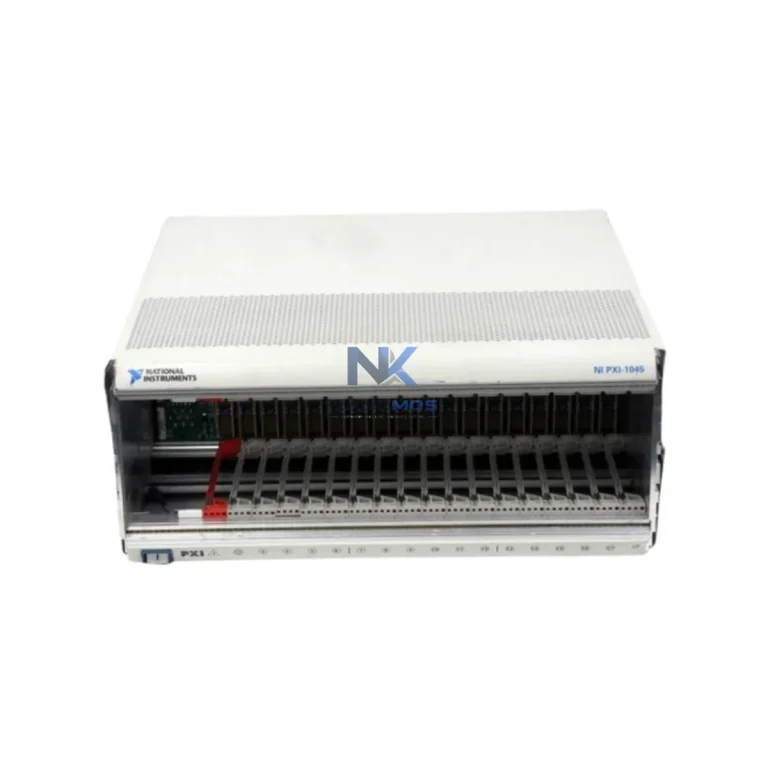
Q1: Is the NI PCIE-8361 compatible with all PXIe chassis, and what cable is required for connection? The PCIE-8361 is compatible with all NI PXIe chassis that include a system timing slot or a standard PXIe peripheral slot configured for MXI-Express, including the PXIe-1062Q, PXIe-1065, PXIe-1071, PXIe-1075, PXIe-1082, and PXIe-1085. Connection requires a dedicated MXI-Express x4 cable (available in 1 m, 2 m, and 3 m lengths). The chassis must have a corresponding MXI-Express interface card — typically the NI PXIe-8360 — installed in the system timing slot. NANKMOS supplies both the PCIE-8361 host card and compatible MXI-Express cables, with all units tested for link stability before shipment.
Q2: Can the PCIE-8361 support multi-chassis expansion for large-scale I/O architectures, and how does this affect system latency? Yes. Multi-chassis expansion is supported by daisy-chaining additional PXIe chassis via MXI-Express, with each chassis requiring its own PCIE-8360 interface card. The host PC with the PCIE-8361 sees all chassis as a single, unified PCIe bus, allowing software to address modules across multiple chassis without additional configuration. Latency increases marginally with each additional chassis hop (typically 100–200 ns per hop), which is negligible for most measurement and control applications. For latency-sensitive applications, NI recommends placing time-critical I/O modules in the chassis directly connected to the PCIE-8361.
Q3: What does the 12-Month Warranty cover, and how does NANKMOS support long-term inventory availability for system maintenance? All PCIE-8361 units supplied by NANKMOS are covered by a 12-Month Warranty against manufacturing defects and functional failures under normal operating conditions. Each unit undergoes functional verification and MXI-Express link testing prior to shipment. NANKMOS maintains dedicated inventory of the PCIE-8361 and related MXI-Express components to support both new system deployments and long-term maintenance requirements. For systems with extended operational lifespans, NANKMOS can provide procurement planning support to ensure component availability aligns with scheduled maintenance windows. Contact [email protected] or +86 18359268345 for inventory inquiries and warranty claims.
Functional Inspection100% tested on professional platforms to ensure stable performance.
 Anti-static Packaging
Modules are packed in anti-static bags to prevent electrostatic damage.
 Secure Export Packing
Cushion protection and strong cartons ensure safe transportation.
 Worldwide Shipping
Global logistics network supports air, sea and express delivery.
 Documentation Check
Part number, revision and compatibility verified before shipment.
 After-sales Support
Professional technical support to help resolve your issues.