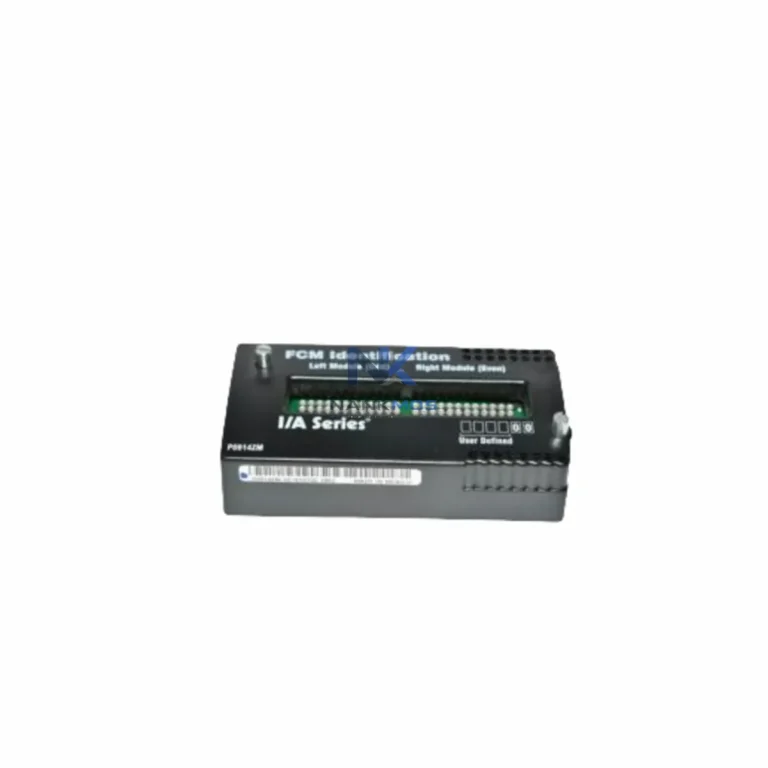
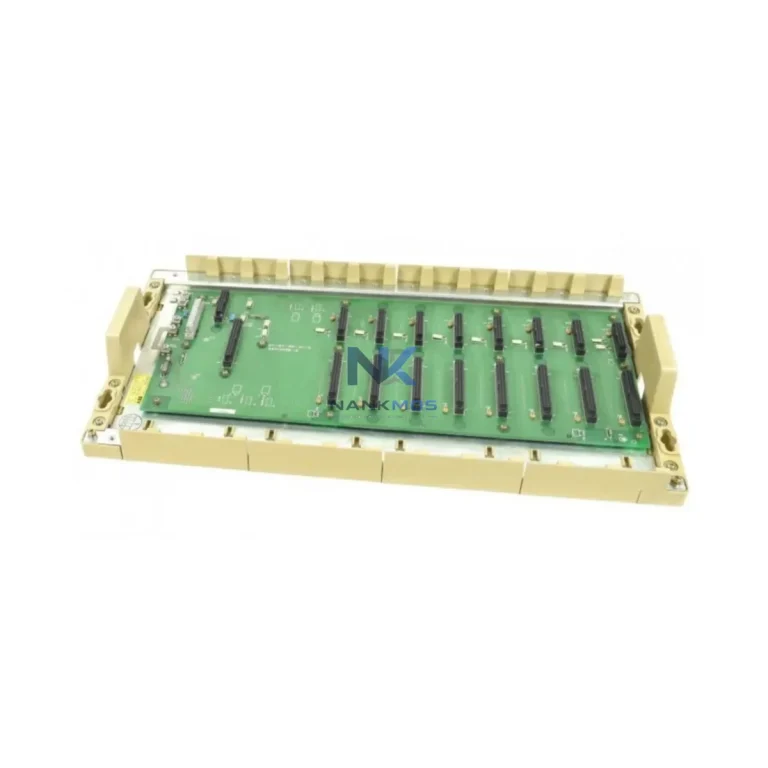
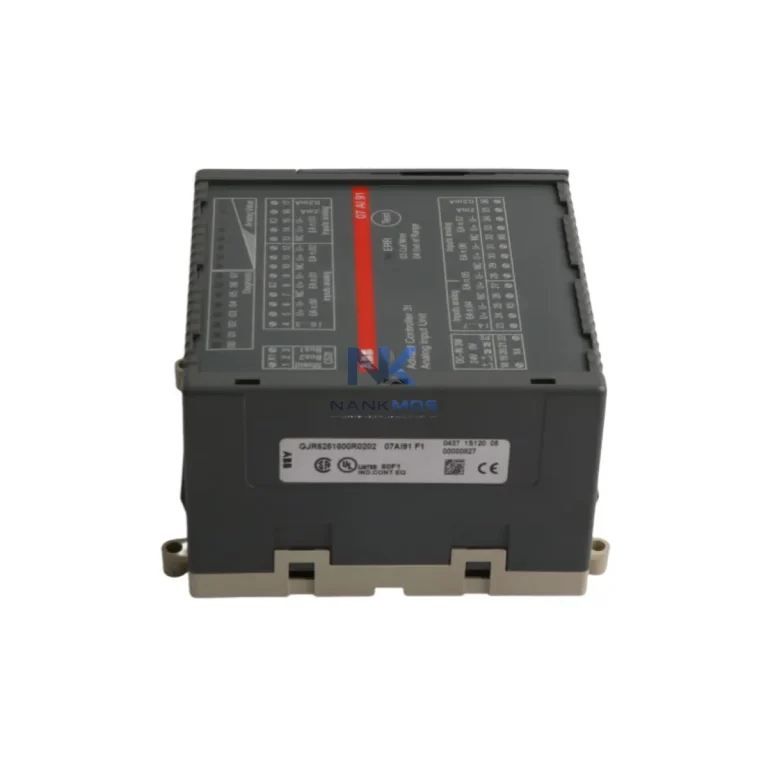
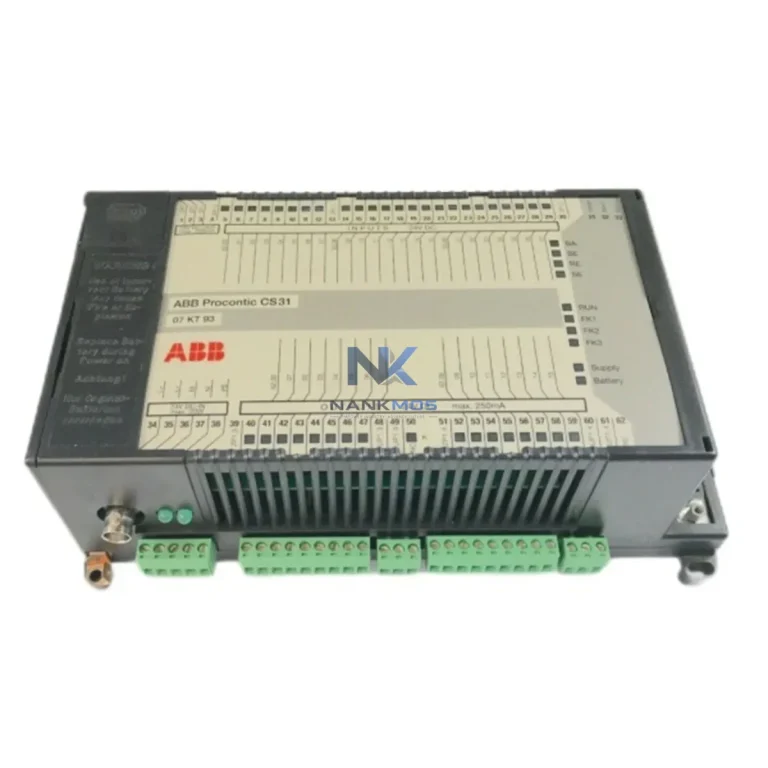
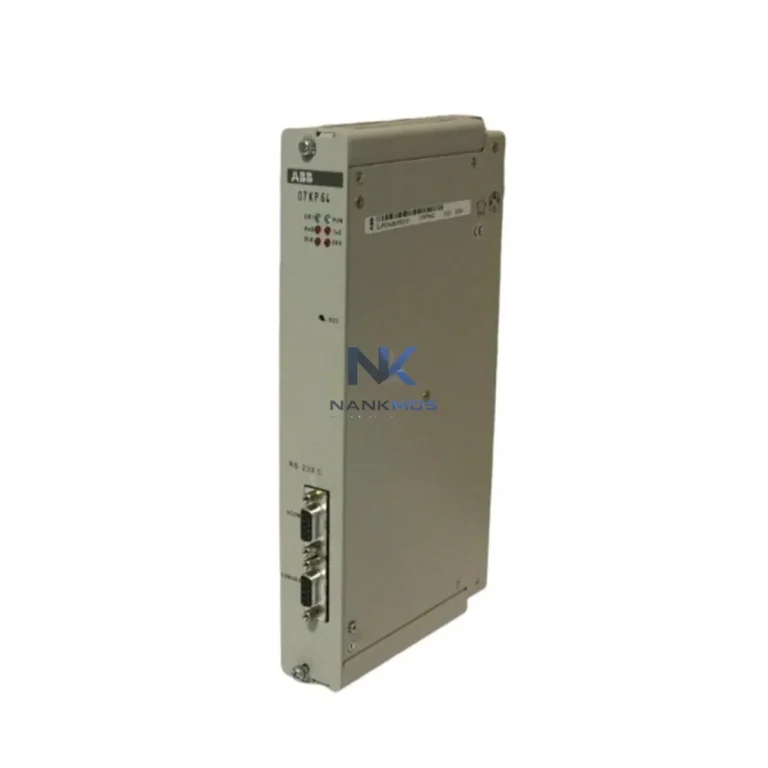
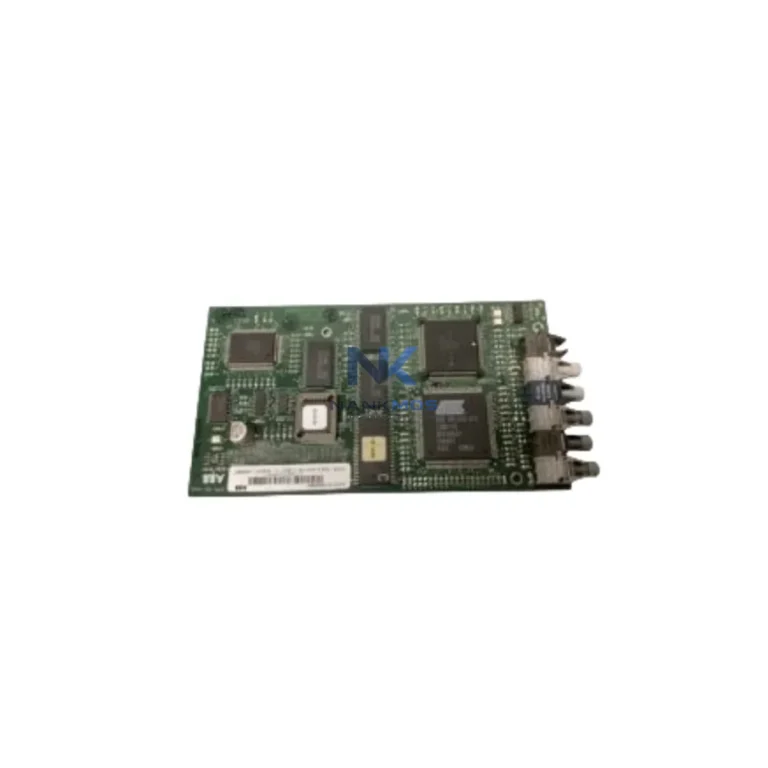
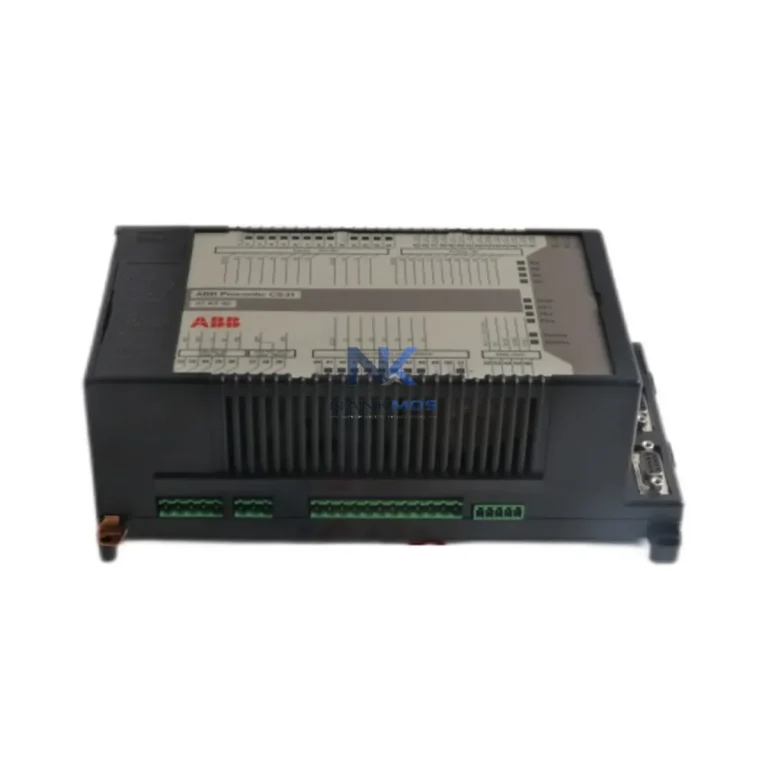
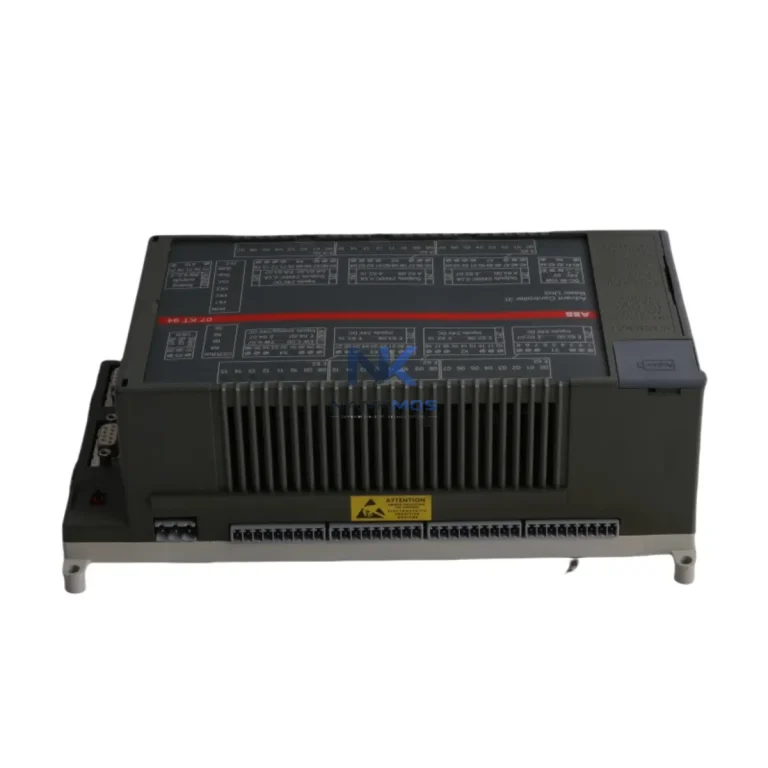
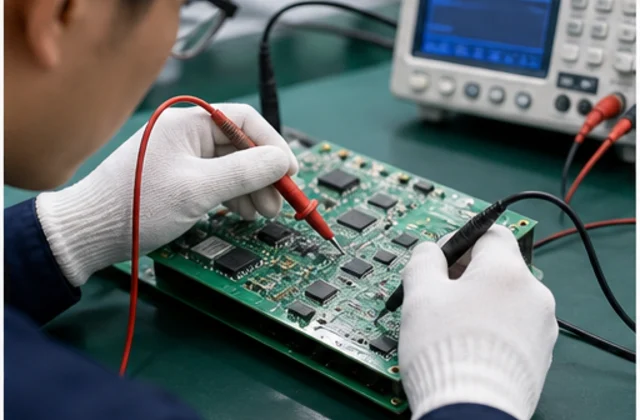
 Functional Inspection
100% tested on professional platforms to ensure stable performance.
SERAD PMA 628 is a NANKMOS industrial automation product record Listed under Other series series and Business & Industrial > Automation, Control & Flow Devices > Programmable Logic Controllers. Confirm condition, availability, lead time, compatibility and documentation by email inquiry.
Brand names are used for identification only.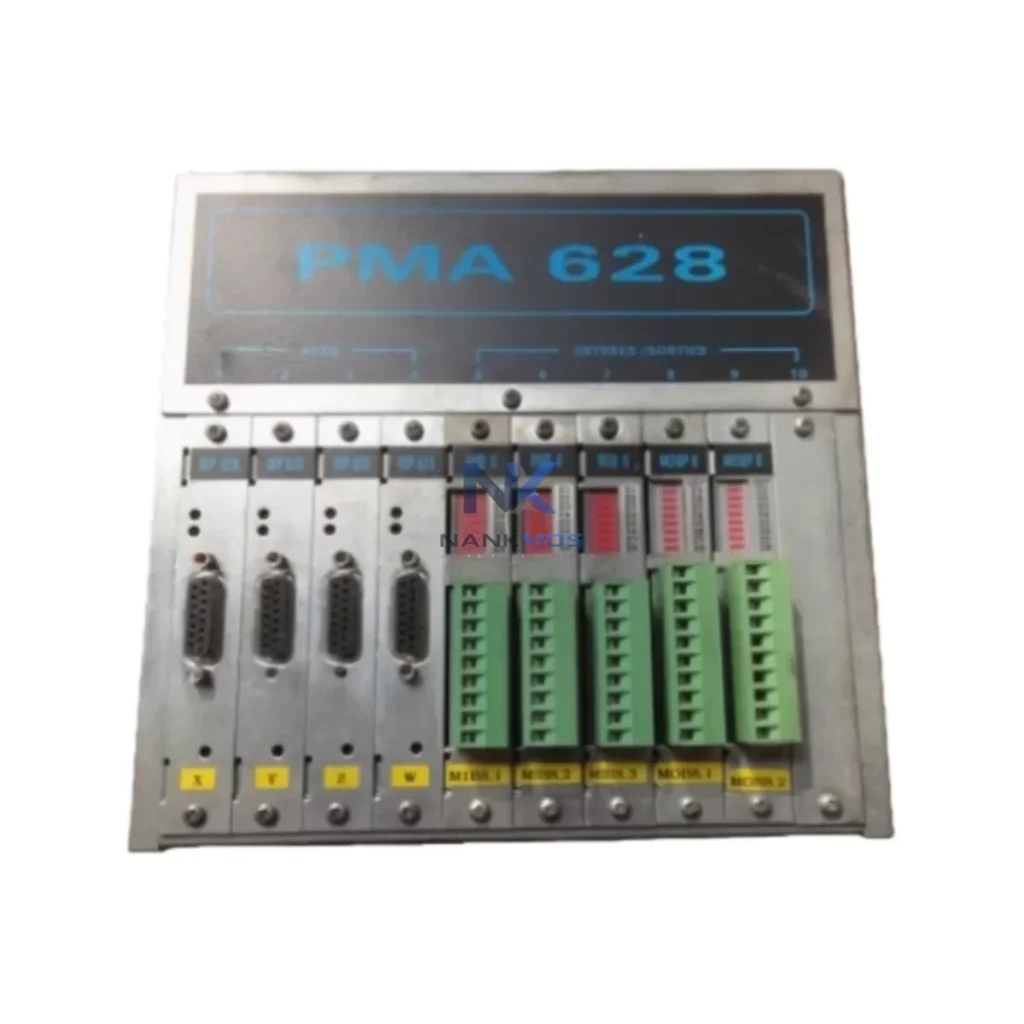
SERAD PMA 628 is a NANKMOS industrial automation product record Listed under Other series series and Business & Industrial > Automation, Control & Flow Devices > Programmable Logic Controllers. Confirm condition, availability, lead time, compatibility and documentation by email inquiry.
| Manufacturer | SERAD |
|---|---|
| Application | Controller Processing & System Control |
| Part Number / Model | PMA 628 |
| Compatible System | Confirmed by inquiry |
| Condition Options | To Confirm |
| Module Type | Controller / CPU Module |
| Warranty | 12 Months |
| Packaging | Anti-static Bag / Secure Box |
| Shipping Methods | DHL / FedEx / UPS / Air / Sea |
| Availability | To Confirm |
| Lead Time | To Confirm |
| Documentation | Part number and revision checked before quote |
The SERAD PMA 628 is a high-performance multi-axis motion controller engineered for seamless integration into modern smart factory environments. Designed to bridge the gap between field-level devices and upper-level control systems, the PMA 628 delivers reliable, real-time data exchange across the full automation data chain — from signal acquisition at the sensor layer through protocol conversion, network transmission, SCADA visualization, and remote diagnostics. Whether deployed in discrete manufacturing, process automation, or hybrid production lines, the SERAD PMA 628 provides the connectivity backbone that intelligent factories demand.
At the heart of the PMA 628's value proposition is its ability to function as a true network node within a layered industrial architecture. Field devices such as servo drives, stepper motors, encoders, and proximity sensors feed positional and status data directly into the PMA 628's high-speed I/O interface. This data is then processed locally and transmitted upstream via the controller's integrated industrial communication ports, enabling real-time coordination with PLC controllers, remote I/O modules, HMI panels, and SCADA platforms without latency-induced errors or data loss.
In a fully connected smart factory deployment, the SERAD PMA 628 occupies a critical position in the data flow architecture. At the field level, sensors and encoders — including inductive proximity switches, linear encoders, and torque transducers — deliver raw positional and process signals to the PMA 628's digital and analog input channels. The controller processes these signals in real time, executing motion profiles and coordinating axis movements with microsecond-level precision.
The PMA 628 communicates upstream with programmable logic controllers via RS-485 Modbus RTU or CANopen fieldbus, enabling tight synchronization with ladder logic programs managing conveyor sequencing, robotic arm coordination, and press cycle control. In installations where the control architecture includes a SERAD PMA 600 series master controller or a SERAD PMA 632 expanded-axis variant, the PMA 628 operates as a coordinated slave node, sharing real-time axis status and fault codes across the network without burdening the main CPU.
For HMI integration, the PMA 628 exposes its process variables — current position, velocity, torque limit, and alarm status — to panel-mounted HMI terminals via Modbus TCP/IP over industrial Ethernet. Operators on the factory floor can monitor multi-axis motion states, adjust setpoints, and acknowledge alarms directly from the HMI screen, with data refresh rates fast enough to reflect machine state changes in near real time. When the facility's SCADA system — whether running on a Wonderware, Ignition, or WinCC platform — polls the PMA 628 via its Ethernet gateway port, historical motion data, cycle counts, and fault logs are aggregated for trend analysis and OEE reporting.
Remote I/O expansion is supported through the PMA 628's RS-485 daisy-chain capability, allowing additional distributed I/O modules — such as SERAD-compatible digital output modules or third-party Modbus RTU I/O blocks — to extend the controller's reach across large machine footprints without running dedicated signal cables back to the main control cabinet. This architecture is particularly valuable in automated assembly lines, palletizing systems, and multi-station transfer machines where I/O points are physically distributed across tens of meters.
Edge gateway integration is another key strength of the PMA 628 in Industry 4.0 deployments. By connecting the controller's Ethernet port to an industrial edge gateway — such as an IIoT-capable gateway running MQTT or OPC-UA bridging — motion data from the PMA 628 can be forwarded to cloud-based analytics platforms or MES systems for predictive maintenance modeling, production scheduling optimization, and energy consumption analysis. Variable frequency drives controlling spindle motors or pump systems on the same network can share their operational data alongside the PMA 628's motion telemetry, giving plant engineers a unified view of both motion and process variables within a single dashboard.
Industrial managed switches with VLAN segmentation and QoS prioritization ensure that the PMA 628's time-sensitive motion control traffic is isolated from general IT network traffic, preserving deterministic communication performance even in high-traffic factory network environments. Power for the PMA 628 and its associated I/O modules is typically supplied by DIN-rail-mounted industrial power supplies with wide-input AC/DC conversion, ensuring stable 24VDC operation even under fluctuating grid conditions common in heavy manufacturing facilities.
Many industrial sites still operate with fragmented automation architectures — legacy PLCs using proprietary protocols, motion controllers that cannot communicate with modern SCADA systems, and remote equipment that generates no usable data for plant management. The SERAD PMA 628 directly addresses these integration challenges through its multi-protocol communication capability and open network architecture.
Protocol fragmentation is one of the most common barriers to factory digitalization. The PMA 628 supports both serial fieldbus protocols (Modbus RTU, CANopen, RS-232/485) and Ethernet-based protocols (Modbus TCP/IP), allowing it to interface with both legacy control equipment and modern networked systems within the same installation. This eliminates the need for external protocol converters in many applications, reducing hardware cost and potential points of failure.
Data silos — where motion data, process data, and alarm histories exist in separate, non-communicating systems — are broken down by the PMA 628's ability to expose all controller variables to a unified SCADA or MES data layer. Alarm events, fault codes, and motion statistics are timestamped and made available for centralized logging, enabling root-cause analysis and predictive maintenance workflows that were previously impossible with isolated controllers.
Remote monitoring and diagnostics are enabled through the PMA 628's Ethernet connectivity. Maintenance engineers can access controller status, review fault histories, and adjust motion parameters from remote engineering workstations without requiring physical access to the machine. This capability is especially valuable for geographically distributed production facilities or for OEM machine builders who need to provide remote support to end customers.
Production line transparency is achieved by integrating PMA 628 data into real-time dashboards that display cycle times, axis utilization rates, and alarm frequencies. Plant managers gain the visibility needed to identify bottlenecks, optimize throughput, and make data-driven decisions about maintenance scheduling and capacity planning. System scalability is preserved through the PMA 628's modular communication architecture, which allows additional axes, I/O modules, and network nodes to be added as production requirements evolve.
Q1: What communication protocols does the SERAD PMA 628 support, and is it compatible with existing Modbus-based systems?The SERAD PMA 628 supports Modbus RTU over RS-485, Modbus TCP/IP over Ethernet, CANopen, and RS-232 serial communication. It is fully compatible with existing Modbus-based PLC and SCADA systems, allowing straightforward integration without requiring protocol converters or middleware in most standard configurations.
Q2: How does the PMA 628 perform in terms of network latency and real-time motion control reliability?The PMA 628 is designed for deterministic real-time motion control, with internal processing cycles optimized to minimize command-to-execution latency. When deployed on a properly segmented industrial Ethernet network with QoS-enabled managed switches, communication latency is kept within the bounds required for synchronized multi-axis motion applications. Serial fieldbus connections via RS-485 provide stable, noise-immune communication in electrically demanding factory environments.
Q3: Can the SERAD PMA 628 be integrated with third-party SCADA and HMI systems, and does it support remote diagnostics?Yes. The PMA 628 exposes its process variables and fault registers via standard Modbus TCP/IP and Modbus RTU register maps, making it compatible with virtually all major SCADA platforms (Ignition, WinCC, Wonderware, iFIX) and HMI terminals that support Modbus communication. Remote diagnostics are supported through Ethernet connectivity, allowing engineers to read controller status, fault logs, and motion parameters from remote workstations without on-site access.
Q4: What warranty and pre-shipment testing does the SERAD PMA 628 include?Every SERAD PMA 628 unit is covered by a 12-month warranty from the date of shipment. Prior to dispatch, each unit undergoes functional testing to verify communication port operation, I/O channel integrity, and motion control response. Units are shipped in protective packaging with full documentation. In-stock units are available for immediate dispatch, with global shipping supported to major industrial markets.
Functional Inspection100% tested on professional platforms to ensure stable performance.
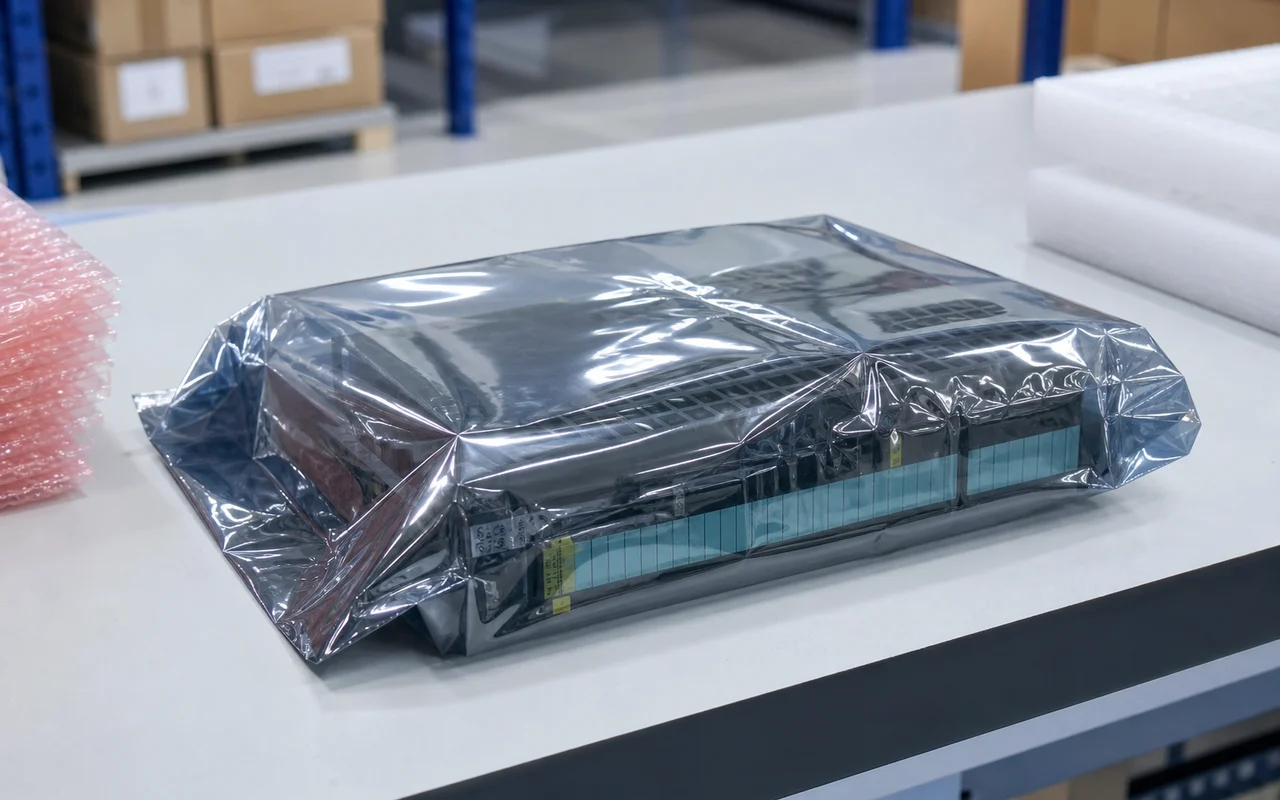 Anti-static Packaging
Modules are packed in anti-static bags to prevent electrostatic damage.
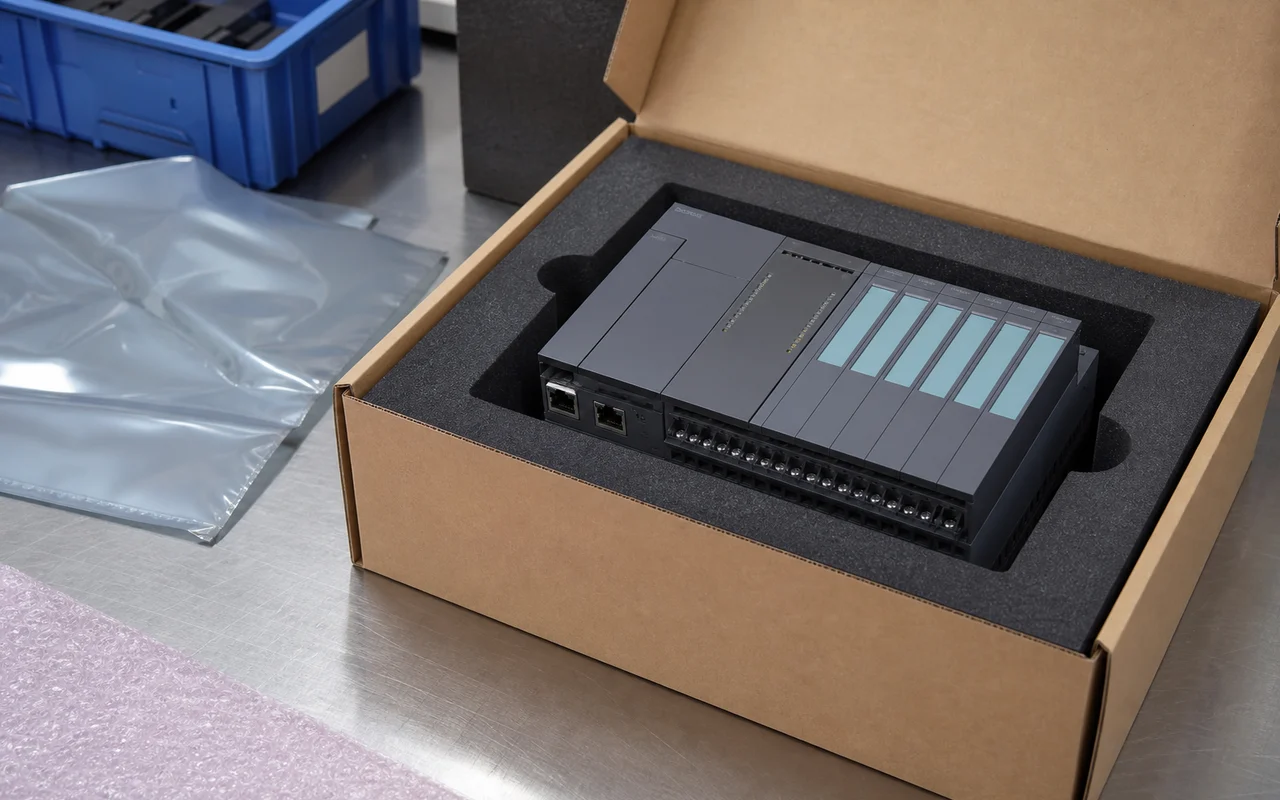 Secure Export Packing
Cushion protection and strong cartons ensure safe transportation.
 Worldwide Shipping
Global logistics network supports air, sea and express delivery.
 Documentation Check
Part number, revision and compatibility verified before shipment.
 After-sales Support
Professional technical support to help resolve your issues.