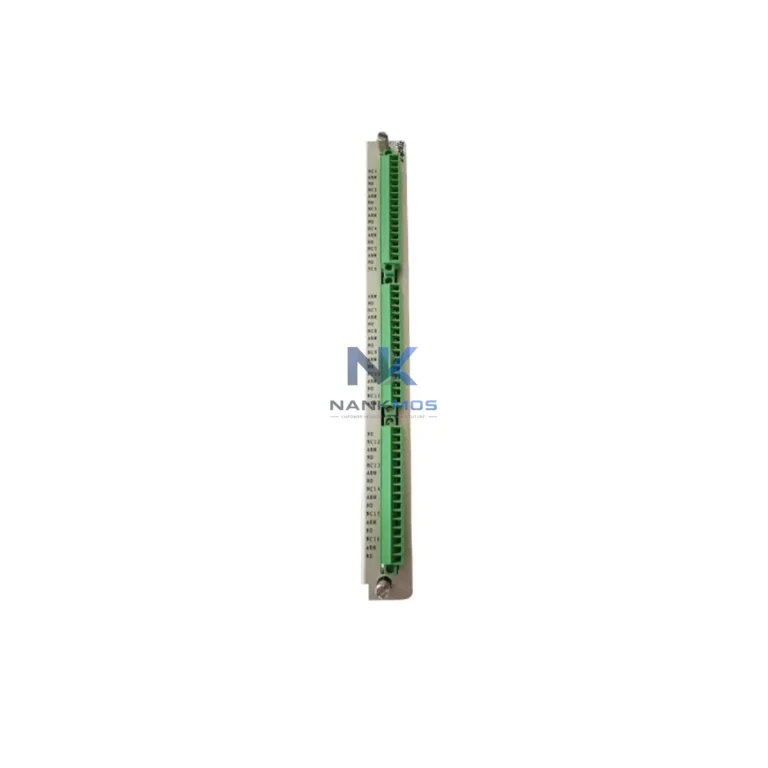
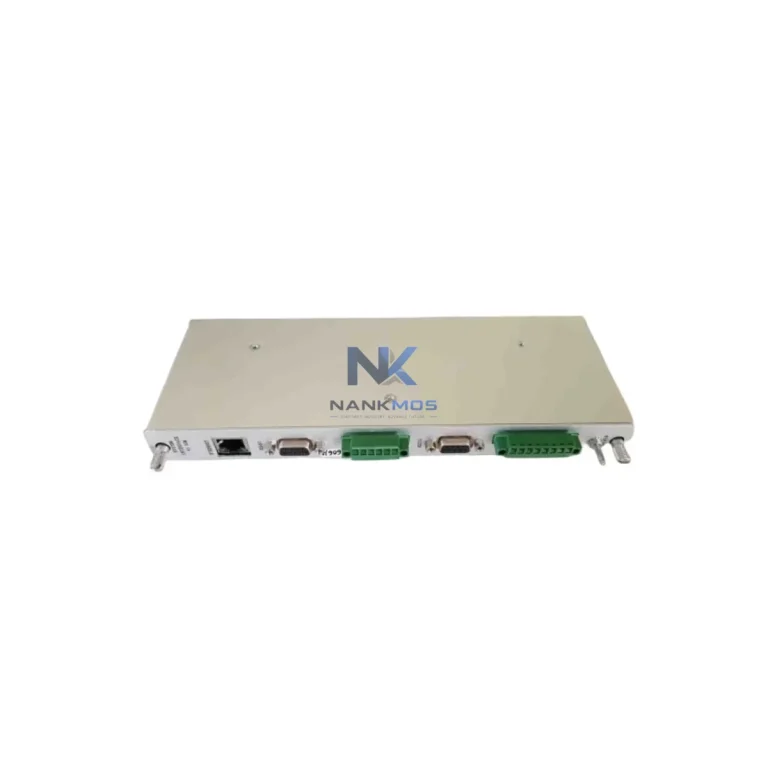
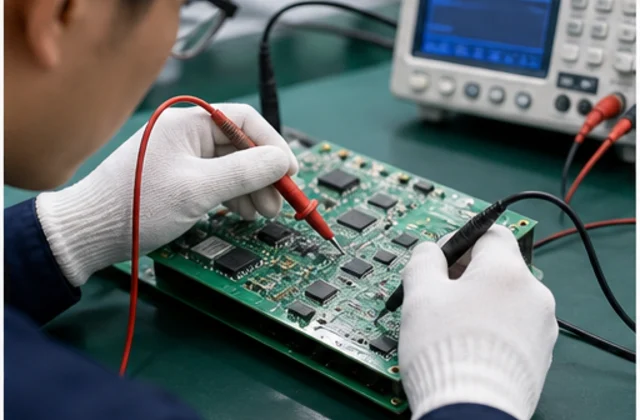
 Functional Inspection
100% tested on professional platforms to ensure stable performance.
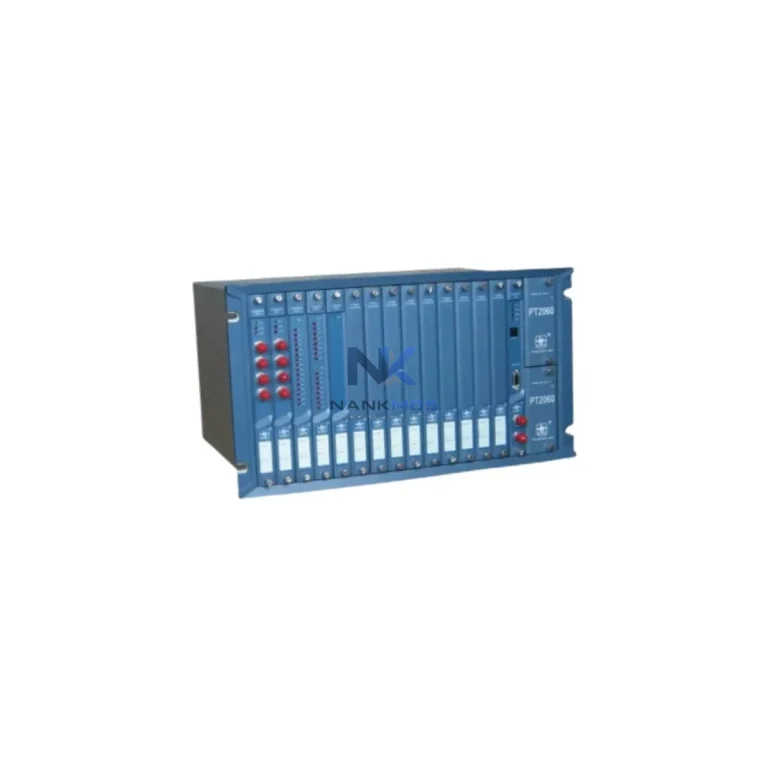
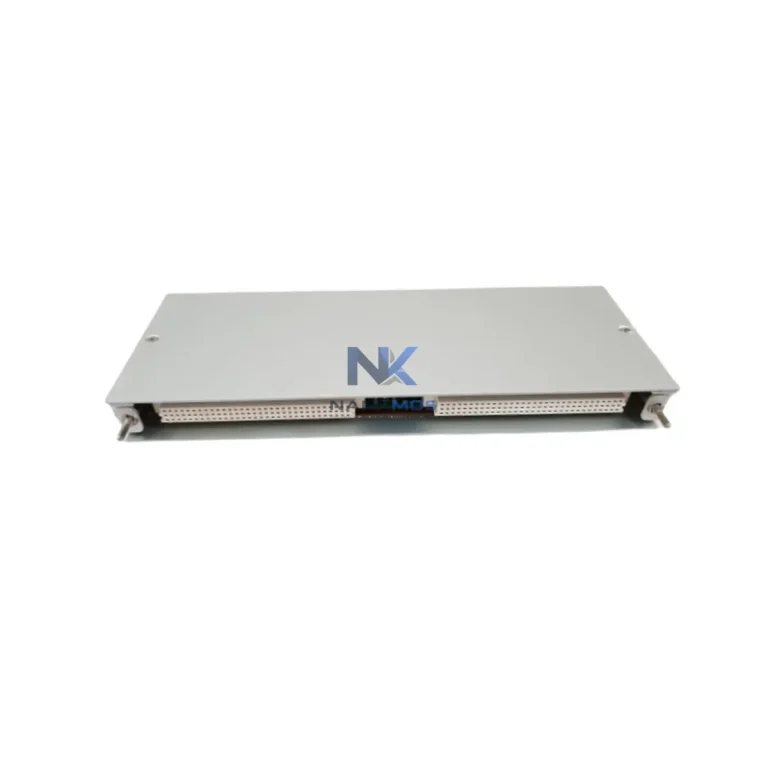
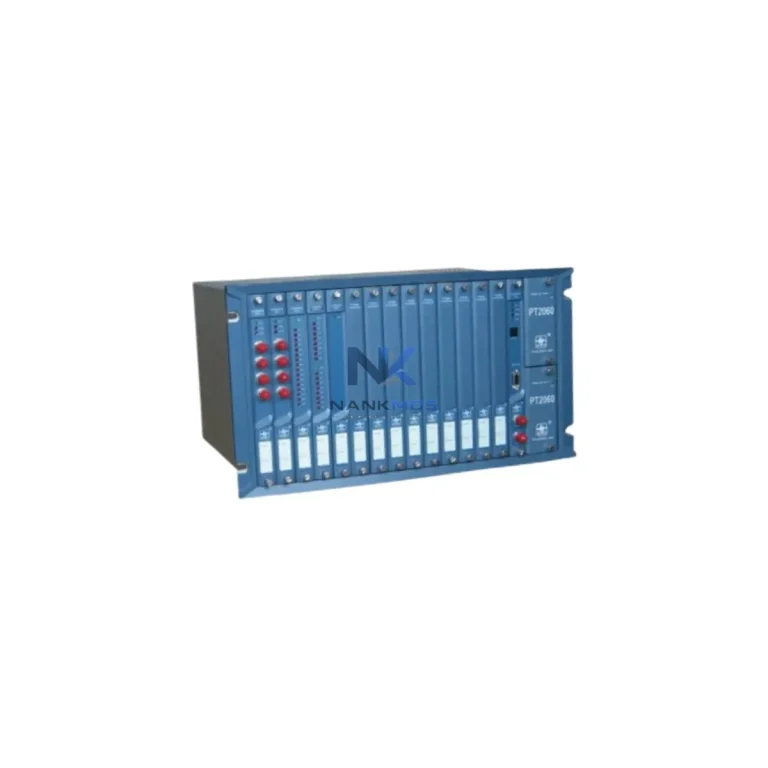
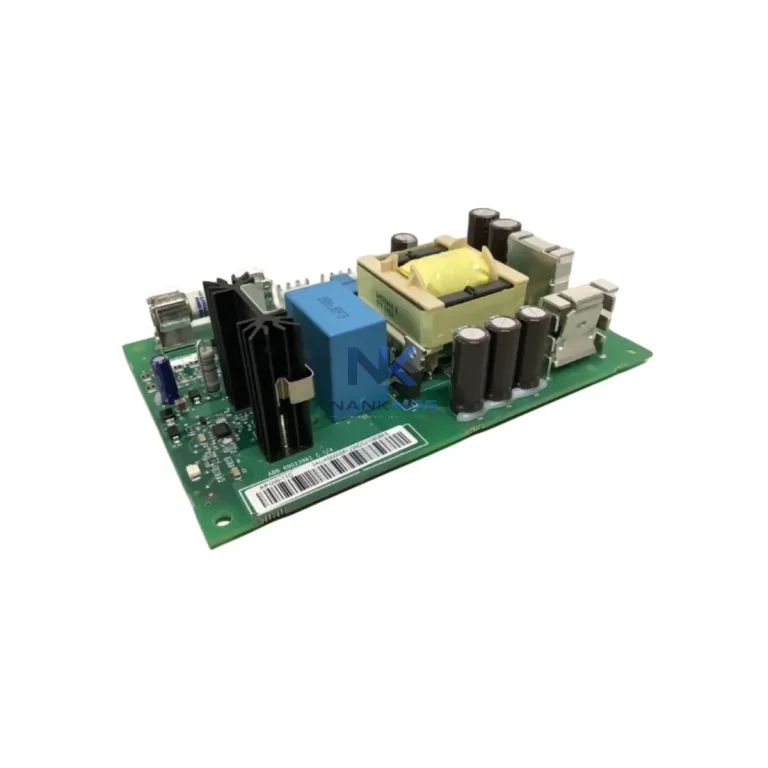
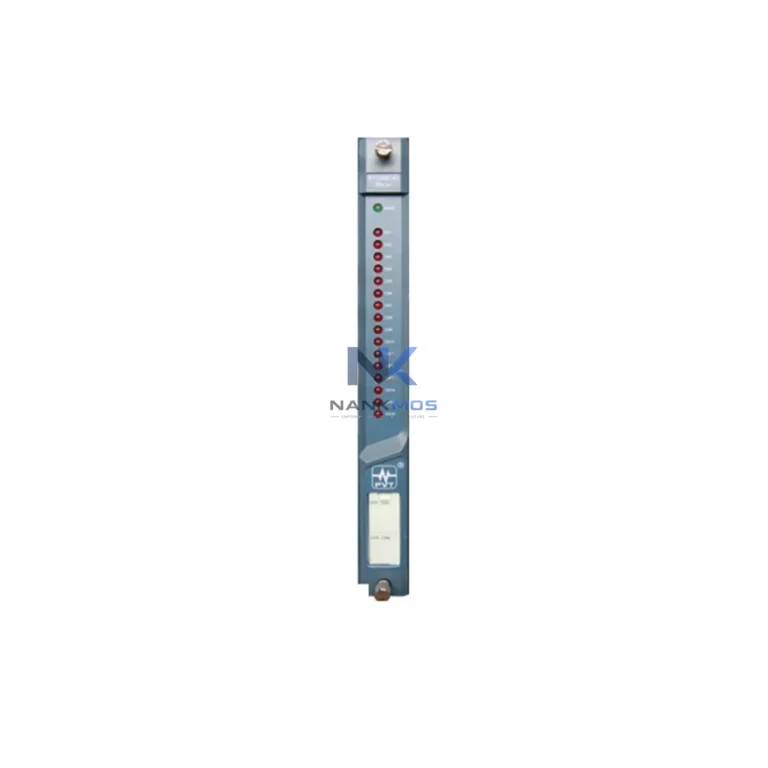
Provib Tech PT2060/91-A0 is a NANKMOS industrial automation product record Listed under Other series series and Business & Industrial > Automation, Control & Flow Devices. Confirm condition, availability, lead time, compatibility and documentation by email inquiry.
Brand names are used for identification only.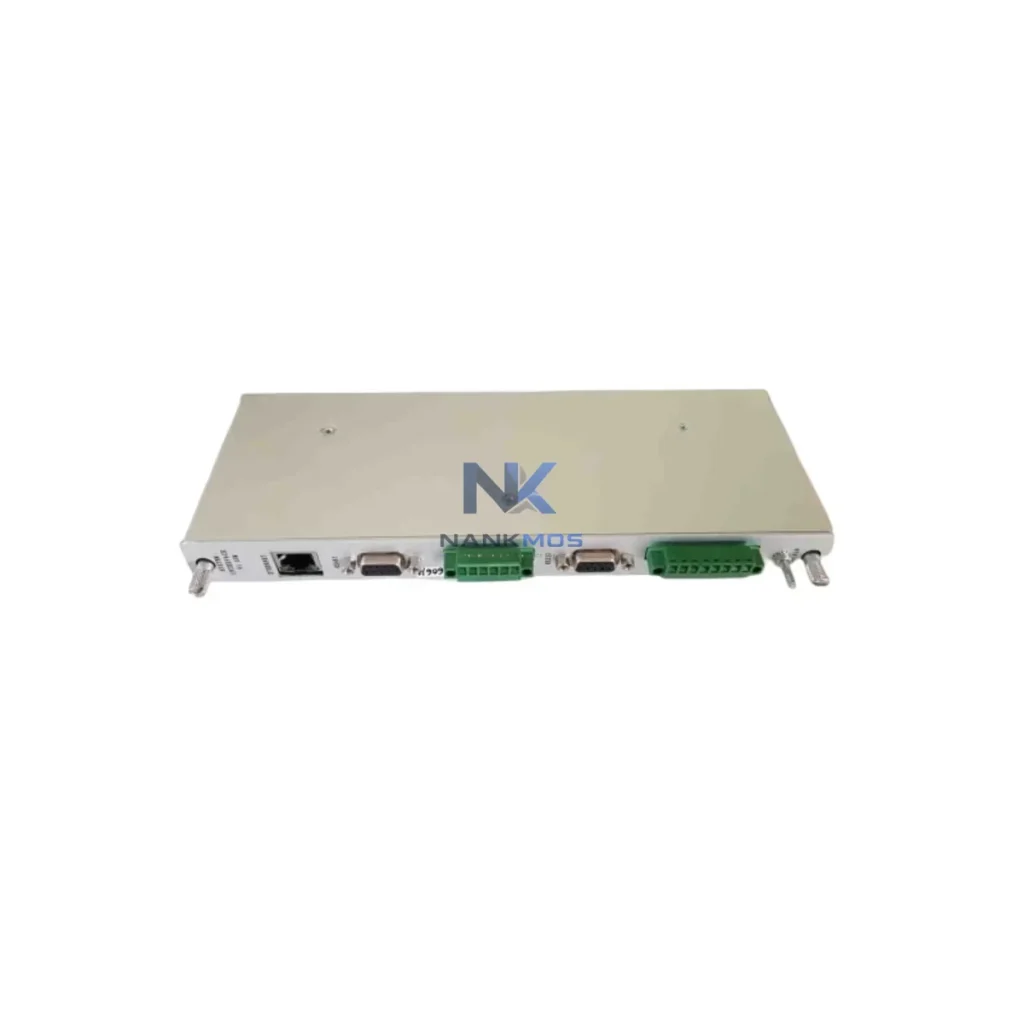
Provib Tech PT2060/91-A0 is a NANKMOS industrial automation product record Listed under Other series series and Business & Industrial > Automation, Control & Flow Devices. Confirm condition, availability, lead time, compatibility and documentation by email inquiry.
| Manufacturer | Provib Tech |
|---|---|
| Application | Industrial Automation Maintenance |
| Part Number / Model | PT2060/91-A0 |
| Compatible System | Confirmed by inquiry |
| Condition Options | To Confirm |
| Module Type | Automation, Control & Flow Devices |
| Warranty | 12 Months |
| Packaging | Anti-static Bag / Secure Box |
| Shipping Methods | DHL / FedEx / UPS / Air / Sea |
| Availability | To Confirm |
| Lead Time | To Confirm |
| Documentation | Part number and revision checked before quote |
The Provib Tech PT2060/91-A0 is a precision industrial network interface module engineered for the SIM Series vibration monitoring platform. Designed to serve as a critical data link between rotating machinery, field sensors, and upper-level control systems, the PT2060/91-A0 enables seamless integration across the full smart factory data chain — from raw vibration signal acquisition at the machine level to real-time visualization on SCADA dashboards and remote diagnostic platforms.
In modern industrial environments — including petrochemical plants, semiconductor fabs, energy generation facilities, and heavy manufacturing lines — continuous vibration monitoring is no longer optional. Unplanned downtime caused by bearing failures, shaft misalignment, or rotor imbalance can cost hundreds of thousands of dollars per hour. The PT2060/91-A0 addresses this challenge by providing a robust, protocol-ready network interface that bridges the gap between vibration transducers and the plant's digital infrastructure.
The module connects directly to SIM Series vibration transmitters and signal conditioners, aggregating multi-channel vibration data and transmitting it upstream via standardized industrial communication protocols. This makes it fully compatible with Modbus RTU/TCP, PROFIBUS DP, and HART-enabled control architectures, allowing plant engineers to integrate vibration health data into existing Siemens S7-300/S7-400 PLC systems, Rockwell ControlLogix platforms, or ABB AC500 controllers without requiring additional protocol converters or middleware layers.
The PT2060/91-A0 sits at the heart of a layered industrial data architecture. At the field level, vibration sensors and accelerometers — such as ICP-type piezoelectric transducers or 4–20 mA proximity probes — feed raw vibration signals into SIM Series signal conditioners. The PT2060/91-A0 then acts as the network gateway for this data, converting analog or digital sensor outputs into structured protocol frames that can be consumed by higher-level systems.
On the control network layer, the module communicates directly with PLC platforms via Modbus RTU over RS-485 or Modbus TCP/IP over Ethernet. In plants running Siemens TIA Portal environments, the PT2060/91-A0 integrates with S7-1500 or ET 200SP remote I/O stations, enabling vibration health tags to appear natively in the PLC's data block alongside process variables from pressure transmitters, flow meters, and temperature sensors. This unified data model simplifies alarm logic programming and reduces engineering overhead.
For facilities using PROFIBUS DP backbones — common in legacy DCS environments from Emerson DeltaV or Honeywell Experion — the PT2060/91-A0 acts as a PROFIBUS slave device, delivering vibration amplitude, frequency spectrum, and bearing condition indices directly to the DCS historian. This eliminates the need for standalone vibration monitoring panels and reduces panel space requirements by consolidating data into the existing control infrastructure.
At the edge computing layer, the PT2060/91-A0 can interface with industrial edge gateways such as Moxa UC-8100 or Advantech WISE-5000 series devices. These gateways pre-process vibration data locally — applying FFT analysis, trend detection, and threshold-based alerting — before forwarding structured JSON or OPC-UA payloads to cloud-based condition monitoring platforms or on-premise SCADA servers running Wonderware InTouch or Ignition by Inductive Automation.
The data flow continues upward to HMI terminals on the plant floor, where operators can view real-time vibration trend charts, alarm histories, and machine health scores. Integration with Weintek cMT or Siemens TP700 Comfort HMI panels is straightforward via Modbus TCP, requiring only standard driver configuration. At the SCADA level, vibration data from multiple PT2060/91-A0 nodes across different machine trains can be aggregated into a single plant-wide asset health dashboard, enabling predictive maintenance scheduling and reducing unplanned downtime.
For power distribution and signal integrity across the network, the system relies on 24 VDC industrial power supplies — such as Phoenix Contact QUINT or MEAN WELL DIN-rail units — to ensure stable, noise-free operation in electrically harsh environments. Industrial managed Ethernet switches with QoS prioritization ensure that vibration data packets are delivered with deterministic latency, critical for time-sensitive alarm conditions.
One of the most persistent challenges in industrial automation is the existence of data silos — isolated monitoring systems that cannot share information with the plant's central control infrastructure. Traditional vibration monitoring systems often operate as standalone units with proprietary software, making it impossible to correlate vibration anomalies with process variables such as load, temperature, or flow rate. The PT2060/91-A0 directly solves this problem by providing open, standardized protocol interfaces that allow vibration data to flow freely into any Modbus- or PROFIBUS-compatible control system.
Protocol fragmentation is another common barrier. Plants that have evolved over decades often run a mix of legacy RS-232 instruments, HART field devices, and modern Ethernet-based systems. The PT2060/91-A0's multi-protocol support means it can serve as a bridge between these generations of technology, translating SIM Series vibration data into the format required by whatever control system is already in place — without requiring a full infrastructure overhaul.
Remote monitoring and diagnostics are increasingly critical as plants move toward leaner maintenance teams and remote operations centers. The PT2060/91-A0 enables remote access to vibration health data through SCADA and DCS systems, allowing maintenance engineers to diagnose developing faults — such as increasing bearing wear or rotor unbalance — from a central control room or even from off-site locations via secure VPN connections. This capability supports condition-based maintenance strategies that reduce both maintenance costs and the risk of catastrophic equipment failure.
Production line transparency is enhanced by integrating vibration data into the plant's MES (Manufacturing Execution System) or ERP layer. When vibration health indices are available alongside OEE (Overall Equipment Effectiveness) metrics, plant managers can make data-driven decisions about maintenance scheduling, production planning, and capital investment. The PT2060/91-A0 makes this integration possible by ensuring that vibration data is always available in a machine-readable, protocol-standard format.
Alarm tracking and escalation workflows are also improved. By feeding vibration alarm states into the PLC or DCS alarm management system, the PT2060/91-A0 ensures that vibration-related alerts are handled with the same priority and escalation logic as process alarms — reducing the risk of missed alerts and enabling faster response times. System expansion is equally straightforward: additional PT2060/91-A0 modules can be added to the network as new machine trains are brought online, with each module appearing as a new Modbus or PROFIBUS node without requiring changes to the existing network architecture.
Q1: What communication protocols does the PT2060/91-A0 support, and is it compatible with existing PLC or DCS systems?The PT2060/91-A0 supports Modbus RTU (RS-485), Modbus TCP/IP (Ethernet), PROFIBUS DP, and HART. This makes it compatible with the vast majority of industrial PLC and DCS platforms, including Siemens S7 series, Rockwell ControlLogix, ABB AC500, Emerson DeltaV, and Honeywell Experion, without requiring additional protocol converters.
Q2: How does the PT2060/91-A0 ensure network stability and data integrity in electrically noisy industrial environments?The module is designed for industrial-grade EMC compliance, with RS-485 differential signaling providing inherent noise immunity over long cable runs. For Ethernet-based installations, the use of industrial managed switches with VLAN segmentation and QoS prioritization ensures deterministic data delivery. The module operates reliably across a wide temperature range (-20°C to +70°C) and is rated for continuous duty in panel-mount installations.
Q3: Can the PT2060/91-A0 support remote diagnostics and condition monitoring without on-site personnel?Yes. When integrated with a SCADA or DCS system, vibration health data from the PT2060/91-A0 is continuously available to remote operators via the plant's control network. Combined with edge gateway solutions that support OPC-UA or MQTT, the module can feed data to cloud-based condition monitoring platforms, enabling remote trend analysis, alarm notification, and predictive maintenance scheduling from any location.
Q4: What does the 12-month warranty cover, and has the unit been tested before shipment?Every PT2060/91-A0 unit undergoes functional testing prior to shipment, verifying communication protocol operation, signal integrity, and power supply compatibility. The 12-month warranty covers manufacturing defects and component failures under normal operating conditions. Units are shipped from verified global stock with full documentation, and our technical team is available to support integration and commissioning queries.
Functional Inspection100% tested on professional platforms to ensure stable performance.
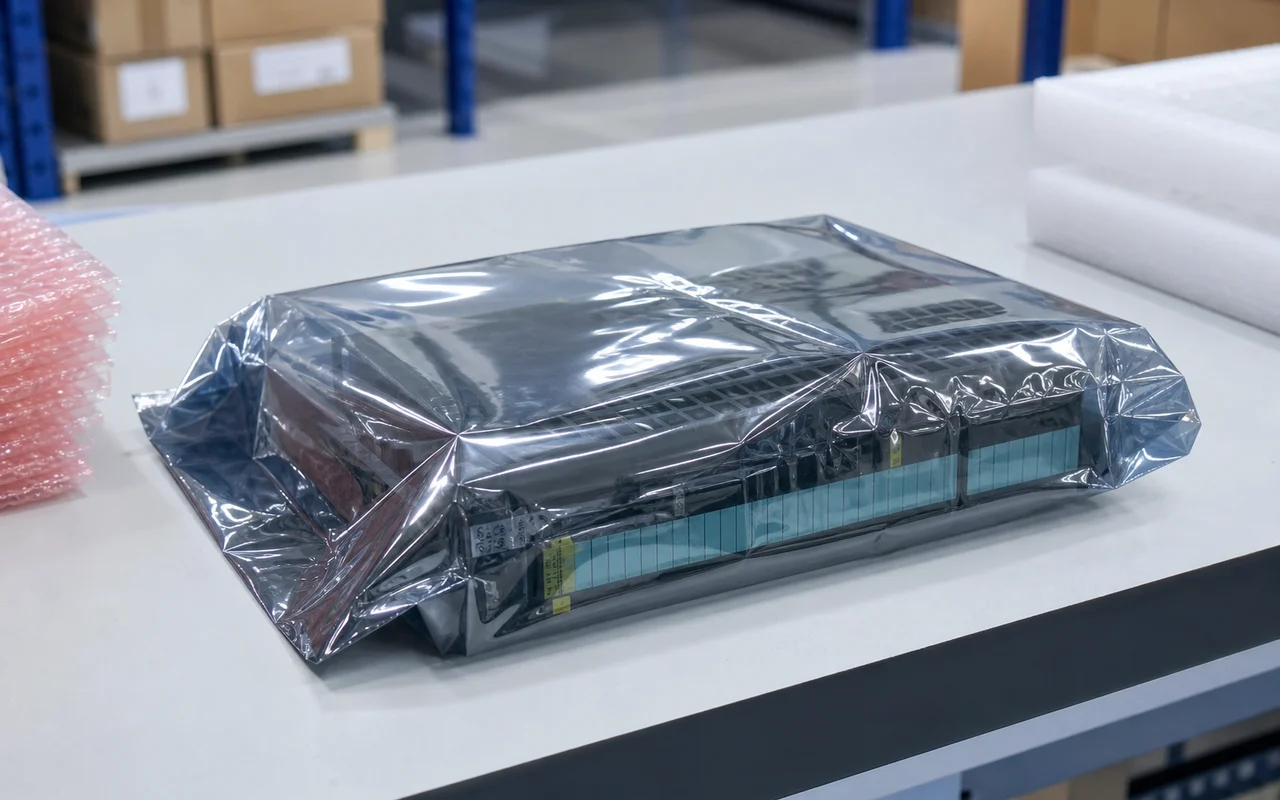 Anti-static Packaging
Modules are packed in anti-static bags to prevent electrostatic damage.
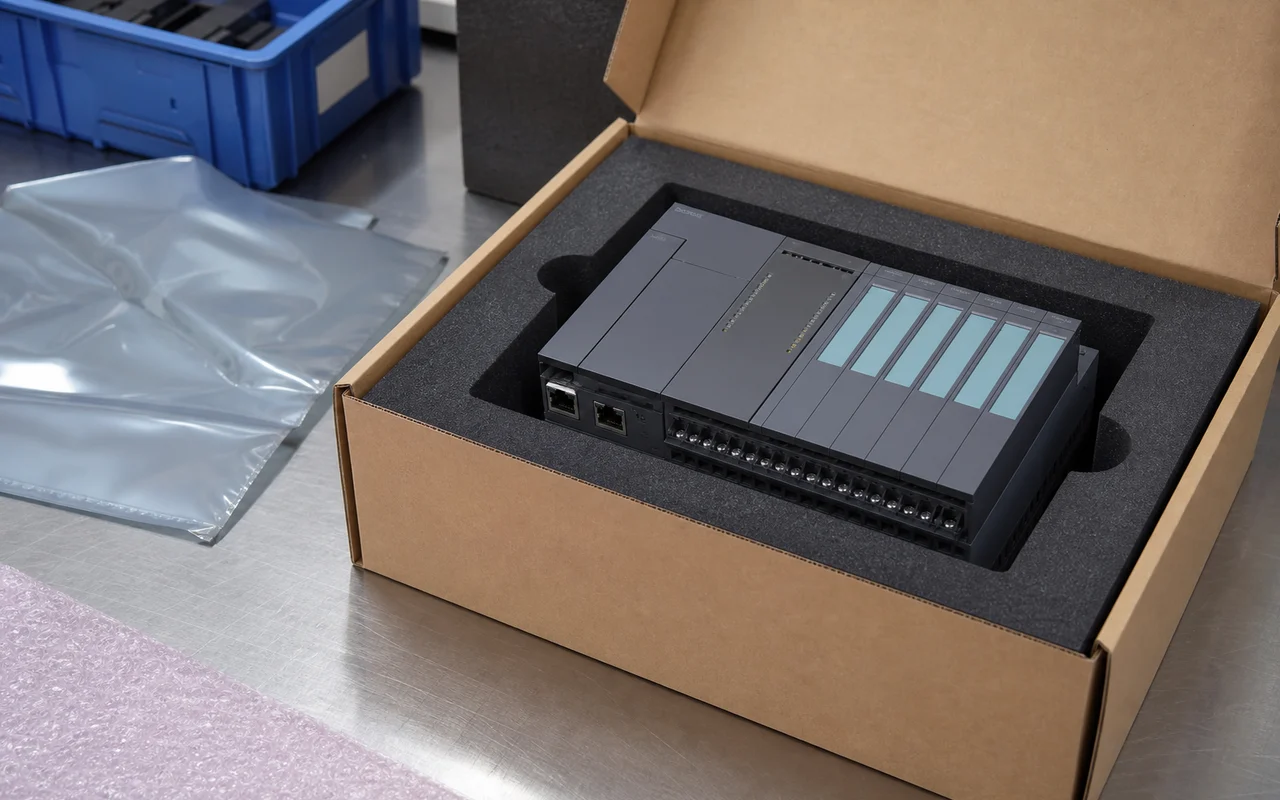 Secure Export Packing
Cushion protection and strong cartons ensure safe transportation.
 Worldwide Shipping
Global logistics network supports air, sea and express delivery.
 Documentation Check
Part number, revision and compatibility verified before shipment.
 After-sales Support
Professional technical support to help resolve your issues.