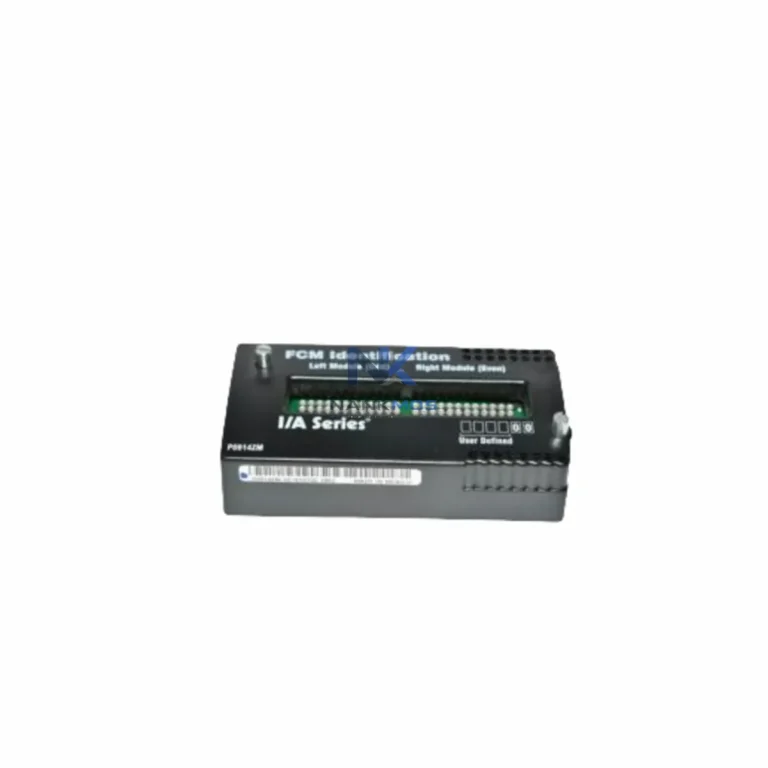
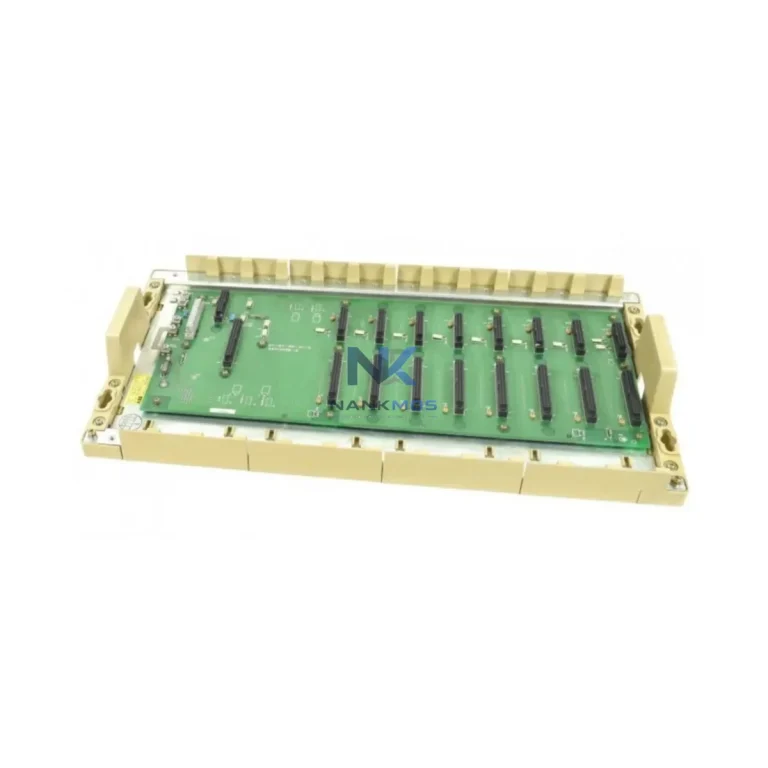
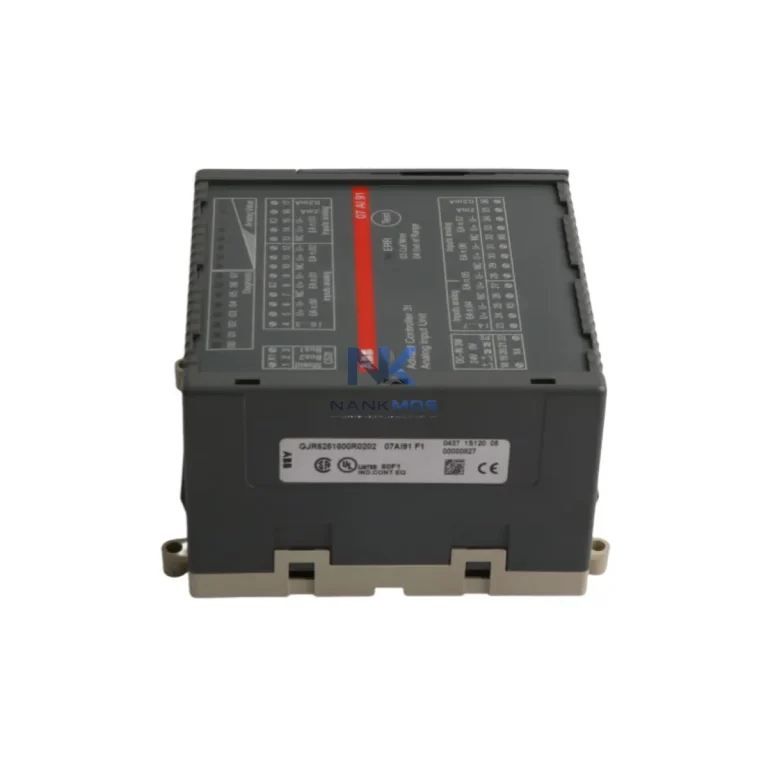
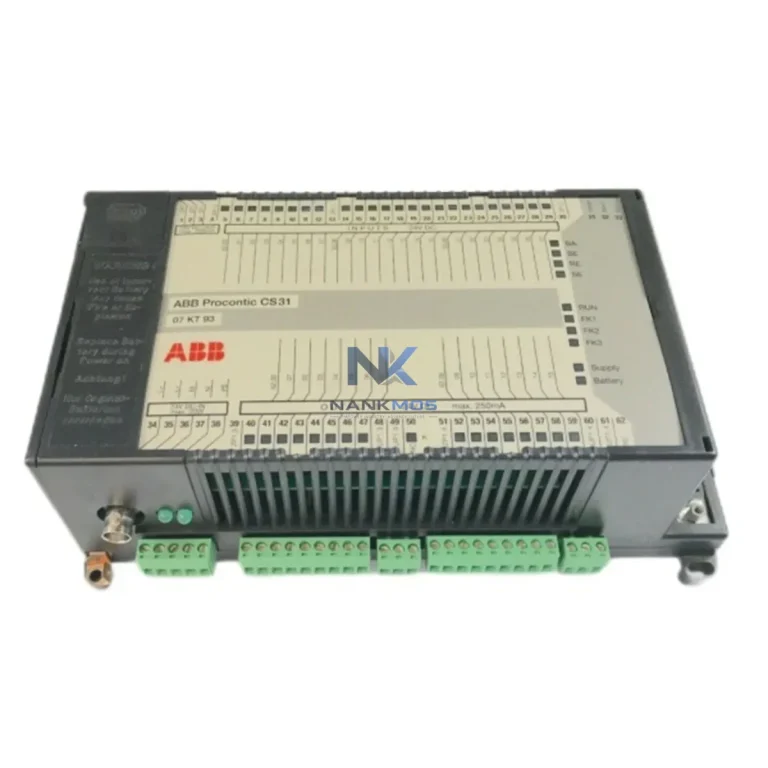
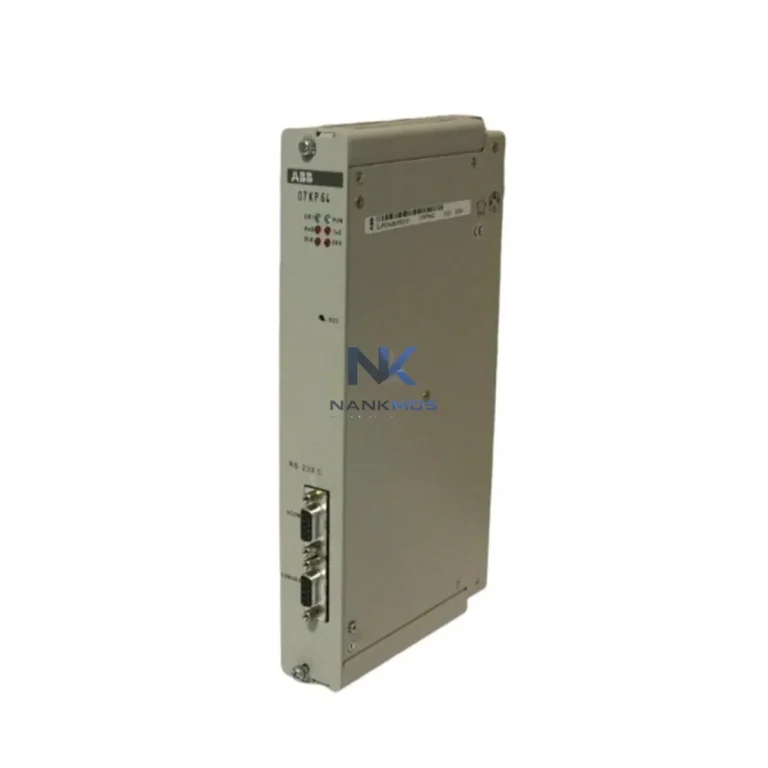
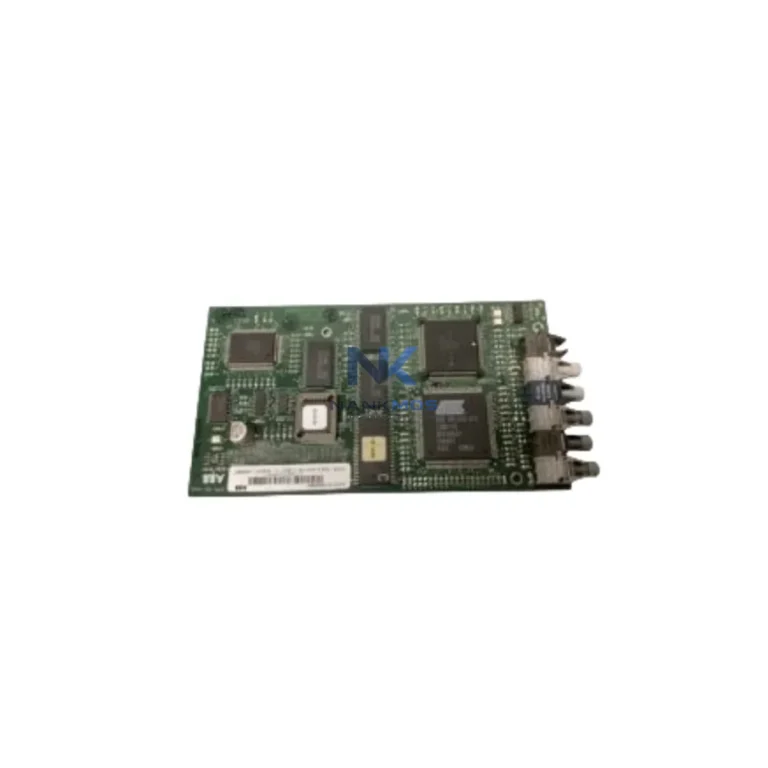
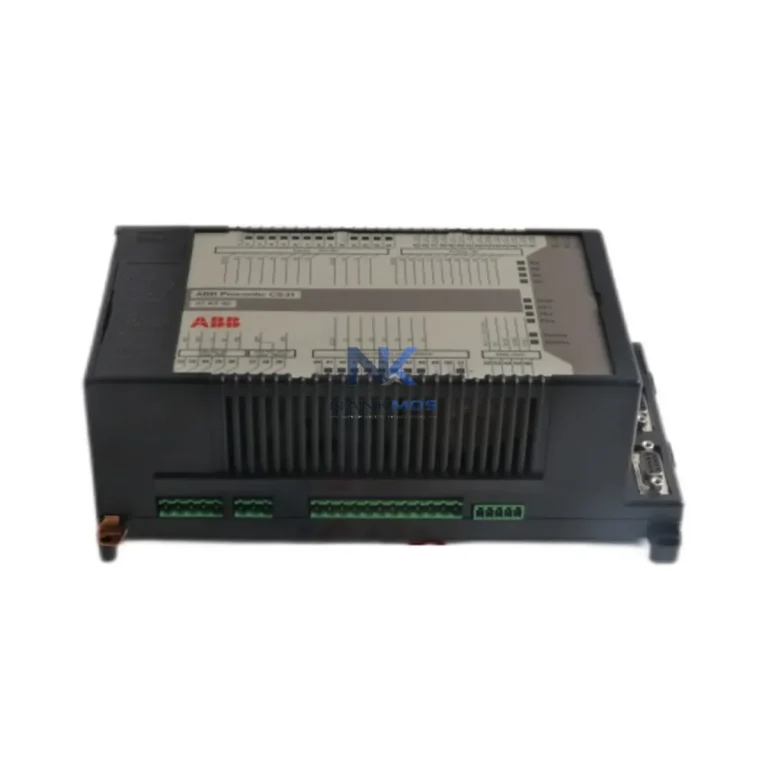
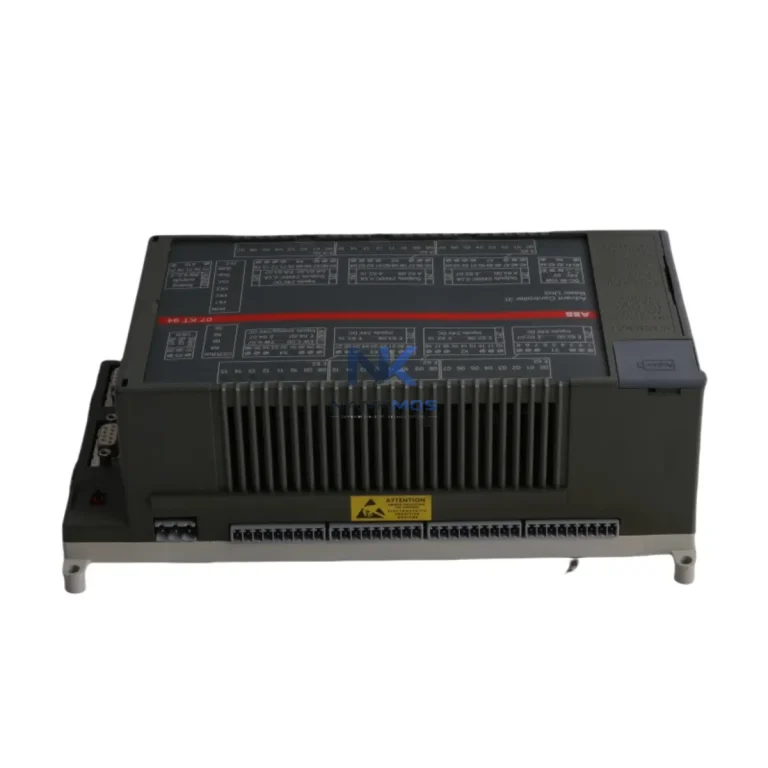
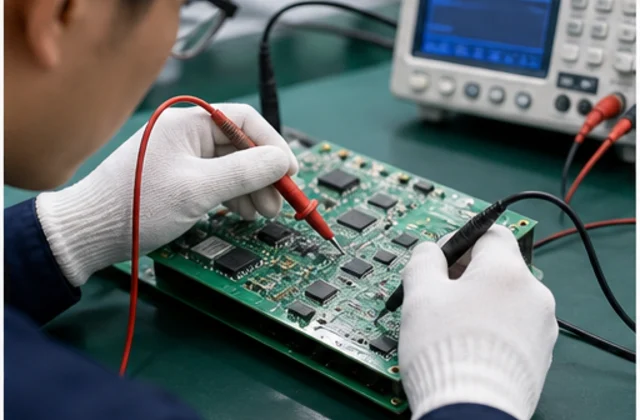
 Functional Inspection
100% tested on professional platforms to ensure stable performance.
RFPP RFPP 23-07558-501 RF20 CONTROL BOARD PCB 23-07557-401 is a NANKMOS industrial automation product record Listed under Other series series and Business & Industrial > Automation, Control & Flow Devices > Programmable Logic Controllers. Confirm condition, availability, lead time, compatibility and documentation by email inquiry.
Brand names are used for identification only.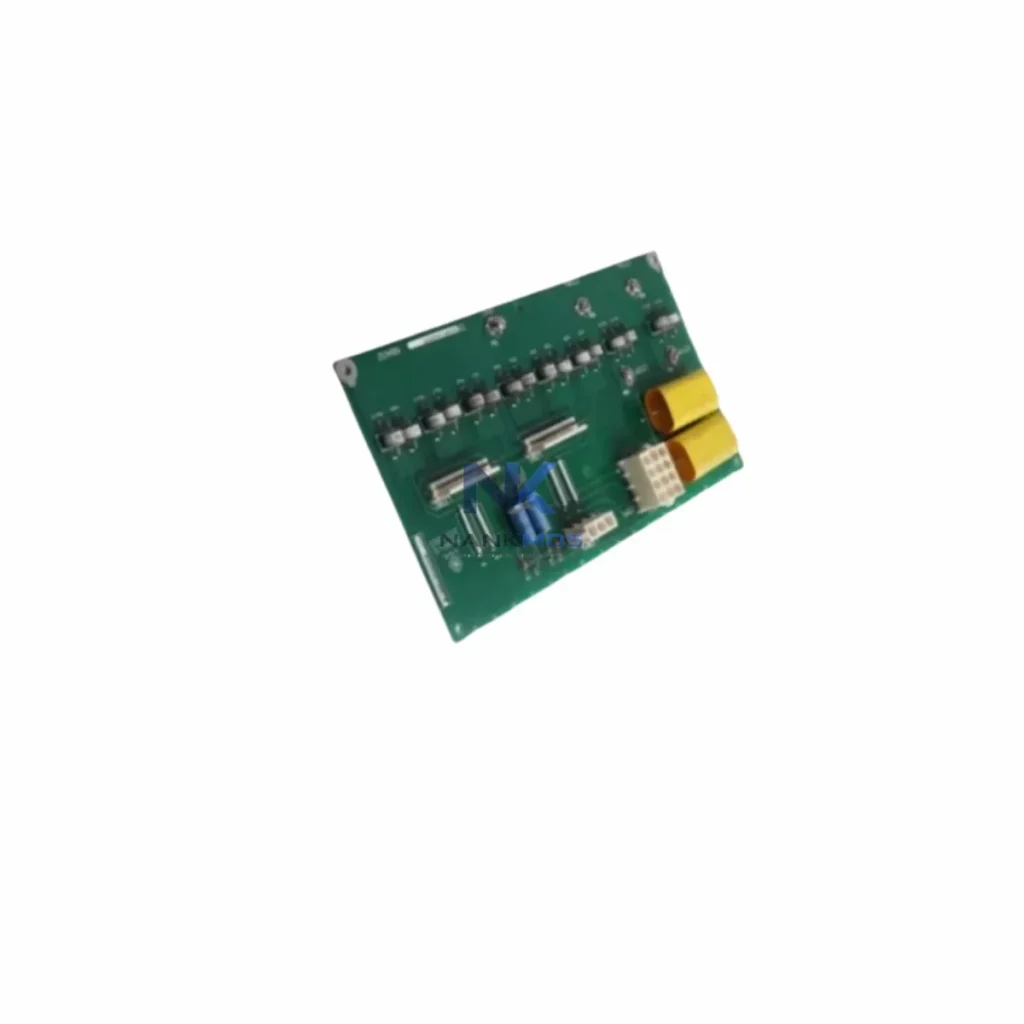
RFPP RFPP 23-07558-501 RF20 CONTROL BOARD PCB 23-07557-401 is a NANKMOS industrial automation product record Listed under Other series series and Business & Industrial > Automation, Control & Flow Devices > Programmable Logic Controllers. Confirm condition, availability, lead time, compatibility and documentation by email inquiry.
| Manufacturer | RFPP |
|---|---|
| Application | Controller Processing & System Control |
| Part Number / Model | RFPP 23-07558-501 RF20 CONTROL BOARD PCB 23-07557-401 |
| Compatible System | Confirmed by inquiry |
| Condition Options | To Confirm |
| Module Type | Controller / CPU Module |
| Warranty | 12 Months |
| Packaging | Anti-static Bag / Secure Box |
| Shipping Methods | DHL / FedEx / UPS / Air / Sea |
| Availability | To Confirm |
| Lead Time | To Confirm |
| Documentation | Part number and revision checked before quote |
The RFPP 23-07558-501 is a precision-engineered industrial control board designed for the RF20 generator platform, delivering reliable signal processing, real-time status feedback, and seamless integration into automated production environments. As a core PCB module within the RF20 system architecture, this board manages generator control logic, I/O signal routing, and communication handshaking between the RF power source and upstream control systems — including PLCs, SCADA platforms, and HMI terminals. Whether deployed in semiconductor fabrication, plasma processing, or advanced industrial RF applications, the 23-07558-501 provides the data backbone that keeps critical processes transparent, traceable, and remotely manageable.
In modern smart factory deployments, the control board is not merely a passive component — it is an active node in the plant-wide data chain. The RFPP 23-07558-501 interfaces directly with the RF20 generator's internal logic bus, translating real-time operational parameters — forward power, reflected power, load impedance status, fault codes, and interlock states — into structured signals that upstream systems can consume. This data flow enables operators and engineers to monitor generator health from a central SCADA workstation or remote HMI panel without requiring physical access to the RF enclosure.
The RFPP 23-07558-501 sits at the intersection of RF power delivery and plant-wide automation intelligence. In a typical smart factory deployment, the data flow originates at the RF20 generator itself — where the 23-07558-501 control board continuously samples forward and reflected power levels, load match status, and fault register states. These signals are passed through the board's I/O interface to a PLC controller (such as an Allen-Bradley ControlLogix or Siemens S7-300 series), which aggregates generator status alongside other process variables from the production cell.
From the PLC, structured data travels over the plant network — typically via PROFIBUS DP or PROFINET IO backbones — to a SCADA server running platforms such as Wonderware InTouch or Ignition. Operators at the HMI terminal (e.g., a Siemens TP1200 Comfort or Rockwell PanelView Plus) can view live RF generator parameters, acknowledge alarms, and issue remote enable/disable commands — all without interrupting the process. In facilities where legacy serial equipment must be bridged to modern Ethernet infrastructure, an industrial protocol gateway (such as an HMS Anybus X-gateway or Moxa MGate series) handles the RS-232/RS-485 to Ethernet conversion, ensuring the RF20 system's data remains visible across the full plant network.
For remote I/O expansion, the PLC may communicate with distributed remote I/O modules — such as Phoenix Contact Axioline or Beckhoff EtherCAT terminals — that collect additional sensor data from the process chamber: temperature, pressure, gas flow, and endpoint detection signals. This data is correlated with the RF generator's power delivery profile to build a complete picture of process health. Edge gateway devices (such as a Moxa UC-8100 or Advantech WISE-5000 series) can further aggregate this multi-source data stream and push it to cloud-based analytics or MES platforms for long-term trending and OEE analysis.
Variable frequency drives (VFDs) controlling vacuum pump motors and cooling fans within the RF system enclosure also feed status data into the same PLC network, allowing the SCADA system to correlate thermal and mechanical health with RF output stability. Industrial Ethernet switches — such as Hirschmann MICE or Cisco IE-3000 series — provide the managed Layer 2 infrastructure that keeps all these nodes communicating with deterministic latency. Power quality monitoring via industrial power meters (e.g., Schneider Electric PowerLogic ION series) rounds out the data chain, giving maintenance teams full visibility into the energy consumption profile of the RF20 generator system.
Many industrial facilities running legacy RF generator platforms face a common set of challenges: protocol fragmentation, data silos, and limited remote visibility into generator health. The RFPP 23-07558-501 control board directly addresses these pain points by providing a standardised I/O interface that bridges the RF20 generator's internal logic to the plant's broader automation architecture.
Protocol unification: Where the RF20 generator communicates via RS-232 or RS-485 serial and the plant PLC network operates on PROFIBUS or PROFINET, a protocol gateway translates between these domains — with the 23-07558-501 serving as the reliable source of generator-side data. This eliminates the need for manual parameter logging and reduces the risk of transcription errors in process records.
Remote monitoring and diagnostics: With the control board's fault register outputs mapped to PLC tags and surfaced on the SCADA HMI, maintenance engineers can diagnose generator faults — arc events, reflected power excursions, interlock trips — from a remote workstation or even a mobile device via secure VPN access. Mean time to repair (MTTR) is significantly reduced when fault data is available in real time rather than discovered during the next scheduled inspection.
Production line transparency: By integrating RF generator status into the plant MES data stream, production managers gain visibility into generator uptime, process recipe compliance, and energy consumption — enabling data-driven decisions about preventive maintenance scheduling and process optimisation. Alarm history captured by the SCADA system provides an auditable trail for quality management and regulatory compliance.
System scalability: The standardised I/O architecture of the 23-07558-501 means that as production capacity expands — adding additional RF generators, process chambers, or automation cells — the same integration pattern can be replicated without redesigning the communication infrastructure. This makes the RFPP RF20 platform a scalable foundation for smart factory growth.
Q1: What communication interfaces does the RFPP 23-07558-501 support, and how does it integrate with a PLC? The 23-07558-501 control board provides RS-232 and RS-485 serial interfaces along with digital I/O lines for interlock and status signalling. Integration with a PLC is achieved either directly via serial communication modules (e.g., Siemens CP341 or Allen-Bradley 1756-MVI) or through a protocol gateway that bridges the serial interface to the PLC's native network (PROFIBUS, PROFINET, EtherNet/IP). Once mapped to PLC tags, all generator parameters are available to the SCADA and HMI layers in real time.
Q2: How does the board perform in terms of communication latency and network stability in high-EMI RF environments? The RFPP 23-07558-501 is designed for operation within RF generator enclosures where electromagnetic interference is inherent. The board's signal conditioning circuitry and shielded I/O design minimise noise coupling onto communication lines. For plant network stability, it is recommended to use shielded twisted-pair cabling for RS-485 runs and to install the protocol gateway outside the RF enclosure to further isolate the Ethernet network from RF emissions. Communication latency over RS-485 at standard baud rates (9600–115200 bps) is well within the requirements of typical SCADA polling cycles (100 ms–1 s).
Q3: Can the 23-07558-501 support remote diagnostics and what data is available for condition monitoring? Yes. The control board exposes forward power, reflected power, load match status, fault codes, interlock states, and generator enable/disable status via its I/O interface. When these signals are mapped through a PLC to a SCADA platform, remote diagnostics become fully operational — engineers can monitor generator health, acknowledge alarms, and review fault history from any networked workstation. This capability is particularly valuable for multi-site operations where on-site RF expertise may not always be available.
Q4: What quality assurance and warranty coverage applies to the RFPP 23-07558-501? Every RFPP 23-07558-501 unit supplied by NANKMOS undergoes a pre-shipment functional test to verify board integrity and I/O signal performance before dispatch. All units are covered by a 12-Month Warranty from the date of shipment, covering manufacturing defects and functional failures under normal operating conditions. In-stock units are available for immediate global dispatch, with expedited shipping options available for urgent production requirements. For technical support, warranty claims, or volume pricing, contact [email protected] or call +86 18359268345.
Functional Inspection100% tested on professional platforms to ensure stable performance.
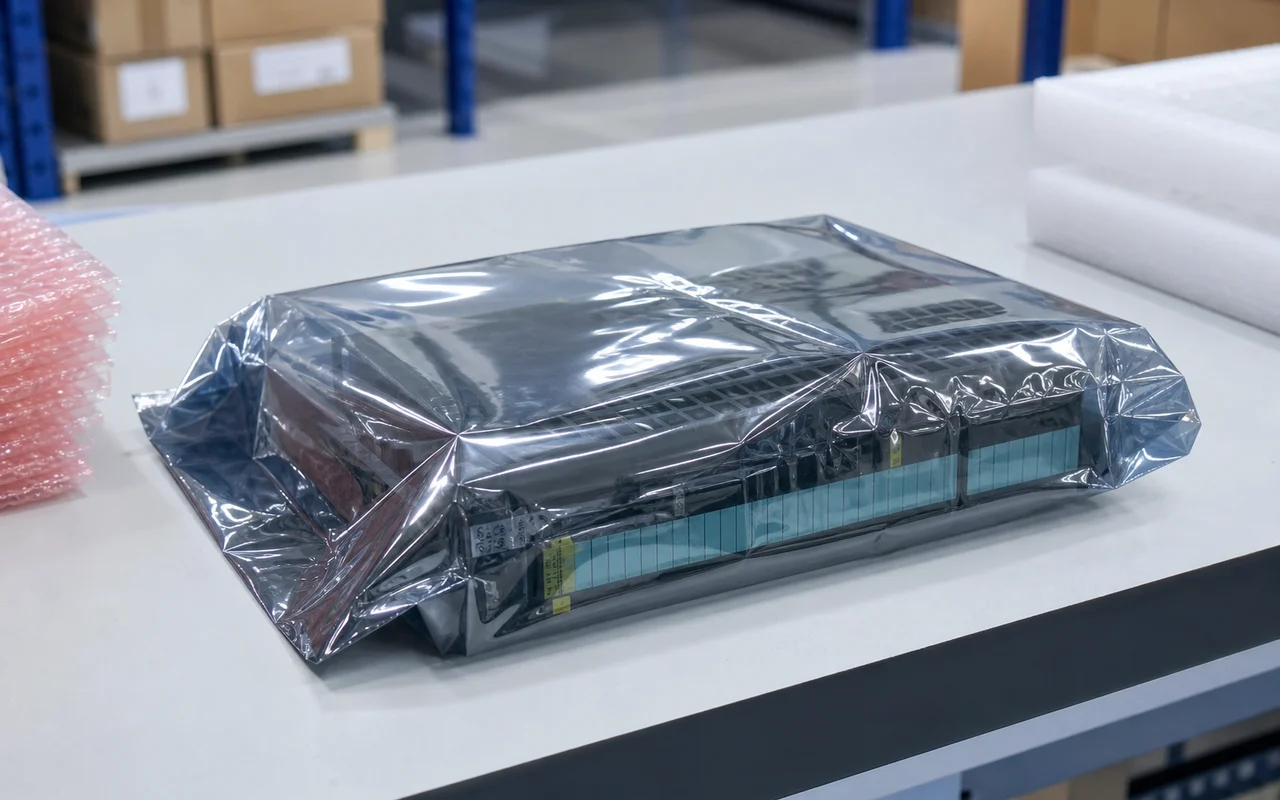 Anti-static Packaging
Modules are packed in anti-static bags to prevent electrostatic damage.
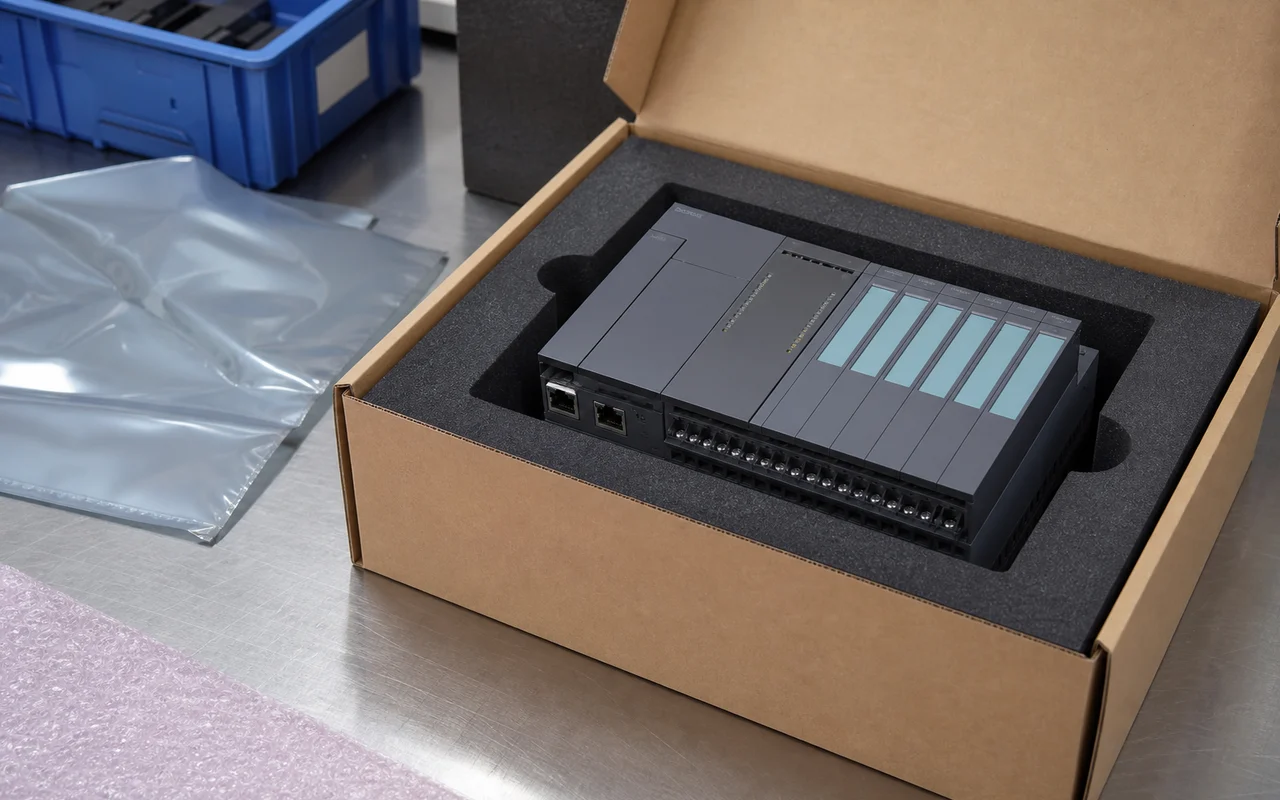 Secure Export Packing
Cushion protection and strong cartons ensure safe transportation.
 Worldwide Shipping
Global logistics network supports air, sea and express delivery.
 Documentation Check
Part number, revision and compatibility verified before shipment.
 After-sales Support
Professional technical support to help resolve your issues.