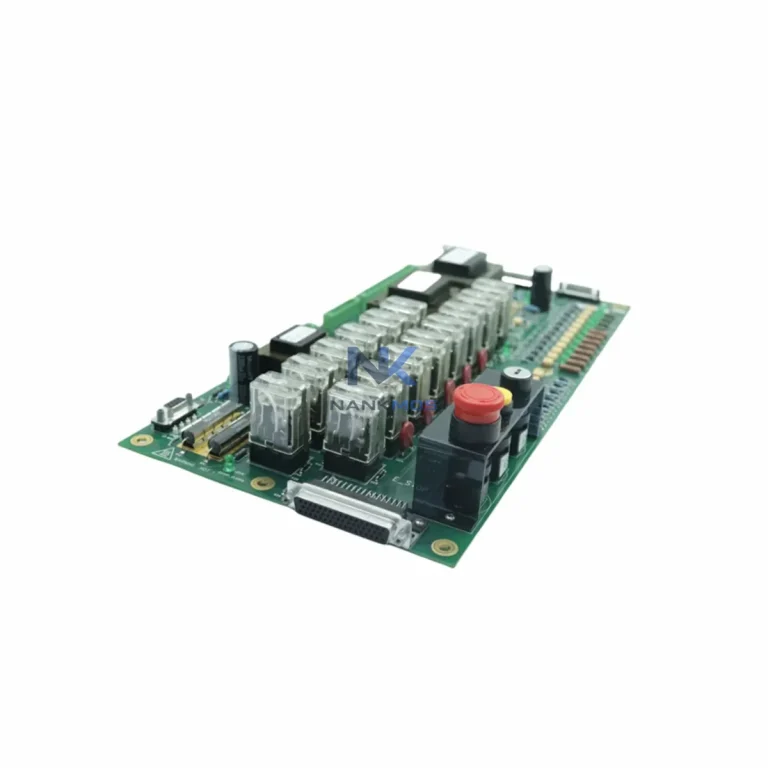
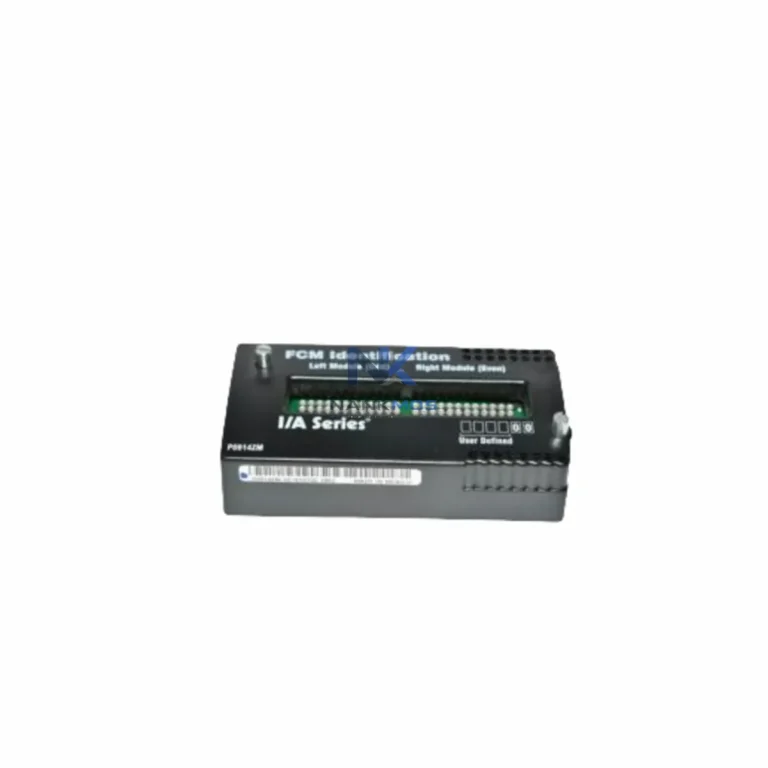
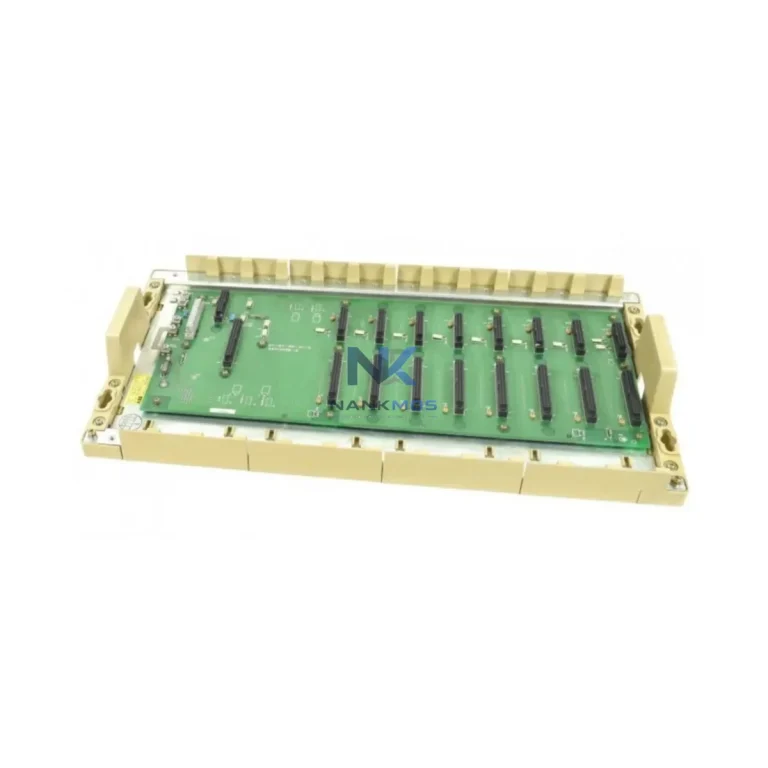
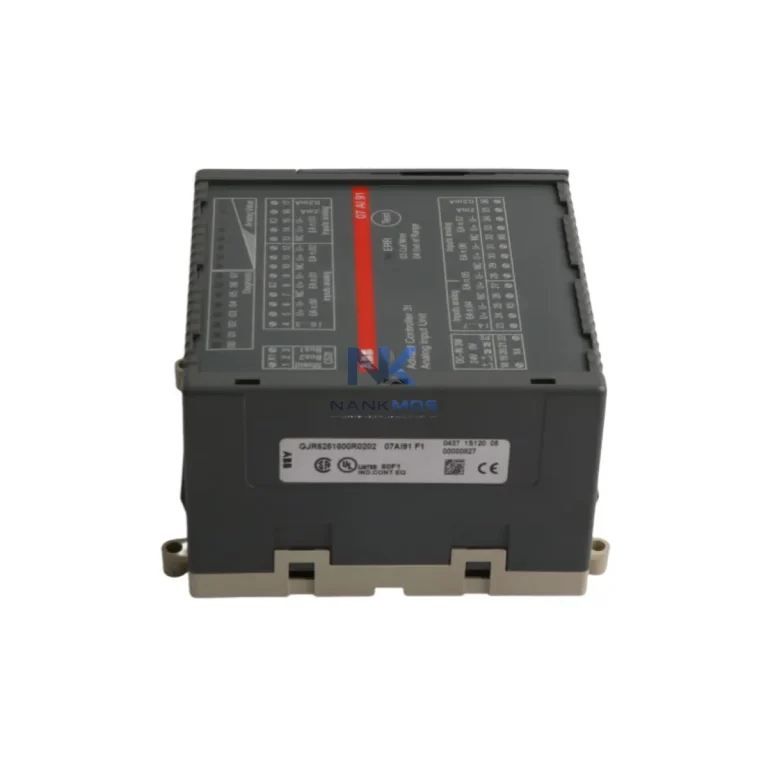
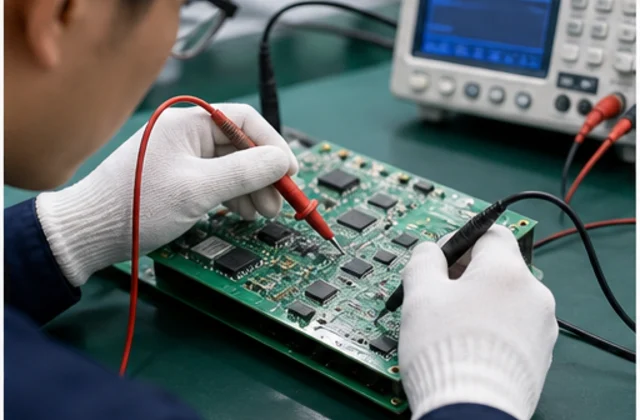
 Functional Inspection
100% tested on professional platforms to ensure stable performance.
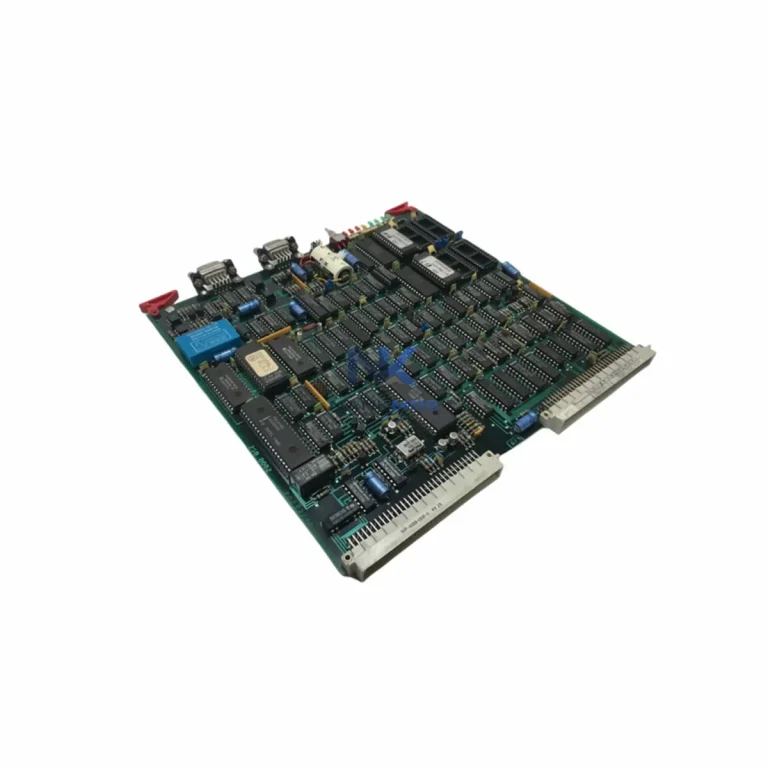
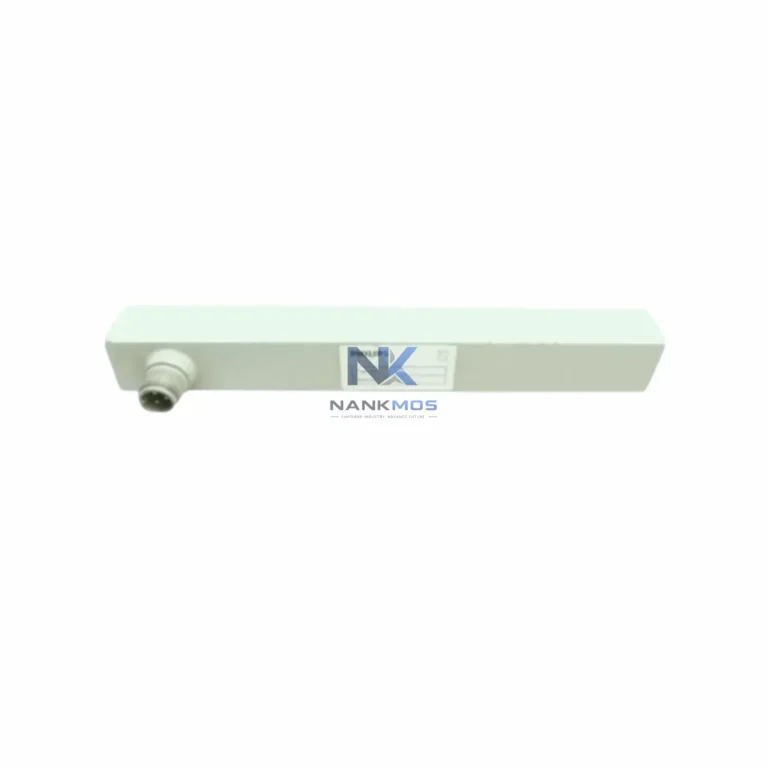
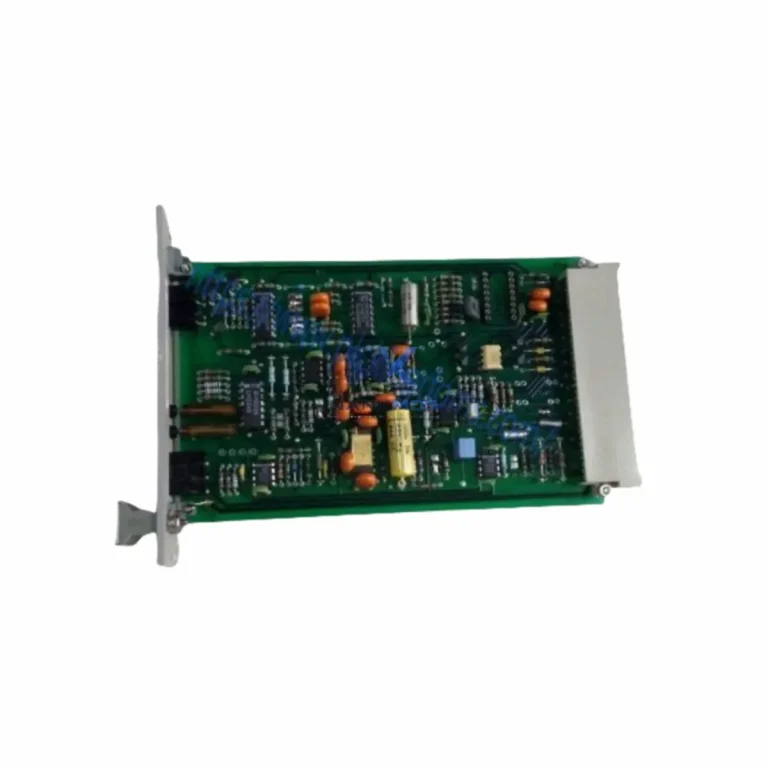
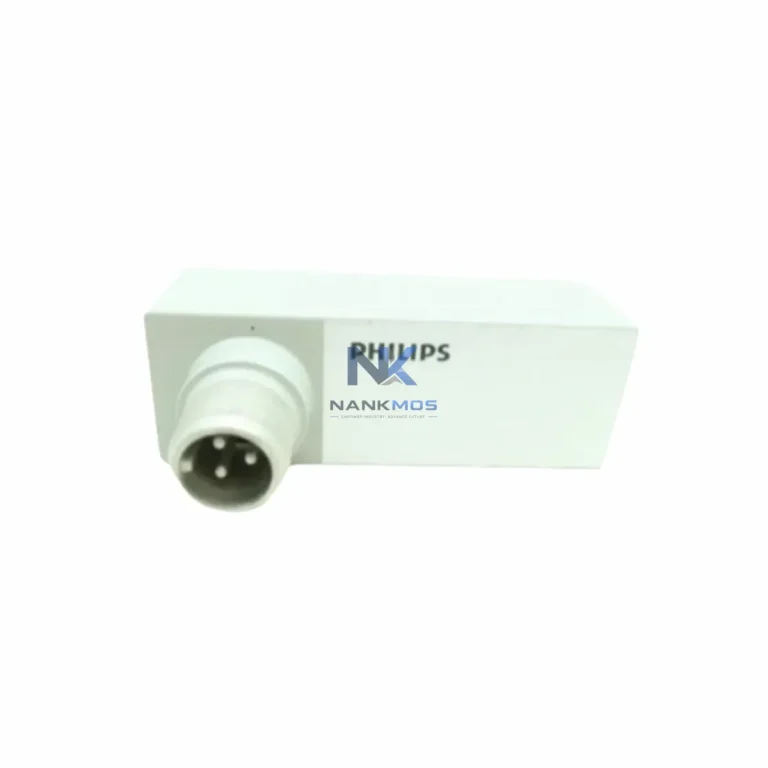
Philips SDM010 is a NANKMOS industrial automation product record Listed under Other series series and Business & Industrial > Automation, Control & Flow Devices > Programmable Logic Controllers. Confirm condition, availability, lead time, compatibility and documentation by email inquiry.
Brand names are used for identification only.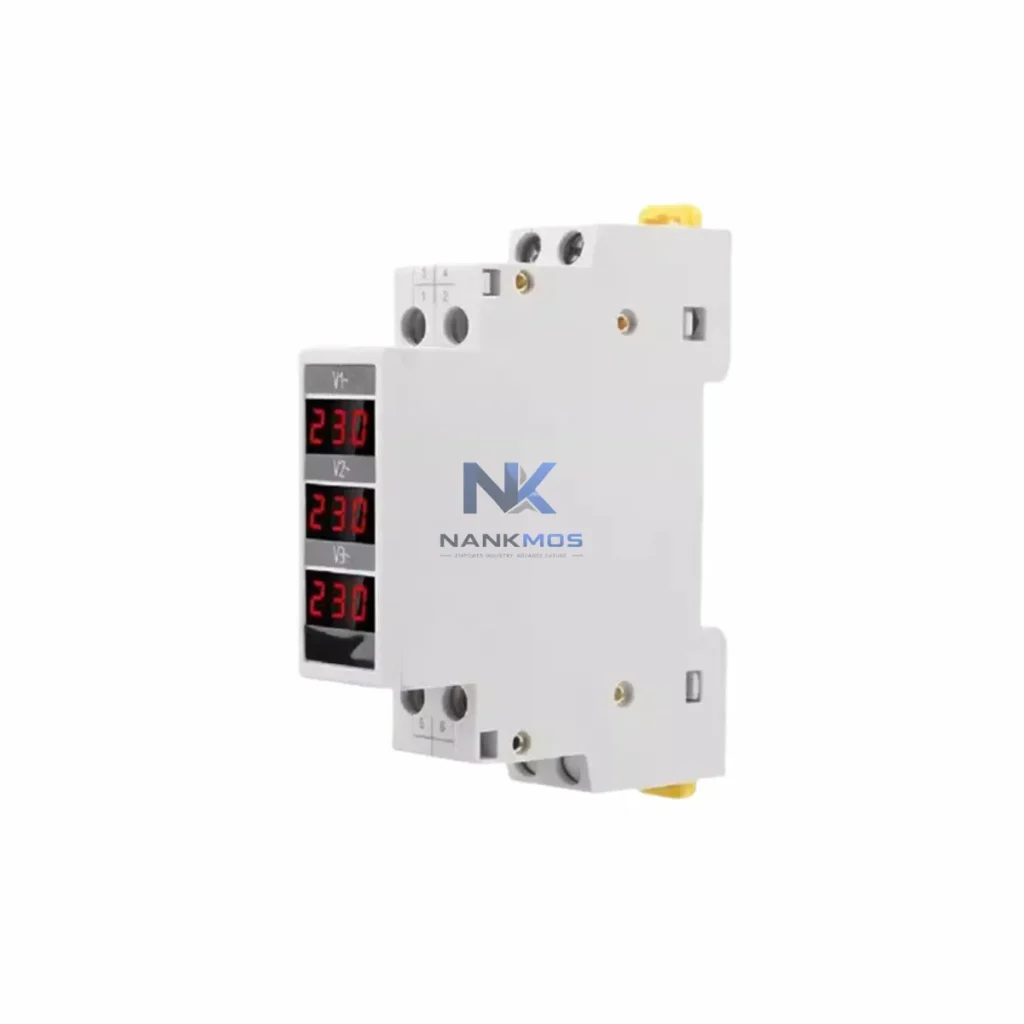
Philips SDM010 is a NANKMOS industrial automation product record Listed under Other series series and Business & Industrial > Automation, Control & Flow Devices > Programmable Logic Controllers. Confirm condition, availability, lead time, compatibility and documentation by email inquiry.
| Manufacturer | Philips |
|---|---|
| Application | Controller Processing & System Control |
| Part Number / Model | SDM010 |
| Compatible System | Confirmed by inquiry |
| Condition Options | To Confirm |
| Module Type | Controller / CPU Module |
| Warranty | 12 Months |
| Packaging | Anti-static Bag / Secure Box |
| Shipping Methods | DHL / FedEx / UPS / Air / Sea |
| Availability | To Confirm |
| Lead Time | To Confirm |
| Documentation | Part number and revision checked before quote |
The Philips SDM010 is engineered to serve as a precision signal distribution node within layered industrial automation architectures. Rather than functioning as a standalone component, the SDM010 is designed to operate in close coordination with the broader control platform — bridging the gap between the controller layer, the field I/O layer, and the communication backbone of a modern automated system.
In a typical SDM-series deployment, the SDM010 works alongside Philips SDM020 and SDM030 expansion modules to form a scalable signal distribution rail. The SDM010 handles primary signal conditioning and channel isolation, while the SDM020 provides additional analogue input capacity and the SDM030 extends digital output distribution across the control cabinet. Together, these modules form a coherent signal management subsystem that eliminates cross-channel interference and simplifies cabinet wiring discipline.
At the controller layer, the SDM010 interfaces directly with Philips-compatible PLC CPU modules — such as those in the Philips PM series or equivalent IEC 61131-3 compliant controllers — receiving process variable data and distributing conditioned signals to downstream I/O modules. The module's galvanic isolation architecture ensures that ground loops and common-mode noise from field instrumentation do not propagate into the controller backplane, preserving data integrity across the entire signal chain.
For communication-layer integration, the SDM010 supports Contextual Integration with PROFIBUS DP network segments, enabling the module to participate in distributed I/O topologies managed by a central PROFIBUS master. In installations where PROFINET or Industrial Ethernet is the primary network protocol, the SDM010 can be paired with a Philips PN gateway module to bridge legacy hardwired signal paths into the Ethernet-based control domain without requiring full rewiring of existing field instrumentation.
Power-layer compatibility is ensured through the SDM010's 24 VDC operating design, which aligns with standard Philips PSU24 series power supply units commonly deployed in the same control cabinet. The module's low quiescent current draw allows multiple SDM010 units to share a single 24 VDC rail without exceeding the power budget of a standard 10 A cabinet power supply — a critical consideration in high-density I/O panel designs.
At the HMI layer, process variables distributed through the SDM010 are made available to Philips-compatible HMI terminals and SCADA workstations via the PLC's data table. Engineers using WinCC, iFIX, or Ignition SCADA platforms will find that the SDM010's clean signal output reduces the need for software-side filtering, improving HMI display refresh rates and alarm response accuracy.
In redundant control architectures, the SDM010 can be deployed in paired configurations — one module serving the primary control path and a second providing hot-standby signal distribution. This redundancy model is particularly relevant in process industries where signal loss at the distribution layer could trigger unplanned shutdowns. The module's deterministic signal latency characteristics make it suitable for use in safety-instrumented system (SIS) adjacent applications where signal timing consistency is a design requirement.
For maintenance and diagnostic efficiency, the SDM010 provides channel-level status indication via front-panel LED arrays, allowing field technicians to identify signal faults without connecting diagnostic tools. When integrated with a Philips-compatible diagnostic gateway or asset management system, the module's status data can be surfaced to the SCADA layer, enabling predictive maintenance workflows and reducing mean time to repair (MTTR) across the signal distribution subsystem.
Terminal module compatibility is maintained through the SDM010's standard DIN rail footprint and screw-terminal wiring interface, which accepts standard 0.5–2.5 mm² control cables. This compatibility with Weidmüller, Phoenix Contact, and equivalent terminal block systems ensures that the SDM010 can be integrated into existing cabinet wiring schemes without requiring custom cable assemblies or adapter plates.
Manufacturing and Discrete Production Lines: In automotive assembly, electronics manufacturing, and general discrete production environments, the SDM010 provides reliable signal distribution between PLCs and field sensors across multi-zone production lines. Its channel isolation capability is particularly valuable in high-EMI environments where servo drives, variable frequency drives (VFDs), and induction motors generate significant electrical noise. By isolating sensor signals at the distribution layer, the SDM010 prevents spurious I/O triggers that could cause unplanned line stoppages or quality escapes.
Power Generation and Electrical Utilities: In power plant control rooms and substation automation systems, the SDM010 serves as a signal conditioning interface between field measurement devices — including current transformers, voltage transducers, and temperature sensors — and the plant DCS or SCADA system. Its galvanic isolation and CE compliance make it suitable for use in environments subject to IEC 61850 substation automation standards, where signal integrity and electrical safety are paramount.
Petrochemical and Refinery Process Control: In continuous process environments such as oil refining, chemical production, and gas processing, the SDM010 supports the distribution of analogue process variable signals — including 4–20 mA current loop signals from pressure transmitters, flow meters, and level sensors — across the control architecture. Its robust operating temperature range and DIN rail mounting make it suitable for installation in field junction boxes and marshalling cabinets in Zone 2 classified areas when housed in appropriate enclosures.
Water and Wastewater Treatment: Municipal water treatment facilities and industrial effluent management systems benefit from the SDM010's ability to distribute signals from distributed field instruments — including pH sensors, turbidity meters, and dissolved oxygen probes — to centralised SCADA systems. The module's low-maintenance design and 12-Month Warranty support the long operational cycles typical of water utility infrastructure, where maintenance windows are infrequent and component reliability is critical.
Mining, Metallurgy, and Heavy Industry: In mining conveyor control systems, smelter process automation, and rolling mill drive coordination, the SDM010 provides signal distribution resilience in environments characterised by high vibration, dust ingress, and wide temperature variation. Its DIN rail mounting and screw-terminal interface allow rapid replacement during planned maintenance shutdowns, minimising production downtime in high-throughput industrial operations.
Marine and Offshore Automation: Shipboard automation systems and offshore platform control architectures require signal distribution modules that can operate reliably in high-humidity, salt-air environments with significant electrical noise from propulsion drives and power management systems. The SDM010's galvanic isolation and compact form factor make it a practical choice for marine control panel integration, subject to appropriate enclosure selection for the installation environment.
Q1: Is the Philips SDM010 compatible with third-party PLC platforms, or is it limited to Philips-branded control systems? The SDM010 is designed for broad Contextual Integration compatibility. Its hardwired signal interface and standard 24 VDC operating voltage allow it to function as a signal conditioning and distribution node in control architectures built around Siemens S7, Allen-Bradley ControlLogix, Schneider Electric Modicon, and other IEC 61131-3 compliant PLC platforms. No proprietary communication protocol is required for basic signal distribution functionality. For advanced diagnostic integration, compatibility with the host PLC's asset management system should be verified during the engineering design phase.
Q2: What is the recommended approach for deploying the SDM010 in a redundant control architecture, and what are the key engineering considerations? For redundant deployments, the SDM010 should be installed in paired configurations on separate DIN rail sections within the control cabinet, with each module connected to an independent 24 VDC power rail derived from separate power supply units. Signal inputs should be wired to both modules in parallel, with the active signal path selected by the redundancy logic in the host PLC or DCS. Engineers should verify that the combined signal load on the field instrument does not exceed the instrument's drive capability when connected to two parallel signal distribution inputs. The 12-Month Warranty covers both primary and redundant module units under standard operating conditions.
Q3: What pre-shipment testing is performed on the SDM010, and how does NANKMOS support long-term inventory availability and warranty claims? Every SDM010 unit supplied by NANKMOS undergoes functional verification testing prior to shipment, including channel continuity checks, isolation resistance measurement, and 24 VDC power-on functional validation. Units are shipped with test documentation available upon request. The 12-Month Warranty covers manufacturing defects and signal integrity failures identified during normal operation within the specified environmental parameters. For warranty claims, replacement units are dispatched from in-stock inventory to minimise system downtime. NANKMOS maintains buffer stock of SDM010 and related SDM-series modules to support both immediate project requirements and long-term spare parts programmes for installed base maintenance.
Functional Inspection100% tested on professional platforms to ensure stable performance.
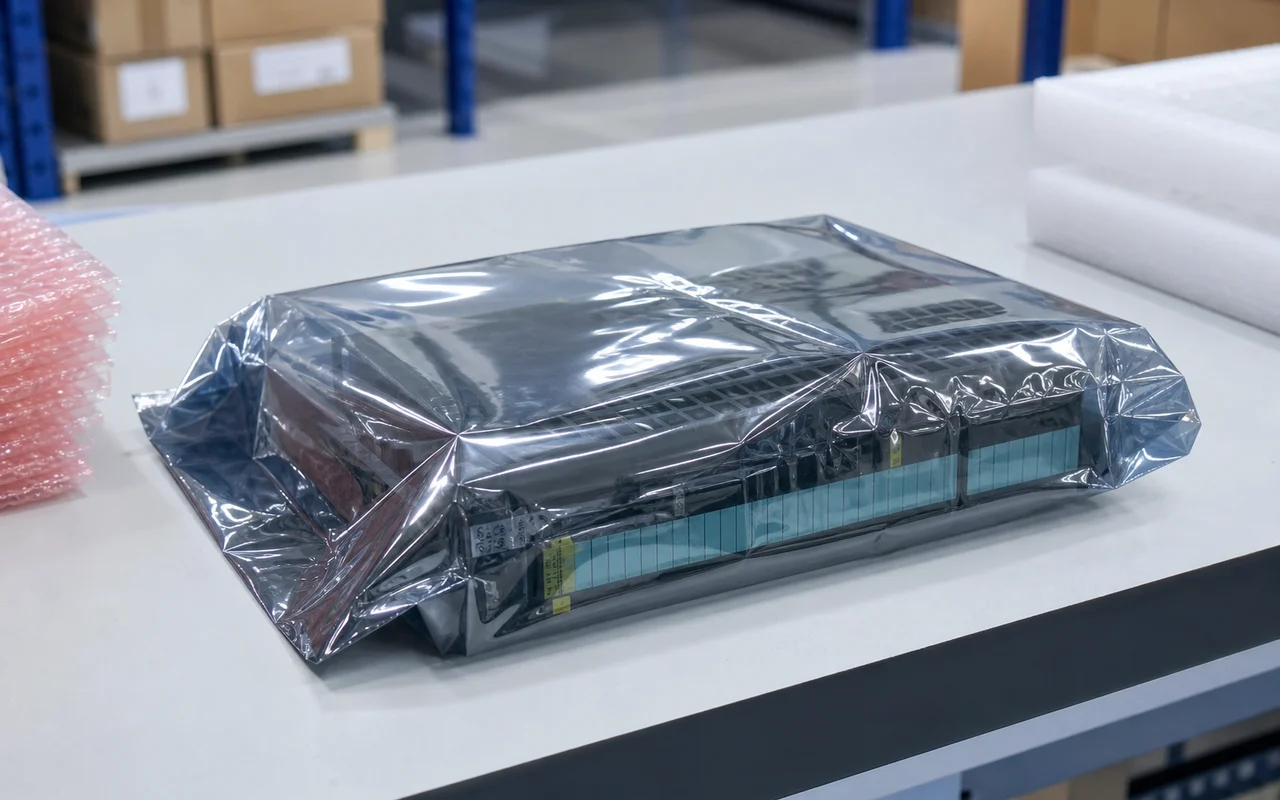 Anti-static Packaging
Modules are packed in anti-static bags to prevent electrostatic damage.
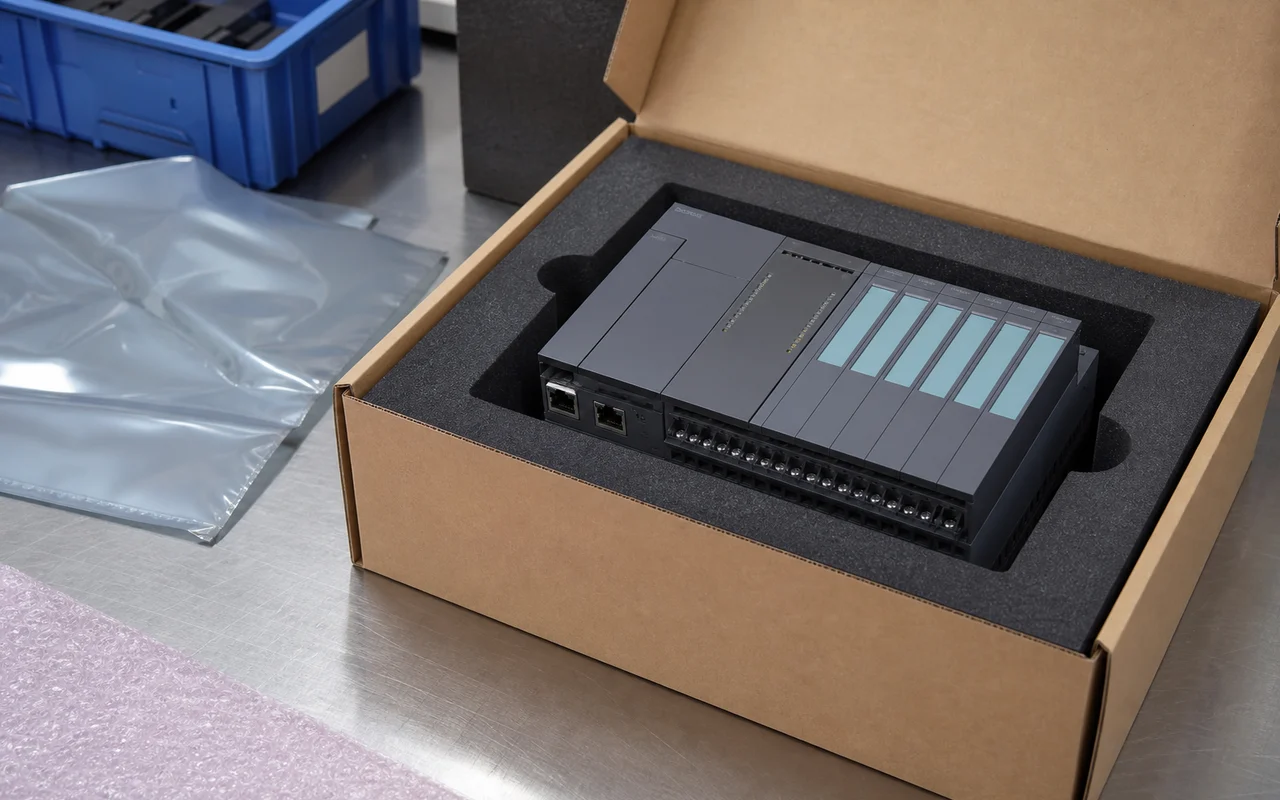 Secure Export Packing
Cushion protection and strong cartons ensure safe transportation.
 Worldwide Shipping
Global logistics network supports air, sea and express delivery.
 Documentation Check
Part number, revision and compatibility verified before shipment.
 After-sales Support
Professional technical support to help resolve your issues.