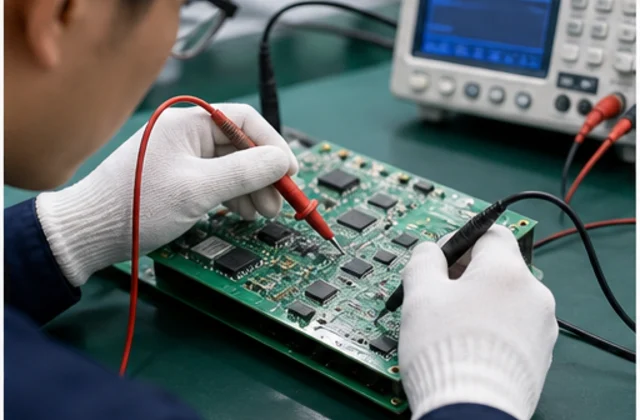
 Functional Inspection
100% tested on professional platforms to ensure stable performance.
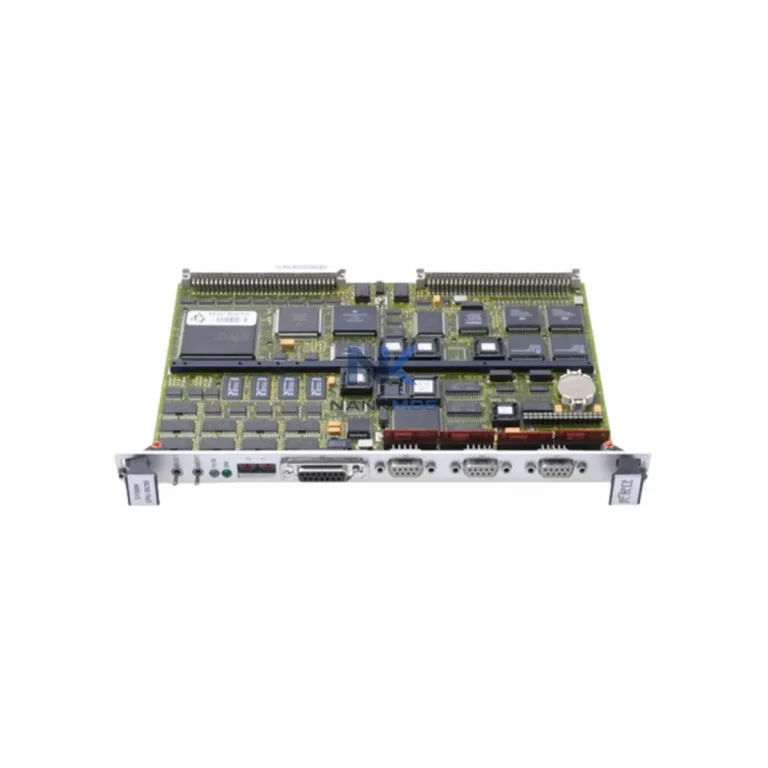
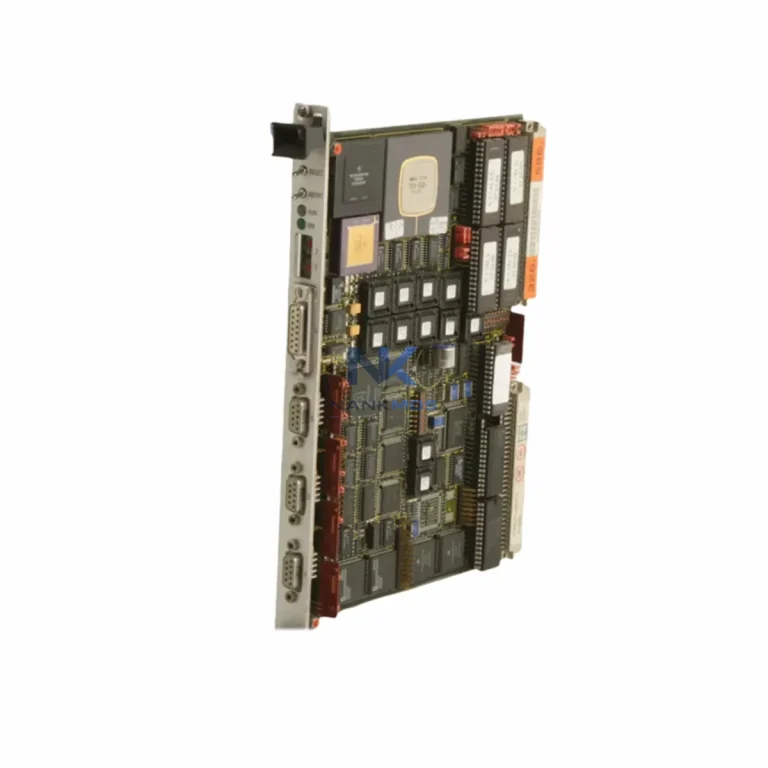
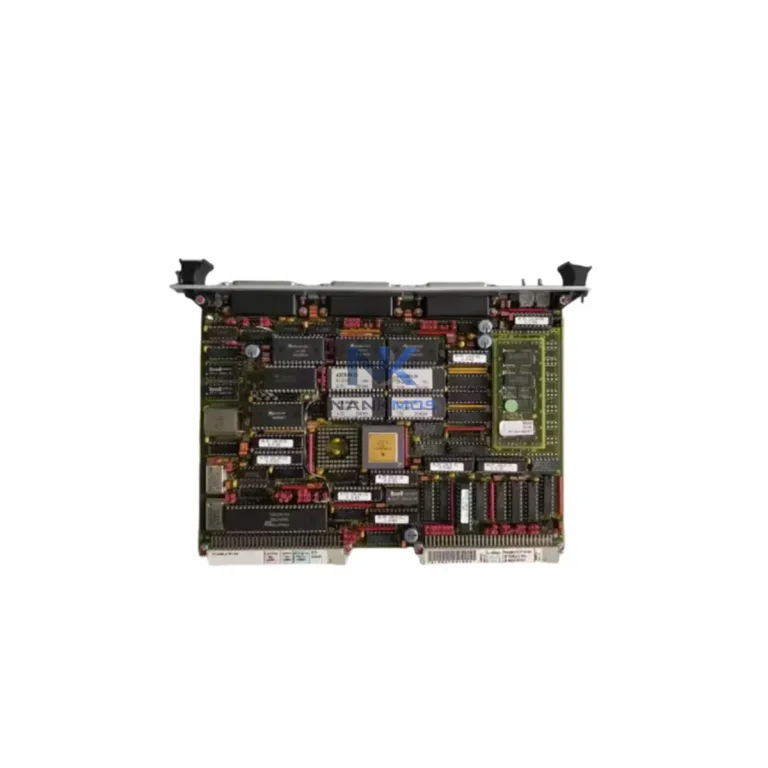
FORCE Computers SYS68K CPU-30BE16 REV 3 is a NANKMOS industrial automation product record Listed under Other series series and Business & Industrial > Automation, Control & Flow Devices > Programmable Logic Controllers. Confirm condition, availability, lead time, compatibility and documentation by email inquiry.
Brand names are used for identification only.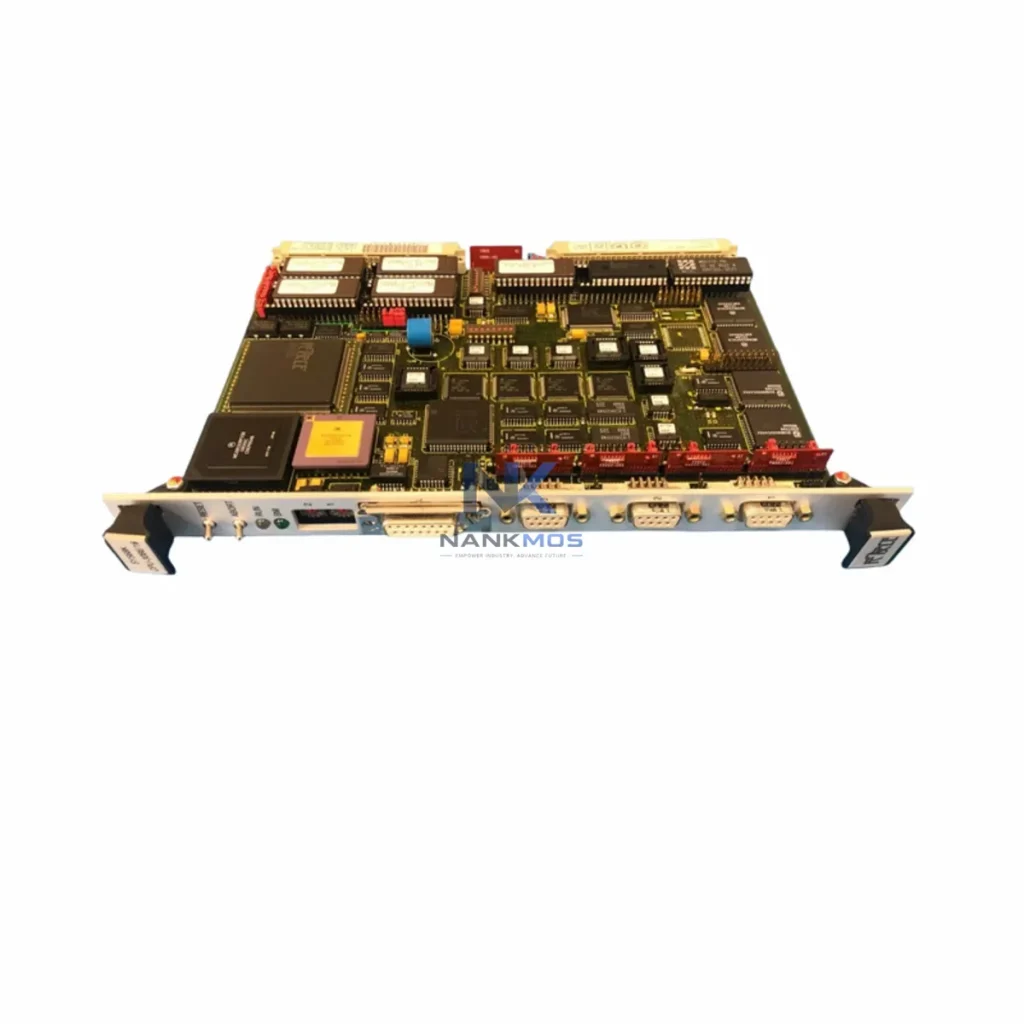
FORCE Computers SYS68K CPU-30BE16 REV 3 is a NANKMOS industrial automation product record Listed under Other series series and Business & Industrial > Automation, Control & Flow Devices > Programmable Logic Controllers. Confirm condition, availability, lead time, compatibility and documentation by email inquiry.
| Manufacturer | FORCE Computers |
|---|---|
| Application | Controller Processing & System Control |
| Part Number / Model | SYS68K CPU-30BE16 REV 3 |
| Compatible System | Confirmed by inquiry |
| Condition Options | To Confirm |
| Module Type | Controller / CPU Module |
| Warranty | 12 Months |
| Packaging | Anti-static Bag / Secure Box |
| Shipping Methods | DHL / FedEx / UPS / Air / Sea |
| Availability | To Confirm |
| Lead Time | To Confirm |
| Documentation | Part number and revision checked before quote |
The FORCE SYS68K/CPU-30BE/16 is a high-performance VME CPU board engineered for energy-conscious industrial automation environments. Built on the proven SYS68K architecture and manufactured in Germany, this board delivers deterministic real-time control with a focus on minimising unnecessary power draw, reducing thermal load, and sustaining stable production-line throughput. Whether deployed in legacy VMEbus systems or integrated into a modernised smart factory topology, the SYS68K/CPU-30BE/16 serves as the computational backbone that coordinates energy data acquisition, load scheduling, and device-state feedback across the entire control hierarchy.
Every unit shipped by NANKMOS undergoes full functional testing under operational load conditions, is verified against its original factory specification, and is backed by a 12-Month Warranty. In-stock availability ensures minimal lead time for maintenance, retrofit, and capacity-expansion projects.
In a modern energy-optimised production cell, the SYS68K/CPU-30BE/16 does not operate in isolation. It functions as the central processing node that orchestrates a network of field devices, each contributing to a coherent load-management strategy.
At the field level, distributed FORCE SYS68K I/O expansion modules collect real-time signals from current transformers, pressure transducers, and temperature sensors mounted on motors, conveyors, and press stations. These signals are routed back to the CPU-30BE/16 over the VMEbus backplane, where the onboard processor evaluates load profiles and issues corrective commands within microseconds — a response latency that no software-only SCADA layer can match.
For motor-driven loads, the CPU-30BE/16 coordinates setpoint commands to Siemens SINAMICS G120 variable-frequency drives and Allen-Bradley PowerFlex 525 drives via serial or fieldbus interfaces. By modulating drive output frequency in response to real-time demand signals rather than running motors at fixed speed, the system eliminates the energy waste associated with constant-speed operation under partial load — a saving that typically reaches 20–40% on pump and fan applications.
Servo axes used in precision assembly or packaging lines are managed through FORCE SYS68K servo interface boards, which translate CPU-30BE/16 motion commands into torque and velocity profiles for connected servo amplifiers. Tight integration between the CPU board and the servo layer ensures that acceleration ramps are shaped to avoid current spikes that would otherwise inflate peak-demand charges on the facility energy bill.
Power quality and consumption data are aggregated by Schneider Electric PowerLogic PM5000 series power monitoring modules installed at the MCC level. These modules publish energy metrics — kWh, kVA, power factor, harmonic distortion — over Modbus TCP to the CPU-30BE/16, enabling the control program to implement demand-response logic: shedding non-critical loads automatically when a configurable kW threshold is approached.
Operator visibility is provided through a Siemens SIMATIC HMI TP1200 Comfort panel connected via PROFINET. The HMI displays live energy dashboards, alarm states, and production-rate KPIs, giving line operators the information they need to make real-time decisions without leaving the production floor. Configuration changes and recipe downloads are handled through the same interface, reducing the engineering overhead associated with energy-optimisation tuning.
At the network layer, a Moxa EDS-510A managed Ethernet switch provides deterministic packet delivery between the CPU-30BE/16, the HMI, the power monitoring modules, and the plant SCADA server. VLAN segmentation isolates control traffic from business-network traffic, protecting cycle-time integrity and cybersecurity posture simultaneously.
The SCADA layer — typically running on a Wonderware System Platform or Ignition by Inductive Automation server — subscribes to OPC-UA data published by the CPU-30BE/16 gateway. Historical energy data is trended, alarmed, and reported automatically, feeding the continuous-improvement cycle that underpins ISO 50001 energy management compliance.
The SYS68K/CPU-30BE/16 contributes to factory energy optimisation across four distinct dimensions: load scheduling, thermal management, predictive maintenance, and production-line pacing.
Load Scheduling: The CPU board's real-time operating environment supports time-of-use tariff awareness. By pre-loading energy cost schedules into the control program, the system can defer energy-intensive operations — such as compressor recharge cycles or batch heating sequences — to off-peak tariff windows, reducing electricity costs without affecting throughput commitments.
Thermal Management: Excessive heat is both an energy cost and a reliability risk. The SYS68K/CPU-30BE/16 monitors thermal sensors distributed across the control cabinet and production machinery. When temperatures approach configurable thresholds, the CPU issues commands to reduce drive output, activate supplementary cooling, or trigger a controlled production pause — preventing unplanned downtime that is far more costly than a brief scheduled slowdown.
Predictive Maintenance: By trending motor current signatures, vibration amplitudes from connected accelerometers, and drive fault registers over time, the CPU-30BE/16 builds a statistical baseline for each asset. Deviations from baseline — indicating bearing wear, belt slip, or impeller fouling — trigger maintenance alerts before catastrophic failure occurs. This approach eliminates the energy waste associated with degraded equipment running at reduced efficiency for extended periods.
Production-Line Pacing: Uncoordinated line pacing causes energy spikes at shift start and during product changeovers. The SYS68K/CPU-30BE/16 implements a sequenced start-up routine that staggers motor energisation across a configurable ramp window, flattening the inrush current profile and protecting upstream transformer capacity. During steady-state production, the CPU synchronises conveyor speeds, robot cycle times, and press stroke rates to eliminate inter-station buffering losses and reduce the idle-running time of downstream equipment.
The cumulative effect of these strategies — validated across multiple retrofit installations — is a measurable reduction in energy consumption per unit produced, a lower carbon intensity for the production process, and an extended service life for capital equipment. NANKMOS supplies the SYS68K/CPU-30BE/16 from verified stock, with each unit tested and documented before dispatch, ensuring that your energy-optimisation project starts on a reliable foundation.
Q1: What energy savings can I realistically expect by integrating the SYS68K/CPU-30BE/16 into my existing VME control system?Actual savings depend on your current control architecture and load profile. In applications where motors previously ran at fixed speed under variable load, coordinating drive setpoints through the CPU-30BE/16 typically yields 15–35% reductions in motor energy consumption. Demand-response load shedding can reduce peak-demand charges by a further 10–20%, depending on tariff structure. NANKMOS recommends a baseline energy audit before and after integration to quantify site-specific results.
Q2: Is the SYS68K/CPU-30BE/16 compatible with modern fieldbus and industrial Ethernet protocols used in energy management systems?The SYS68K/CPU-30BE/16 communicates natively over the VMEbus backplane and supports serial interfaces (RS-232/RS-422) for legacy fieldbus connectivity. Integration with PROFIBUS, PROFINET, Modbus TCP, or OPC-UA networks is achieved through protocol gateway modules — such as the HMS Anybus X-gateway series — mounted in the same VME chassis or on the plant network. This approach preserves the CPU board's deterministic real-time performance while enabling full participation in modern energy management architectures.
Q3: What is the recommended replacement or upgrade path if the SYS68K/CPU-30BE/16 is end-of-life in my system?For systems where a like-for-like replacement is required to maintain software and I/O compatibility, NANKMOS stocks multiple SYS68K series CPU variants, including the CPU-30B and CPU-33 families, which share the same VMEbus form factor and operating system environment. Where a full platform migration is planned, NANKMOS can advise on bridging strategies that allow the existing SYS68K infrastructure to remain operational during a phased transition to a current-generation PLC or PC-based control platform.
Q4: What does the 12-Month Warranty cover, and what is the testing process before shipment?Every SYS68K/CPU-30BE/16 unit supplied by NANKMOS is subjected to a full functional test under representative operating conditions: power-on self-test completion, memory read/write verification, bus arbitration validation, and I/O interface continuity checks. The 12-Month Warranty covers functional failure arising from component or workmanship defects under normal operating conditions. It does not cover damage resulting from incorrect installation, overvoltage events, or physical mishandling. Warranty claims are processed directly through NANKMOS; replacement units are dispatched from in-stock inventory to minimise system downtime.
Functional Inspection100% tested on professional platforms to ensure stable performance.
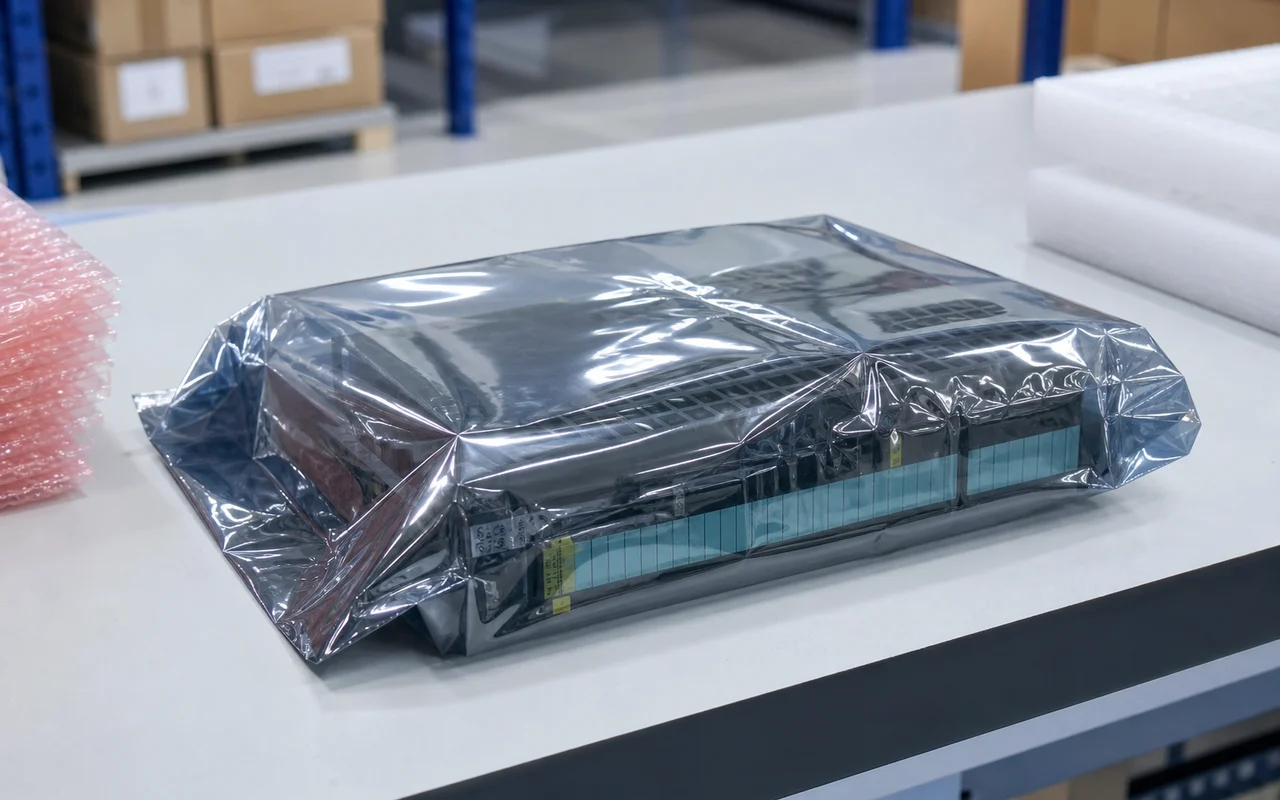 Anti-static Packaging
Modules are packed in anti-static bags to prevent electrostatic damage.
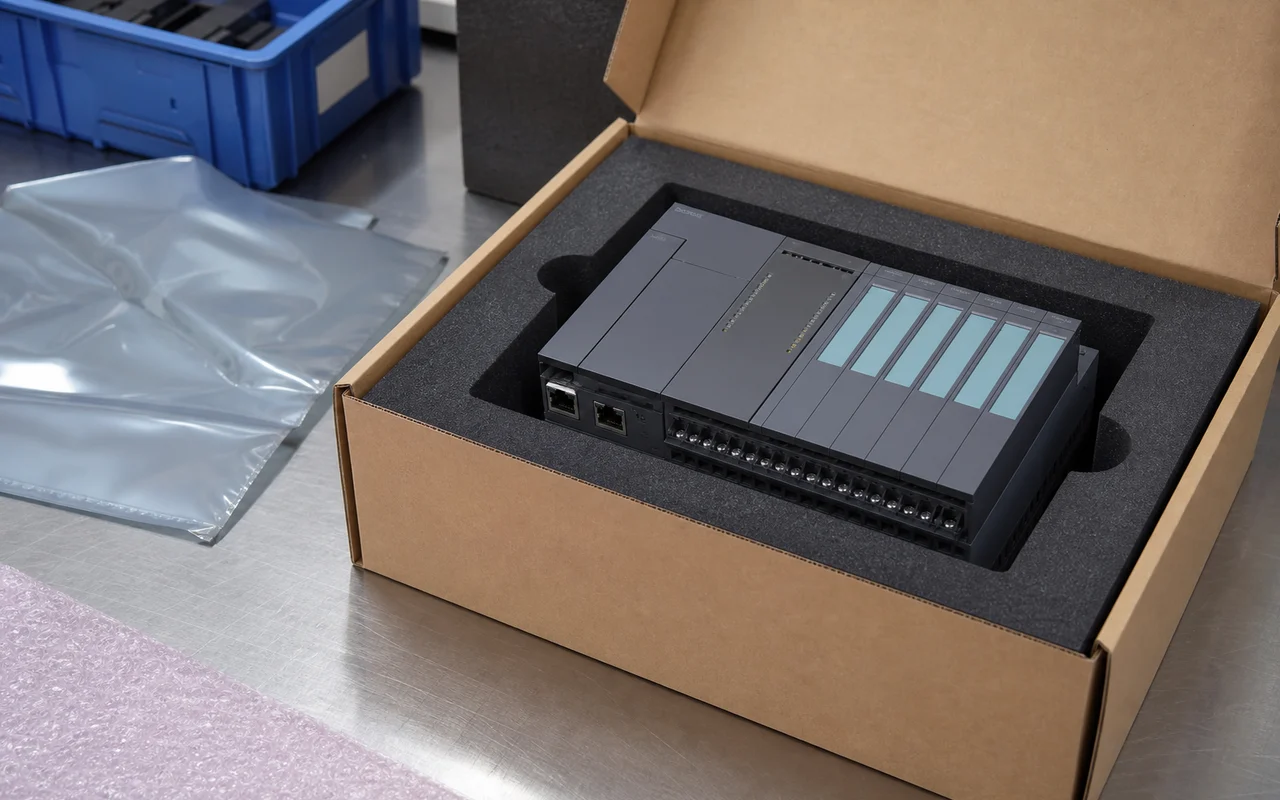 Secure Export Packing
Cushion protection and strong cartons ensure safe transportation.
 Worldwide Shipping
Global logistics network supports air, sea and express delivery.
 Documentation Check
Part number, revision and compatibility verified before shipment.
 After-sales Support
Professional technical support to help resolve your issues.