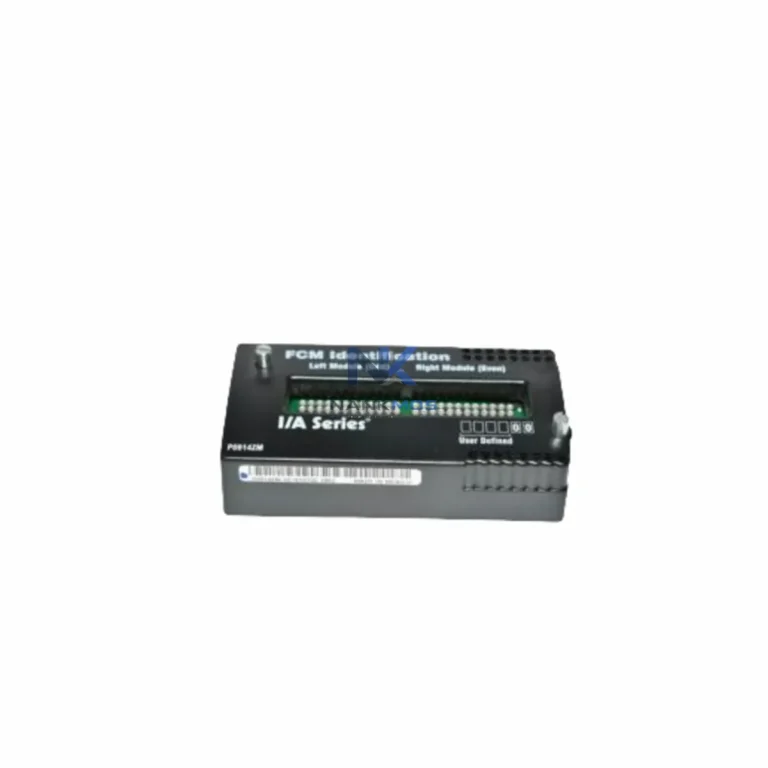
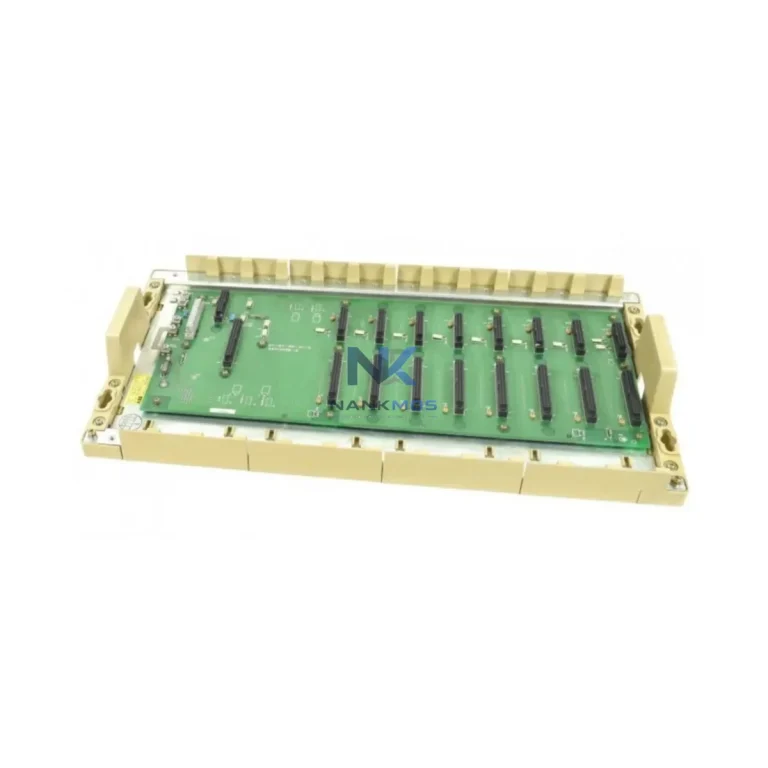
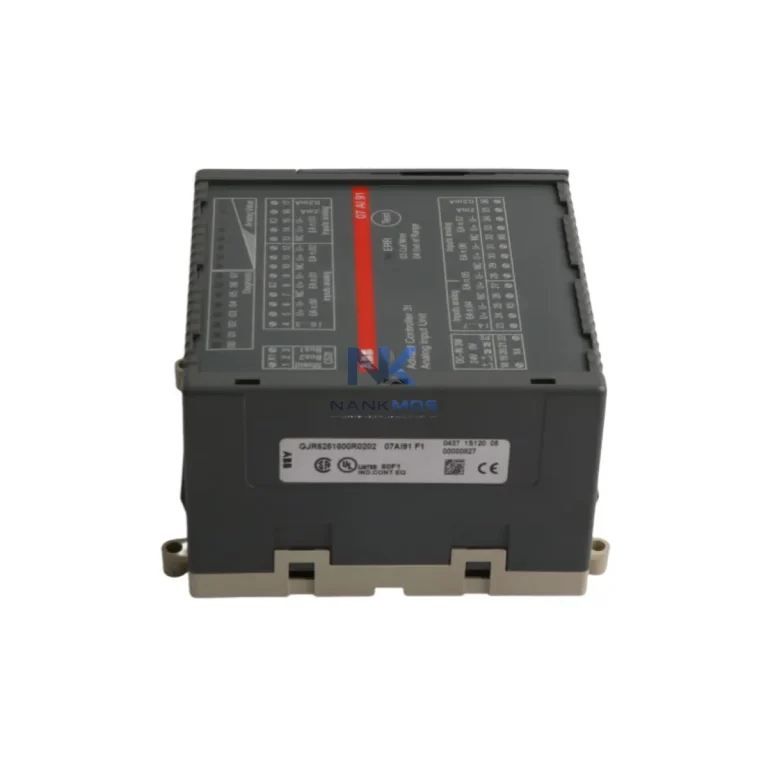
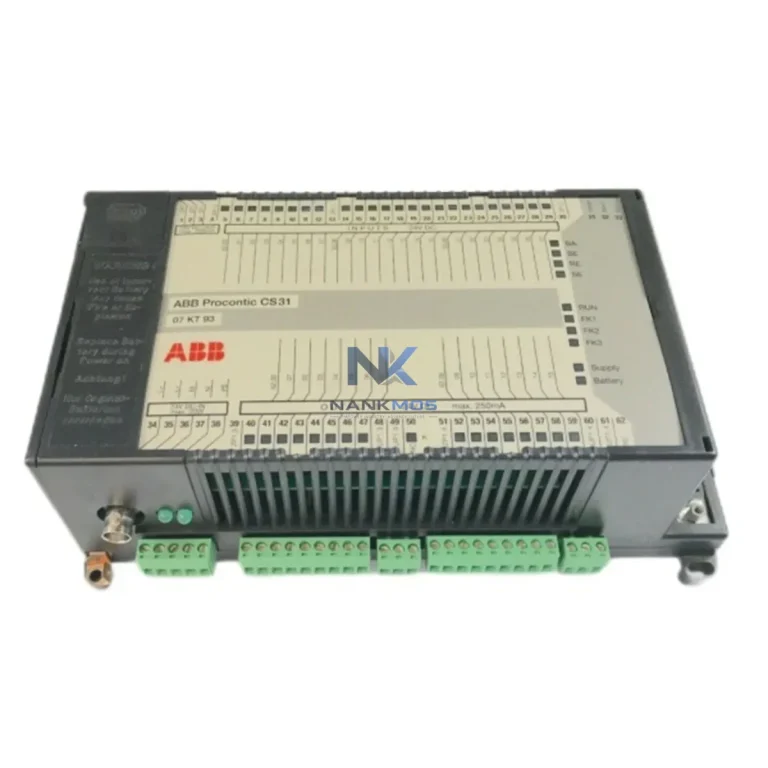
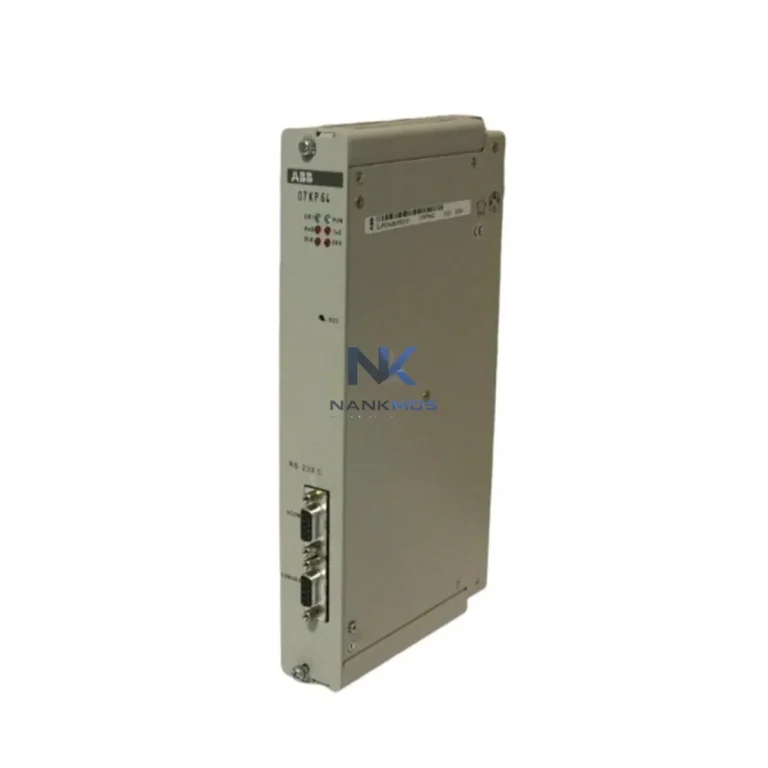
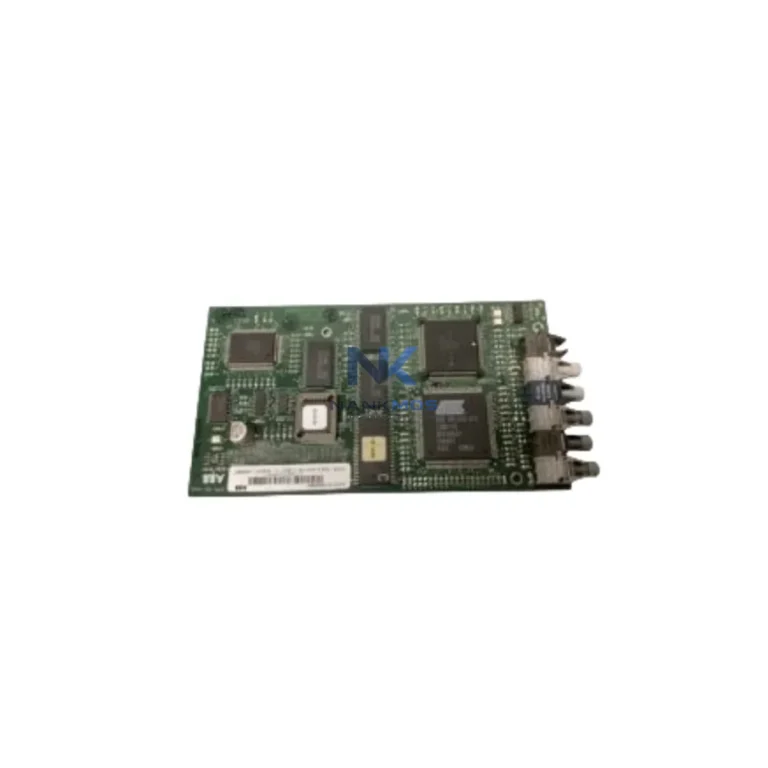
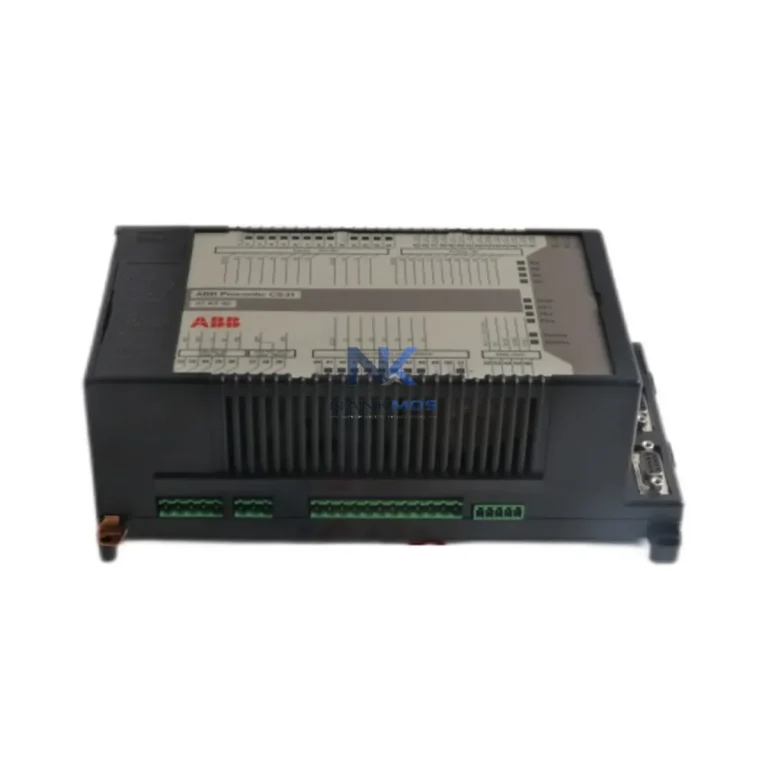
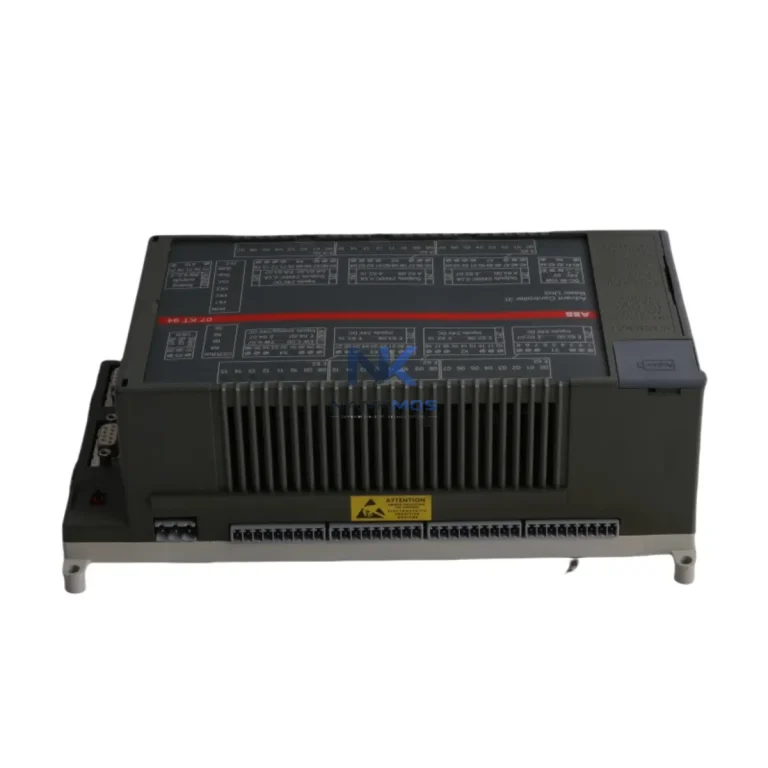
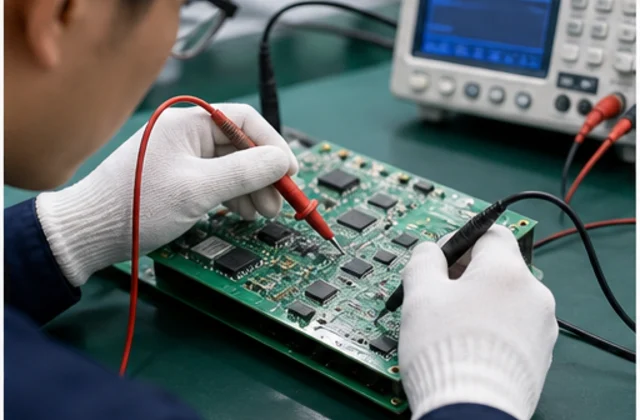
 Functional Inspection
100% tested on professional platforms to ensure stable performance.
TDK TAS-CPU TAS-MAIN REV.4.10 653B-21801 0100-20157 is a NANKMOS industrial automation product record Listed under Other series series and Business & Industrial > Automation, Control & Flow Devices > Programmable Logic Controllers. Confirm condition, availability, lead time, compatibility and documentation by email inquiry.
Brand names are used for identification only.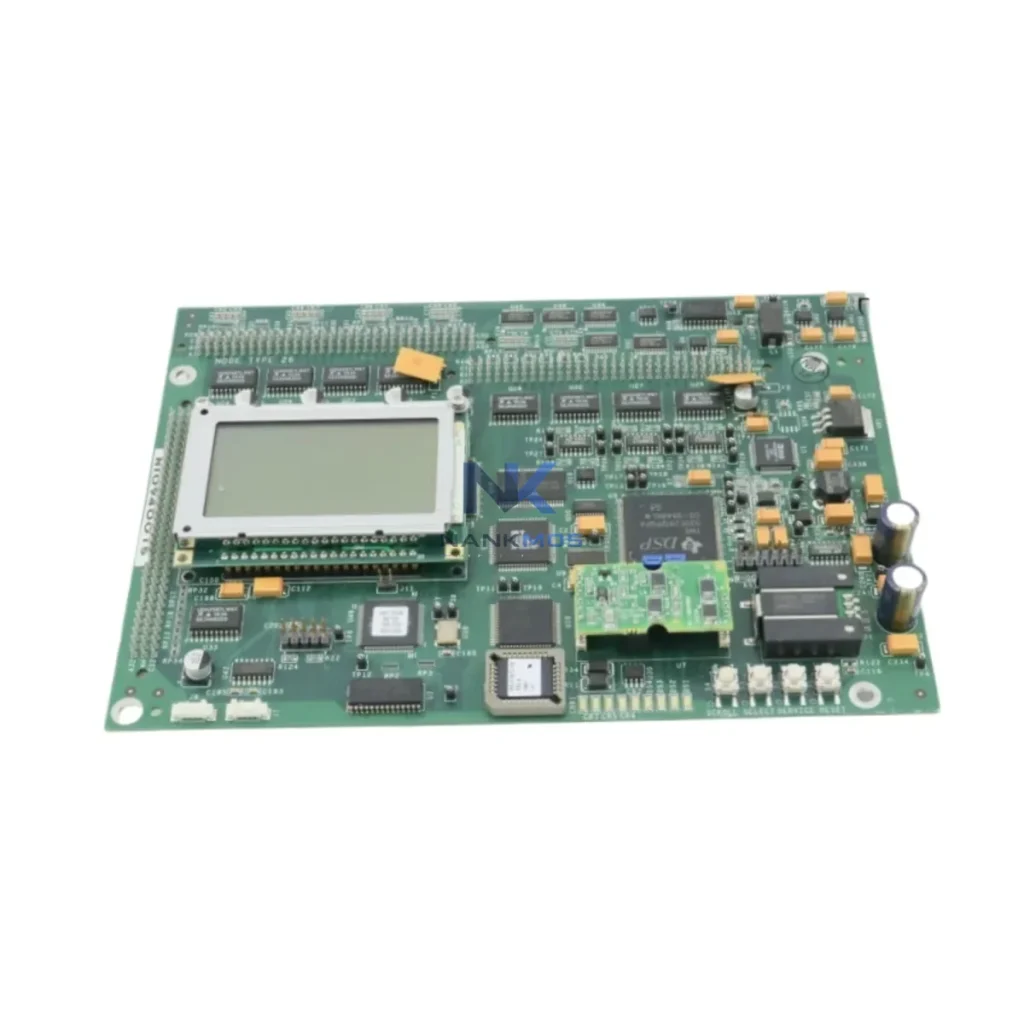
TDK TAS-CPU TAS-MAIN REV.4.10 653B-21801 0100-20157 is a NANKMOS industrial automation product record Listed under Other series series and Business & Industrial > Automation, Control & Flow Devices > Programmable Logic Controllers. Confirm condition, availability, lead time, compatibility and documentation by email inquiry.
| Manufacturer | TDK |
|---|---|
| Application | Controller Processing & System Control |
| Part Number / Model | TAS-CPU TAS-MAIN REV.4.10 653B-21801 0100-20157 |
| Compatible System | Confirmed by inquiry |
| Condition Options | To Confirm |
| Module Type | Controller / CPU Module |
| Warranty | 12 Months |
| Packaging | Anti-static Bag / Secure Box |
| Shipping Methods | DHL / FedEx / UPS / Air / Sea |
| Availability | To Confirm |
| Lead Time | To Confirm |
| Documentation | Part number and revision checked before quote |
The TDK TAS-CPU (TAS-MAIN Series, REV.4.10, P/N 653B-21801 / 0100-20157) is a high-performance SECS/GEM communication gateway engineered for semiconductor manufacturing environments and advanced smart factory deployments. As the backbone of equipment-to-host data communication, this gateway bridges the gap between fab-floor process equipment and upper-level Manufacturing Execution Systems (MES), SCADA platforms, and enterprise data infrastructure — enabling real-time visibility, remote diagnostics, and full production transparency across the automation network.
In modern semiconductor fabs and precision manufacturing sites, equipment data must flow seamlessly from the process layer to the control and supervisory layers without latency or protocol mismatch. The TDK TAS-CPU fulfills this role by implementing the SEMI E5 (SECS-II) and SEMI E30 (GEM) standards, providing a standardized, vendor-neutral communication interface that connects process tools — such as CVD systems, etchers, ion implanters, and wafer handlers — directly to host computers and MES platforms. This eliminates data silos, accelerates alarm response, and supports continuous process improvement through structured data collection.
The TDK TAS-CPU sits at the critical junction of the equipment communication layer and the factory host network. In a typical semiconductor fab data flow, process equipment — such as a CVD furnace or plasma etcher — communicates via the legacy SECS-I (RS-232C) serial protocol. The TAS-CPU gateway receives this serial data stream and converts it in real time to HSMS (High-Speed Message Services) over Ethernet TCP/IP, making the equipment instantly accessible to any GEM-compliant host system.
Upstream, the TAS-CPU connects to MES host servers and SCADA platforms that aggregate equipment status, lot tracking data, alarm histories, and process recipe parameters. Operators monitoring a central HMI console — such as those running on Wonderware InTouch or Ignition SCADA — receive live equipment state updates, enabling rapid response to process deviations. The gateway's GEM-compliant event reporting ensures that every equipment state change, alarm trigger, and process completion event is logged and forwarded to the host without manual intervention.
Within the same automation architecture, the TAS-CPU works alongside complementary components. TDK TAS-MAIN series communication boards provide the physical interface layer at the equipment side, while industrial Ethernet switches — such as managed Layer 2 switches with VLAN support — segment the fab network to isolate equipment traffic from office IT systems. Edge computing gateways deployed at the fab floor aggregate data from multiple TAS-CPU units, performing local preprocessing before forwarding structured datasets to cloud-based analytics or on-premise data historians.
For facilities running mixed equipment generations, the TAS-CPU enables legacy tools with only RS-232C SECS-I interfaces to participate fully in a modern HSMS-based fab network. This is particularly valuable when integrating older ion implant systems or diffusion furnaces alongside newer equipment that natively supports HSMS. The result is a unified, protocol-consistent data backbone across the entire production floor — a prerequisite for advanced process control (APC) and real-time yield management.
Remote diagnostic capability is another key strength. Through the HSMS connection, maintenance engineers can query equipment status variables, retrieve alarm logs, and issue remote commands — such as initiating a self-test or requesting a process program upload — without physical access to the tool. This reduces mean time to repair (MTTR) and supports predictive maintenance workflows driven by continuous data collection from sensors, I/O modules, and PLC controllers integrated into the equipment subsystems.
Data visualization dashboards connected to the MES layer can display real-time OEE (Overall Equipment Effectiveness) metrics, wafer throughput rates, and alarm frequency trends — all sourced from the structured GEM data streams that the TAS-CPU delivers. When combined with industrial data acquisition modules and fieldbus-to-Ethernet converters handling auxiliary equipment signals, the TAS-CPU forms the communication core of a fully transparent, data-driven smart factory.
Protocol Fragmentation: Many semiconductor and precision manufacturing sites operate mixed fleets of equipment using both legacy SECS-I (RS-232C) and modern HSMS (Ethernet) interfaces. The TDK TAS-CPU resolves this fragmentation by acting as a transparent protocol bridge, allowing all equipment — regardless of interface generation — to communicate with a single GEM-compliant host system. No custom middleware or proprietary drivers are required.
Data Silos and Production Opacity: Without a standardized gateway, equipment data remains trapped at the tool level, invisible to MES and SCADA systems. The TAS-CPU breaks down these silos by delivering structured, GEM-formatted event reports, alarm notifications, and status variable updates directly to the host network — enabling real-time production dashboards and lot-level traceability.
Remote Monitoring and Alarm Tracking: Unplanned equipment downtime is costly in high-throughput fab environments. The TAS-CPU's continuous HSMS connection allows remote monitoring of equipment health, with alarm events automatically forwarded to the host for logging and escalation. Maintenance teams can diagnose faults and initiate corrective actions remotely, reducing response time and minimizing production impact.
System Scalability: As production capacity expands, additional process tools can be integrated into the fab network by deploying additional TAS-CPU gateways — each independently managed and addressable by the host system. The standardized GEM interface ensures that new equipment integrations follow a consistent, repeatable process, reducing commissioning time and integration risk.
Q1: What communication protocols does the TDK TAS-CPU support?The TAS-CPU supports SECS-I (SEMI E4) on the equipment side via RS-232C serial interface, and HSMS (SEMI E37) over Ethernet TCP/IP on the host side. It implements the full GEM (SEMI E30) standard, including equipment constants, status variables, alarm management, remote commands, event reporting, and process program management.
Q2: Is the TAS-CPU compatible with existing MES and SCADA systems?Yes. Because the TAS-CPU implements the industry-standard GEM protocol, it is compatible with any GEM-compliant host system, including major MES platforms and SCADA solutions used in semiconductor and electronics manufacturing. No proprietary host-side software is required.
Q3: How does the TAS-CPU support remote diagnostics and network stability?The TAS-CPU maintains a persistent HSMS TCP/IP connection to the host, enabling continuous equipment monitoring without polling delays. In the event of a network interruption, the gateway supports automatic reconnection. Remote diagnostic queries — including status variable reads and alarm log retrieval — can be executed by the host at any time without interrupting equipment operation.
Q4: What warranty and pre-shipment testing does NANKMOS provide for the TAS-CPU?Every TDK TAS-CPU unit supplied by NANKMOS is covered by a 12-month warranty and undergoes functional testing prior to shipment. Our inventory is sourced from verified supply channels, and each unit is inspected to confirm communication functionality and firmware revision before dispatch. For volume orders or urgent requirements, please contact our team directly.
Functional Inspection100% tested on professional platforms to ensure stable performance.
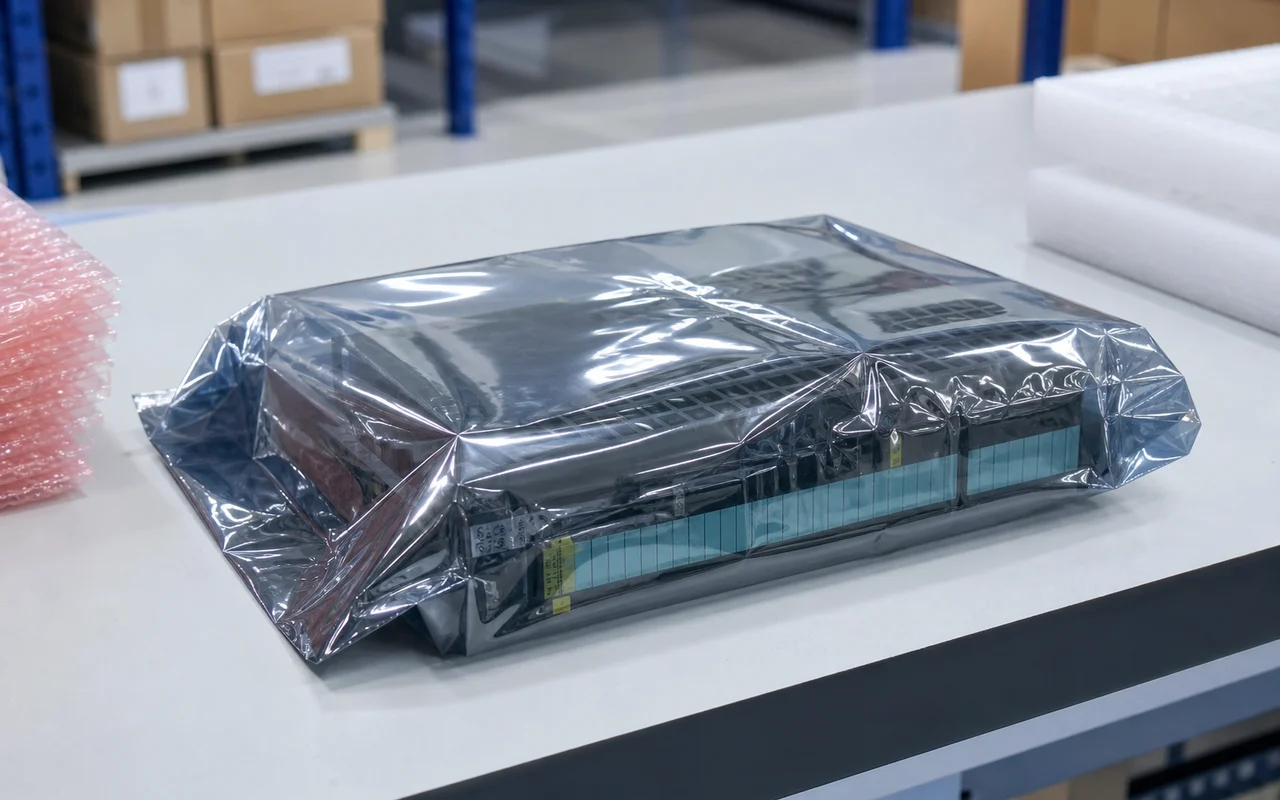 Anti-static Packaging
Modules are packed in anti-static bags to prevent electrostatic damage.
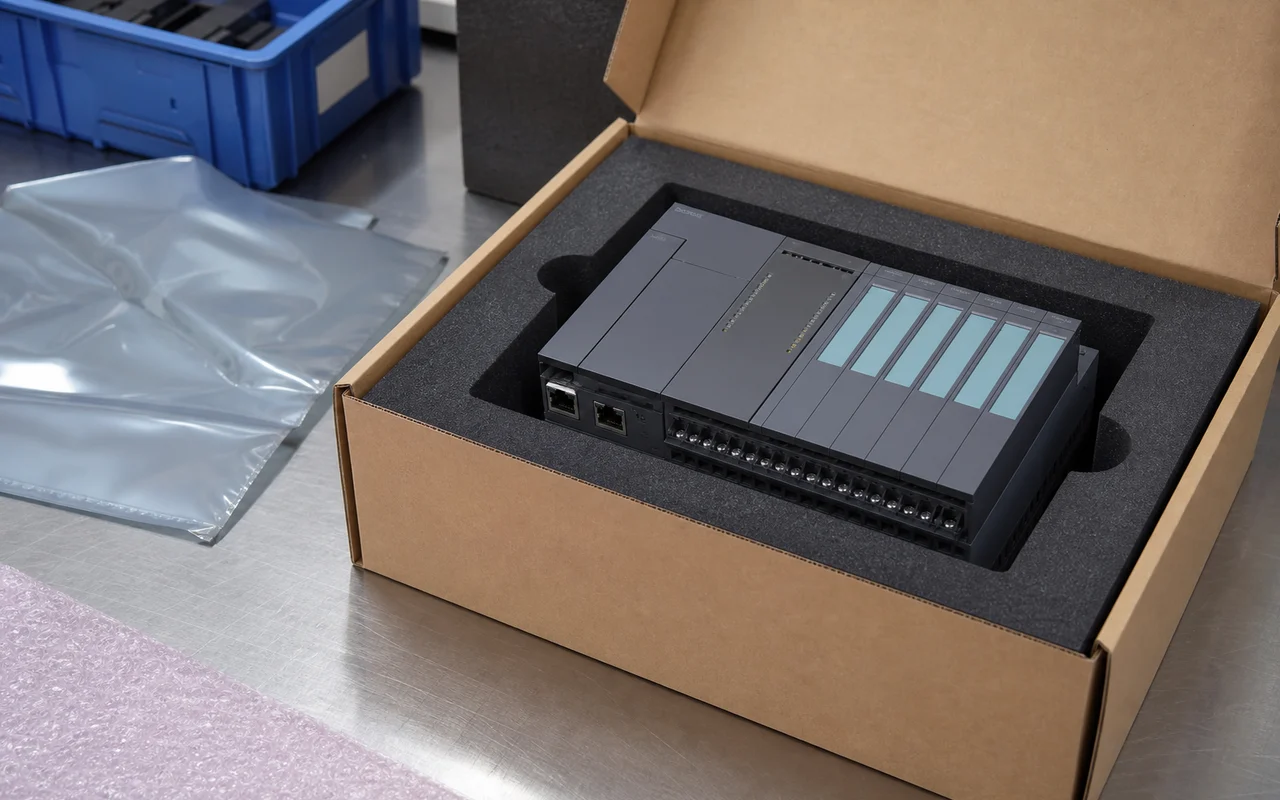 Secure Export Packing
Cushion protection and strong cartons ensure safe transportation.
 Worldwide Shipping
Global logistics network supports air, sea and express delivery.
 Documentation Check
Part number, revision and compatibility verified before shipment.
 After-sales Support
Professional technical support to help resolve your issues.