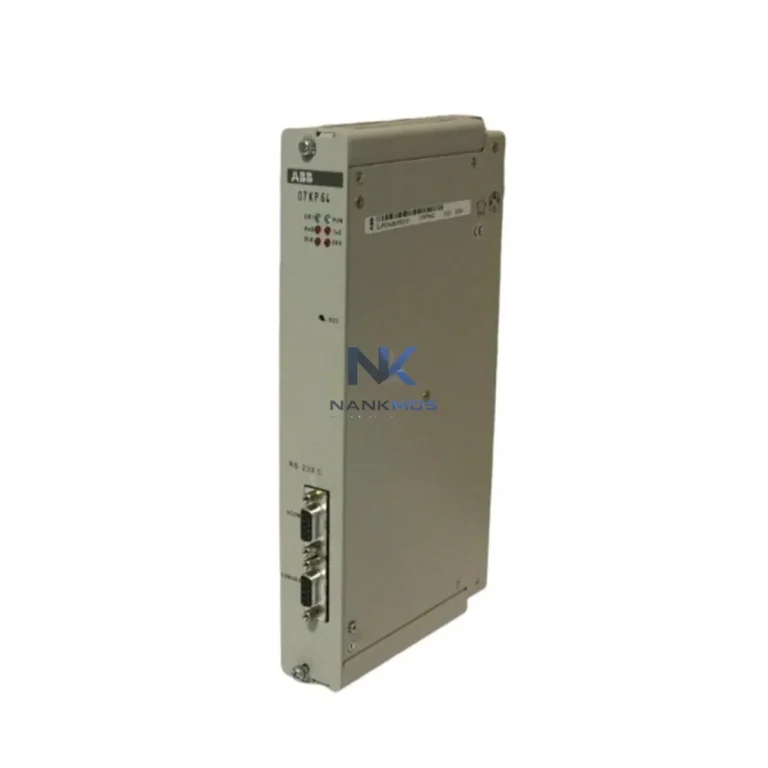
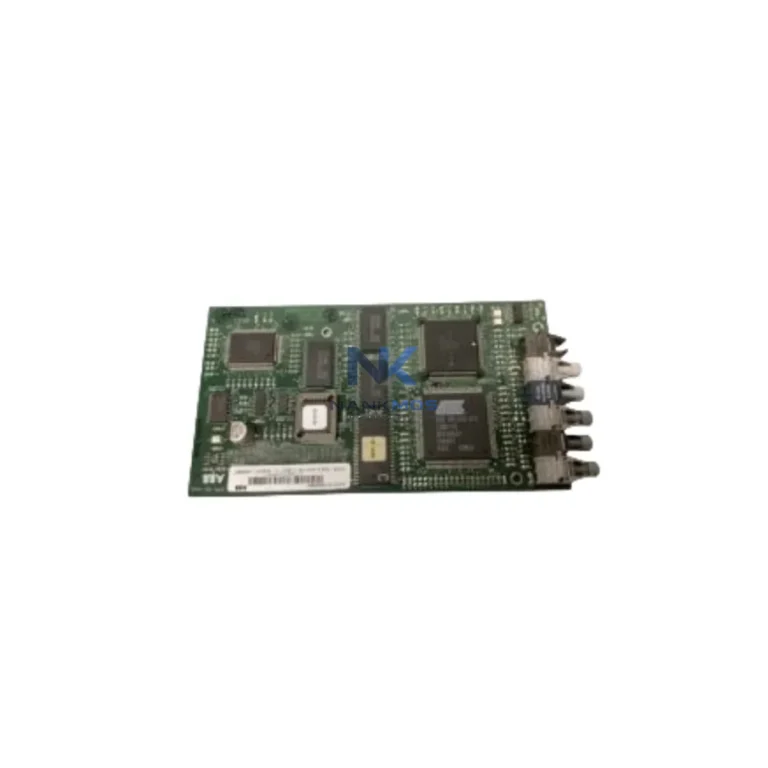
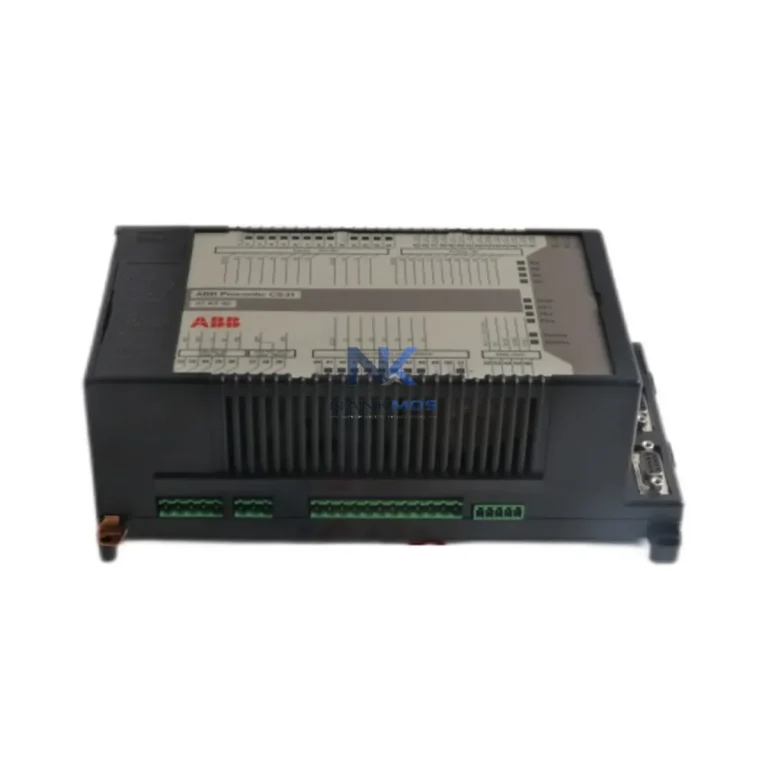
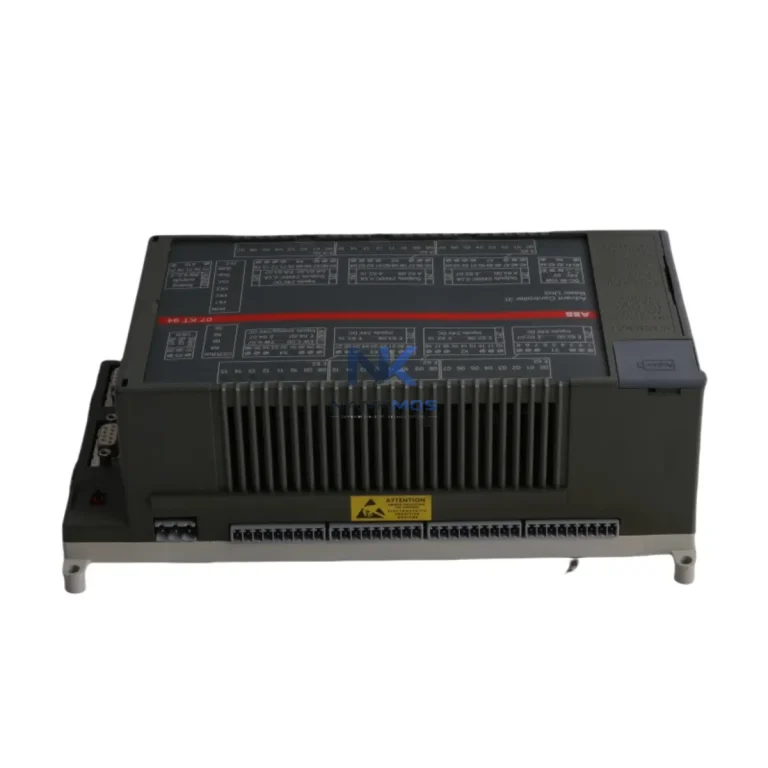
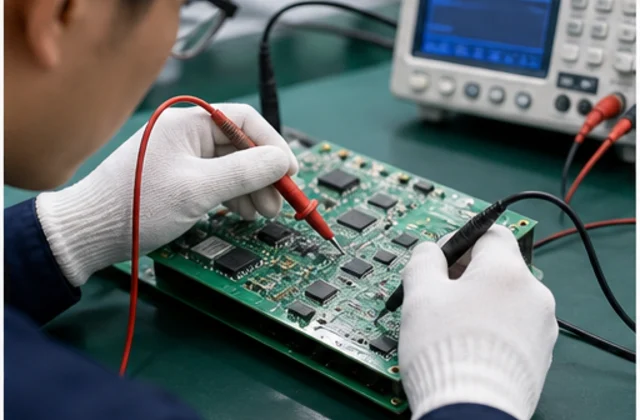
 Functional Inspection
100% tested on professional platforms to ensure stable performance.
Fastwel TBI-24/0C is a NANKMOS industrial automation product record Listed under Other series series and Business & Industrial > Automation, Control & Flow Devices > Programmable Logic Controllers. Confirm condition, availability, lead time, compatibility and documentation by email inquiry.
Brand names are used for identification only.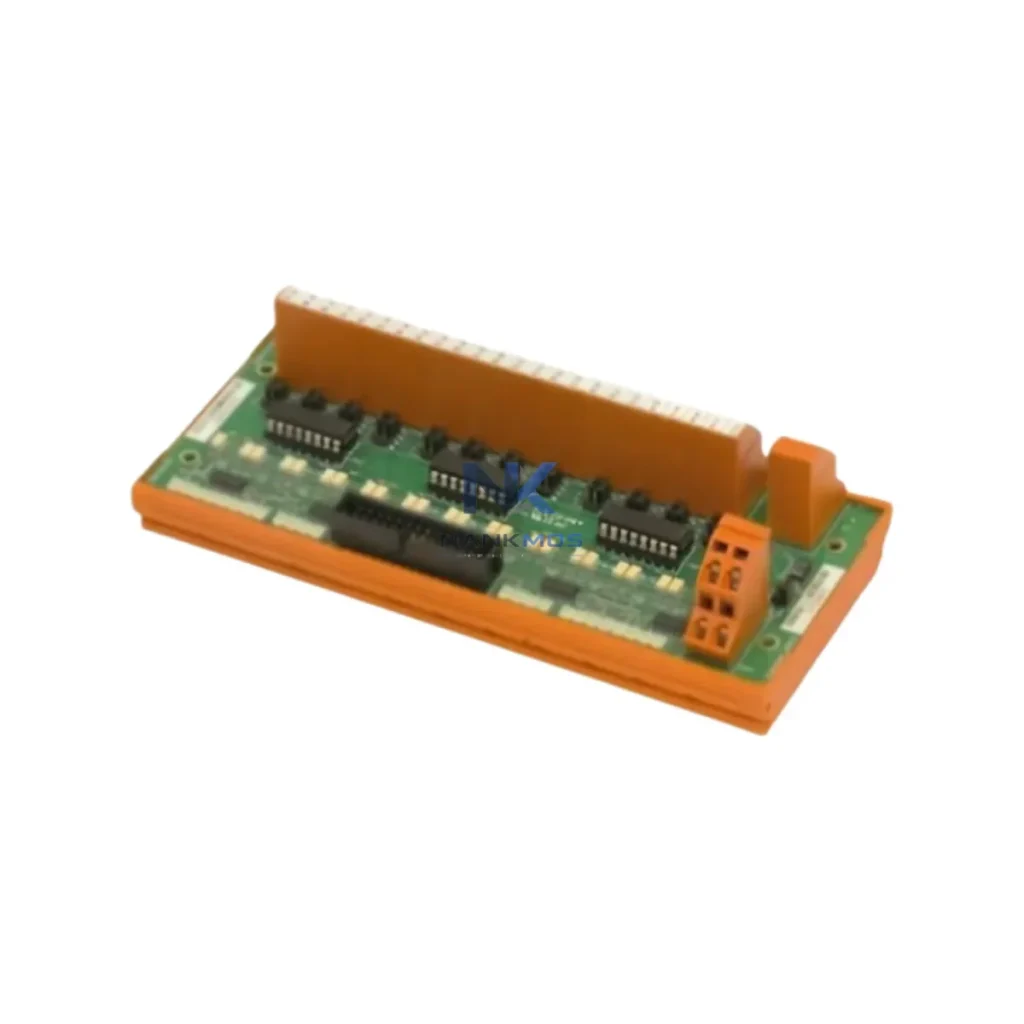
Fastwel TBI-24/0C is a NANKMOS industrial automation product record Listed under Other series series and Business & Industrial > Automation, Control & Flow Devices > Programmable Logic Controllers. Confirm condition, availability, lead time, compatibility and documentation by email inquiry.
| Manufacturer | Fastwel |
|---|---|
| Application | Controller Processing & System Control |
| Part Number / Model | TBI-24/0C |
| Compatible System | Confirmed by inquiry |
| Condition Options | To Confirm |
| Module Type | Controller / CPU Module |
| Warranty | 12 Months |
| Packaging | Anti-static Bag / Secure Box |
| Shipping Methods | DHL / FedEx / UPS / Air / Sea |
| Availability | To Confirm |
| Lead Time | To Confirm |
| Documentation | Part number and revision checked before quote |
The Fastwel TBI-24/0C is a CompactPCI-format isolated digital input board engineered for demanding industrial data acquisition and smart factory connectivity. Designed to serve as a reliable front-end node in distributed control architectures, the TBI-24/0C captures 24 channels of discrete field signals and delivers them with deterministic latency into the control backbone — bridging the gap between field-level sensors and upper-layer SCADA, HMI, and MES platforms. Whether deployed in power generation switchgear panels, petrochemical process units, or water treatment automation islands, this board provides the signal integrity and protocol compatibility that modern Industry 4.0 data chains demand.
At the heart of any smart factory lies a continuous, unbroken data flow: from field instruments and actuators, through PLCs and remote I/O modules, across industrial Ethernet backbones, and into supervisory systems where operators make real-time decisions. The TBI-24/0C occupies a critical position in this chain. Its optically isolated inputs protect the control system from ground loops and transient surges common in high-voltage industrial environments, while its CompactPCI bus interface ensures high-throughput, low-jitter data transfer to the host processor — typically a Fastwel CPC series single-board computer or a CompactPCI chassis controller running VxWorks, QNX, or Linux RTOS.
In a typical deployment, field-level proximity sensors, limit switches, and digital output modules from remote I/O racks feed their status signals into the TBI-24/0C input channels. The board aggregates these 24 discrete states and presents them to the PLC logic engine or embedded controller over the CompactPCI backplane. From there, the controller — often paired with a Fastwel MPC or IPC platform — executes ladder logic or function block programs and forwards processed data upstream via industrial Ethernet protocols such as PROFINET, EtherNet/IP, or Modbus TCP. This architecture eliminates the need for intermediate signal converters and reduces wiring complexity across the automation cabinet.
A complete smart factory data chain built around the TBI-24/0C begins at the sensor layer. Inductive proximity sensors, photoelectric detectors, and reed switches mounted on conveyors, valve actuators, and rotating equipment feed binary status signals into the board's 24 optically isolated input channels. These signals are immediately available to the host CompactPCI controller — such as a Fastwel CPC510 or CPC307 single-board computer — which runs the real-time control application and manages backplane communication.
The host SBC aggregates input states from the TBI-24/0C alongside analog measurements from companion boards such as the Fastwel ADC-214 analog input module, creating a unified process image. This image is then published over the plant network via an industrial Ethernet gateway. In PROFINET environments, the controller acts as a PROFINET IO device, delivering cyclic process data to a Siemens S7-1500 or Allen-Bradley ControlLogix PLC at the supervisory layer. In Modbus TCP environments, the data is polled by a SCADA server — such as Wonderware InTouch or Ignition — running on the plant operations network.
For remote sites or distributed substations, an industrial edge gateway — such as a Moxa MGate or Advantech ADAM-3600 — sits between the CompactPCI chassis and the WAN link, performing protocol translation from Modbus RTU (serial) to Modbus TCP (Ethernet) or OPC-UA, enabling cloud-based SCADA platforms and MES systems to consume field data without on-site engineering intervention. Alongside the TBI-24/0C, a Fastwel TBO-24 digital output board may be installed in the same chassis to close control loops — issuing trip commands, alarm relay outputs, or motor start/stop signals based on the logic processed from the input states.
HMI panels — whether Weintek cMT series, Siemens TP700 Comfort, or Advantech WebOP — connect to the SCADA server or directly to the PLC via EtherNet/IP or Modbus TCP, displaying real-time digital input states, alarm histories, and trend charts derived from TBI-24/0C data. Industrial managed switches — such as Hirschmann MACH series or Phoenix Contact FL SWITCH — provide the Layer 2 network infrastructure, with VLAN segmentation isolating control traffic from office IT networks and ensuring deterministic packet delivery for time-critical process data.
Variable frequency drives (VFDs) controlling pump motors and compressors report their run/fault status back to the TBI-24/0C input channels, completing the feedback loop. This bidirectional data architecture — from field device through the TBI-24/0C, across the CompactPCI backplane, through the industrial Ethernet switch, into the SCADA server, and back to the HMI operator display — forms the backbone of a transparent, auditable, and remotely diagnosable automation system.
Many industrial sites operate with legacy equipment that communicates over proprietary or serial protocols — Modbus RTU, DeviceNet, or hardwired relay logic — creating data silos that prevent plant-wide visibility. The TBI-24/0C addresses this by providing a clean, optically isolated digital input interface that accepts signals from virtually any field device regardless of its native protocol. When paired with a Fastwel host controller running OPC-UA server software, the board's input data becomes accessible to any OPC-UA client — including modern cloud SCADA platforms, digital twin engines, and AI-based predictive maintenance systems — without requiring changes to the field wiring.
Remote monitoring is another persistent challenge on distributed sites such as pipeline pump stations, offshore platforms, and remote substations. By integrating the TBI-24/0C into a CompactPCI chassis with a cellular or fiber WAN interface, operators can monitor all 24 digital input states from a central control room hundreds of kilometers away. Alarm events — such as a high-level switch trip or a motor overload relay activation — are timestamped at the source and transmitted to the SCADA historian within milliseconds, enabling accurate root-cause analysis and reducing mean time to repair (MTTR).
Production line transparency is achieved by mapping TBI-24/0C input channels to KPI dashboards in the MES layer. Machine cycle counts, part-present signals, and safety gate status — all captured as discrete digital inputs — become the raw data for OEE (Overall Equipment Effectiveness) calculations, shift reports, and predictive maintenance alerts. System expansion is straightforward: additional TBI-24/0C boards can be installed in vacant CompactPCI slots, doubling or tripling the digital input capacity without changes to the software architecture, thanks to the board's plug-and-play driver support under Linux and VxWorks.
Q1: What communication protocols does the TBI-24/0C support for SCADA integration? The TBI-24/0C interfaces with the host controller via the CompactPCI backplane. The host controller then exposes the input data over industrial Ethernet protocols including Modbus TCP, PROFINET, EtherNet/IP, and OPC-UA, depending on the software stack deployed. This makes the board compatible with all major SCADA platforms including Ignition, Wonderware, and WinCC.
Q2: How does the TBI-24/0C ensure network stability and data integrity in noisy industrial environments? Each of the 24 input channels is optically isolated, eliminating ground loop interference and protecting the backplane from transient voltage spikes common in motor control centers and switchgear panels. The CompactPCI bus provides a deterministic, high-bandwidth data path with no packet collision risk, ensuring consistent scan cycle performance even in electromagnetically noisy environments.
Q3: Can the TBI-24/0C be used for remote diagnostics and predictive maintenance? Yes. When the host controller is configured with an OPC-UA or Modbus TCP server, all 24 digital input states — including alarm events and state-change timestamps — are accessible to remote SCADA clients and cloud analytics platforms. This enables condition monitoring, alarm trend analysis, and predictive maintenance workflows without requiring on-site access to the CompactPCI chassis.
Q4: What is the warranty and pre-shipment testing policy for the TBI-24/0C? Every TBI-24/0C unit is function-tested before dispatch to verify channel isolation, input threshold response, and backplane communication integrity. The board is covered by a 12-month warranty from the date of shipment. In-stock units are available for immediate dispatch, with lead times confirmed at the time of order.
Functional Inspection100% tested on professional platforms to ensure stable performance.
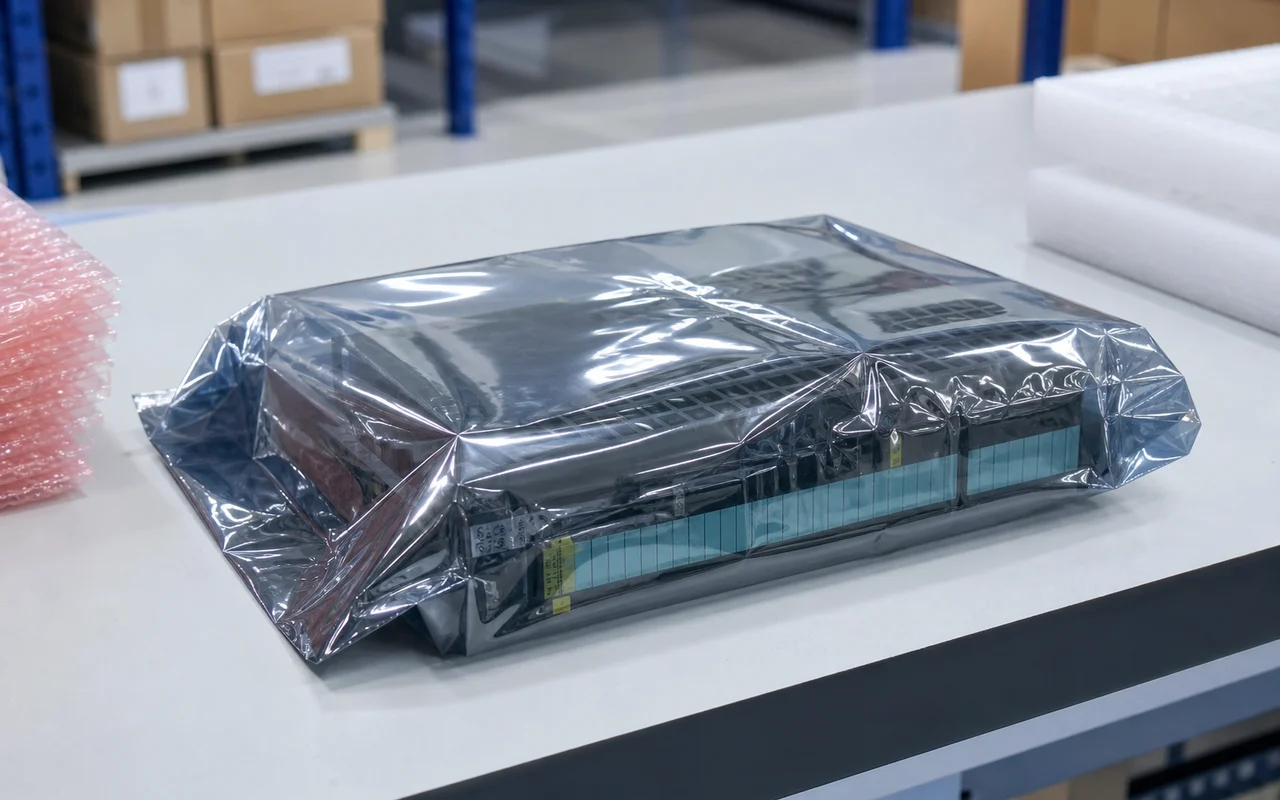 Anti-static Packaging
Modules are packed in anti-static bags to prevent electrostatic damage.
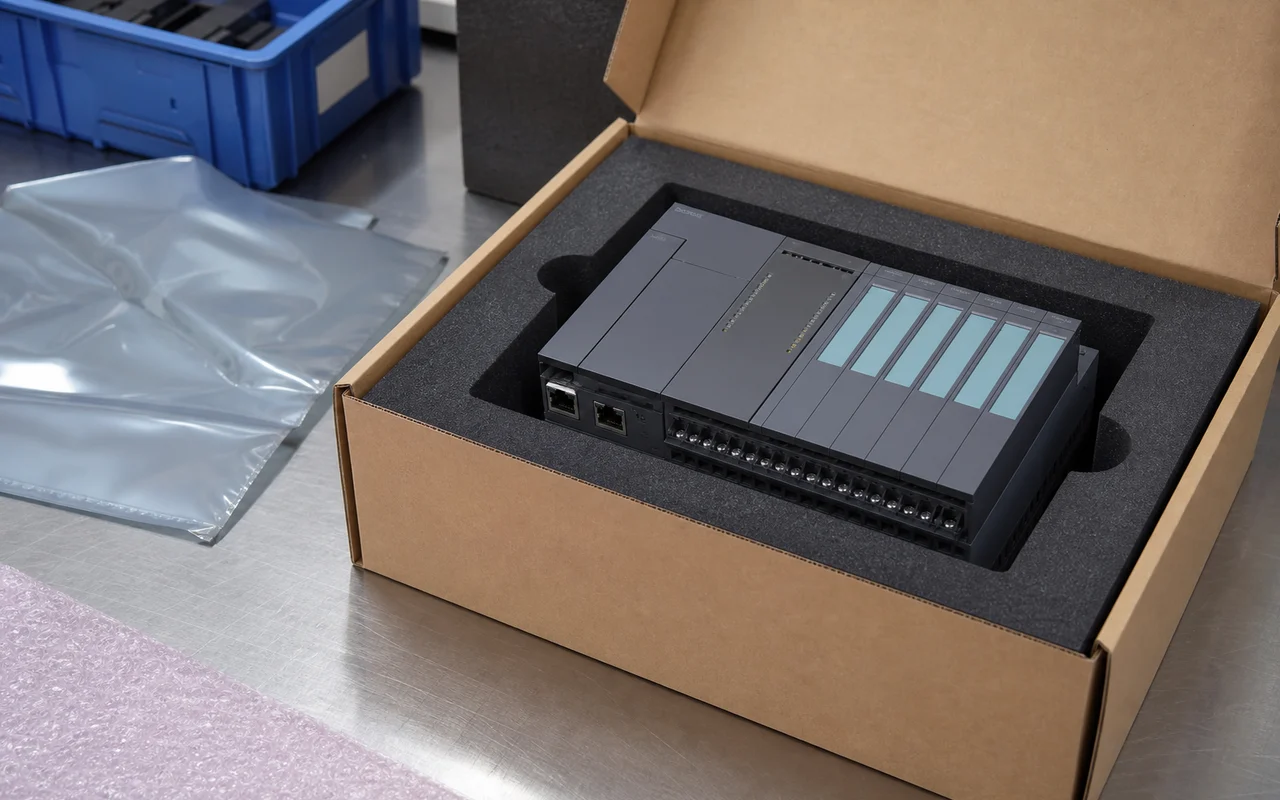 Secure Export Packing
Cushion protection and strong cartons ensure safe transportation.
 Worldwide Shipping
Global logistics network supports air, sea and express delivery.
 Documentation Check
Part number, revision and compatibility verified before shipment.
 After-sales Support
Professional technical support to help resolve your issues.