Functional Inspection
100% tested on professional platforms to ensure stable performance.
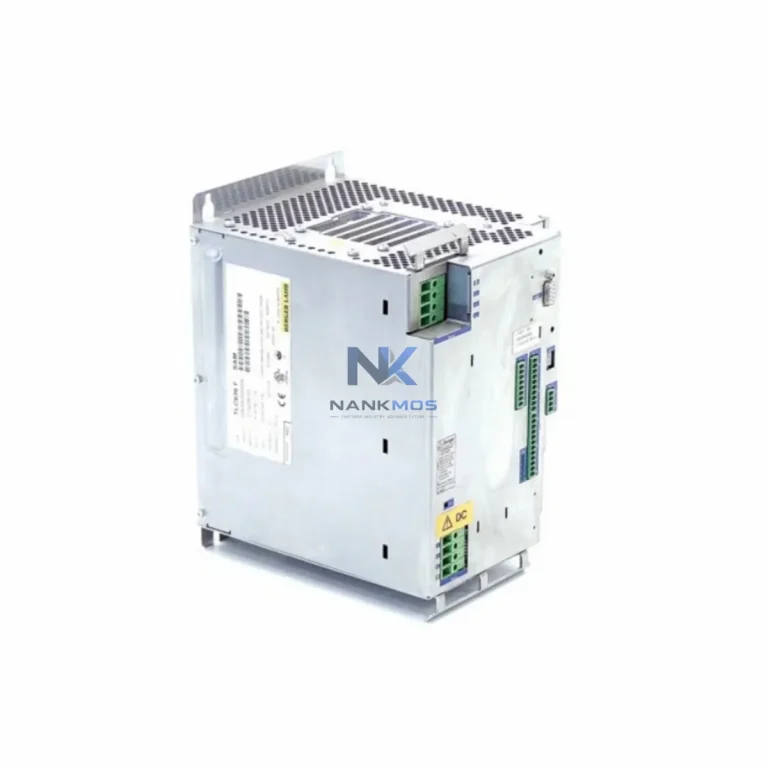
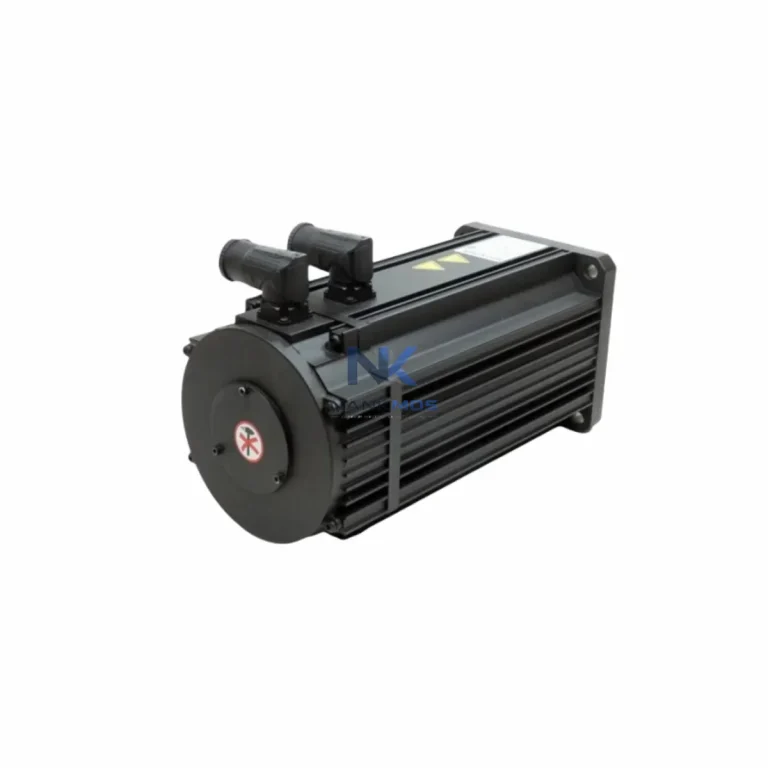
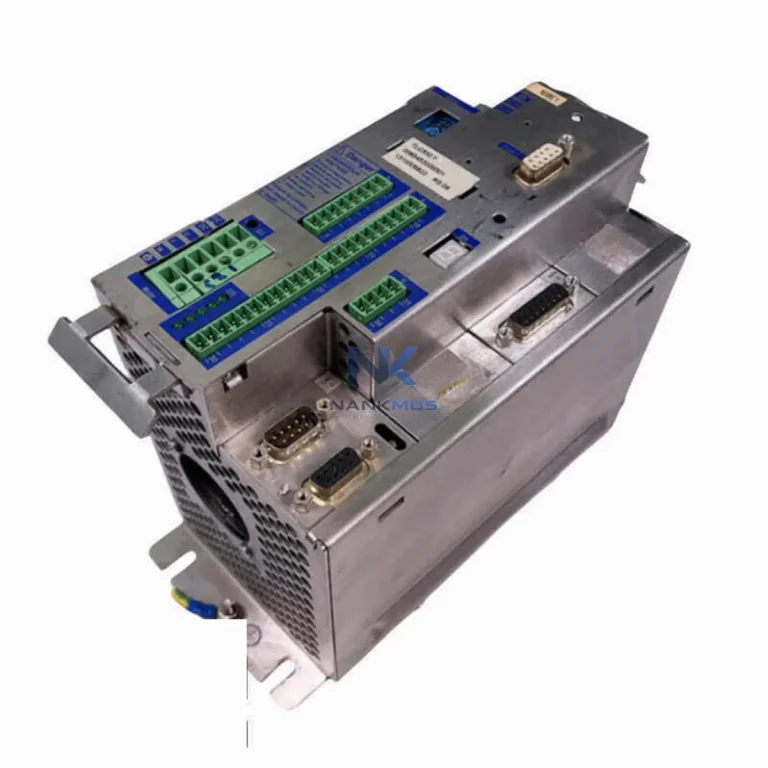
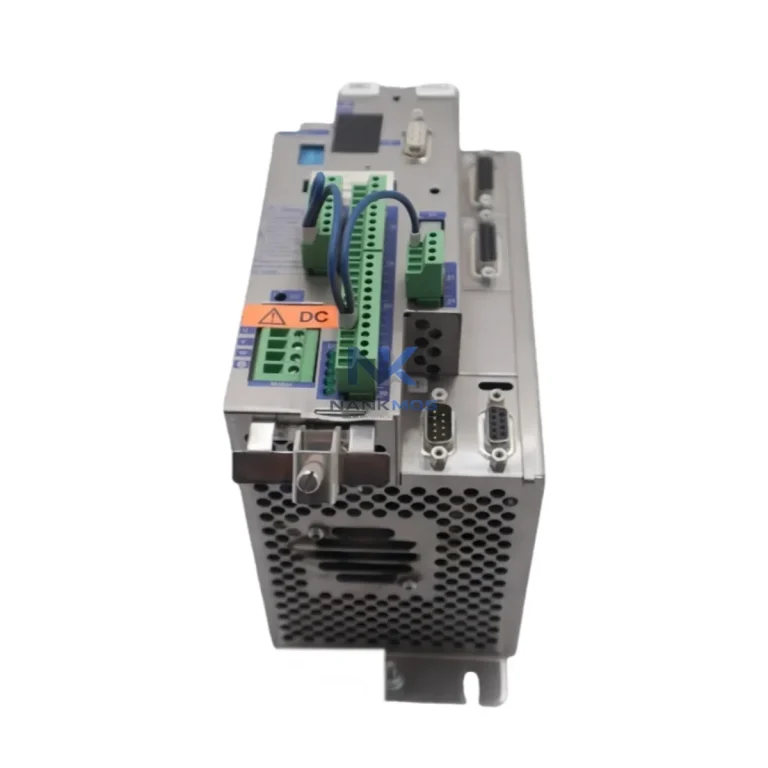
Berger Lahr TLD138F is a NANKMOS industrial automation product record Listed under Other series series and Drives. Confirm condition, availability, lead time, compatibility and documentation by email inquiry.
Brand names are used for identification only.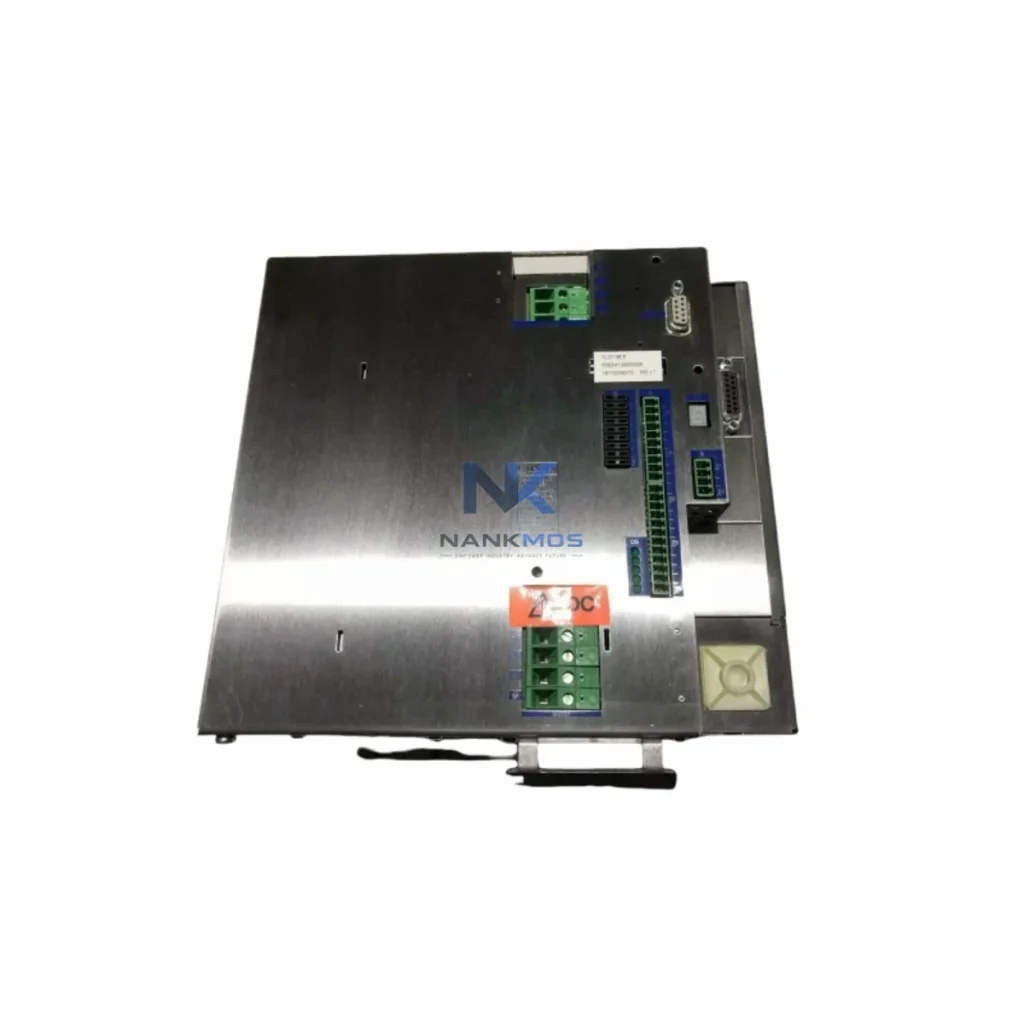
Berger Lahr TLD138F is a NANKMOS industrial automation product record Listed under Other series series and Drives. Confirm condition, availability, lead time, compatibility and documentation by email inquiry.
| Manufacturer | Berger Lahr |
|---|---|
| Application | Motion Control & Drive System |
| Part Number / Model | TLD138F |
| Compatible System | Confirmed by inquiry |
| Condition Options | To Confirm |
| Module Type | Servo / Drive Module |
| Warranty | 12 Months |
| Packaging | Anti-static Bag / Secure Box |
| Shipping Methods | DHL / FedEx / UPS / Air / Sea |
| Availability | To Confirm |
| Lead Time | To Confirm |
| Documentation | Part number and revision checked before quote |
The Berger Lahr TLD138F is a high-performance servo driver from the WD3 Series, engineered for precision motion control and seamless integration into modern industrial communication architectures. Designed for demanding automation environments, the TLD138F supports Profibus-DP and RS-485 fieldbus protocols, enabling real-time data exchange between servo axes, PLC controllers, remote I/O modules, HMI panels, SCADA systems, and upper-level MES platforms. Whether deployed in a standalone servo loop or embedded within a multi-axis coordinated motion network, the TLD138F delivers the connectivity, determinism, and diagnostic transparency that smart factory data pipelines demand.
In today's connected manufacturing landscape, servo drives are no longer isolated motion components — they are active nodes in a plant-wide data fabric. The TLD138F fulfills this role by exposing real-time velocity, torque, position feedback, fault codes, and thermal status directly onto the fieldbus, making every axis visible to the SCADA layer without additional signal conditioning hardware. This native data transparency accelerates commissioning, reduces unplanned downtime, and supports the continuous performance monitoring that Industry 4.0 architectures require.
The TLD138F sits at the intersection of field-level motion execution and plant-level data visibility. In a typical smart factory deployment, the data flow begins at the sensor and actuator layer: encoders, resolvers, and linear scales feed position and velocity signals directly into the TLD138F's feedback interface. The drive processes these signals in its real-time control loop — executing torque commands with microsecond-level determinism — while simultaneously packaging axis status data into Profibus-DP cyclic frames for upstream consumption.
At the PLC layer, a Siemens S7-315 DP or Schneider Modicon M340 acts as the Profibus master, polling the TLD138F alongside other field devices — including Berger Lahr WD3-007 and WD3-015 servo amplifiers on adjacent axes — within a single bus scan cycle. This coordinated polling ensures that multi-axis motion profiles remain synchronized, critical for gantry systems, winding machines, and pick-and-place robotics where axis timing tolerances are measured in milliseconds.
Remote I/O expansion modules, such as Siemens ET 200S or Phoenix Contact Inline distributed I/O, share the same Profibus segment, allowing the TLD138F's digital I/O signals — drive ready, fault relay, enable input — to be aggregated into the PLC's I/O image without dedicated point-to-point wiring. This bus-based I/O architecture dramatically reduces cabinet wiring complexity and simplifies fault tracing during maintenance windows.
At the HMI layer, operator panels running Siemens WinCC flexible or Weintek cMT Series touchscreens connect to the PLC via Profinet or MPI, pulling real-time axis data — speed setpoint, actual speed, following error, drive temperature — from the PLC's data blocks that are continuously refreshed by the TLD138F's Profibus cyclic data. Operators gain live visibility into servo performance without any additional communication configuration at the drive level.
For SCADA integration, the PLC gateway bridges Profibus field data to the plant Ethernet backbone via a Siemens CP 343-1 or Moxa MGate MB3480 protocol converter, translating Profibus process data into OPC-UA or Modbus TCP tags consumable by Wonderware System Platform, Ignition SCADA, or Inductive Automation historian servers. This architecture enables the TLD138F's axis data to appear as live trends in SCADA dashboards, with alarm thresholds configured for following error limits, overcurrent events, and thermal warnings.
At the edge layer, an industrial edge gateway — such as a Siemens SIMATIC IPC427E or Advantech UNO-2484G — can subscribe to OPC-UA nodes published by the SCADA server, applying local analytics to detect servo degradation patterns before they escalate into unplanned stops. This edge-to-cloud data path supports predictive maintenance workflows, where TLD138F vibration signatures and load current trends are compared against baseline models to generate early-warning maintenance tickets.
Power quality at the drive input is managed by Puls QS20 or Siemens SITOP PSU300S industrial power supplies, ensuring that the TLD138F's DC bus remains stable under dynamic load transients — a prerequisite for maintaining Profibus communication integrity during rapid acceleration and deceleration cycles. Upstream, Hirschmann RS20 or Moxa EDS-308 industrial managed switches segment the plant Ethernet network, isolating SCADA traffic from motion control traffic and providing VLAN-based QoS prioritization.
Protocol Fragmentation: Many legacy servo installations rely on proprietary point-to-point interfaces — analog ±10V velocity references, pulse-direction step signals, or vendor-specific serial protocols — that cannot be read by modern SCADA systems without custom signal conditioning. The TLD138F's native Profibus-DP interface eliminates this gap, placing the servo axis directly on the plant fieldbus and making its data immediately accessible to any Profibus master without protocol translation middleware.
Data Islands and Blind Spots: In multi-vendor automation environments, servo drives from different manufacturers often create data islands — axes that run correctly but whose internal state is invisible to the control system. By standardizing on the TLD138F across WD3-series axes, engineering teams can achieve uniform data visibility across all servo nodes, enabling consistent alarm management, coordinated fault response, and centralized parameter backup via the Profibus master.
Remote Monitoring and Diagnostics: Unplanned servo faults in remote or hazardous locations — offshore platforms, mining conveyors, chemical processing lines — are costly to diagnose on-site. The TLD138F's Profibus diagnostic messaging transmits fault codes, warning states, and drive status bytes to the SCADA layer in real time, enabling remote engineers to identify fault causes, assess severity, and prepare replacement procedures before dispatching field technicians. This remote diagnostic capability directly reduces mean time to repair (MTTR) and minimizes production loss.
Production Line Transparency: OEE (Overall Equipment Effectiveness) improvement programs require granular data on machine availability, performance rate, and quality yield. The TLD138F contributes to OEE data collection by exposing cycle time data, fault frequency counters, and energy consumption metrics via Profibus, feeding the MES layer with the axis-level data needed to calculate true machine availability and identify chronic underperformers.
Alarm Tracking and System Expansion: As production lines scale — adding axes, expanding conveyor sections, or integrating new robot cells — the Profibus-DP bus architecture of the TLD138F supports incremental node addition without rewiring the communication backbone. New TLD138F units are assigned unique Profibus node addresses and appear immediately in the PLC's GSD-based hardware configuration, minimizing commissioning time for capacity expansion projects.
Q1: What is the maximum Profibus-DP transmission speed supported by the TLD138F, and does cable length affect communication stability? The TLD138F supports Profibus-DP baud rates up to 12 Mbit/s. At 12 Mbit/s, the maximum segment length is 100 m per segment; at 1.5 Mbit/s, segments can extend to 200 m. For longer runs, Profibus repeaters maintain signal integrity. Shielded twisted-pair cable (Type A, IEC 61158) is recommended for all industrial installations to minimize EMI-induced communication errors in servo drive environments.
Q2: Is the TLD138F compatible with Siemens S7 PLC systems, and can it be configured via STEP 7 or TIA Portal? Yes. The TLD138F integrates with Siemens S7-300 and S7-400 systems via the standard Profibus-DP GSD file, which is imported into STEP 7 or TIA Portal's hardware catalog. Once configured, the PLC automatically manages cyclic data exchange with the drive. Parameter access and diagnostic readout are available through standard Profibus acyclic services (DP-V1), compatible with Siemens PDiag and drive-specific function blocks.
Q3: How does the TLD138F support remote diagnostics in SCADA-connected installations? The TLD138F transmits real-time diagnostic data — including fault codes, warning bits, actual speed, torque utilization, and drive temperature — as part of its Profibus-DP cyclic input data. SCADA systems connected via OPC-DA or OPC-UA gateways can subscribe to these tags and configure alarm thresholds for remote notification. This enables engineering teams to monitor drive health, acknowledge faults, and initiate controlled shutdowns from the SCADA workstation without physical access to the drive cabinet.
Q4: What warranty and pre-shipment testing does the TLD138F include? Every TLD138F unit supplied by NANKMOS carries a 12-month warranty covering manufacturing defects and functional failures under normal operating conditions. Prior to shipment, each unit undergoes functional verification testing — including power-on self-test, communication interface check, and I/O signal validation — to confirm operational integrity before delivery. Replacement or repair support is provided within the warranty period, with technical assistance available via [email protected].
Functional Inspection100% tested on professional platforms to ensure stable performance.
 Anti-static Packaging
Modules are packed in anti-static bags to prevent electrostatic damage.
 Secure Export Packing
Cushion protection and strong cartons ensure safe transportation.
 Worldwide Shipping
Global logistics network supports air, sea and express delivery.
 Documentation Check
Part number, revision and compatibility verified before shipment.
 After-sales Support
Professional technical support to help resolve your issues.