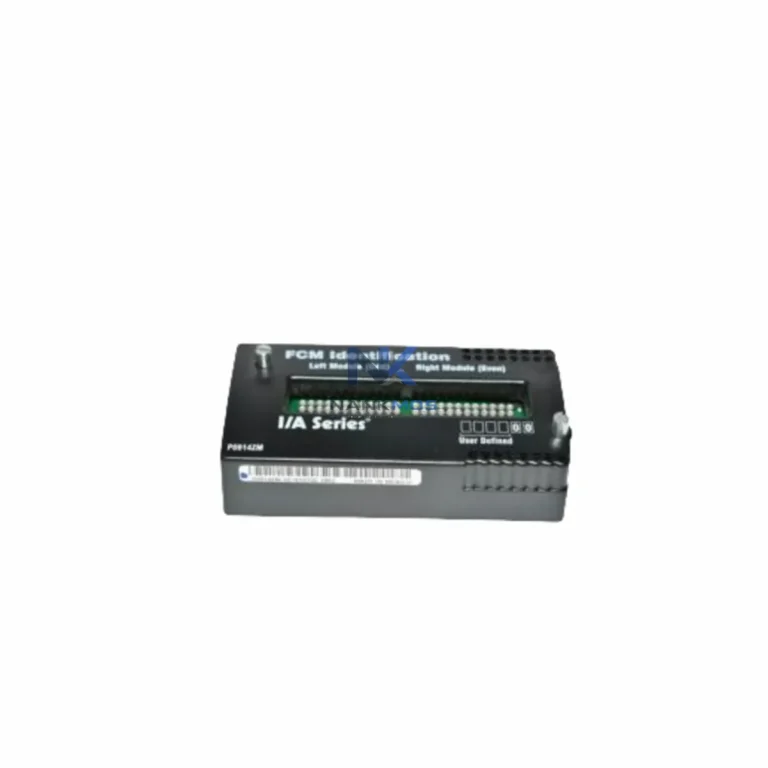
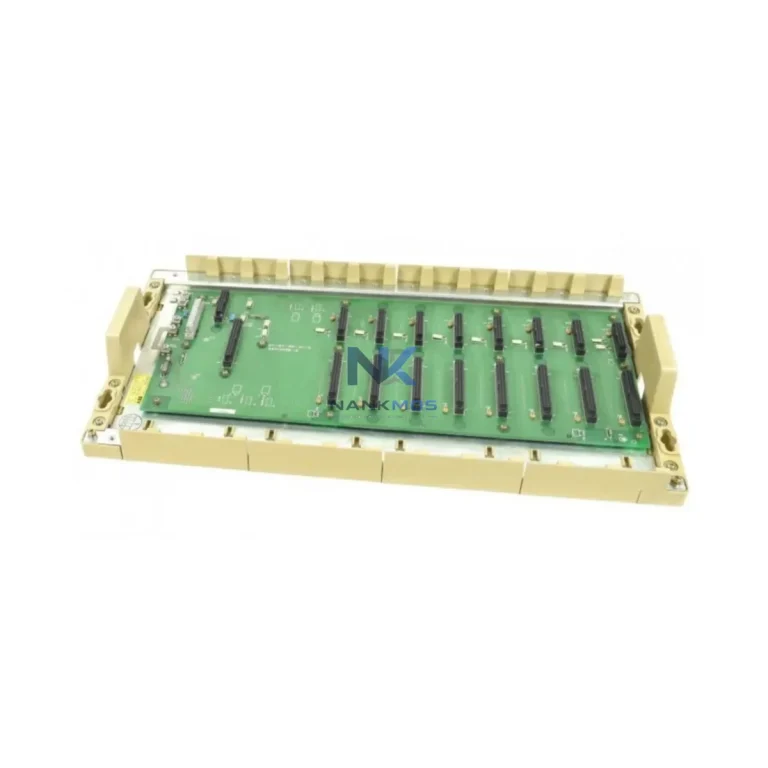
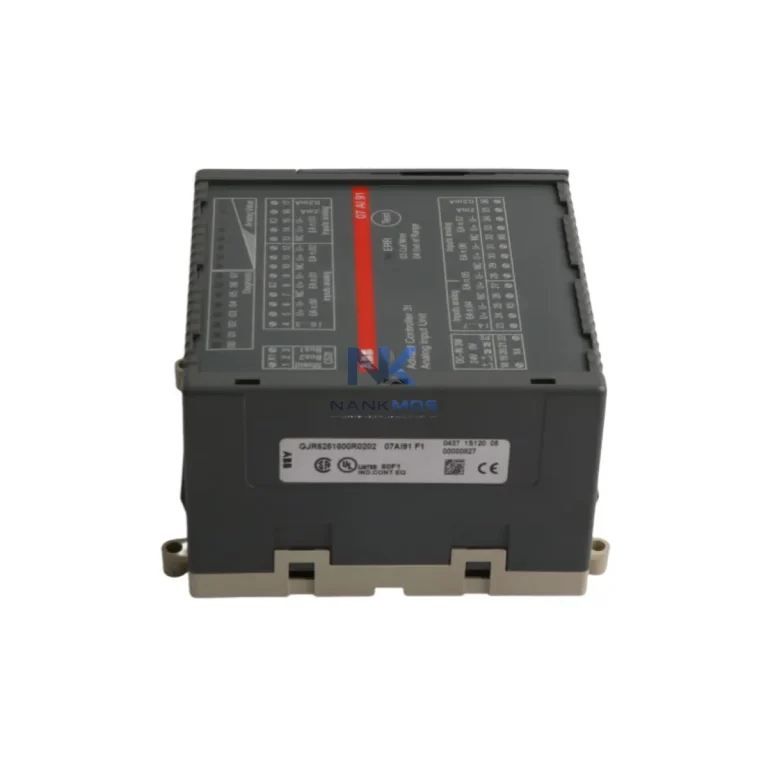
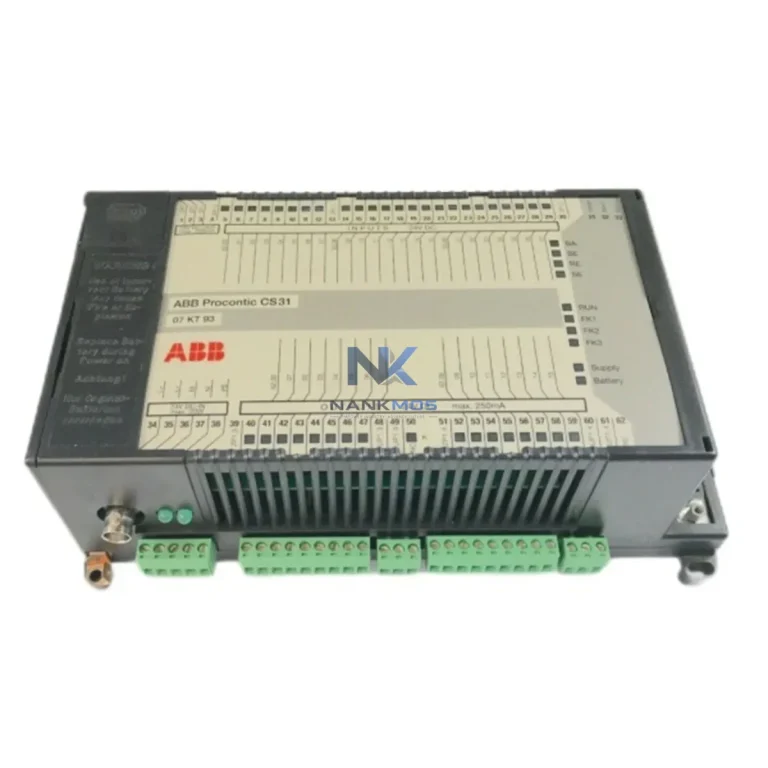
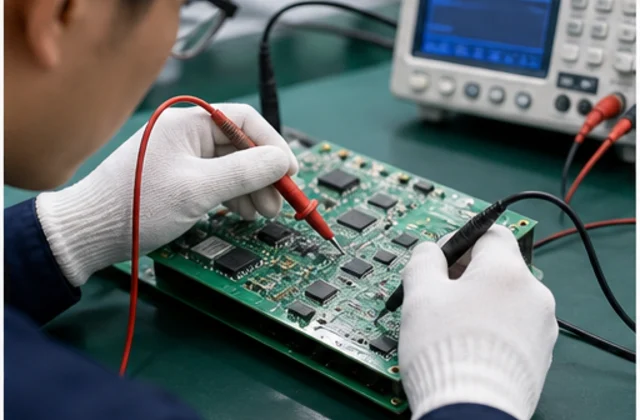
 Functional Inspection
100% tested on professional platforms to ensure stable performance.
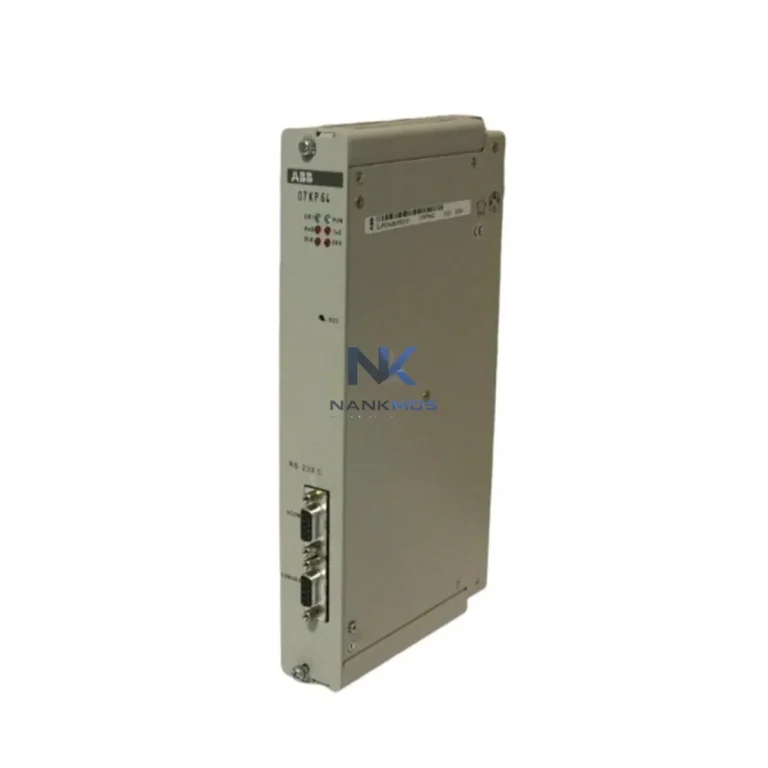
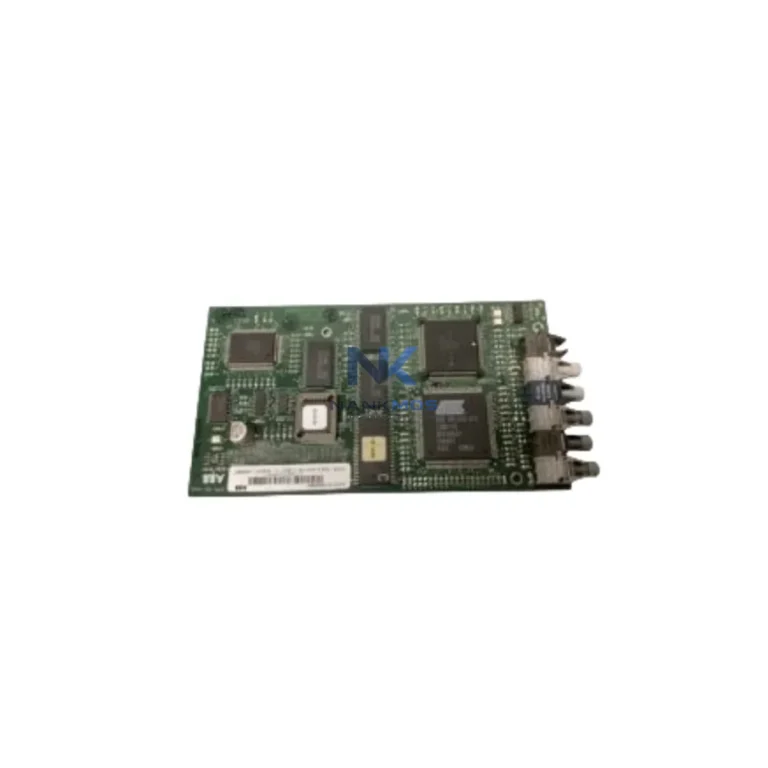
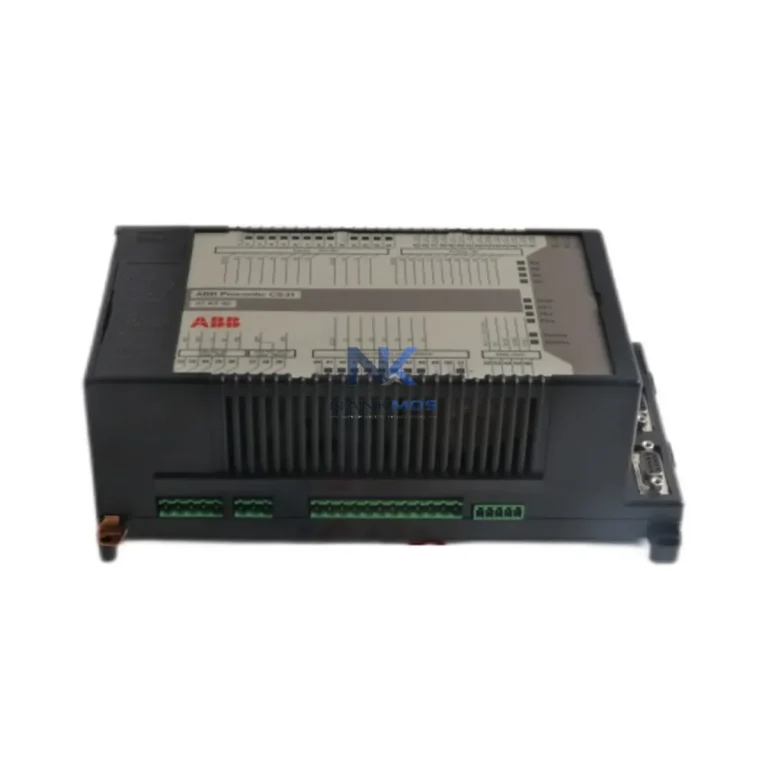
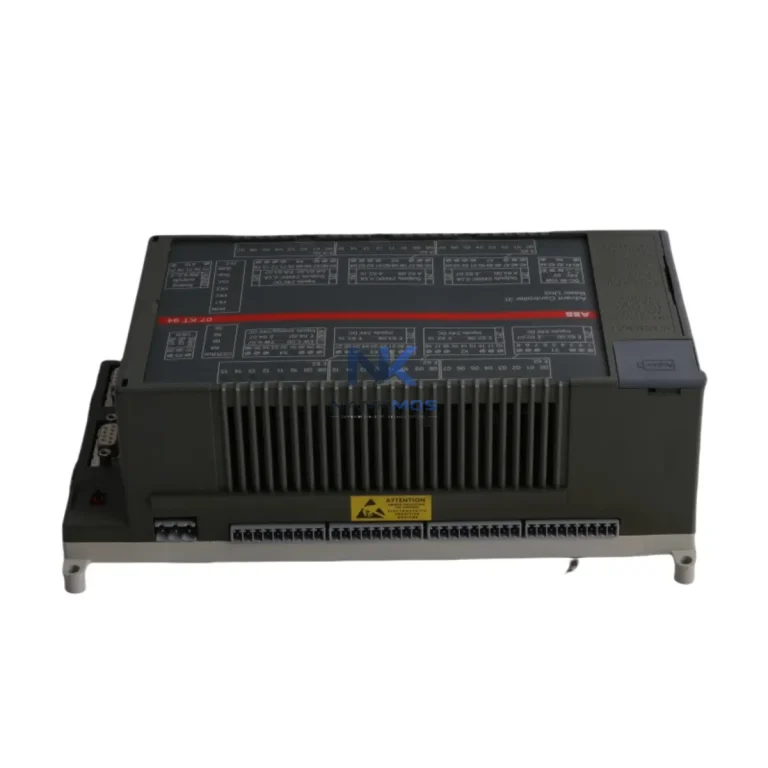
ECI Telecom XDM-100 is a NANKMOS industrial automation product record Listed under Other series series and Business & Industrial > Automation, Control & Flow Devices > Programmable Logic Controllers. Confirm condition, availability, lead time, compatibility and documentation by email inquiry.
Brand names are used for identification only.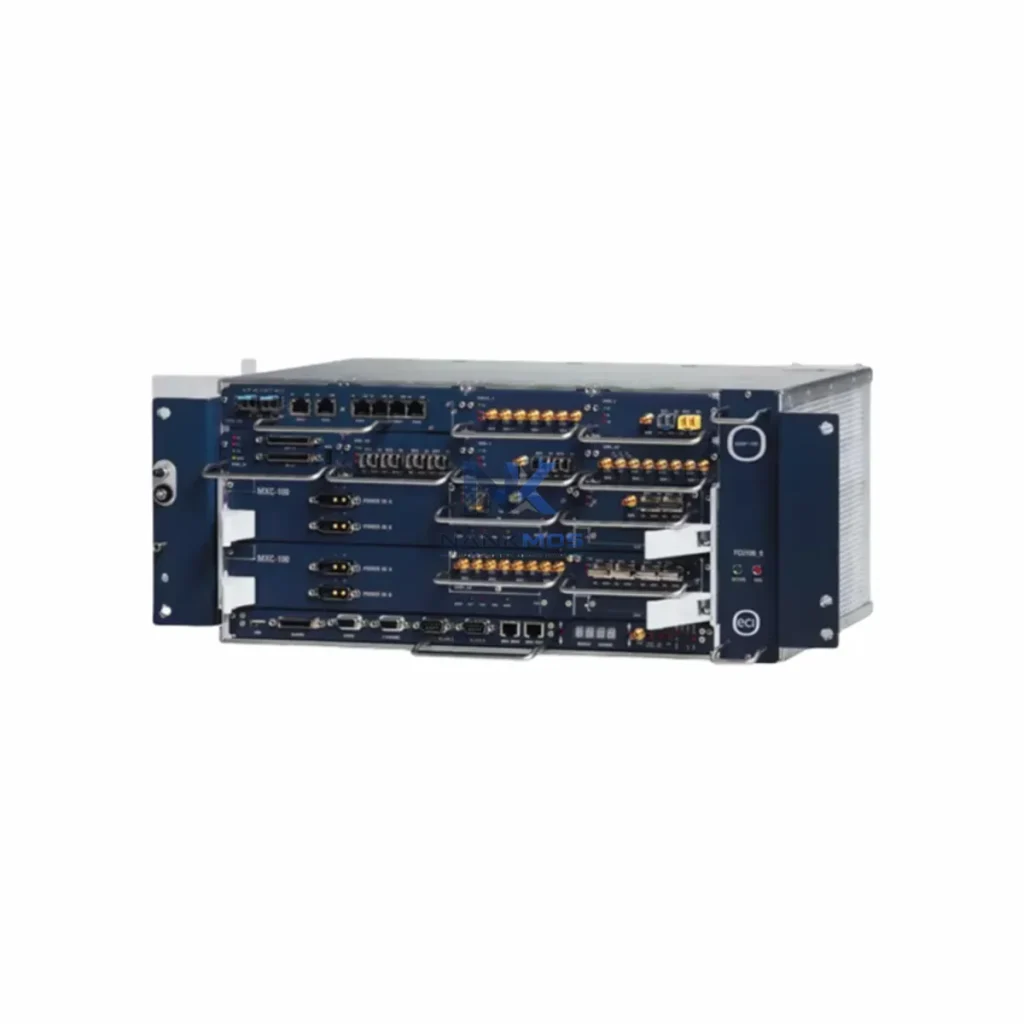
ECI Telecom XDM-100 is a NANKMOS industrial automation product record Listed under Other series series and Business & Industrial > Automation, Control & Flow Devices > Programmable Logic Controllers. Confirm condition, availability, lead time, compatibility and documentation by email inquiry.
| Manufacturer | ECI Telecom |
|---|---|
| Application | Controller Processing & System Control |
| Part Number / Model | XDM-100 |
| Compatible System | Confirmed by inquiry |
| Condition Options | To Confirm |
| Module Type | Controller / CPU Module |
| Warranty | 12 Months |
| Packaging | Anti-static Bag / Secure Box |
| Shipping Methods | DHL / FedEx / UPS / Air / Sea |
| Availability | To Confirm |
| Lead Time | To Confirm |
| Documentation | Part number and revision checked before quote |
The ECI XDM-100 is a high-performance Ethernet interface module engineered for industrial energy control and smart production line integration. Designed within ECI Telecom's XDM series platform, the XDM-100 delivers deterministic, low-latency Ethernet connectivity that enables real-time data exchange between field devices, control systems, and energy management infrastructure. In environments where every watt counts, the XDM-100 serves as a critical communication bridge that reduces idle-state energy consumption, eliminates redundant polling cycles, and supports intelligent load scheduling across the production floor.
Built for demanding industrial environments, the XDM-100 supports seamless integration with programmable logic controllers (PLCs), SCADA platforms, and distributed I/O systems. Its compact form factor and low power draw make it an ideal fit for energy-conscious automation architectures where thermal load management and device utilization efficiency are primary engineering objectives. The module ships fully tested, is available from in-stock inventory, and is backed by a 12-month warranty.
Deploying the ECI XDM-100 within a power-aware automation architecture begins at the controller level. When paired with a Siemens S7-1500 PLC or an Allen-Bradley ControlLogix controller, the XDM-100 provides a dedicated Ethernet communication path that offloads network management tasks from the CPU, reducing the controller's processing overhead and associated power draw. This is particularly valuable in multi-axis servo systems where the PLC must simultaneously manage motion profiles, I/O scanning, and network communications.
In drive-intensive applications, the XDM-100 works alongside Danfoss FC-302 variable frequency drives and Siemens SINAMICS G120 drives to relay real-time speed, torque, and energy consumption data back to the SCADA layer. This closed-loop feedback enables the energy management system to dynamically adjust drive setpoints, reducing motor energy consumption during low-demand production windows. The result is a measurable reduction in kWh consumption per production cycle without sacrificing throughput.
For power monitoring, the XDM-100 integrates naturally with Schneider Electric PowerLogic PM5000 series power meters and similar energy measurement modules. These devices feed instantaneous load data through the Ethernet backbone established by the XDM-100, allowing the SCADA system — such as Wonderware InTouch or Ignition by Inductive Automation — to generate real-time energy dashboards and trigger automated load-shedding routines when threshold values are exceeded.
At the field level, the XDM-100 connects distributed I/O racks — such as Phoenix Contact Axioline F or Beckhoff EtherCAT I/O terminals — to the control network, ensuring that sensor data from current transformers, temperature probes, and vibration sensors reaches the PLC without communication bottlenecks. This data richness is essential for predictive maintenance algorithms that identify energy-wasting fault conditions — such as bearing wear in motors or clogged filters in pneumatic systems — before they escalate into unplanned downtime.
When integrated with a Moxa EDS-400 series industrial Ethernet switch, the XDM-100 benefits from managed network segmentation, which isolates high-bandwidth motion control traffic from lower-priority energy monitoring data. This segmentation prevents network congestion from disrupting time-critical PLC scan cycles, maintaining production line rhythm and preventing the energy spikes associated with communication retries and watchdog resets.
Modern production lines face a dual mandate: maximize output while minimizing energy cost per unit produced. The ECI XDM-100 addresses this challenge by providing the communication infrastructure that makes intelligent energy management possible at scale. Without reliable, low-latency Ethernet connectivity between field devices and supervisory systems, energy optimization strategies remain theoretical — the XDM-100 makes them operational.
In a typical automotive body shop or electronics assembly line, the XDM-100 enables the SCADA system to implement zone-based energy control. During scheduled breaks or shift changeovers, the system can automatically command variable frequency drives to ramp down conveyor motors, instruct servo controllers to enter low-power standby modes, and reduce compressed air pressure setpoints — all coordinated through the Ethernet network that the XDM-100 anchors. These coordinated shutdowns can reduce line energy consumption by 15–30% during non-production intervals without requiring manual operator intervention.
The XDM-100 also supports production line takt time optimization by ensuring that energy consumption data is available to the manufacturing execution system (MES) in real time. When the MES detects that a bottleneck station is consuming disproportionate energy relative to its output, it can trigger a maintenance alert or adjust upstream feed rates to balance the line — reducing both energy waste and work-in-process inventory. This integration between energy data and production scheduling is a hallmark of Industry 4.0 smart factory design.
From a thermal management perspective, the XDM-100's low heat dissipation profile contributes to reduced cabinet cooling loads. In large control panels housing multiple communication modules, PLCs, and power supplies, cumulative heat generation drives significant HVAC energy consumption. Specifying low-power modules like the XDM-100 across a panel design can meaningfully reduce the cooling capacity required, lowering both capital expenditure on cooling equipment and ongoing operational energy costs.
Long-term, the XDM-100 supports predictive maintenance programs that are among the most effective tools for sustaining energy efficiency. By continuously streaming device health data — motor current signatures, drive fault codes, I/O response times — through the Ethernet network, the XDM-100 enables condition monitoring platforms to detect degradation trends early. Replacing a worn motor bearing before it causes a catastrophic failure avoids not only the energy waste of running a degraded motor but also the production losses and emergency maintenance costs associated with unplanned downtime.
Every XDM-100 unit is subjected to full functional testing prior to shipment, including Ethernet link integrity verification and protocol handshake validation. This pre-shipment testing protocol ensures that modules arrive ready for immediate commissioning, reducing installation time and the associated energy and labor costs of extended site testing. Combined with the 12-month warranty coverage, the XDM-100 represents a low-risk, high-value investment for energy-conscious industrial automation projects.
Q1: How does the ECI XDM-100 contribute to measurable energy savings on a production line? The XDM-100 enables real-time communication between energy monitoring devices, PLCs, and SCADA systems, allowing automated load management routines to reduce motor speeds, dim non-critical lighting, and shed non-essential loads during low-demand periods. By eliminating the communication latency that delays these control actions, the XDM-100 ensures that energy-saving commands are executed promptly and reliably, maximizing the efficiency gains from your energy management strategy.
Q2: Which control systems and protocols is the XDM-100 compatible with? The XDM-100 is compatible with standard industrial Ethernet environments including PROFINET, Modbus TCP, and OPC-UA-based architectures. It integrates with major PLC platforms (Siemens, Allen-Bradley, Mitsubishi), SCADA software (Wonderware, Ignition, WinCC), and industrial Ethernet infrastructure from vendors such as Moxa and Hirschmann. For specific protocol compatibility confirmation, contact our technical team with your system architecture details.
Q3: Can the XDM-100 replace an existing Ethernet interface module in my current XDM series installation? The XDM-100 is designed as a direct-fit module within the ECI XDM platform. For replacement applications, verify the slot configuration and firmware version of your existing XDM chassis before installation. In most cases, the XDM-100 can be hot-swapped with minimal disruption to network operations. Contact our pre-sales team for a compatibility assessment if you are migrating from an older XDM interface variant.
Q4: What does the 12-month warranty cover, and what is the typical lead time for in-stock units? The 12-month warranty covers manufacturing defects and functional failures under normal operating conditions from the date of shipment. It does not cover damage resulting from improper installation, overvoltage events, or environmental conditions outside the module's rated specifications. In-stock units are available for immediate dispatch with standard lead times of 1–3 business days for most regions. All units are tested prior to shipment to ensure full functional compliance.
Functional Inspection100% tested on professional platforms to ensure stable performance.
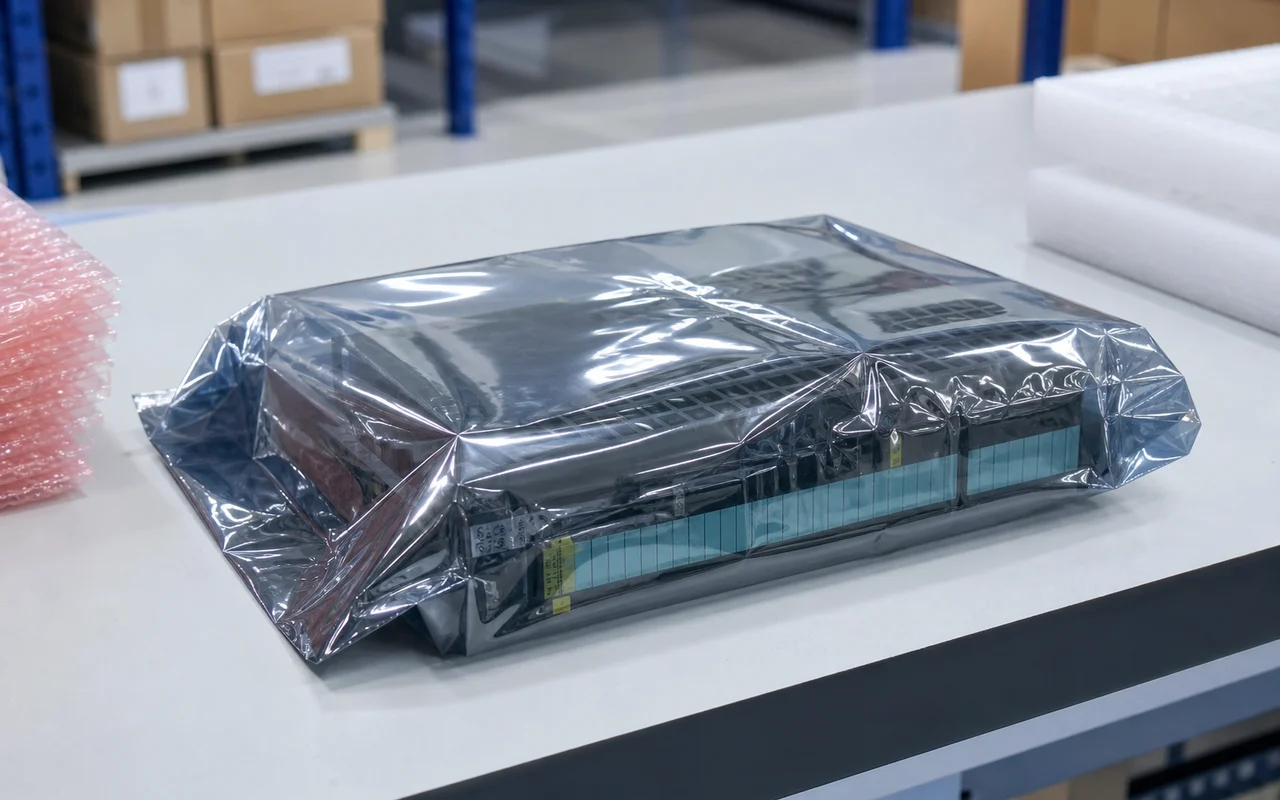 Anti-static Packaging
Modules are packed in anti-static bags to prevent electrostatic damage.
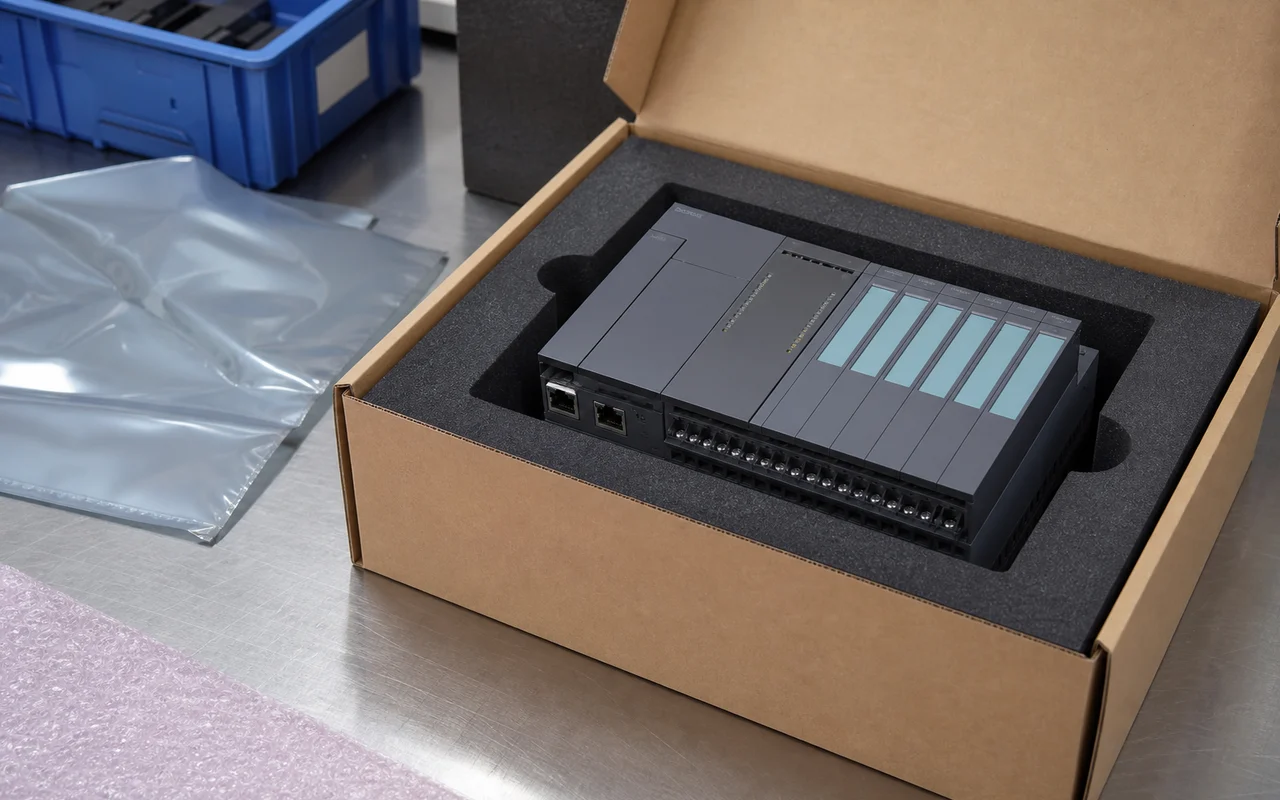 Secure Export Packing
Cushion protection and strong cartons ensure safe transportation.
 Worldwide Shipping
Global logistics network supports air, sea and express delivery.
 Documentation Check
Part number, revision and compatibility verified before shipment.
 After-sales Support
Professional technical support to help resolve your issues.